Renting a Car in the UK: Costs, Rules & Mistakes
What you need for renting a car in the UK, what it really costs, and how to avoid charges, fees and left-hand driving mistakes.
On this page
Last updated November 2026. Renting a car in the UK comes down to five decisions: your licence and age, manual or automatic, pickup location, insurance and deposit, and city charges. You drive on the left, and most rental cars are manual. Our UK driving guide covers the road rules, and this page covers the rental desk.
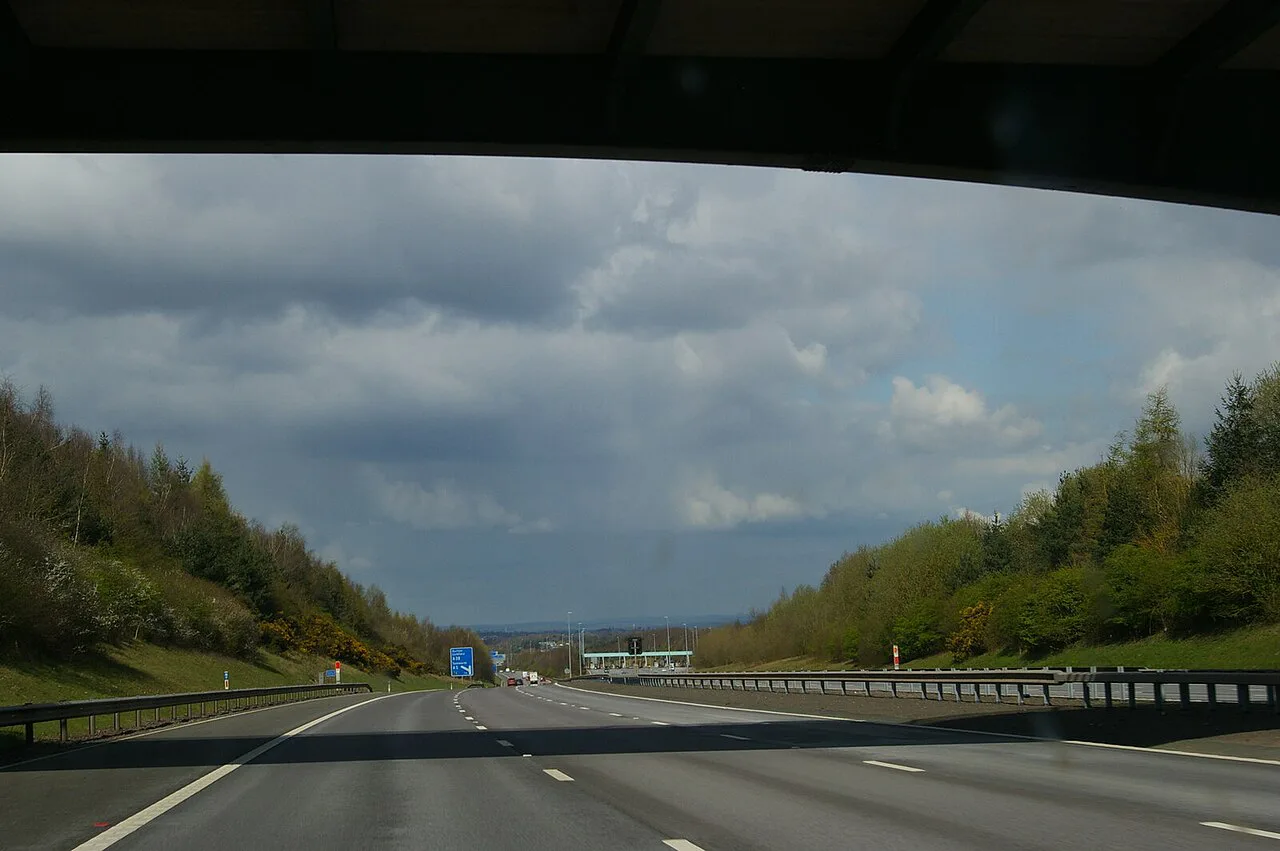
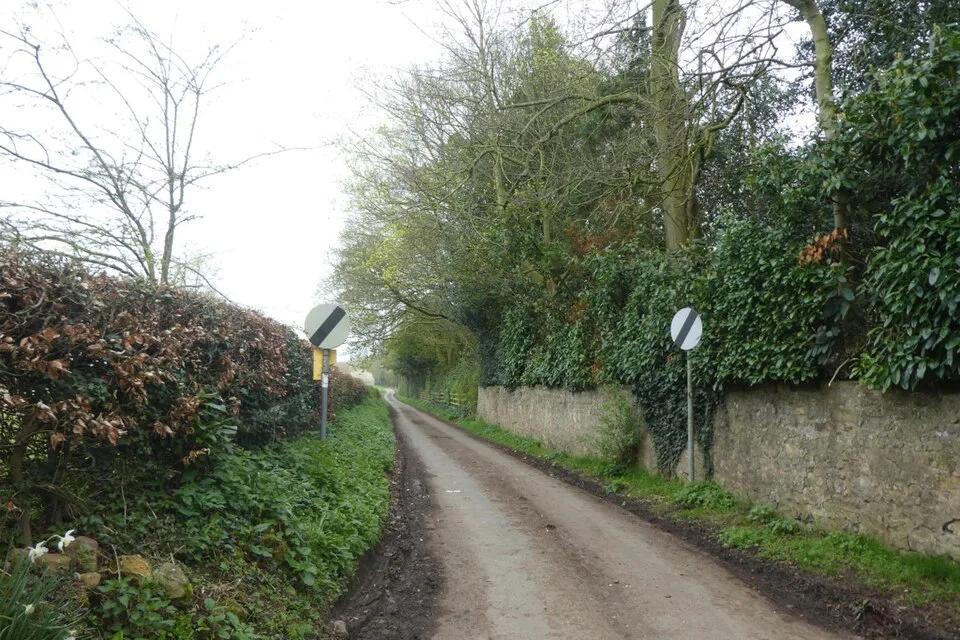
Featured image: Lewis Clarke, CC BY-SA 2.0, via Wikimedia Commons.
Quick answer: what you need for renting a car in the UK
You need a valid driving licence, a passport or photo ID, and a credit card in the driver's name for the deposit. Many companies set a minimum age of 21 and add a young-driver fee under 25. Terms differ by company, so read the one you book with. Book an automatic early if you want one, because manuals are the default.
- Licence held for at least a year, in your own name
- Passport or photo ID
- Credit card for the deposit
- Confirmed transmission: manual or automatic
- A plan for London charges and the Dartford Crossing
Should you rent a car in the UK?
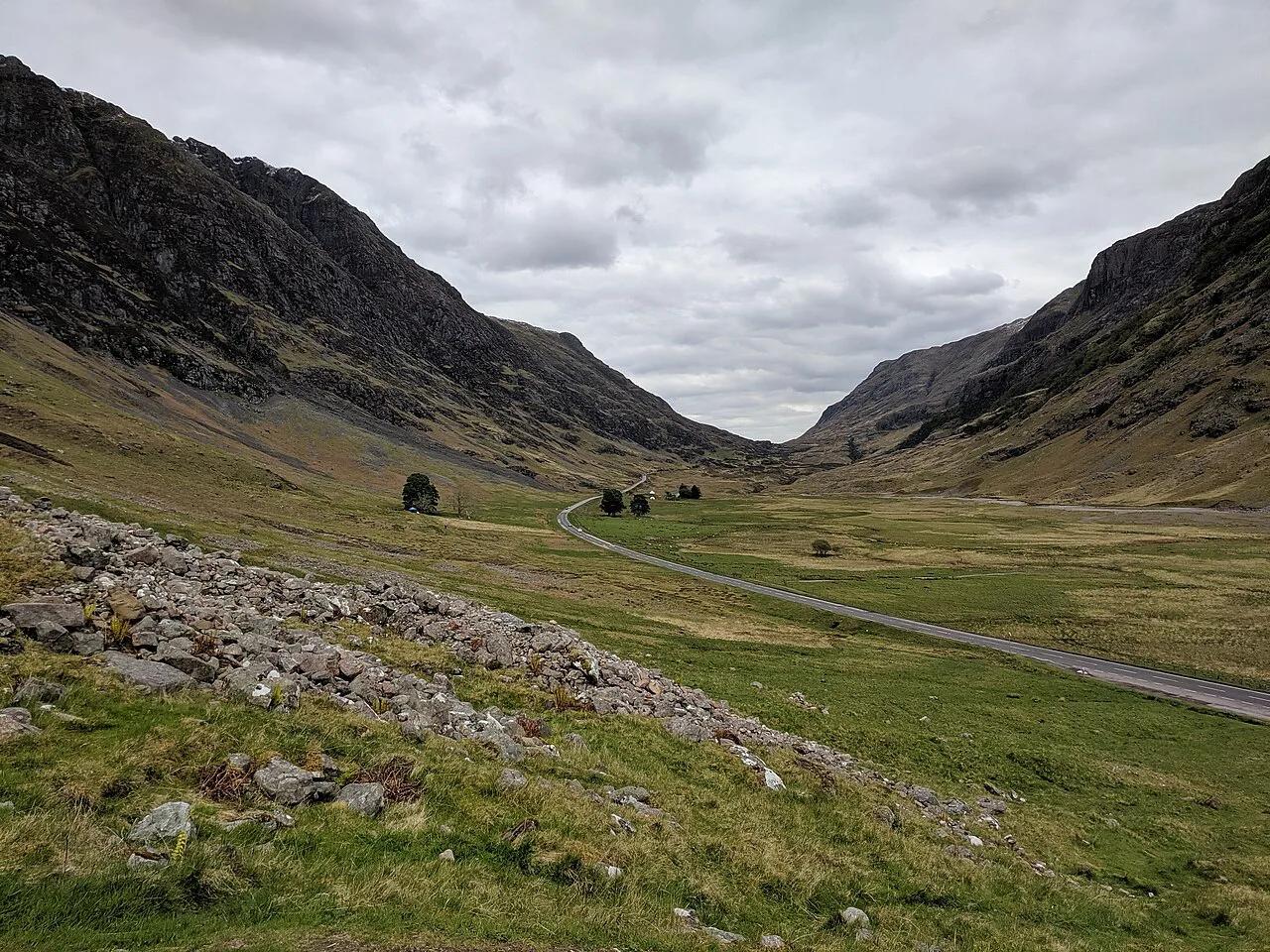
A car pays off outside the big cities. It suits the Cotswolds, the Lake District, the Scottish Highlands and rural Wales, where buses are infrequent. In London, Edinburgh and Manchester it mostly adds cost, parking stress and charges. Many visitors do better by train for the city leg and rent only for the countryside. Our London driving guide explains why central London is hard work by car. For a rural route, see the Cotswolds Drive: Routes, Tips and Driving on the Left or the longer England Road Trip: Routes, Driving Tips & Planning.
- Rent if you are covering several villages, parks or coastlines in a few days.
- Skip the car if you are only visiting London, Edinburgh or Manchester.
- Split the trip: train between cities, then pick up a car at the edge of the countryside.
What you need to rent: licence, age, ID and payment
GOV.UK says visitors can usually drive in Great Britain on a valid non-GB licence for up to 12 months. Whether you also need an International Driving Permit depends on where your licence was issued and what language it is in. A US licence holder should read our US licence guide before booking. Rental companies set their own minimum age, commonly 21, and may add a young-driver fee under 25. Some also add senior-driver conditions at the upper end, so check the age terms. Expect the main driver's credit card to carry the deposit hold. Debit cards are often refused.
How much does renting a car in the UK cost?
Prices swing with dates, car size and pickup point, so get a quote for your exact dates. Winter is usually cheapest, and July and August are the dearest. Book early for summer, school holidays and automatics. The daily rate is only the start, because extras can double the real bill. Prices and terms checked November 2026.
| Cost | When it bites | How to avoid it |
|---|---|---|
| Daily rate | Peak summer and school holidays | Book early; compare small cars |
| Airport or location fee | Airport pickups | Compare with a city office |
| Young-driver fee | Drivers under 25 | Read the age terms before booking |
| Second driver | Shared driving | Add only if someone will really drive |
| Excess and deposit | Any damage or theft claim | Understand the excess; use a card with enough limit |
| Fuel policy | Returning the car part-empty | Choose full-to-full and refuel nearby |
| City charges | London, Dartford Crossing | Pay them yourself, on time |
| Fines and admin fee | Parking or speeding tickets | Follow the rules; expect an admin fee on top |
| One-way fee | Different drop-off location | Quote the exact return point |
Where to pick up: airport, city or regional
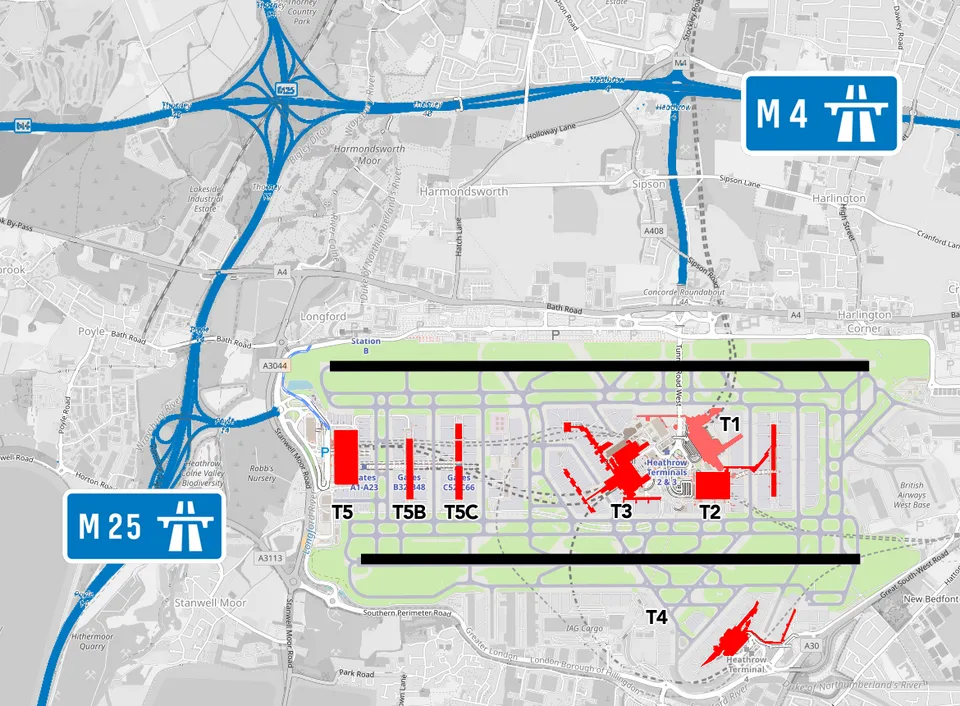
Airport desks at Heathrow and Gatwick are generally open around the clock, but they add location fees. City offices avoid that fee, though hours are often limited to roughly 8am to 6pm. If you land tired from a long flight, an automatic from the airport is often the safer first drive. One-way hires usually cost more, so quote the exact drop-off. Many offices accept after-hours returns through a key box. Photograph the car, fuel gauge and mileage when you leave it.
City desks close around 8am to 6pm, so a late-evening landing points to an airport counter, even with its location fee.
| Pickup | Cost | Hours | Best for |
|---|---|---|---|
| Heathrow | Higher, with airport fees | Usually 24/7 | Late arrivals heading out of London |
| Gatwick | Higher, with airport fees | Usually 24/7 | South England trips |
| City-centre office | Often lower | Business hours | Travellers already in the city |
| Regional airport | Varies | Check opening times | Scotland, Wales, Northern Ireland |
Manual vs automatic, and choosing the right car
Manual cars are the default, and automatics are scarcer and often pricier. Reserve the transmission you want and check the confirmation says so. First-time left-hand drivers should pick an automatic. That frees one hand and lets you focus on lane position and roundabouts. Choose a small car for narrow lanes and tight car parks. Check that luggage and passengers fit, because small boots fill fast. Children under 12 need a child seat unless they are over 135cm tall. If you want an EV or hybrid, check charging options on your route before you commit.
Insurance, excess and deposits explained
Rentals usually include third-party cover plus collision damage waiver and theft cover. Each has an excess, which is the amount you pay if the car is damaged or stolen. The company holds that amount, or more, on your card as a deposit. Some travellers buy a separate excess policy or use a card benefit. Read the exact terms of either before relying on it. This guide cannot give individual insurance advice.
City charges and tolls you must handle yourself
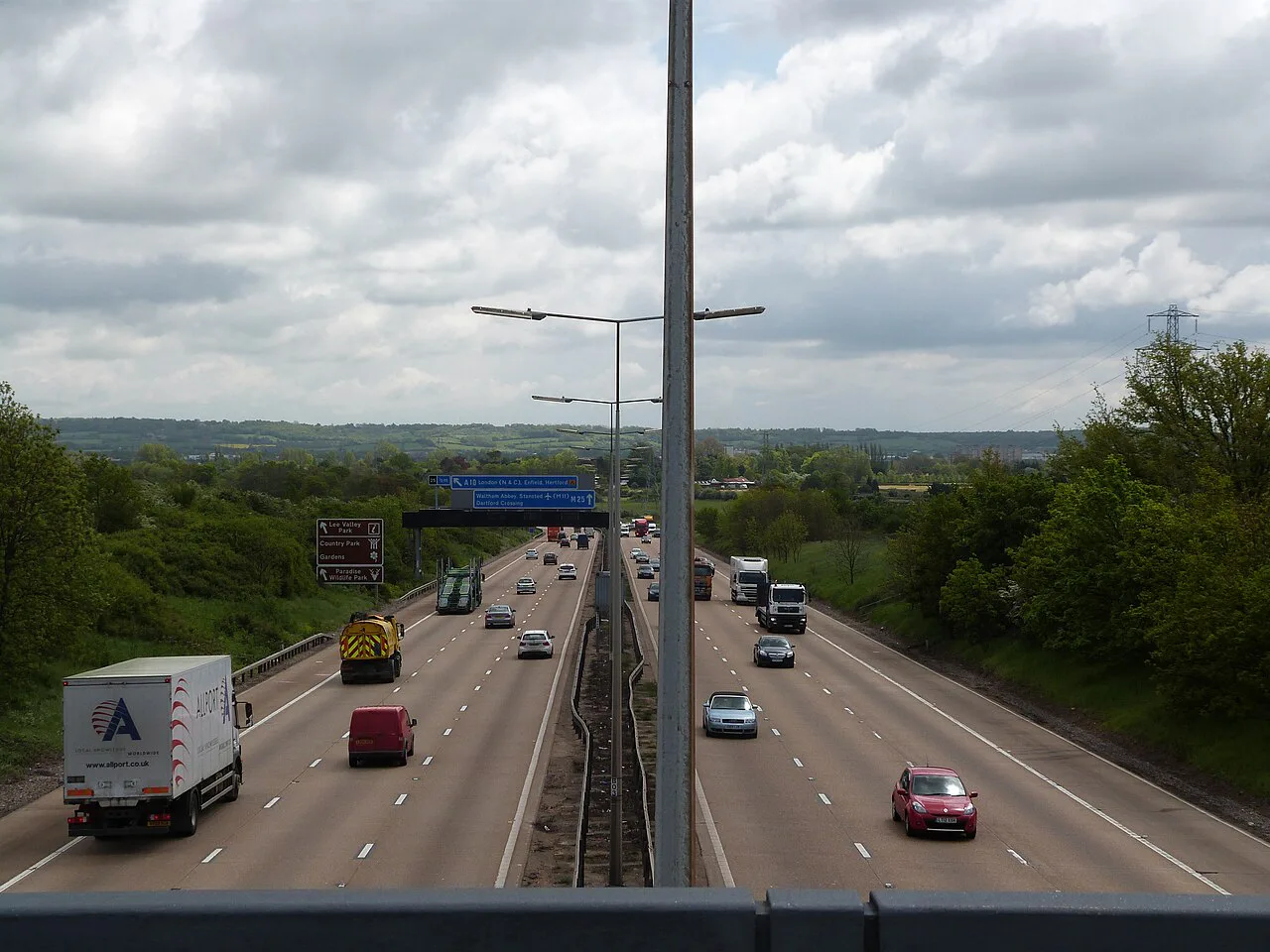
The rental company does not pay road charges for you. It passes on any penalty and may add an admin fee. In London, read our Congestion Charge guide before driving into the zone. Check your car against the ULEZ rules too. East of London, the Dartford Crossing: Charge, Hours & How to Pay (Dart Charge Guide) must be paid online by number plate, because there is no cash booth. Britain has few other tolls. The M6 Toll bypass near Birmingham is one, and our toll roads guide lists the rest.
Driving rules visitors get wrong
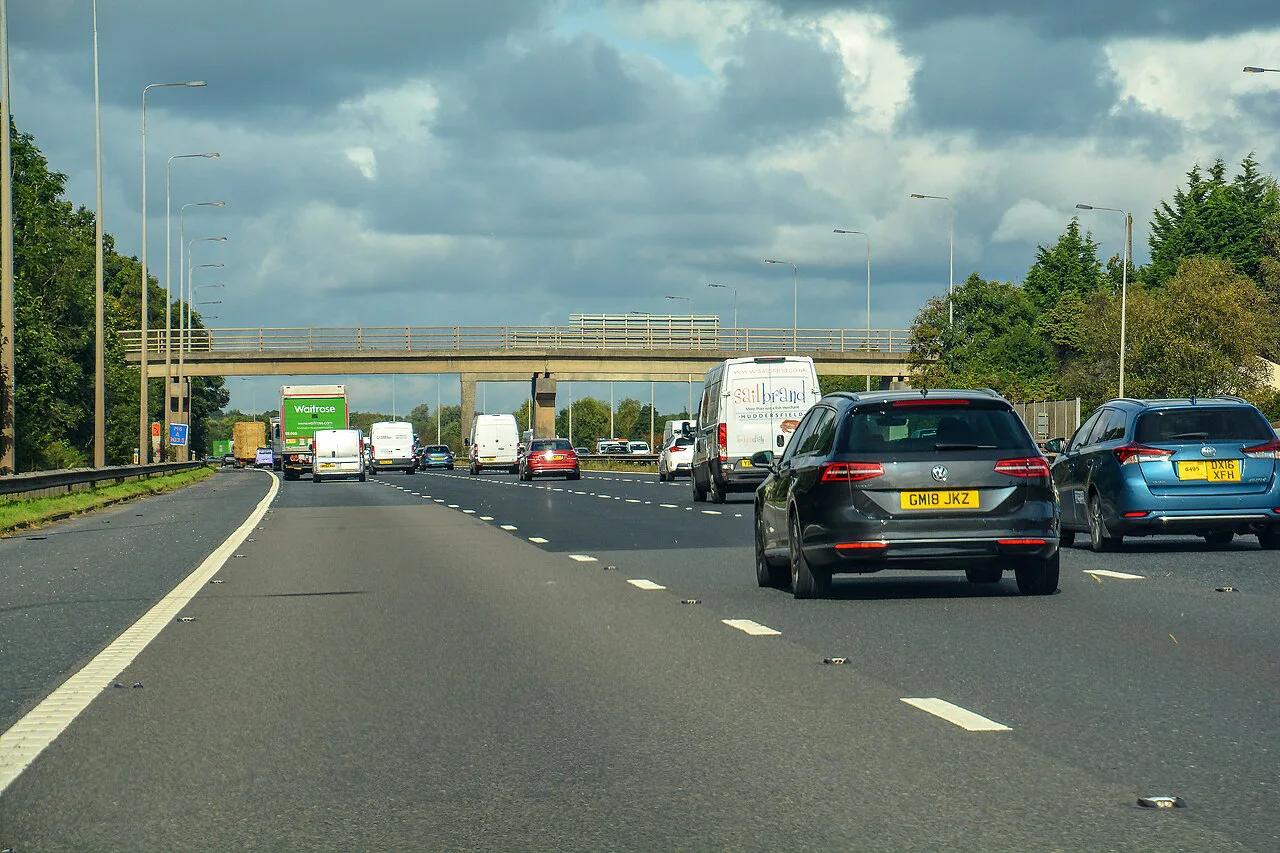
Keep left, and give way to traffic already on a roundabout coming from your right. Motorways have a 70 mph limit for cars, and many town streets are 20 or 30 mph. Our speed limits guide gives the full set. Speed cameras are common. Bus lanes have posted hours, and you must not enter a yellow box junction unless your exit is clear. Never drive after drinking. Read the England drink-driving limit page, and remember that Scotland's limit is lower than in England and Wales.
Cars get 70 mph on motorways, yet Scotland, Wales and Northern Ireland have long single-track roads where extra time matters more than speed.
Regional road notes
England has the densest motorway network. Our England driving guide and England rental guide go deeper. Scotland, Wales and Northern Ireland have long single-track and narrow rural roads, so verify local rules and allow extra time. Some mountain roads are extreme. See Hardknott Pass: How to Drive It Safely (Tips & Alternatives) for steep Lake District gradients and Snake Pass Driving Guide: Route, Closures & Tips for a Peak District route that closes in bad weather. Roadworks and incidents are listed on National Highways traffic updates.
Pickup-to-return checklist and mistakes to avoid
Do a slow walk-around before you leave the lot, and photograph every scratch with the date visible. Confirm the fuel policy, transmission and return time on the contract. Save the company's breakdown number in your phone. At return, refuel nearby, photograph the fuel gauge, and get a signed check-in or a dated photo set.
- Driving into the Congestion Charge or ULEZ zone unprepared
- Ignoring the Dartford Crossing payment
- Assuming the rental company pays charges
- Booking a manual by accident
- Skipping the photo walk-around
- Taking the car on a ferry or abroad without checking the policy
Frequently Asked Questions
What happens if you scratch a rental car?
Report it to the rental company straight away and keep your pickup photos. If the damage is covered, you usually pay up to the excess. Damage that is not covered, such as tyres or underbody, may be charged in full, so read your contract.
Road-rule changes worth knowing
Optional updates to our guides.
You might also like

Continue reading
More guides you'll find useful