
Driving in London: Charges, Parking and Whether to Drive
Should you drive in London? A plain guide to the Congestion Charge, ULEZ, parking, camera rules and smarter alternatives for visitors.
On this page
Last updated November 2026: driving in London is rarely worth it for visitors staying in the centre, because charges, parking and camera-enforced rules add cost and stress. A car does earn its place for outer-London stays, heavy luggage and trips out to the Cotswolds. Check the charges, the parking and the overnight spot before you book anything.
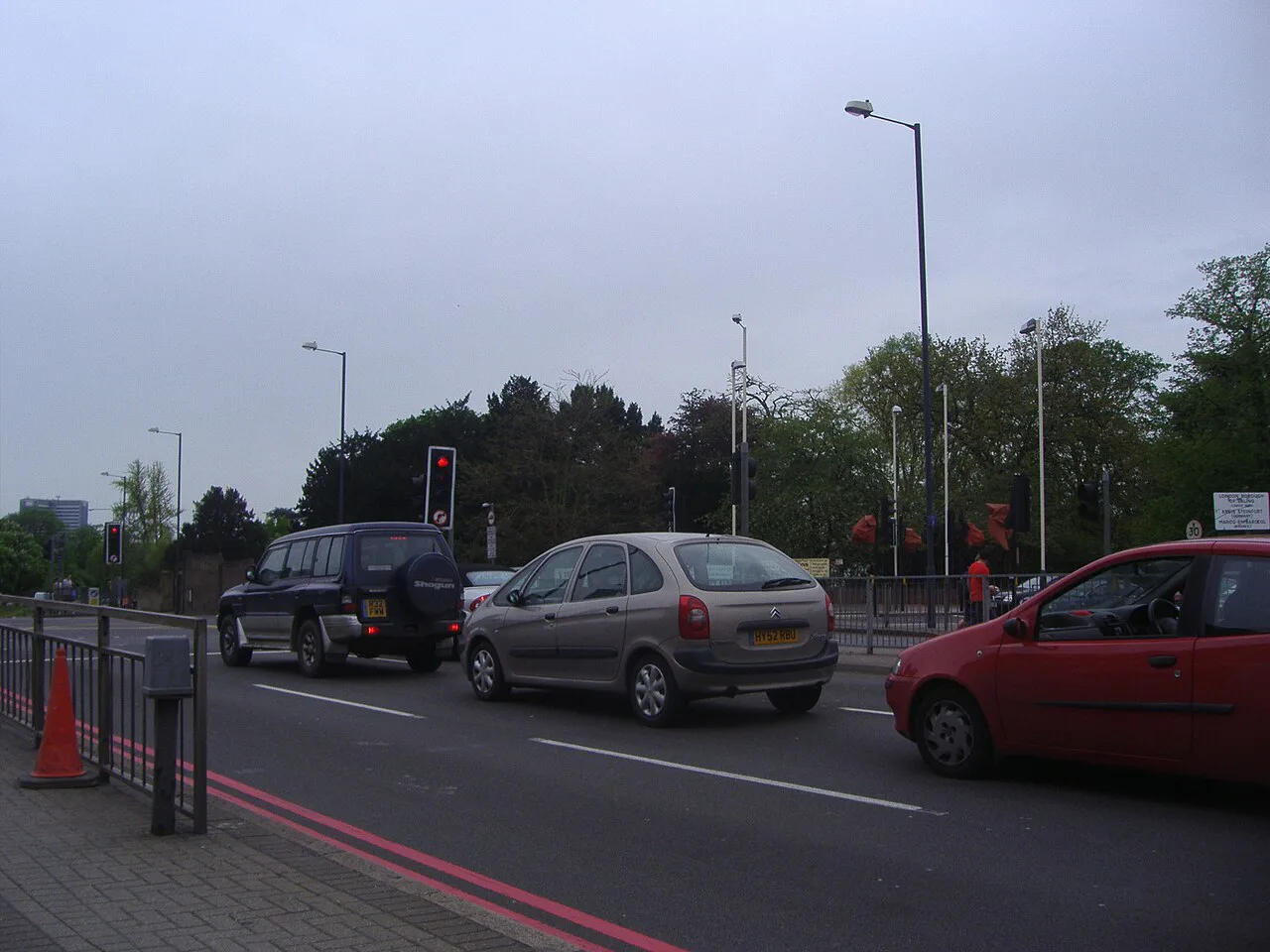
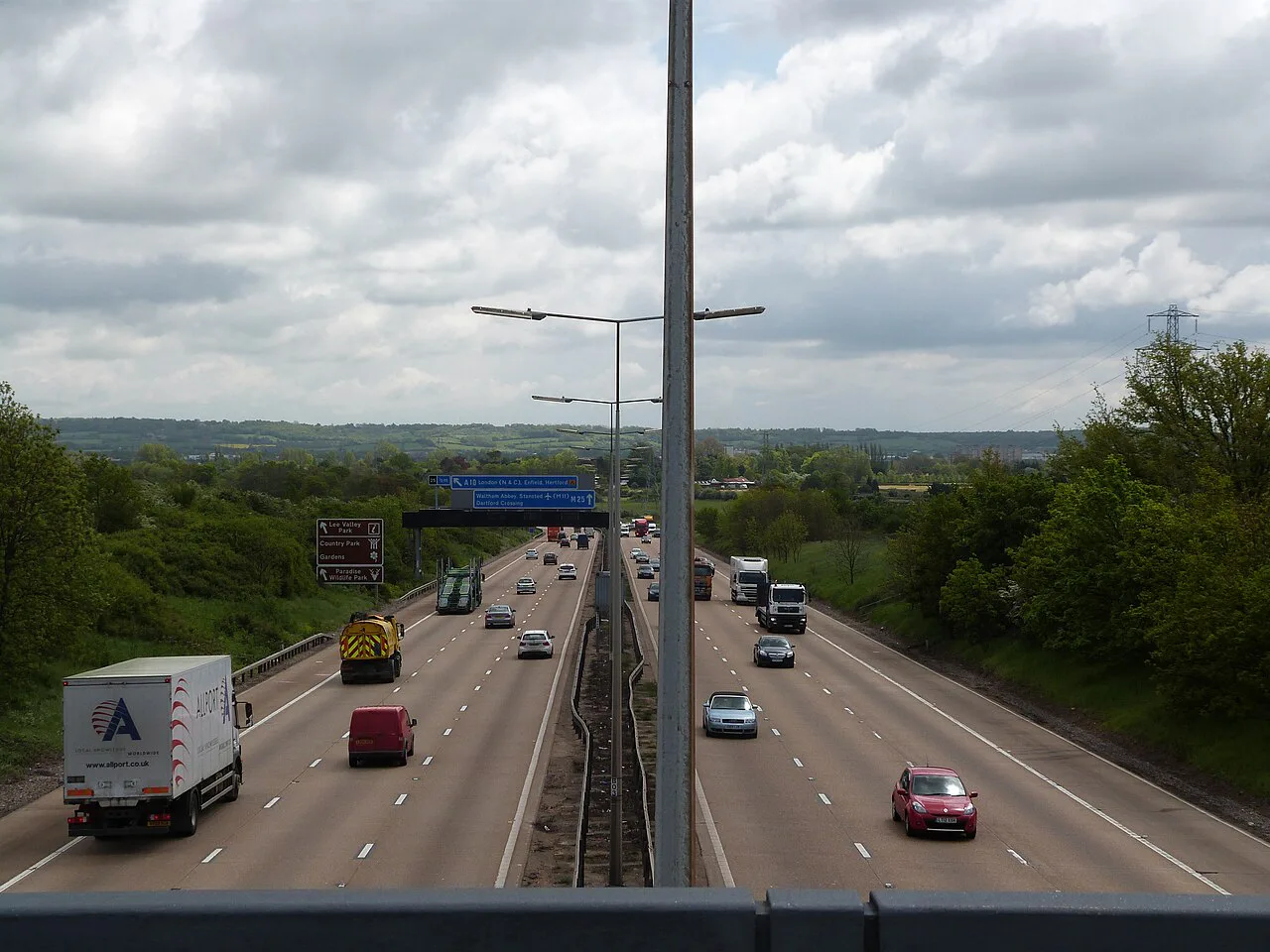
Featured image: David Howard, CC BY-SA 2.0, via Wikimedia Commons.
Driving in London: the short answer
For most visitors, driving in central London is not worth it. Tube, rail and buses cover the centre faster and without parking worries. Drive only if you are staying outside the core, carrying heavy gear or heading out of town. Run through three checks before you commit.
- Check your car's ULEZ status and the current Congestion Charge rate on the Transport for London (TfL) site.
- Work out where the car will sleep each night and what that costs.
- Plan a route that keeps you out of the centre on day one.
Drive or don't: a decision table
Your trip type decides most of this. Use the table as a starting point, then adjust for your own luggage, mobility needs and itinerary.
| Trip type | Best option | Why | Main risk |
|---|---|---|---|
| Central London stay | Skip the car | Tube, bus and walking reach most sights | Charges, scarce parking, camera fines |
| Outer-London stay | Car can work | Suburban parking is easier and rail runs into town | Hotel parking may be extra or limited |
| Day trip out of London | Car or train | A car helps for rural stops | Slow exit through city traffic |
| Airport transfer | Train, coach or taxi | No navigation or parking stress after a flight | Tired driving on the left |
| Heavy luggage or reduced mobility | Taxi or pre-booked transfer | Door-to-door without stairs | Cost compared with public transport |
Charges you may meet
Several charges can stack up in one trip. Our guide to the London Congestion Charge: Who Pays, How to Pay, Fines explains the central zone. Separately, ULEZ rules for visitors depend on your vehicle's emissions standard. Rental cars are usually newer, but do not assume yours is compliant. Ask the rental desk how they handle charges, then look up the plate in TfL's vehicle checker. If your route crosses the Thames east of the city, read about the Dartford Crossing: Charge, Hours & How to Pay (Dart Charge Guide) and how to pay. Our overview of UK Toll Roads: Where They Are, What They Cost & How to Pay covers other payments. For live motorway conditions, National Highways traffic updates are the official source. Rates change, so take the current figure from TfL rather than from an old blog.
Rules and camera traps
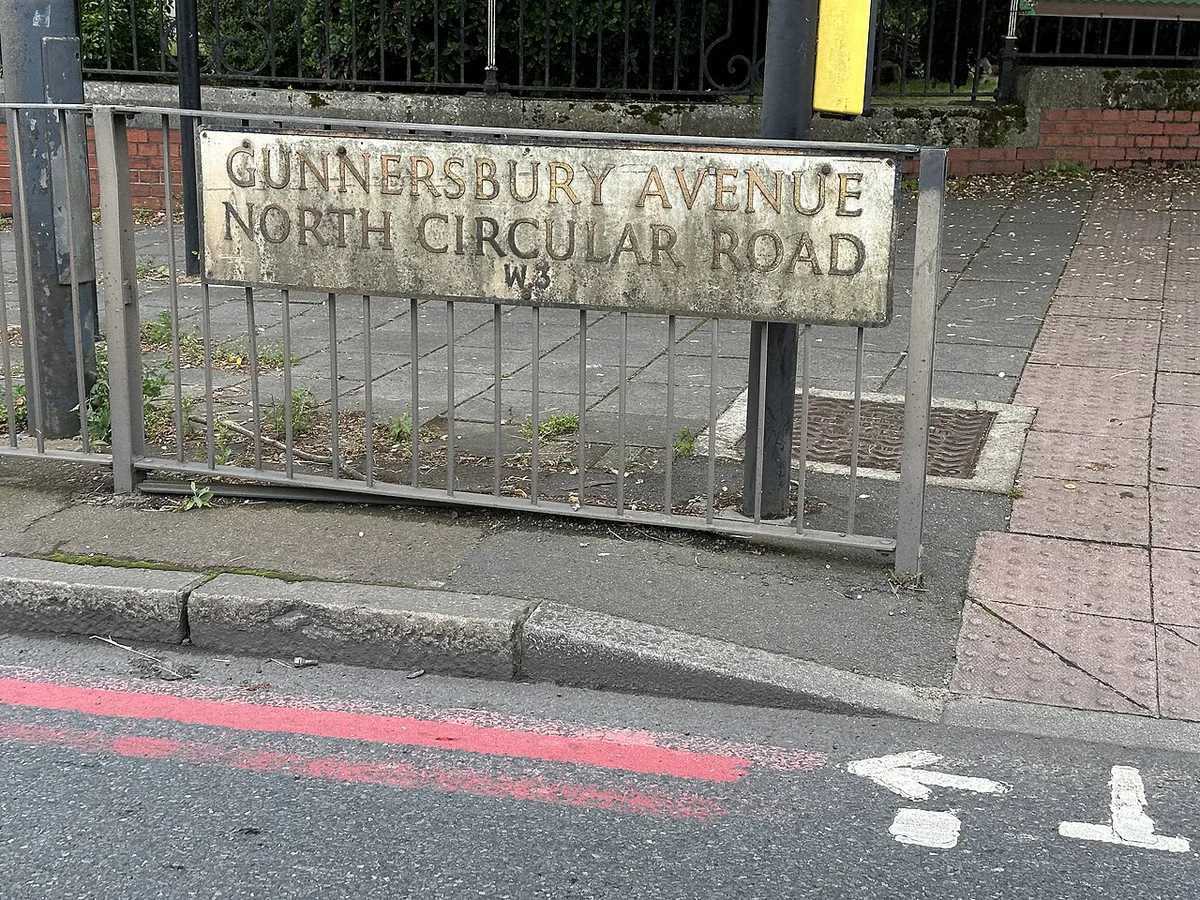
Cameras enforce many London rules automatically. Fines arrive later by post or through your rental company, often with an admin fee added. Read every sign, every time, because restrictions change from one street to the next.
- Bus lanes: operating hours differ by section. If the sign shows hours and you are inside them, stay out.
- Box junctions: enter the yellow grid only when your exit is clear. Stopping inside it can draw a fine.
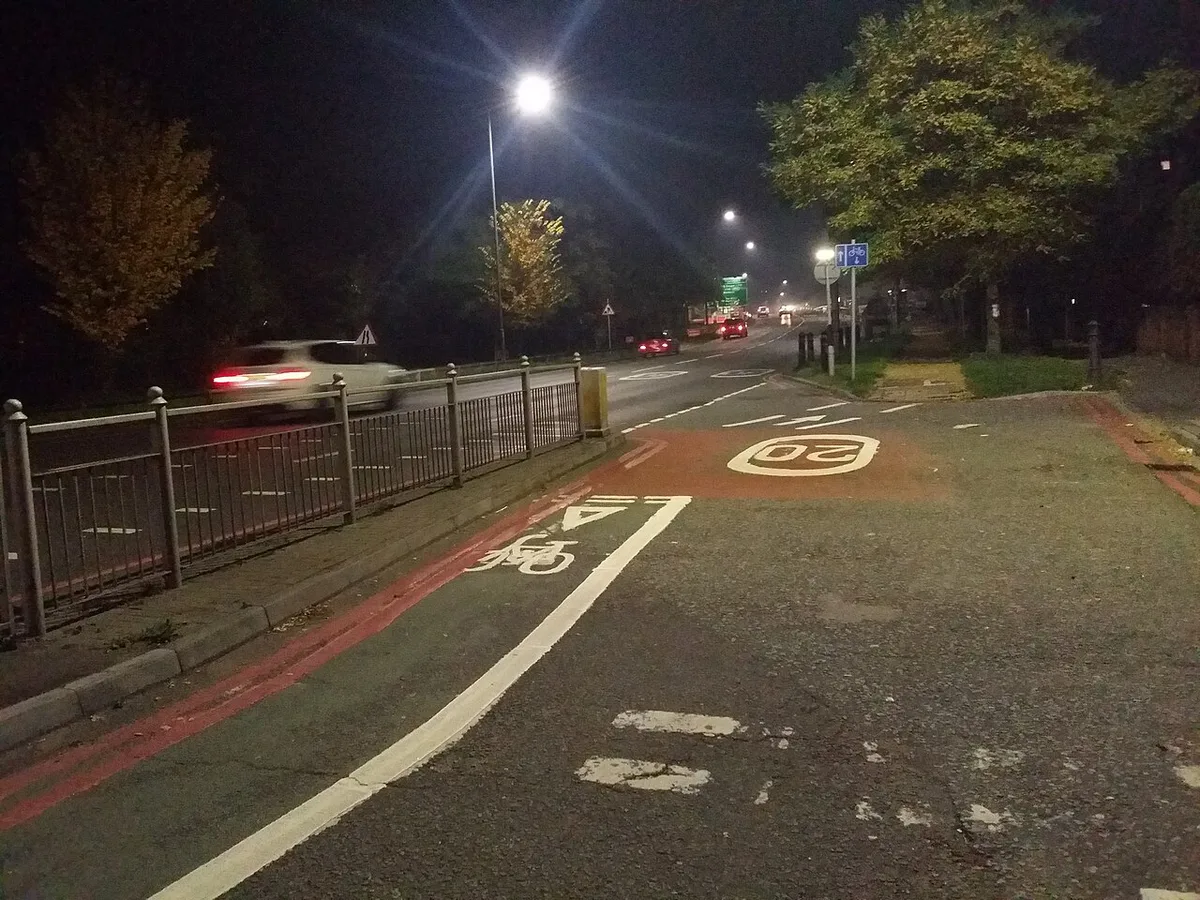
- Red routes: red lines mean no stopping at the times shown. Do not pull over to read a map.
- Banned turns and narrowed roads: obey the signs even when locals ignore them. Cameras watch many of these junctions.
- Drink-driving: read the drink-driving limit in England before any dinner out.

Speed limits and the Highway Code
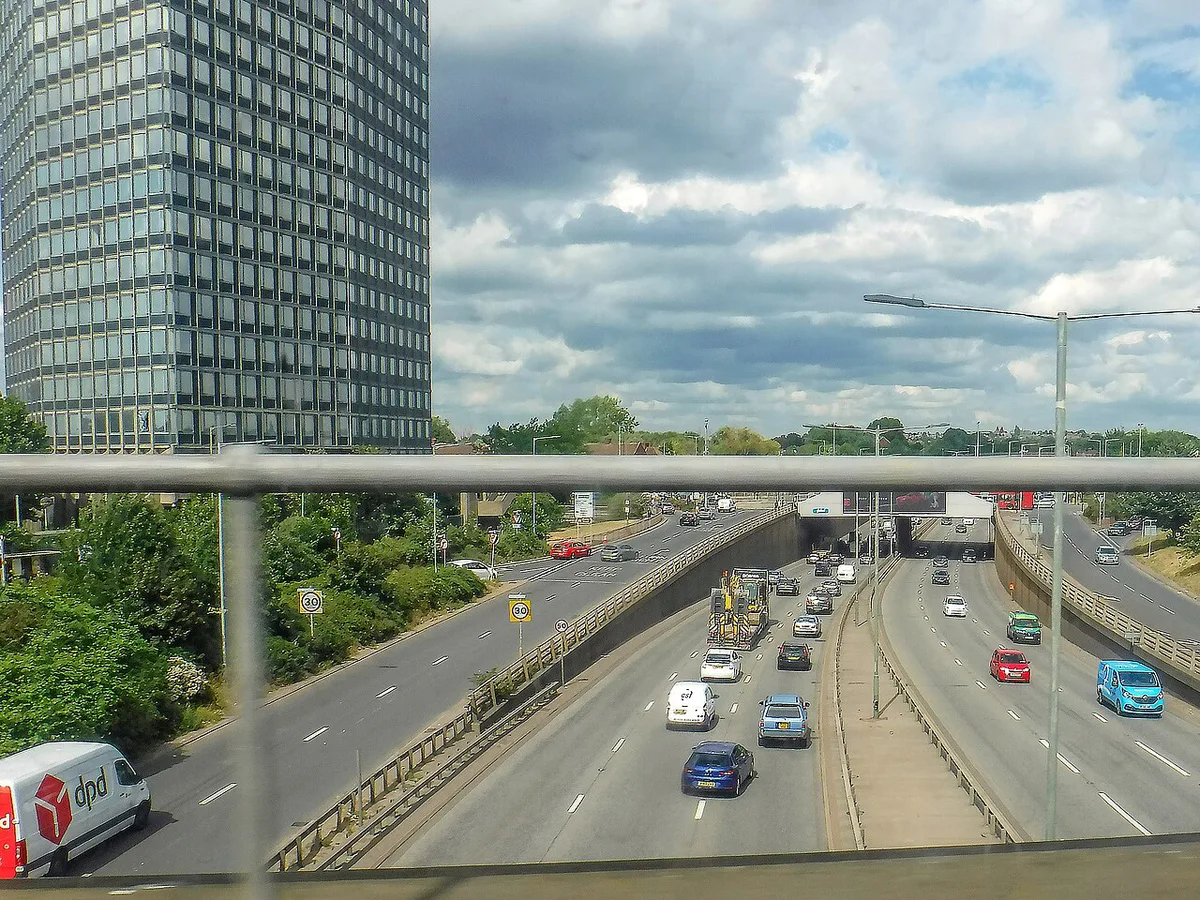
Many London streets carry lower limits than country roads. Our guide to UK speed limits lists the national defaults. Where a sign shows a different limit, follow the sign. Low Traffic Neighbourhoods may close streets to through traffic, so trust road signs over a sat-nav that routes you down a blocked street. For the official rulebook, see the Highway Code on GOV.UK.
Parking in London
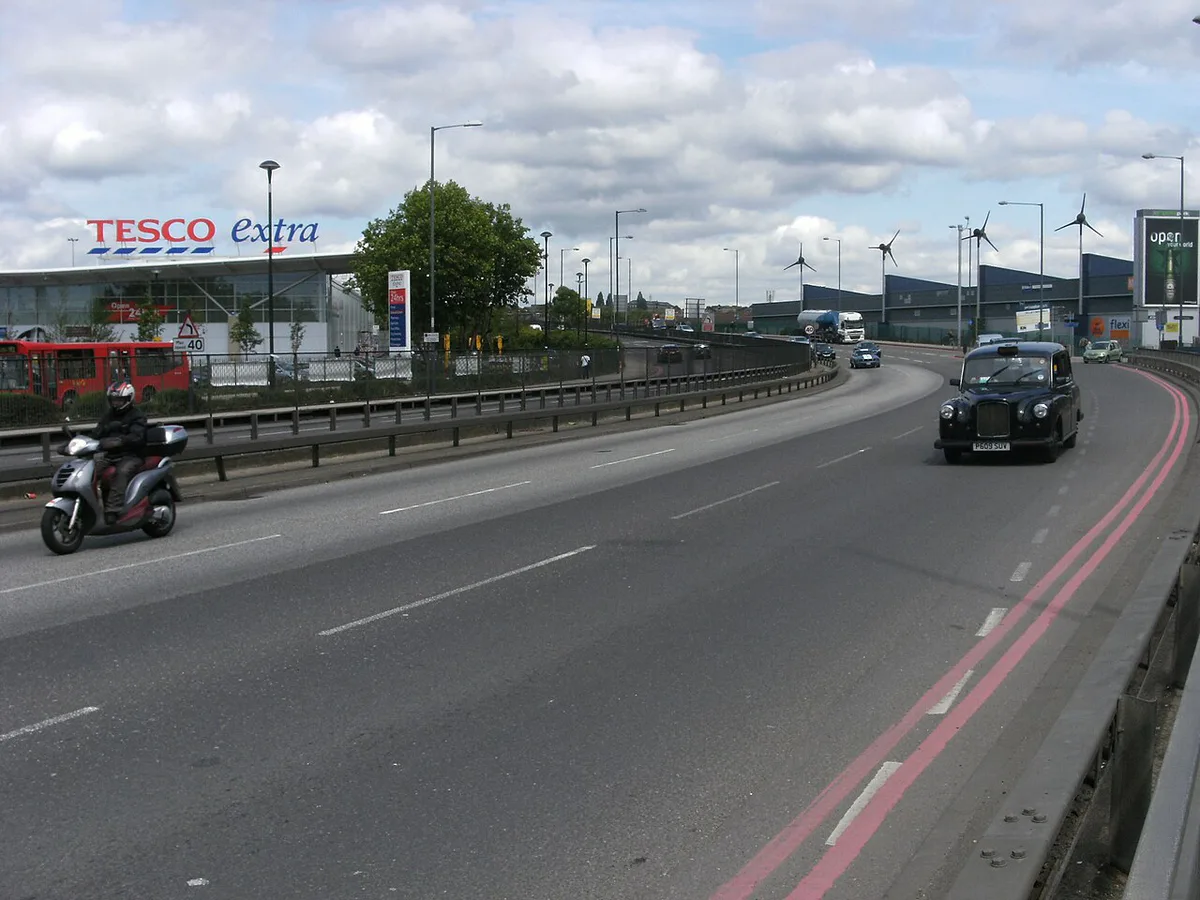
Parking is often the hardest part of driving in London. Hotels in the centre may have no spaces or charge extra, so ask before you book. Street bays are often for residents, with time limits that vary by borough. Yellow lines carry their own rules, shown on nearby plates. Park & Ride and station car parks on the edge of the city let you leave the car and take the train in. Look up the specific borough's council page for local parking rules before you leave the car on a street.
- Mistake to avoid: leaving the car in a resident bay overnight because it looked empty.
- Mistake to avoid: assuming a rental car is ULEZ compliant without checking its plate.
- Mistake to avoid: following a bus lane because traffic beside it looks slow.
Renting a car for London
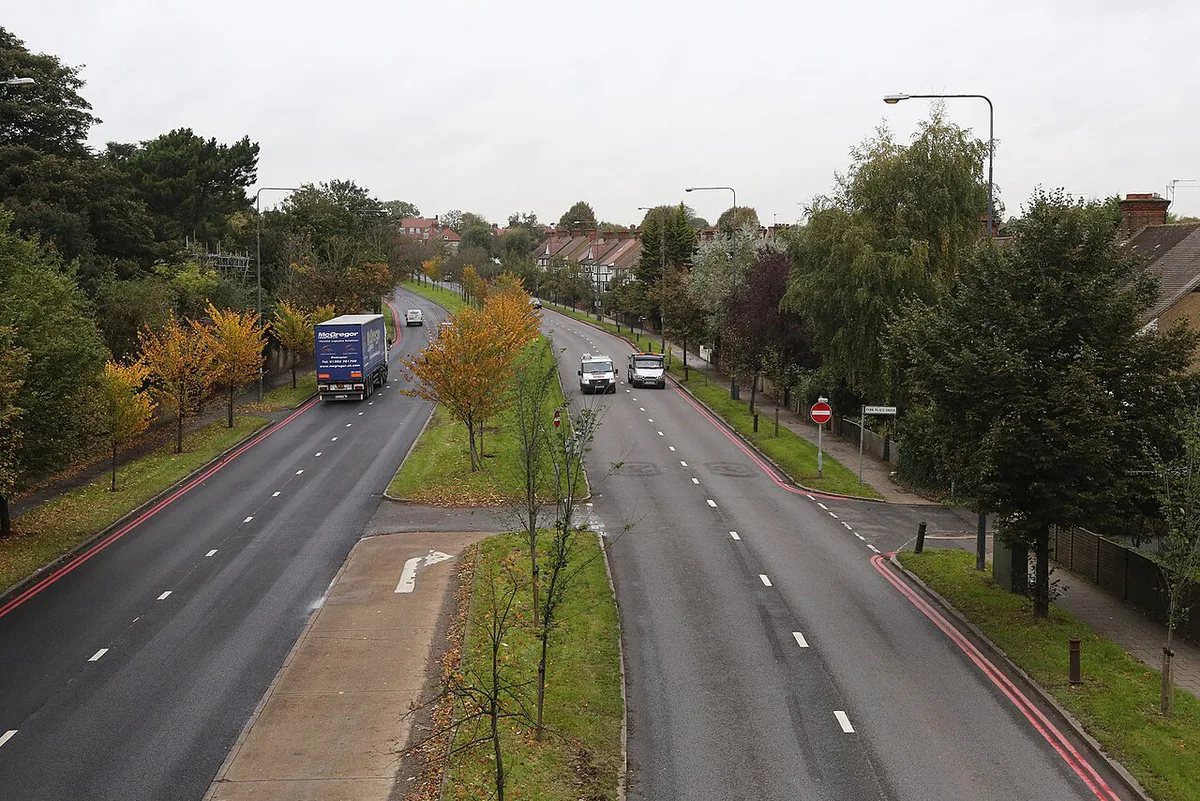
Collect the car at the edge of London, or on the day you leave, rather than at the start of a central stay. That way you skip days of parking fees. Choose a small car, since many streets are narrow and bays are tight. Automatics are widely available and help in stop-start traffic, so reserve one early. Read the rental terms on charges, fines and return timing. Our UK car rental guide covers insurance and documents. For regional detail, see Renting a Car in England: Costs, Rules & Tips. Costs you may forget include charges, parking, fuel, rental extras and fines.
Driving on the left: survival tips
Rental cars are right-hand drive, and traffic keeps left. Roundabouts run clockwise, and you give way to traffic from your right. Spend your first 30 minutes in a quiet car park or suburban street before heading anywhere busy. Set the sat-nav before you start the engine. A passenger who reads the route aloud lets you focus on lane position. Licence questions are covered in our guide to driving in the UK with a US licence.
Pick up the car on your way out of town, then give yourself 30 minutes in a quiet car park before heading into busy traffic.
Better ways to get around
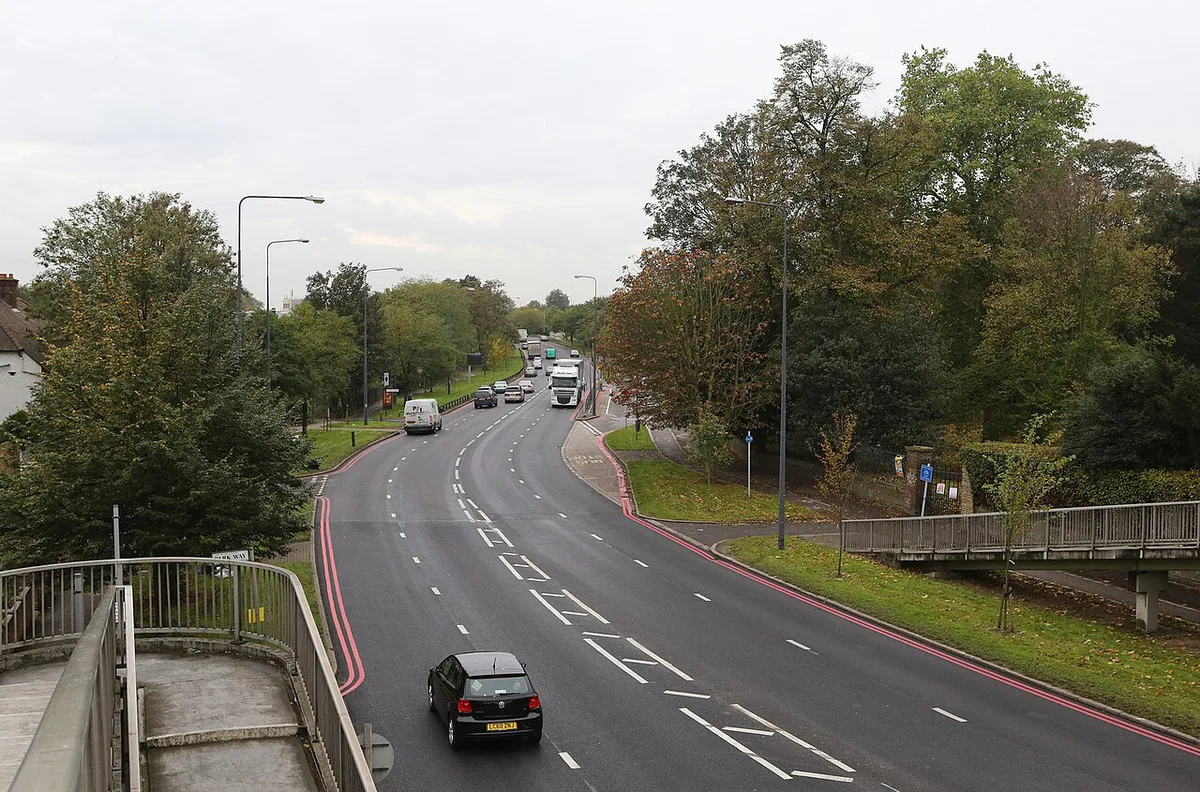
For central trips, public transport is usually faster and cheaper than driving once you count parking. The Tube and buses cover most sights without any charges. Trains suit longer journeys into the suburbs and beyond. Taxis and ride-hail make sense for late nights or heavy bags, though they cost more per trip. Park & Ride works if you must arrive by car. Compare the options by cost, time and luggage rather than assuming the car is cheapest.
When a car does make sense: leaving London
A car becomes useful once you leave the city. Collect it on your way out and skip the centre entirely. Our Cotswolds Drive: Routes, Tips and Driving on the Left is a natural first leg. For a longer loop, see the England Road Trip: Routes, Driving Tips & Planning plan. Our guide to Driving in England: Rules, Rentals and Tips for Visitors covers wider conditions. For national rules, start with the UK driving guide.
Frequently Asked Questions
Is it easy to drive through London?
Not for most visitors. Traffic, bus lanes, box junctions and camera-enforced rules demand constant attention, especially in the centre. Outer London and the ring roads are easier.
Is it difficult for Americans to drive in the UK?
The main adjustments are driving on the left, right-hand-drive cars and roundabouts. Practise somewhere quiet first. Our guide to driving in the UK with a US licence covers the licence rules.
Road-rule changes worth knowing
Optional updates to our guides.
You might also like


Continue reading
More guides you'll find useful