
Drink Driving Limit in England: Breath, Blood and Urine Levels
Plain-English guide to England's drink-drive limit in breath, blood and urine, what changes in Scotland, penalties, and safe ways to get home.
On this page
Last updated November 2026: the drink driving limit England enforces is 35 µg of alcohol per 100 ml of breath. Blood allows 80 mg and urine 107 mg per 100 ml, while Scotland is lower at 22, 50 and 67. None of these is a safe number of drinks, so plan not to drink if you are driving.
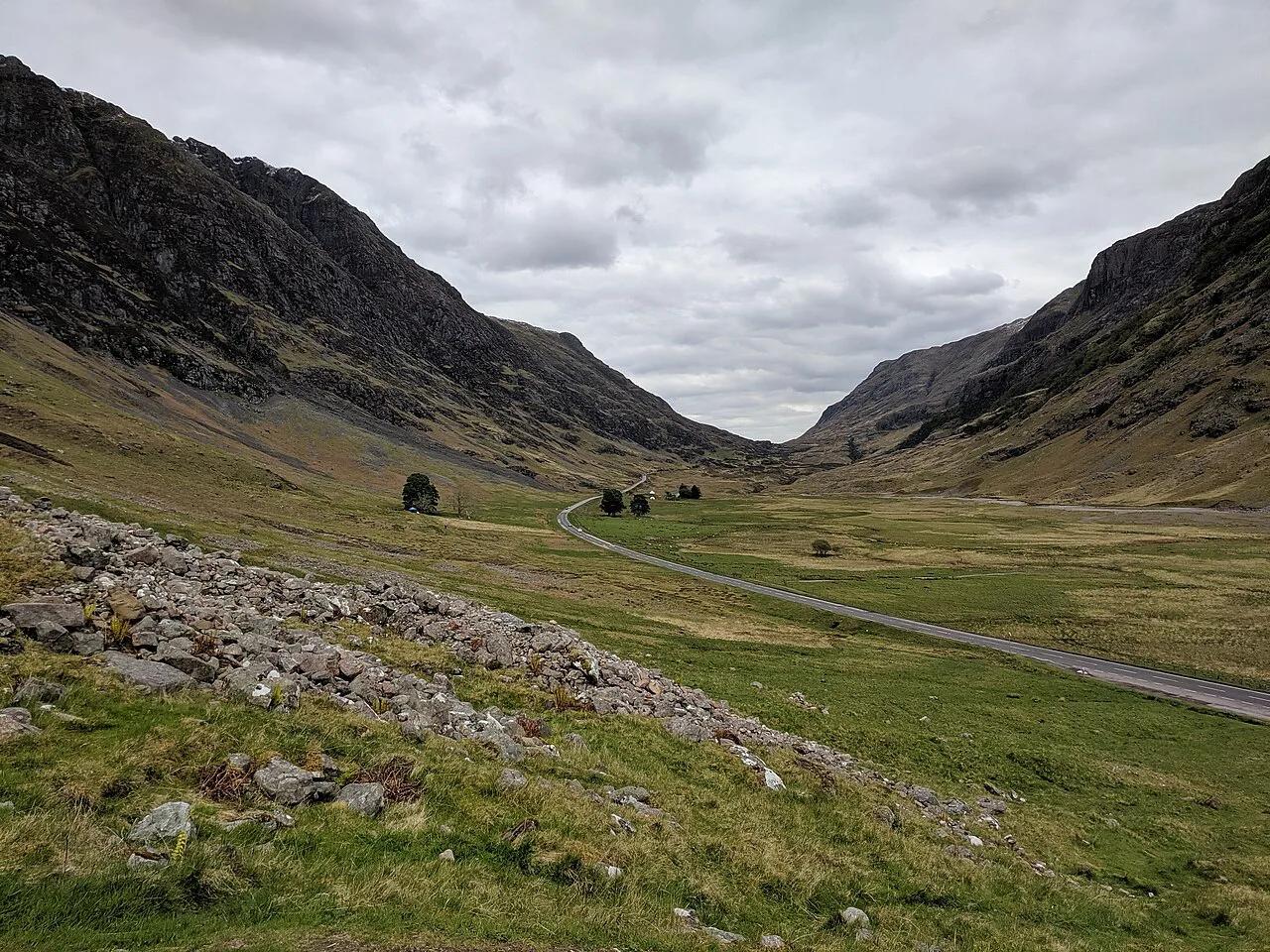
Featured image: Acabashi, CC BY-SA 4.0, via Wikimedia Commons.
What Is the Drink Driving Limit in England?
England, Wales and Northern Ireland share one set of limits, and police can test any of the three measures. Exceeding any one of them is enough for an offence. Alcohol is measured per 100 ml of breath, blood or urine, so the units differ between rows. Use mg for blood and µg (micrograms) for breath. The Highway Code also advises that there is no failsafe way to know how much alcohol puts you over. Its guidance is on GOV.UK's Highway Code pages. A reading of 0.08% blood alcohol is the same figure as 80 mg per 100 ml.
| Measure (per 100 ml) | England, Wales, Northern Ireland | Scotland |
|---|---|---|
| Breath | 35 µg | 22 µg |
| Blood | 80 mg | 50 mg |
| Urine | 107 mg | 67 mg |
Is the Drink Driving Limit in England Changing?
Not as of this update. The 80 mg blood limit dates from 1967 and has stayed in place since. Alongside its Road Safety Strategy of 7 January 2026, the UK Government opened a consultation, Proposed changes to penalties for motoring offences. It asks whether the limit in England and Wales should be lowered or stay the same, and whether novice drivers should have a lower limit, without naming a new figure. The consultation closed on 11 May 2026, and in November 2026 the government was still analysing the responses. A consultation is not law, so keep using the figures in the table above.
Why You Cannot Count Drinks: What Affects Your Alcohol Level
Units cannot be converted into a legal limit. Two people can drink the same amount and land on different readings. Several factors move your result:
- Body weight, age, sex and metabolism.
- Type and quantity of alcohol, since a 12% wine and a 4% lager load the body differently.
- What you have eaten recently, because food slows absorption.
- Stress levels at the time of drinking.
How Police Test and Enforce the Limit
Officers can stop a driver and ask for a roadside breath test. A positive result leads to an arrest and a second, evidential test at a police station. Blood or urine samples are used where breath testing is not possible. You may be bailed to attend court on a set date. If the court imposes a ban, it takes effect immediately. Refusing to give a specimen is its own offence, with penalties similar to driving over the limit.
Penalties for Drink Driving in England
A magistrate decides the sentence, and the offence sets the maximum. Driving or attempting to drive over the limit carries up to 6 months in prison, an unlimited fine and a ban of at least 1 year. That ban rises to 3 years for a second conviction within 10 years. A drink-driving endorsement stays on your licence record for 11 years from the date of conviction. Causing death by careless driving under the influence carries up to life imprisonment and a ban of at least 5 years. These figures come from GOV.UK's drink-driving penalties page.
| Offence | Prison | Fine | Ban |
|---|---|---|---|
| In charge of a vehicle over the limit | Up to 3 months | Up to £2,500 | Possible |
| Driving or attempting to drive over the limit | Up to 6 months | Unlimited | At least 1 year (3 years if twice in 10 years) |
| Refusing a specimen | Up to 6 months | Unlimited | At least 1 year (3 years if twice in 10 years) |
| Causing death by careless driving under the influence | Up to life | Unlimited | At least 5 years, plus extended test |
Driving the Morning After: How Long Alcohol Stays in Your System
Alcohol clears slowly, and a heavy evening can leave you over the limit at breakfast. Sleep, coffee and a cold shower do not speed that up; only time does. The same factors GOV.UK lists for the limit itself, such as weight, sex, metabolism and what you ate, also change how long clearing takes, so no online calculator can tell you that you are safe at 8am. If you drank heavily, the safest decision is to arrange another way to travel the next morning.
A level that passes in England at breakfast can still fail Scotland's 22 µg breath limit, which matters on a morning drive north.
Drink Driving as a Visitor or Renter in England
Limits apply to every driver on English roads, whatever licence you hold. A rental agreement does not change that. Read Renting a Car in England: Costs, Rules & Tips before you collect keys, and compare options on UK car hire. Overseas licence holders should also read driving with a US licence. A conviction can raise insurance costs, can show on your licence for employers and may complicate travel to countries such as the USA. For wider rules, start at Driving in England: Rules, Rentals and Tips for Visitors. Speed is another common trap for visitors, covered in UK speed limits.
Crossing into Scotland: A Lower Limit
Scotland's limits are 22 µg of breath, 50 mg of blood and 67 mg of urine per 100 ml. A driver who stops for a pub lunch in England and then crosses north can be over the Scottish limit while under the English one. Treat 50 mg as your ceiling on any route that may cross the border. Even better, drive with no alcohol at all. For route planning, see an England road trip. For national rules, see 8 Things to Know Before Driving in the UK.
How to Get Home Without Driving: Plan-Ahead Options
Decide before the first drink, not after it. Rural pubs often have patchy taxi and bus cover, so book a ride or a bed in advance. That matters on a day out along the Cotswolds drive. It matters just as much after a pub stop near Snake Pass Driving Guide: Route, Closures & Tips. In London, most visitors can skip the car entirely, as Driving in London: Charges, Parking and Whether to Drive explains.
| Option | Cost | Time | Access |
|---|---|---|---|
| Designated driver | Lowest | Same as driving | Needs one person who stays sober |
| Taxi | Moderate | Fast door to door | Patchy in rural areas; pre-book |
| Public transport | Low | Slowest | Last services can be early |
| Overnight stay | Highest | No rush | Book before you travel |
After a Ban: Licence Return, High-Risk Offenders and Medical Checks
Some drivers do not get a licence back automatically. GOV.UK's drink-driving disqualification page defines high-risk offenders as anyone convicted twice within 10 years, anyone with a reading of at least 87.5 µg of breath, 200 mg of blood or 267.5 mg of urine per 100 ml (2.5 times the limit), and anyone who refused to give a sample or to let a blood sample be tested. They must pass a medical with a DVLA-appointed doctor, at their own cost, covering a questionnaire, a physical exam and a blood test. DVLA sends them a D27PH renewal form 90 days before the ban ends. Anyone banned for 56 days or more must apply for a new licence before driving again. A court may offer a drink-drive rehabilitation course to cut a ban of 12 months or more.
Reaching 2.5 times the limit or more means a DVLA medical on top of a ban of at least 1 year.
Frequently Asked Questions
What is the legal alcohol limit for drink driving in the UK?
In England, Wales and Northern Ireland, the limit is 35 µg per 100 ml of breath, 80 mg per 100 ml of blood or 107 mg per 100 ml of urine. Scotland is lower at 22, 50 and 67.
What is 35 on a breathalyzer?
It is 35 micrograms of alcohol per 100 ml of breath, the legal breath limit in England, Wales and Northern Ireland. A reading above it is an offence.
What is 0.8 on a breathalyzer in the UK?
Readings of 0.08% refer to blood alcohol, which equals 80 mg per 100 ml. Breath devices in the UK measure micrograms per 100 ml, where the limit is 35.
Road-rule changes worth knowing
Optional updates to our guides.
You might also like

Continue reading
More guides you'll find useful