Renting a Car in the Netherlands: Rules, Costs & Tips
Do you need a car in the Netherlands? Licence and age rules, pick-up choices, hidden costs, and driving tips before you book.
On this page
Last updated November 2026. Renting a car in the Netherlands makes sense for rural areas, the coast and multi-country road trips, but not for Amsterdam-only visits. You need a valid licence, a credit card in the main driver's name and an age that meets the supplier's minimum. Pick-up location and add-on fees decide most of the final bill, and our wider Netherlands driving guide covers the road rules.
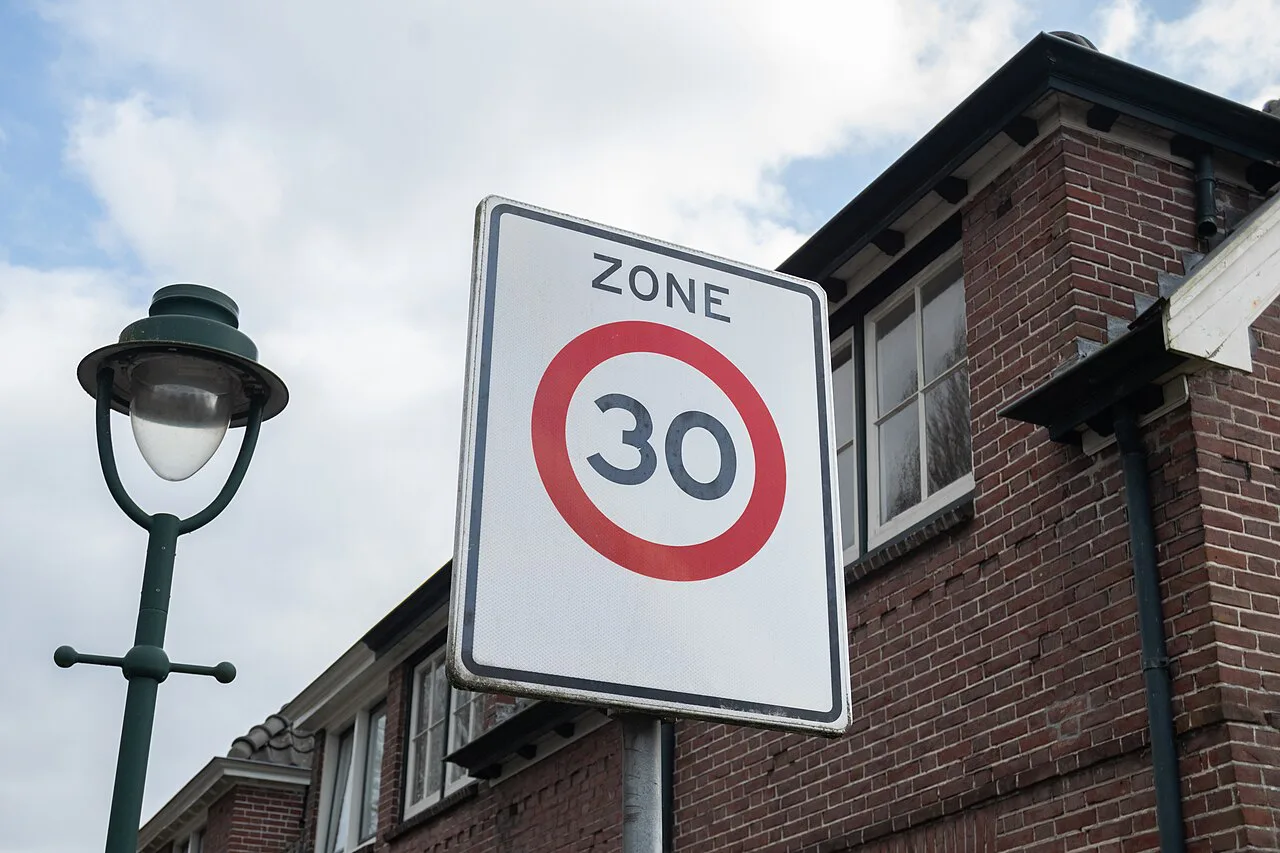
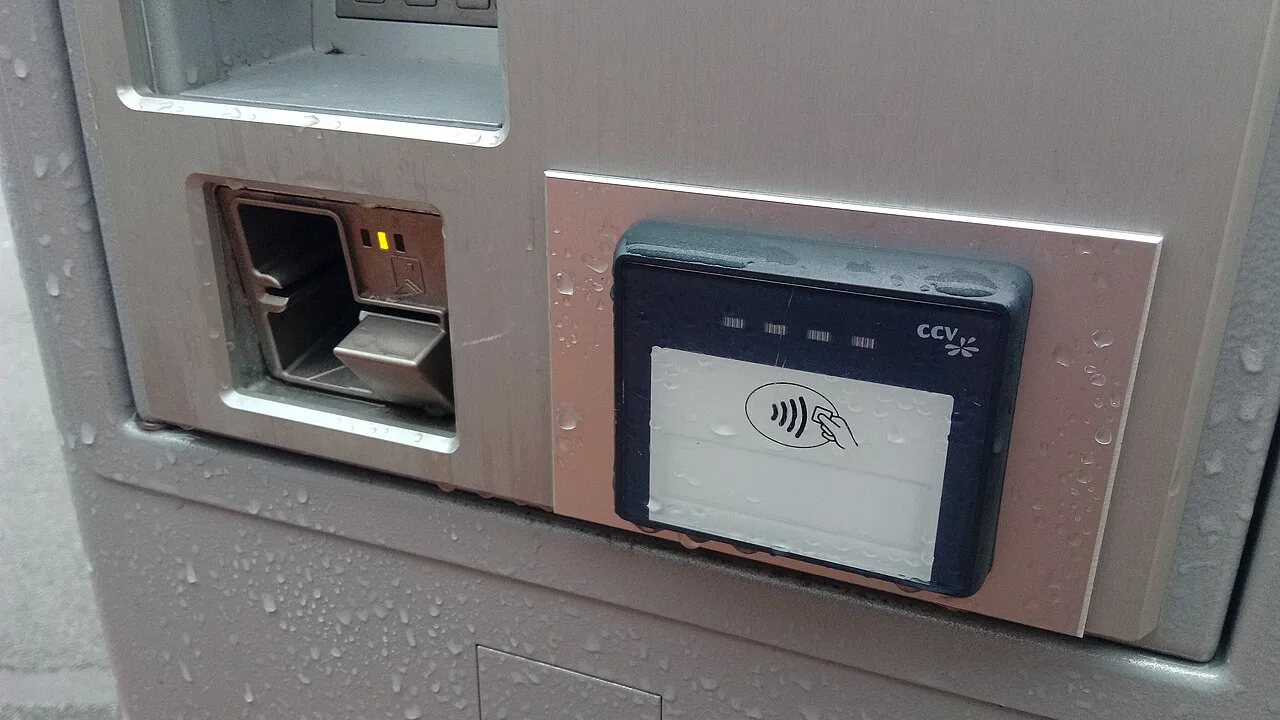
Featured image: Slaunger, CC BY-SA 4.0, via Wikimedia Commons.
Do You Need a Car in the Netherlands?
Often you don't. Intercity trains link Amsterdam, Utrecht, Rotterdam and The Hague, and those cities are built around bikes and transit. Holding a car in Amsterdam mostly means paying for parking, as our guides to Driving in Amsterdam: Parking, Zones & Rules and Parking in Amsterdam: Garages, P+R & Street Rules explain. Use the table below to decide.
| Your trip | Rent a car? | Why |
|---|---|---|
| Amsterdam only | No | Trams, trains and bikes cover everything; parking is the main cost |
| Amsterdam, Utrecht, Rotterdam, The Hague | No | Intercity trains are faster than driving between city centres |
| Rural areas, dunes, the coast | Yes | Small towns and nature areas are far easier with a car |
| Several stops in one day | Yes | A car saves repeated train and bus connections |
| Family with luggage or children | Probably | Car seats and boot space cut transfer stress |
| Benelux or Germany road trip | Yes | One vehicle covers the border crossings; check supplier terms first |
Requirements for Renting a Car: Licence, Age, Card and Insurance

Every driver needs a full, valid licence. A US or UK licence is accepted for a visit, and whether you also need an International Driving Permit is mostly the supplier's decision, so ask in writing. Dutch road rules are published by the Government of the Netherlands. US readers will find more in our guide to driving with a US licence.
Minimum age and young-driver surcharges are set by each supplier, and many charge extra for drivers in their early twenties. Expect a credit card in the main driver's name, because suppliers place a deposit hold on it. Ask when the hold is released after return.
Insurance usually comes as a collision damage waiver with an excess you remain liable for. Ask your own insurer whether your home policy or card benefits apply in Europe. Many do not.
Where to Pick Up: Schiphol, City Offices or Train Stations
Schiphol is the easiest start if you land with luggage and want to drive out of the Randstad straight away. Airport counters can carry surcharges and queues after long-haul arrivals. City offices and station branches can be cheaper but keep shorter hours. Compare opening times against your arrival.
A good rule is to pick up when you leave the city, not when you arrive. Take the train into Amsterdam, skip the car for the canal district, and collect a vehicle on the day you head out. Neutral suppliers with Dutch branches include Avis, Europcar, Sixt and Hertz.
| Option | Best for | Trade-off |
|---|---|---|
| Schiphol airport | Landing and driving on immediately | Possible surcharge and queues |
| City office | Leaving a city after sightseeing | Shorter hours than airports |
| Train-station branch | Rail plus a one-day hire | Fewer cars, so book ahead |
| One-way drop-off | Ending in a different city | One-way fee applies; it shows in the quote |
What Renting Really Costs
The daily rate is only the start. Prices rise from small to medium to SUV to van, and quotes move with dates and demand, so a quote for your own dates is the only reliable figure. The items below are where the final bill grows.
| Cost item | Where it bites |
|---|---|
| Base rate | Rises with car class and school-holiday dates |
| Collision damage waiver excess | Large excess unless you buy cover to reduce it |
| Young-driver surcharge | Charged per day for younger drivers |
| Additional driver | Daily fee; some suppliers waive it for partners |
| Child seat | Per-day add-on, often capped per rental |
| One-way fee | Added when you drop at another branch or country |
| Cross-border fee | Varies by supplier and vehicle class |
| Fuel | Full-to-full is usually cheaper than prepaid fuel |
| Parking and tolls | City parking adds up fast; cars pay tolls only at the Kiltunnel and the two A24 tunnels west of Rotterdam (€1.51 per car in 2025 on the A24) |
Choosing the Right Car
A compact car suits narrow streets and tight parking in Dutch towns. Take a van only for large groups. Manual gearboxes are common across Europe, so reserve an automatic early if you need one. Ask at booking whether the car is petrol, diesel or electric, and check charging access at your hotel. For children, Dutch rules require an approved seat for those shorter than 1.35 m, so reserve a seat or bring your own.
Children shorter than 1.35 m need an approved seat, so reserve one when you book the car.
Driving Rules to Know Before You Pick Up
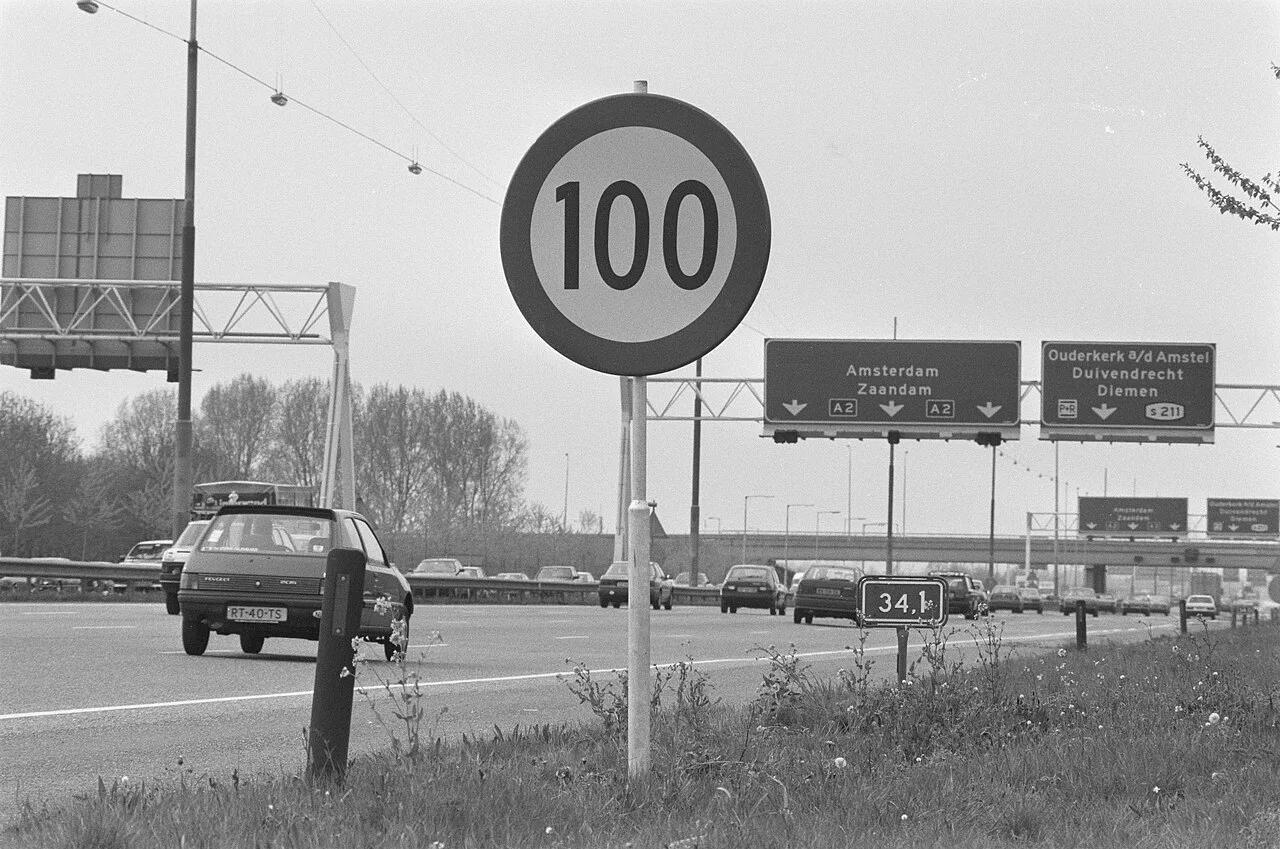
Cyclists have priority in many situations, and cycle lanes are heavy in cities. Watch for bikes and mopeds before every turn. Default limits are 50 km/h in towns and 80 km/h on rural roads. Most motorways allow 100 km/h from 06:00 to 19:00 and up to 130 km/h at night where signed, and signs override defaults. See our Dutch speed limit guide before you set off. City parking is limited and paid, so read Parking in the Netherlands: P+R, Street Rules & Costs to plan. Some cities run environmental zones, so ask your supplier about the vehicle's fuel type and the current zone list. Road conditions are published by Rijkswaterstaat, the Dutch road authority.
Plan for 100 km/h on most motorways by day, then pick a compact car for the narrow streets and tight parking of Dutch towns.
Crossing Into Belgium, Luxembourg or Germany
Cross-border travel is possible with many suppliers, but policy varies by supplier and vehicle class. Tell the counter before booking and get the permission in writing. Fees and restricted countries differ. For Belgium, see Renting a Car in Belgium: Rules, Costs and Brussels Tips and Driving in Belgium: Rules, Zones and Tips. Brussels has its own rules, covered in Brussels low-emission zone. Luxembourg is covered in Renting a Car in Luxembourg: Pickup, Costs, Rules and Driving in Luxembourg: Rules, Speed Limits & Tolls. A one-way drop in another country usually adds a fee.
Booking Checklist and Common Mistakes
Use this checklist at the counter and when you return the car.
- Photograph every panel, wheel and the windscreen before you leave the car park.
- Read the fuel policy and mileage limit on the rental agreement.
- Ask for the deposit amount and when it is released.
- Compare pay-now and pay-later cancellation terms.
- Book direct or read broker terms closely, since quotes sometimes exclude insurance.
- Check your pick-up time, as early collection can trigger fees.
- Compare the car you are given with the class you booked, because downgrades happen.
Cheaper Alternatives
Take the train between cities and rent for a single day when you reach a rural area. That avoids days of parking and fuel in the Randstad. Station branches suit this plan. Car-sharing is another option, but check each scheme's rules for visitors with foreign licences. The ANWB publishes Dutch motoring information if you want local background.
Frequently Asked Questions
Can you rent a car in Germany and drop it off in another country?
Often yes, but it depends on the supplier and car class. International one-way drops usually carry a fee. Get the exact terms in writing before you pay.
Does my American car insurance cover me in Europe?
Many US policies do not extend to rentals abroad. Ask your insurer and your card issuer in writing before you travel. If neither covers you, buy the supplier's cover.
Road-rule changes worth knowing
Optional updates to our guides.
You might also like

Continue reading
More guides you'll find useful