
Driving in Luxembourg: Rules, Speed Limits & Tolls
Speed limits, tolls, winter tyres, phone and drink-drive rules, plus what changes at the border. A practical guide for visiting drivers.
On this page
Last updated November 2026: driving in Luxembourg is simple, with toll-free motorways and a 130 km/h limit that drops to 110 km/h in the wet. Priority to the right, winter tyres and the hands-free phone rule are what catch visitors out. Crossing in from the Netherlands, Belgium, Germany or France is straightforward, but each neighbour has its own tolls and low-emission zones.
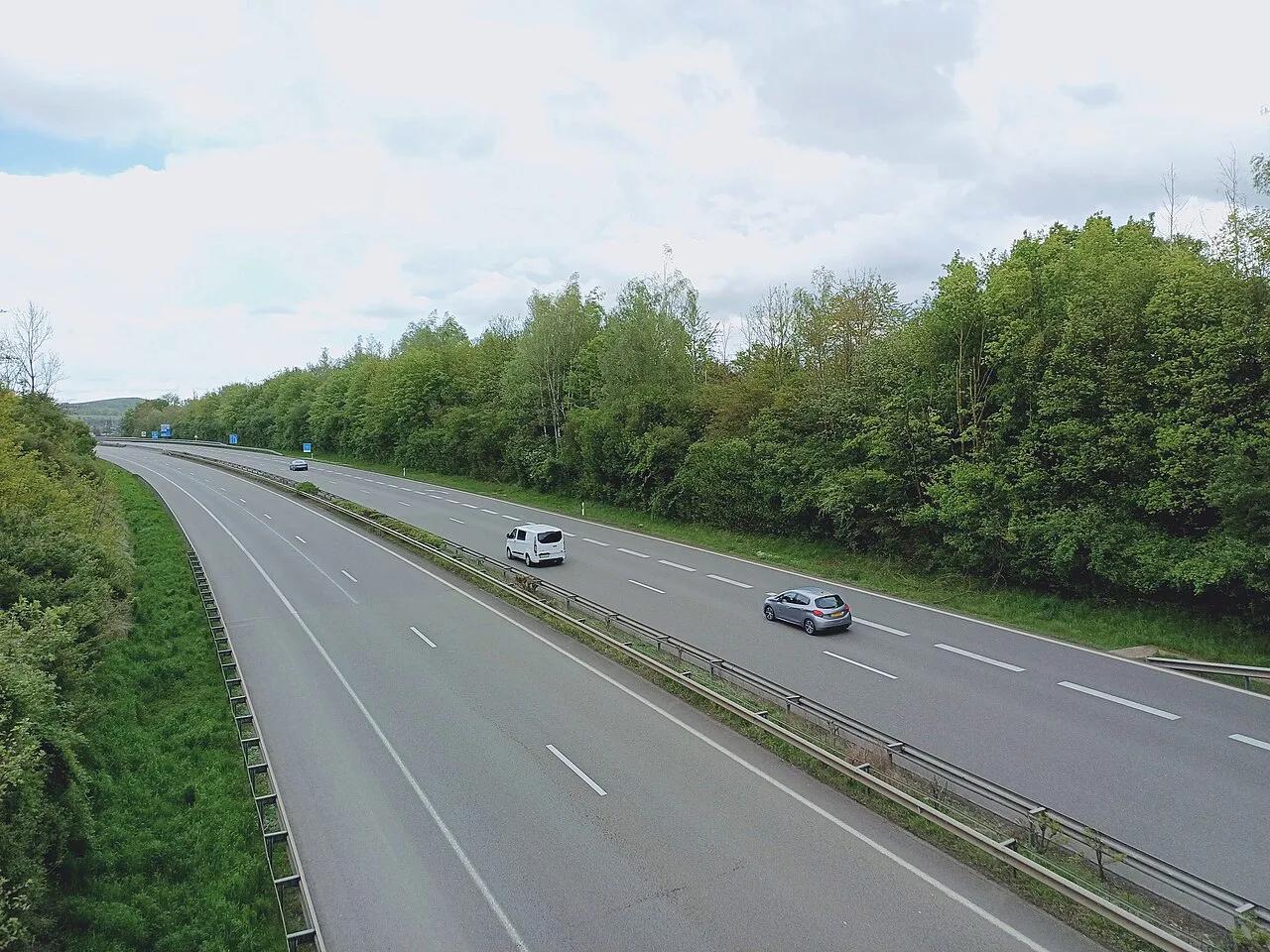
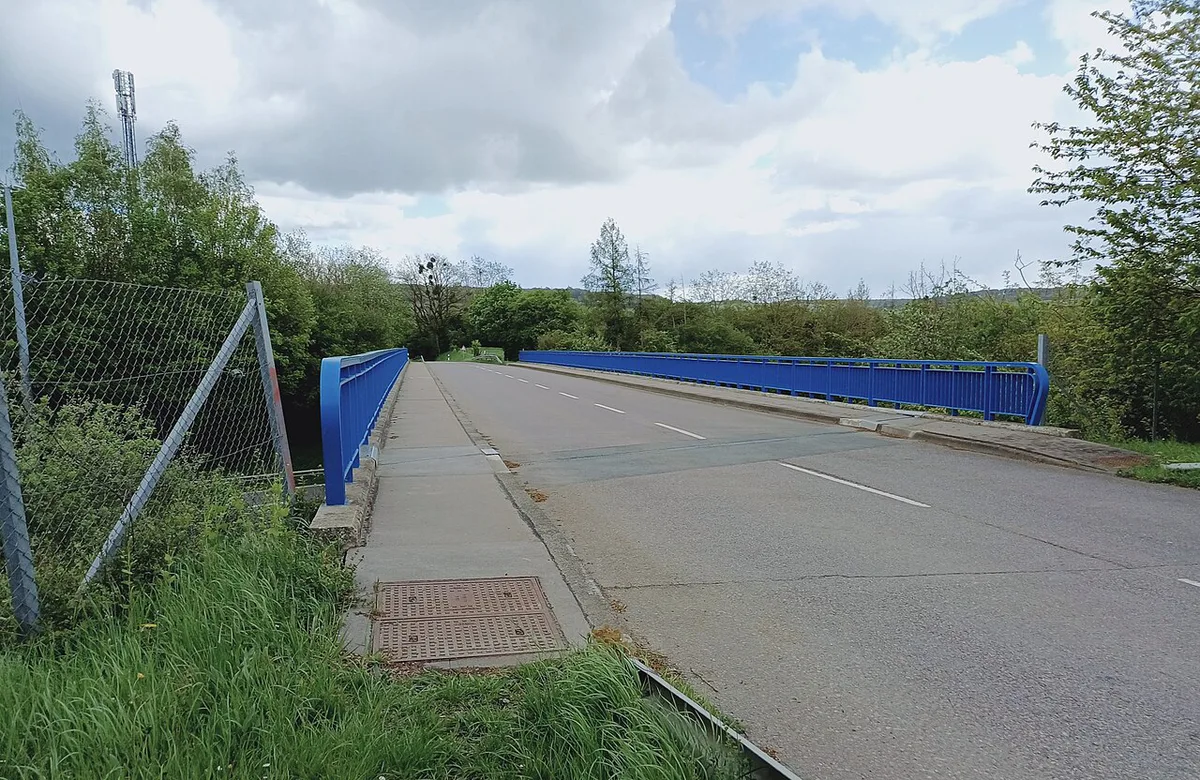
Featured image: Hejnjahns, CC BY-SA 4.0, via Wikimedia Commons.
Driving in Luxembourg: key rules at a glance
Traffic keeps to the right, and most rules will feel familiar if you drive in the Netherlands or Belgium. Limits are 50 km/h in town, 90 km/h on open roads and 130 km/h on motorways. Alcohol is capped at 0.05%, and phones must be hands-free. Rules checked November 2026; confirm on the official portals before a long trip.
| Topic | Rule for private cars |
|---|---|
| Built-up areas | 50 km/h |
| Open roads | 90 km/h |
| Motorways | 130 km/h, 110 km/h in wet conditions |
| Tolls and vignette | None for private cars |
| Alcohol | 0.05%, or 0.02% for licences held under two years |
| Phone | Hands-free only |
| Winter tyres | Required in winter conditions, whatever the date |
| Priority | To the right unless signs say otherwise |
Speed limits in Luxembourg
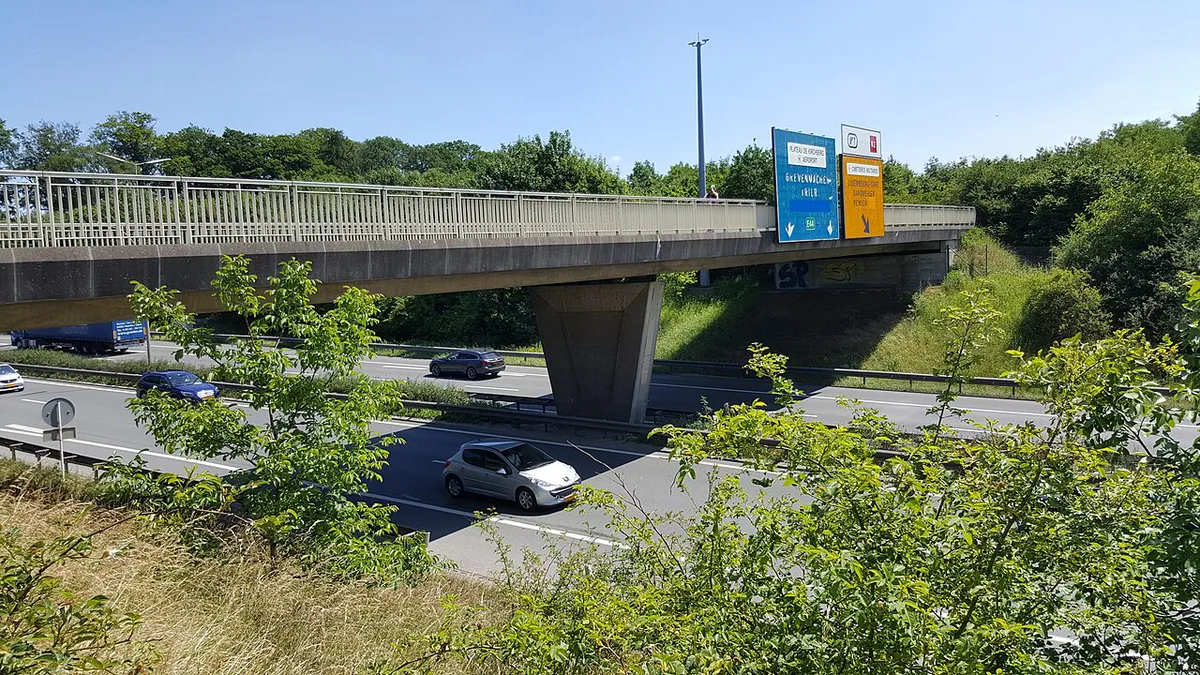
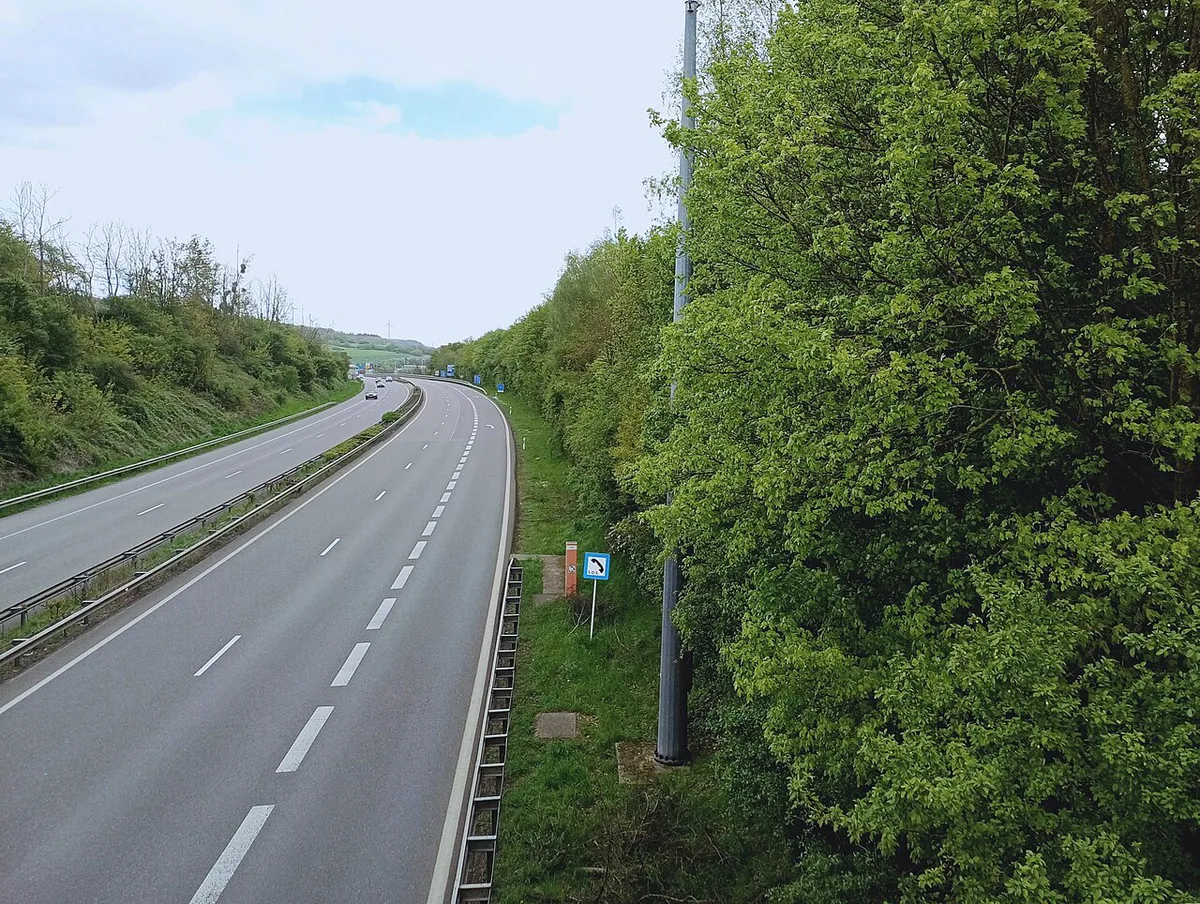
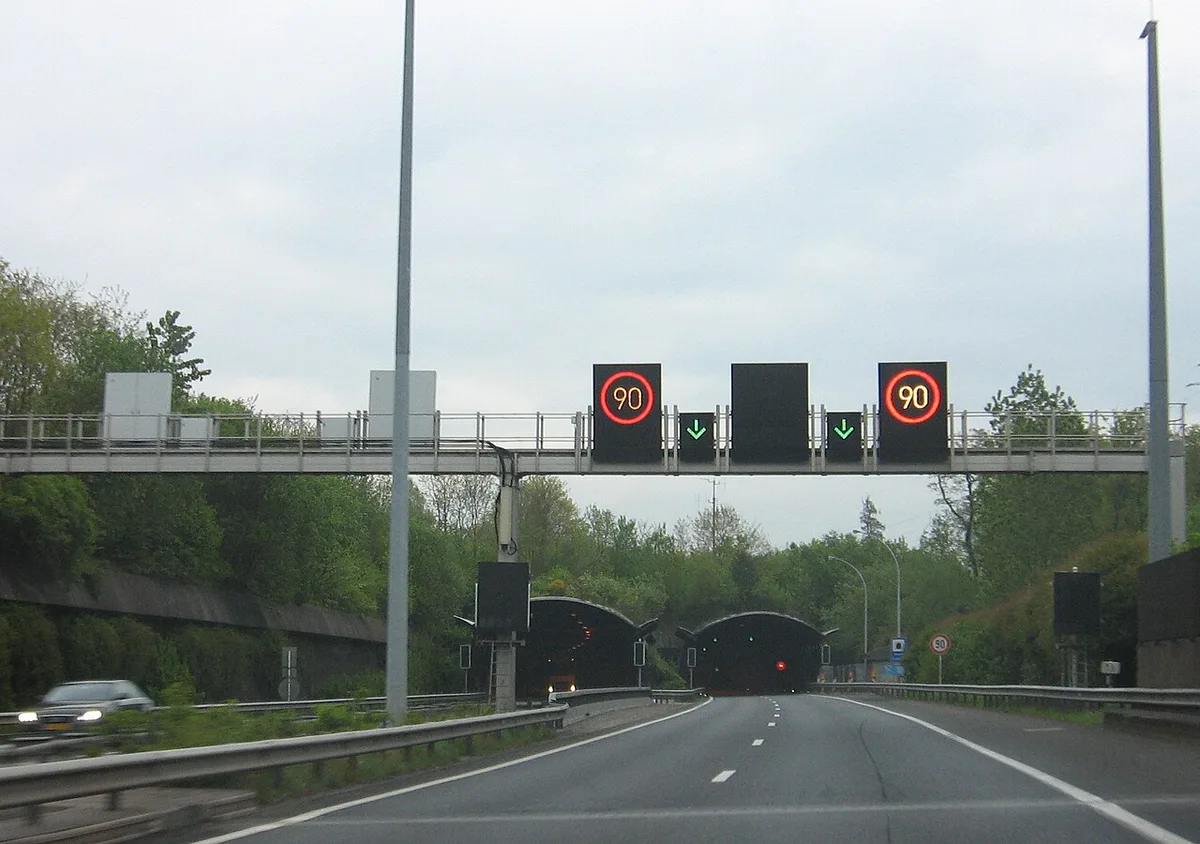
Cars and motorcycles follow 50 km/h in built-up areas, 90 km/h on open roads and 130 km/h on motorways. When roads are wet, the motorway limit falls to 110 km/h. Towing a trailer lowers every non-urban limit, to 75 km/h on open roads and 90 km/h on motorways. Motor homes over 7.5 t follow the same trailer figures. Signs override these defaults, so watch for lower limits at roadworks and junctions. For contrast with home, see our guide to Dutch speed limits.
Towing a trailer means 90 km/h on motorways rather than the 130 km/h standard limit that applies to cars.
| Vehicle | Built-up | Open road | Motorway |
|---|---|---|---|
| Car or motorcycle | 50 km/h | 90 km/h | 130 km/h (110 km/h wet) |
| With trailer | 50 km/h | 75 km/h | 90 km/h |
| Motor home over 7.5 t | 50 km/h | 75 km/h | 90 km/h |
Rules that catch visitors out
Most trouble comes from small things that differ from your home country. Police can fine foreign drivers on the spot, so carry your licence and papers. Official traffic rules are summarised on Visit Luxembourg.
Drivers with licences held under two years face a 0.02% limit, against the 0.05% general cap that applies to everyone else.
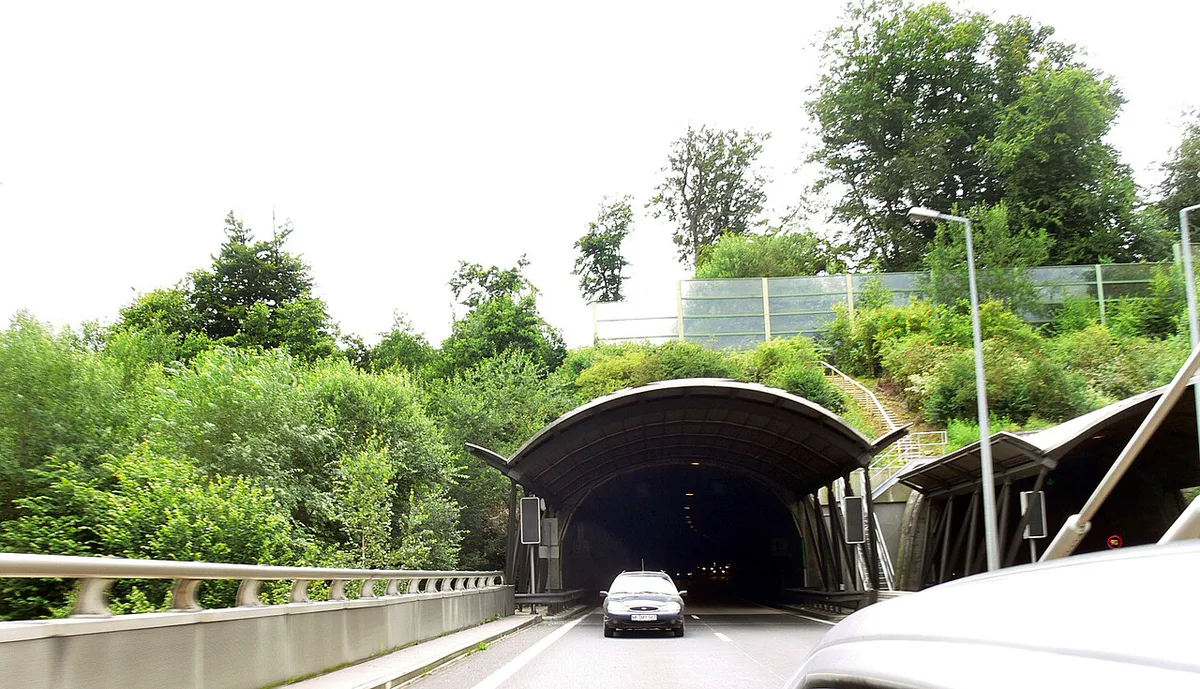
- Priority to the right applies at small crossings unless signs say otherwise. Slow down at unmarked side roads.
- Alcohol limit is 0.05%. Drivers who have held a licence for under two years face 0.02%.
- Calls are allowed only through a hands-free system. Holding a phone is an offence.
- Children under 17 and shorter than 150 cm need a suitable child seat. Deactivate the front airbag for a rear-facing seat.
- Wear a hi-vis vest if you leave the car after an accident or breakdown on a motorway or dual carriageway.
- Do not park on a yellow line or within five metres of a pedestrian or cyclist crossing.
Winter tyres for Luxembourg roads
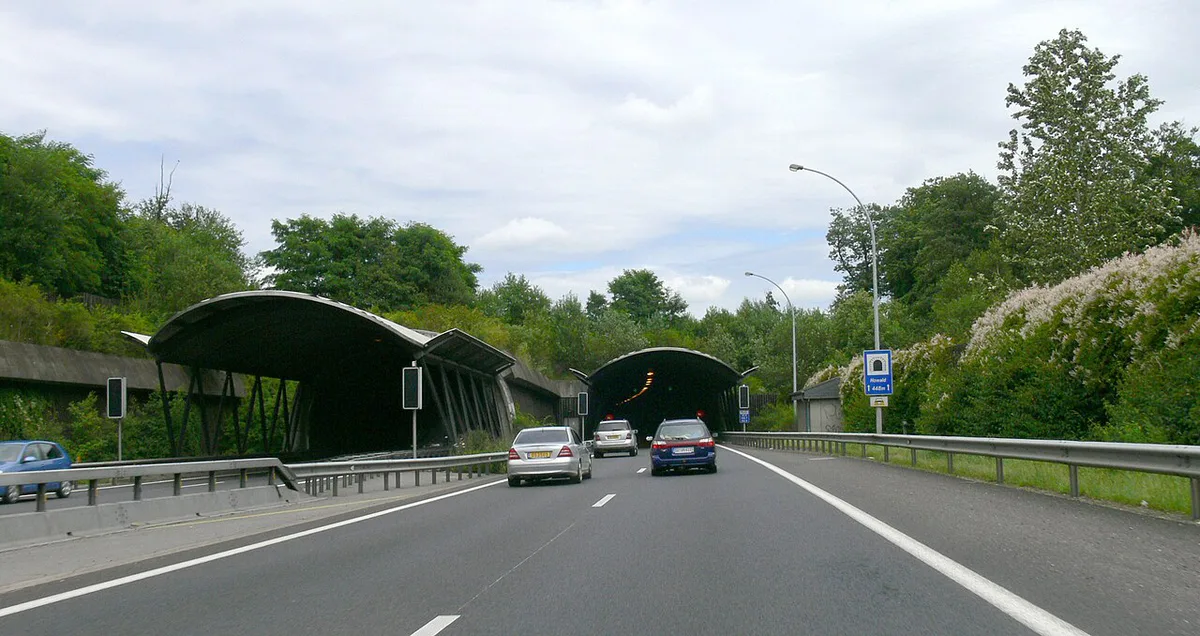
The winter tyre rule depends on conditions, not the calendar. If snow, slush, black ice or frost affect the road, your car needs winter tyres with the M+S marking, even in a mild month. Guidance is on Guichet.lu. If you collect a rental from another country between November and March, ask the desk what the car is fitted with. A frosty morning in the Ardennes side of a trip can trigger the rule even when the city is clear.
Tolls, vignettes and fuel
Private cars pay no tolls and need no vignette in Luxembourg. Motorways, tunnels and dual carriageways are free, and only lorries pay the Eurovignette. Maximum fuel prices are set by the government and are often lower than in neighbouring countries. That is why filling stations near the borders are busy, so expect queues at peak hours. Prices change weekly, so no figure is quoted here.
Driving to Luxembourg from the Netherlands, Belgium, Germany and France
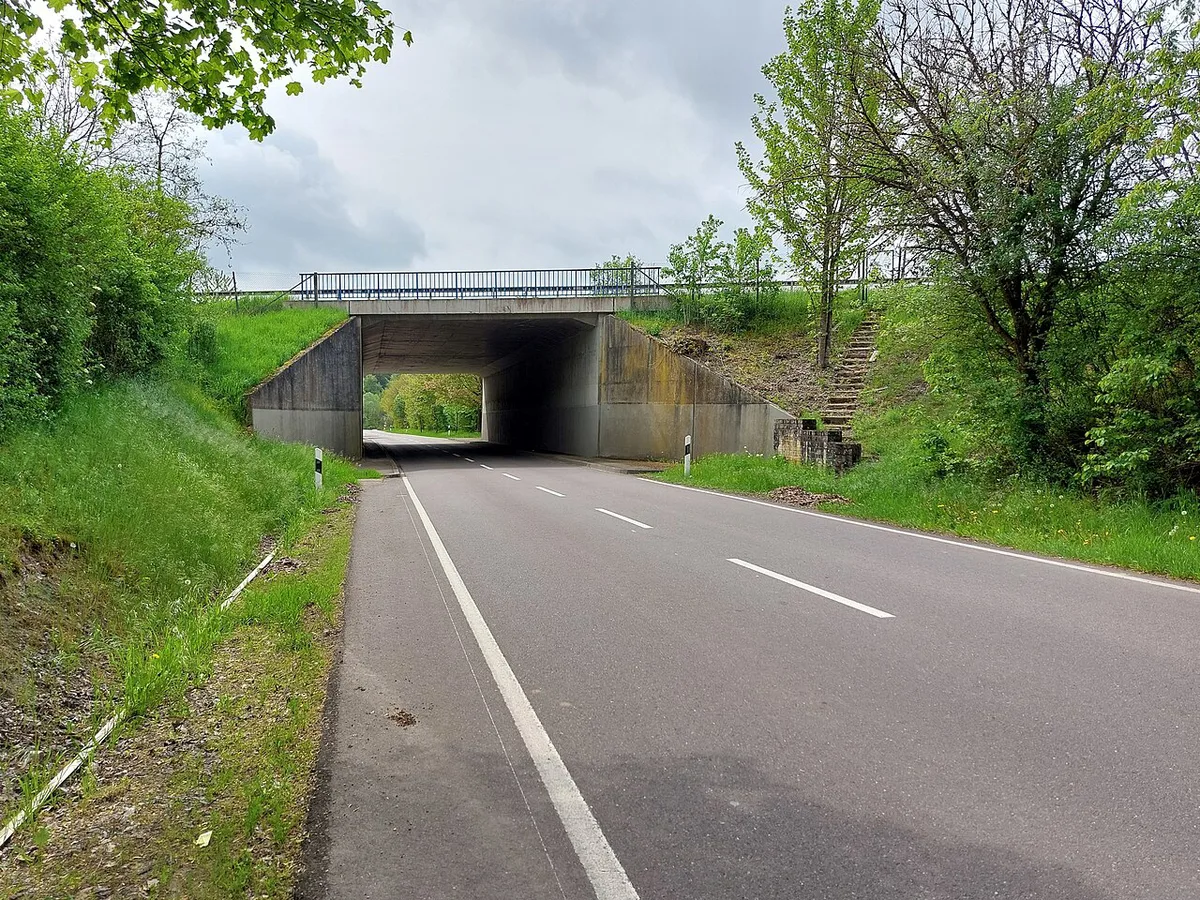
Borders sit inside the Schengen area, so there is normally no stop on the road. What changes is tolls and city zones. Coming from the Netherlands, Dutch driving rules will already feel close. A Dutch rental picked up at home needs a cross-border check, covered in our guide to a Dutch rental desk. Brussels to Luxembourg is a common route, so read about Belgian driving rules and the Brussels LEZ rules before leaving. Rules abroad change, so check each country's official site before a long drive.
| Coming from | Car tolls | Route check |
|---|---|---|
| France | Most autoroutes are toll roads (péage) | City low-emission zones, for example Strasbourg |
| Belgium | No motorway toll for cars | Low-emission zones in Brussels, Antwerp and Ghent |
| Germany | No motorway toll for cars | Environmental zones (Umweltzone) in many cities |
| Netherlands | No general tolls, a few tunnels charge | City emission zones |
Parking, park-and-ride and whether to drive
If you stay only in Luxembourg City, you can leave the car outside. Park-and-ride sites near the borders connect to buses and trams, and public transport inside Luxembourg is free for most journeys. Confirm the current free-transport scope on the official transport site before you rely on it. Drive if you plan several stops across the countryside, the Moselle or the Ardennes. Drive too if you travel with a family and luggage, or arrive late at night. Leave the car if your trip is city-only, since parking rules are strict and yellow lines are enforced.
Renting a car for Luxembourg
Ask three things at the desk. Can the car cross borders, is there a cross-border fee, and does the insurance cover Luxembourg? Also ask whether a hi-vis vest and child seat are included. Our page on rental car options for Luxembourg covers pickup choices. Starting from Brussels? See the Belgian rental desks guide. US licence holders can start with US licence holders in the Netherlands for the basics.
Mistakes to avoid
A few repeat errors cause most visitor fines and delays.
- Assuming the motorway limit stays at 130 km/h in rain. It drops to 110 km/h.
- Skipping priority to the right at small crossings with no signs.
- Holding a phone for a quick call instead of using hands-free.
- Collecting a winter rental without checking the tyres.
- Driving on from France without budgeting for péage tolls.
- Entering Brussels, Antwerp or Ghent without checking low-emission zone rules.
Frequently Asked Questions
What is the speed limit in Luxembourg?
Cars follow 50 km/h in built-up areas and 90 km/h on open roads. Motorways allow 130 km/h, reduced to 110 km/h in wet conditions.
Is it difficult for Americans to drive in Europe?
Luxembourg drives on the right, as in the US, so the layout feels familiar. The main adjustment is priority to the right at small junctions, plus metric speed signs in km/h.
Road-rule changes worth knowing
Optional updates to our guides.
You might also like

Continue reading
More guides you'll find useful