7 Things to Know About Driving in the Netherlands
Is driving in the Netherlands worth it? Licence rules, priority to the right, cyclists, low-emission zones, parking and when to skip the car.
On this page
Last updated November 2026: driving in the Netherlands is simple on motorways but slow and stressful inside city centres. Most visitors can drive on a valid foreign licence, though US and UK drivers should check permit rules with the rental company. In Amsterdam the train, tram and bike beat a car, while coastal and countryside days are where a car pays off.
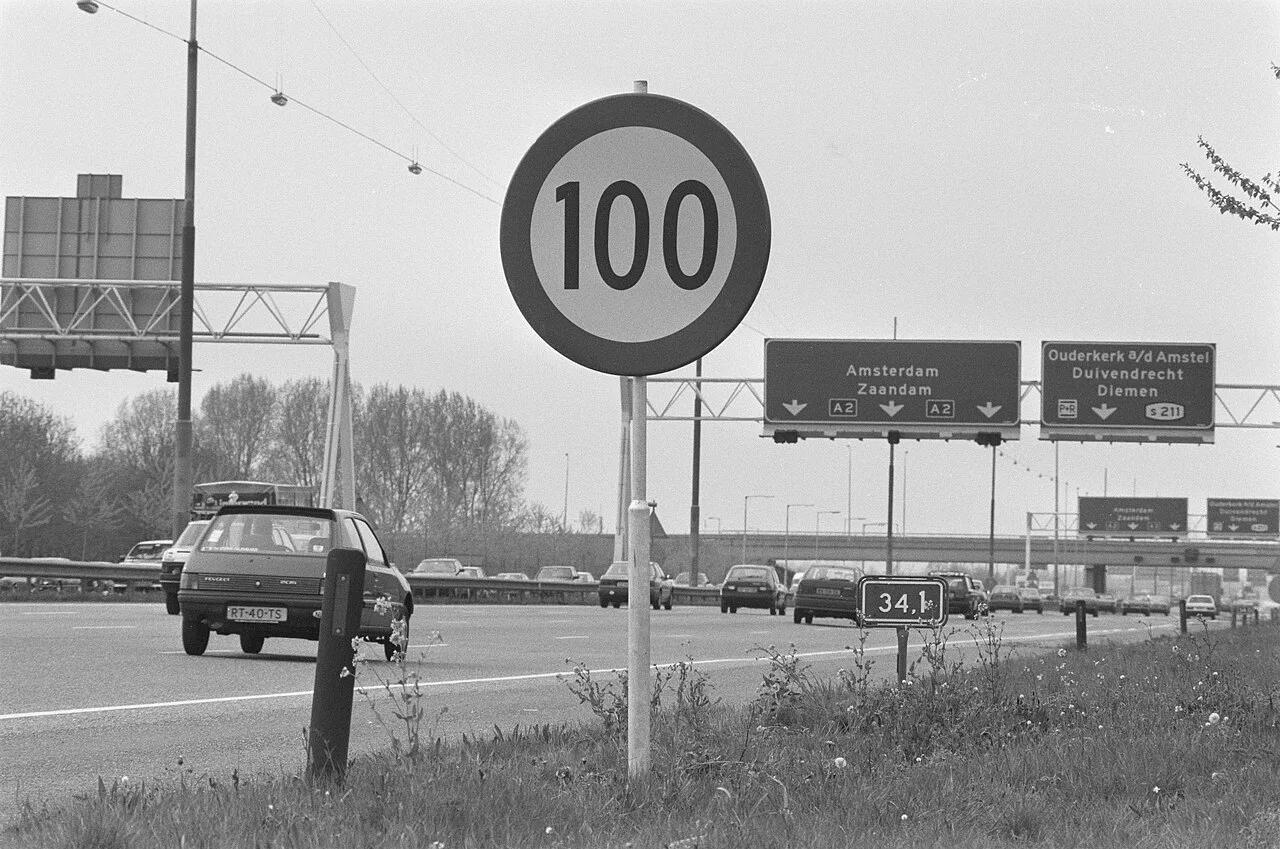
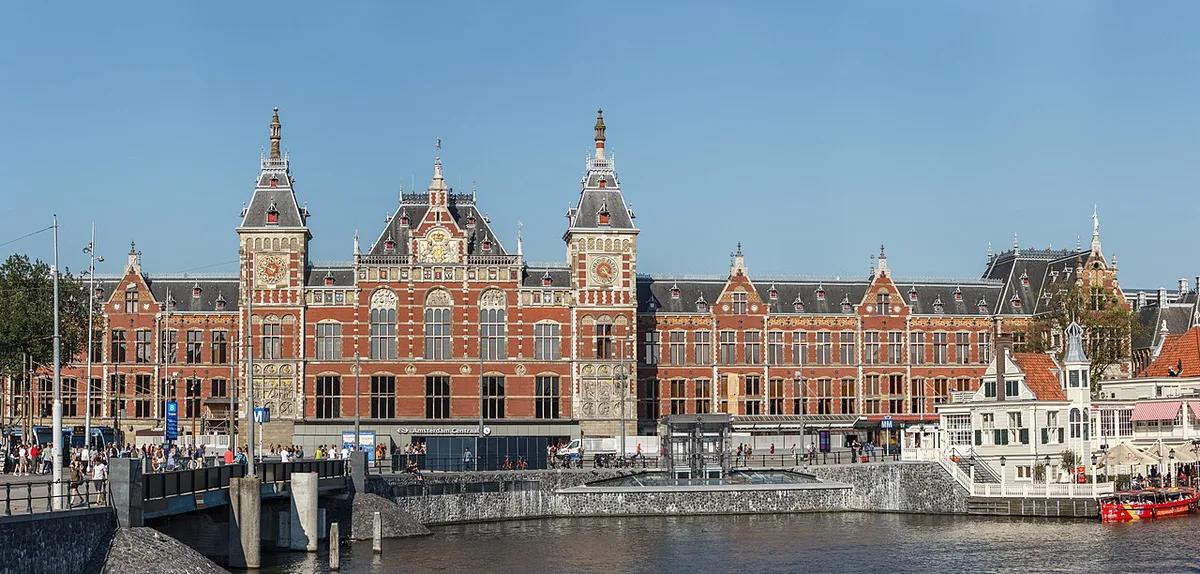
Featured image: Rob Croes / Anefo, CC0, via Wikimedia Commons.
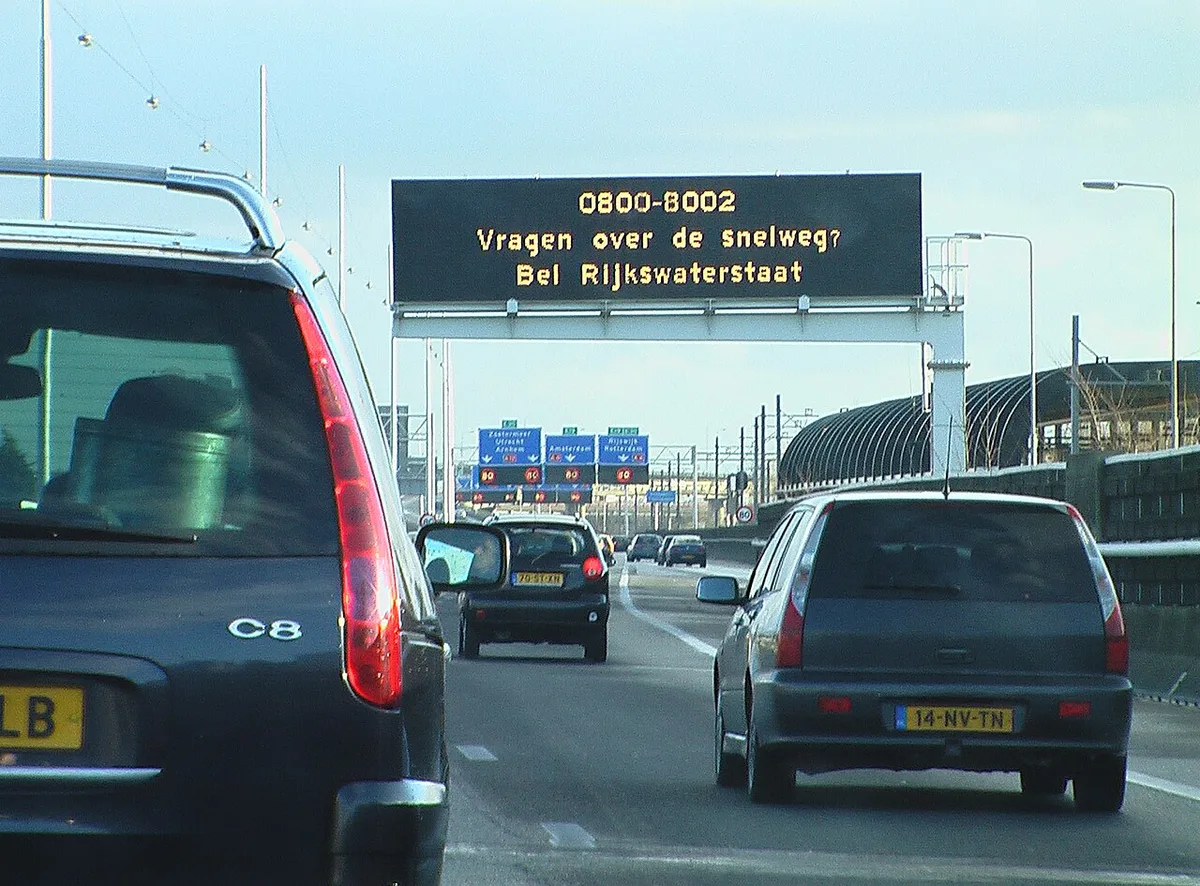
Should You Drive in the Netherlands?
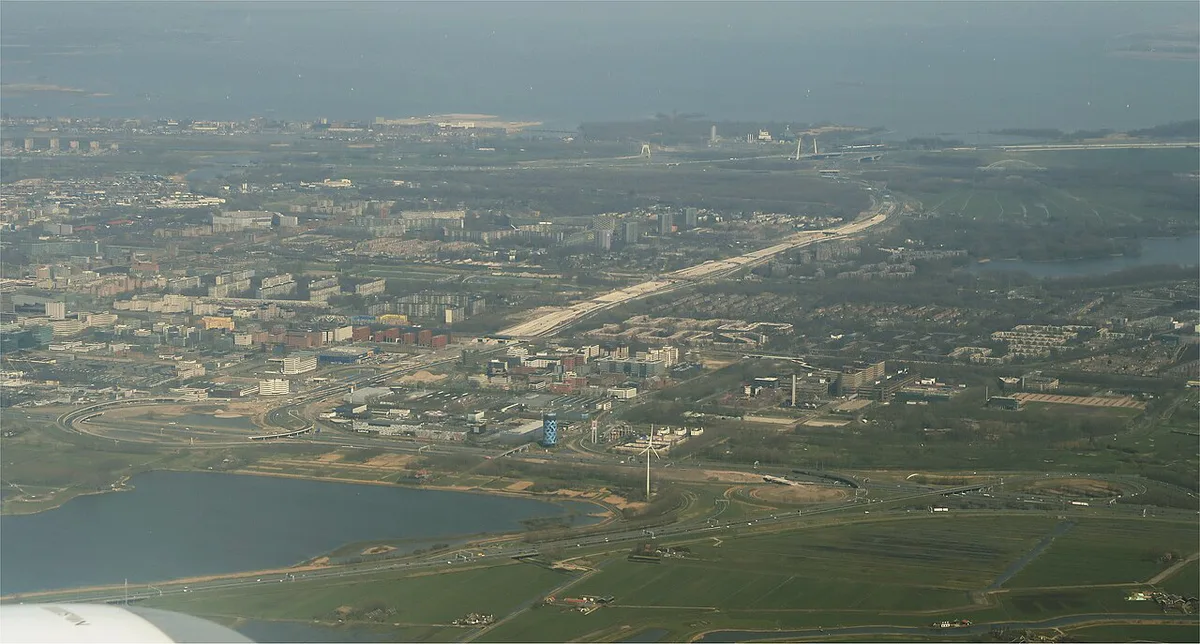
Choose by trip type. Amsterdam-only stays suit train, tram and bike, with the OV-chipkaart covering public transport. A car earns its place on coastal and countryside days, or on trips that continue into Belgium or Luxembourg.
| Trip type | Car | Train/OV | Bike | Verdict |
|---|---|---|---|---|
| Amsterdam only | Parking is scarce and access is restricted | Trams, metro and trains reach most sights | Fast for short hops, shared roads | Skip the car |
| Randstad cities (Amsterdam, Rotterdam) | Slow in city centres | Intercity trains link the big cities | Good inside each city | Train for the hop, no car |
| Countryside and coast | Reaches places with sparse transit | Works for towns on rail lines | Good on dedicated cycle paths | Car makes sense |
| Cross-border to Belgium or Luxembourg | Flexible, but rental terms apply | Possible, with changes | Not practical | Car makes sense if the rental allows it |
7 Things to Know About Driving in the Netherlands
Prices and hours checked November 2026. This guide quotes no fares, because rental and parking rates change by company and season. Each item below covers one decision, with a link to the detailed guide where we have one.
1. Check your licence before you book
Short-stay visitors usually drive on their home licence, but the rules depend on where it was issued. EU and EEA licences are the simplest case. US, UK and other non-EU drivers should ask the CBR licence guidance pages and the rental desk whether an International Driving Permit is expected.
Our guide for American licence holders covers the US case step by step. Carry the physical licence and your passport every time you drive. Skip the permit chase only once the rental company confirms in writing that your licence is accepted.
2. Read the rental terms, not just the price
Rental terms decide most of your real costs. Ask about the minimum age, young-driver surcharges, the deposit held on your card and the insurance excess. Our Netherlands car rental guide lists the common gotchas.
Ask whether the car may leave the country before you plan a border crossing. Skip renting entirely if your trip stays inside Amsterdam and Rotterdam.
3. Give way to the right and to cyclists
Priority to the right is the default at junctions with no signs or markings. Traffic coming from a side street on your right goes first. Cyclists and moped riders share many roads, and riders on a fietspad often have priority when you turn across their path. Look over your shoulder before every right turn.
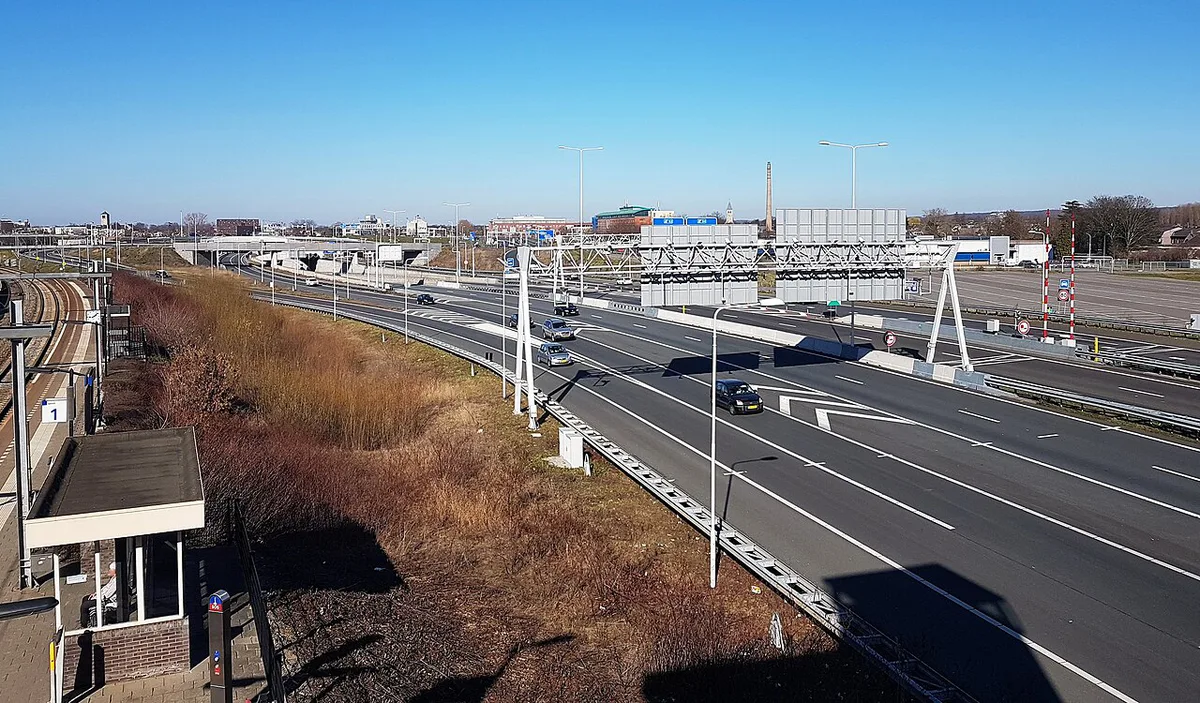
Trams and buses have their own lanes in cities, so stay out of them. Phone and alcohol rules are strict, so read the Dutch government traffic pages before you drive. Nervous drivers who dislike mixing with bikes should stay on motorways or skip the car.
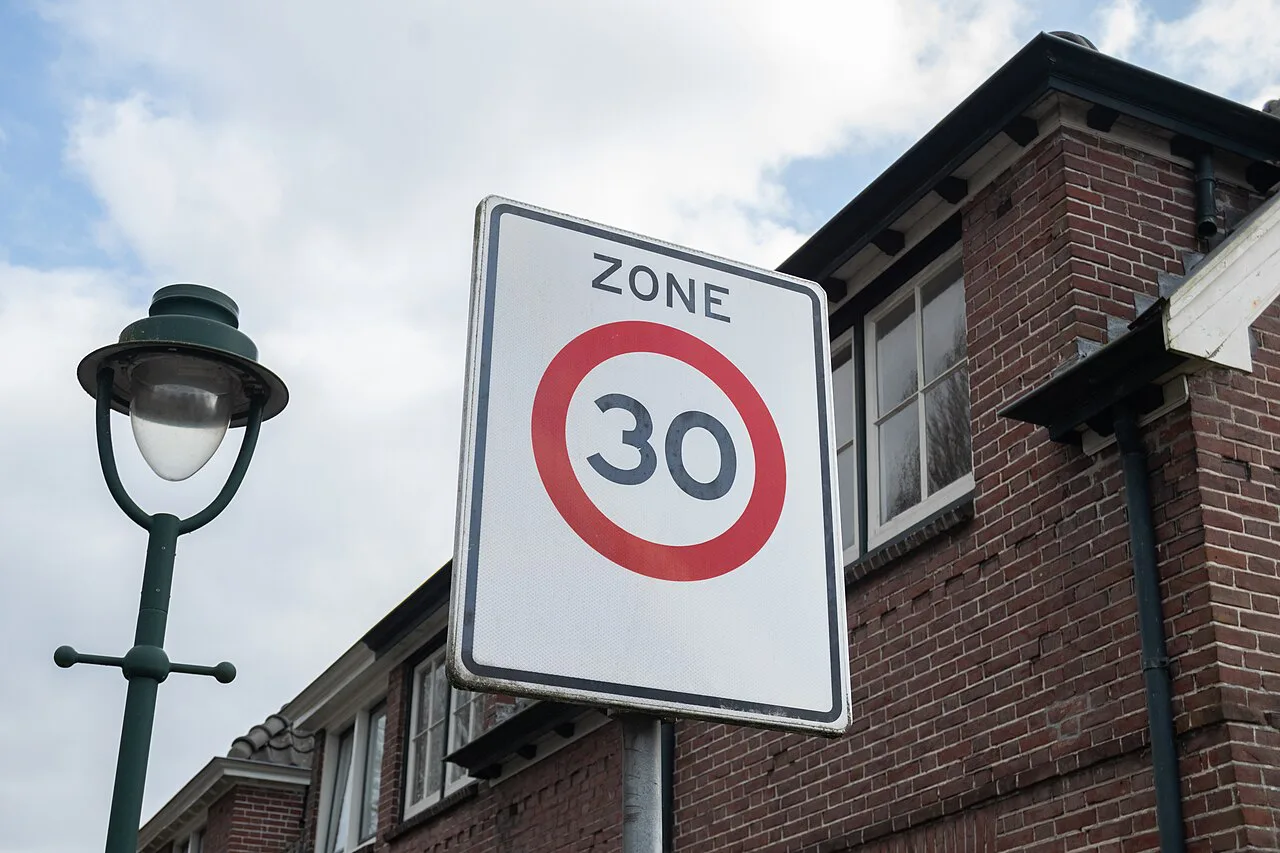
4. Respect speed limits and cameras
Limits change with the road type, and fixed and mobile cameras enforce them. Follow posted signs rather than your sat-nav, because limits can change within a short stretch. Our Netherlands speed limit guide sets out the limits road by road.
Rental companies pass fines on to you, often with an admin fee added. Skip cruise-control habits from home until you have read the signs on your first road.
5. Check low-emission zones
Several Dutch cities run low-emission zones (milieuzones) that restrict older, more polluting vehicles. Most rental cars are recent, but ask the desk about your vehicle's emissions class. Signs mark each zone boundary, and rules differ by city.
Search the municipal zone register for every city on your route. This matters most for older diesel vehicles, so anyone arriving in a private car should check first.
6. Plan city parking before you arrive
Driving in a city centre costs the most time and stress. Our Amsterdam driving guide explains access limits in the capital. Park outside the centre and use a park-and-ride (P+R) site with onward public transport.
Our Amsterdam parking guide compares the options. For other cities, see parking across the Netherlands. Skip hotels without parking unless the rate includes a space.
7. Know the border rules before you cross
A Netherlands trip often continues into Belgium or Luxembourg. Read Driving in Belgium: Rules, Zones and Tips for the Belgian road rules. Rental terms for that side are in Renting a Car in Belgium: Rules, Costs and Brussels Tips.
Brussels has its own zone, covered in the Brussels low-emission zone. For the Grand Duchy, see Driving in Luxembourg: Rules, Speed Limits & Tolls. Rental terms are in Renting a Car in Luxembourg: Pickup, Costs, Rules.
Tolls, Fuel and Electric Vehicle Charging
This guide has no sourced toll, fuel or charging figures. Check current tunnel charges at Rijkswaterstaat and ask your rental company about charging cards.
Breakdowns and Emergencies
Call your rental company first after a breakdown or crash. Roadside help is also listed by the Dutch motoring association.
Common Mistakes to Avoid
Most visitor problems come from a handful of habits.
- Driving into a city centre instead of using park-and-ride.
- Ignoring priority to the right at unmarked junctions.
- Turning right across a cycle path without looking.
- Parking illegally and receiving a fine through the rental company.
- Missing a speed camera because you trusted the sat-nav.
Pre-Trip Checklist
Run through these points before you collect the car.
- Licence and permit decision confirmed with the rental company.
- Rental insurance, deposit and cross-border terms in writing.
- Low-emission zones checked for every city on the route.
- Parking or park-and-ride plan for each overnight stop.
- Border rules checked if you continue to Belgium or Luxembourg.
Frequently Asked Questions
What do I need when driving in the Netherlands?
Bring your licence, passport and rental papers. Add an International Driving Permit only if the rental company or Dutch authorities ask for one. Check low-emission zones and parking before you enter a city.
Explore More Guides
Keep planning your trip with these guides.
Guides
- Renting a Car in the Netherlands: Rules, Costs & Tips
- Driving in Amsterdam: Parking, Zones & Rules
- Parking in Amsterdam: Garages, P+R & Street Rules
- Speed Limits in the Netherlands: Road Rules by Type
- Parking in the Netherlands: P+R, Street Rules & Costs
- Driving in the Netherlands with a US License
- Driving in Belgium: Rules, Zones and Tips
- Renting a Car in Belgium: Rules, Costs and Brussels Tips
- Brussels Low Emission Zone: Rules for Foreign Drivers
- Renting a Car in Luxembourg: Pickup, Costs, Rules
- Driving in Luxembourg: Rules, Speed Limits & Tolls
Road-rule changes worth knowing
Optional updates to our guides.
You might also like

Continue reading
More guides you'll find useful