
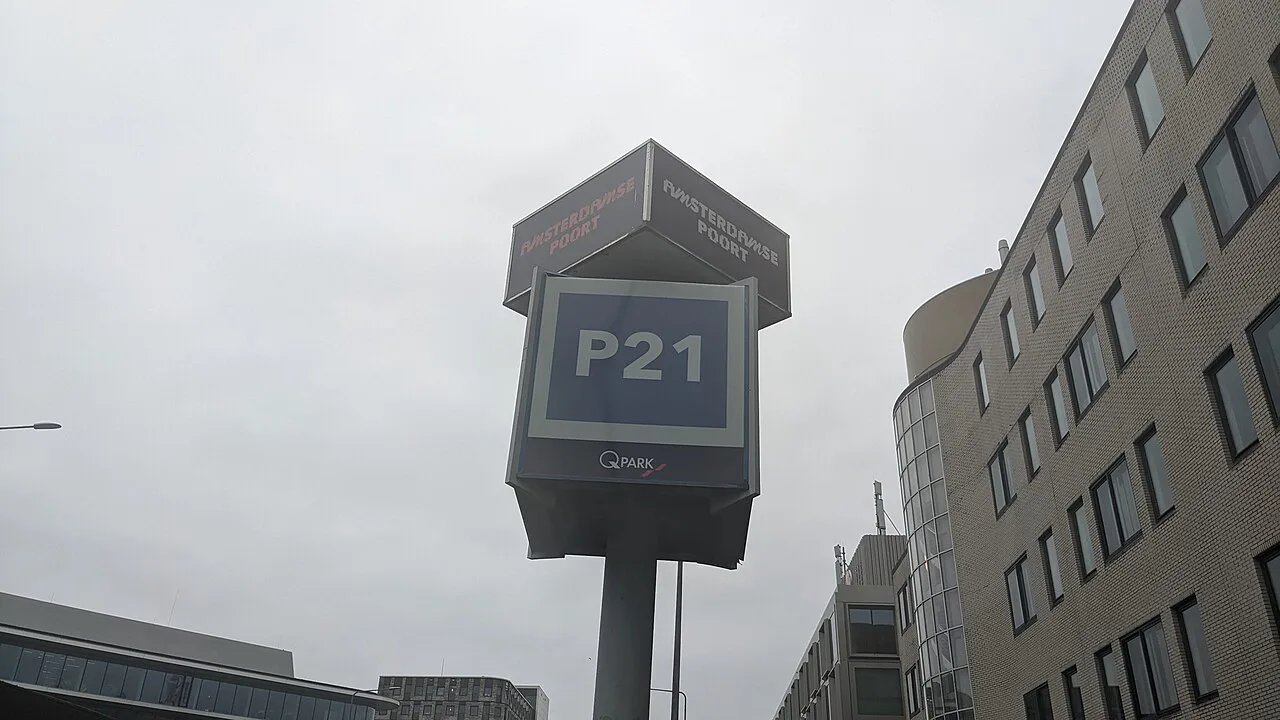
Parking in Amsterdam: Garages, P+R & Street Rules
Where to park in Amsterdam: pre-booked garages, park-and-ride, street rules, and when to skip the car. Compare options before you drive in.
On this page
Last updated November 2026. Parking in Amsterdam works best when you decide before you leave home: book a garage for a day trip, use park-and-ride to save money, and avoid street parking unless you know the payment rules. Overnight guests should ask their hotel about parking first, because central streets are paid and tightly managed.
Featured image: Donald Trung Quoc Don (Chữ Hán: 徵國單) - Wikimedia Commons - © CC BY-SA 4.0 International.(Want to use, CC BY-SA 4.0, via Wikimedia Commons.
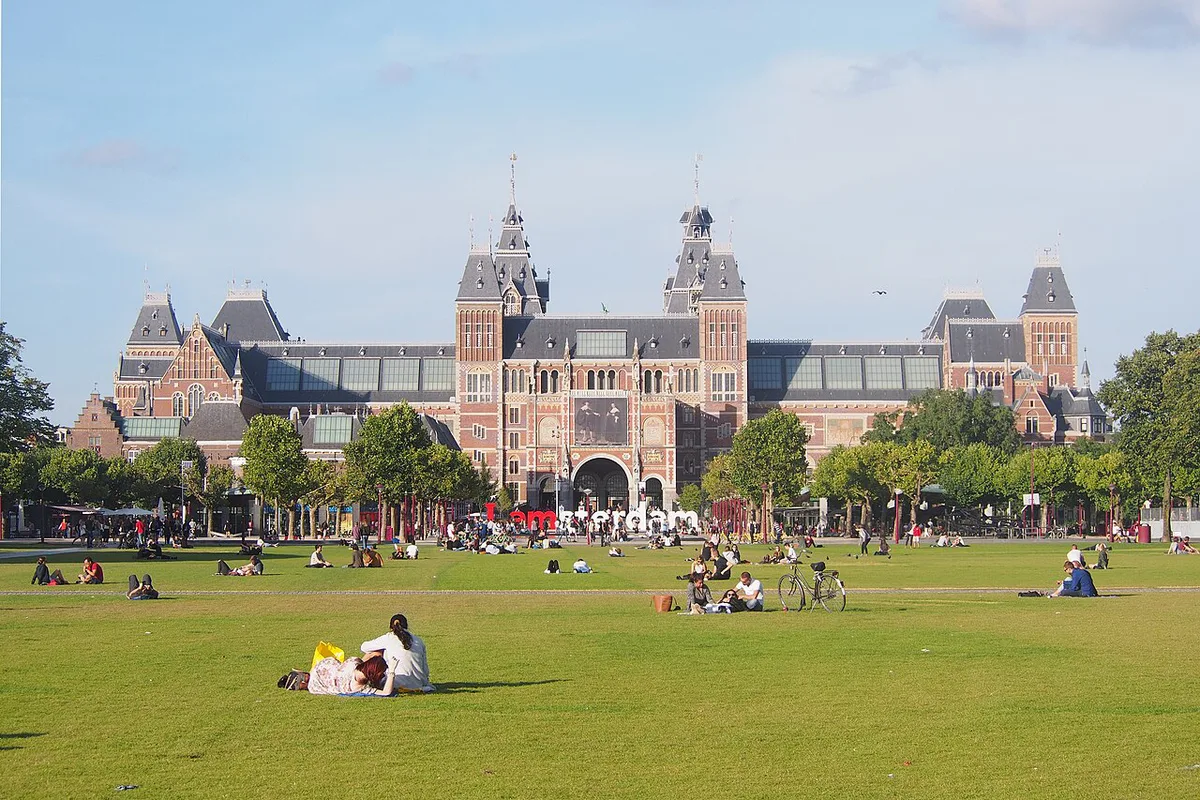
Quick answer: the best way to park in Amsterdam
Amsterdam does not hand out tickets for the dashboard. Paid parking is tied to your licence plate, and you pay at a parking meter or in a parking app. Day visitors usually do best with a garage reserved in advance or a park-and-ride lot on the edge of the city. Overnight guests should start with the hotel. For the wider picture on Dutch rules, see our guide to parking across the Netherlands.
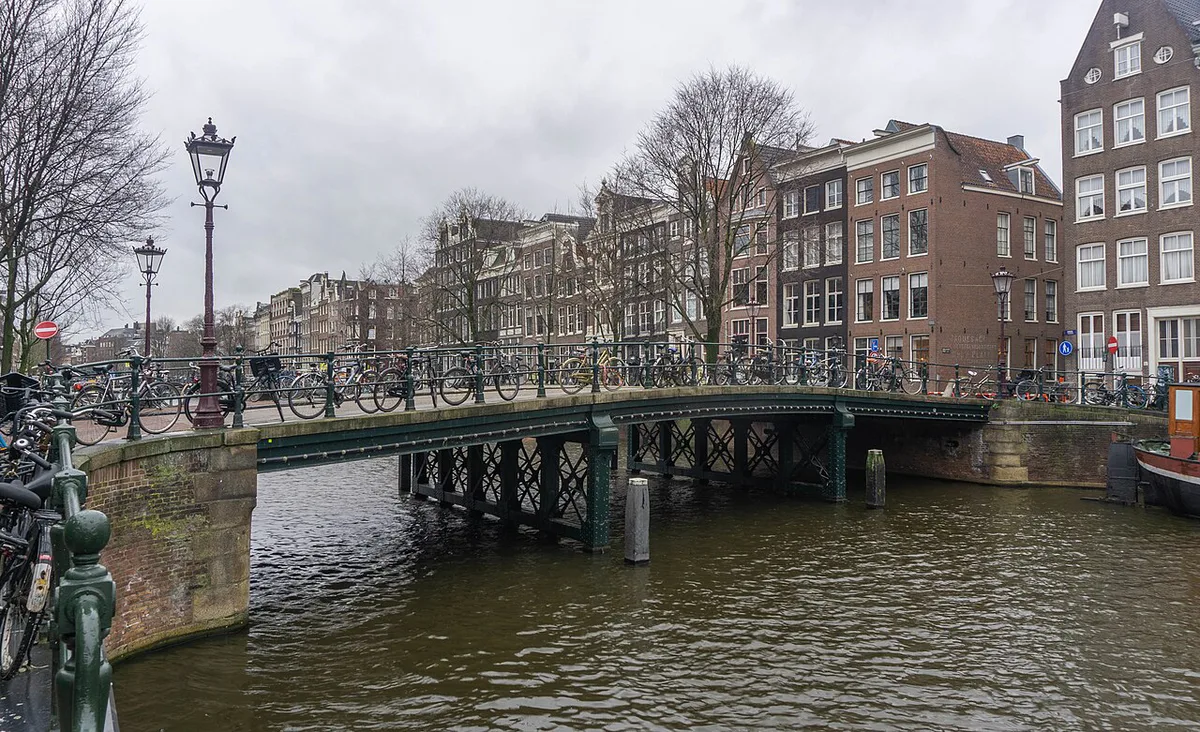
- Pick a pre-booked garage if you want a guaranteed spot and a known location, especially with luggage or children.
- Pick park-and-ride if cost matters more than speed and you are happy to finish the trip by public transport.
- Pick street parking only for a short stop, and only after you have read the zone signs and the payment rules.
Parking options compared

Each option trades money against certainty and effort. Rates change, so treat the cost column as behaviour rather than a price list. Look up current rates on the operator's or municipality's own pages before you commit.
| Option | Cost behaviour | Certainty of a spot | Effort | Best for |
|---|---|---|---|---|
| Pre-booked garage | Often lower than drive-up rates; you pay in advance | High, the spot is reserved | Low once booked | Day trips with luggage or family |
| Drive-up garage | Set by the operator; usually pricier than booking ahead | Medium, garages can fill | Low | Spontaneous arrivals |
| Park and ride (P+R) | Typically the cheapest way to leave a car near the city | High at the edge of town | Medium, you add a transit leg | Budget-minded day visitors |
| Street parking | Paid in the centre; usually the costliest per hour | Low in busy areas | High, with payment and zone rules | Short stops outside the core |
| Hotel parking | Set by the hotel; ask for the nightly rate | Depends on the hotel | Low if confirmed | Overnight stays |
Pre-booking a garage
Reserving a space online removes most of the stress. Operators such as Q-Park let you enter your arrival and departure times, then show garages on a map. You pay in advance, so the exit involves no payment terminal. Barriers at plate-recognition garages open when the camera reads your registration, which means no paper ticket to lose. Pre-booked rates can sit well below drive-up rates, particularly in residential areas such as the Jordaan. Confirm the current rate on the operator's own site, because prices move with demand. Enter your registration exactly as it appears on the car. A typo can leave the barrier shut. Also look at the garage's height limit if you are driving an SUV or a van.
Park and ride: the budget option
Park and ride means leaving the car at a lot on the edge of Amsterdam and taking public transport the rest of the way. You trade extra travel time for a lower parking bill and no hunt for a space. Conditions, such as the transport ticket tied to your parking, are set by the municipality and the transport operator GVB. Read them on the official pages before you leave. Our overview of Dutch parking rules covers the general logic. P+R suits a full day in the centre. It suits a short quick visit less well, because the transit legs eat up the saving in time. You can also read the city's own transport advice on I amsterdam, the official city guide.
Street parking and paid zones
Paid parking covers much of central Amsterdam, and the city divides it into zones by area. Rates and hours differ from zone to zone, so read the sign at the kerb. You pay by entering your licence plate at the meter or in the Amsterdam parking app. Nothing goes on the dashboard. Pay for your registration only, since the system matches the plate to your payment. Skipping payment is expensive. Parking attendants scan plates, and a fine follows an unpaid bay. Persistent or repeat offenders risk a wheel clamp, and getting it removed costs time as well as money. Permit-only zones are a separate caution. Residents hold those permits, and a visitor's payment may not be valid there. If a sign mentions permits, move on. The Dutch motoring association ANWB publishes driver guidance if you want a second reference.
Rules, zones and canal hazards
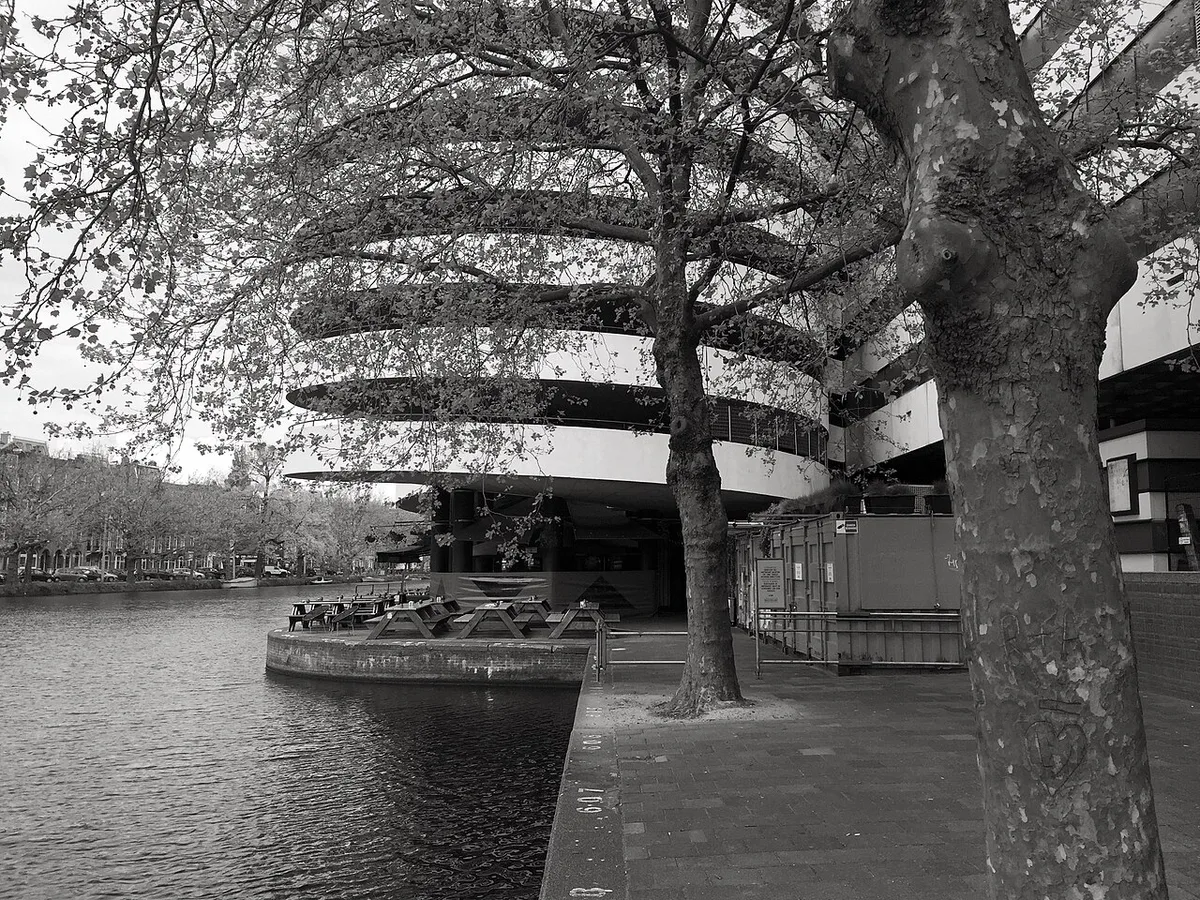
Before you drive in, check whether Amsterdam's environmental zone covers your vehicle. Rules depend on fuel type and age. Ask your rental company about the car you are collecting. Our guide to Driving in Amsterdam: Parking, Zones & Rules covers the wider rules for city driving. Streets beside canals are narrow, and parallel parking next to the water is unforgiving. Cyclists come from every direction, and trams have priority on their tracks. Slow down in these areas. For limits on the wider road network, see Dutch speed limits.
- Do not leave a ticket on the dashboard. Pay by licence plate instead.
- Do not park in a bay without reading the zone sign and any permit notice.
- Do not park tight against a canal edge if you cannot judge the gap.
- Do not assume your car passes the environmental zone. Ask the rental company or check the city's page.
- Do not stop on tram tracks, even briefly.
Special cases: hotels, EVs, access and rental returns
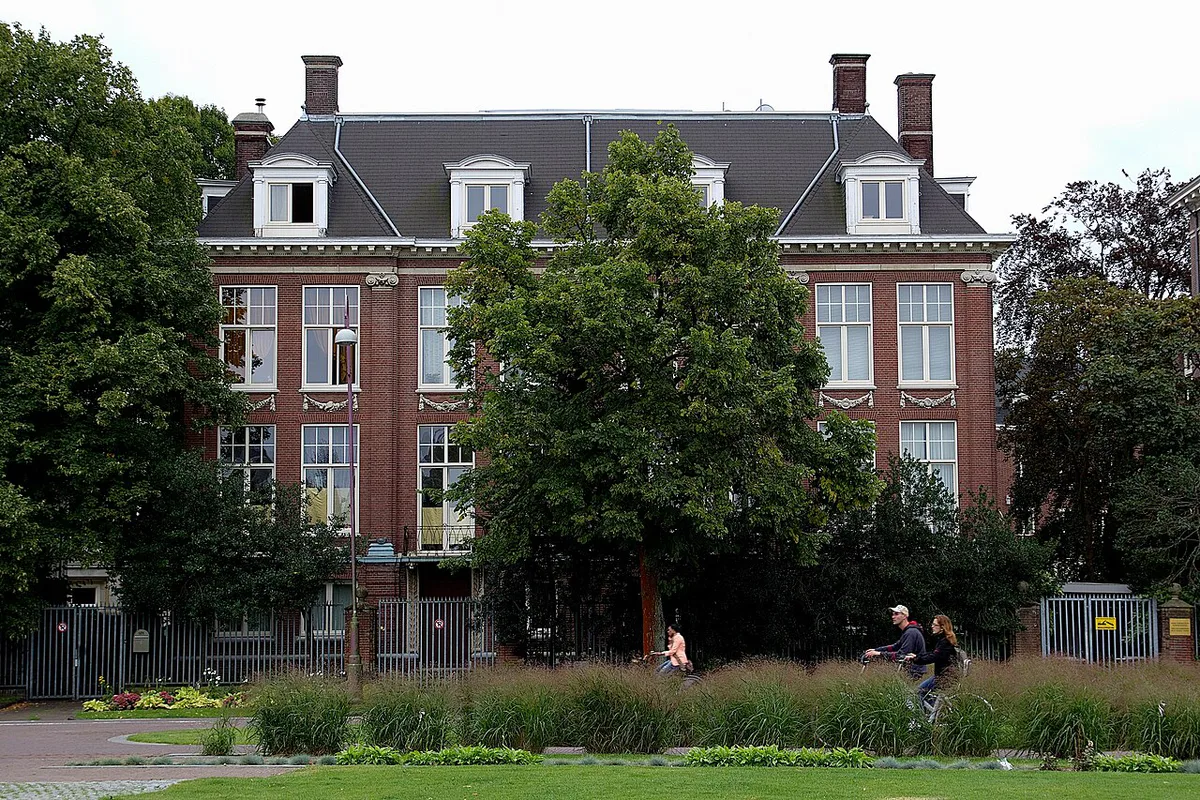
Hotels in the centre often have no parking at all. Ask whether the hotel has spaces, what it charges per night, and whether you must reserve. If it has none, book a nearby garage instead. Electric cars need a plan too. Charging points exist, but availability varies, so confirm with the operator before you rely on one. Drivers with disabled parking permits should ask the municipality how foreign permits are treated. With bulky luggage, drop it at the hotel first, then take the car to a garage. For rental cars, return times and fuel or charge levels matter. Read the terms in our guide to Renting a Car in the Netherlands: Rules, Costs & Tips. Drivers on a foreign licence should also read about driving with a US licence. For the national overview, start with 7 Things to Know About Driving in the Netherlands.
Should you drive into Amsterdam at all?
Often the best parking plan is no parking plan. Amsterdam's centre is compact, and public transport reaches it from the edge of the city. Our guide to whether to drive in Amsterdam weighs the trade-offs in more depth. Use the list below as a quick test.
- Skip the car if you are staying in the centre without hotel parking.
- Skip the car if you plan to see only the canal belt and museums on foot.
- Skip the car if you would arrive during a busy weekend with no booked space.
- Take the car if you carry heavy luggage, travel with young children, or continue to other cities.
Frequently Asked Questions
Where can I find cheap parking in Amsterdam?
Park and ride lots on the edge of the city are usually the cheapest option. A garage booked in advance can also cost less than drive-up rates. Street parking in the centre is usually the most expensive choice.
What is the new parking rule?
Amsterdam adjusts zones, rates and permit rules from time to time. You always pay by licence plate at a meter or in the parking app, with no ticket on the dashboard. The municipality's parking pages list the current rules.
Road-rule changes worth knowing
Optional updates to our guides.
You might also like

Continue reading
More guides you'll find useful