Driving in the UK With a US License: Rules & Rental Tips
Can you drive in the UK on a US license? Get the legal answer, the 12-month limit, the IDP question, rental desk rules, London charges and first-drive tips.
On this page
Last updated November 2026. Driving in the UK with a US license is legal for visitors, for up to 12 months from your most recent entry, and the minimum age is 17. Rental companies set their own, stricter rules on age, license history and paperwork. This guide covers the law, the rental desk, and what feels different on your first day behind the wheel, and it sits under our wider UK driving guide.
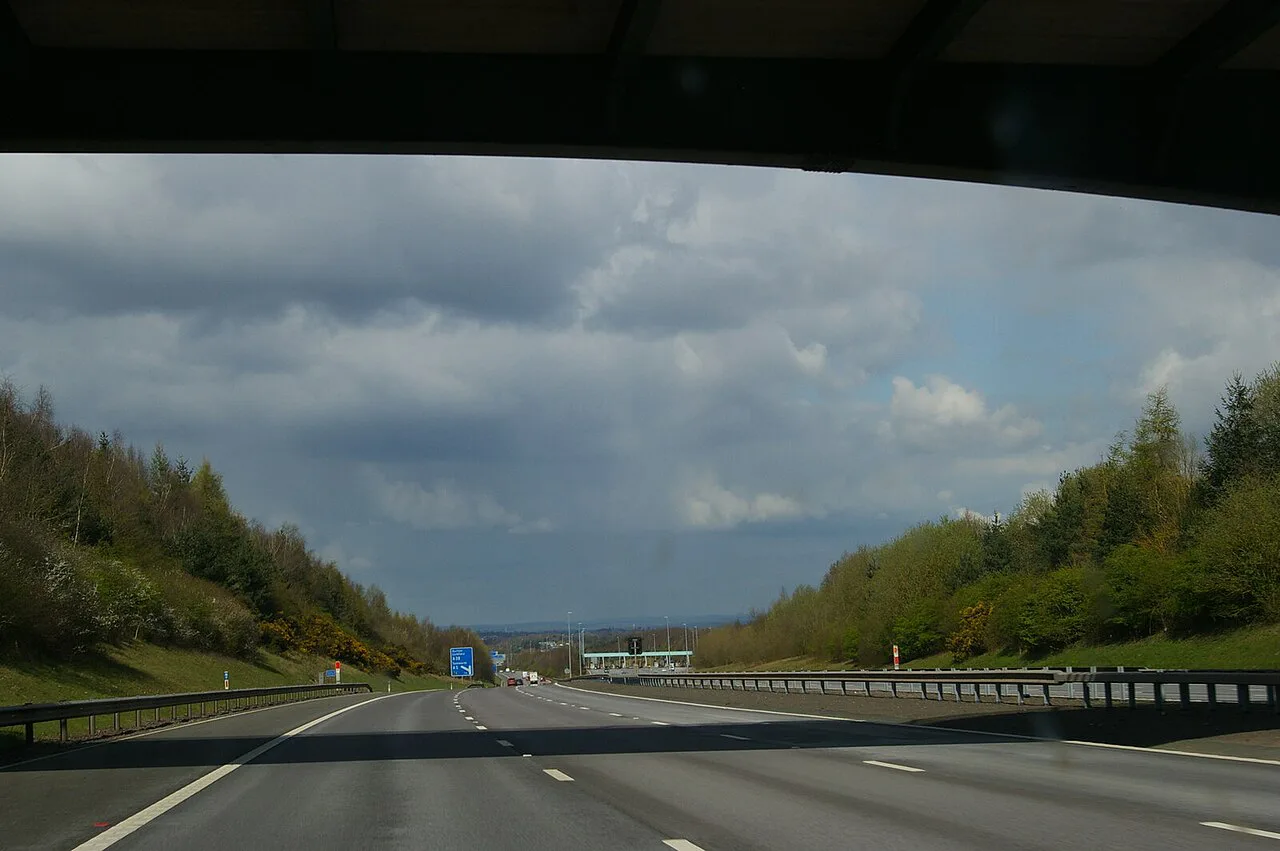
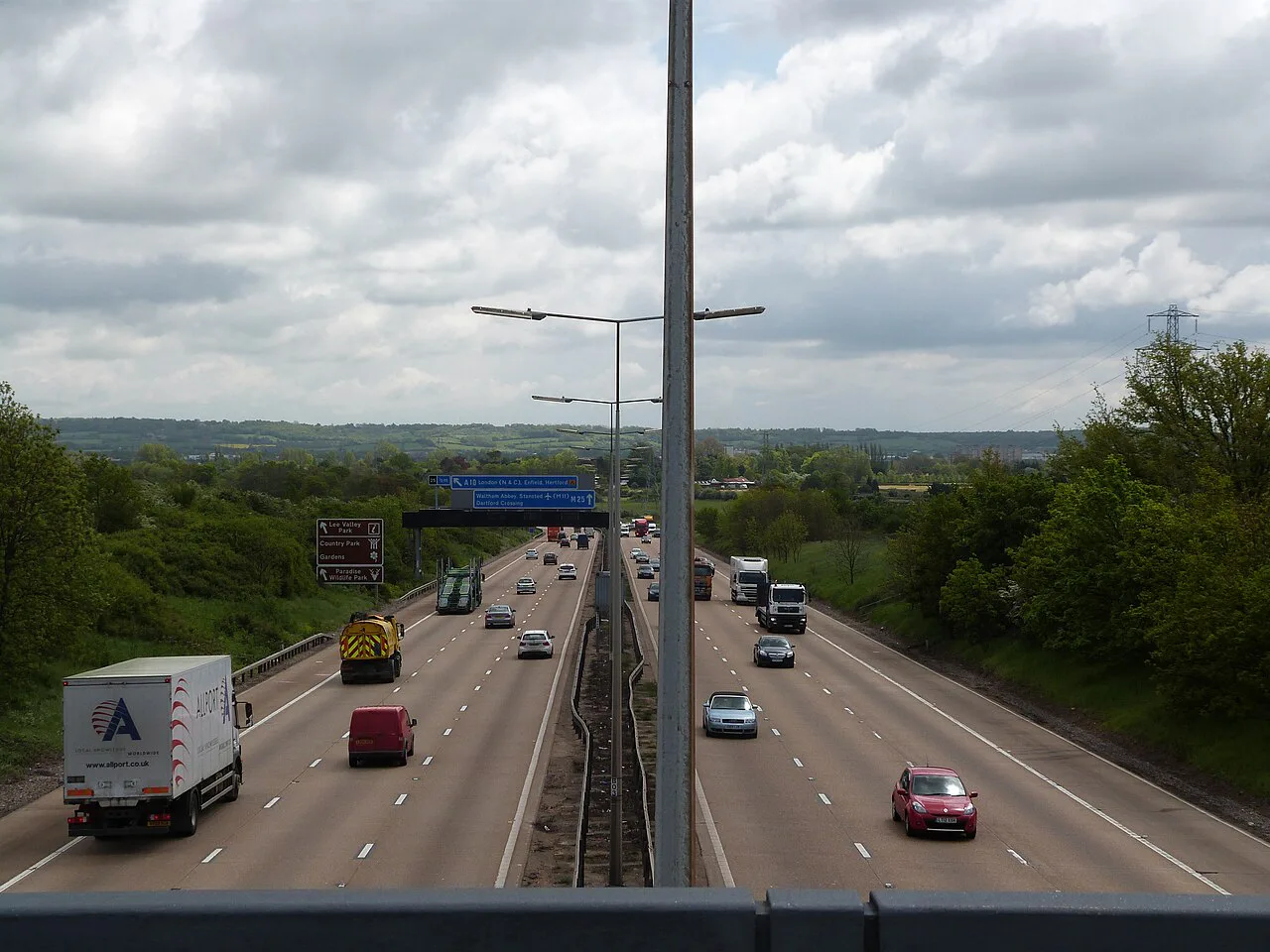
Featured image: Alan Hughes, CC BY-SA 2.0, via Wikimedia Commons.
Short Answer: Can You Drive in the UK With a US License?
Yes. GOV.UK says visitors with a license from outside the EU can drive any small vehicle, such as a car or motorcycle, listed on their full and valid license for 12 months from when they last entered Great Britain. That covers England, Scotland and Wales, and the same visitor logic applies if you are driving in England with a US license on a road trip. Northern Ireland has its own licensing authority, so check its official pages if your route crosses the border. Rental firms add conditions on top of the law. Those conditions, not the law, are what usually trip people up at the counter. Read the GOV.UK non-GB license rules before you book.
How Long Your US License Is Valid in the UK (and the Age Rules)
The 12-month clock starts from when you last entered Great Britain, not when you collect a car, so a fresh entry restarts it for a visitor. A week-long trip and a nine-month stay both fall inside it. Your license must be valid and must allow you to drive the same type of vehicle at home. The minimum age to drive a car as a visitor is 17. Rental companies set separate minimum ages, and drivers under 25 may face a young-driver surcharge, as may some senior drivers. Those policies belong to each company, so read the terms of the one you choose.
- Legal limit for visitors: 12 months from your last entry to Great Britain
- Minimum age to drive a car: 17
- Rental minimum age and surcharges: set by each rental company
Do You Need an International Driving Permit? (Law vs Rental Desk)
Treat this as three separate questions. GOV.UK's visitor guidance does not list an International Driving Permit (IDP) as a legal requirement for a valid US license, so the law does not demand one. Some rental desks say they prefer one, and sellers of permits have an obvious incentive to call it essential. A permit is a translation of your license, not a license in itself. Carrying one is a cheap precaution if your rental company's terms mention it. Ask the company in writing before you fly, and keep its reply.
| Situation | Legal position | Rental desk position | Risk if you skip it |
|---|---|---|---|
| US license only | Legal for visitors for up to 12 months | Accepted by many firms; policies vary by company | Refusal at the counter if that firm's terms ask for a permit |
| US license plus IDP | Legal | Satisfies firms that ask for one | Low; the permit is only valid alongside your license |
| Long stay or move to the UK | Visitor rule ends after 12 months | Rental terms still apply | Driving without a valid license once the period lapses |
Renting a Car: Documents, Age Surcharges and Insurance Questions
Expect to show a valid US license, a passport, and a credit card in the main driver's name. Some firms also ask how long you have held your license. The DVLA "share driving license" check applies to UK-issued licenses only, so it does not apply to you. Additional drivers usually have to appear in person and show the same documents. Our guides to Renting a Car in the UK: Costs, Rules & Mistakes and Renting a Car in England: Costs, Rules & Tips walk through the booking steps. Insurance comes in three common layers: collision damage waiver, theft protection and third-party liability. Third-party cover is mandatory.
Drivers under 25 may face a young-driver surcharge, and that is a separate rule from the legal minimum.
- What is the total cost with the young-driver or senior surcharge included?
- Is the collision damage excess charged to my card, and how much is held?
- What does each additional driver cost per day?
- Is the car automatic or manual, and is the price different?
- Which fees apply for fuel, late return or one-way drop-off?
What Feels Different on Day One: Left-Side Driving, Roundabouts, Speed Limits
Traffic keeps left, and you sit on the right side of the car. Stay in the left lane unless you are overtaking. At a roundabout, give way to traffic coming from your right and travel clockwise. Distances and speed limits are in miles and mph. Most rental cars are manual, so book an automatic early if you want one, and expect it to cost more. Speed cameras are widespread. Dial 999 in an emergency and 101 for non-urgent police matters. Our guide to driving in England covers the wider rules.
- Motorways: 70 mph for cars
- Single carriageways: 60 mph for cars
- Built-up areas with street lighting: 30 mph unless signs say otherwise
- Limits vary by vehicle type and road, so read each sign
London and Other Charges: Congestion Charge, ULEZ, Dartford Crossing, Toll Roads
Central London has two separate schemes. The Congestion Charge costs £18 a day in 2026 in the central zone, from 07:00 to 18:00 on weekdays and 12:00 to 18:00 on weekends and bank holidays. The Ultra Low Emission Zone charges £12.50 a day, around the clock across all London boroughs, for vehicles that miss its emission standards. Most rental cars meet them. Our pages on the London Congestion Charge: Who Pays, How to Pay, Fines and ULEZ rules explain the zones. Most visitors find Driving in London: Charges, Parking and Whether to Drive costly and slow. The Dartford Crossing costs £3.50 per car between 6am and 10pm and is paid online by midnight the next day rather than at a booth, as our Dartford Crossing guide explains. For other tolled roads, the M6 Toll operator publishes its own prices, and our UK toll roads guide has the rest.
Fines, Parking and Fuel Mistakes to Avoid
Fines for speeding, parking and charge-day non-payment go to the rental company. It then bills your card and typically adds an admin fee. Petrol is gasoline. Diesel is the other common pump, and putting the wrong fuel in a rental is an expensive mistake, so read the fuel cap label and your rental agreement before you fill up. Pay-by-phone parking bays are common in towns. Our guide to UK speed limits covers camera zones, and our drink-driving limit guide explains the alcohol limits. Scotland's limit is lower: 50 mg of alcohol per 100 ml of blood against 80 mg in England and Wales.
- Entering a roundabout the wrong way
- Filling a diesel car with petrol, or the reverse
- Forgetting to pay a London charge by the deadline
- Assuming a US state's rules apply on UK roads
Where to Start: Easy First Drives vs Roads to Skip as a Newcomer
Avoid driving out of Heathrow on your first day, when jet lag is at its worst and London charges apply. Pick the car up at the end of your London stay, or from a smaller city. The Cotswolds Drive: Routes, Tips and Driving on the Left is a gentle start, and the Cotswolds National Landscape site has local planning information. Our England road trip route builds on that. Save Hardknott Pass: How to Drive It Safely (Tips & Alternatives) and Snake Pass Driving Guide: Route, Closures & Tips for later, because narrow lanes and passing places add stress. Check National Highways traffic updates before motorway legs, and Derbyshire roadworks notices before Peak District drives.
Staying Longer or Moving to the UK: What Happens After the Visitor Period
A US license works for 12 months, then the visitor period ends. US licenses are not on the GOV.UK list of licenses that can be exchanged, so you cannot swap yours through a simple form. New residents generally need to pass the UK theory and practical tests instead. Ignore any page that quotes a D1 exchange fee for a US license. GOV.UK's exchange tool shows which countries' licenses qualify.
Rental firms apply their own terms during those 12 months, so read them before booking.
Frequently Asked Questions
What is the 2 second rule when driving in the UK?
The Highway Code advises keeping at least a two-second gap behind the vehicle ahead in good conditions. Double that gap on wet roads. Watch for a fixed object, such as a sign, and count after the car in front passes it.
Road-rule changes worth knowing
Optional updates to our guides.
You might also like
Continue reading
More guides you'll find useful