6 Things to Settle Before Driving in Scotland
Planning on driving in Scotland? Six decisions cover the left-side rules, licences, hire cars, single-track roads, fuel and weather, plus a route table.
On this page
Last updated November 2026. Most visitors can legally and sensibly try driving in Scotland, and it is the easiest way to reach the Highlands and islands. The hard parts are driving on the left, single-track roads, thin rural fuel and charging, and short winter days. Six decisions below cover each one, followed by a route comparison, a cost note and the mistakes that catch visitors out.
Featured image: Grendelkhan, CC BY-SA 4.0, via Wikimedia Commons.
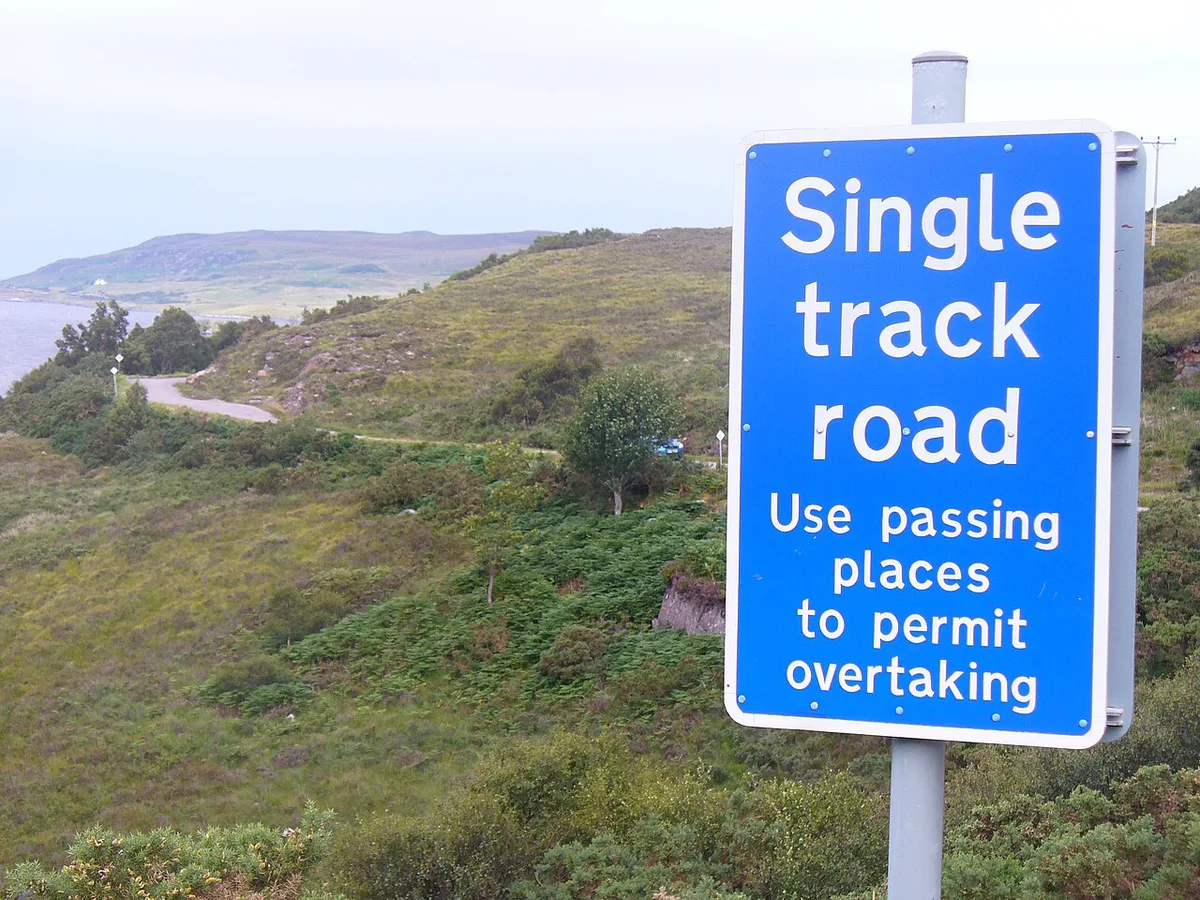
Should you drive in Scotland at all?
Drive if your trip centres on the Highlands, the islands or a flexible schedule with stops at viewpoints and small villages. Skip the car if you are staying only in Edinburgh or Glasgow, because city parking and low emission zones add cost without adding access. Skip it too if you are nervous about driving on the left and have only a few days. Trains, buses and organised tours cover the main city-to-Highlands corridors without that stress. Everything below helps you decide, then prepare.
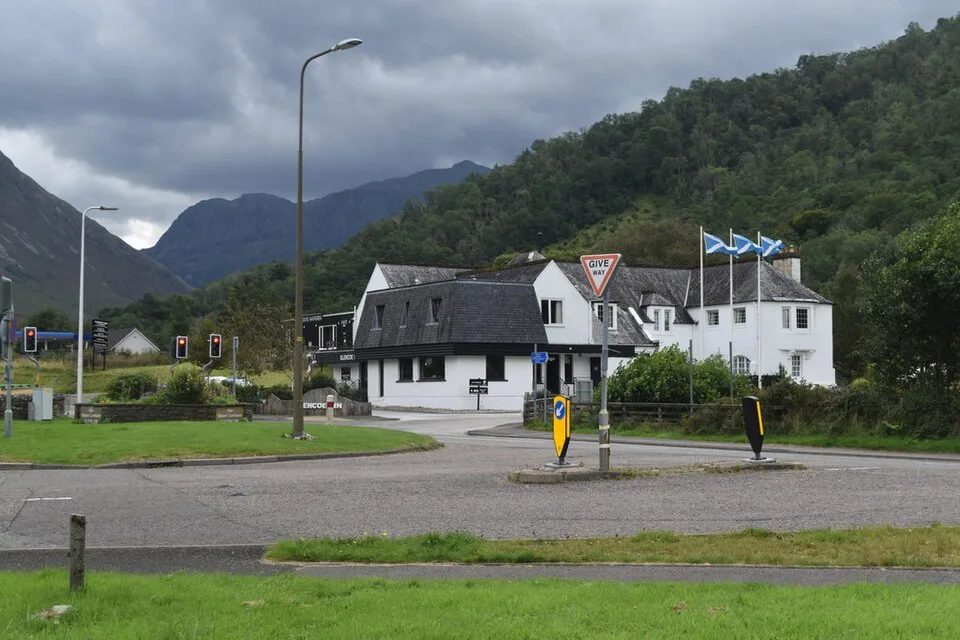
6 Essentials for Driving in Scotland
Rules and official links on this page were checked in November 2026. Work through these six in order, since each one shapes the next.
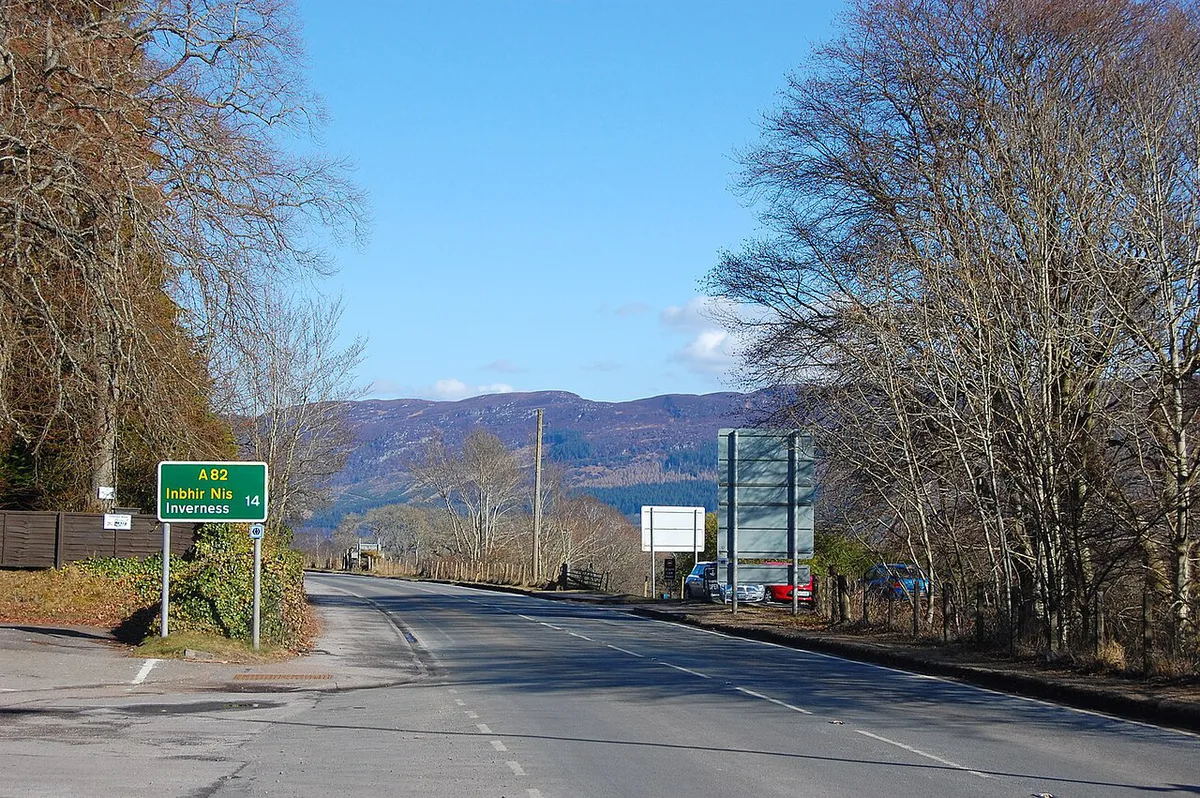
1. Driving on the left and junction care
Traffic keeps to the left, and the driver sits on the right of the car. Road Safety Scotland tells overseas visitors to take extra care when pulling out of junctions, because that is where habit pulls you to the wrong side. VisitScotland iCentres hand out a drive-on-the-left sticker for your windscreen. Stick it where you will see it every time you start the car.
Roundabouts run clockwise, so give way to traffic already on the roundabout coming from your right. Expect the first hour to feel slow, and plan an easy first day. Read the rules for limits in our guide to Scotland speed limits. Drink-driving rules differ from England and Wales, so see the Scottish drink-drive limit before you plan any evening at a distillery. Skip driving if you are unwilling to practise on quiet roads first.
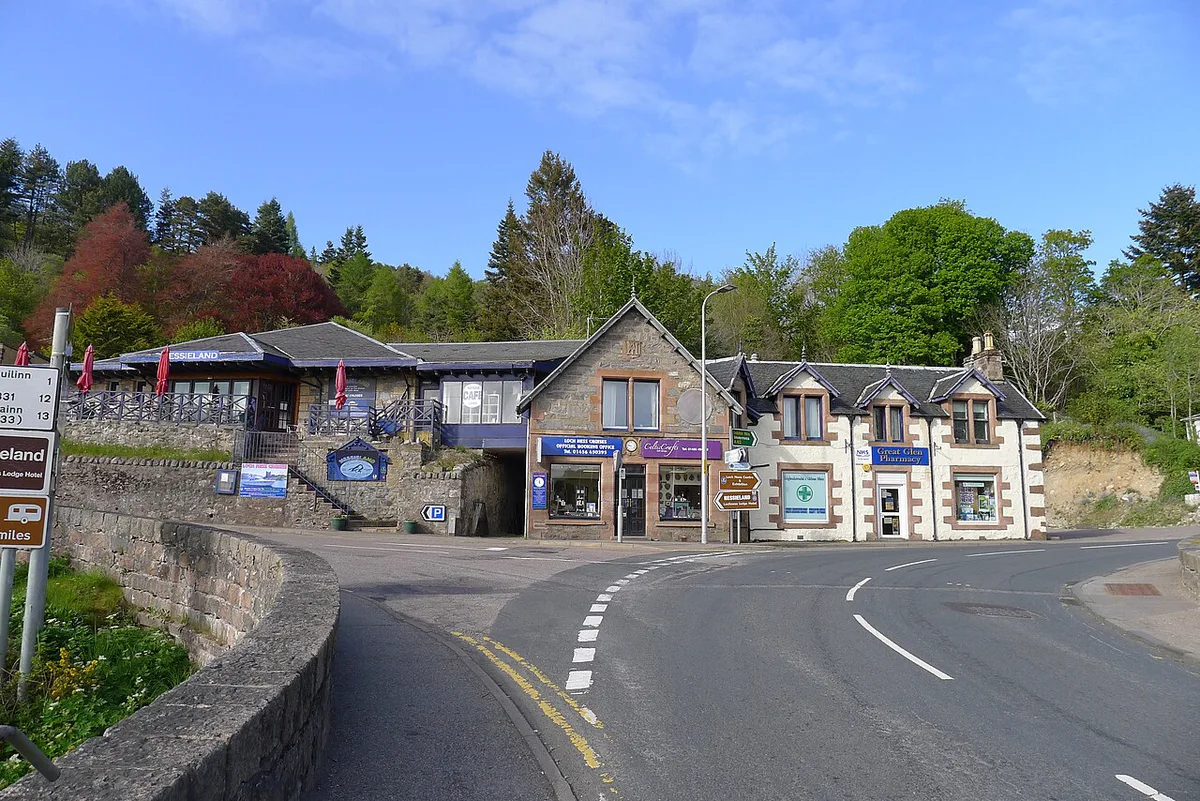
2. Licence, insurance and documents
Whether you can drive on your home licence depends on where it was issued. GOV.UK's visitor driving guidance sets out the rules and any permit requirement by situation. Read that page before you book, rather than relying on forum answers. US visitors in particular should check the current wording for their licence.
Carry your licence, passport and rental paperwork whenever you drive. Ask the hire company what insurance is included and what excess you would owe after damage. Skip the decision to drive until you have confirmed your licence is valid for the length of your stay.
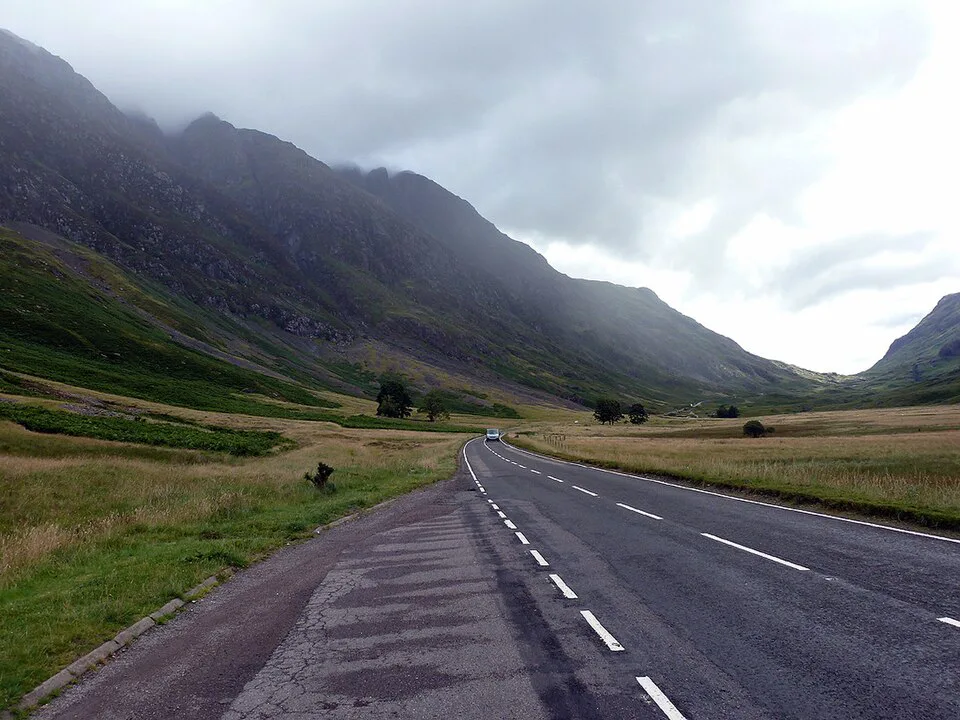
3. Choosing and renting the car
Decide on transmission first. Automatics are the safer choice if you are new to left-side driving, because your left hand is then free of gear changes while you learn the road position. Book early, since automatics can run short in peak months. Choose a compact car for narrow Highland roads and island lanes. Large vehicles are harder to pass in tight spots.
Pickup location matters. Collecting in a city centre means navigating busy streets on day one, while an airport pickup puts you on faster roads sooner. Our guide to renting a car in Scotland covers one-way fees and excess cover. For Edinburgh pickups, see car hire in Edinburgh. A campervan hire in Scotland adds overnight flexibility but is wider and slower on twisty roads. Skip a large campervan if you are anxious on narrow lanes.
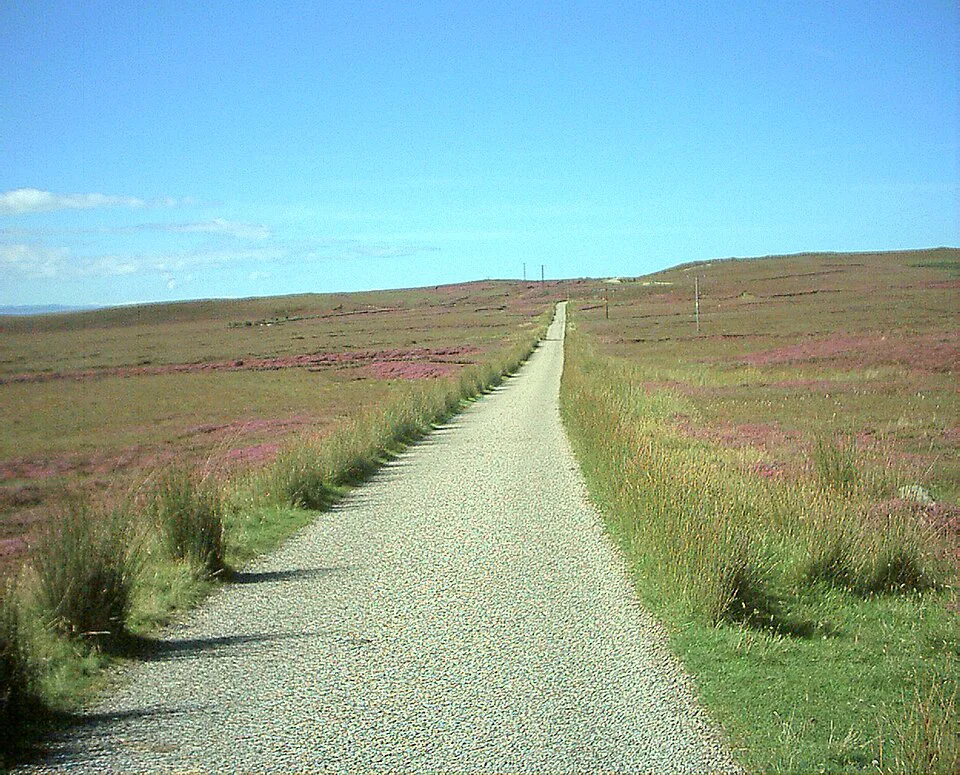
4. Single-track roads and passing places
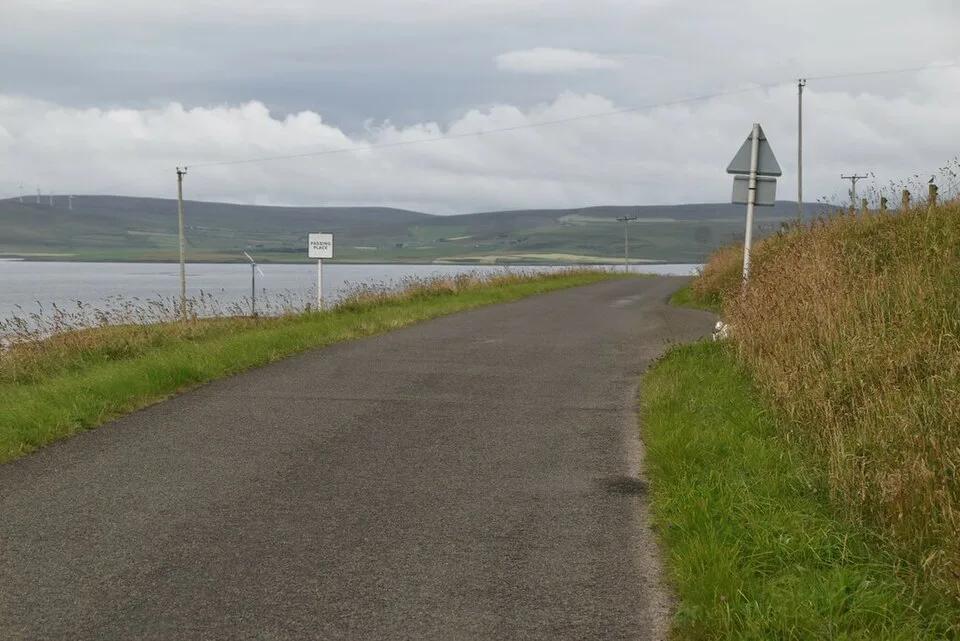
Many Highland and island roads are one lane wide with marked passing places. They are the biggest surprise for first-time visitors. Pull into a passing place on your left, or stop opposite one on the right, to let oncoming traffic by. Never park in a passing place, and let faster vehicles behind you overtake by pulling in.
Look far ahead, so you can choose a gap before you meet another car. A friendly wave is customary. Our full guide to single-track road etiquette goes deeper. Skip long single-track stretches at dusk if you are not confident yet.
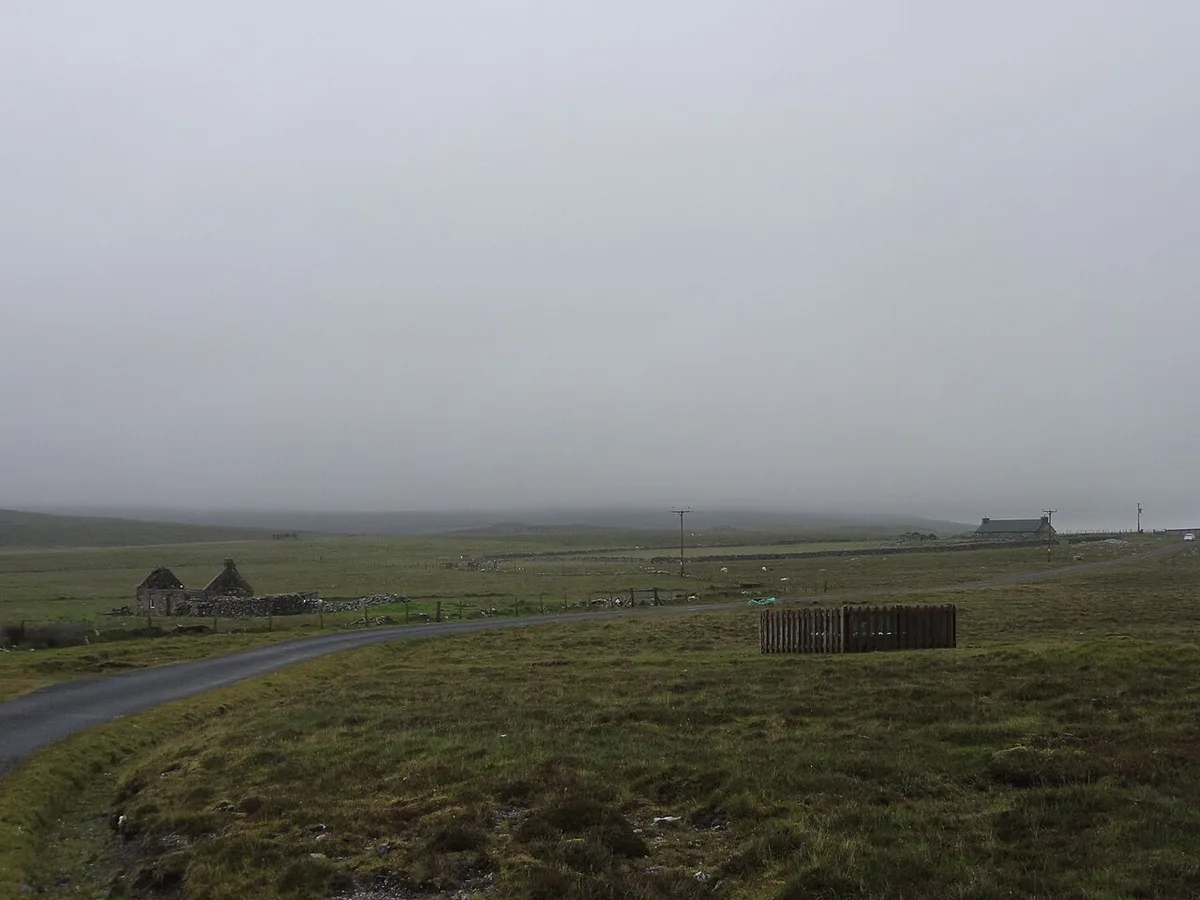
5. Fuel, EV charging and rural logistics
Road Safety Scotland tells visitors to ensure they have enough fuel or charge in rural areas. Treat that as a rule: fill up before every remote stretch, even with a half tank. Petrol stations thin out in the north and west Highlands and on the islands. Some small ones close early or on Sundays, so do not plan to arrive on fumes.
Electric cars can work in the Highlands, but chargers are fewer, so plan each day around known charging stops. Check each charger's network status before you leave a town. Do not rely on phone signal for navigation. Download offline maps before you leave. Skip an EV for the most remote loops unless you enjoy detailed planning.
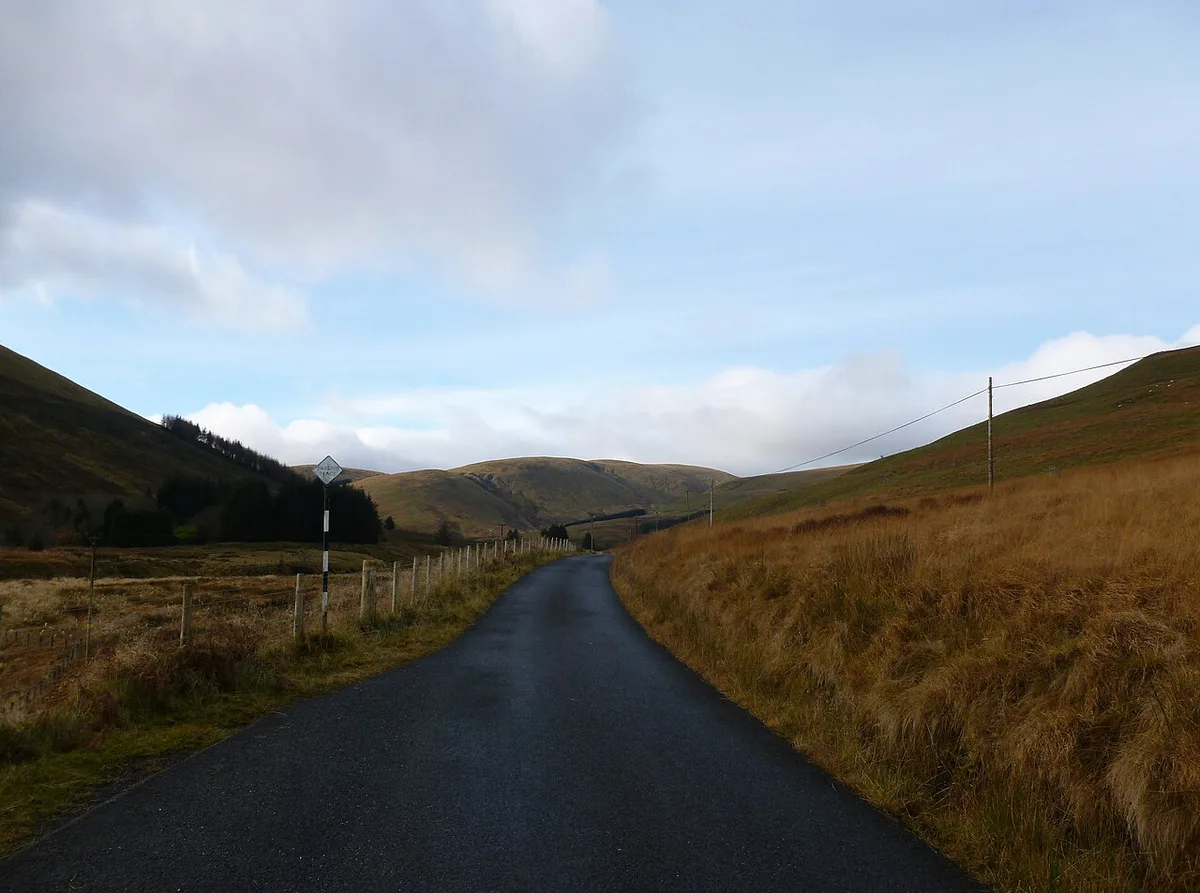
6. Weather, daylight and ferries
Scottish weather changes quickly. Winter brings short daylight, ice and snow on high routes, while wind and rain can make exposed roads slower year-round. Summer brings midges and heavy traffic on popular roads. Build slack into every day, since slow roads and photo stops always eat time.
Check live conditions with Transport Scotland before setting out on mountain passes. Island trips depend on ferries. Timetables and booking rules sit with operators such as CalMac Ferries. Skip winter mountain passes if conditions look poor, since closures can happen.
Which drive fits you: route trade-offs
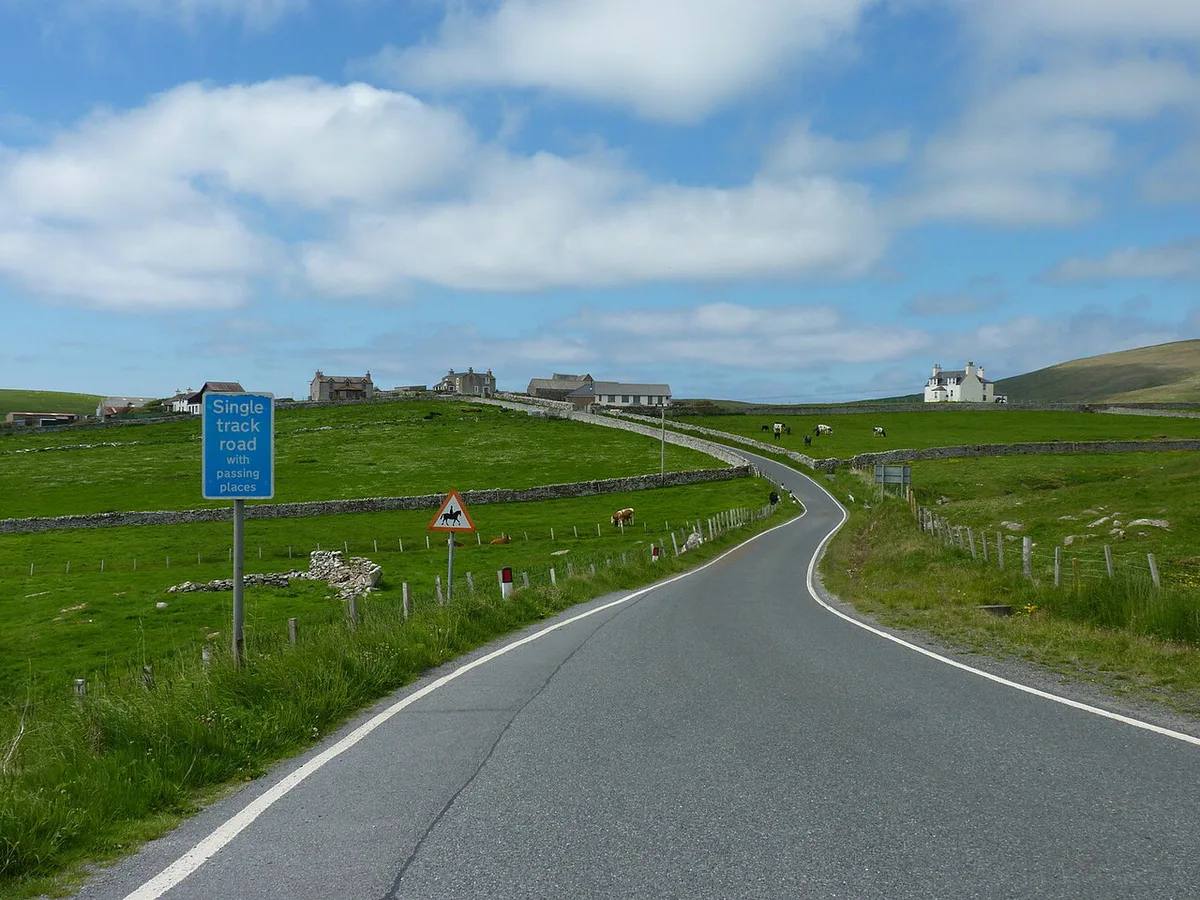
Use this table to match a route to your confidence. Labels are qualitative, and each linked guide has the detail.
North Coast 500 is a long route with single-track sections, so budget extra days. Highland roads are slow, so fill up before every remote stretch.
| Route | Driving difficulty | Best season | Who should skip it |
|---|---|---|---|
| North Coast 500 Guide: Route, Days Needed & Planning Tips | Long, with single-track sections | Late spring to early autumn | Short-stay visitors |
| Isle of Skye Road Trip: 1, 2 and 3-Day Itineraries | Single-track sections, busy in summer | Shoulder seasons | Nervous left-side drivers |
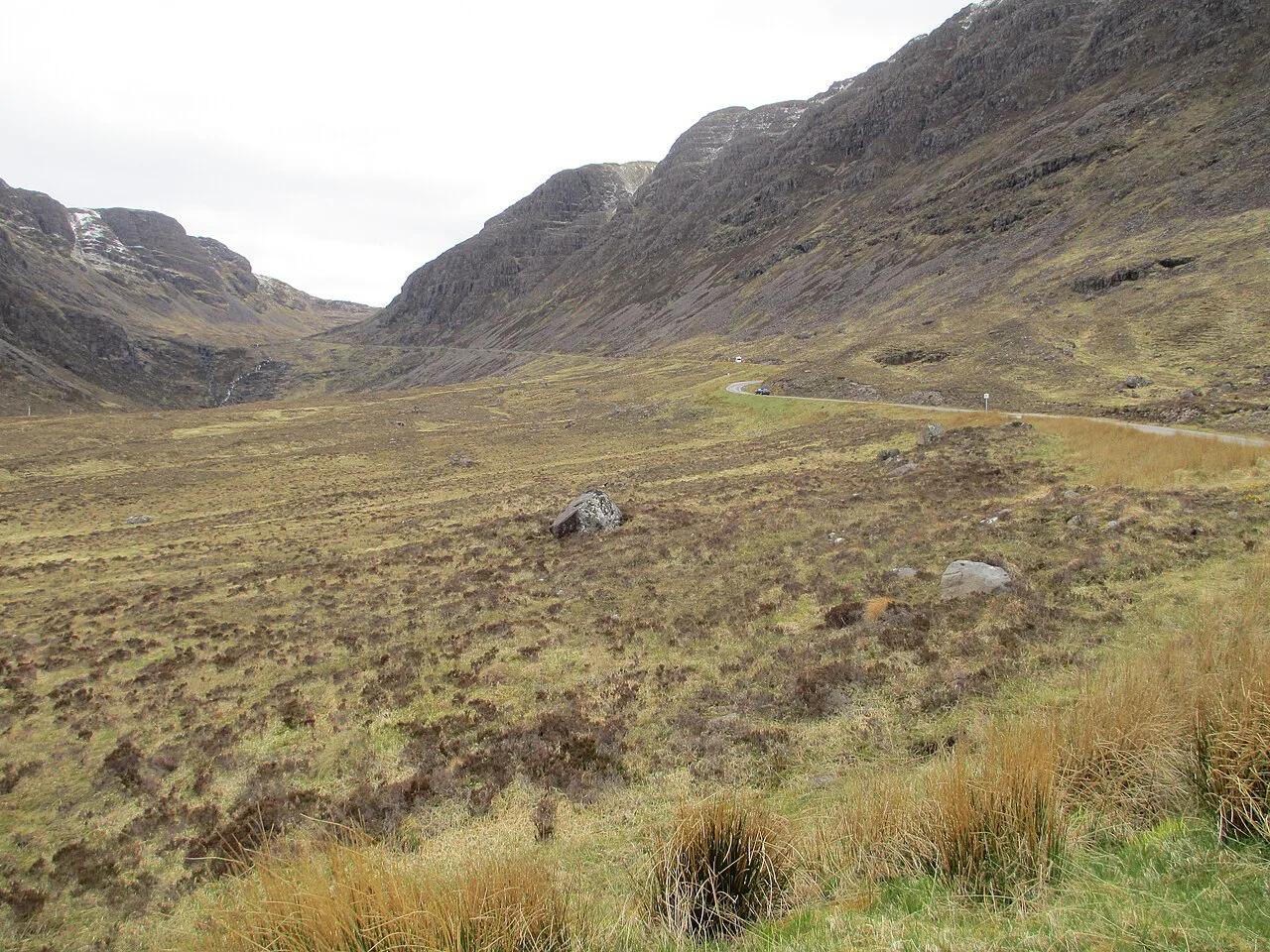
| Bealach na Bà | Steep, with sharp bends | Dry, clear weather | Large vehicles and winter visitors |
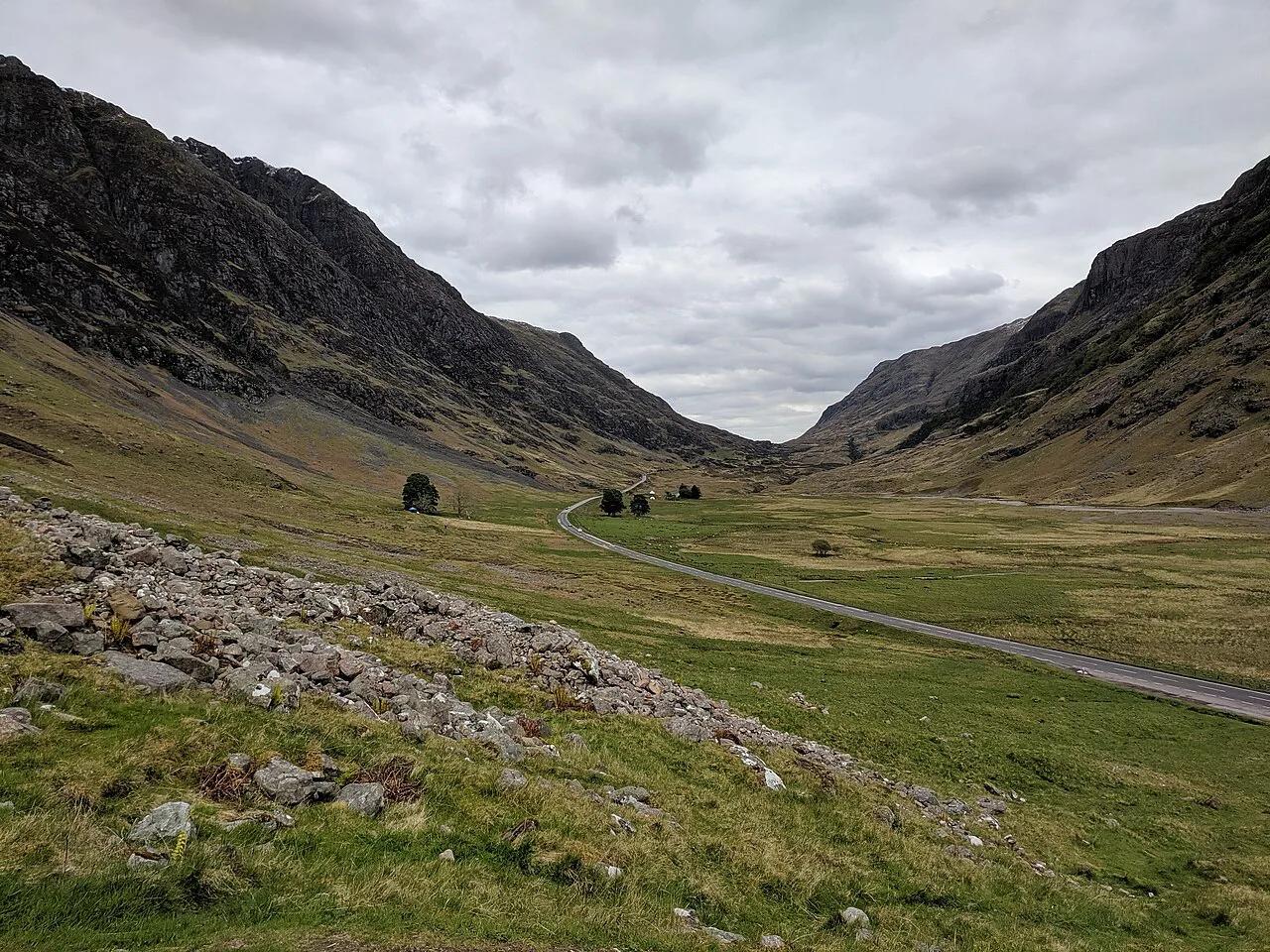
| Glencoe Drive: Route, Stops and Driving Tips | Mostly straightforward, with heavy traffic | Year-round, weather permitting | Anyone short of daylight |
| Scotland Road Trip: Routes, Days, Car vs Campervan | Mixed road types | Spring to autumn | City-only travellers |
| Scenic Drives in Scotland: Best Routes, Timings and Tips | Varies by route | Varies by route | Those wanting one fixed itinerary |
Costs and time trade-offs
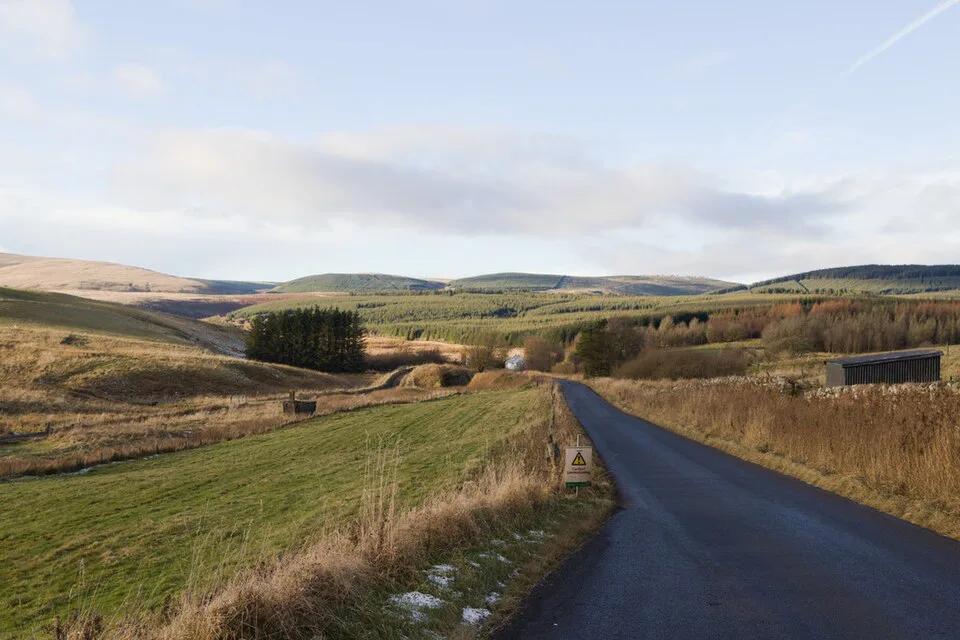
Budget for hire, fuel or charging, parking, ferries and any emissions zone. Edinburgh runs a Low Emission Zone, so read the City of Edinburgh Council's LEZ page if you plan to drive in the city. Compare current prices with train, bus and tour options before booking. Highland roads are slow, so a car saves time mainly where public transport is sparse. For a city-to-city trip, rail is often simpler.
Common mistakes to avoid
Overestimating daily distance is the most common one. Slow roads, stops and weather shrink what a day can hold. Others include choosing a large vehicle for narrow roads, pulling out of a junction on the wrong side, and leaving fuel stops for later. Depending on phone signal for navigation in remote areas also catches people out. Treat each as a planning problem you can solve before you leave.
Frequently Asked Questions
How long does it take to drive around the whole of Scotland?
It depends on the route and how many stops you make. Slow single-track roads and ferries stretch any plan. Our Scotland road trip guide breaks the trip into stages you can adjust to your own timeline.
Explore More Guides
Keep planning your trip with these guides.
Guides
- Renting a Car in Scotland: Costs, Insurance & Tips
- Car Hire Edinburgh: Where to Pick Up and What to Check
- Scotland Road Trip: Routes, Days, Car vs Campervan
- North Coast 500 Guide
- Isle of Skye Road Trip: 1, 2 and 3-Day Itineraries
- Bealach na Bà
- Glencoe Drive: Route, Stops and Driving Tips
- Single Track Roads in Scotland
- Speed Limits in Scotland: Cars, Campervans & HGVs (2026)
- Drink Driving Limit in Scotland
- Campervan Hire Scotland: Costs, Routes & Tips
- Scenic Drives in Scotland: Best Routes, Timings and Tips
Road-rule changes worth knowing
Optional updates to our guides.
You might also like
Continue reading
More guides you'll find useful