7 Things to Know About Driving in Poland
Planning to drive in Poland? Licence and IDP rules, tolls, speed limits, rental tips and when to skip the car, with links to detailed guides.
On this page
Last updated November 2026: driving in Poland is straightforward for most visitors, with right-hand traffic and a well-signed road network. Four things matter most: your licence and any permit, motorway tolls, speed limits with cameras, and your rental terms. Use the verdict and the seven essentials below, then follow the links for depth.
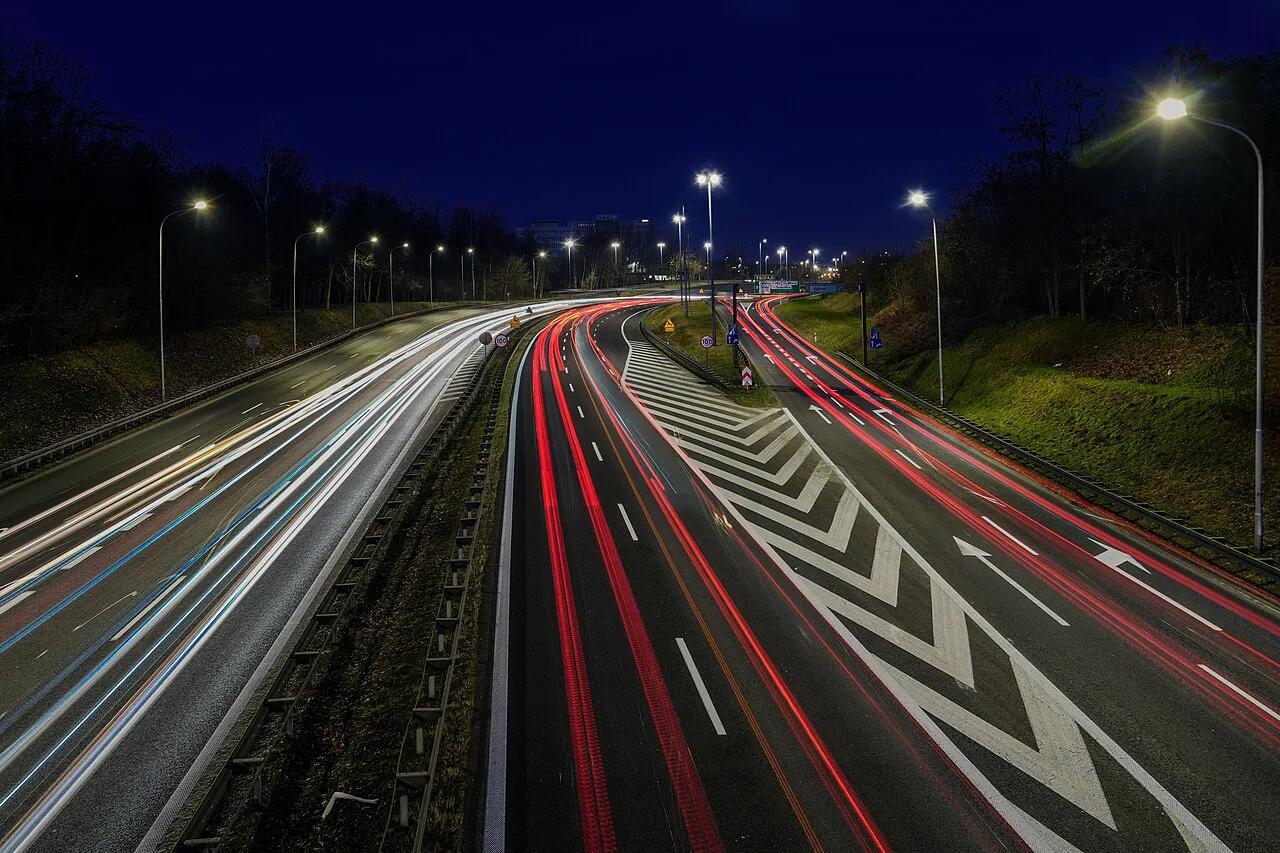
Featured image: Rakoon, CC0, via Wikimedia Commons.
Should You Drive in Poland or Skip the Car?
Drive for regional trips, villages and mountain areas. Skip the car in Warsaw, Kraków and Gdańsk, where trams and trains cover most sightseeing. Short city-only stays and nervous winter drivers are better off without a rental.
| Trip type | Verdict | Why |
|---|---|---|
| Big cities (Warsaw, Kraków, Gdańsk) | Skip the car or use trains and trams | Paid parking zones, tram priority and hotel parking costs |
| Regional road trips | Drive | Reaches small towns and countryside that trains miss |
| Tatras and Zakopane, national parks | Drive, with seasonal caution | Snow and ice on southern routes in winter |
| Cross-border trips | Drive, with rules checked | Vignettes and rental permissions differ by country |
7 Essentials for Driving in Poland
Rules checked November 2026. Non-EU licence holders are reported to be able to drive on a home licence for up to 6 months, but rental desks may still ask for an International Driving Permit. The table below sorts licence rules by origin, and the items cover everything else.
| Licence origin | Carry | IDP? |
|---|---|---|
| EU/EEA | Home licence | Not needed; licences are recognised across the EU |
| UK | Home licence | Generally accepted for visits; ask your rental company |
| US, Canada, Australia | Home licence | Carry an IDP as a safe backup; rental desks may ask |
| Other countries | Home licence | Carry an IDP; ask your home licensing body which convention applies |
1. Licence, permit and documents
Carry your valid licence, the car's registration papers, proof of insurance and photo ID. A rental company should hand over the registration and insurance papers with the keys. EU and EEA licences are recognised in Poland, so drivers from those countries need no extra permit. US and Canadian visitors should bring an IDP alongside the home licence, because a traffic stop or accident is a poor moment to argue about recognition.
Official guidance is the safest tie-breaker, and the Polish police publish road traffic information. Our Poland car rental guide covers what desks ask for at pick-up. Skip the permit paperwork only if you hold an EU or EEA licence.
2. Road rules that catch visitors out
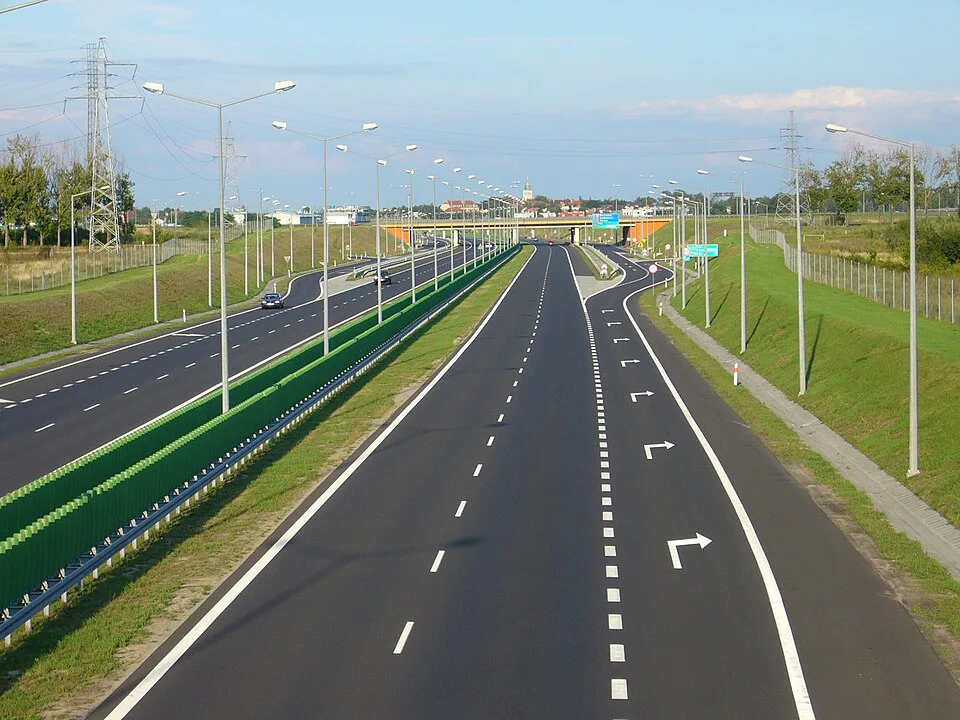
Traffic drives on the right, and headlights must be on all year, day and night. Most hire cars switch them on by default. Seat belts are mandatory for every occupant, and hand-held phone use is banned.
Child rules are reported as a restraint for children under 150 cm and no front seat for under-12s, so ask your rental company for the current wording. The legal blood alcohol limit is 0.2‰ (0.02%), which is close to zero, so treat any drink as off limits for the driver. Cars should carry a warning triangle, a reflective jacket and a fire extinguisher, and a rental car should arrive with them.
3. Motorways, expressways and tolls
Motorways carry an A prefix, while expressways carry an S prefix. Some motorway sections are tolled, and payment methods have changed over the years. Do not assume that every S-road is free or that every A-road is tolled. The national road authority GDDKiA publishes current network information.
Our Poland toll roads guide explains how visitors pay. Rental desks can tell you whether the car already has a toll setup. Pick a toll-free route only if your schedule has slack.
4. Road quality and what driving feels like
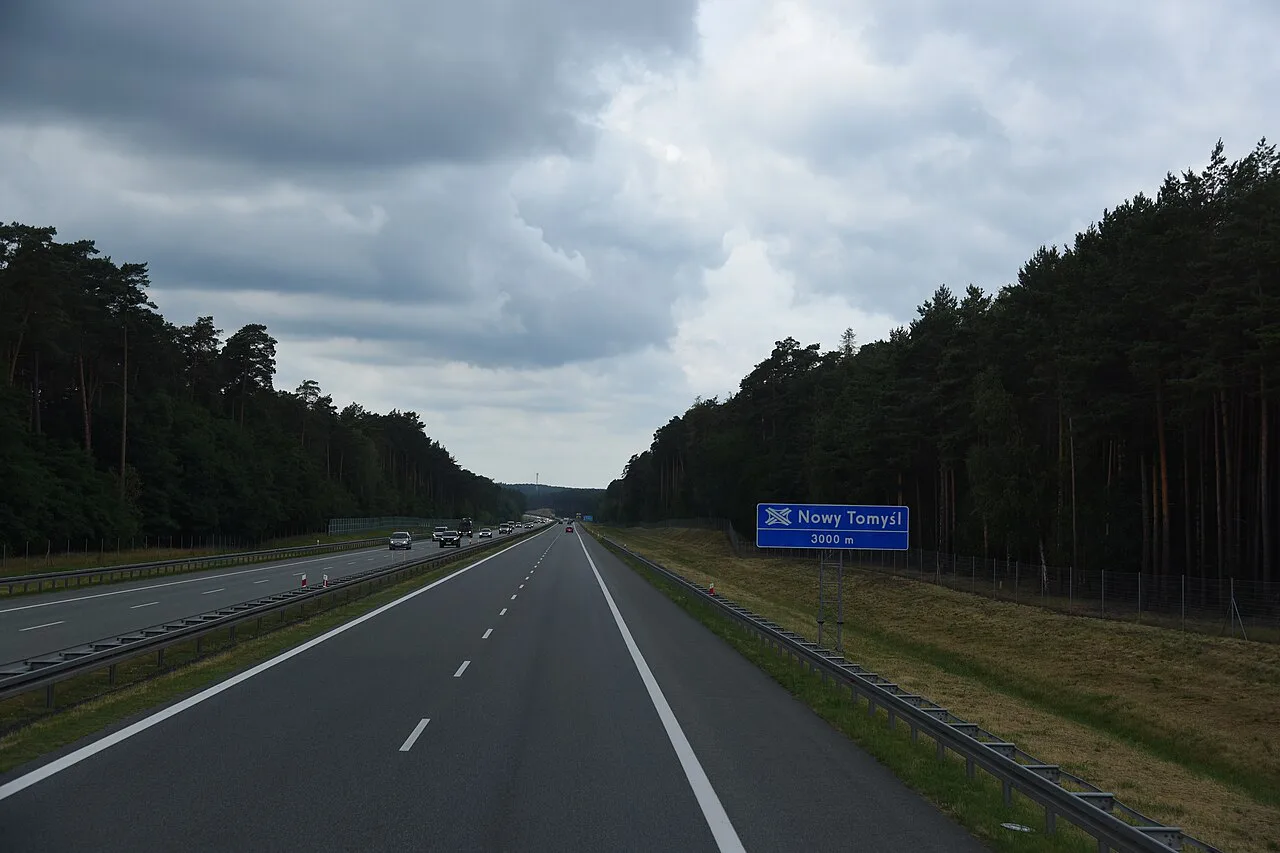
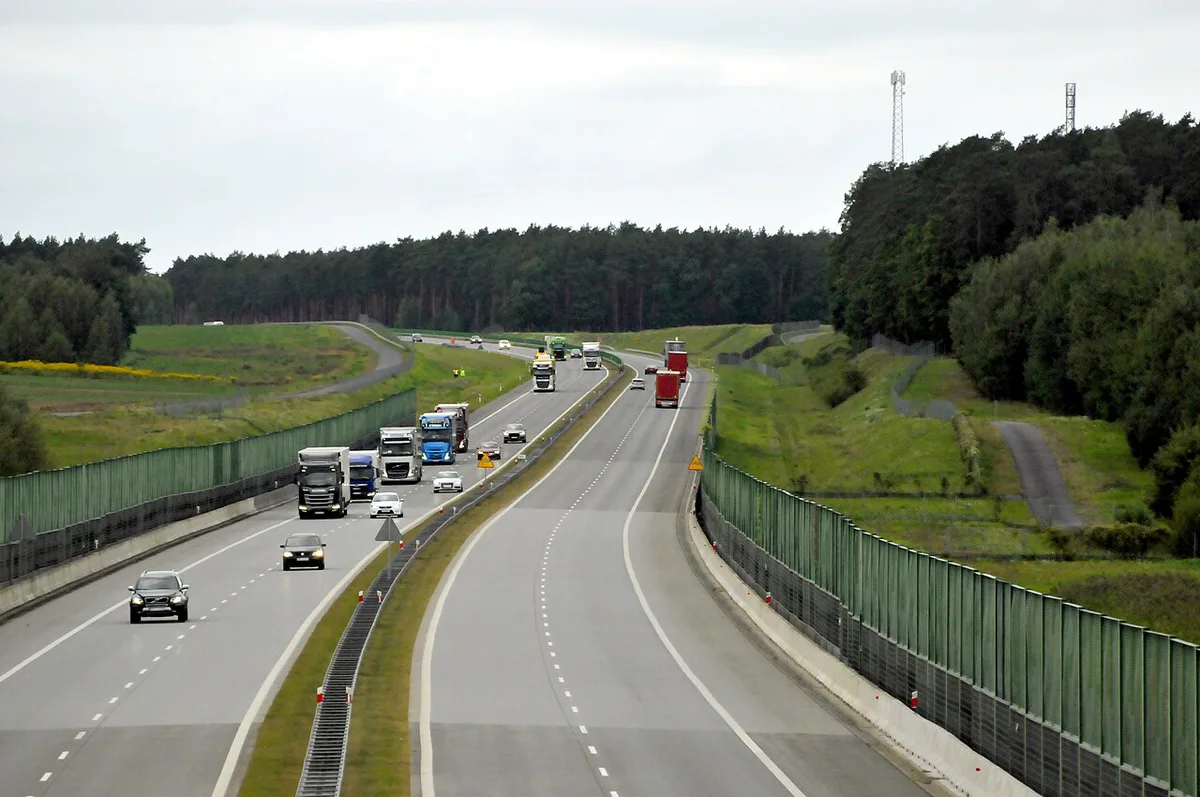
Main routes between large cities are comfortable, while older secondary roads can have potholes and deep truck ruts, called koleiny in Polish. Roadworks are frequent, and traffic from new expressway sections often funnels into older single carriageways. Roads out of major cities fill up before weekends and public holidays, so leave early or late.
Expect tailgating and impatient overtaking, and hold your own safe distance rather than reacting. Download offline maps as a backup, because GPS can lag behind roadworks changes. Drivers who dislike dense lorry traffic should avoid major transit corridors at rush hour.
5. Renting a car: decisions before you book
Compare airport and city pick-up on price, hours and queue time. Manual cars are the usual default, so book an automatic early if you need one. Ask about cross-border permission fees if you plan to leave Poland. Third-party liability insurance is mandatory, and the deposit depends on the cover you choose.
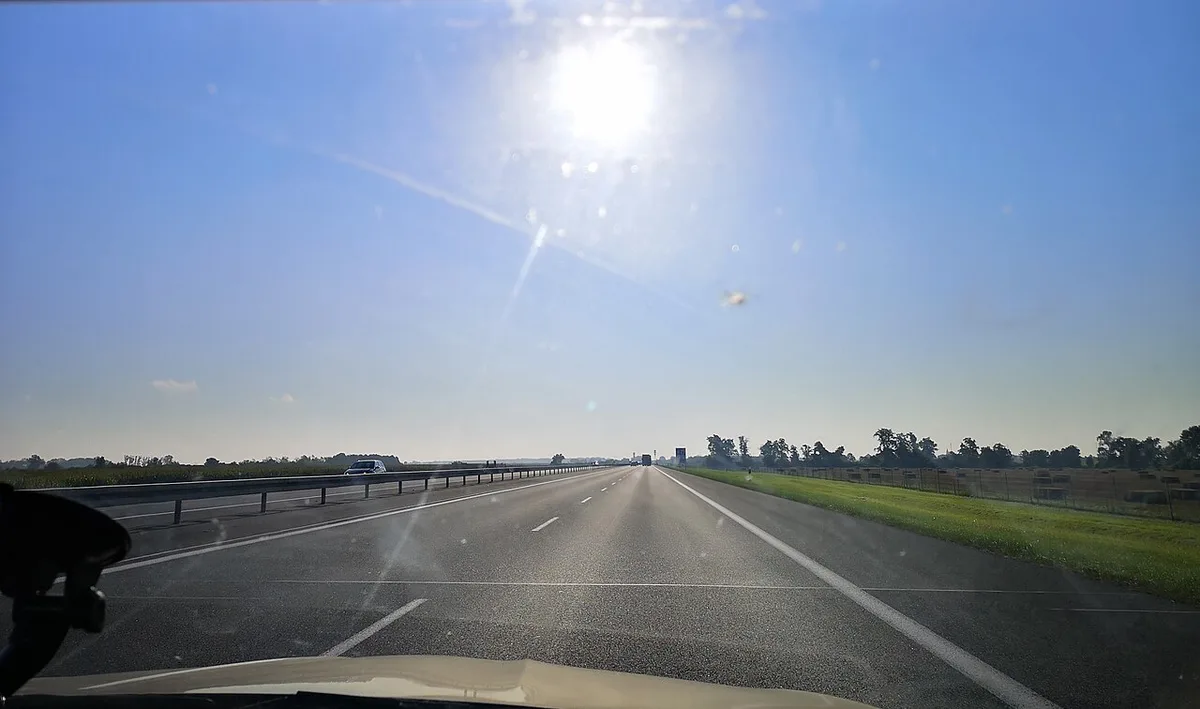
Speeding fines reach you through the rental company, which may add an administrative fee. Read those fine and fee terms before you pay. The rental decisions guide compares the options in more detail.
6. City driving and parking
Warsaw, Kraków and Gdańsk have paid parking zones, so read the signs and payment instructions every time. Trams have priority in many junctions, so give way and never stop on the tracks. Trains link the three cities directly, which makes a car an extra cost for a city-only stay.
Hotel parking is often charged separately, so ask when you book. Drive in only if your hotel has its own garage or you are heading straight out to the countryside. Park-and-ride lots on a city's edge suit day visits.
7. Seasonal driving
Winter brings snow and ice, especially on southern routes toward the Tatras and Zakopane. Ask your rental company whether the car has winter tyres and what the legal position is for your dates. In summer, roads toward the Baltic coast fill up on holiday weekends.
Autumn and spring have shorter daylight, so plan long drives to finish before dark. Nervous drivers should skip mountain roads from December to March. Summer and early autumn are the easiest months for first-time drivers.
Speed Limits by Road Type
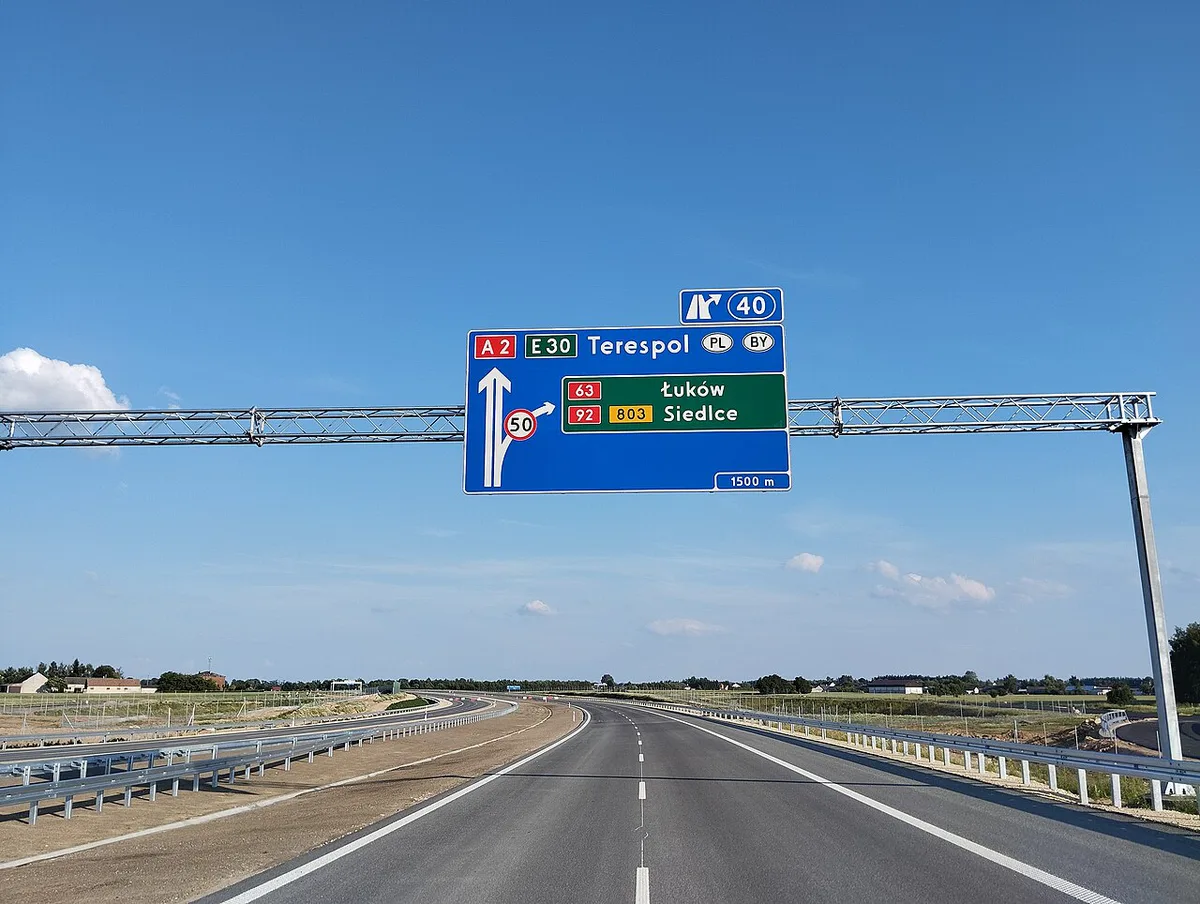
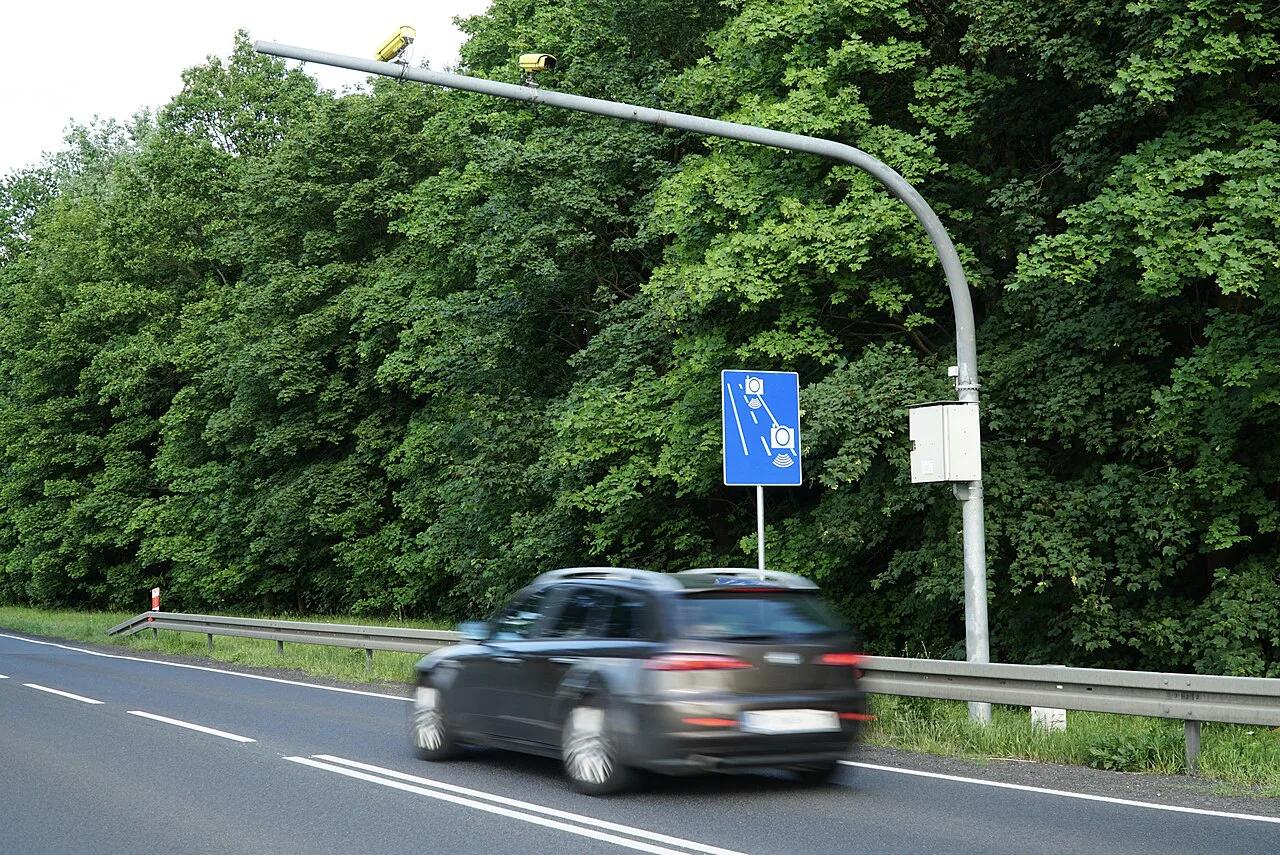
Built-up areas are capped at 50 km/h (31 mph), and roads outside built-up areas at 90 km/h (56 mph). Motorway limits reach 140 km/h (87 mph) on posted sections. Sources disagree on dual-carriageway and expressway figures, so follow the posted signs. Our Poland speed limits guide covers the details. Cameras and unmarked patrol cars exist, so keep to the limit.
Motorway sections bear the A prefix, yet only posted stretches reach 140 km/h (87 mph), so follow the signs.
| Road type | Limit |
|---|---|
| Built-up area | 50 km/h (31 mph) |
| Outside built-up area | 90 km/h (56 mph) |
| Motorway (posted sections) | 140 km/h (87 mph) |
Driving to and from Neighbouring Countries
Vignette and toll rules differ by country, and rental firms may restrict cross-border use. Czech motorways need an electronic vignette. Our Czech road rules page has more. For Hungary, see these Hungary driving rules. Slovakia has its own rental rules for Slovakia. For Slovenia, read our Slovenia driving tips.
Sample Routes and Time Trade-Offs
Warsaw to Kraków suits the train, because you avoid city parking at both ends. Kraków to Zakopane suits a car if you want trailheads and mountain villages. A Baltic coast loop from Gdańsk suits a car outside holiday weekends. Check mapping apps for current drive times, since roadworks change them. Our Poland road trip routes lay out full itineraries, and Poland's national tourist site adds regional context.
If Something Goes Wrong
Dial 112 for any emergency. Poland's national numbers are 997 for police, 998 for fire and 999 for ambulance. After an accident, switch on hazard lights, set the warning triangle and call your rental company. Stay calm during a police stop and hand over your licence, registration and insurance papers. Fines in a rental car are forwarded by the rental company, sometimes with an admin fee.
Dial 112 for any emergency, then call the rental company, which also forwards fines and may charge an admin fee.
| Mistake to avoid | Better move |
|---|---|
| Assuming one licence rule fits everyone | Check the rule for your licence origin |
| Ignoring tolls | Ask the rental desk how payment works |
| Skipping fine and fee terms | Read them before signing |
| Relying on GPS alone | Keep an offline map |
Frequently Asked Questions
What side of the road do they drive on in Poland?
Poland drives on the right, with the driver seated on the left in most cars. Overtake on the left and give way where signs direct.
Explore More Guides
Keep planning your trip with these guides.
Guides
- Renting a Car in Poland: Licence, Insurance, Costs
- Toll Roads in Poland: Which Are Tolled and How to Pay
- Speed Limits in Poland: Limits, Fines & Camera Tips for Drivers
- Poland Road Trip: Best Routes, Costs and Driving Tips
- Driving in the Czech Republic
- Driving in Hungary: Rules, E-Vignette, Fines and Parking Guide
- Renting a Car in Slovakia: Documents, Costs & Cross-Border Tips
- Driving in Slovenia: Rules, Vignette & Tips for Visitors
Road-rule changes worth knowing
Optional updates to our guides.
You might also like
Continue reading
More guides you'll find useful