
Driving in the Czech Republic: Rules, Vignette & Road-Trip Tips
What to know before driving in the Czech Republic: the digital vignette, speed limits, zero-alcohol rule, rental tips and when to skip the car.
On this page
Last updated November 2026. Driving in Czech Republic roads is straightforward: traffic keeps right, major roads are well kept, and signage is clear. Motorways need a digital vignette bought before you use them, and the alcohol limit is zero. Prague is easier without a car, so match the car to your route.
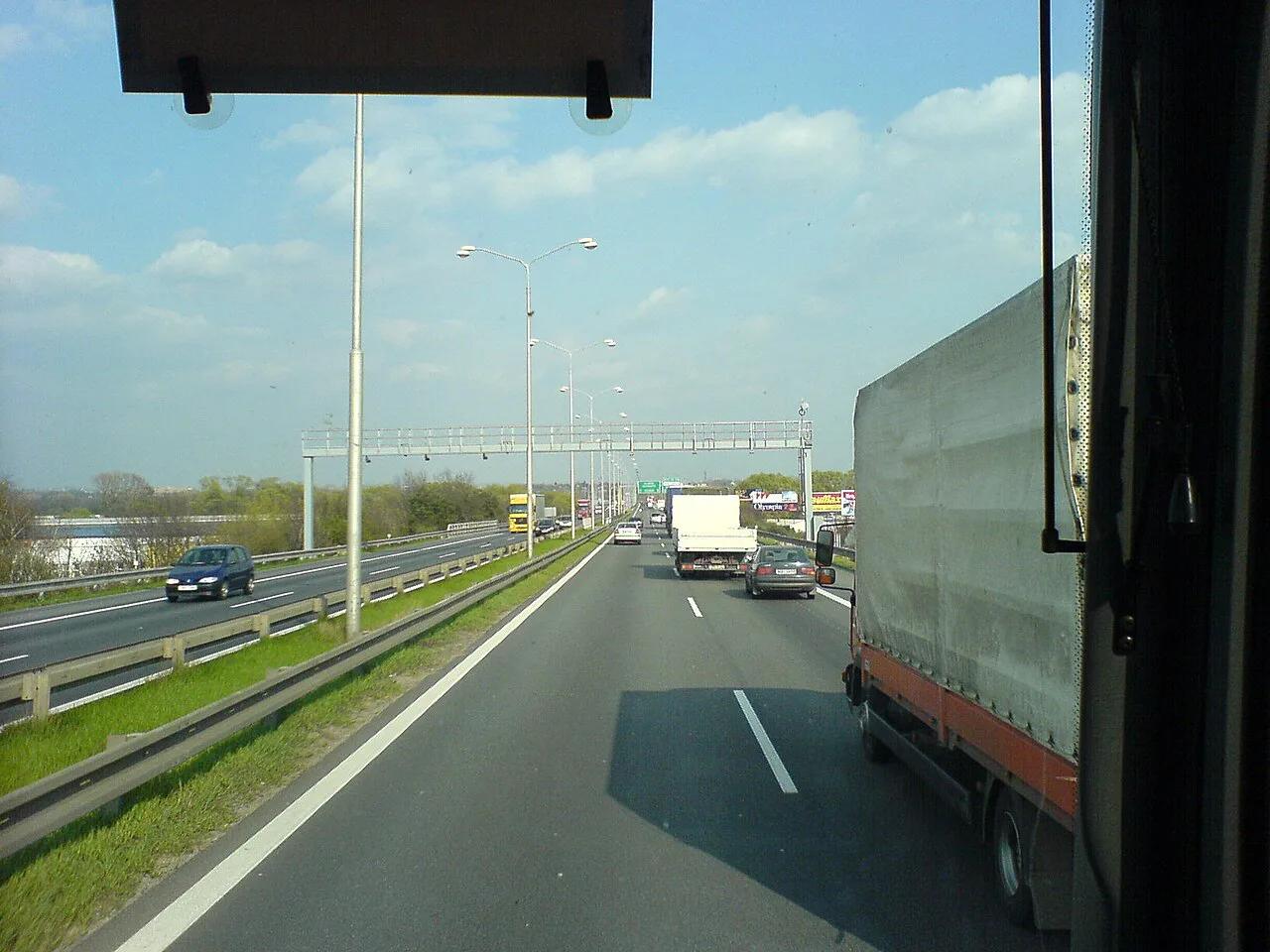
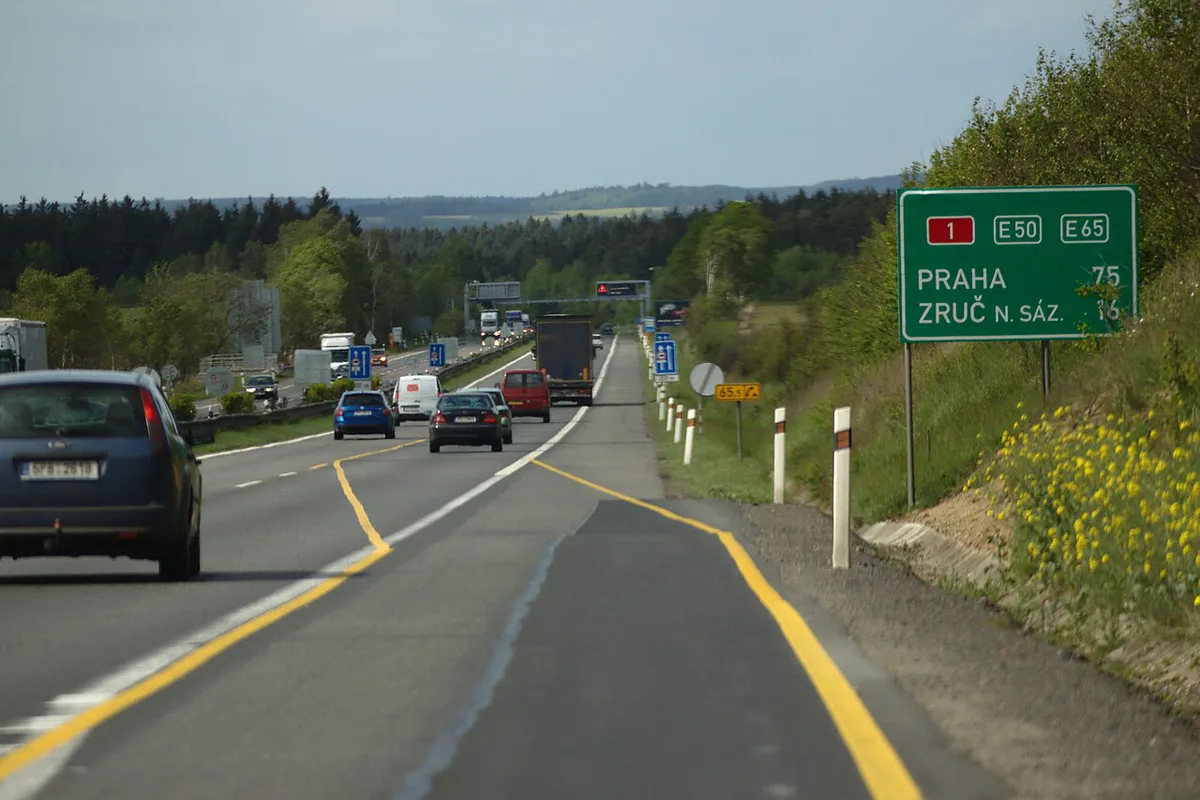
Featured image: Lukáš Mižoch, CC BY-SA 3.0, via Wikimedia Commons.
Quick answer: is driving in the Czech Republic easy?
Yes, for most visitors. Rules are close to those in neighbouring Poland and Germany, and a licence from an EU country is accepted. Czechia has four things that catch out newcomers, listed below.
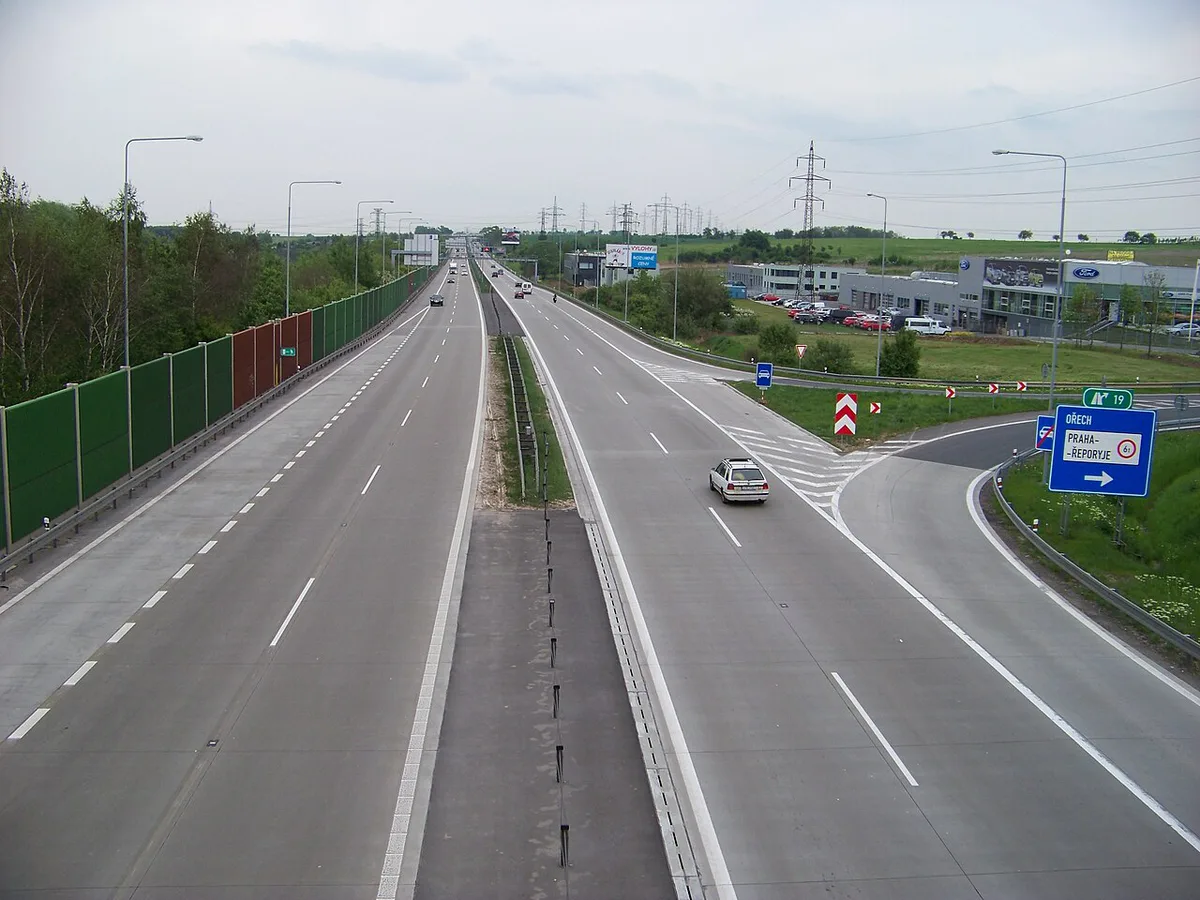
- Motorways and expressways need an electronic vignette tied to your licence plate.
- Alcohol tolerance is zero, so skip even one beer before driving.
- Dipped headlights stay on day and night, all year.
- Prague has paid parking zones and trams, so a car is a burden there.
What you need to drive in Czechia
Carry a valid driving licence, the vehicle registration document and proof of insurance. Visitors with a licence issued outside the EU may need an International Driving Permit, depending on where the licence came from. Check the requirement for your licence on the Czech Ministry of Transport site before you travel. Keep the following equipment in the car.
- A warning triangle.
- A first-aid kit.
- A reflective vest within reach of the driver.
- Winter tyres when conditions require them, covered in the winter section below.
Czech driving rules at a glance
Urban roads are limited to 50 km/h, rural roads to 90 km/h and motorways to 130 km/h. Local signs override these defaults, so watch for lower limits through villages. Use the table as a quick reference.
| Rule | What to know |
|---|---|
| Driving side | Right |
| Built-up areas | 50 km/h |
| Rural roads | 90 km/h |
| Motorways | 130 km/h |
| Alcohol | Zero tolerance |
| Seatbelts | Required for all occupants |
| Phones | No handheld use while driving |
| Lights | Dipped headlights day and night |
| Child seats | Required for smaller children; confirm the current height limit on the ministry site |
Motorway vignette: how to buy and avoid fines
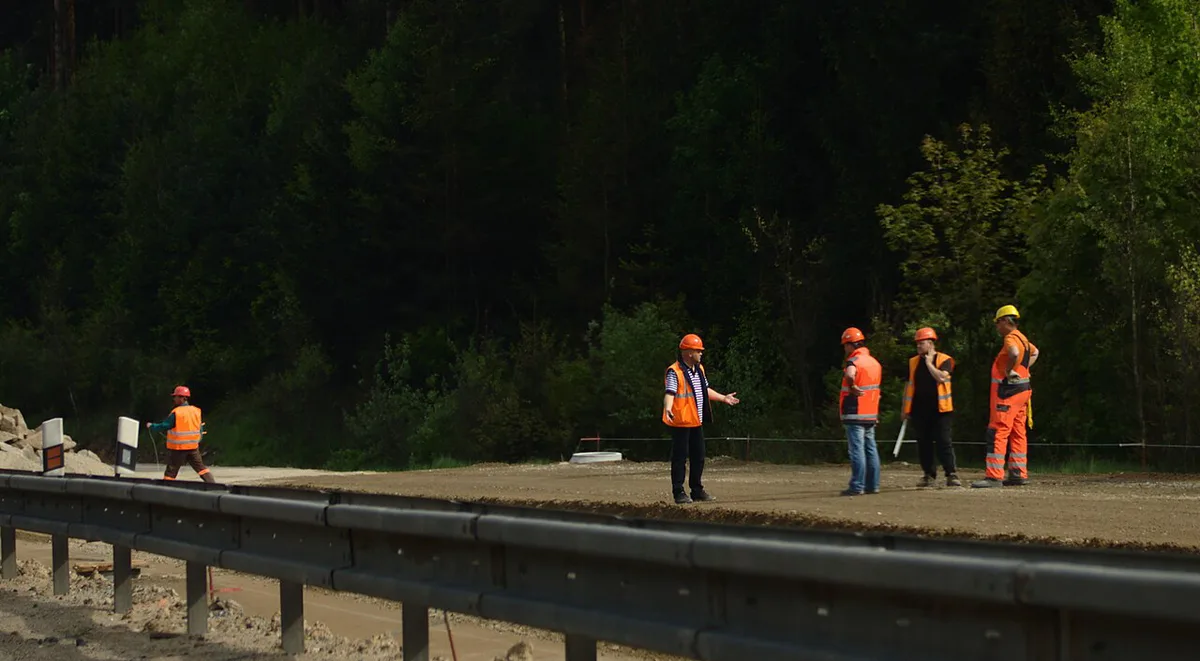
Czechia uses an electronic vignette, so there is no windscreen sticker. The state sells it at the official e-vignette portal. Buy it before you reach the first motorway, ideally before leaving your hotel or the border. You enter your licence plate and a start date, then choose a validity period. Cameras read plates, so keep the confirmation email or receipt as proof. Short-term options cost less than the annual one, and current prices are listed on the portal. Fines for driving without a valid vignette exist and can be steep, so treat the purchase as part of your trip budget.
- Mistake: typing the plate wrong, which leaves you effectively without a vignette.
- Mistake: buying for the wrong vehicle when you swap rental cars.
- Mistake: starting the validity date after your first motorway stretch.
- Mistake: using an unofficial reseller that adds a service fee.
Should you drive in Prague and the cities?
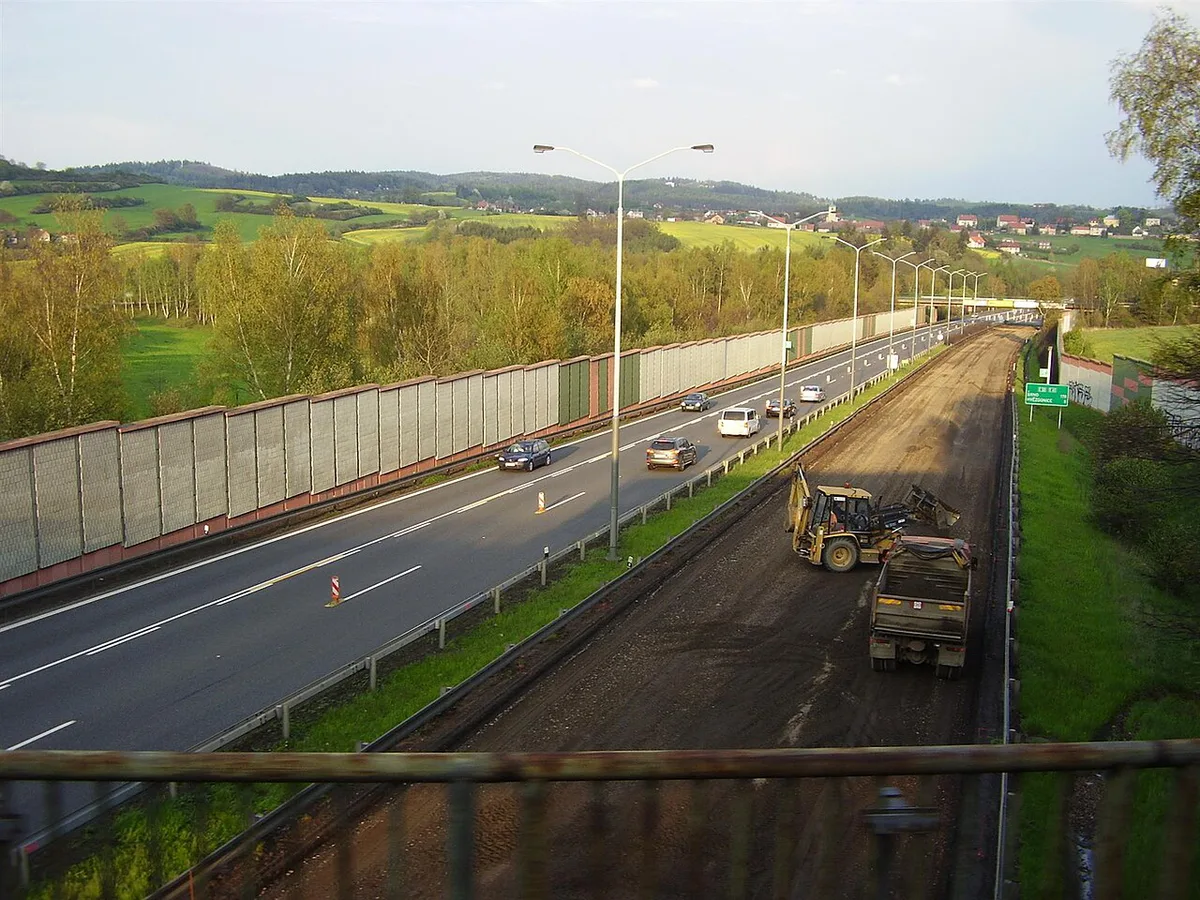
Usually not. Prague has paid parking zones, tight historic streets and a dense tram network. Brno and Plzeň also run trams, which have priority at many junctions, so give way when they signal. For a Prague-only break, public transport is cheap and a rental is expensive once parking is added. For Prague plus several day trips, a car can pay off on days outside the city. For a multi-region road trip, collect the car on the day you leave Prague and return it on the day you come back.
Urban roads are capped at 50 km/h, but Prague's paid parking zones and tight streets are the real constraint.
- Rent if you travel as a family with luggage or child seats.
- Rent if you want to hop between castles and small towns.
- Rent if you plan to visit wine villages in Moravia.
- Skip the car if you stay in central Prague only.
Renting a car in the Czech Republic
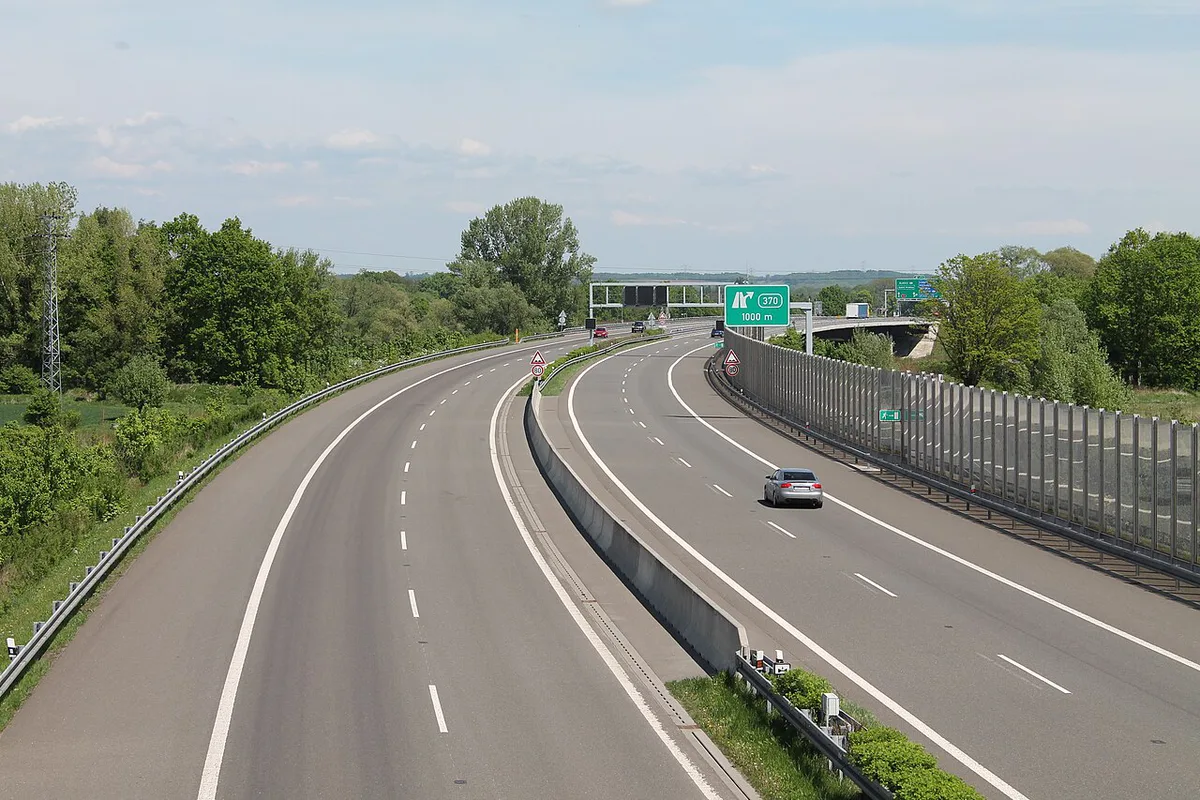
Compare offers using the same checklist. Cross-border permission and fees vary by company, so ask before you plan a Poland or Slovakia leg. Ask for a vehicle with the e-vignette status stated in writing, because rental firms handle this differently.
- Insurance excess and whether a reduction option is offered.
- Fuel policy, such as full-to-full.
- Manual or automatic transmission.
- Cross-border and one-way drop-off fees.
- Winter tyres included between November and March.
- Whether the vignette is already registered to the plate.
Best destinations and routes by car
Prague works as a hub for day trips. Drive times depend on traffic, so check a mapping app on the day. Trains cover several of these destinations without any parking stress.
| Destination | Car vs train | Best fit |
|---|---|---|
| Kutná Hora | Train is simple; car adds flexibility | Short day trip |
| Plzeň | Train or car both work | Beer and city break |
| Karlovy Vary | Car helps for spa-town loops | Two-day stay |
| Český Krumlov | Car suits an overnight stay | Castle and old town |
| Brno | Train is easier for the city itself | City break |
| Bohemian Paradise | Car is the better choice | Rock towns and castles |
| Mikulov and Znojmo | Car is the better choice | Moravian wine villages |
Winter and seasonal driving
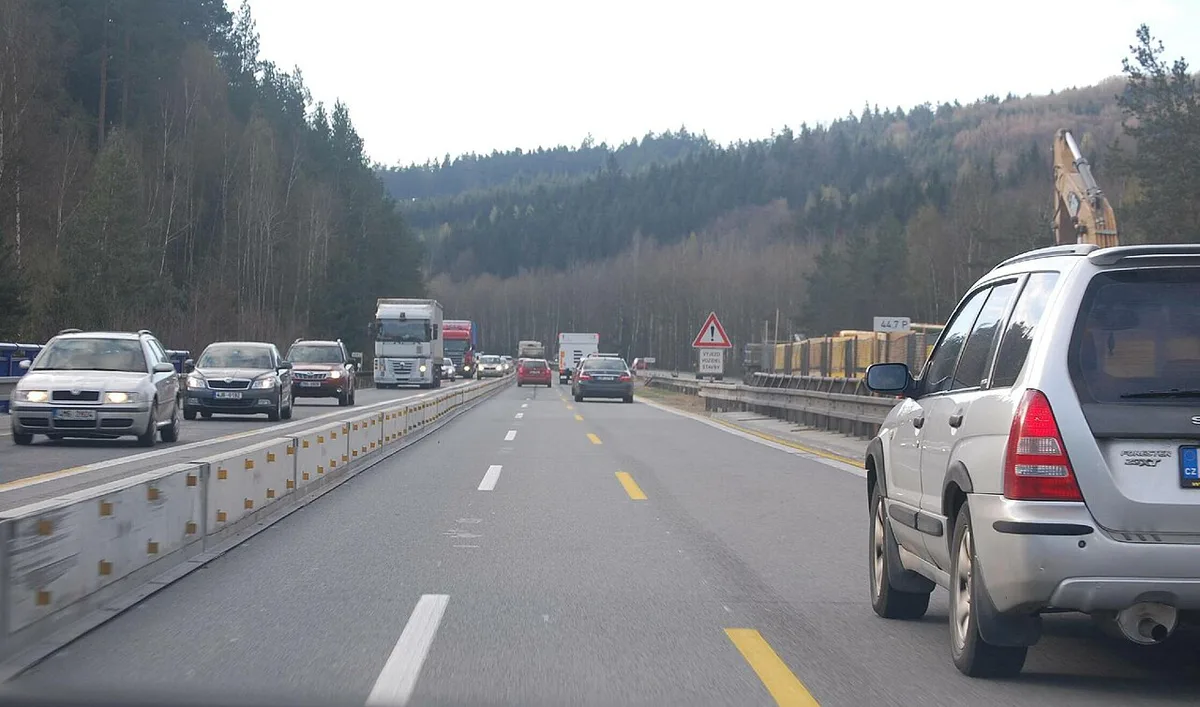
Winter tyres are required between November and March when snow, ice or packed snow cover the road. Hill roads in the Bohemian Forest and other uplands can turn slick quickly. Daylight is short in December, so plan long legs for morning. Dipped headlights stay on anyway. Ask your rental company whether winter tyres are fitted, and keep the vest and triangle accessible.
Crossing borders from or to Czechia
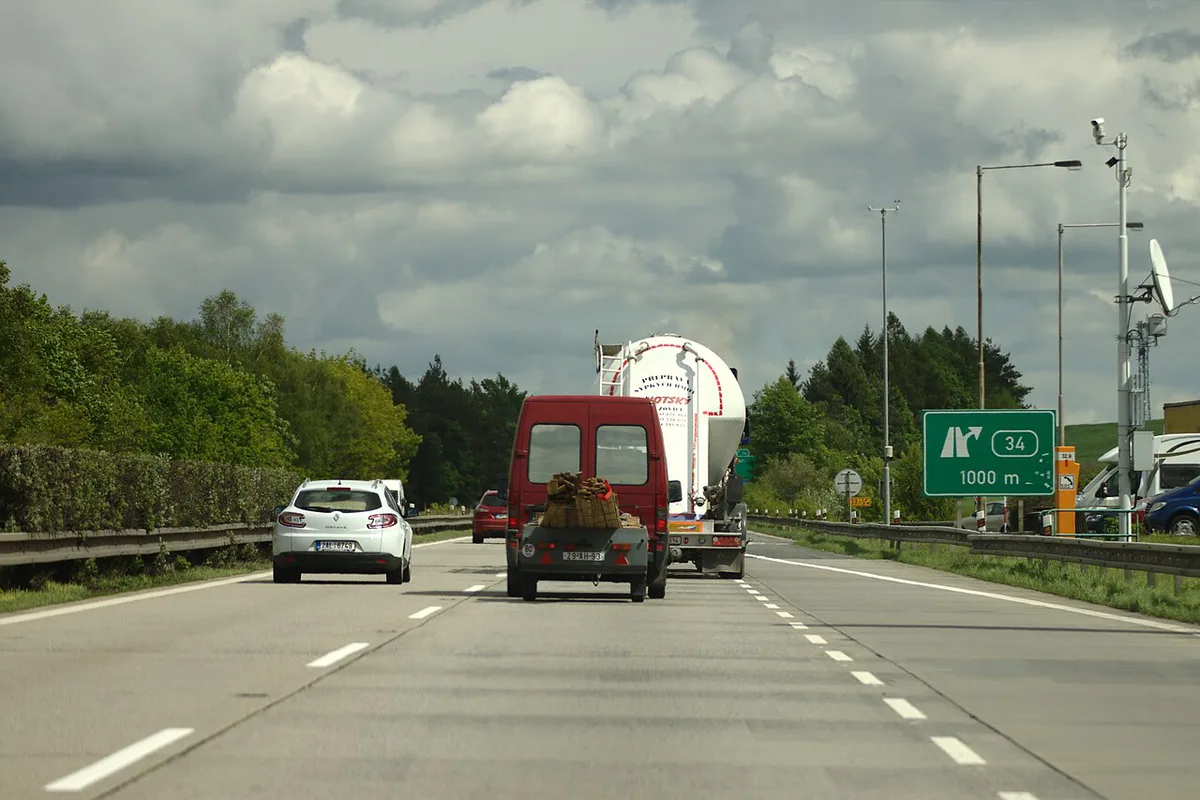
The vignette requirement starts as soon as you join a motorway after crossing. Buy it before the border from Poland, Germany, Austria or Slovakia. Heading north, rules change again, so read our guide to driving in Poland. Polish tolls differ from Czech ones, as covered in Toll Roads in Poland: Which Are Tolled and How to Pay. Polish limits are explained in Speed Limits in Poland: Limits, Fines & Camera Tips for Drivers. For a Poland loop, see this Poland road trip route. If you rent in Poland first, read Renting a Car in Poland: Licence, Insurance, Costs. Heading east, Renting a Car in Slovakia: Documents, Costs & Cross-Border Tips covers the next border. A wider Central Europe trip can continue with Driving in Hungary: Rules, E-Vignette, Fines and Parking Guide or Driving in Slovenia: Rules, Vignette & Tips for Visitors.
Speeds reach 130 km/h on motorways, so the vignette should be bought before the border, not after it.
Frequently Asked Questions
What is the speed limit on highways in the Czech Republic?
Motorways have a limit of 130 km/h unless signs show a lower number. Rural roads are limited to 90 km/h and built-up areas to 50 km/h.
Is it worth renting a car in Prague?
Not for a Prague-only stay, because parking zones and trams make a car awkward. It is worth renting for day trips beyond the city or for a multi-region route.
Road-rule changes worth knowing
Optional updates to our guides.
You might also like

Continue reading
More guides you'll find useful