
Driving in Slovenia: Rules, Vignette & Tips for Visitors
Planning to drive in Slovenia? Get the vignette, documents, speed limits and road rules you need, plus when renting a car makes sense.
On this page
Last updated November 2026. Driving in Slovenia is straightforward for most visitors, provided you buy the motorway vignette, carry the right papers and keep dipped headlights on in daylight. Slovenia is small, so a car lets you reach Bled, Postojna Cave and the Soča valley quickly, but Ljubljana itself is easier without one.
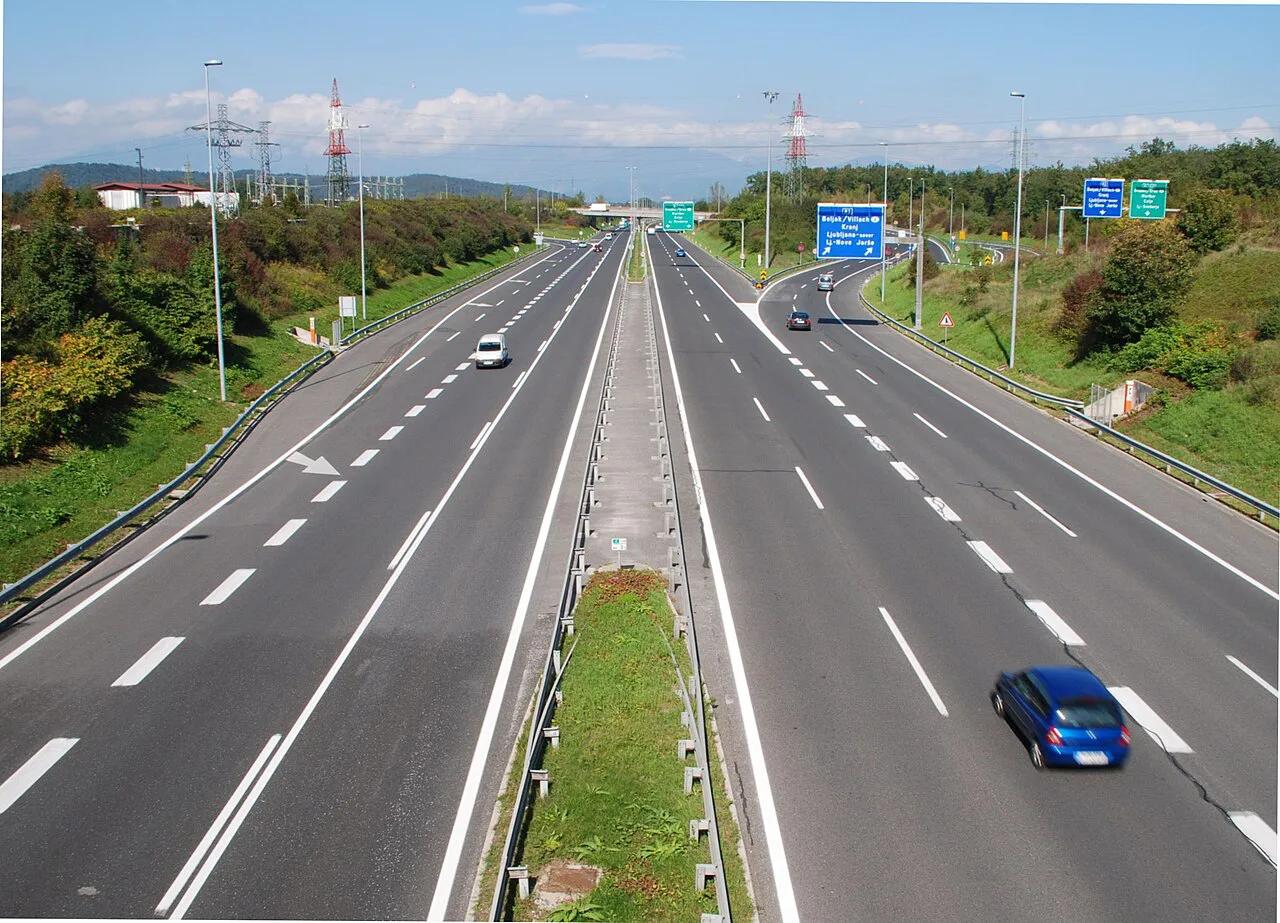
Featured image: Eleassar, CC BY-SA 3.0, via Wikimedia Commons.
Driving in Slovenia: quick answer for visitors
Yes, you can drive in Slovenia as a visitor. You need a valid licence, the vehicle's registration papers and an insurance policy that covers the car. Motorways and expressways require a vignette, which is the national toll sticker. Slovenia's roads and signs are good, and rest stops, restaurants and fuel stations appear every few kilometres on main routes. Use this checklist before you set off.
- Carry your licence and passport or ID, plus the car's registration certificate.
- Carry proof of insurance and a Green Card if your car is registered outside the EU.
- Buy the vignette before you join a motorway or expressway.
- Switch on dipped headlights, even in daylight.
- Save the assistance and traffic-info numbers listed below.
Do you need a car in Slovenia?
A car makes sense if your plan includes the Soča valley around Bovec, Predjama Castle or several stops on the coast. Slovenia is compact, so you can reach most destinations in a short drive. Skip the car if you are staying only in Ljubljana. Parking is the main cost there, and the centre is easy to cover on foot. A smart compromise is to base yourself in Ljubljana or Bled and take day trips. Collect the rental only on the day you leave the city.
Documents and licence requirements
Foreign drivers need the car's certificate of registration and an insurance policy for the vehicle. Drivers from non-EU countries must carry a Green Card, and it is available at every international border crossing. EU drivers are advised to get one from their insurer before travelling, because it simplifies the exchange of details after an accident. Licences issued in EU countries are accepted without an International Driving Permit. If your licence is from outside the EU, carry a physical IDP alongside it, because rental desks often ask for one. Slovenian authorities are reported not to accept a digital copy. Ask your rental company what it requires when you book.
- Valid national driving licence
- Passport or national ID card
- Vehicle registration certificate
- Insurance policy covering the car
- Green Card for non-EU registered vehicles
Motorway tolls: the vignette
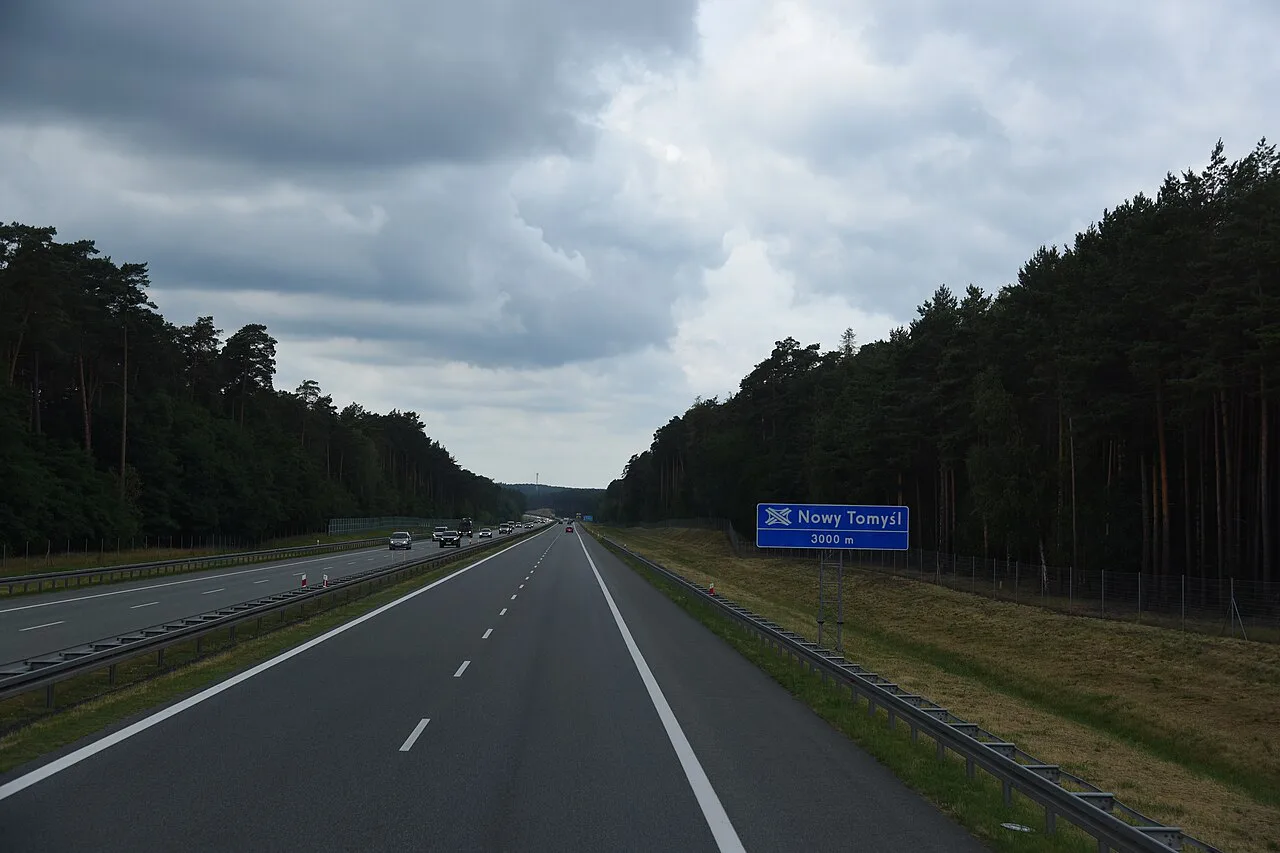
Slovenia charges motorway and expressway use through a vignette rather than per-kilometre booths. The motorway operator DARS runs the system, and the official e-vignette seller is the place to buy it online. You register your licence plate and choose a validity period that fits your trip. Prices and validity options change, so read them on the official page rather than on a reseller's site. Buy before you enter a motorway, and avoid unofficial resellers that add a markup. Older guides describe a windscreen sticker, but the e-vignette is linked to your plate. Rental cars often come with a vignette already, so ask at pickup. Planning a longer Central European trip? Poland handles tolls differently, as our guide to Poland's toll roads explains.
Rules of the road
Slovenia drives on the right. Posted limits depend on the road type, and the limits below apply to cars. Fog lights are allowed only when visibility is reduced by more than 50 percent. Seat belts are mandatory on every seat that has one. Drivers in categories A and B may have up to 0.5 grams of alcohol per kilogram of blood. Even below that level, you must show no impaired behaviour. For anything safety-critical, check the Slovenian police or AMZS pages before you drive. If you are heading on to Hungary or Czechia, compare limits in our guides to Driving in Hungary: Rules, E-Vignette, Fines and Parking Guide and driving in the Czech Republic.
Motorway limits for cars reach 130 km/h, so buy the e-vignette before you enter the motorway.
| Road type | Car limit | Approx. mph |
|---|---|---|
| Built-up areas (villages) | 50 km/h | 31 mph |
| Regional roads | 90 km/h | 56 mph |
| Expressways | 100 km/h | 62 mph |
| Motorways | 130 km/h | 81 mph |
- Mistake to avoid: entering a motorway without a vignette.
- Mistake to avoid: driving with headlights off in daylight.
- Mistake to avoid: assuming one drink is always safe under the 0.5 g/kg rule.
- Mistake to avoid: buying from an unofficial reseller.
Renting a car in Slovenia
Book online before you arrive, because airport desks can cost more than advance bookings. Bring your licence, passport and a second ID in case the desk asks for it. Many companies set the minimum age at 21 and ask for at least two years of licence history. Some accept drivers from 18. Costs depend on the car type, season, insurance and extras such as GPS or child seats. One-way drops and extra drivers also raise the price. Ask whether the car carries a vignette, and tell the company if you plan to cross a border. Manual cars are common, so reserve an automatic early if you need one. If you are comparing neighbouring countries, see our notes on Renting a Car in Slovakia: Documents, Costs & Cross-Border Tips.
Sample routes and drive-time trade-offs
Slovenia's best stops sit close together, so most trips work as day loops from one base. Look up drive times on a current map before you commit to a schedule. Any motorway or expressway section on these routes needs the vignette.
| Route idea | Best for | Planning note |
|---|---|---|
| Ljubljana to Bled | Lake views and a mountain base | Summer crowds make parking tight; arrive early |
| Ljubljana to Postojna Cave and Predjama Castle | Cave train and cave castle in one day | Check the vignette for motorway sections |
| Ljubljana to the Slovenian coast (Piran) | Seaside stop | Check parking before entering old-town streets |
| Bled to Bovec and the Soča valley | River scenery and mountain driving | Allow extra time on mountain roads |
Parking, fuel and breakdowns
Petrol stations on motorways and expressways are open continuously. All stock unleaded petrol and diesel, and some sell autogas. Petrol and OMV are the major chains. The Automobile Association of Slovenia (AMZS) runs 24-hour assistance through 18 technical centres. Call 1987 if you break down. Emergency phones stand every 2 km along motorways. If possible, AMZS repairs the car where it stopped. Otherwise it tows you to the nearest station. For traffic updates, call 1970 for expressways and regional roads. For motorways, call 080 22 44. Save these numbers before you set off, because rural mobile coverage can be patchy.
Rest stops appear every few kilometres on main routes, but emergency phones stand every 2 km along motorways.
Seasonal and mountain driving
Winter equipment rules apply in Slovenia, and the exact dates and requirements change. Read the current rules on the AMZS site before a winter trip, and ask your rental company to confirm that the car is equipped. Mountain roads around Bovec and the Soča valley need extra time and care, especially after snow or heavy rain. In summer, Bled fills quickly. Arrive early for parking, or leave the car at your lodging and walk.
Crossing borders by car
Slovenia borders Italy to the west, Croatia to the south, Hungary to the east and Austria to the north. Carry your passport or ID card and all vehicle papers on every crossing. Tell the rental company before you cross, since some charge a fee or restrict certain countries. Main approach roads are listed below. Border procedures can change, so check the current status before departure.
- From Villach (Austria): E61
- From Klagenfurt (Austria): E652 and E61
- From Graz (Austria): E57 or E59
- From Trieste (Italy): E70 or E61
- From Zagreb (Croatia): E70
- From Budapest (Hungary): E71 and E70
See our tourism attractions guide for the broader city overview.
Frequently Asked Questions
Is driving in Slovenia easy for Americans?
Mostly yes. Slovenia drives on the right, roads and signs are good, and distances are short. Before you go, buy the vignette, carry your licence and a physical IDP, and ask the rental company about automatic cars.
Road-rule changes worth knowing
Optional updates to our guides.
You might also like

Continue reading
More guides you'll find useful