Single Track Roads in Scotland: How to Drive Them (Passing Place Rules)
How to drive single track roads in Scotland: passing place etiquette, who gives way, where you'll meet them and when to choose another route.
On this page
Last updated November 2026: single track roads Scotland visitors meet in the Highlands and islands are one-lane roads with passing places. They become more common the further north you travel. Pull in or wait so oncoming and faster traffic can get by, as the Highway Code describes. Our Scotland driving guide covers the wider rules of the road.
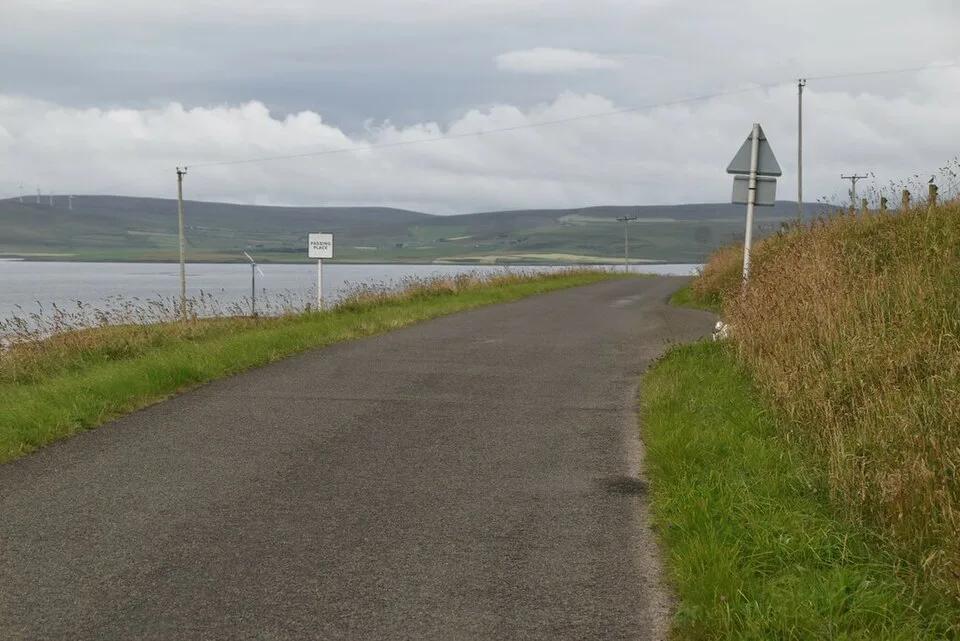
Featured image: N Chadwick, CC BY-SA 2.0, via Wikimedia Commons.
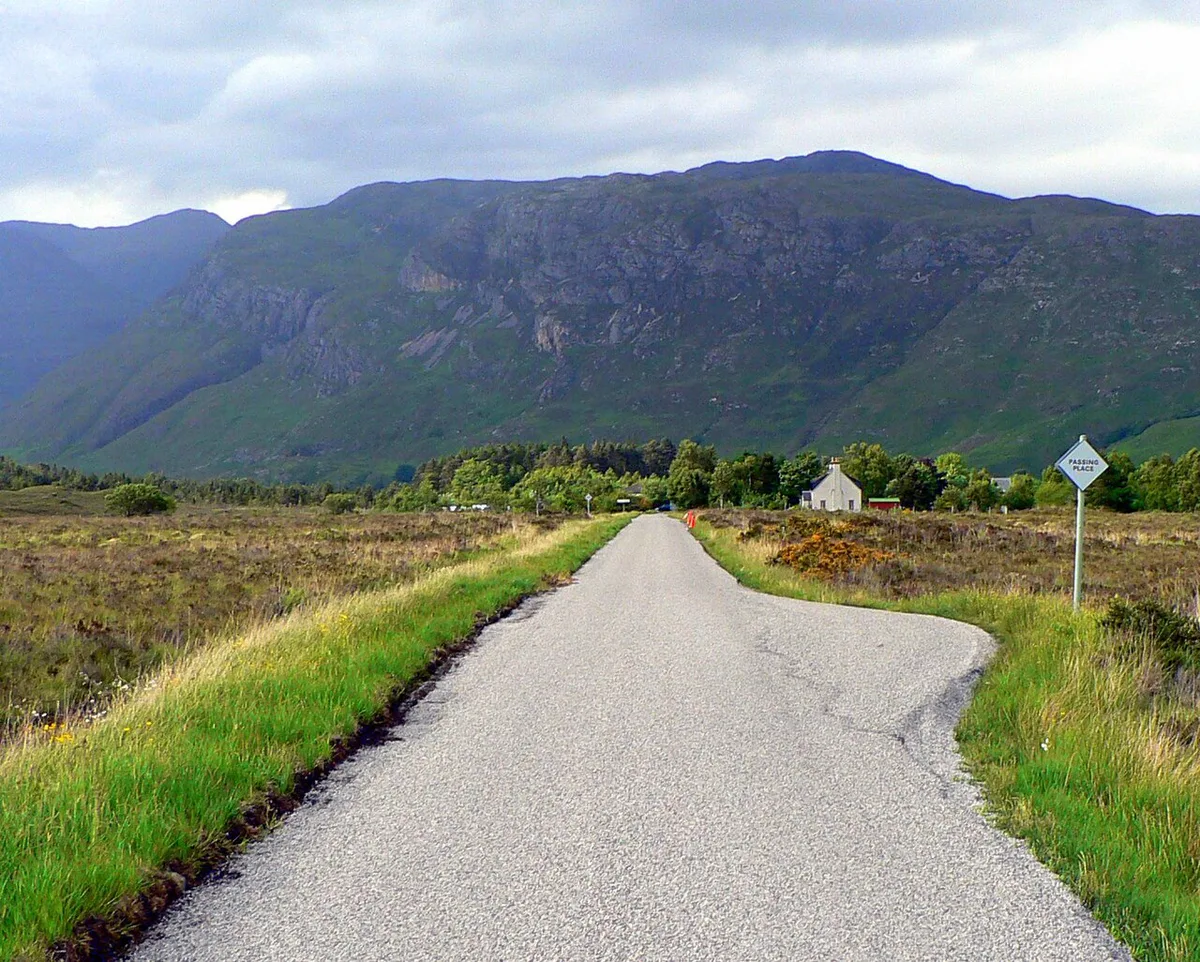
How Single Track Roads in Scotland Work
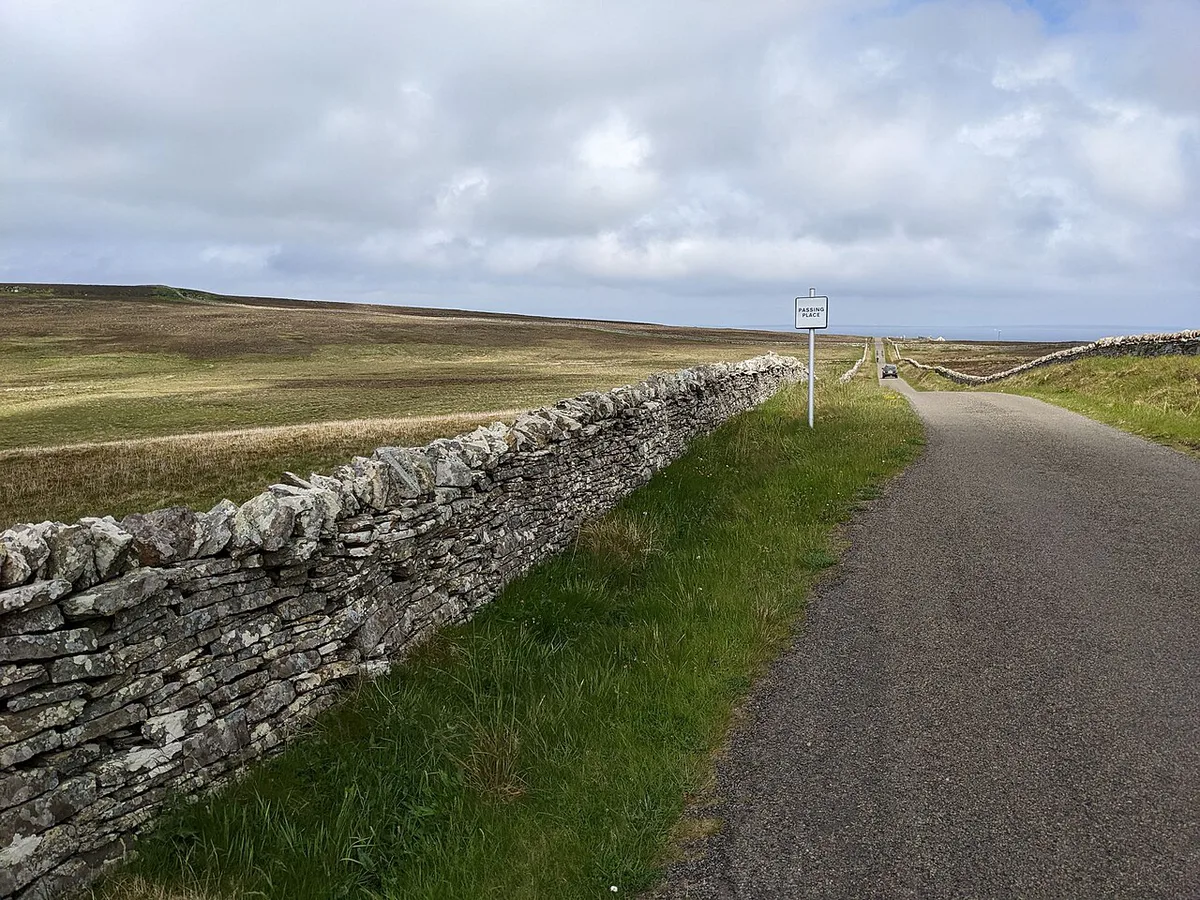
A single-track road is wide enough for one vehicle. Passing places are the short widened sections that make two-way traffic possible. They let oncoming vehicles pass each other. They also let cars, lorries and buses overtake slower traffic. Look for the diamond-shaped passing place signs and the widened verge beside them.
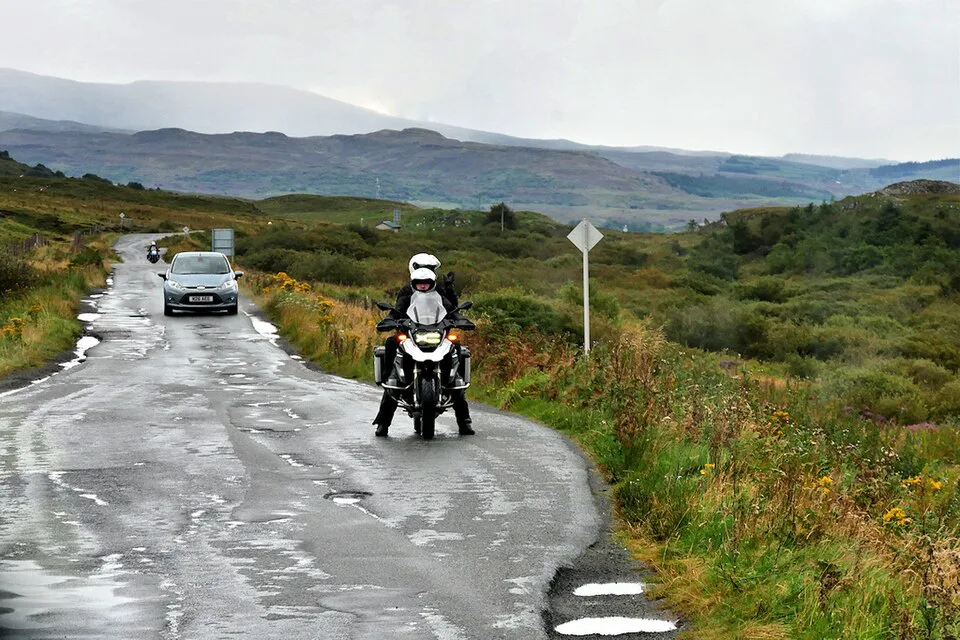
The core etiquette is simple. If the passing place is on your left, pull into it. If it is on your right, stop on the road opposite it, so the other driver can use the gap. On a hill, give way to vehicles coming uphill whenever you can, and if necessary reverse to a passing place. Never park in a passing place, even for a minute. Another driver may need it to get past you. These points come from Rule 155 of the Highway Code; read the exact wording in the Highway Code rules for single-track roads.
Look well ahead and spot the next passing place before you meet traffic. Scan for oncoming headlights, high-sided vans and buses. Slow down at blind summits and bends, because you may need to stop within the distance you can see.
Who Gives Way on Single Track Roads: Common Scenarios
Single-track roads rely on courtesy more than on strict priority. Use this table as a quick guide. It follows the passing place principle above and does not replace the Highway Code.
| Situation | What to do | Common mistake |
|---|---|---|
| Oncoming car, passing place on your left | Pull into the passing place and let it by | Stopping on the road and waiting for the other driver to move |
| Oncoming car, passing place on your right | Stop opposite the passing place and wave the other driver through | Driving across into the gap, which blocks it |
| Vehicle behind wants to overtake | Pull into the next passing place on your left and let it pass | Speeding up instead of pulling in |
| Bus or large lorry ahead | Give it as much room as possible and be ready to reverse to a passing place | Assuming a large vehicle can squeeze past |
| Stand-off with no clear passing place | Whoever is nearest a passing place backs up to it; on a slope, the driver heading downhill usually gives way | Both drivers waiting in silence |
Where You'll Meet Single-Track Roads
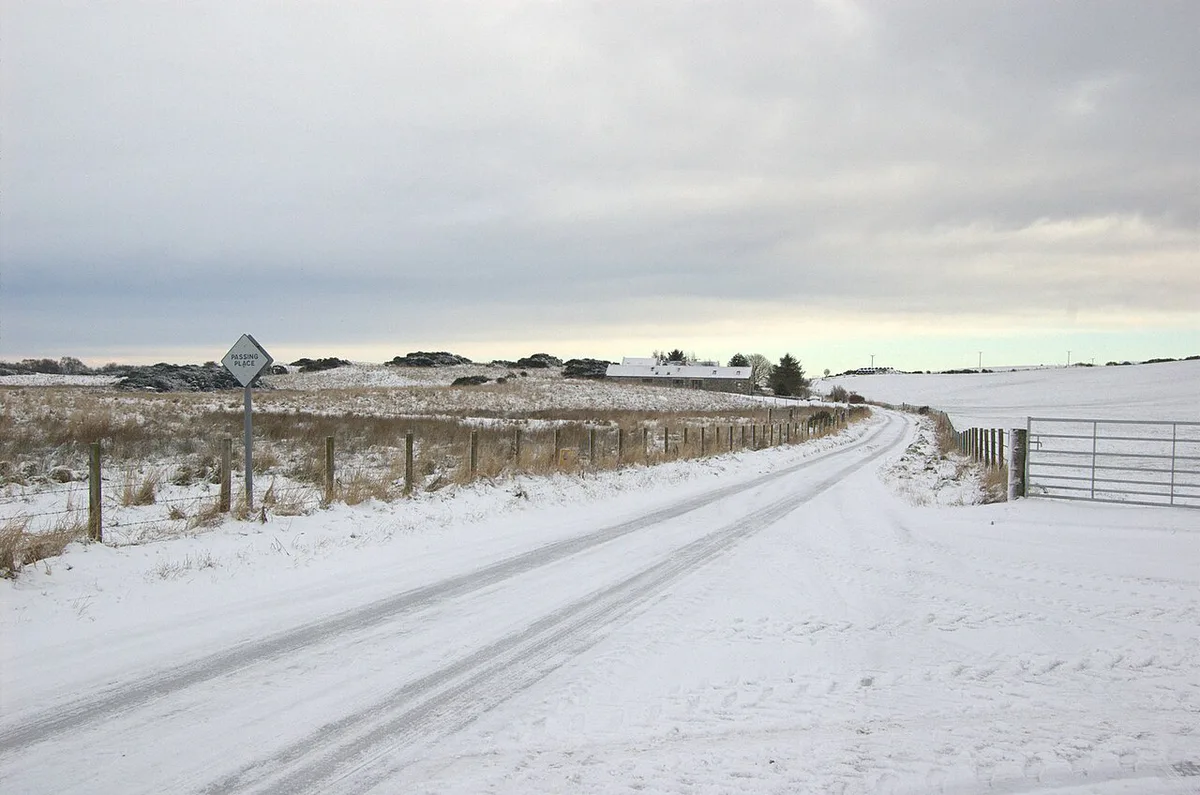
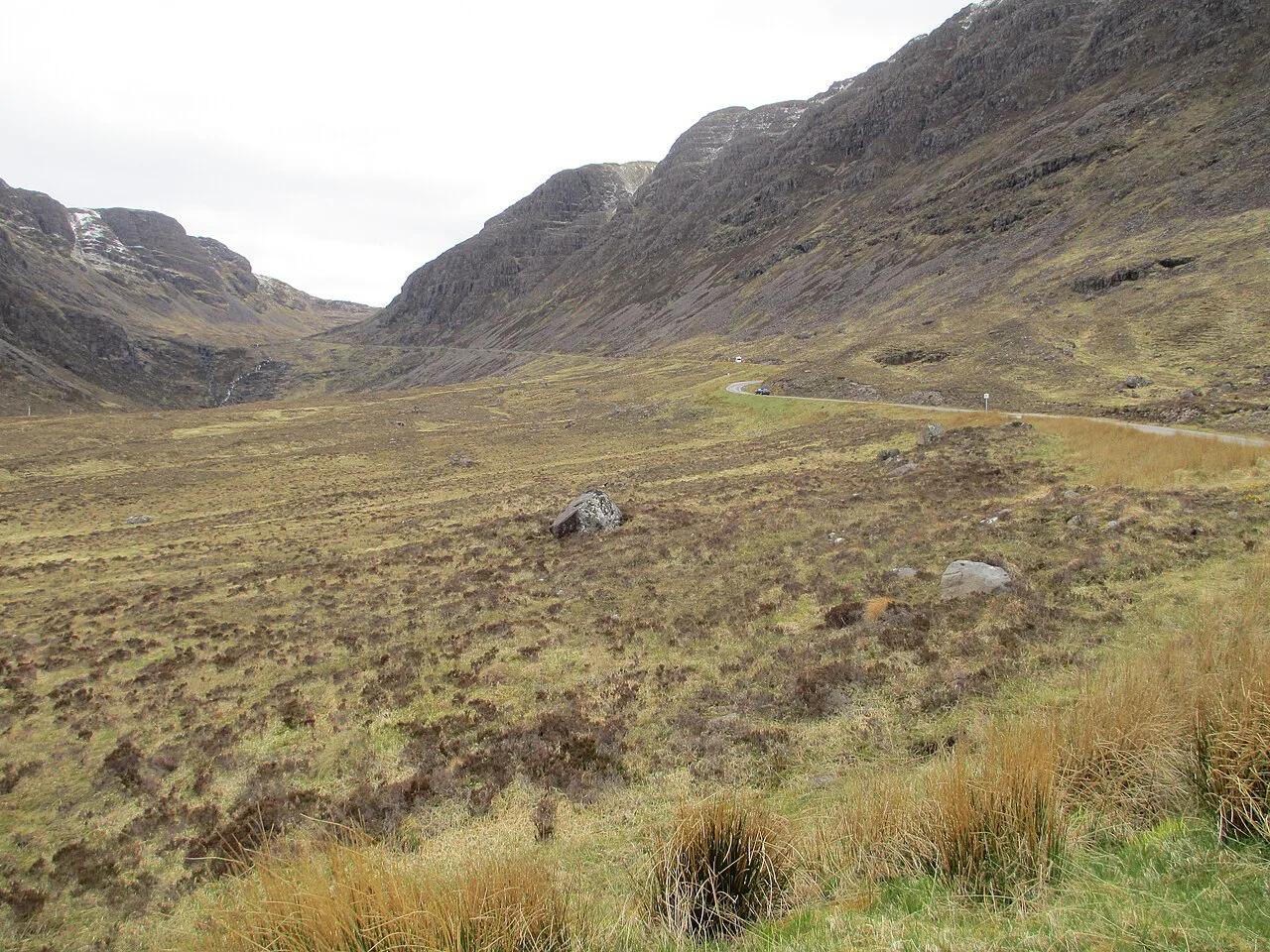
Expect them in the northern Highlands and on many island routes. The North Coast 500 Guide: Route, Days Needed & Planning Tips includes single-track stretches, so plan your driving hours with that in mind. The Isle of Skye Road Trip: 1, 2 and 3-Day Itineraries uses a mix of main roads and narrower side roads. Bealach na Bà is a steep, narrow mountain pass where passing places matter.
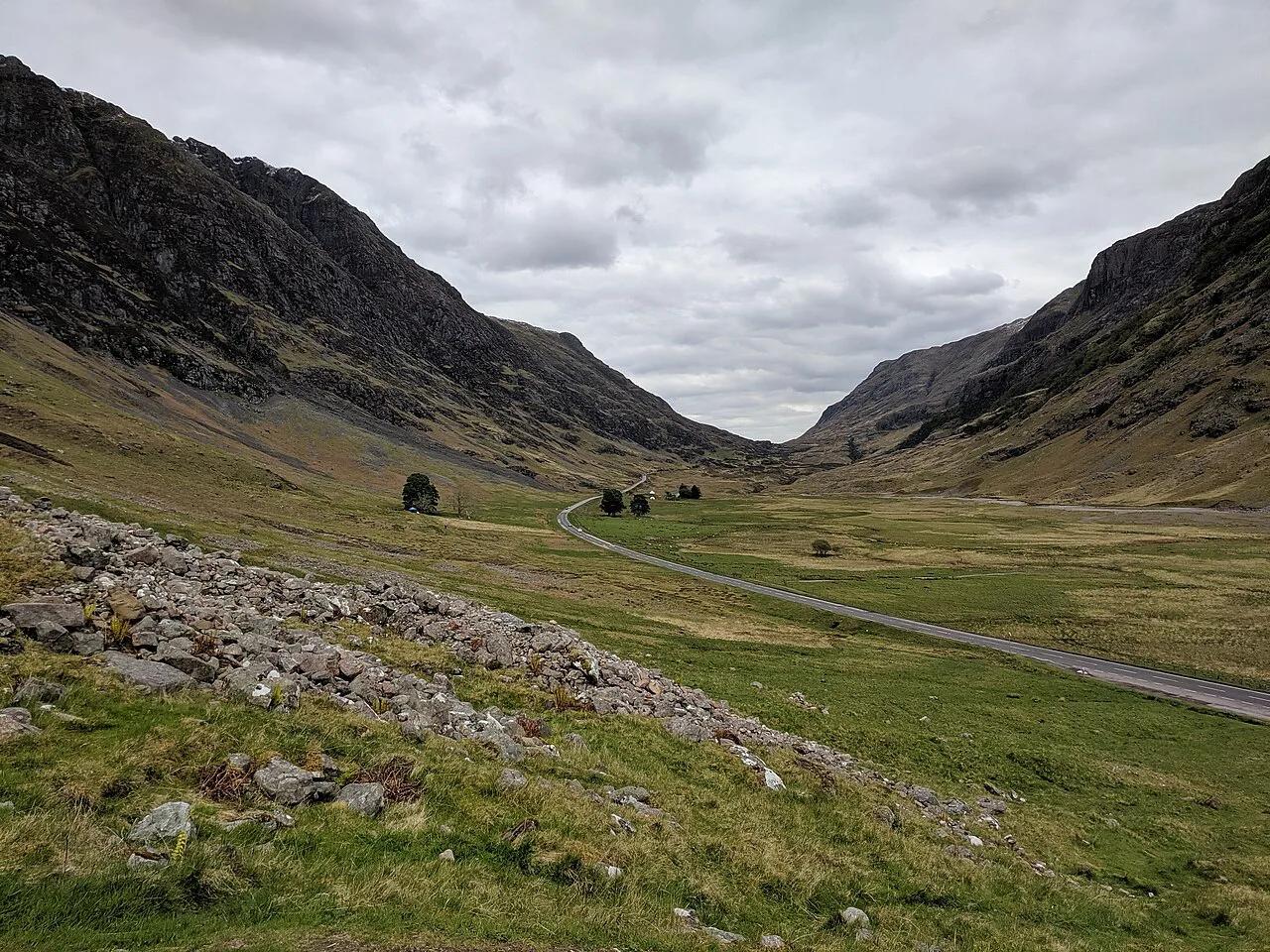
Glencoe is different. Our Glencoe Drive: Route, Stops and Driving Tips is mostly a two-lane route, so do not plan around passing places there. Some Highland roads have been widened to two lanes over the years, so a route can change between visits. Check Transport Scotland for road updates. If you are building a longer itinerary, see our Scotland Road Trip: Routes, Days, Car vs Campervan and scenic drives pages.
Planning Time and Vehicle Choice
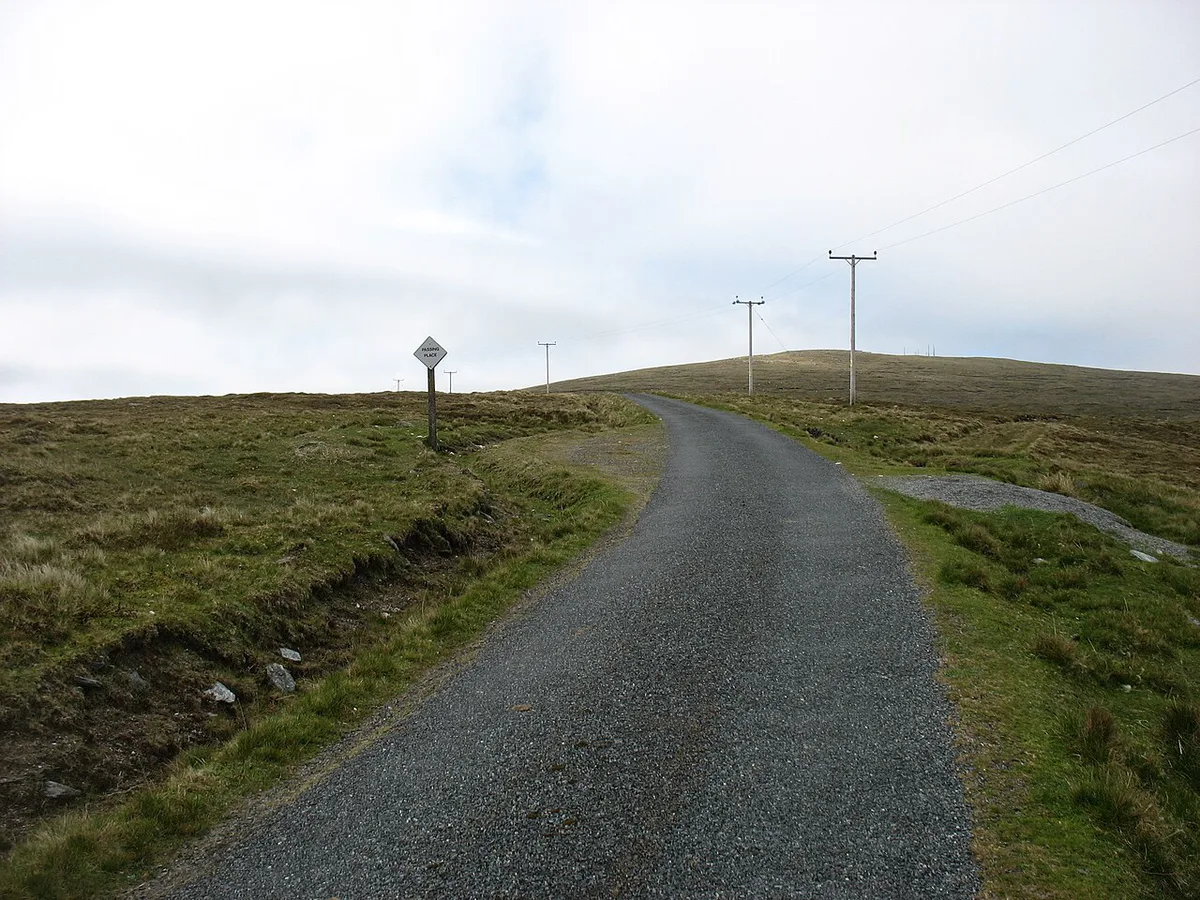
Single-track sections slow your average speed. Journeys take longer than the map suggests, because you stop for oncoming traffic, give way to buses and pause for sheep. Build slack into each day instead of packing in stops. Sat-nav estimates often assume a steadier pace than these roads allow.
North Coast 500 drives mix single-track stretches with main roads, so sat-nav timings will run short there.
Vehicle size matters. A compact car is easier to place in a passing place than a motorhome. Campervans and larger vehicles are harder, because they need longer gaps and more room to reverse. Read our guide to campervan hire in Scotland before you book one.
If you are collecting a hire car, pick a model you feel confident placing on a narrow road. Our car rental guide covers transmission and insurance questions. If you start from the capital, see car hire in Edinburgh. Visitors used to right-hand traffic may prefer an automatic, so they can focus on road position.
Practical Checks Before You Set Off
Plan each day around daylight, especially outside summer. Weather can cut visibility and make verges soft. Sheep, deer and other livestock often wander onto Highland roads, so slow down on open stretches. Walkers and cyclists share these roads, so give them space and pass slowly.
- Fuel: top up before remote sections, as filling stations can be far apart.
- Supplies: carry water and snacks in case of delays.
- Phone signal: it can drop out, so download offline maps first.
- Ferries: if your route includes an island crossing, check timetables with CalMac Ferries.
- Local information: for specific road works or closures, check Highland Council before you drive.
Mistakes to Avoid
These are practical advice points, not legal rulings. Most problems come from rushing or from blocking the road.
- Parking in a passing place to take photos. Use a proper lay-by or car park instead.
- Speeding into blind summits and bends, where you may not see oncoming traffic until late.
- Tailgating the vehicle ahead, which leaves no room to react.
- Ignoring faster traffic behind you. Pull in at the next passing place and let it pass.
- Relying only on sat-nav timings. Add a generous buffer to every leg.
- Ignoring local speed rules. Our Scotland speed limits page explains the limits.
Is It Worth It? When to Choose Another Route
For many visitors, single-track roads are the price of reaching remote beaches, glens and villages. They suit drivers who stay calm, watch the road ahead and enjoy a slower pace. Short stretches with good visibility are a gentle way to build confidence.
Reconsider if you are a nervous driver, have little experience with narrow roads, or are driving a large motorhome. A tight schedule is another reason to rethink. In those cases, choose a route with fewer single-track sections and stay on main A roads. Spend extra nights in one base instead of covering long distances. VisitScotland's road trip pages can help you compare routes.
Frequently Asked Questions
What is a single track road in the UK?
It is a road wide enough for only one vehicle, with passing places so traffic can pass in either direction. They are most common in the Scottish Highlands and islands. See the Highway Code for the official guidance.
What is the most beautiful road trip in Scotland?
That depends on your taste, but many drivers start with the North Coast 500 or Skye. Compare options in our scenic drives guide.
Road-rule changes worth knowing
Optional updates to our guides.
You might also like
Continue reading
More guides you'll find useful