Speed Limits in the UK: Cars, Vans and Signs by Nation
UK speed limits by road type and nation, with the national speed limit sign explained, camera rules and tips for visiting drivers.
On this page
Last updated November 2026. Speed limits in the UK are posted in miles per hour, and a car is limited to 30 mph in towns, 60 mph on single carriageways and 70 mph on dual carriageways and motorways. Wales is the big exception, with a 20 mph default in built-up areas. This guide is part of our UK driving guide and covers signs, vans, cameras and the mistakes visitors make most often.
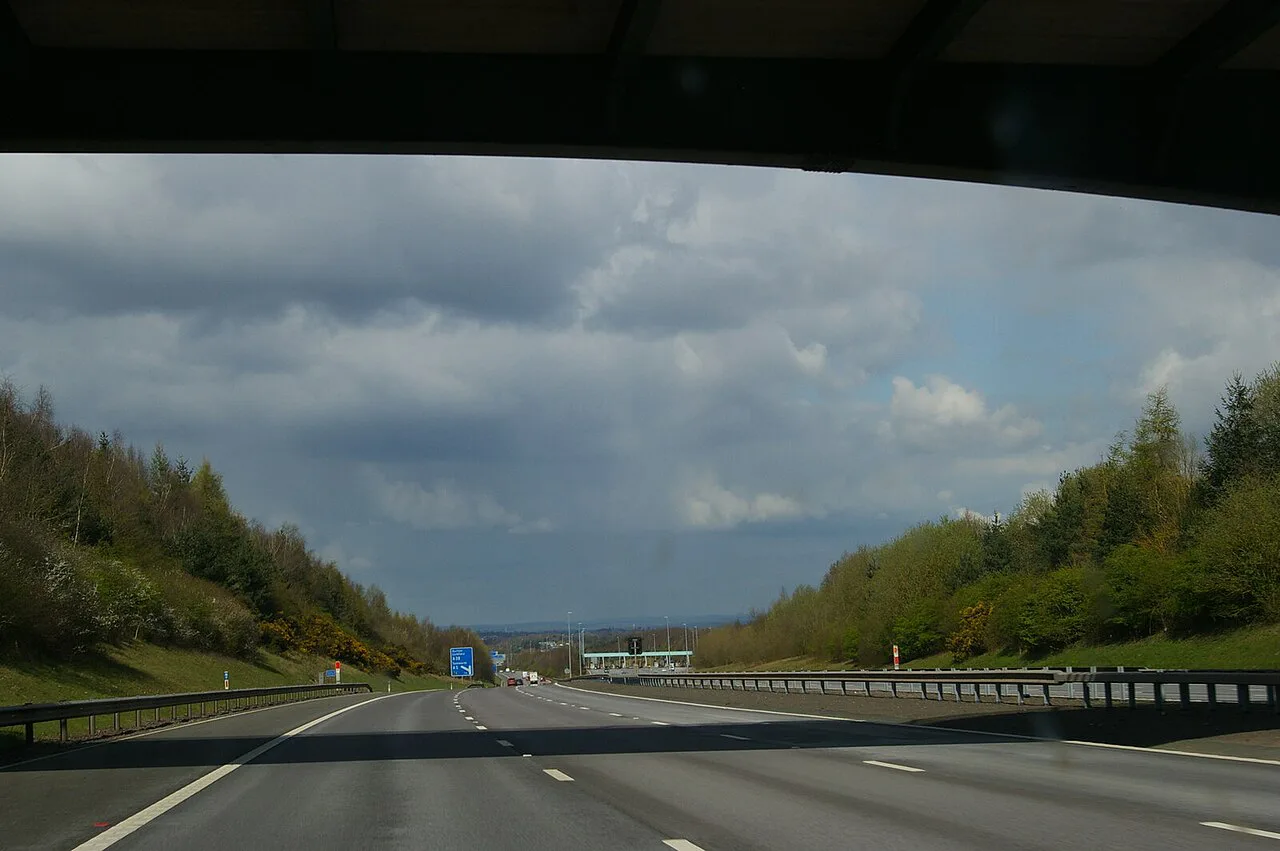
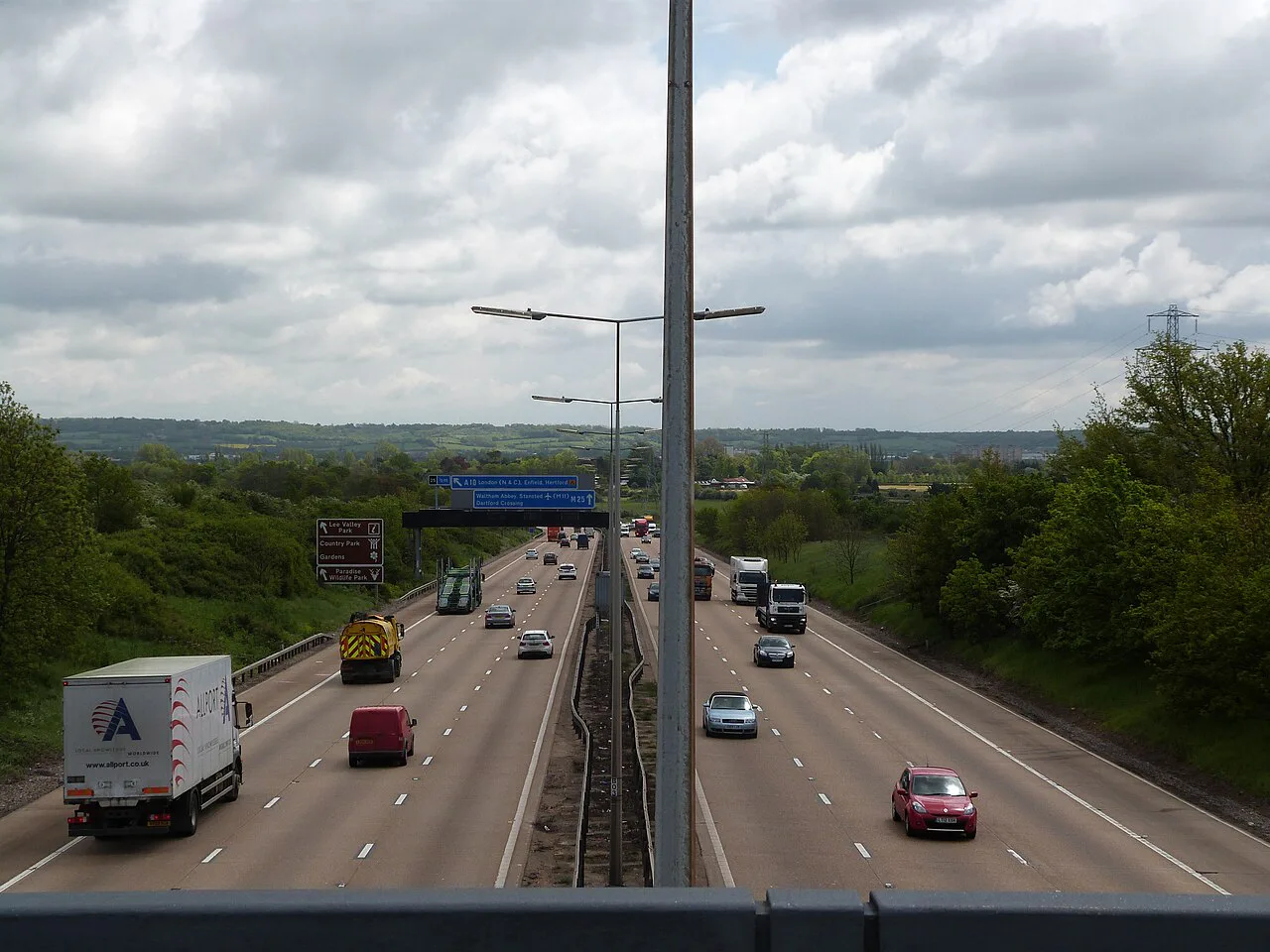
Featured image: DS Pugh, CC BY-SA 2.0, via Wikimedia Commons.
Speed Limits in the UK at a Glance
These are the national limits for cars, as GOV.UK publishes them. Every sign and speedometer in Britain uses mph, so a rental car will show mph even if you are used to km/h. Km/h figures below are rounded.
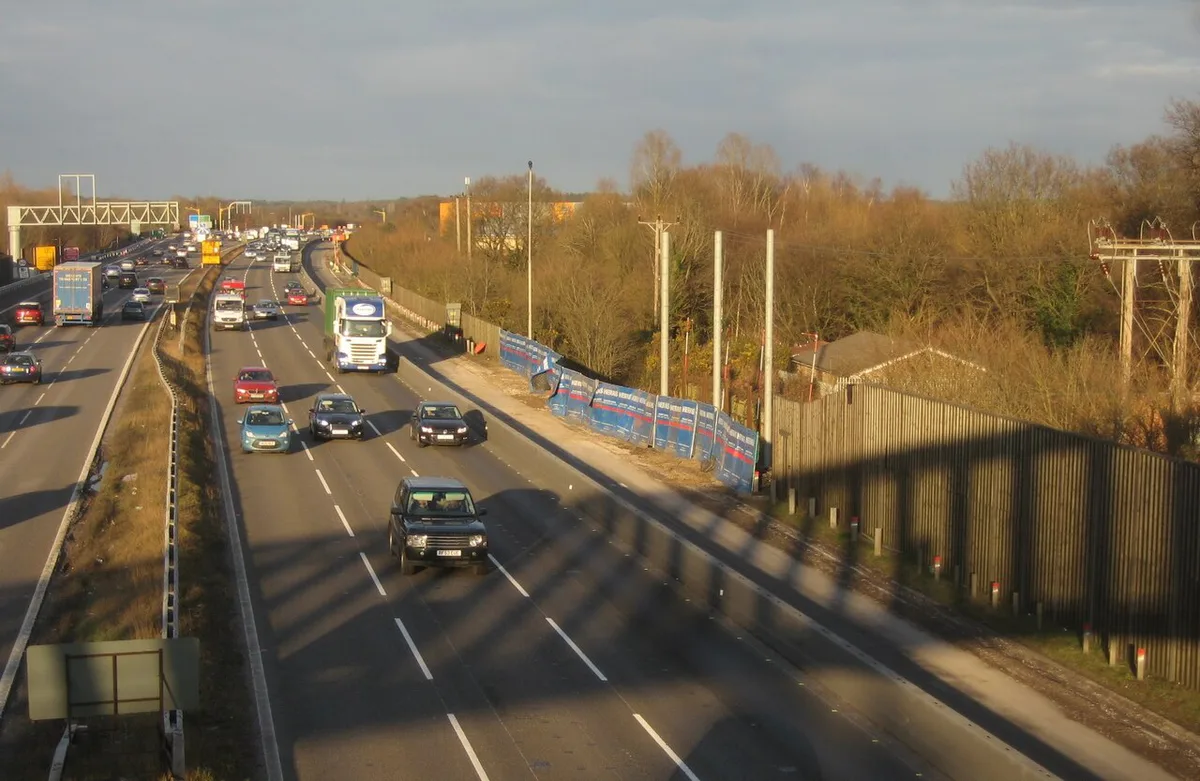
| Road type | Car limit (mph) | Approx. km/h | Notes |
|---|---|---|---|
| Built-up area (street lights) | 30 | 48 | Default where street lights are spaced up to 200 yards apart |
| Built-up area in Wales | 20 | 32 | Default since September 2023, with exceptions |
| Single carriageway | 60 | 97 | National speed limit unless signed lower |
| Dual carriageway | 70 | 113 | National speed limit unless signed lower |
| Motorway | 70 | 113 | Variable limits may be lower |
How to Read UK Speed Limit Signs
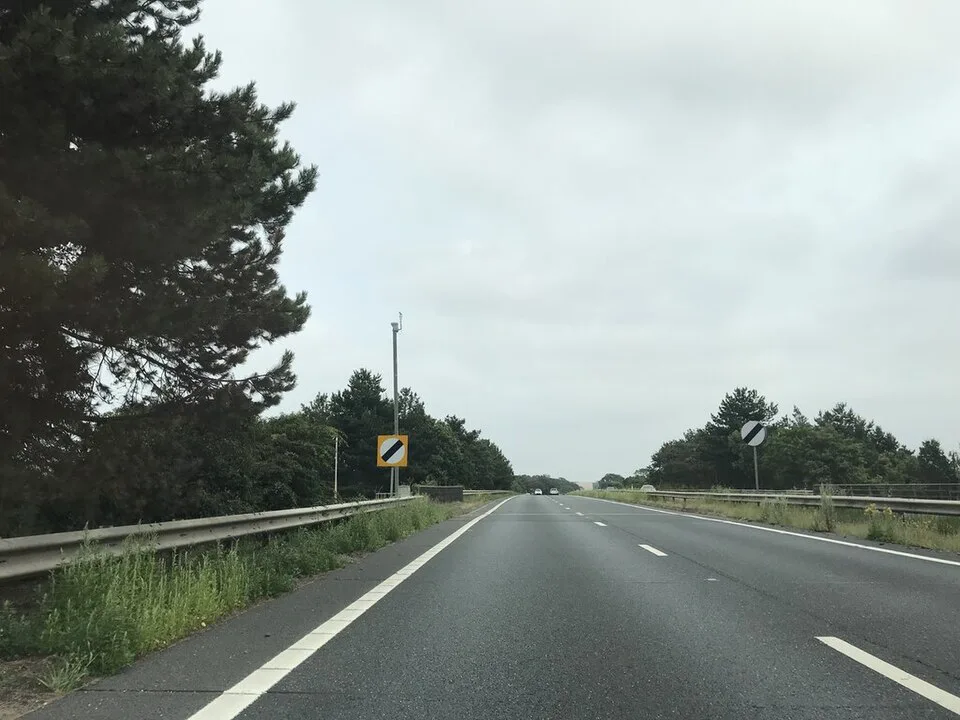
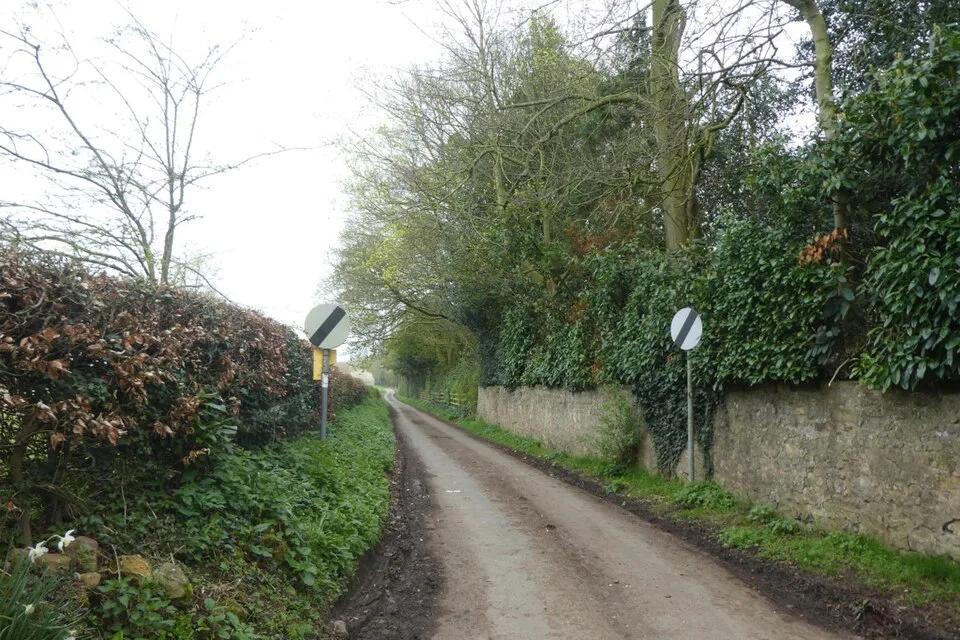
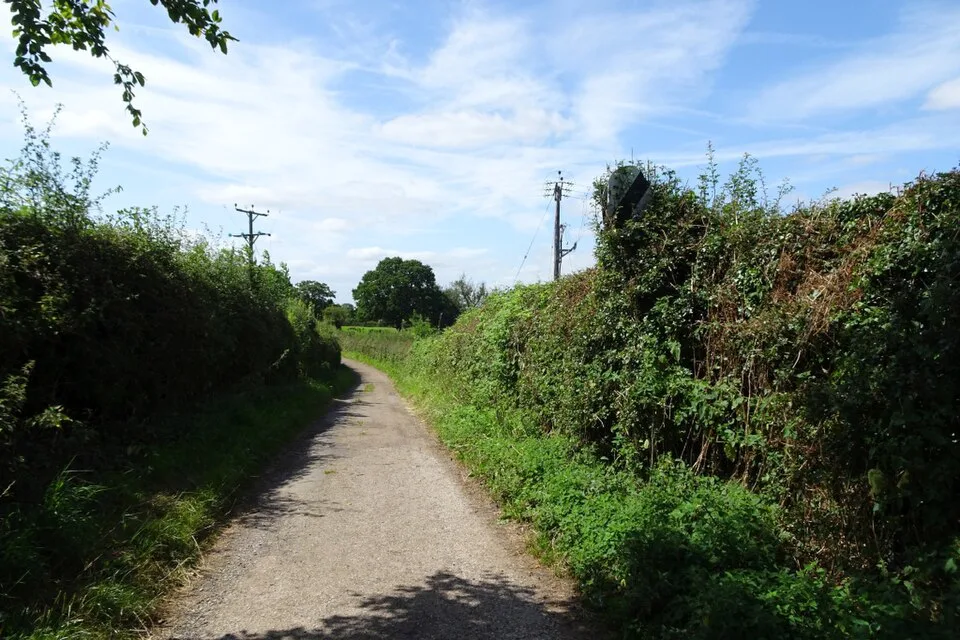
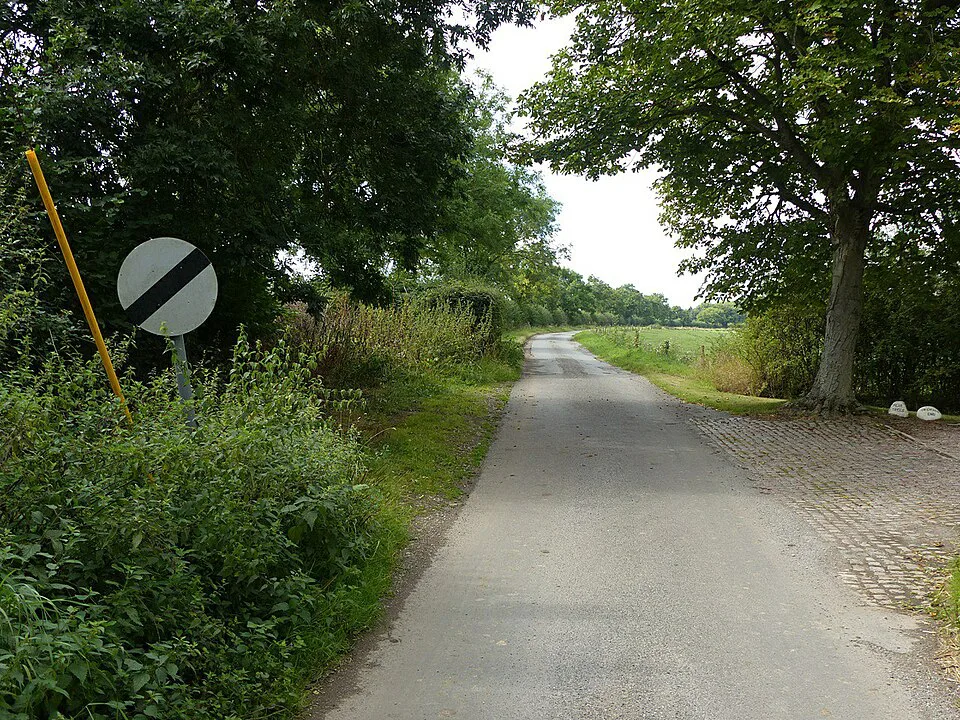
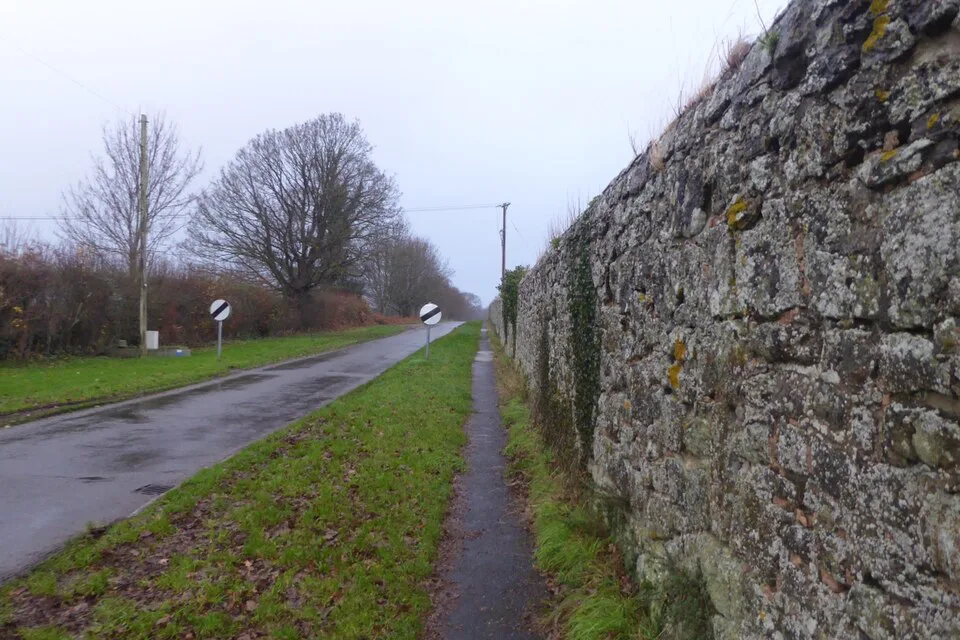
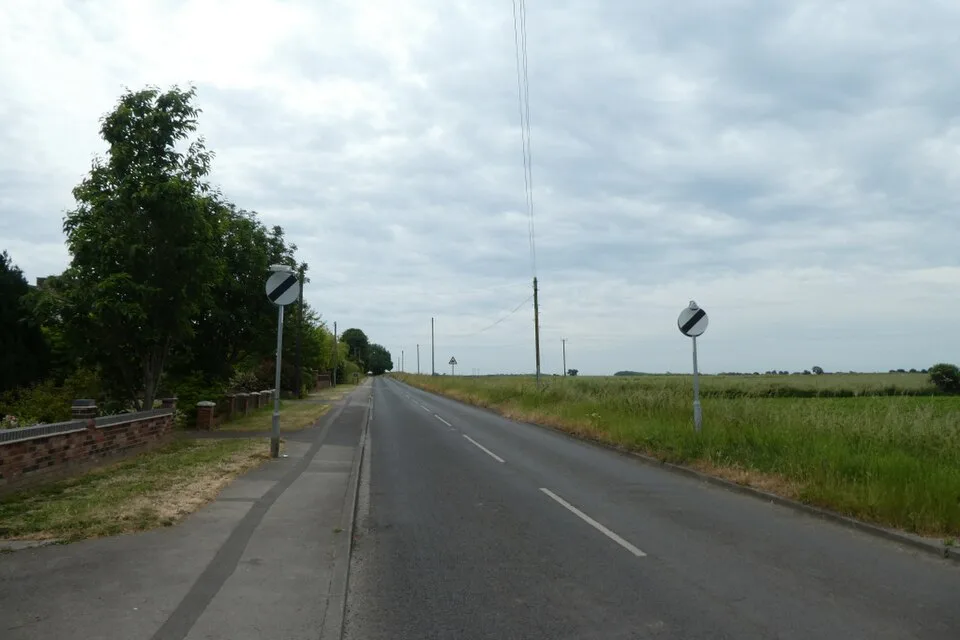
A red-ringed circle with a number is a limit in mph. A white circle with a black diagonal stripe is the national speed limit sign. It does not mean 70 mph everywhere. It means 60 mph on a single carriageway and 70 mph on a dual carriageway or motorway, for a car.
In towns, a road with street lights is 30 mph unless signs say otherwise. Repeater signs are often absent, so the lamp posts are your cue. Look for a sign first, then lamp posts, then the type of road. Lower limits near schools, bends and villages are common even on A-roads.
- Is there a red-ringed number sign? That is the limit.
- Are there street lights along the road? Assume 30 mph, or 20 mph in Wales.
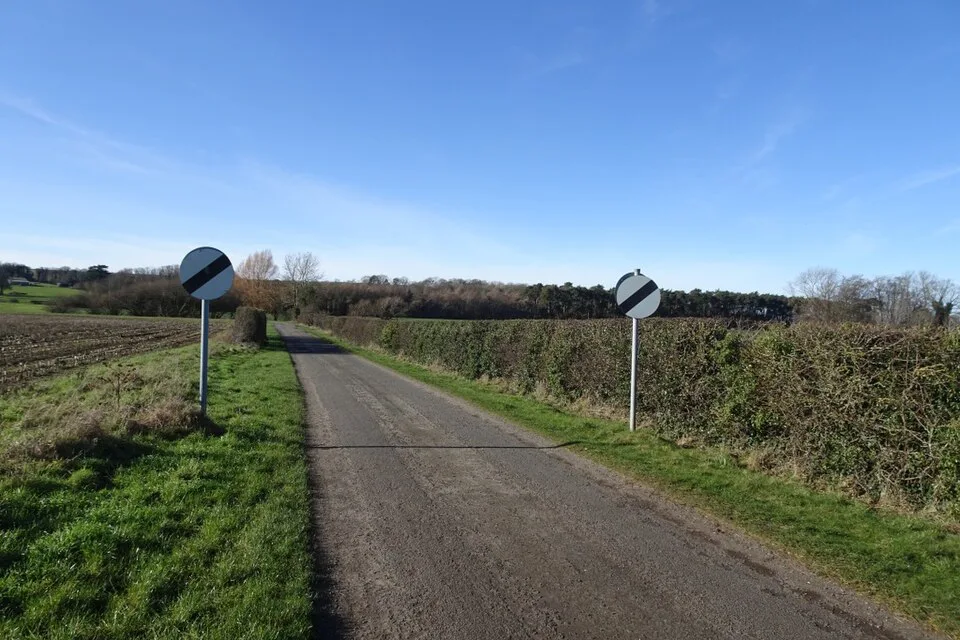
- Do you see the white circle with a black stripe? Work out whether the road is a single or dual carriageway.
- Are you towing, or driving a van or motorhome? Use the vehicle limits below.
- Which nation are you in? Wales has a different built-up default.
Speed Limit Differences by UK Nation
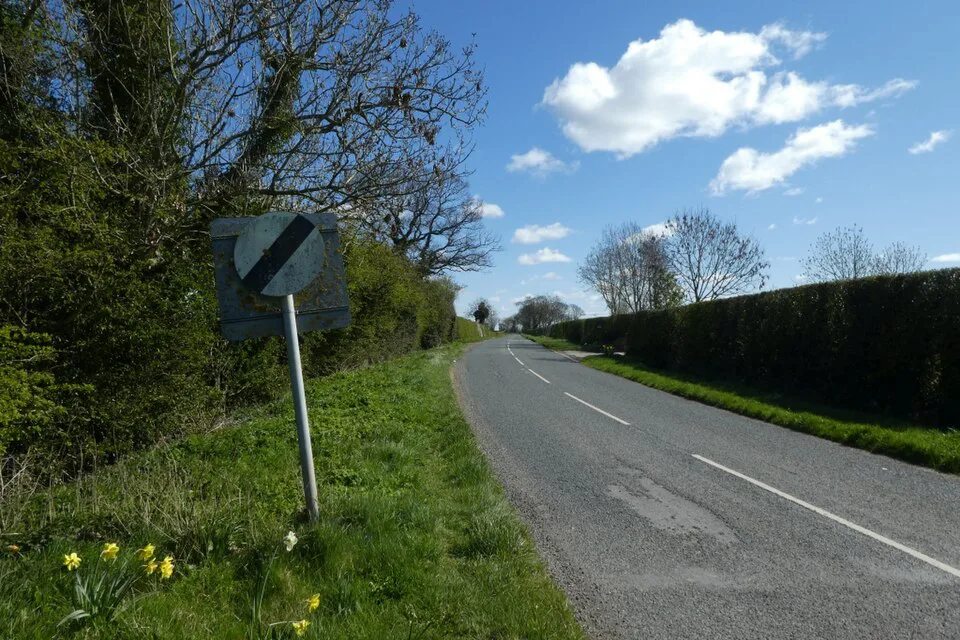
England, Scotland and Northern Ireland share the same headline limits: 30 mph in built-up areas, 60 mph on single carriageways and 70 mph on dual carriageways and motorways. Local councils add 20 mph zones, especially near schools and in city centres, so keep watching for signs. Wales changed its default in September 2023, so most restricted roads with street lights are now 20 mph. Some councils have since restored 30 mph on selected roads, so a Welsh town can switch between 20 and 30 mph within a short drive. If you also plan a route across the border, read our guide to Driving in England: Rules, Rentals and Tips for Visitors.
| Nation | Built-up default (cars) | Open-road limits |
|---|---|---|
| England | 30 mph, with local 20 mph zones | 60 / 70 / 70 mph |
| Scotland | 30 mph, with local 20 mph zones | 60 / 70 / 70 mph |
| Wales | 20 mph, with some roads reset to 30 mph | 60 / 70 / 70 mph |
| Northern Ireland | 30 mph, with local 20 mph zones | 60 / 70 / 70 mph |
Limits for Vans, Towing and Larger Rental Vehicles
Limits drop when the vehicle gets bigger. A van up to 7.5 tonnes is limited to 50 mph on single carriageways and 60 mph on dual carriageways. A small car-derived van, up to 2 tonnes laden, follows car limits. Towing a caravan or trailer usually caps you at 50 mph on a single carriageway and 60 mph on dual carriageways and motorways. Large campervans and motorhomes can fall under the lower limits too, depending on weight. Ask the rental desk which category your vehicle sits in, and read the vehicle table on GOV.UK. Our UK car rental guide covers choosing a vehicle size.
Smart Motorways and Speed Cameras
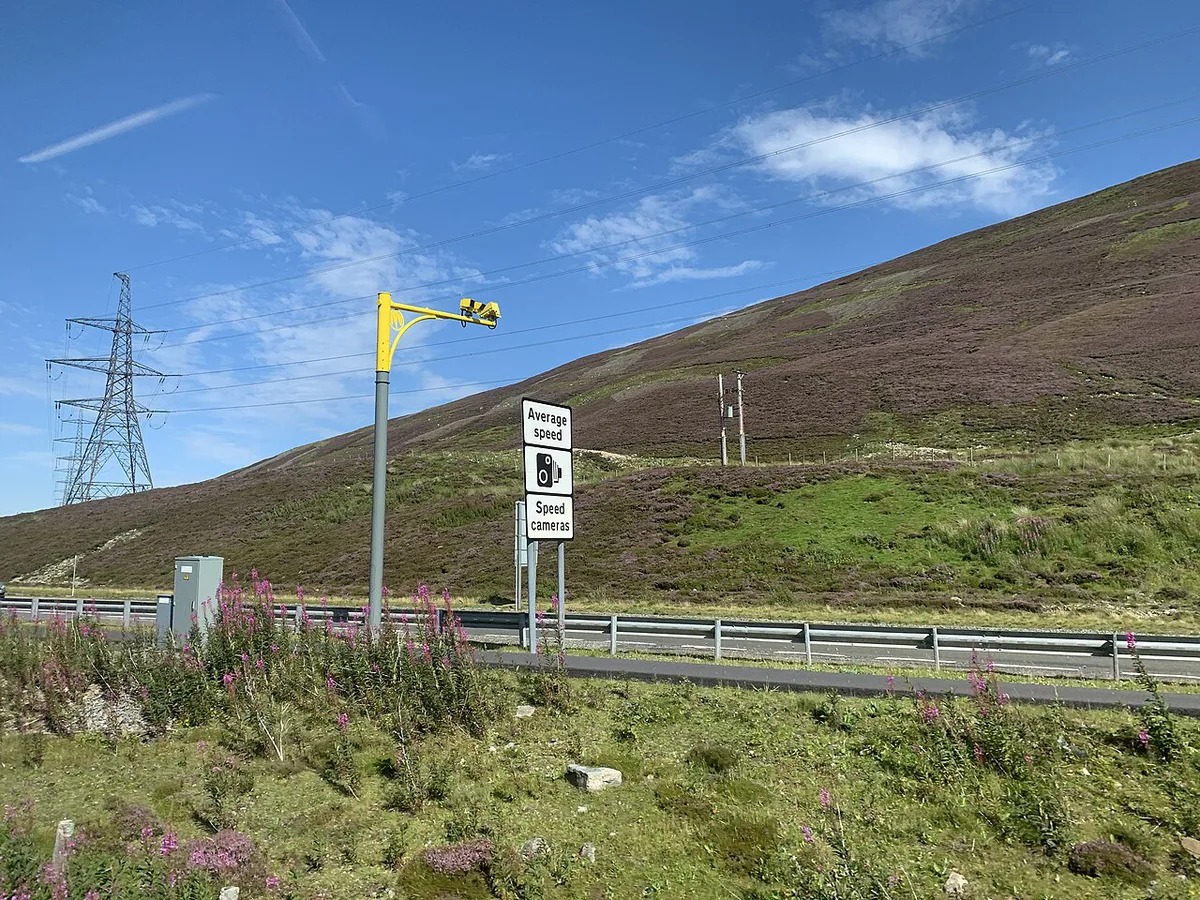
Some motorways display variable limits on overhead gantries, often 60, 50 or 40 mph. A limit in a red circle on a gantry is mandatory, and cameras enforce it. Live roadworks and incident information is on the National Highways travel updates page. Fixed cameras, average-speed cameras and mobile camera vans are all used. Average-speed systems measure your time between two points, so braking just before one camera does not help. Roadworks often carry a lower limit, such as 50 mph, with cameras. Slow down as soon as you see the sign. Expect more charges in cities, so see our notes on UK toll roads and the Dartford Crossing: Charge, Hours & How to Pay (Dart Charge Guide).
Roadworks can carry a lower limit, such as 50 mph, which matches the single-carriageway ceiling for vans up to 7.5 tonnes.
Penalties for Speeding, in Brief
The minimum penalty is a £100 fine and 3 penalty points, according to GOV.UK's speeding penalties page. Some drivers are offered a speed awareness course instead, if they have not attended one in the past 3 years. Serious cases go to court, where the fine is usually a percentage of weekly income up to £1,000, or £2,500 on a motorway, and more points or a ban can follow. For visitors, notices can follow a rental car back to the company, which may pass your details on and charge an admin fee. Ask your rental company how it handles this before you drive away. US drivers should also read our guide to driving in the UK with a US license, and learn the drink-driving limit in England, which is another rule that catches visitors.
Why the Limit Isn't Always the Safe Speed on Country Roads
A 60 mph sign on a rural single carriageway is a ceiling, not a target. Hedged bends, single-track lanes, livestock and cyclists can make 60 mph unsafe, even where the law allows it. Slow down on blind corners and be ready to stop within half of the visible road. Steep, narrow routes such as Hardknott Pass: How to Drive It Safely (Tips & Alternatives) and the Snake Pass Driving Guide: Route, Closures & Tips demand far lower speeds than any limit sign suggests. The lanes on a Cotswolds Drive: Routes, Tips and Driving on the Left reward the same caution. If you are planning a longer trip, our England Road Trip: Routes, Driving Tips & Planning guide shows how to pace the miles.
Tips for Visiting Drivers
Most visitor tickets come from a few repeat mistakes. Reading the dial as km/h is the first. Missing the Welsh 20 mph default is the second. Assuming the national speed limit sign means 70 mph on every road is the third. Driving at the full limit on a bendy 60 mph road is the fourth. Set your navigation app to mph before you leave the rental car park. London adds other costs, so check Driving in London: Charges, Parking and Whether to Drive, the ULEZ rules and the congestion charge before you head in. If you are renting in England, this England rental guide covers the pickup basics.
Rental companies may pass notices on and charge an admin fee, on top of the £100 minimum fine and 3 penalty points.
Frequently Asked Questions
Can I go 10% over the speed limit in the UK?
No. The limit is the legal maximum, and there is no legal allowance above it. Police may apply their own enforcement thresholds, but you should not rely on them.
Will I get a ticket for doing 74 in a 70?
You could, because 74 mph is over the limit. Whether you are pursued depends on the police and the camera's settings. Treat the posted number as the maximum.
What are the speed limits for vans in the UK?
Vans up to 7.5 tonnes are limited to 30 mph in built-up areas, 50 mph on single carriageways and 60 mph on dual carriageways. On motorways the limit is 70 mph, or 60 mph if towing. Car-derived vans follow car limits.
Road-rule changes worth knowing
Optional updates to our guides.
You might also like

Continue reading
More guides you'll find useful