
Driving in England: Rules, Rentals and Tips for Visitors
Visiting England by car? Learn the left-hand rules, licence and rental basics, London charges and when the train beats driving.
On this page
Last updated November 2026: driving in England means keeping to the left, giving way to the right at roundabouts and respecting a national speed limit system that signs only show by exception. Most visitors can drive on a valid home licence, but rental desks set their own rules. Skip the car in London and use it for the Cotswolds, the Lake District, the Peak District and Cornwall. For Scotland, Wales and Northern Ireland, start with our UK-wide driving guide.
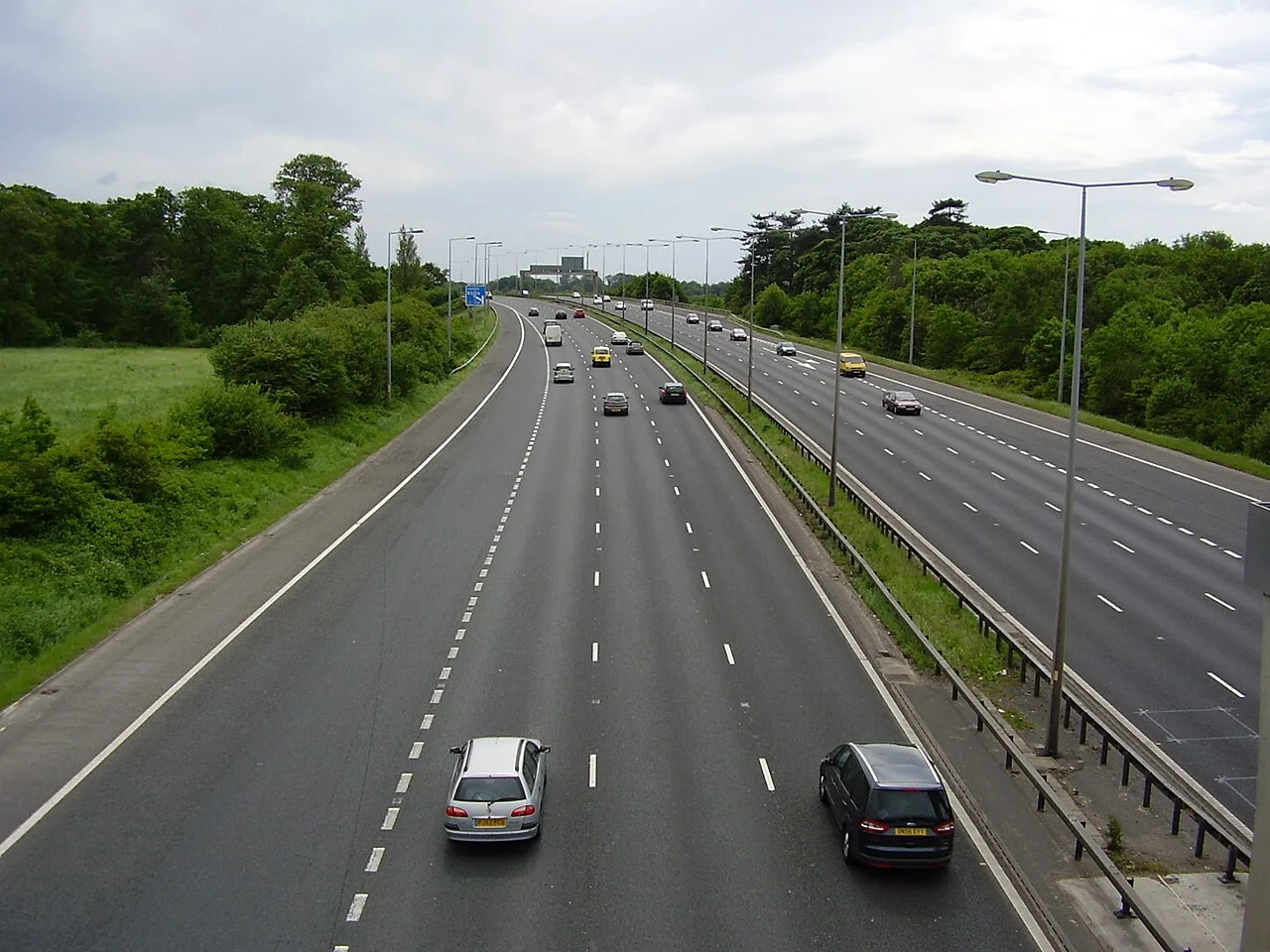
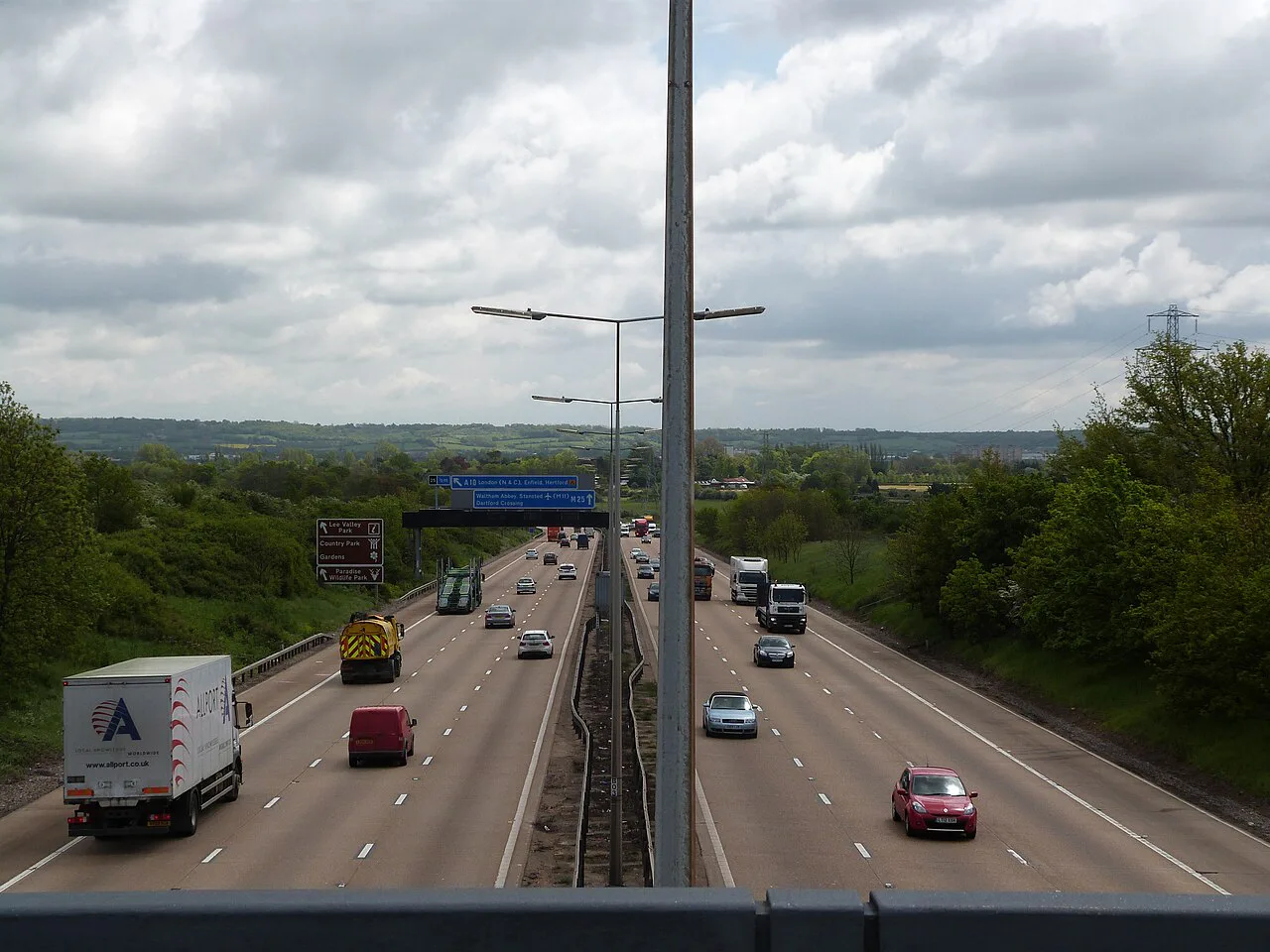
Featured image: Beejaypii, Public domain, via Wikimedia Commons.
Do you need an IDP or a special licence?
Many visitors can drive in England on a full licence from their home country. Rules depend on where the licence was issued and how long you stay, so read the GOV.UK driving guidance for visitors before you fly. An International Driving Permit (IDP) is a translation of your licence. It is not a separate licence, and it never replaces your home card. Some rental desks ask for one even when the law does not. Keep three things apart: what the law requires, what the rental company requires and what your insurer accepts. Americans can find the detail in our guide to driving with a US licence.
Should you drive in England? A decision table
England is compact, and its rail network reaches most cities. The right choice depends on your itinerary rather than on confidence behind the wheel. Use this table as a first filter.
| Trip type | Best option | Why |
|---|---|---|
| London only | Do not drive | Charging zones, scarce parking and fast Tube and bus links |
| London plus a rail-served city such as York or Bath | Train | City centres punish cars with parking costs and restricted streets |
| Cotswolds, Lake District, Peak District or Cornwall | Drive | Villages, trailheads and viewpoints sit far from stations |
| Multi-region road trip | Drive, with park-and-ride in cities | You keep flexibility and avoid city-centre driving |
Rules of the road that matter most
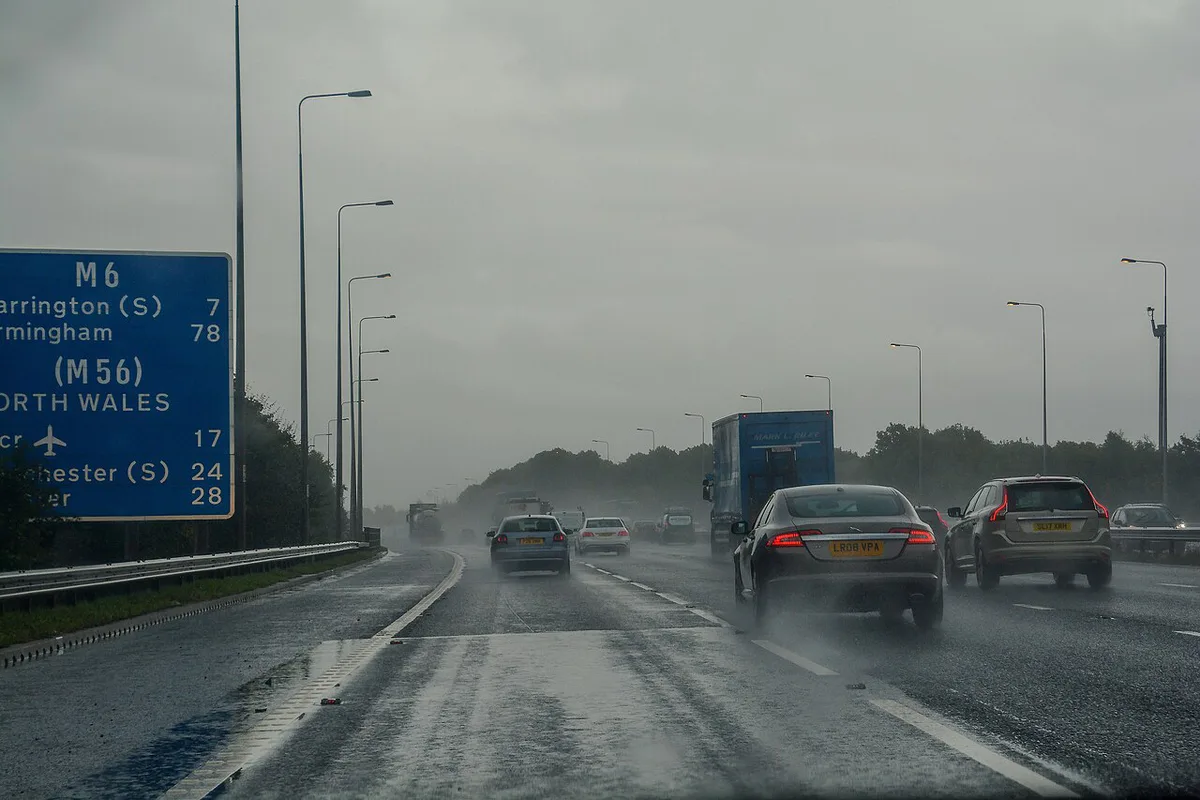
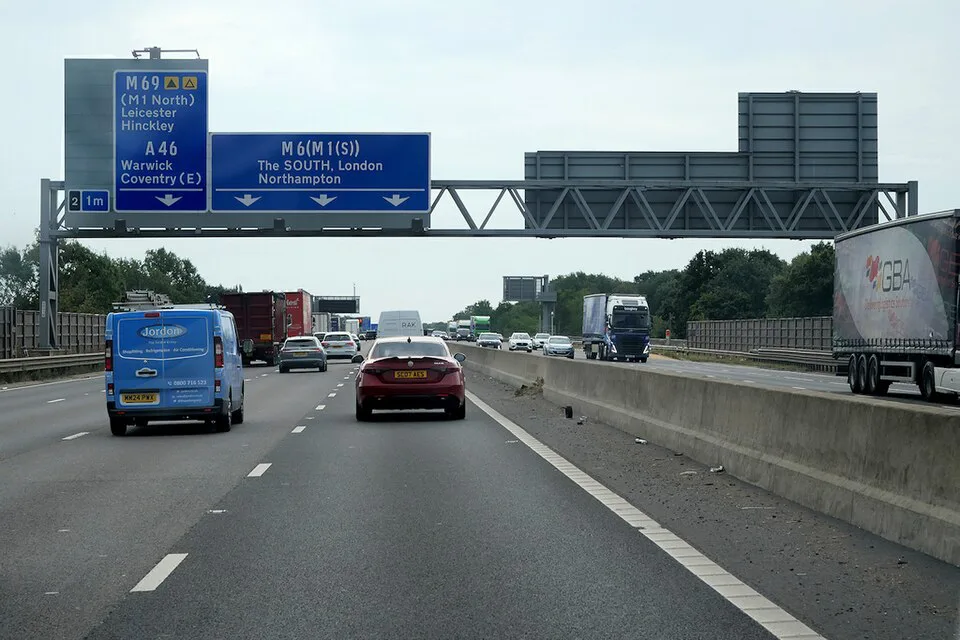
Drive on the left, overtake on the right and keep the driver's seat close to the centre line. Single carriageways carry a 60 mph limit, and dual carriageways and motorways allow 70 mph. Built-up areas with street lights are usually 30 mph, though many councils now post lower limits. Our UK speed limit guide covers the signs in detail. The legal alcohol limit in England is 80 mg per 100 ml of blood. Scotland sets a lower limit of 50 mg, so do not carry English habits north. Read more at England's drink-drive limit. Seat belts are compulsory. Using a handheld phone at the wheel is illegal. The official Highway Code on GOV.UK is the authority for everything else.
Heading north changes the drink-drive rule: Scotland sets a lower limit of 50 mg, against England's 80 mg. Start with the UK-wide guide for those routes.
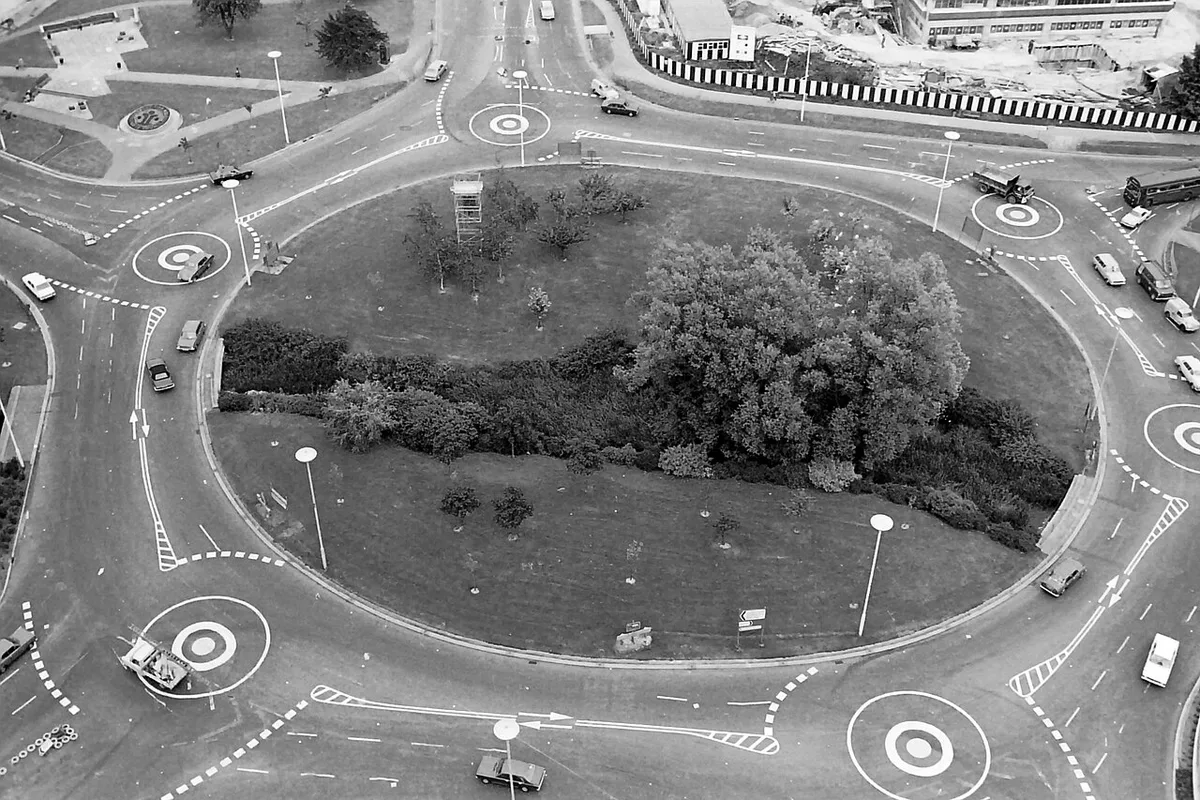
- Roundabouts: give way to traffic already on the circle, which comes from your right. Signal left when leaving.
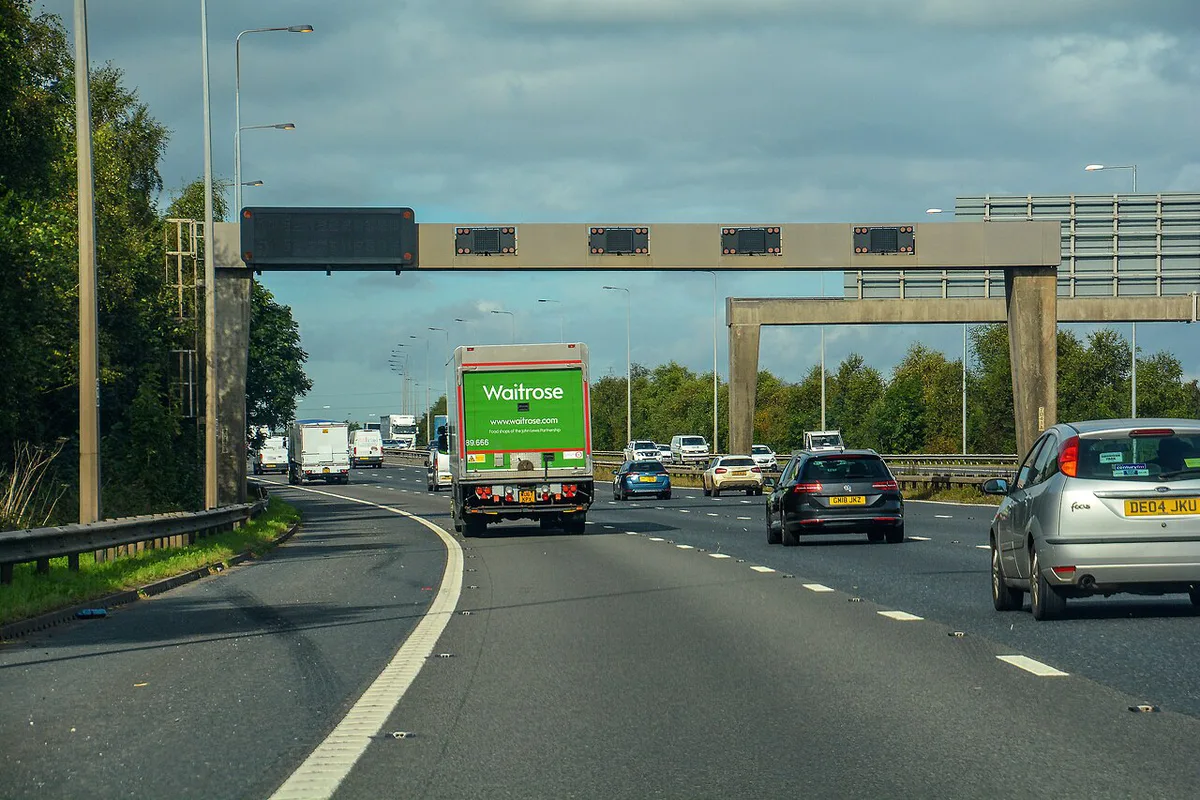
- Motorways: stay in the left lane unless overtaking, then move back.
- Common slips for visitors: turning into the right-hand lane after a junction, and pulling out of car parks on the wrong side. Late-day fatigue makes both worse.
- Bus lanes and parking: read the sign plates for hours, because rules vary by street.
Renting a car in England
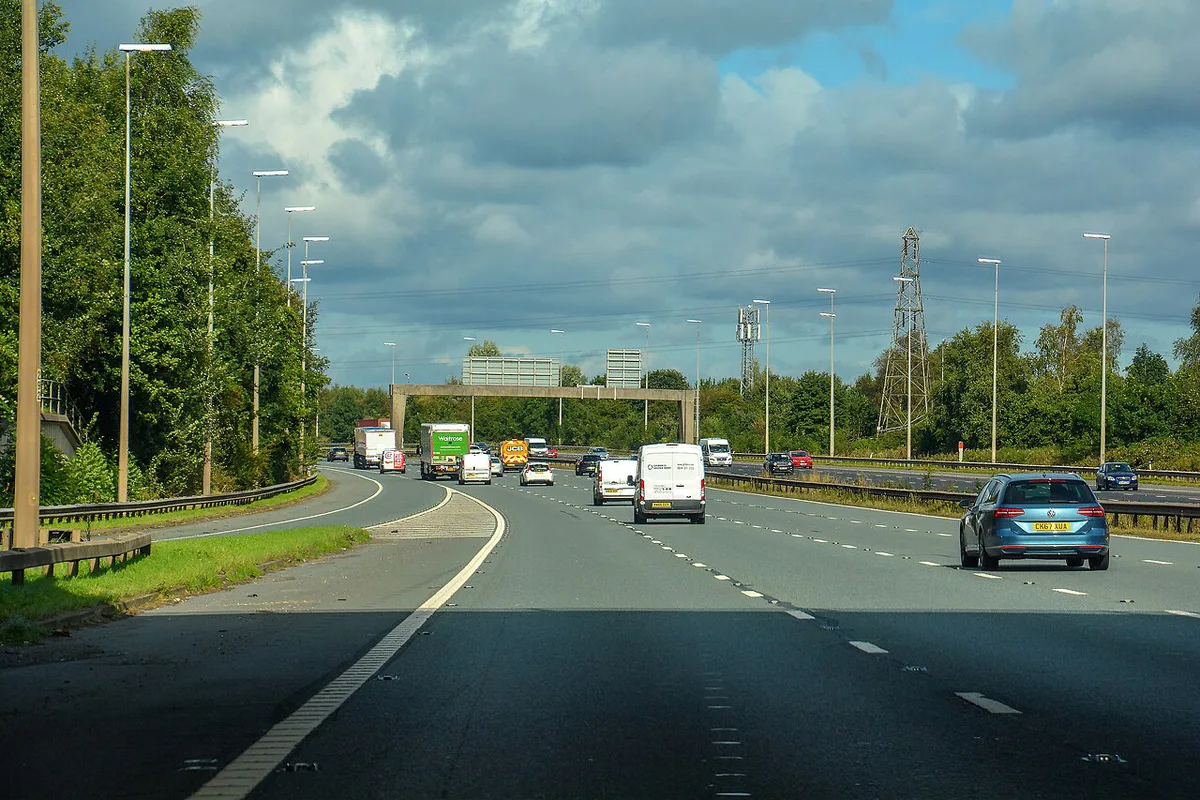
Pick up outside London if you can. Airport and regional depots are easier to leave than city-centre branches, and you skip the charging zones on day one. Most rental companies set a minimum driver age of 21, and drivers under 25 may pay extra. Check the surcharge before you book. Book an automatic if you normally drive one. Left-hand traffic is hard enough without shifting with your left hand. Rental insurance usually carries an excess, which is the amount you pay if the car is damaged. Compare that figure along with the daily rate. Ask each company whether you can take the car on a ferry or into Ireland, because many forbid it. Our England car rental guide goes deeper. For UK-wide comparisons, read Renting a Car in the UK: Costs, Rules & Mistakes.
London: charges and why most visitors should not drive
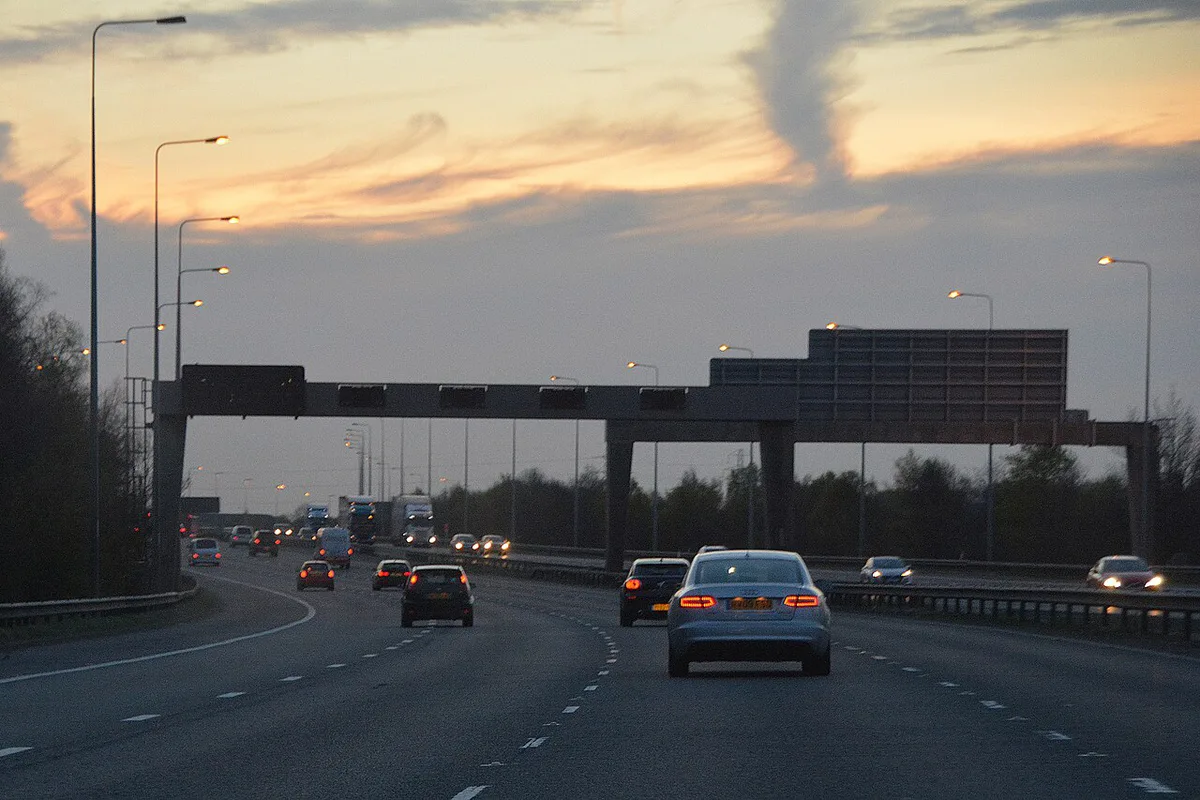
Central London charges drivers to enter, and the Ultra Low Emission Zone covers a wide area beyond the centre. Charge levels and hours change, so use the official Transport for London pages for the current rate. Our guides explain each scheme: the Congestion Charge, the ULEZ and Driving in London: Charges, Parking and Whether to Drive. If you hire a car for the countryside, collect it on your way out of the city, not when you land.
Tolls, crossings and payments
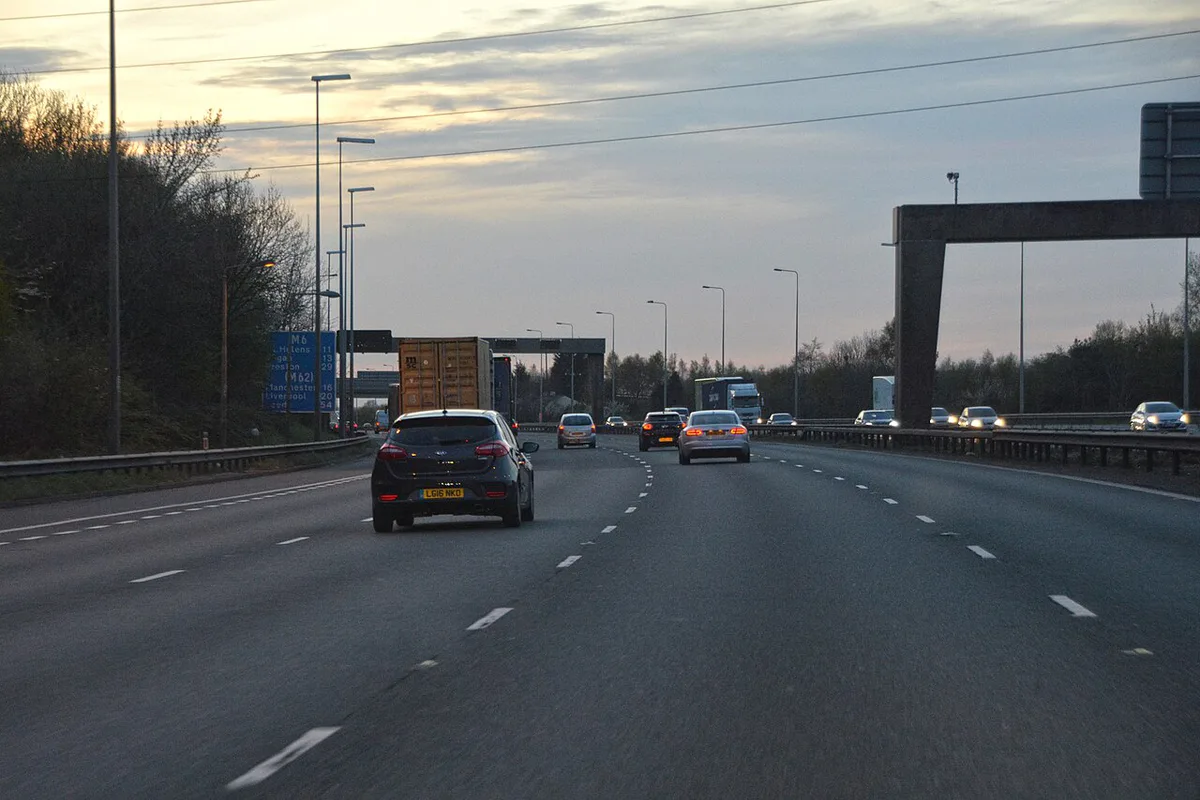
Most English roads are free. Exceptions include the Dartford Crossing east of London, which you pay for online rather than at a booth. Missing the payment brings a penalty, so pay on or before your crossing. Our Dartford Crossing guide explains how. The M6 Toll is a paid alternative to the congested M6 near Birmingham. Read about other payment points in UK toll roads.
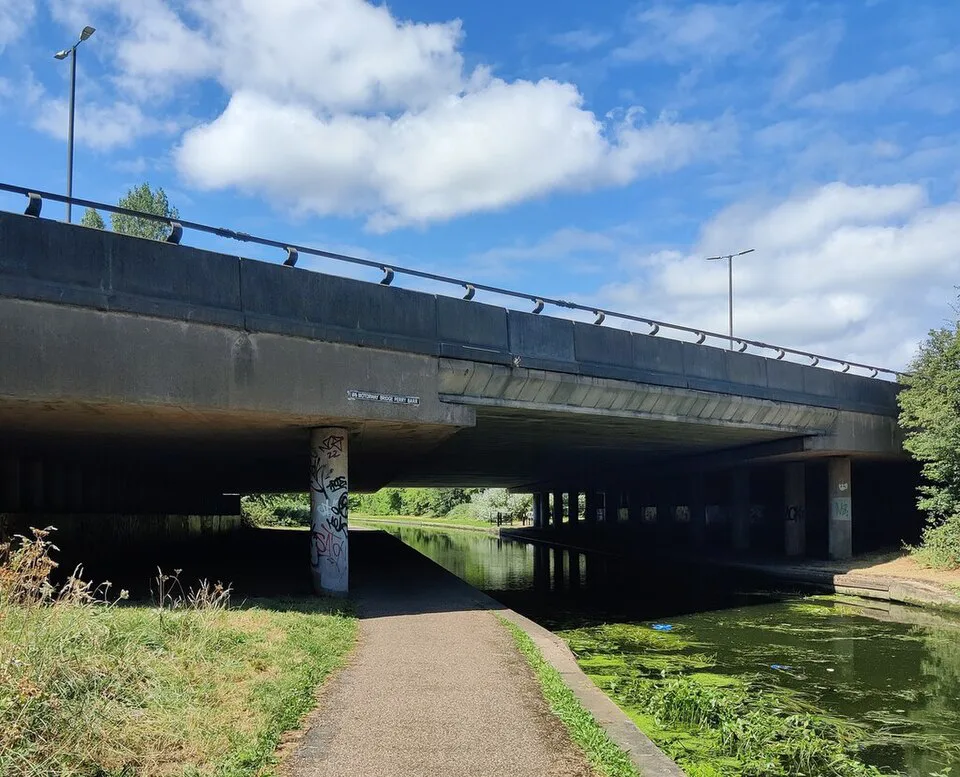
Rural and scenic driving in England
Country lanes are often single-track, with hedges or stone walls on both sides and passing places at intervals. A national speed limit sign allows 60 mph on a single carriageway, which is far too fast for a lane like this. Pull into a passing place on your left, or stop opposite one on your right, and let oncoming traffic pass. Slow down for blind bends and wave a thank-you. Check National Highways traffic information before long motorway legs. Some roads change the plan. Hardknott Pass: How to Drive It Safely (Tips & Alternatives) in the Lake District is steep and narrow, so do not rely on satnav alone. Snake Pass Driving Guide: Route, Closures & Tips crosses the Peak District, where weather can close it. Derbyshire County Council posts its roadworks and travel updates. For a gentle first drive, try the Cotswolds Drive: Routes, Tips and Driving on the Left. The Cotswolds National Landscape site has visitor information. A longer plan is in our England road trip route.
Parking, fuel and breakdowns
Double yellow lines mean no parking at any time. Single yellow lines restrict parking at set hours shown on nearby signs. Resident bays are reserved for permit holders, and many car parks use pay-and-display machines or phone apps. Check which fuel your rental takes before you fill up. Petrol is unleaded, and diesel is a separate pump, so a wrong fill is costly. Electric charging networks are widespread, but carry a payment card that works at several. In an emergency, dial 999 or 112. Both numbers reach the same service.
Costs, time and planning
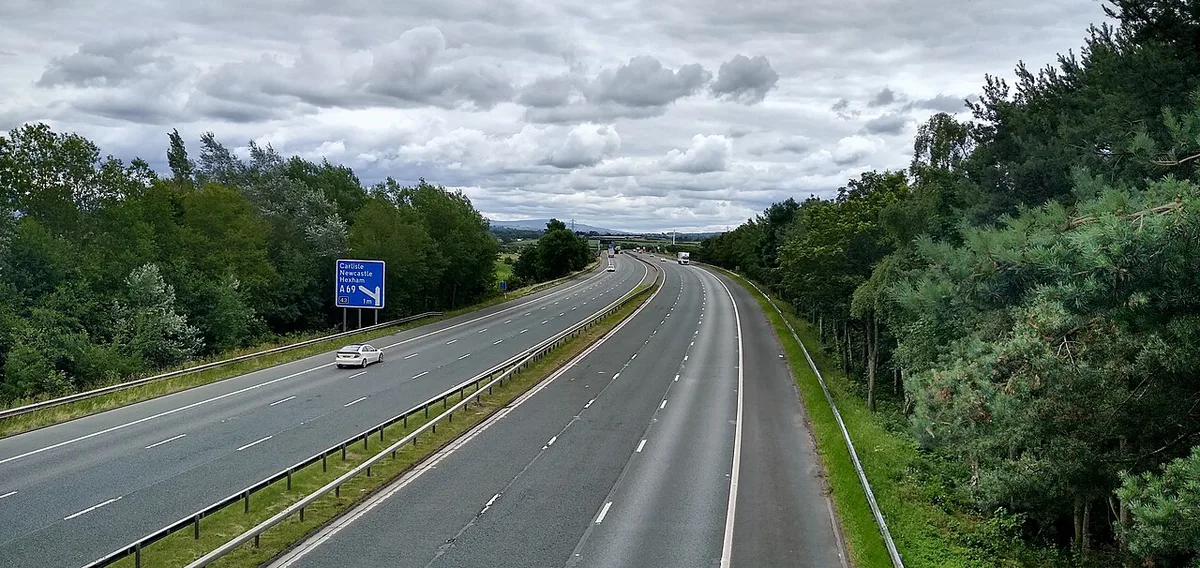
Motorways are quicker than A-roads but less scenic. Build slack into rural days, because lanes, farm vehicles and photo stops slow you down. Add fuel, parking and any charging-zone fees to your budget and compare the total with rail fares for the same legs. Rest every couple of hours, especially after a long-haul flight.
Rental drivers under 25 may pay extra, so add that surcharge to fuel, parking and charging fees before comparing with rail fares.
Mistakes to avoid
These errors cause most visitor problems on English roads.
- Driving into London by default.
- Missing the Dartford Crossing payment.
- Over-planning drive time on narrow rural roads.
- Trusting satnav on steep passes.
- Ignoring your rental insurance excess.
- Starting a long drive right after an overnight flight.
Frequently Asked Questions
Is the UK left or right hand drive?
The UK drives on the left, and England is no exception. Steering wheels sit on the right in most cars.
What is the 2 second rule in driving in the UK?
It is a minimum gap between you and the vehicle ahead in good conditions. The Highway Code advises at least a two-second gap, and more in rain or ice.
Road-rule changes worth knowing
Optional updates to our guides.
You might also like

Continue reading
More guides you'll find useful