
England Road Trip: Routes, Driving Tips & Planning
Plan an England road trip with route options, driving tips for visitors, car hire advice, and trade-offs by trip length.
On this page
Last updated November 2026. The best england road trip for most first-time visitors is a one-week loop west of London through Bath and the Cotswolds, with the car collected after the city days. Drivers who want mountains can swap that for the Lake District or the Peak District. Below you get route options, a comparison table, and the self-drive rules that packaged tour pages skip.
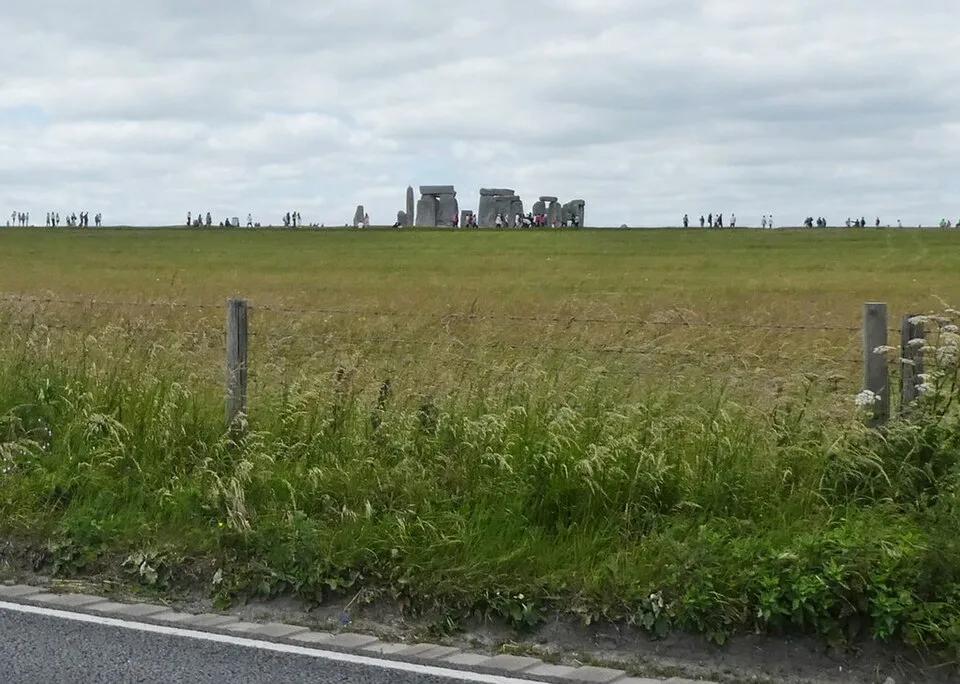
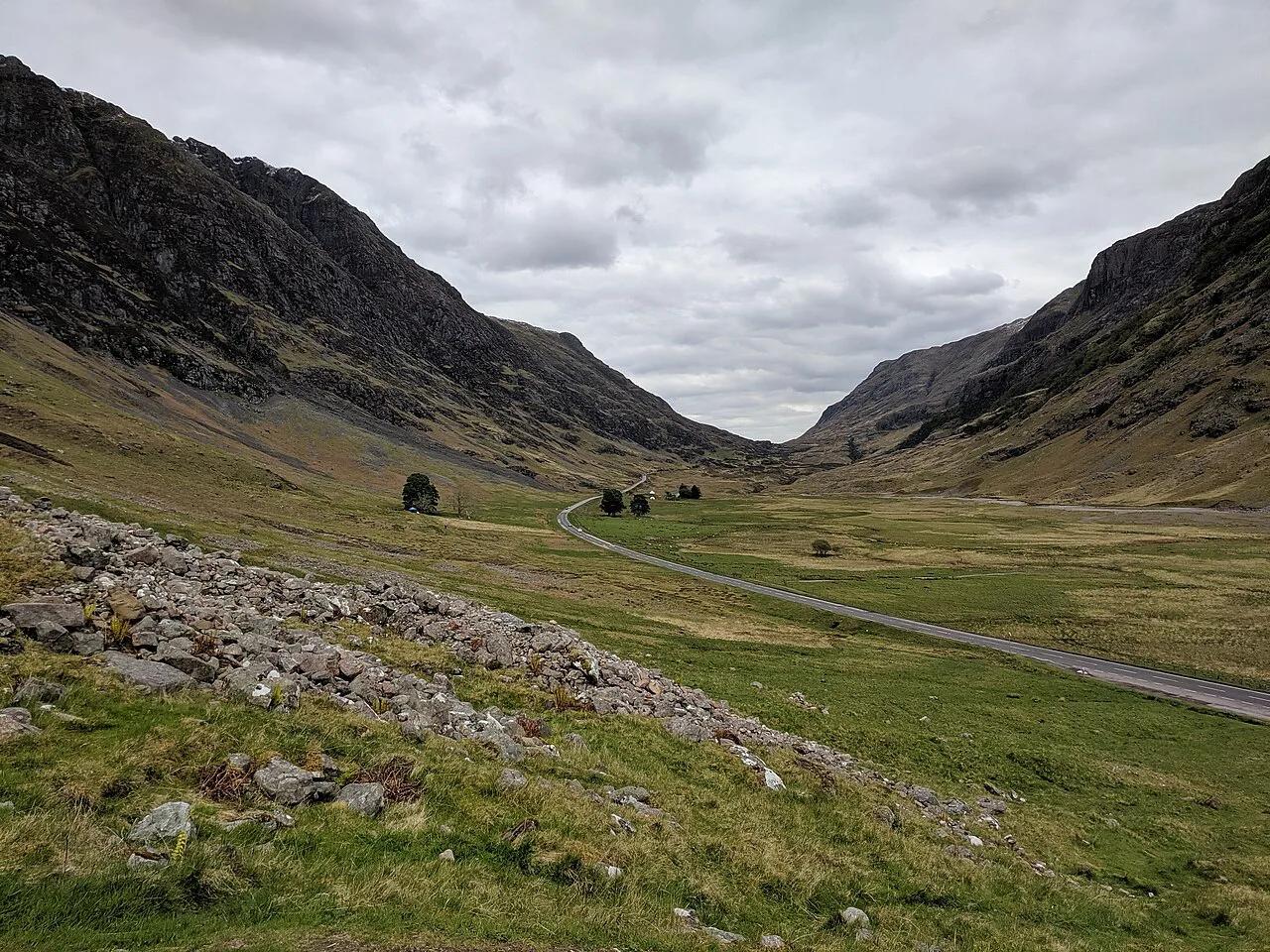
Featured image: Roger Cornfoot, CC BY-SA 2.0, via Wikimedia Commons.
England Road Trip Routes at a Glance
Three routes cover most visitors' needs. Each starts from a different base and suits a different driver. Drive times between stops vary with traffic, so check each leg in a mapping app and on National Highways before you set off. Prices and hours checked November 2026.
| Route | Suggested days | Driving load | Car dependence | Best for |
|---|---|---|---|---|
| London, Bath and the Cotswolds | 5 to 7 | Moderate: motorway out, lanes between villages | High once you leave Bath | First-timers and village hoppers |
| Lake District loop | 4 to 5 | Heavy on the M6, slow on mountain roads | Very high | Confident drivers who want hills and lakes |
| Peak District circuit | 3 to 4 | Light to moderate | High | Short breaks and walkers |
How Many Days Do You Need for an England Road Trip?
Seven days is the point where England stops being London with day trips and becomes a drive. A one-week plan usually gives two nights in the capital, then five nights spread across two or three bases. Three days works for one region only. Five days suits one route plus a single city. Ten days or more lets you link two routes, such as the west country and the Lake District, without driving every day. A tight itinerary packs in more stops. A slower one, with two nights in the same village, usually leaves more time to enjoy each place.
England Road Trip Route Options
Pick the route by the kind of driving you want, not only by the sights. Each option below names its stops, its driving load, and one caution.
An 8-day, 6-stop package self-drive sits one day past the seven-day point where England becomes a drive.
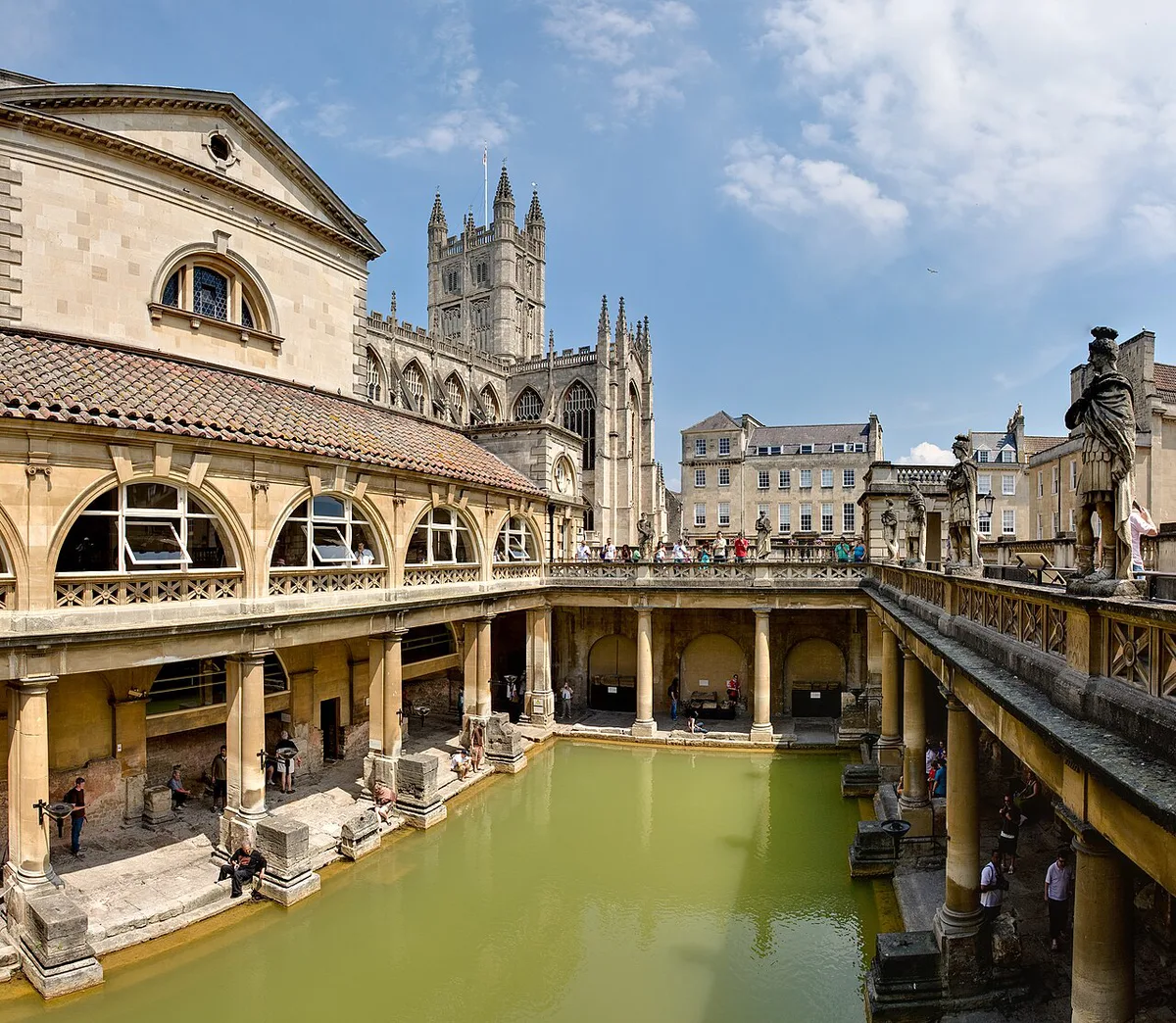
- London, Bath and the Cotswolds: Windsor, Oxford, a Cotswolds base, Stratford-upon-Avon, Bath and Stonehenge. This is the easiest start for visitors. Take the M4 west and the A303 toward Stonehenge. Caution: the lanes between villages are narrow, so allow extra time. Our Cotswolds driving guide covers them.
- Historic cities loop: Bath, Cheltenham, Stratford-upon-Avon, Nottingham, York and Cambridge. Package operators sell this as an 8-day, 6-stop self-drive. It mixes motorway and A-road miles. Caution: York, Bath and Cambridge are poor places to keep a car, so park on the edge and walk.
- Lake District: use the M6 north, then switch to slow mountain roads. Best for confident drivers. Caution: weekend and holiday traffic on the M6 can add long delays. Read the Hardknott Pass guide before you plan a pass crossing.
- Peak District: a compact circuit with the Snake Pass as its best-known road. It suits a three or four-day break from the Midlands. Caution: roadworks and closures change from week to week, so check Derbyshire's roadworks and travel page. The Snake Pass guide explains the road itself.

Driving in England as a Visitor
Traffic keeps left, and the driver sits on the right. Roundabouts run clockwise, and you give way to traffic already on the circle from your right. Motorways such as the M4, M5 and M6 are the fastest links between regions. A-roads like the A303 are slower and include junctions and towns. B-roads, such as the B4081 through Chipping Campden, are the scenic option. Our England driving guide covers the basics in more depth. The UK driving overview adds the wider rules. Limits change by road type, and our UK speed limit guide lists them. The official Highway Code is the legal reference. Drink-driving limits are lower than many visitors expect, so read the England drink-driving limit guide before dinner stops. Most routes avoid tolls, but the Dartford Crossing: Charge, Hours & How to Pay (Dart Charge Guide) charges east of London. Our UK toll roads guide lists the rest, including the M6 Toll bypass north of Birmingham.
Car Hire and License Basics
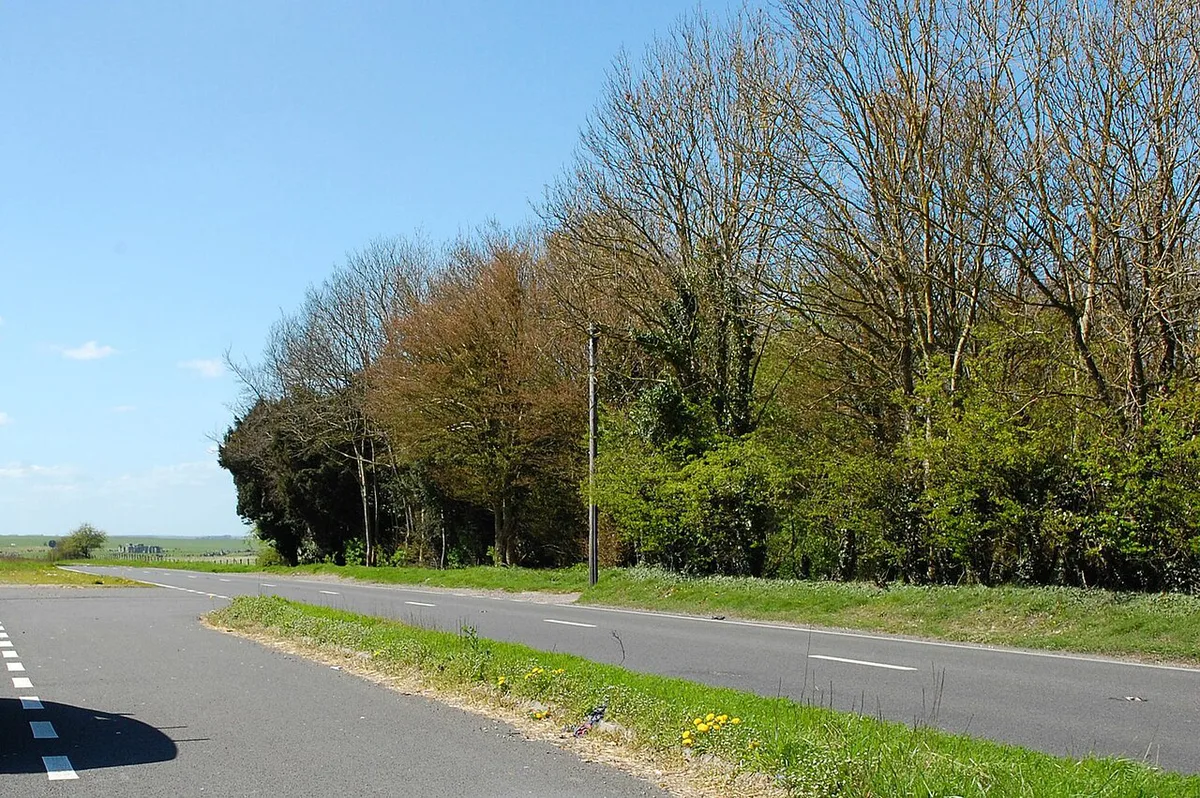
Book an automatic if you are not used to a manual gearbox. Left-side driving is hard enough without a stick shift in your left hand. Our England car hire guide covers pick-up and insurance choices. For wider options, see the UK car rental guide. US drivers should read the guide to driving with a US license for the current permit rules. Choose a small car if you plan to use Cotswolds lanes. Pick up outside the city centers to avoid starting your trip in London traffic.
Cities, Parking, and Charges
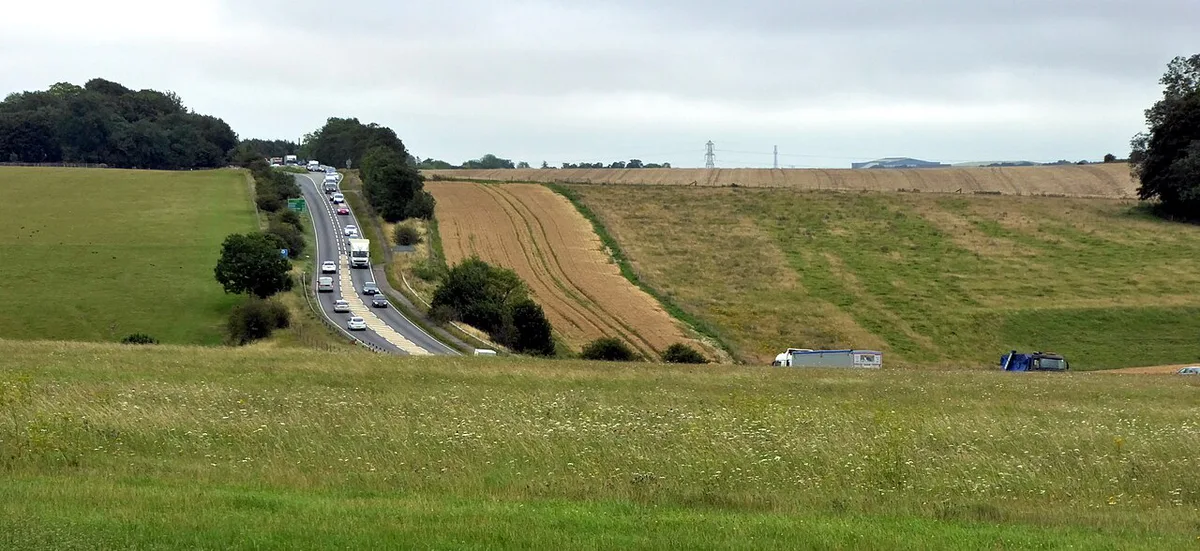
London, Bath, York and Cambridge are better visited on foot or by train. Collect the car after the city days, not before. Central London adds charges, and our London Congestion Charge guide explains the zone. The ULEZ guide covers the emissions zone. If you must drive in the capital, read our London driving guide first. A mixed plan works well. Take the train between big cities, then hire a car for the Cotswolds, Lake District or Peak District. Driving between cities makes sense only when your stops are in villages with parking.
Scenic and Challenging Roads
Cotswolds lanes reward a slow pace and a small car. The Cotswolds National Landscape site is a useful starting point for walks and villages. The Lake District's Hardknott Pass and the Peak District's Snake Pass are better for confident drivers. Nervous drivers should skip them and stay on main A-roads. Passing places, sheep and stone walls make narrow roads tiring, so plan shorter days. A stop at Chipping Campden on the B4081 is worth about 40 minutes.
England Road Trip Costs and Budget
Hire, fuel, parking, city charges and attraction tickets drive the budget. Hire is usually the largest single cost, and an automatic often costs more than a manual. Fuel adds up fastest on the M6 route north. Parking is cheap or free in many villages but costly in historic centers. Charges such as the Dartford Crossing or London zones are small but easy to forget. Check current fuel prices at pump signs and ticket prices on each venue's own site. Travel by train between big cities if you want to cut parking and charge costs.
Best Time to Go
Late spring and early autumn give long enough daylight and fewer crowds than midsummer. School holidays and weekends fill the Lake District and the Cotswolds quickly. Winter days are short, and mountain roads may close or need care in bad weather. A winter trip suits city-based routes better than the Lake District. Check the Met Office forecast and National Highways updates before each driving day. The National Highways journey planner lists live motorway incidents.
Where to Stay on a Road Trip
Stay in towns or villages with on-site parking. Avoid central city hotels that charge for parking or have none. In Bath, York and Cambridge, choose a hotel on the edge or a park-and-ride option. In the Cotswolds, book a village base for two nights and day-trip by car. Lake District hotels often include parking, but ask when booking.
Common Mistakes on an England Road Trip
A short checklist can save a trip.
- Collecting the car at the airport and driving into London on day one.
- Booking a manual when you are used to an automatic.
- Assuming every B-road is quick, or that a satnav time includes parking.
- Skipping roadworks and weather checks before mountain passes.
- Packing too many stops into five days.
Frequently Asked Questions
How many days are sufficient for a UK trip?
Seven days is enough for a single England road trip, such as London plus Bath and the Cotswolds. Add three or more days to include the Lake District or the Peak District. Allow two nights in each base so you are not driving daily.
What not to do in London as an American?
Do not hire a car for your London days. Congestion and emissions charges, limited parking and left-side driving make the city hard on a first visit. Use the Tube and trains, then collect the car when you leave.
Road-rule changes worth knowing
Optional updates to our guides.
You might also like

Continue reading
More guides you'll find useful