Parking in Switzerland: Blue Zones, Discs, Fines & Rules
How parking in Switzerland works: blue-zone discs, white and paid bays, no-stopping signs, pavement rules and what fixed-penalty fines can cost.
On this page
Last updated November 2026: parking in Switzerland runs on colour-coded bays, and the signs on the spot override any general rule. Blue bays need a parking disc, white bays follow their posted conditions, and yellow bays are reserved for particular users. For wider road rules, start with our Switzerland driving guide.
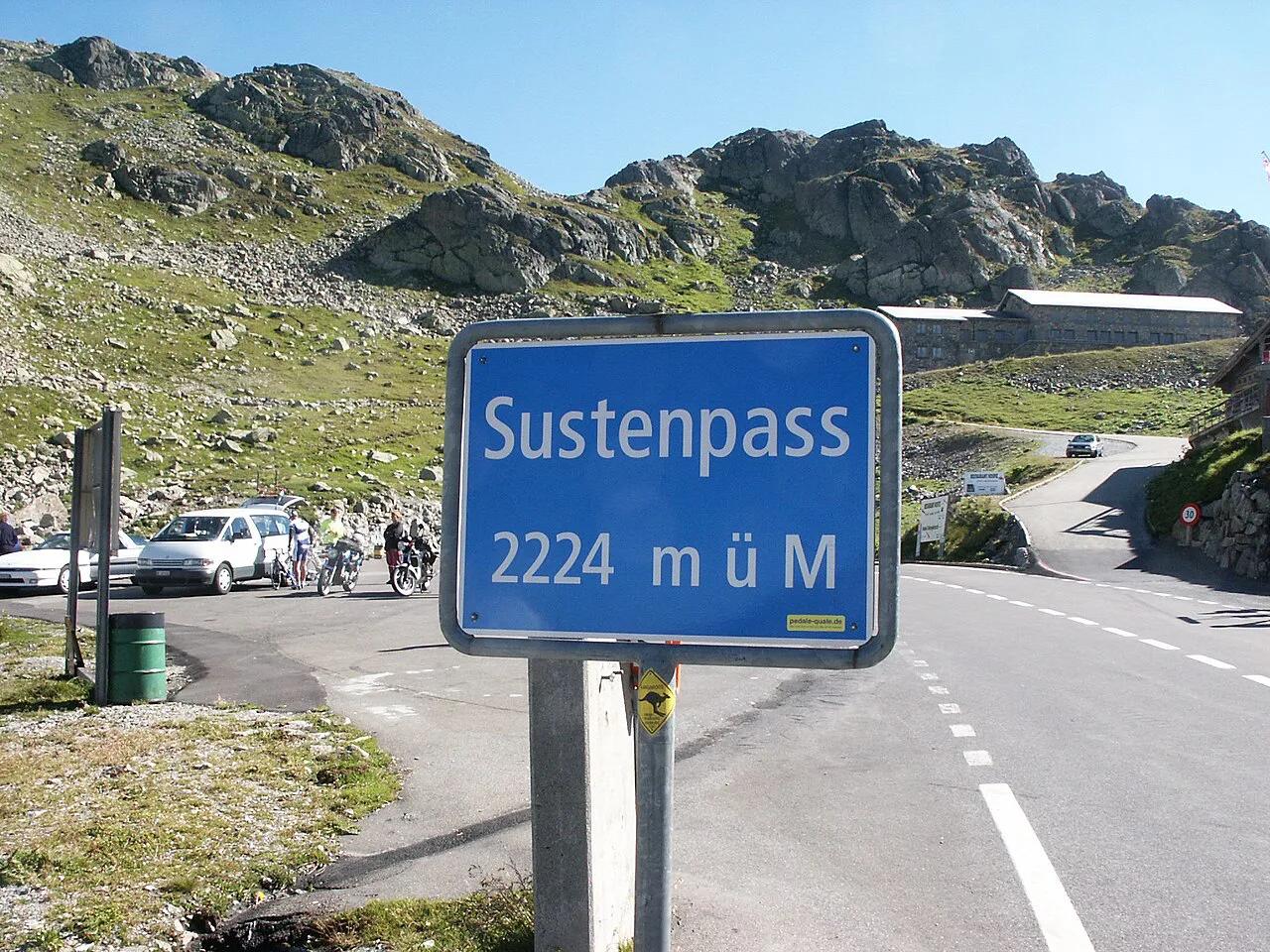
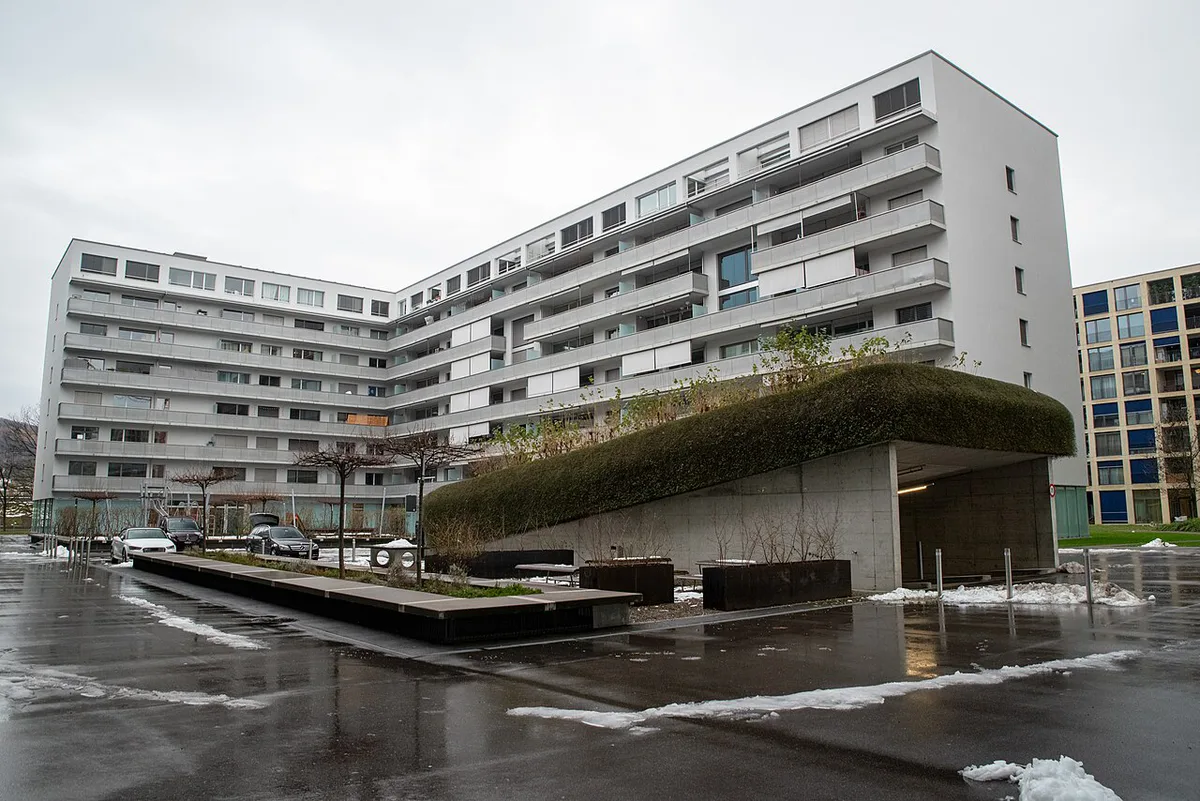
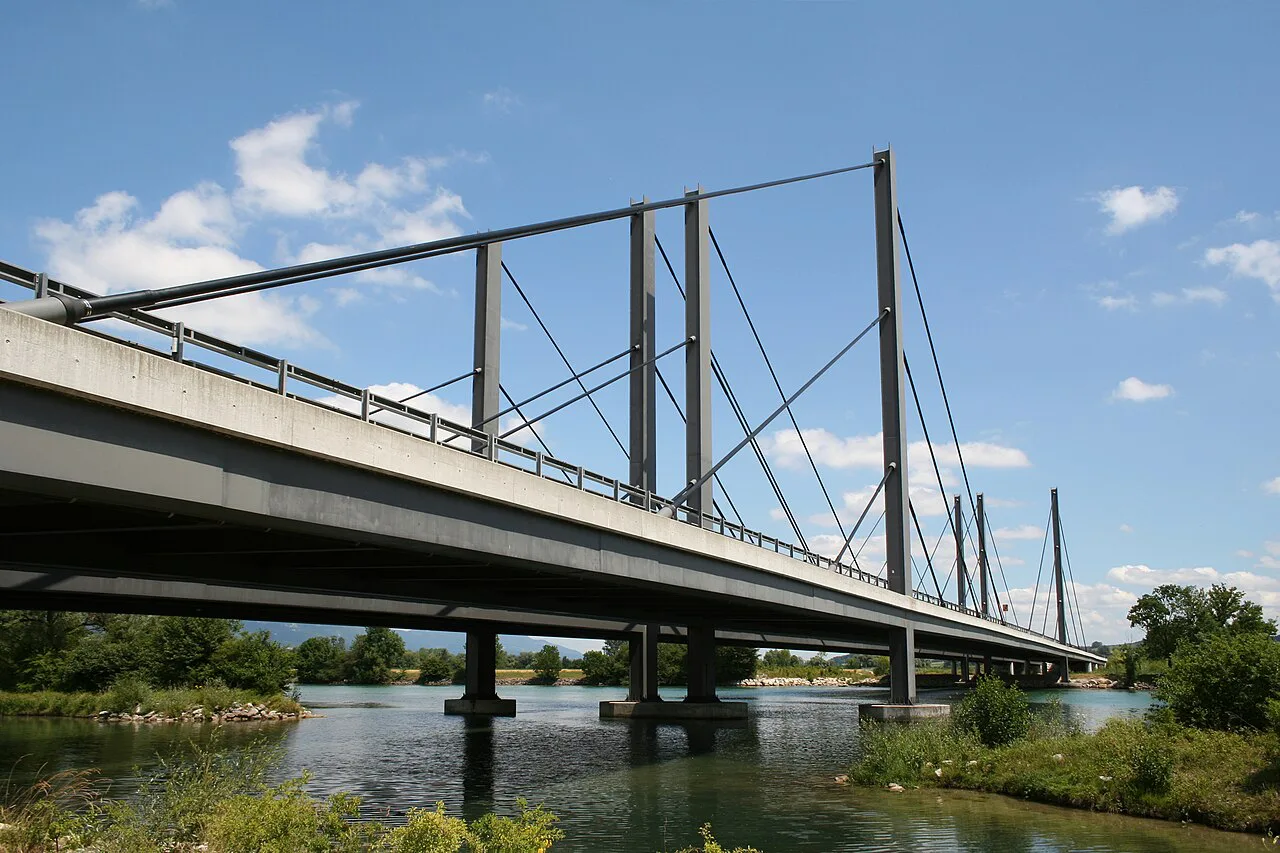
Featured image: Photo: Andreas Praefcke, CC BY 3.0, via Wikimedia Commons.
Quick answer: how parking in Switzerland works
Read the sign before you read the colour. Cities set their own paid-parking regimes, so local plates and meters always win over a general rule. Three bay types cover most situations. White bays follow whatever conditions are posted. Blue bays need a disc. Yellow bays are reserved, and cycle or moped bays can also be yellow. Standard blue-zone limits run from 08:00 to 19:00 on working days, Saturday included. Federal road rules are published by the Swiss Federal Roads Office.
Parking bay colours and signs at a glance
Use this table as a first read, not a substitute for the sign in front of you. Sign 2.49 is stronger than sign 2.50. No stopping forbids even a voluntary short stop. No parking still allows a genuine stop to board, alight or load, if other stopping rules are met. Plates under a sign can limit it by time, arrow or zone.
| Marking or sign | What it means | What you need | Common mistake |
|---|---|---|---|
| White bay | Parking under posted conditions | Follow the signs on site | Ignoring a time limit on a plate |
| Blue bay (sign 4.18) | Parking with a disc | A blue-and-white disc, set correctly | Resetting the disc while parked |
| Yellow bay | Reserved for particular users | The permit or vehicle type shown | Treating it as spare space |
| Paid parking (sign 4.20) | Payment required | Payment under the displayed conditions | Assuming evenings or Sundays are free |
| No stopping (sign 2.49) | No voluntary stopping or parking | Nothing: keep driving | Waiting briefly for a passenger |
| No parking (sign 2.50) | No parking; genuine boarding or loading only | A real, short stop | Waiting for someone who has not arrived |
Blue zones: how to set the parking disc
Set the disc's arrow to the next half-hour mark after your actual arrival. Arrive at 13:20, set 13:30, and leave by 14:30. Arrive at 13:35, set 14:00, and leave by 15:00. Midday and overnight arrivals follow separate rules, shown in the table. Between 19:00 and 07:59 you need no disc if you drive off before 08:00. Sundays and public holidays are restricted only where a supplementary plate says so. Saturday counts as a working day. Display a blue-and-white disc clearly behind the windscreen. Never reset it while the car stays parked. Shuffling within the same space does not count as leaving. No general grace period follows the departure time.
| Actual arrival | Disc setting | Latest departure |
|---|---|---|
| 08:00–11:29 | Next half-hour mark | One hour after the displayed time |
| 11:30–13:29 | Next half-hour mark | 14:30 |
| 13:30–17:59 | Next half-hour mark | One hour after the displayed time |
| 18:00–07:59 | Next half-hour mark | 09:00 when the restriction applies |
- Before you walk away: disc set and visible behind the windscreen.
- Sign scope read, including arrows and zone boundaries.
- Supplementary plates read for times, Sundays and holidays.
- 5 m clear at junctions and before crossings; 10 m clear at public-transport stops.
- Not on the pavement, a cycle lane or a bridge.
- Payment made if the bay carries sign 4.20.
Paid parking and how to pay
Sign 4.20 marks paid parking, and payment follows the conditions displayed at the bay. Tariffs and payment methods differ by city, so check the local city page or the Touring Club Switzerland before you go.
Where you can't stop or park
Purpose decides whether you are stopping or parking, not the number of minutes. Letting someone in or out, or genuinely loading goods, counts as stopping. Waiting for a passenger who has not arrived counts as parking, even with you at the wheel. Every no-stopping rule also blocks parking. Extra parking-only bans apply on top.
| Situation | Stopping | Parking |
|---|---|---|
| Within 5 m of a junction | Prohibited | Prohibited |
| Within 10 m of a public-transport stop | Boarding and alighting only | Prohibited |
| Within 20 m of a level crossing | Only if no other stopping rule applies | Prohibited |
| Bridge | Only without obstruction or danger | Prohibited |
| Cycle lane | Avoid obstructing cyclists | Prohibited |
- Junctions, and within 5 m of the cross carriageway before or after.
- Pedestrian crossings, and within 5 m before one where no no-stopping line is marked.
- Bends, crests, narrow points and beside obstacles in the carriageway.
- Level crossings and underpasses; parking is also banned within 20 m of a level crossing.
- Within 10 m of a public-transport stop sign, except to board or alight.
- Bridges, cycle lanes and the carriageway beside them.
- In front of access points to someone else's building or land.
Pavement parking: the common visitor mistake
Pavement parking is prohibited for ordinary cars unless signs or markings expressly allow it. Putting two wheels up the kerb does not avoid the rule. Leaving 1.5 m for pedestrians is no permission to park. That gap is a condition of the narrow exception for loading goods or letting people in and out. Even then, the job must finish without delay.
Leaving less than 1.5 m clear on the pavement can cost CHF 120 for up to 60 minutes.
Parking fines in Switzerland and what a mistake costs
Amounts below come from OBV Annex 1 and apply only where the fixed-penalty procedure is available, as of November 2026. Longer overstays, danger or an incident can lead to ordinary proceedings instead. Paying a fine does not buy permission to stay. A missing disc or an altered arrival time carries separate penalties.
Stopping voluntarily in a no-stopping zone carries CHF 80, double the CHF 40 fine for overstaying up to 2 hours.
| Offence | Fixed penalty |
|---|---|
| Overstaying the permitted time by up to 2 hours | CHF 40 |
| Overstaying by more than 2, up to 4 hours | CHF 60 |
| Overstaying by more than 4, up to 10 hours | CHF 100 |
| Voluntary stopping within a signed no-stopping restriction | CHF 80 |
| Parking within that restriction for up to 60 minutes | CHF 120 |
| Pavement parking without 1.5 m clear, up to 60 minutes | CHF 120 |
Parking for road trips, mountain towns and tunnels
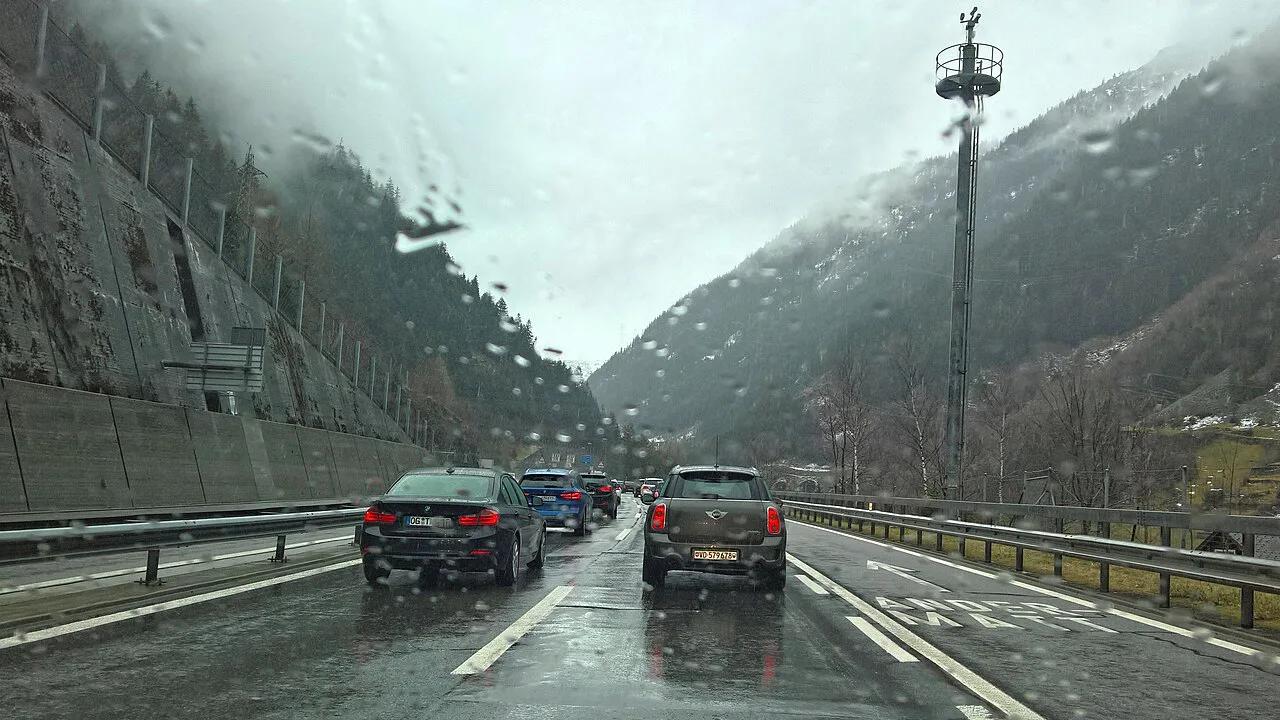
Decide early whether the car belongs at your destination at all. Car-free resorts, narrow village roads, peak-season crowds and overnight stays all favour leaving the car at the edge of town and using public transport. Planning a long route? Our Grand Tour route guide helps you place overnight stops. Stops on a drive are easier with the scenic drive ideas we list. Rail-tunnel car shuttles such as BLS Autoverlad publish their own loading rules. Road users heading south can read about the Gotthard crossing before choosing where to break the journey.
Rental car and foreign-licence checklist
Look for a disc in the glovebox or behind the windscreen before you leave the rental lot. Ask the desk for one if it is missing. Contract terms decide how fines and any admin fees reach you, so read that clause before signing. Our rental car basics cover the wider booking steps. Visitors on a foreign licence should read the US licence rules. The ch.ch government portal is the official starting point for questions about Swiss fines. Parking is separate from other road costs. Our motorway vignette rules explain the sticker for national roads. Tunnel and pass charges sit in our toll road costs guide. Finally, Swiss speed limits are worth a read before you set off.
Frequently Asked Questions
How much does parking cost in Switzerland?
Each city or operator sets its own tariff, so no single national price exists. Read the meter or posted sign at the bay, and check the city's official parking page for current rates.
Is it difficult for an American to drive in Switzerland?
Parking is one of the fiddlier parts, because of discs, zone signs and the stopping-versus-parking distinction. Read signs fully and follow the blue-zone table above. Our guide to the US licence rules covers the rest.
Road-rule changes worth knowing
Optional updates to our guides.
You might also like
Continue reading
More guides you'll find useful