
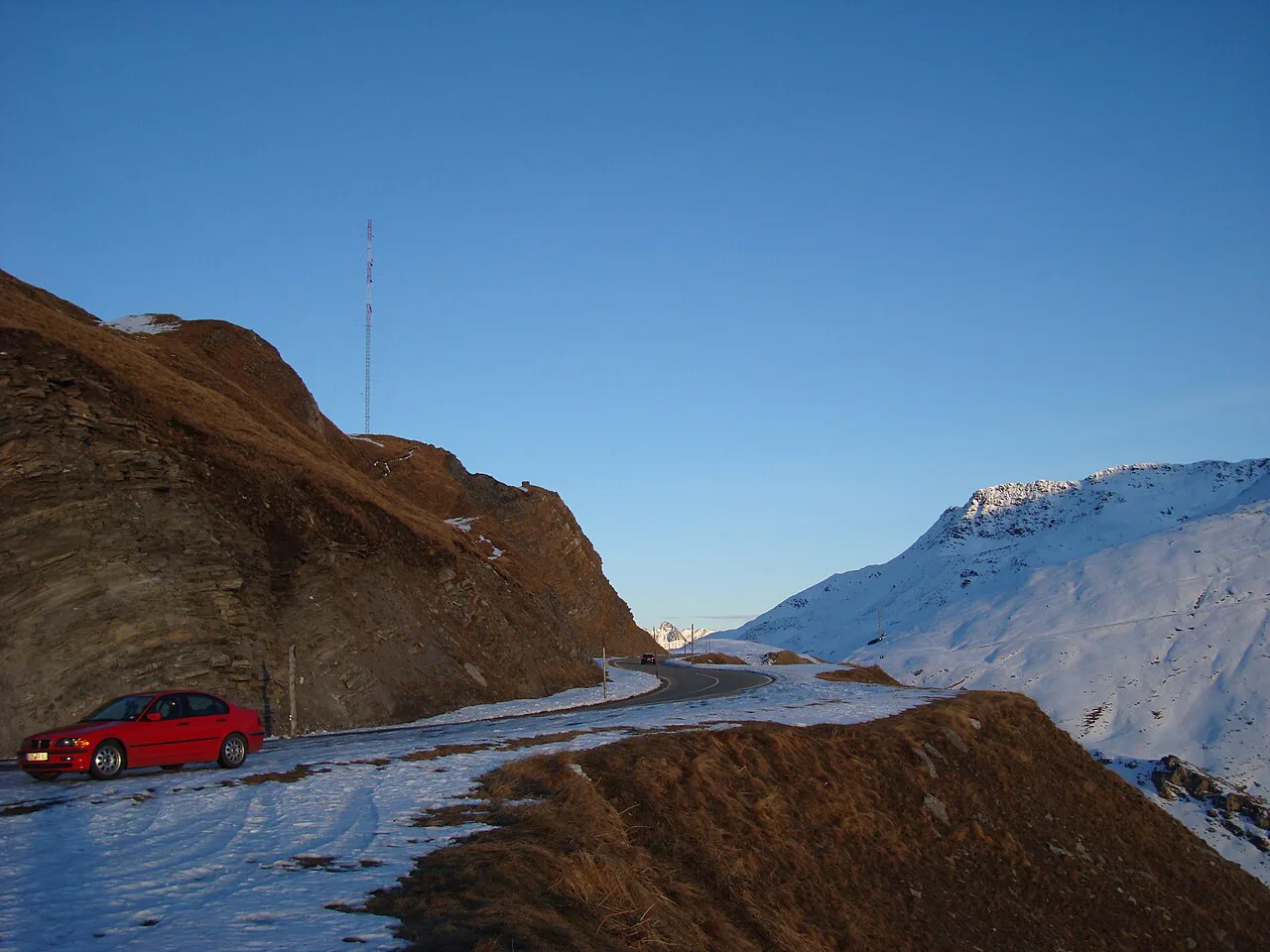
14 Swiss Mountain Passes: Choose, Time and Route
Compare 14 Swiss mountain passes by scenery, season and route. Includes closure timing, tunnel alternatives and how to link passes into a trip.
On this page
Last updated November 2026. Swiss mountain passes are seasonal high-alpine roads, and the best ones link into loops through Uri, Valais, Bern, Graubünden and Ticino. Some are scenic drives and some are practical north-south crossings, and a few are both. Closure dates change every year with snow, so read the season section before you plan around any pass.
Featured image: Eric T Gunther, CC BY-SA 3.0, via Wikimedia Commons.
14 Swiss Mountain Passes Worth Driving
Each entry below covers what the pass is, why it earns a place, and who should skip it. Season notes were checked November 2026. No exact opening dates are given, because they shift with snowfall.
1. Furka Pass
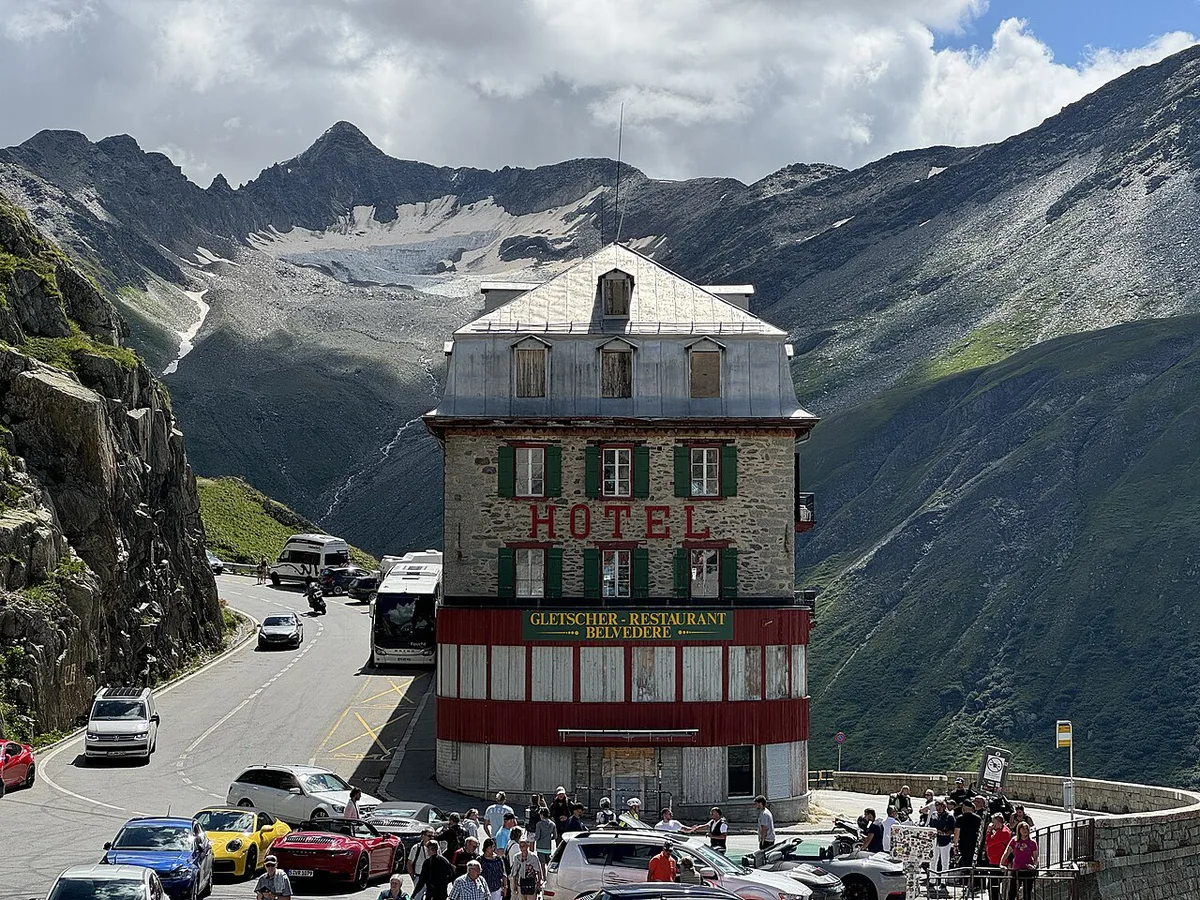
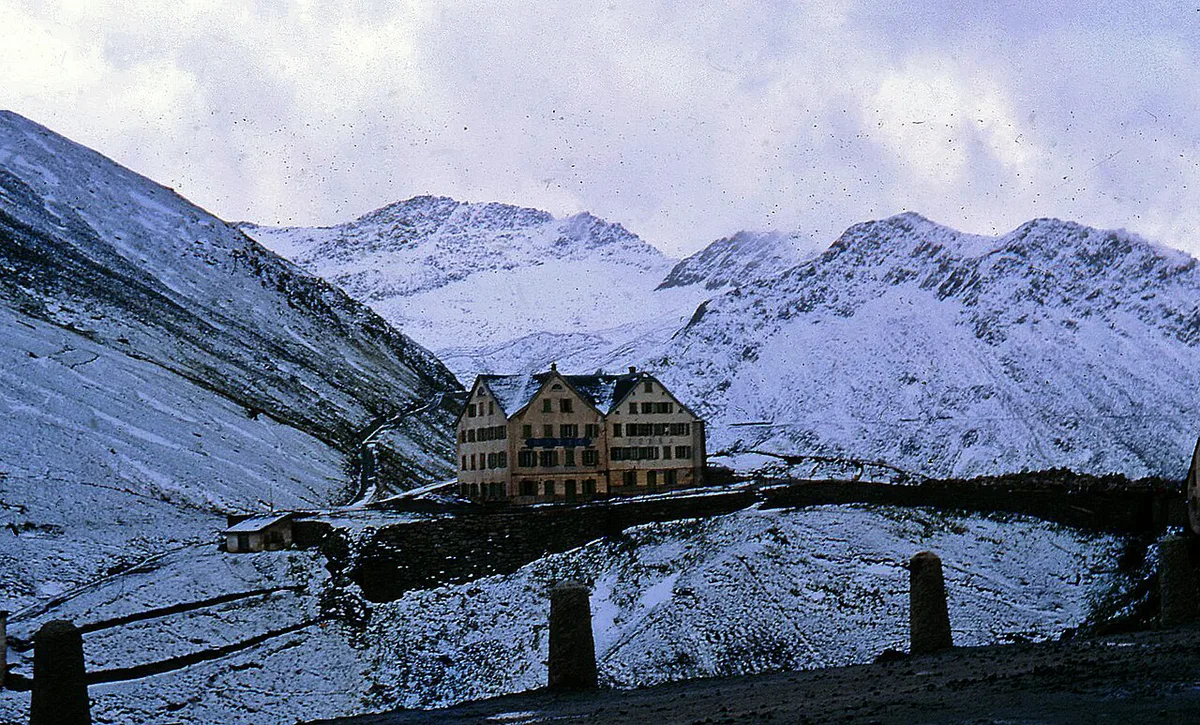
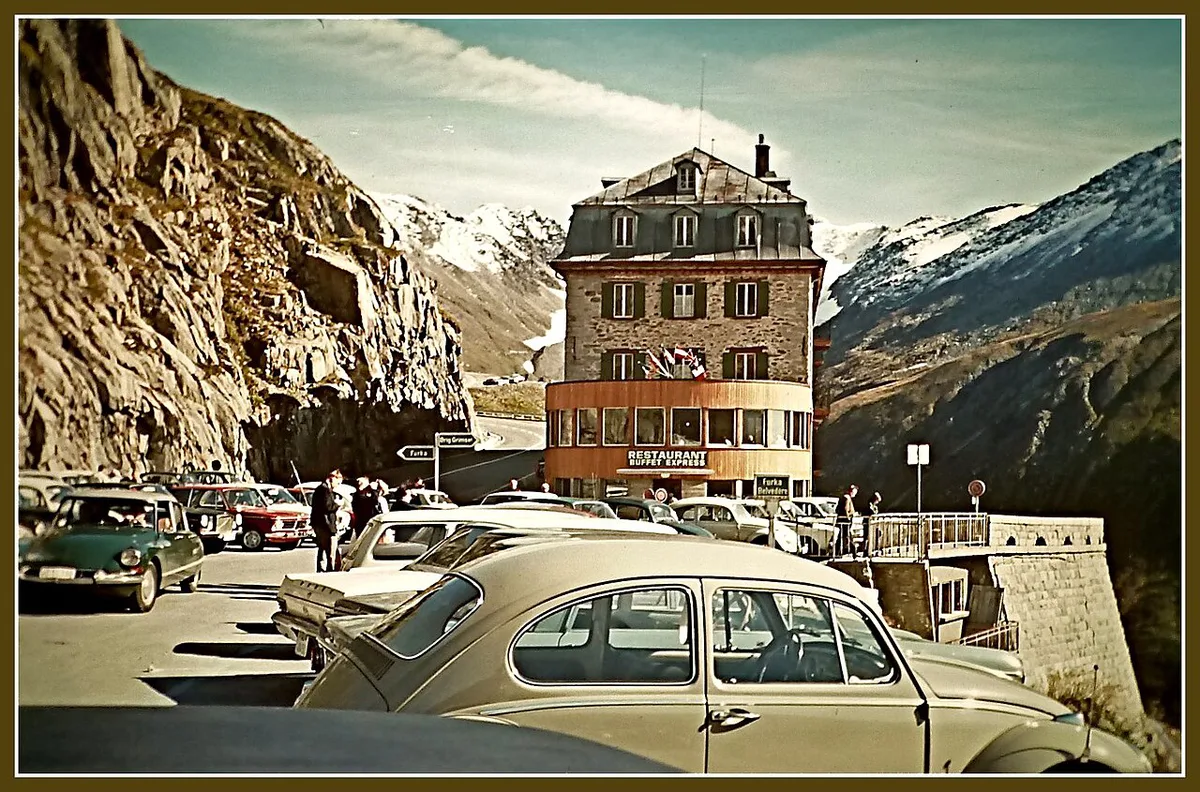
Furka joins the Uri and Valais sides of the Alps and meets the Grimsel road at Gletsch. It is a drive for hairpins and open high-alpine views, and it works best as part of the Susten-Grimsel-Furka trio. Stop at pull-outs rather than on the bends, because motorcycles and cars share the road in summer.
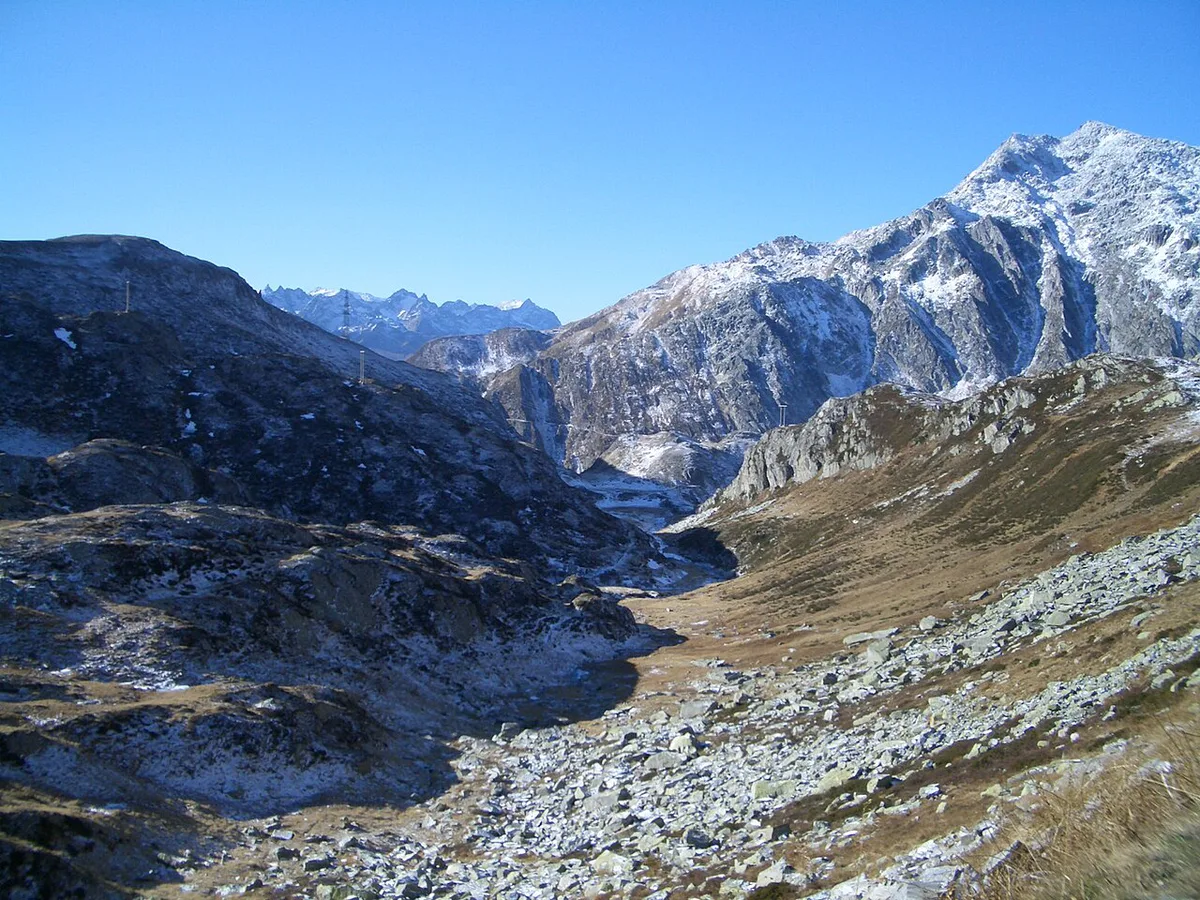
Our Furka route guide covers the stretches in detail. Skip it if you need a fast crossing or dislike exposed drops.
2. Grimsel Pass
Grimsel links the Bernese Oberland with Valais and sits in the middle of the classic trio. It is a mix of reservoir scenery and rocky high terrain, and the Gletsch junction lets you continue onto Furka. Allow time for photo stops, since the road is more about the setting than speed.
Details are in our Grimsel route guide. Skip it in poor visibility, when the scenery is the whole point.
3. Susten Pass
Susten connects the canton of Bern with Uri and is one of the most sculpted pass roads in the country. Expect long sweeping bends, tunnels cut through rock and mountain views on both sides. It pairs naturally with Grimsel and Furka for a day loop from the Interlaken area.
See the Susten route guide before you go. Skip it if you are towing or driving a very wide vehicle.
4. Gotthard Pass
Gotthard is the historic north-south crossing between Uri and Ticino. The old road is a slower, more scenic alternative to the road tunnel beneath it. It suits drivers who want to see the region rather than just cross it.
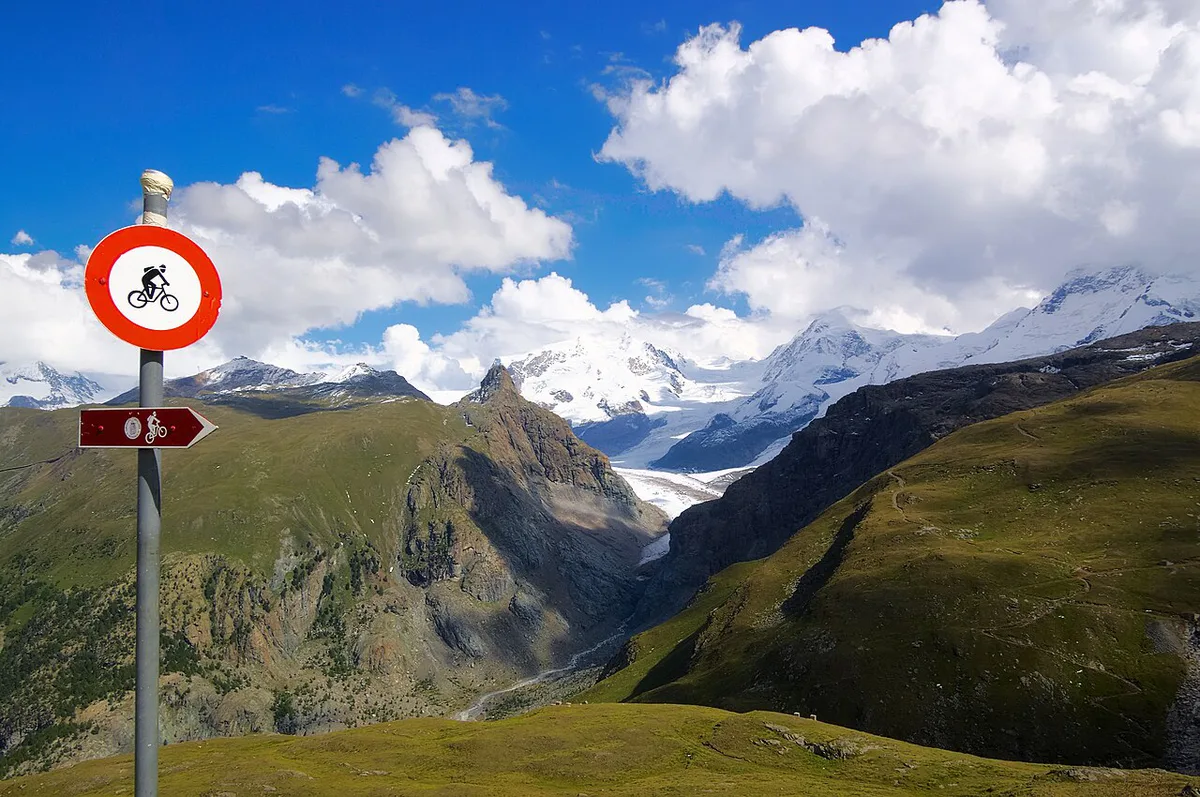
Read the Gotthard route guide for the old-road details. Skip it in bad weather or when you are on a tight schedule, since the tunnel is the practical choice.
5. Nufenen Pass
Nufenen links Valais and Ticino and is one of the high crossings between them. It is a good extension after Gotthard or Furka if you want to loop through the Ticino valleys. The upper stretches are open and exposed, so weather can change the experience fast.
Our Nufenen route guide gives the approach options. Skip it if you only have a short day or dislike open high roads.
6. Oberalp Pass
Oberalp links Uri with Graubünden, running between Andermatt and the Surselva side. It is a quieter crossing that works as a link between central Switzerland and the east. The road shares its corridor with a scenic rail line, which is useful if someone in your group prefers the train.
See the Oberalp route guide for pairings. Skip it if you want dramatic hairpins, since this is more of a connector.
7. Klausen Pass
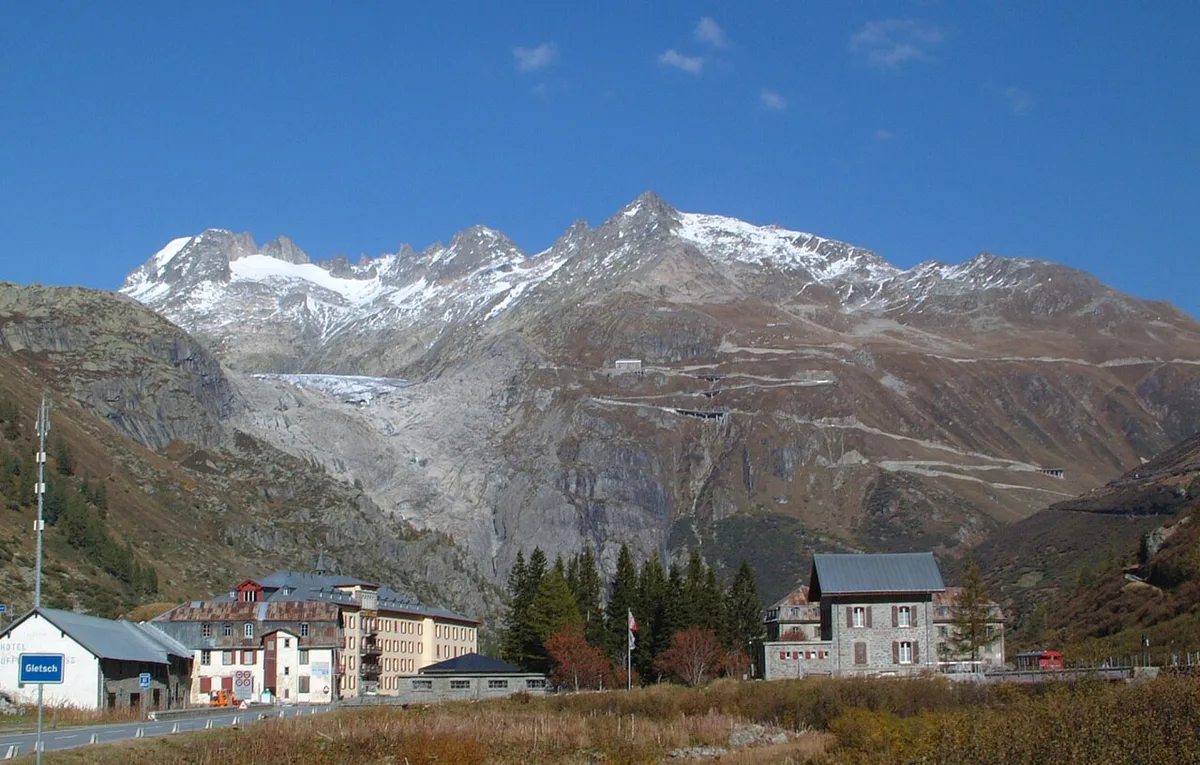
Klausen links Uri with Glarus and is one of the lesser-known central crossings. It brings alpine pastures, farm stops and fewer crowds than the headline trio. It suits a drive that heads east from the Uri valleys without returning the same way.
Our Klausen route guide has the route logic. Skip it if you want a famous name or a pass with many viewpoints.
8. Bernina Pass
Bernina is the Graubünden crossing between the Engadin and Poschiavo valley. The road shares its corridor with a well-known scenic railway, so you can drive one way and ride the other. It is a strong choice if you want a pass that also works without a car.
Read the Bernina route guide for the details. Skip it if you only want a hairpin-heavy drive.
9. Julier Pass
Julier connects the Albula side of Graubünden to the upper Engadin near Silvaplana. It is a practical crossing for reaching St. Moritz country from the north. It combines easily with Flüela or Maloja for a Graubünden loop.
Our Julier route guide explains the pairings. Skip it if you want a showpiece drive, because it is more functional than dramatic.
10. Maloja Pass
Maloja links the upper Engadin with the Bregaglia valley toward the Italian border. Its famous feature is the sudden drop of bends on the south side, which makes it more dramatic than the gentle approach. It is useful for travelers heading from the Engadin toward the lakes.
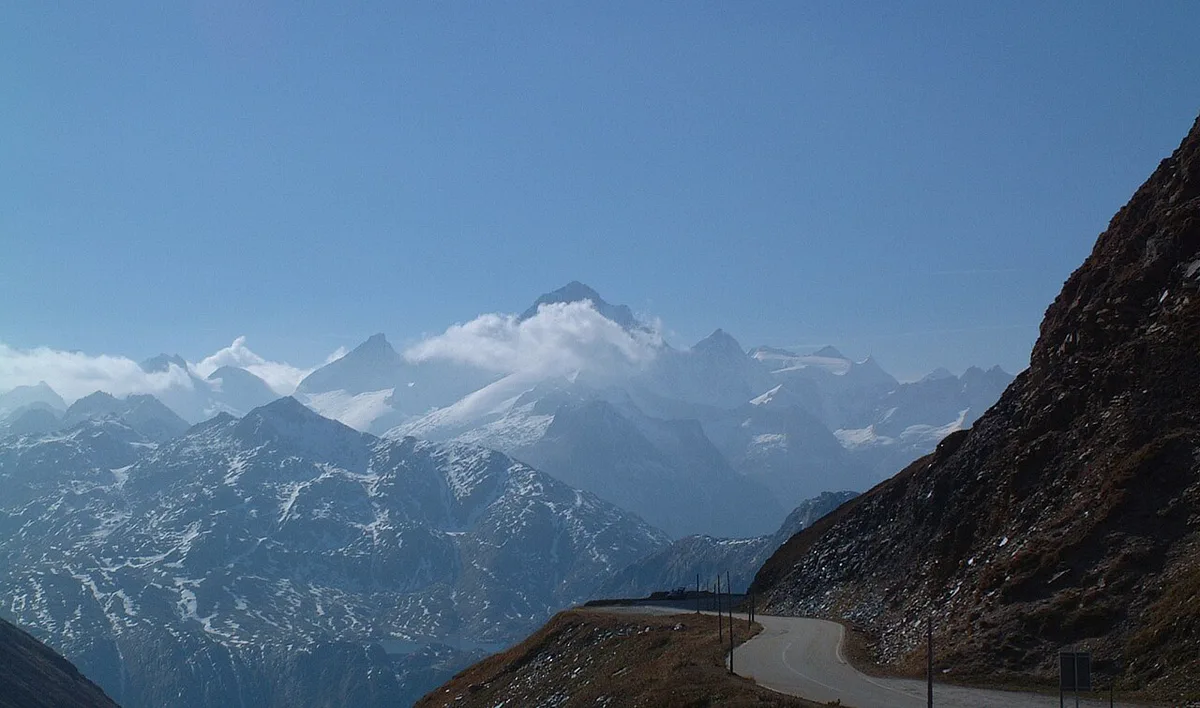
See the Maloja route guide for the descent. Skip it if you dislike steep descents with tight turns.
11. Flüela Pass
Flüela joins Davos with the lower Engadin near Susch. It is a high Graubünden road with a bare, rocky landscape and little shelter from weather. It fits a loop that returns via Julier or the rail tunnel under the Vereina route.
Our Flüela route guide covers the surroundings. Skip it in poor weather, when conditions can turn quickly.
12. Splügen Pass
Splügen connects Graubünden with Chiavenna in Italy and is a border crossing. It carries history as an old trade route and rewards drivers who like village stops and stone architecture. Bring identity documents for the border and plan your onward route in Italy.
Read the Splügen route guide for the approach. Skip it if you want a Swiss-only loop.
13. San Bernardino Pass
San Bernardino links the Hinterrhein valley with the Mesolcina valley toward Ticino. A road tunnel runs beneath it, so the pass is the scenic choice and the tunnel is the fast one. It suits travelers who are heading south and have time for a slower alpine detour.
Our San Bernardino route guide compares the options. Skip it if the weather is poor or you simply need to cross.
14. Great St Bernard Pass
Great St Bernard links Valais with the Aosta Valley in Italy and is a long-established crossing. A road tunnel runs beneath it, so the pass road is mainly for visitors who want the old route and its history. It is a cross-border trip, so carry identification and plan the Italian side.
See the Great St Bernard route guide for the details. Skip it if you only need to reach Italy quickly.
Swiss Mountain Passes at a Glance
Use this table to shortlist passes, then open the route guide for each one. Regions follow the canton or valley each road connects.
| Pass | Region | Character | Pairs with | Skip if |
|---|---|---|---|---|
| Furka route | Uri and Valais | Scenic drive | Grimsel, Susten | You want a fast crossing |
| Grimsel route | Bern and Valais | Scenic drive | Furka, Susten | Visibility is poor |
| Susten route | Bern and Uri | Scenic drive | Grimsel, Furka | You tow a wide trailer |
| Gotthard route | Uri and Ticino | Both | Nufenen, Furka | You are short on time |
| Nufenen route | Valais and Ticino | Scenic drive | Gotthard, Furka | You dislike open heights |
| Oberalp route | Uri and Graubünden | Practical crossing | Furka, Klausen | You want hairpins |
| Klausen route | Uri and Glarus | Both | Susten, Oberalp | You want a famous name |
| Bernina route | Engadin and Poschiavo | Both | Maloja, Julier | You want only a driving test |
| Julier route | Graubünden and Engadin | Practical crossing | Flüela, Maloja | You want drama |
| Maloja route | Engadin and Bregaglia | Both | Julier, Bernina | You dislike steep descents |
| Flüela route | Davos and Engadin | Both | Julier, Bernina | Weather is unsettled |
| Splügen route | Graubünden and Italy | Practical crossing | San Bernardino | You want a Swiss-only loop |
| San Bernardino route | Graubünden and Ticino | Both | Splügen, Gotthard | You only need to cross |
| Great St Bernard route | Valais and Italy | Practical crossing | Valais valleys | You only need Italy fast |
When Swiss Mountain Passes Open and How to Check
The highest passes open late and close early, and lower ones often stay open longer. Dates vary by year and snow, so early June is often too early for the highest roads. Look up live status on the TCS pass status page before you leave. The MySwitzerland site also lists route information. Check again on the morning you drive, because conditions can change within a day.
Best Pass Combinations and Routes
Three loops cover most plans. The classic trio links Susten, Grimsel and Furka, and it fits a long day trip from the Bernese Oberland. Add Nufenen and Gotthard for a multi-day loop that touches Valais, Ticino and Uri. In Graubünden, link Julier, Maloja and Bernina for a second multi-day loop around the Engadin. For a short plan, add a single pass such as Klausen or Flüela to a drive you are already making.
Pass Road, Tunnel or Train: Which to Choose
Take the pass when the weather is clear and the drive is the point. Take the tunnel when you need to cross on schedule or when snow closes the high road. Gotthard, San Bernardino and Great St Bernard all have road tunnels beneath them. The Gotthard corridor also has a rail route. Tunnels trade scenery for reliability, so keep one as your fallback if you plan a pass day.
Driving a Swiss Mountain Pass: What to Expect
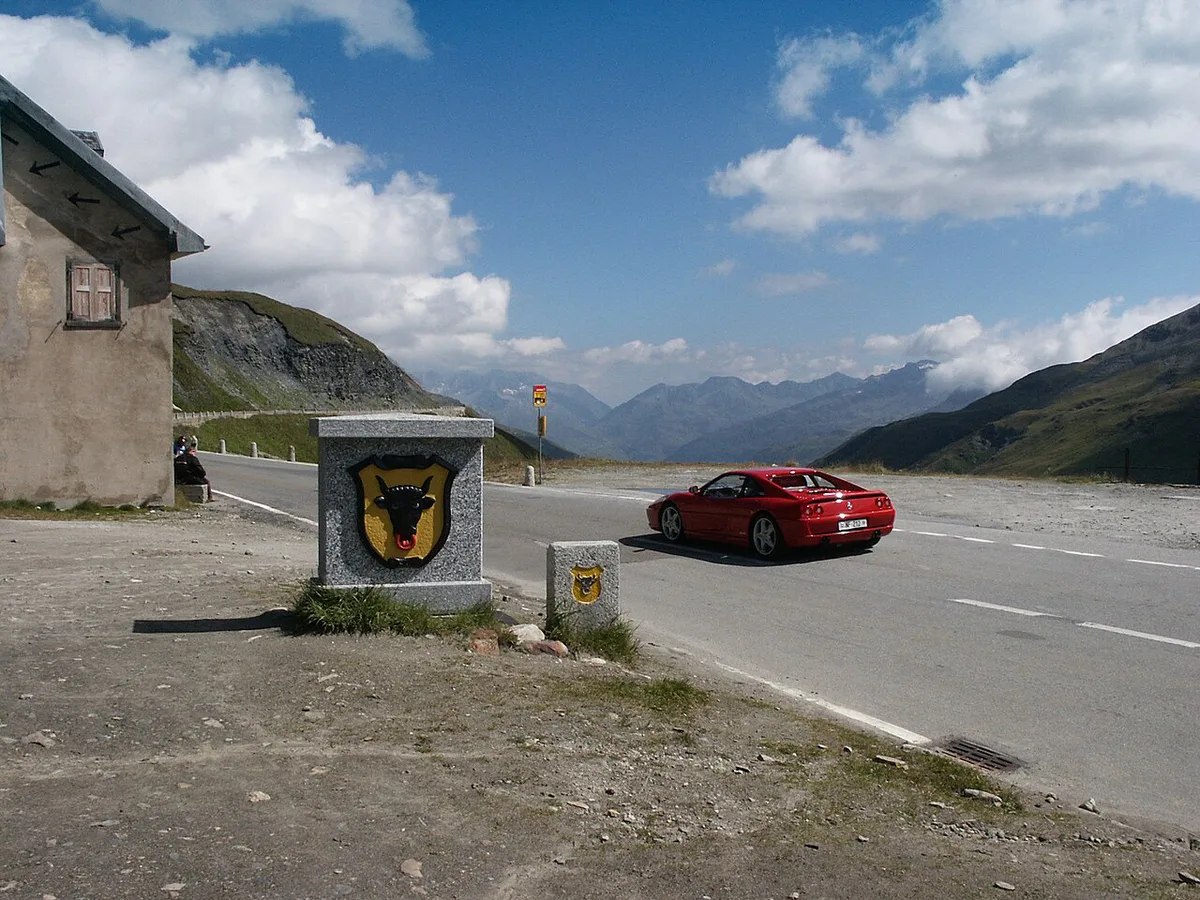
Expect hairpins, steep gradients and narrow sections where you must give way on bends. Summer weekends bring slow traffic, motorcyclists and cyclists on every road. Fill your tank and eat before you climb, since services can be far apart. Check vehicle restrictions and any tyre or chain rules with the federal roads office, and rely on those rules rather than memory. A hire car should be suitable for steep roads.
Costs, Parking and Access
Pass roads themselves are generally free to drive. Motorway approaches need a vignette, which you can buy from the official e-vignette site. Parking at viewpoints is usually informal, so pull off only where it is safe. Summit hotels and huts add cost, and a mountain-road trip is mostly spent on fuel and overnight stays.
Where to Stay and How to Get Around
Base yourself in the Bernese Oberland for the classic trio, in Uri or Valais for Furka and Nufenen, in the Engadin for Julier, Maloja and Bernina, and in Ticino for southern approaches. Each base trades longer drives for quieter evenings. Without a car, PostBus and scenic rail serve some passes, and Bernina has a rail link. Check Graubünden tourism for regional transport options before you commit.
Mistakes to Avoid
Do not assume a pass is open because it was last year. Do not start a high pass late in the day, since weather turns in the afternoon. Do not skip fuel before a climb. Do not plan a rigid timetable around the passes, because closures can reshape the whole route.
Explore More Guides
Keep planning your trip with these guides.
Guides
- Furka Pass: Season, Drive Time & How to Plan It
- Gotthard Pass: Route, Tremola Road and Tunnel Choice
- Great St Bernard Pass: Road, Tunnel, Hospice and Dogs (Planning Guide)
- Susten Pass: Season, Driving Route and Tips
- Grimsel Pass: Opening Dates, Route & Planning Guide
- Bernina Pass: Route, Season, Car vs Train Guide
- Julier Pass Guide
- Maloja Pass: Driving Guide, Route & Season Tips
- Oberalp Pass: Road Status, Route & Drive vs Train Tips
- Splügen Pass
- San Bernardino Pass: Driving, Season and Tunnel Option
- Flüela Pass Guide
- Klausen Pass: Route, Opening Season & Travel Tips
- Nufenen Pass: Season, Directions and Driving Tips
Road-rule changes worth knowing
Optional updates to our guides.
You might also like

Continue reading
More guides you'll find useful