Driving in Florence: ZTL, Parking & Car Tips
Should you drive in Florence? Learn how the ZTL works, where to park, how to avoid fines, and when a car makes sense for Tuscany.
On this page
Last updated November 2026. Driving in Florence is a bad idea for most visitors, because the historic centre is a ZTL (limited-traffic zone) where cameras fine unauthorised entry. You only need a car for Tuscany itself, and even then you should collect it on the day you leave the city. This guide shows who needs wheels, how to read the signs, where to leave the car and how to handle a fine if one arrives.
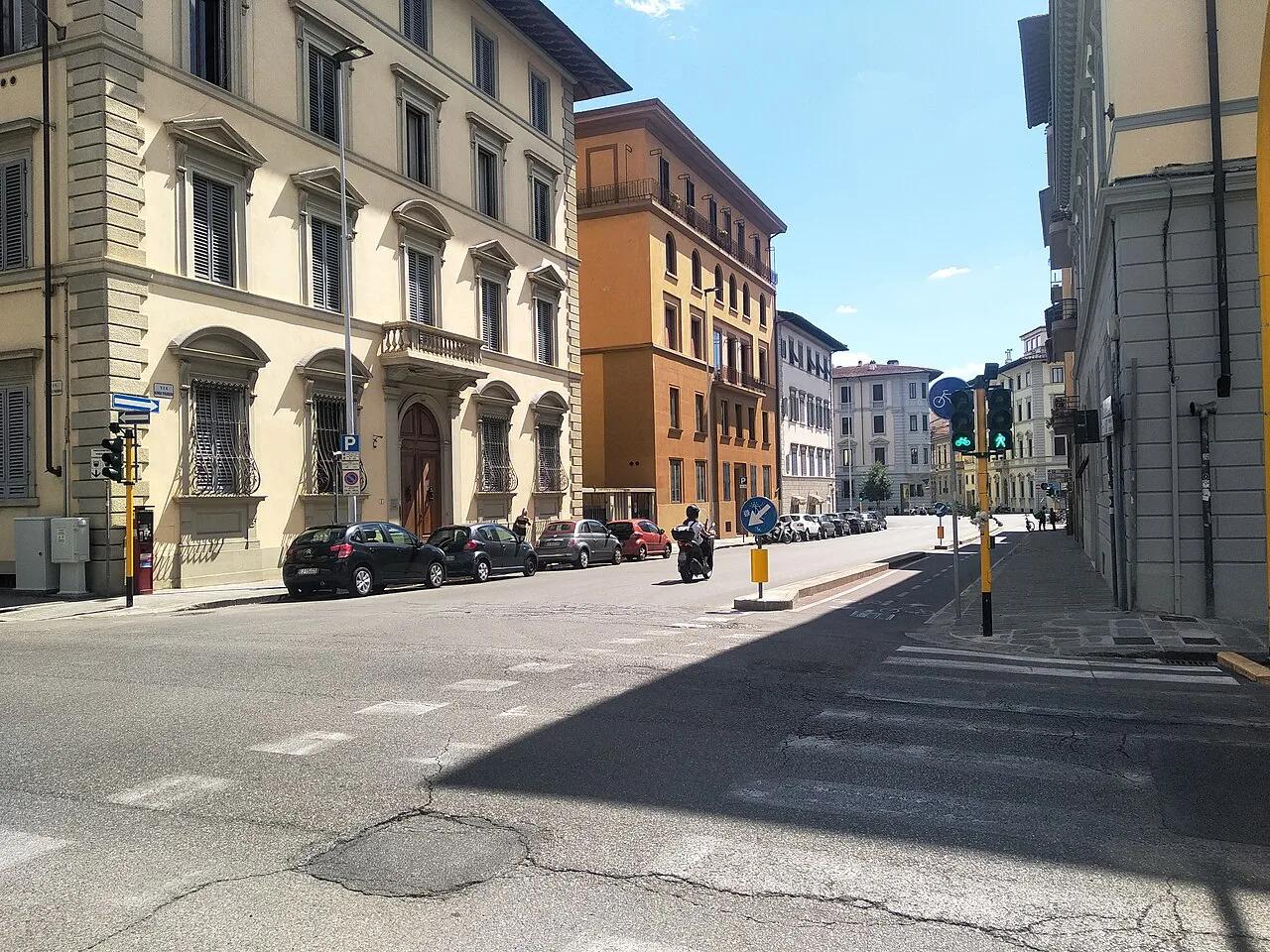
Featured image: Mateusz Konieczny, CC0, via Wikimedia Commons.
Should you drive in Florence? The short answer
Skip the car if Florence is your only stop. Everything you will want to see sits inside the historic centre, and that is exactly where private cars are restricted. Trains, trams, buses and your own feet cover the rest. Rent a car only if you are heading out to Chianti, Siena, San Gimignano or deeper into Tuscany. Even then, keep the car away from the centre until the morning you leave. Other cities work the same way, so Rome, Milan and Bologna have restricted zones too. Italy's ZTL overview explains the national picture.
How Florence's ZTL works
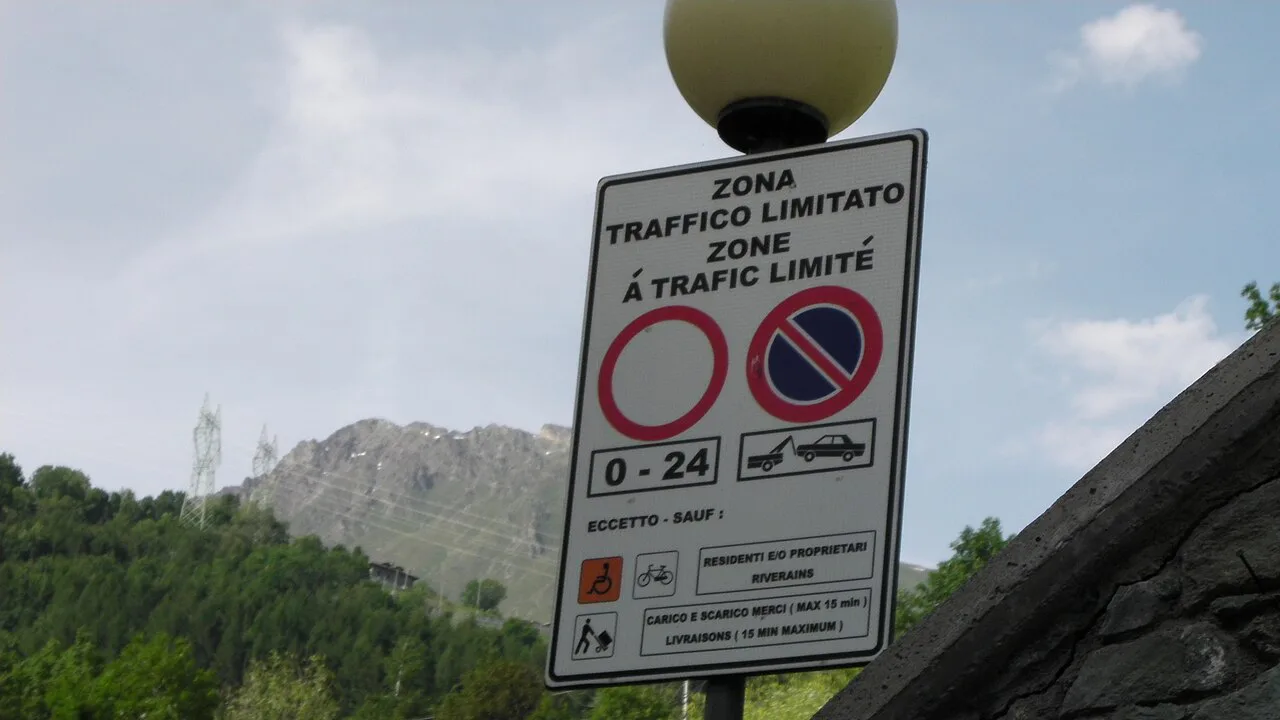
A ZTL is a zone where only authorised vehicles may enter during set hours. Cameras read plates at the entry points, and no officer needs to stop you. Your satnav will not warn you, because most routing apps ignore ZTLs. The Comune di Firenze publishes the official boundaries, hours and permit rules. Our Florence ZTL guide covers them in more detail. Read the sign at every junction near the centre. The panel state tells you what to do.
| Sign or panel state | What it means | What to do |
|---|---|---|
| ZTL sign with red ring, panel shows "varco attivo" | Restriction is in force and cameras are live | Do not enter; turn off before the gate |
| Panel shows "varco non attivo" | Restriction is switched off at that moment | Entry is allowed, but check the posted hours and any other signs |
| ZTL sign with no electronic panel | Hours are printed on the sign | Read the hours; if unsure, do not enter |
| Camera pole at a junction | Plate-reading point | Assume you will be fined if you pass without authorisation |
If your hotel is inside the ZTL
Many central hotels sit inside the restricted zone. Write to your hotel before you travel and ask whether it can register your plate with the authority. Send the plate number as soon as you have the rental car, because registration must happen around your arrival. Ask which gate to use and how long the registration lasts. Do not assume a hotel receptionist can cancel a fine after the fact. If the hotel cannot register you, book a different one or park outside and walk in. Our Florence ZTL rules page has more on permits.
Where to park and how to get into the centre
Use a garage or car park outside the restricted zone, then walk, take the tram or catch a bus. This is cheaper in stress and usually in money than a hotel garage inside the ZTL. Check current rates with the garage, as they change by season. Our guide to garages outside the centre compares options. Arrive from the motorway side that suits your garage, and set the garage address as your satnav destination, not the hotel.
Approaching Florence by road
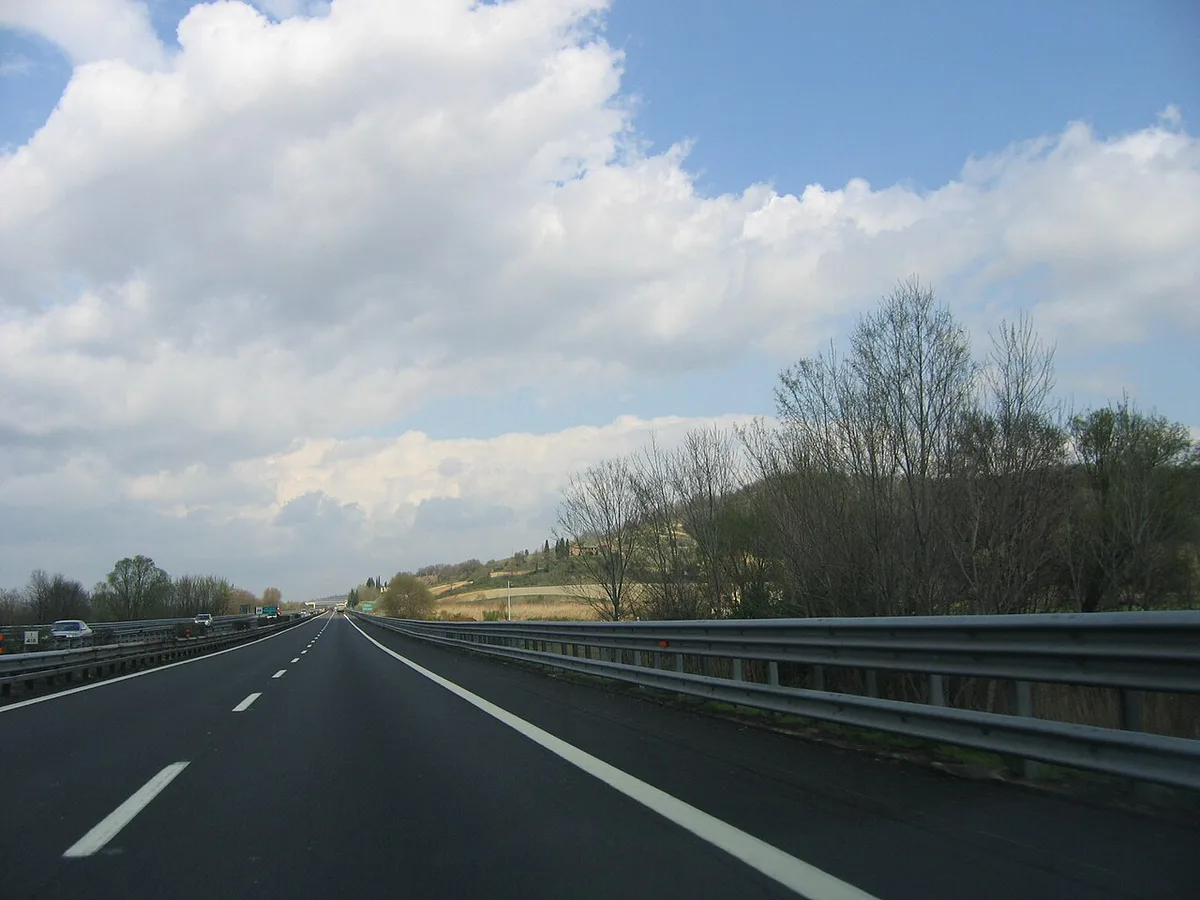
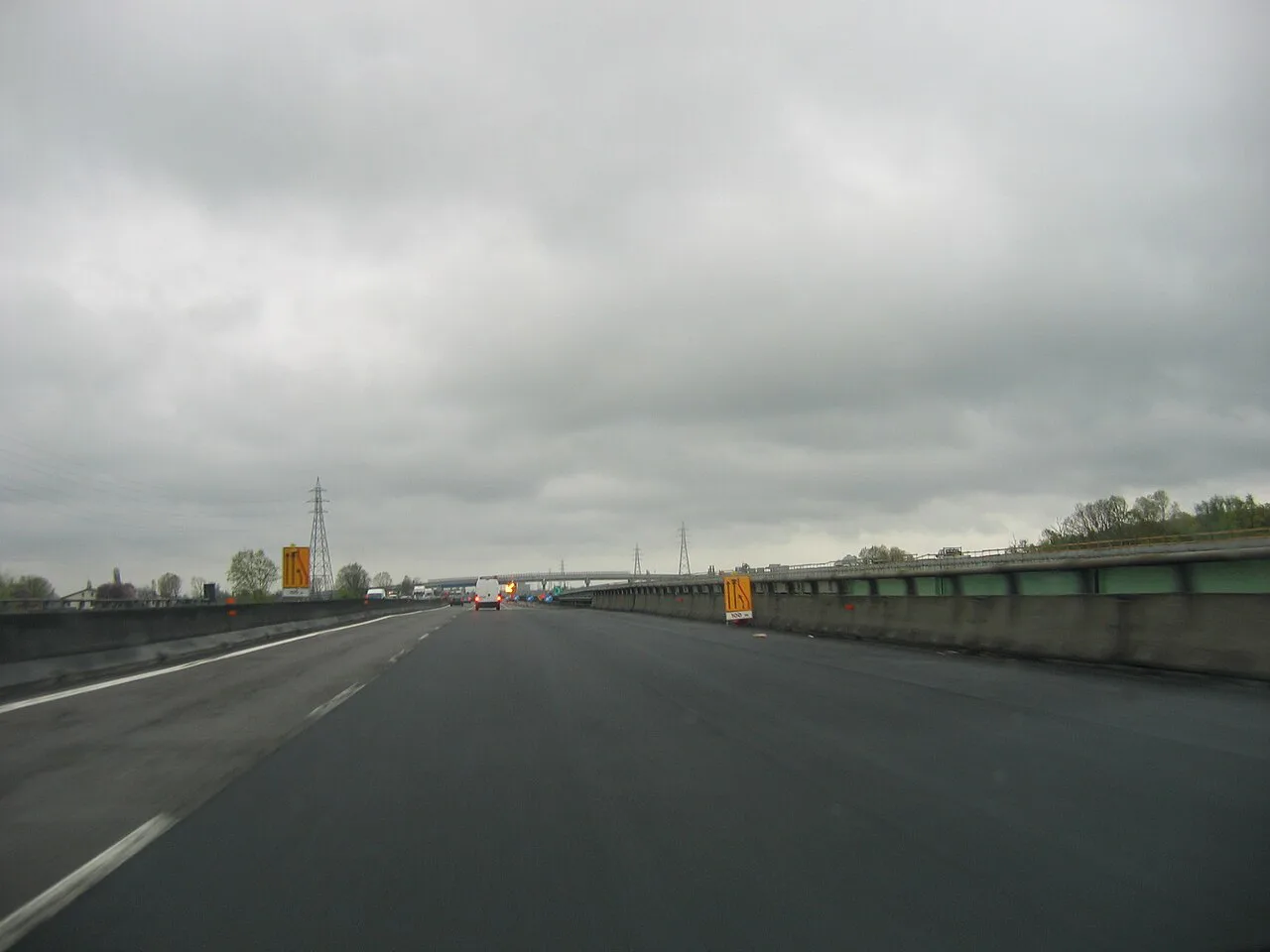
The A1 Autostrada del Sole reaches Florence through three exits: Firenze Nord, Firenze Signa and Firenze Sud. Pick the one closest to your garage or your onward Tuscan route. The A11 links Florence with the coast, and the FI-PI-LI runs towards Pisa and Livorno. Use these roads to skirt the centre. The Autostrade per l'Italia site has the official route planner and toll calculator. Use it for distances, times and toll amounts rather than guessing.
Coming from Rome on the A1, choose among Firenze Nord, Firenze Signa and Firenze Sud, the exit nearest your garage.
Renting a car for Tuscany: when and where to pick it up
Pick the car up on the day you leave Florence, not the day you arrive. Then you pay for no idle days and avoid every ZTL decision. Compare an edge-of-centre office with the airport. The airport often has more cars, while an edge office saves you crossing the city. Book a small car, because Tuscan village lanes are narrow and garages are tight. Automatic cars are scarcer than manuals in Italy, so reserve one early if you need it. Siena is the usual car-based day trip, and it has its own limits, so read Siena's restricted zone before you go.
- Photograph or film every panel, wheel and the windscreen before leaving the lot.
- Make sure existing damage is marked on the rental sheet.
- Photograph the fuel gauge and mileage.
- Ask how the company handles fines and what admin fee it adds.
- Confirm the excess on the insurance and what it covers.
Rome to Florence by car
The usual route is the A1, a ticket-based toll motorway. You take a ticket on entry and pay on exit. Service areas along the way offer fuel and food. Get the distance, time and toll figures from the official Autostrade calculator. Both ends have restricted zones. Before you start, read Rome's driving rules and Rome ZTL map notes. If you park in the capital, Rome parking options help. Bologna lies on the common Florence corridor, so Bologna's ZTL may matter if you detour. Milan's ZTL matters only if you continue north.
Driving rules and costs you'll actually meet
Italian roads follow the Highway Code. Towns commonly have a 50 km/h (about 31 mph) limit, and motorways go up to 130 km/h (about 81 mph) where posted. Always follow the signs, since limits vary by road and weather. ACI publishes driving rules and licence guidance. Motorway tolls are paid by ticket, with cash or card at the exit. Self-service pumps and motorway stations are the easiest fuel option. Rental insurance usually comes with an excess, which is the amount you pay if the car is damaged. Ask what it is before you sign.
A 50 km/h (about 31 mph) town limit does not open the centre, because the ZTL restricts entry rather than speed.
Car, train, or driver? Decision table
Match the transport to your itinerary, not to habit. Time and stress matter as much as cost. Check current fares and rates before you book.
| Trip type | Best option | Trade-off |
|---|---|---|
| Florence only | No car; walk, tram and bus | Cheapest and no ZTL risk |
| Florence plus Siena, Chianti or San Gimignano day trips | Rent a car on departure morning, or use a driver | Car gives freedom; a driver lets you drink wine |
| Tuscany base in the countryside | Car for the whole stay | Parking is easier in villages; narrow roads |
| One-way Rome, Florence and Venice | Train between cities | Faster and no ZTL; rent a car only for the Tuscan stretch |
ZTL fines and what to do if you get one
A ZTL fine usually arrives by post, often months after the trip. If you rented, the notice goes to the rental company first. The company then identifies you to the authority and may charge an admin fee. Ask about that fee at pickup and keep your card details current. If you think you crossed a gate, check your route and the hotel registration. The city's official site is the place to confirm the process. Never ignore a notice, as unpaid fines can grow.
Frequently Asked Questions
What do US drivers need to drive in Italy?
Bring your home licence and passport. Italian rules generally expect an International Driving Permit alongside a US licence. Ask your rental company what it requires before you travel.
Are there any parts of Florence to avoid?
Avoid driving into the historic centre, which is a ZTL. Park outside it and walk or take the tram.
How do I know if I'm in a ZTL zone?
Look for the ZTL sign with a red ring. An electronic panel shows "varco attivo" when the restriction is live. Cameras near the gate record plates.
Road-rule changes worth knowing
Optional updates to our guides.
You might also like
Continue reading
More guides you'll find useful