
Lofoten Road Trip: Route, Car Hire, Days and Season
Plan a Lofoten road trip: how to get there, whether you need a car, where to base yourself, how many days to allow, and when to go.
On this page
Last updated November 2026: a Lofoten road trip runs along the E10 from Svolvær in the north to Å in the south, and five days suits most drivers. Hire a car unless you will stay in one village, and book it early. Winter changes the plan more than anything else, so pair this guide with our Driving in Norway: 7 Rules, Tolls & Road Tips basics before you go.
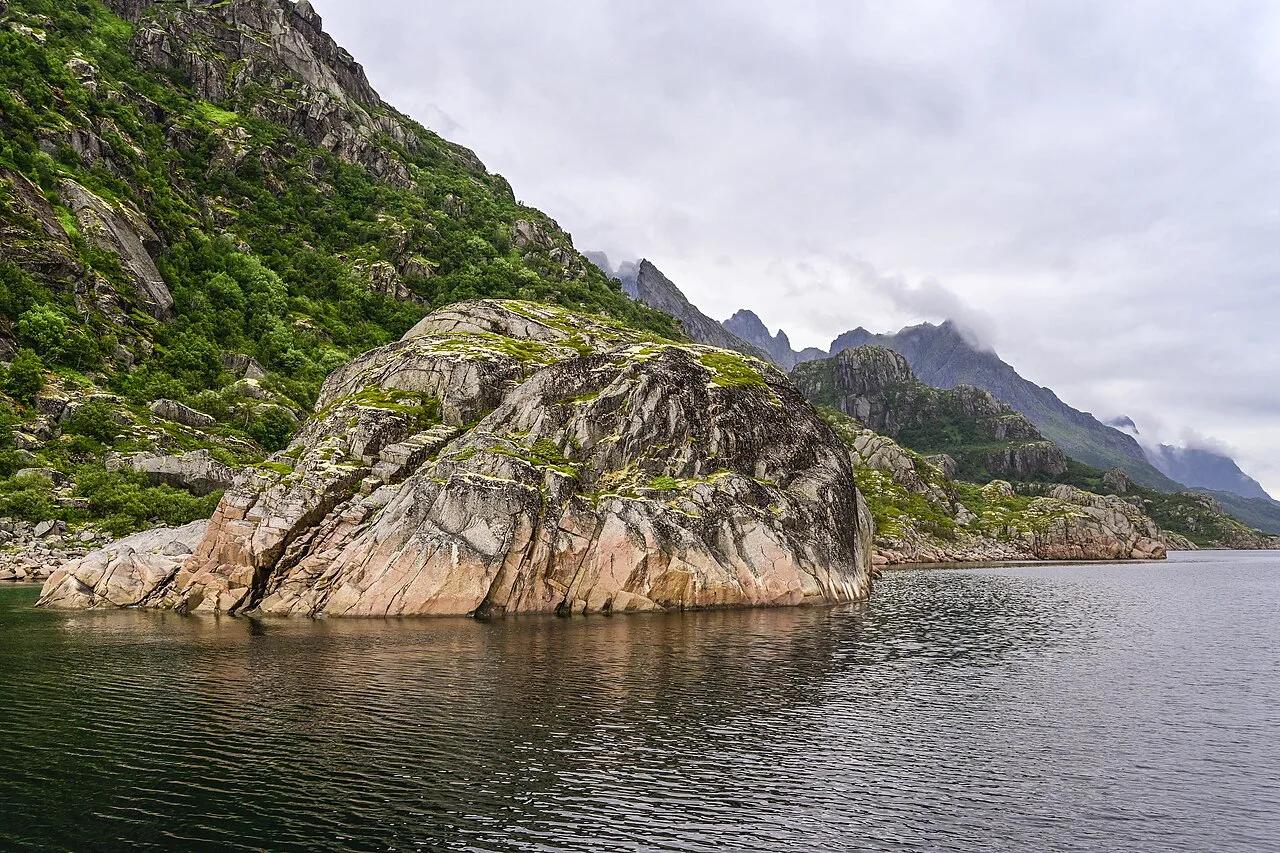
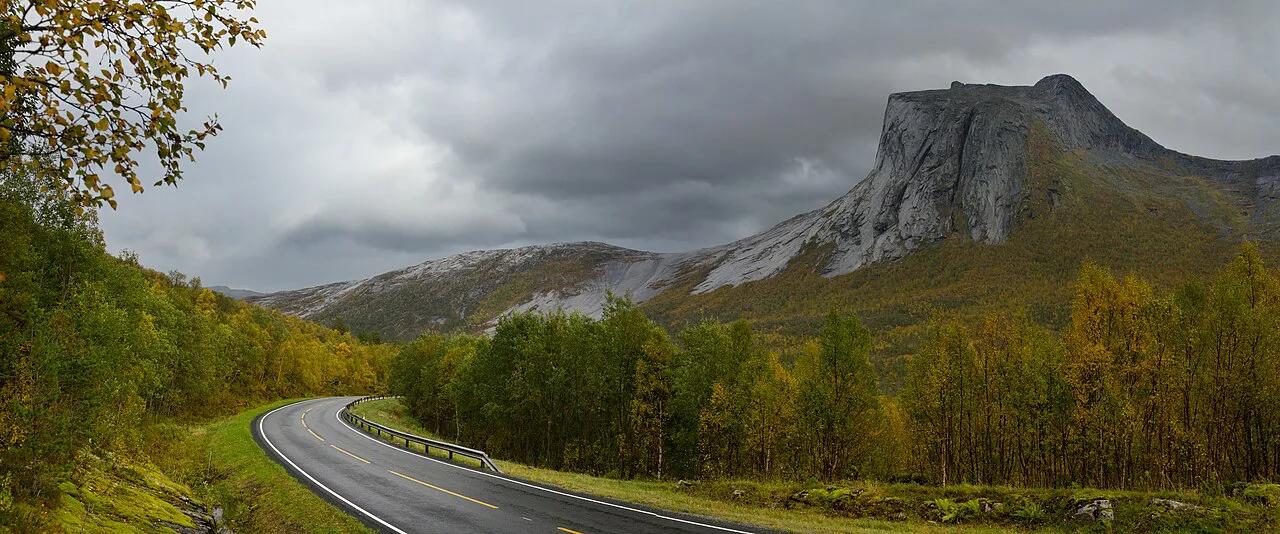
Featured image: Pantona, CC BY-SA 4.0, via Wikimedia Commons.
Lofoten Road Trip at a Glance
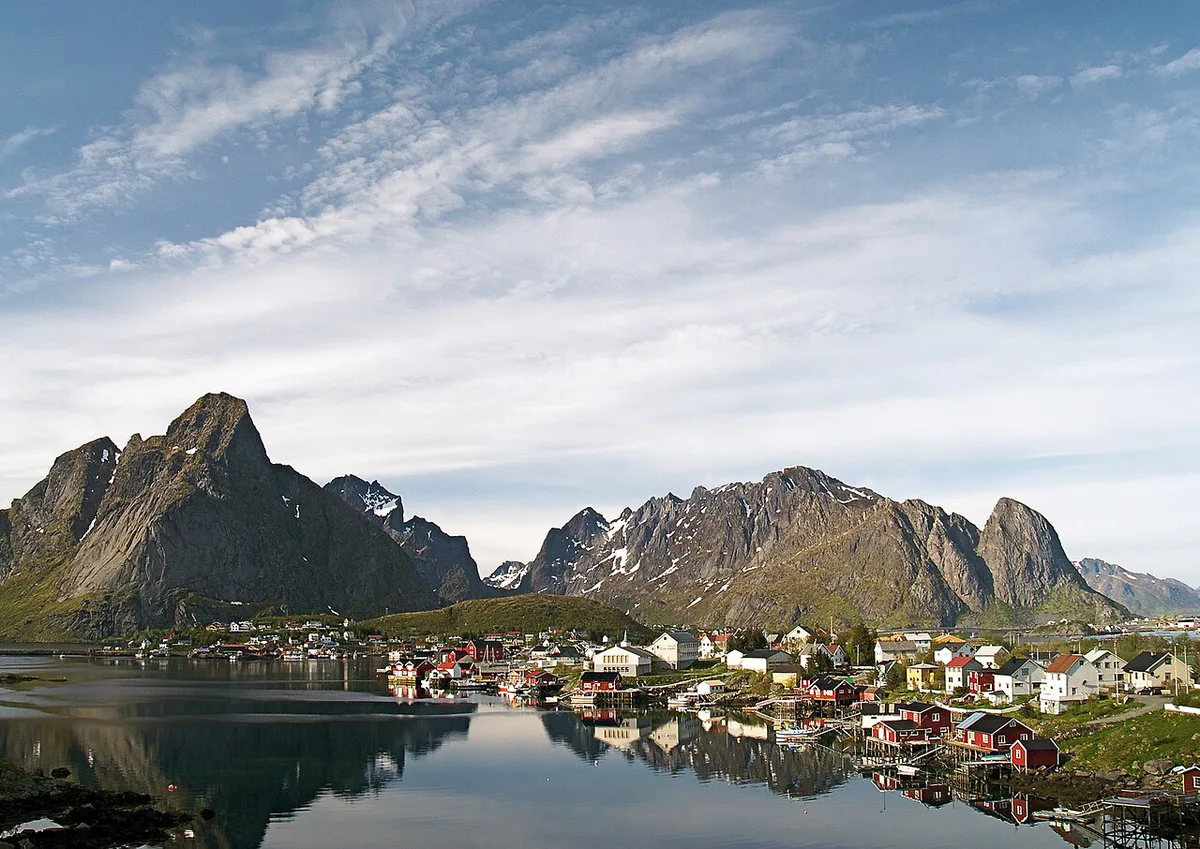
The E10 is the spine of the islands. Side roads branch off to villages such as Henningsvær, Nusfjord and Hamnøy. Most travelers drive one direction, with a few detours, and then return the same way or leave from a different airport. Five days covers the main stops without constant packing. Three days works if you cut the north. Seven days lets you add a hike, a boat trip or the Værøy ferry. Summer gives the easiest roads and the longest days. Winter gives aurora but demands confidence on ice. The official Lofoten national tourist route page is a useful route overview.
- Route: E10, Svolvær to Å, with village detours
- Ideal length: 5 days, 3 minimum, 7 for hikes and ferries
- Car: strongly recommended outside the main villages
- Biggest risk: weather closing hikes and winter road conditions
How to Get to Lofoten and Pick Up a Car
Three airports serve the islands or their edge. Leknes and Svolvær are on the islands, so you can collect a car within minutes of landing. Evenes is on the mainland and adds a long drive before you reach the E10. Plan that transfer as a half-day, not an hour. Ferries are the other route. Crossings run from Bodø to Moskenes at the southern end, and you can take your own vehicle. Operators and fares change by season, so check the operator's timetable when you book. Arriving by bus works only if you rent a car on the islands. North American drivers should read our guide to driving with a US license. Compare rental terms in our guide to Renting a Car in Norway: Costs, Rules & What to Check.
- Leknes: central, good for a base on Vestvågøy
- Svolvær: north end, close to Henningsvær and Trollfjord boats
- Evenes: mainland, widest flight choice, longest transfer
- Bodø to Moskenes ferry: lets you bring your own car to the south end
Car, Campervan or No Car: Which Fits
A rental car suits most visitors. A campervan adds flexibility but narrows your parking options at villages. Without a car, you can reach main villages by bus, but trailheads and west-coast beaches become awkward. Read our campervan hire in Norway guide before choosing one. Wild camping rules are specific, so check the official rules on camping near buildings and in vehicles rather than relying on blog summaries.
| Option | Flexibility | Trailheads and beaches | Booking lead time | Winter fit | Best for |
|---|---|---|---|---|---|
| Rental car | High | Good | Book early for summer | Good with winter tyres | Most travelers |
| Campervan | High | Good, parking limited | Earliest of all | Poor unless experienced | Self-sufficient summer drivers |
| Bus, no car | Low | Limited | Short | Fair | One-village stays |
| Own car by ferry | High | Good | Ferry slots fill | Depends on your tyres | Drivers already in Norway |
The E10 Route: South to North Stop by Stop
Treat this as a sequence, not a fixed itinerary. Start at Å, where the E10 ends and the Norwegian Fishing Village Museum sits among old fishing buildings. Next come Reine, Hamnøy and Sakrisøy, which are close together and best photographed early or late. Nusfjord sits off the main road, and an entry fee may apply. Then the west-coast beaches follow: Haukland, Uttakleiv and Unstad. Vestvågøy brings you to Borg and the Lofotr Viking Museum, which runs seasonally. Henningsvær is a detour from the E10 and has tight parking. Svolvær finishes the run, with Trollfjord boat tours leaving from its harbor.
- Å: end of the E10, fishing village museum
- Reine, Hamnøy, Sakrisøy: compact cluster, crowded midday
- Nusfjord: side road, historic harbor
- Haukland, Uttakleiv, Unstad: west-coast beaches, weather dependent
- Borg: Lofotr Viking Museum, check seasonal opening
- Henningsvær: parking pressure, come early or late
- Svolvær: base for Trollfjord boat tours
How Many Days: 3, 5 or 7-Day Route Options
Distance on the map looks short, but narrow roads and photo stops stretch every day. Five days is the best balance in our editorial assessment. Drive south to north if you land at Leknes or Evenes and want to finish near Svolvær. Reverse it if you arrive by the Bodø ferry. Either way, keep one flexible day for weather.
| Length | Areas that fit | Driving load | What to cut |
|---|---|---|---|
| 3 days | Å to Nusfjord, one west-coast beach, Henningsvær | Heavy | Viking museum, boat trips |
| 5 days | Å to Svolvær with beaches and Borg | Moderate | Værøy, long hikes |
| 7 days | Full E10 plus a hike, Trollfjord and the Værøy ferry | Light per day | Little; add rest days |
Where to Base Yourself
One base saves packing time, but you lose hours driving each morning. Two bases, one in the Reine and Å area and one near Leknes or Svolvær, balance both. Moving every night wastes check-in time and makes weather changes harder to absorb. Rorbuer and village rooms are limited, so book them before you lock in your car. Summer sells out earliest.
| Approach | Best for | Trade-off |
|---|---|---|
| One base, Reine or Å area | Hikes and southern villages | Long drives to Svolvær |
| One base, Leknes or Vestvågøy | Central access, beaches, Borg | Fewer village atmospheres |
| Two bases | Five to seven day trips | One checkout day |
| Daily moves | Short, tight trips | Lost time, booking risk |
Driving in Lofoten: Roads, Tunnels, Tolls, Fuel and Parking
The E10 has narrow stretches and passing places, so slow down and pull in for oncoming traffic. Some links use bridges and tunnels, including subsea tunnels, so check the road authority's current information at Statens vegvesen for closures. Tolls can apply on crossings, and AutoPASS explains how they are charged. Our Toll Roads in Norway: How Tourists Pay (Rental & Foreign Cars) guide covers rental-car billing. Obey limits, as read in our Speed Limits in Norway: Default Limits, Cameras and Fines (2026) guide. Fuel and EV charging points are spread out, so top up in Leknes or Svolvær rather than waiting for the south. Hotspots such as Henningsvær and Reine fill early, so see our Parking in Norway: Apps, Signs, Costs & Fines advice and never block passing places.
Best Time for a Lofoten Road Trip
Summer gives midnight sun, open hikes and the most services. Shoulder months bring lighter crowds, though some attractions cut hours. Winter brings aurora, short days and snow-covered roads. Winter tyres are required on rentals in the cold season, and you should read the current rules before you drive.
| Season | Daylight | Roads | Hikes | Aurora | Booking pressure |
|---|---|---|---|---|---|
| Summer | Midnight sun | Easiest | Open | No | Highest |
| Shoulder | Moderate | Mixed | Weather dependent | Late season possible | Moderate |
| Winter | Short days | Ice and snow | Often unsafe | Best | Lower, fewer services |
Bad-Weather Plan and Hike Safety
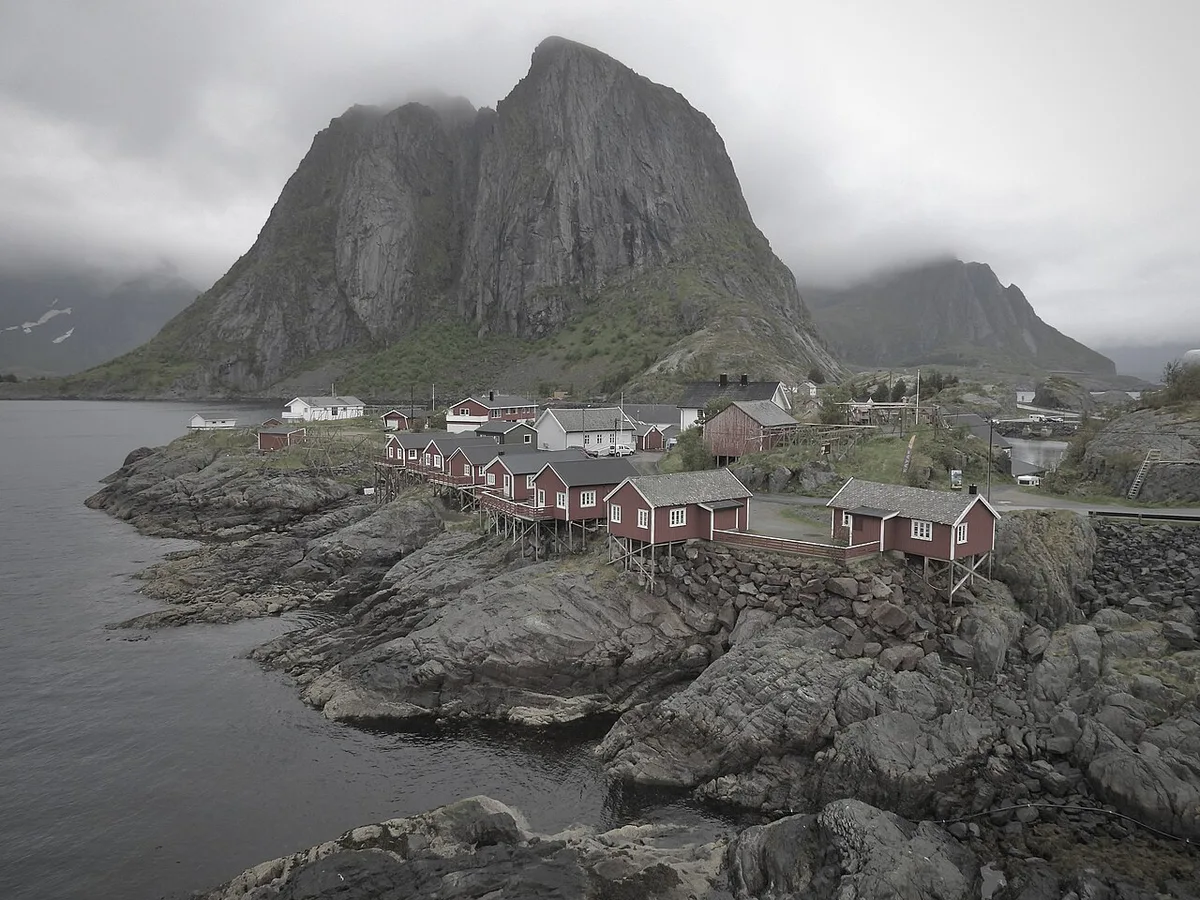
Never assume Reinebringen will be possible on your day. Trails such as Reinebringen, Ryten to Kvalvika and Mannen can be wet, steep and exposed. Check trail details on UT.no and forecasts on Yr before you set out. Tell someone your plan. If cloud closes in, switch to museums, Nusfjord, Henningsvær galleries or a Trollfjord boat tour. In winter, replace hikes with short drives and aurora nights near Svolvær.
Haukland and Unstad sit off the E10 and depend on weather, so a spare day protects the beach stops.
Costs and Budget Levers
Lofoten is expensive, so budget in categories rather than a single number. Car hire and accommodation are the largest costs, and both rise sharply in summer. Fuel, tolls and ferries come next, followed by food. Supermarket meals and a kitchen in your rorbu cut costs without losing time. A campervan can reduce lodging costs but raises hire and fuel costs. Check current rates on the operator and rental sites rather than relying on old quotes.
Extending the Trip
Vesterålen sits north of Lofoten and suits an extra day or two. Senja is another option, covered in our Senja Scenic Route: Driving Guide & Tips guide. For a longer journey, read our Norway Road Trip: Routes, Days, Costs and Driving Tips planner. Broader route ideas appear in our Scenic Drives in Norway: Best Routes and How to Choose page and the national tourist routes overview. Southern drives such as the Atlantic Ocean Road, Norway: Is the Detour Worth It? and Trollstigen are far from Lofoten, so treat them as separate trips.
Road-rule changes worth knowing
Optional updates to our guides.
You might also like

Continue reading
More guides you'll find useful