Speed Limits in Norway: Default Limits, Cameras and Fines (2026)
Norway's speed limits by road type, plus how cameras, fines and winter or mountain roads work for visitors.
On this page
Last updated November 2026: speed limits in Norway default to 50 km/h (31 mph) in built-up areas and 80 km/h (50 mph) on most rural roads. Motorways allow more on selected stretches, up to 110 km/h (68 mph). Signs always override the defaults, so read each fartsgrense (speed limit) sign. Our Norway driving guide covers the wider rules.
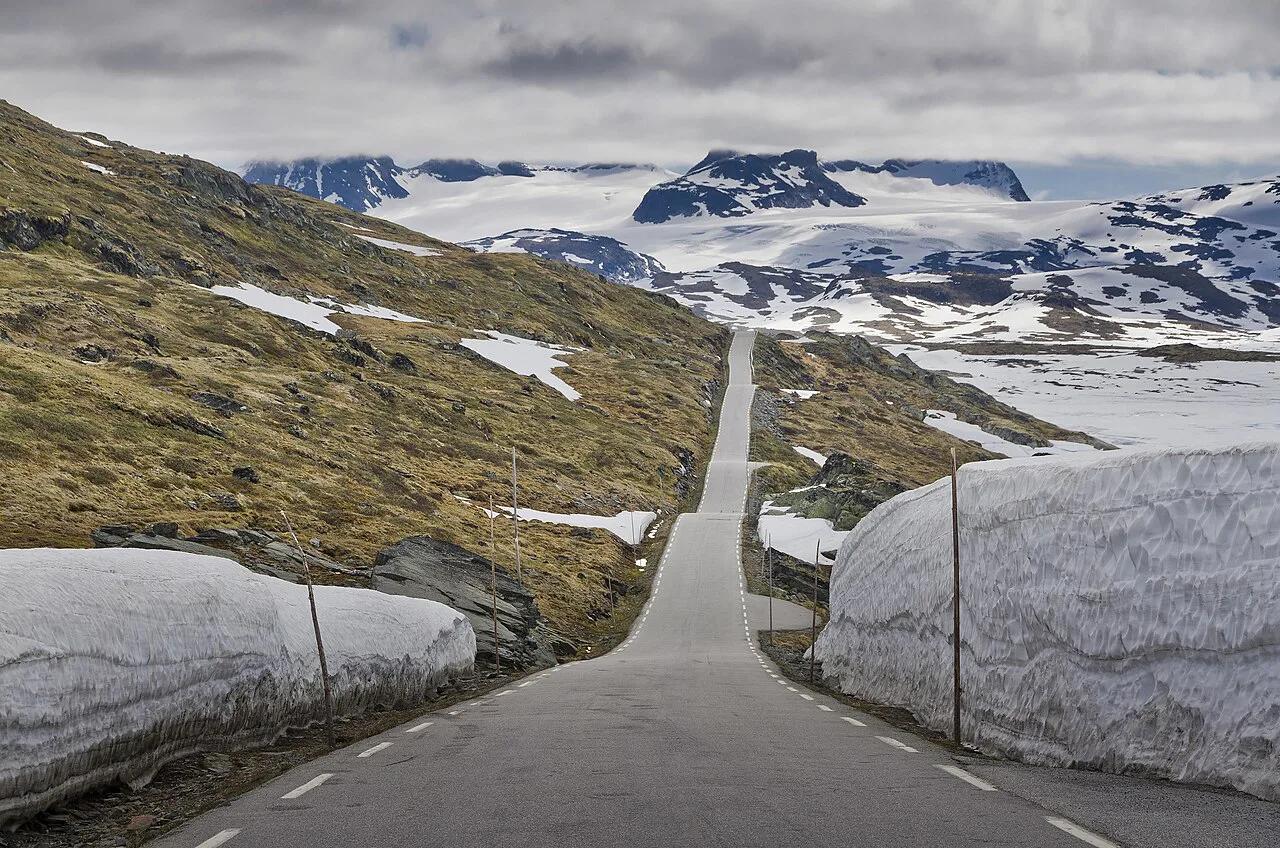
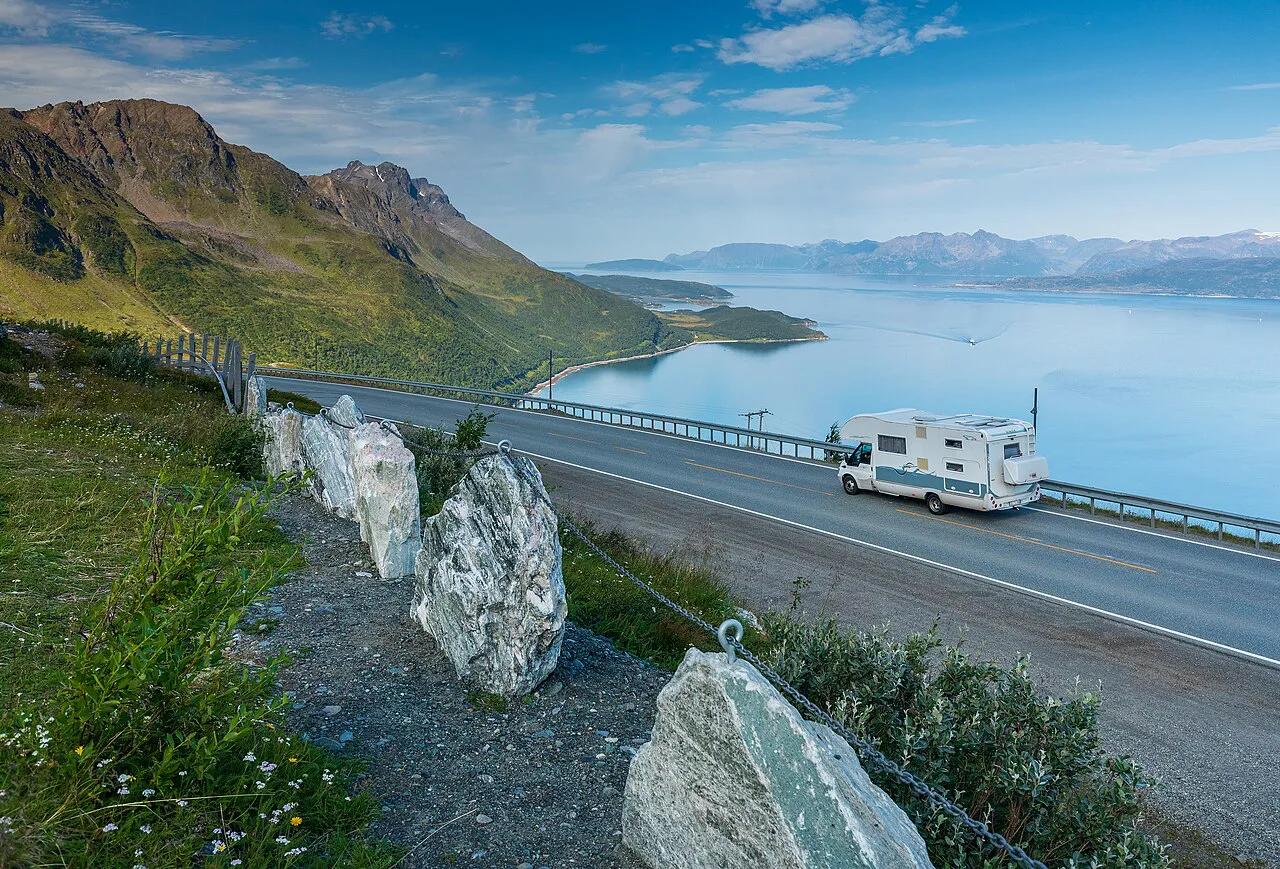
Featured image: Andrew Bowden from London, United Kingdon, CC BY-SA 2.0, via Wikimedia Commons.
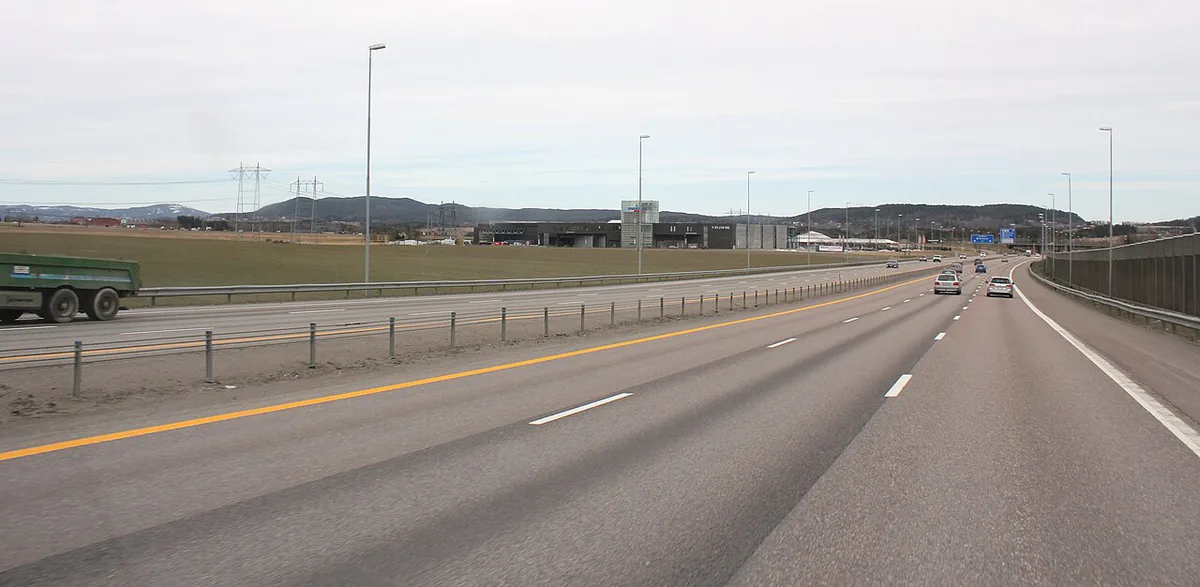
Speed limits in Norway at a glance
Norway counts speed in kilometres per hour, and so do all road signs. Built-up areas default to 50 km/h and rural roads to 80 km/h. Motorway limits vary by stretch, so never assume one national figure. Rental cars and campervans follow the same posted limits, apart from the towing and heavy-vehicle rules covered below.
| Road type | Default limit | Notes |
|---|---|---|
| Built-up areas | 50 km/h (31 mph) | Set by the surroundings; a 50 sign is posted where the limit drops to it |
| Residential and school zones | Often 30 km/h (19 mph) | Look for sone 30 signs |
| Rural roads | 80 km/h (50 mph) | The most common limit; good two-lane roads may be signed 90 km/h |
| Motorways | Up to 110 km/h (68 mph) | Depends on the stretch; many sections are signed lower |
| Tunnels | Signed individually | Follow the limit at the portal |
| Towing, and vehicles over 3,500 kg | 80 km/h (50 mph) maximum | Applies even where signs allow more; Tempo 100 approved trailers may do 100 km/h |
How to read the limit when no sign is visible
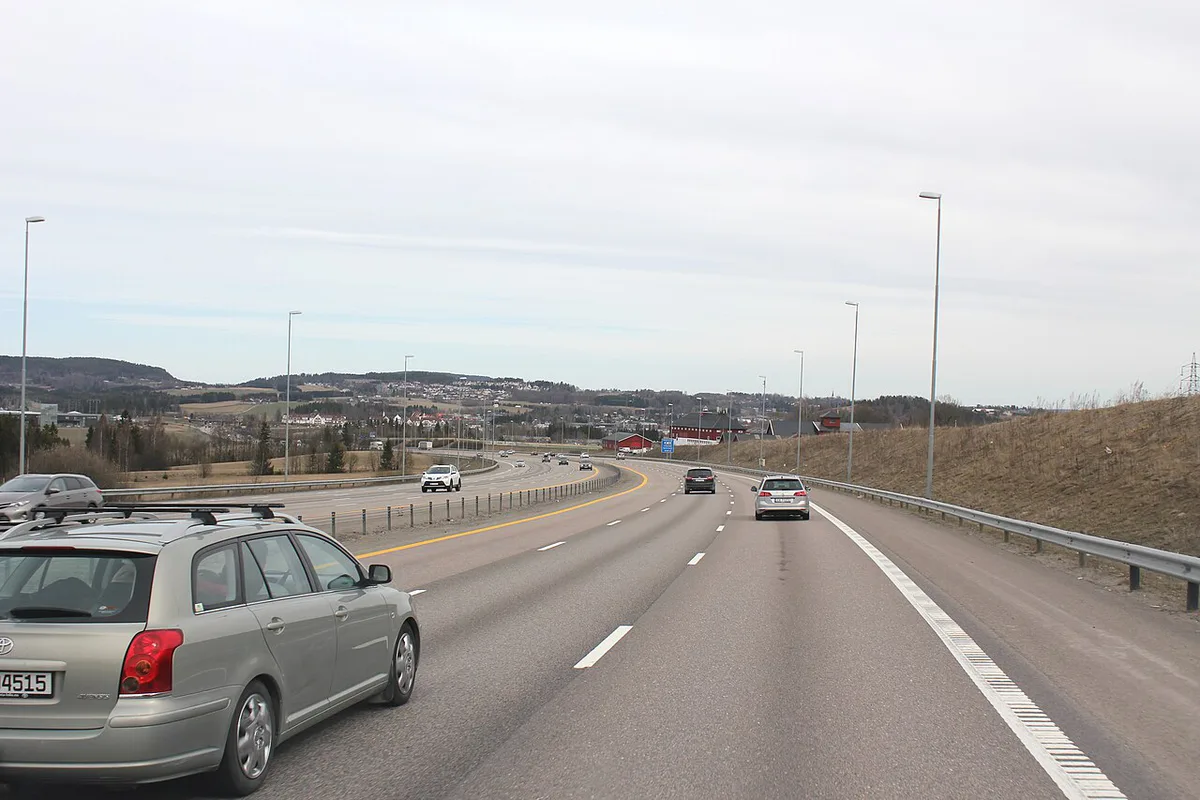
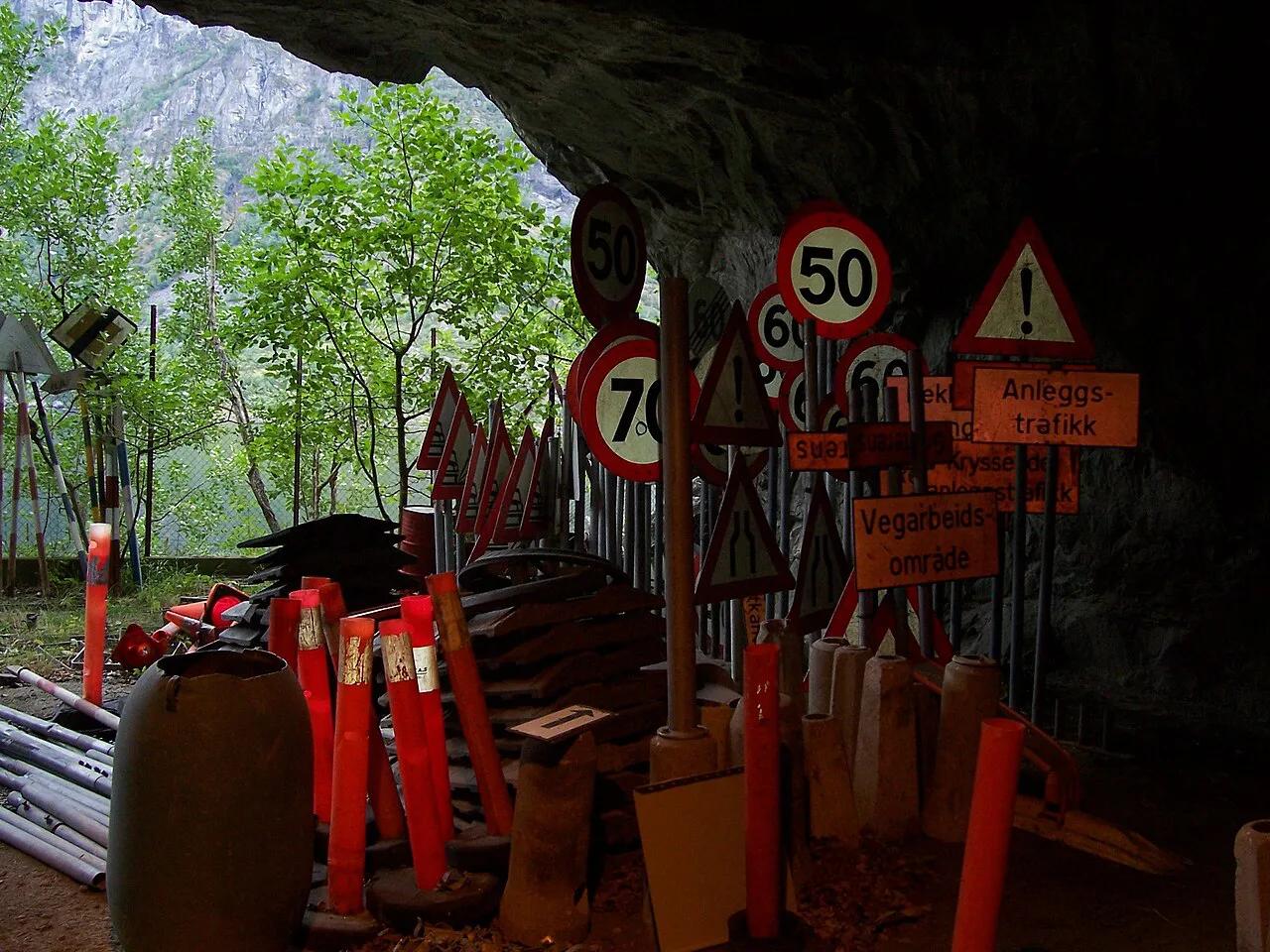
Norway uses a default system. Inside a densely built-up area the default is 50 km/h, and outside it the default is 80 km/h. These general limits are usually not signposted, and the surroundings tell you which applies. Unlike many European countries, Norway does not use the town-name sign to set a limit: when the limit drops to 50 km/h, you see a plain 50 sign. Any other number, from 30 to 110 km/h, is a special limit and is always signposted. The common trap is a rural road that drops from 80 to 60 km/h near a village. Watch for the new sign instead of relying on memory.
Cameras and enforcement
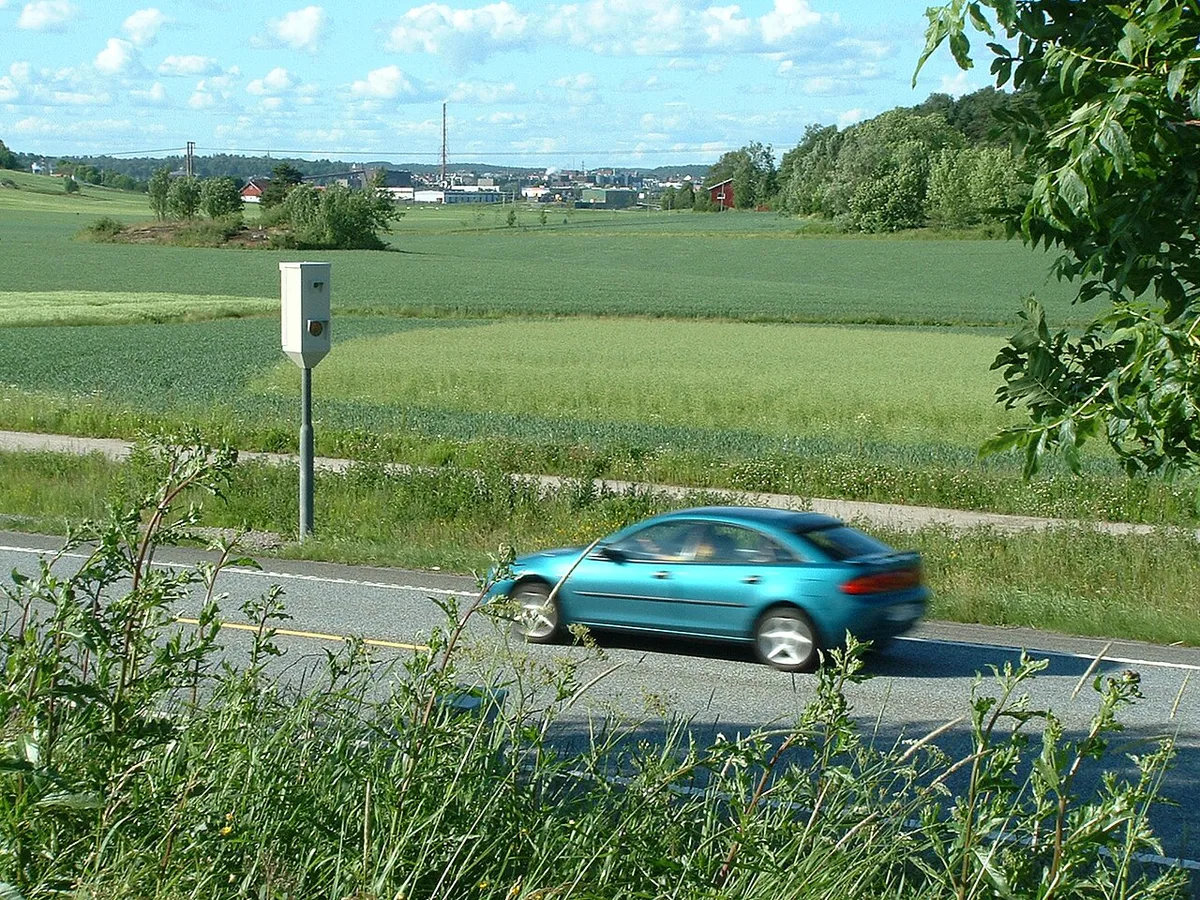
Norway uses fixed cameras, mobile police checks and section cameras that measure average speed between two points. A fartskontroll sign warns that a check is ahead, but not every camera is announced. Quiet roads give no protection, because police often run mobile checks on empty rural stretches. Section cameras punish a driver who brakes only at the visible camera. Keep to the limit along the whole stretch. Speed cameras also feed the penalty point scheme run by the police and the Statens vegvesen (Norwegian Public Roads Administration), described below.
Fines and what happens to visitors
Fines scale with how far you exceed the limit and with the limit itself, and serious excess can mean prosecution or loss of licence. We do not quote amounts here because the police revise the bands. Penalty points follow fixed rules, according to Statens vegvesen:
- 2 points for 11 to 15 km/h over where the limit is 60 km/h or lower, or 16 to 20 km/h over where it is 70 km/h or higher.
- 3 points for 16 km/h or more over at 60 km/h and below, or 21 km/h or more over at 70 km/h and above.
- A written warning at 4 points, and loss of the right to drive for six months at 8 points within three years.
The blood alcohol limit is 0.2‰, so a single drink can put you over. A rental car is registered to the rental company. The company normally identifies you as the driver and may add an administration fee. The fine can reach you weeks after you return home. Read the fines clause in your rental contract before you sign. Our car rental guide covers the pickup checks. Fines and fees are a real trip-cost risk, as are tolls, which are explained in our toll roads guide.
Speed limits on scenic and mountain roads
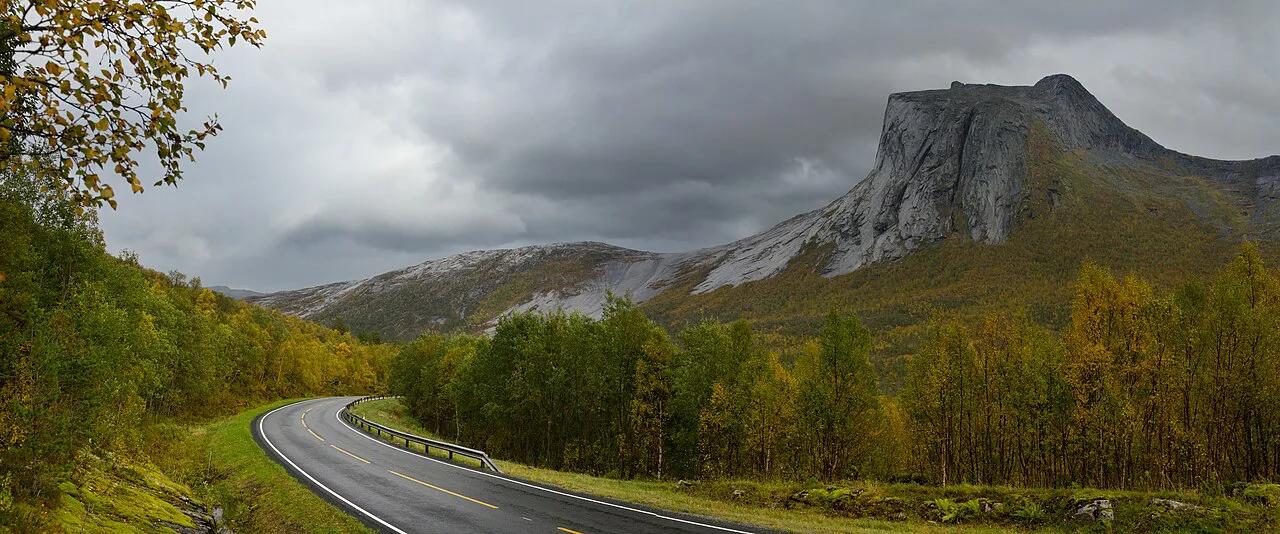
On scenic roads the limit is rarely your constraint. Bends, narrow passing places, cyclists and photo stops set your real pace. The Atlantic Ocean Road, Norway: Is the Detour Worth It? is short and exposed, so wind and traffic matter more than the number on the sign. Hairpins on Trollstigen force slow driving whatever the limit says. For planning across several routes, our national tourist routes guide helps you choose. Our scenic drives guide compares options by region. In the north, the Lofoten Road Trip: Route, Car Hire, Days and Season and the Senja Scenic Route: Driving Guide & Tips both include single-track sections where yielding matters more than speed.
Winter and weather
Rain, ice, fog and snow can make the posted limit unsafe. Slow down and leave more space between you and the car ahead. Statens vegvesen sets a minimum tread of 3 mm for winter driving, from 1 November until the first Sunday after Easter Monday, and from 16 October to 30 April in Nordland, Troms and Finnmark. Outside those dates the rule still applies when the road is snowy or icy. Statens vegvesen also publishes road status and closures, so read it before mountain drives. Our driving in Norway guide covers winter preparation in more detail.
Tread of at least 3 mm is the legal winter minimum, and a posted 110 km/h motorway limit can be unsafe in snow.
Planning drive times with real limits
Distance divided by the posted limit gives a fantasy time. Real journeys include ferries, tunnels, villages at 50 km/h, roadworks and photo stops. A map app is usually closer, and even that can be optimistic on fjord and mountain routes. Build slack into each day, especially when a ferry departure sets the schedule. Our Norway road trip planner shows how to pace a longer route.
Campervan, trailer and US-licence notes
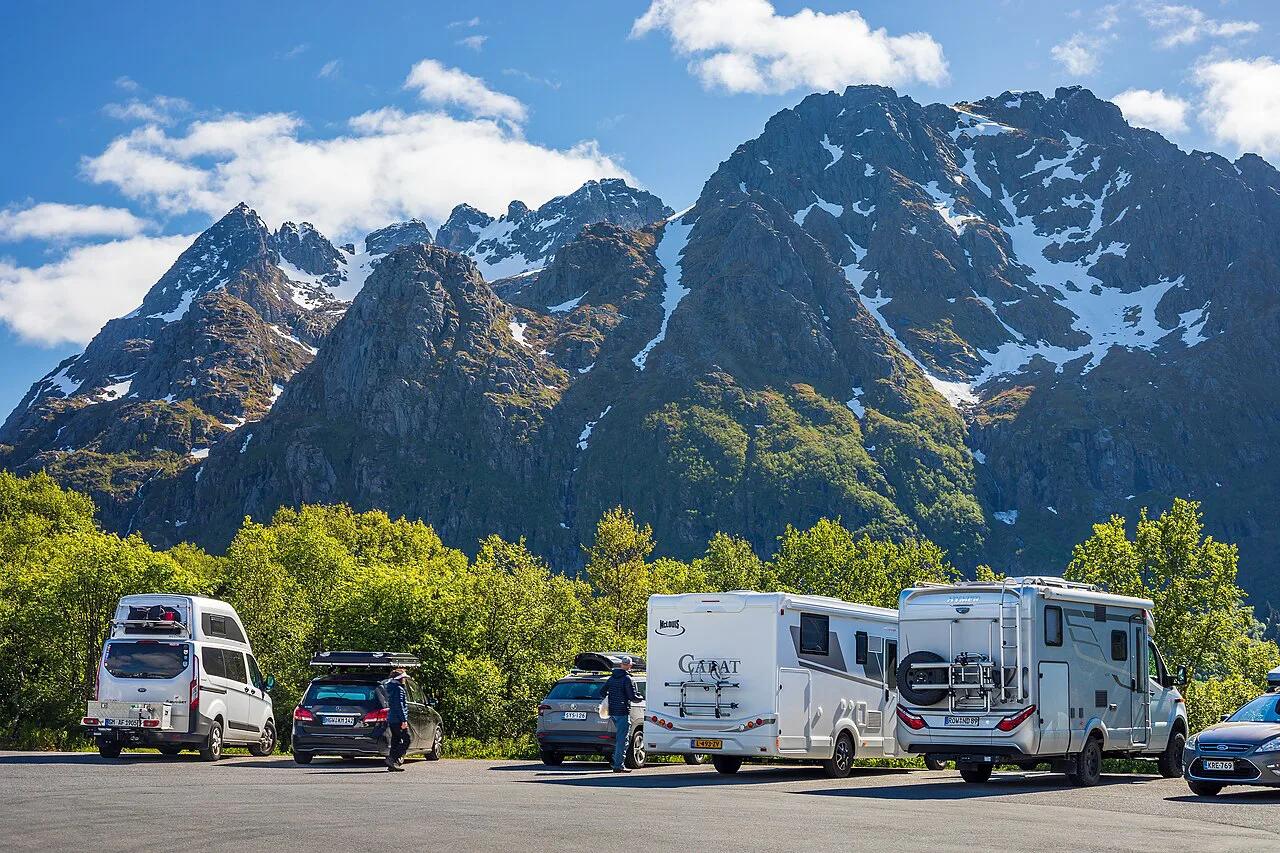
Under the Norwegian traffic rules (trafikkreglene §13), vehicles over 3,500 kg and any vehicle towing a trailer or caravan may not exceed 80 km/h, even on roads signed 90 or 110 km/h. A motorhome registered as a passenger car up to 7,500 kg is exempt when it tows nothing, and a car with a Tempo 100 approved trailer may drive at up to 100 km/h. The registration papers show which class your vehicle is in. Our campervan hire guide covers what to ask. US licence holders should read the licence rules in our US licence guide. Convert signs carefully: a 80 km/h sign is about 50 mph, so do not read it as 80 mph.
- Renters: read the fines and admin-fee clause in your contract.
- US licence holders: a US licence is valid for three months from arrival; carry it with you.
- Campervan drivers: ask about towing and heavy-vehicle limits at pickup.
- Winter visitors: check tyres and road status before every mountain leg.
Mistakes to avoid
Most visitor fines come from a short list of habits.
Expect a plain 50 sign, not a town-name sign, where the limit drops to 50 km/h.
- Assuming German-style high limits apply on Norwegian motorways.
- Missing the drop to 50 km/h at a 50 sign as you reach a village.
- Braking only at a camera and ignoring section cameras.
- Driving to the map ETA instead of the posted limit and conditions.
- Ignoring a rental company's fine notice because it arrives late.
Frequently Asked Questions
What is the fastest speed limit in Norway?
Selected motorway stretches allow up to 110 km/h, which is about 68 mph. Many motorway sections are signed 100 km/h or lower, so the sign on each stretch decides.
Can you go above 70 mph on a Norwegian motorway?
Generally no. A 110 km/h limit equals about 68 mph, and many sections are lower. Follow the posted sign rather than a general rule.
What is speed in Norway measured in?
Norway uses kilometres per hour, and all signs and speedometers in rental cars show km/h. Multiply by 0.62 to get miles per hour.
Road-rule changes worth knowing
Optional updates to our guides.
You might also like
Continue reading
More guides you'll find useful