EV Charging in Europe: Plugs, Payment & Border Tips (2026)
Driving an EV in Europe? Learn which plugs you need, how to pay without an app, what charging really costs, and how to plan border crossings.
On this page
Last updated November 2026. Planning ev charging europe-wide comes down to two plugs: Type 2 for AC and CCS2 for DC fast charging. Payment is split across many networks, so carry a roaming card or app plus a backup payment method. A map pin never guarantees that a charger is working, free or compatible with your car. For wider road rules, start with our complete Europe driving guide.
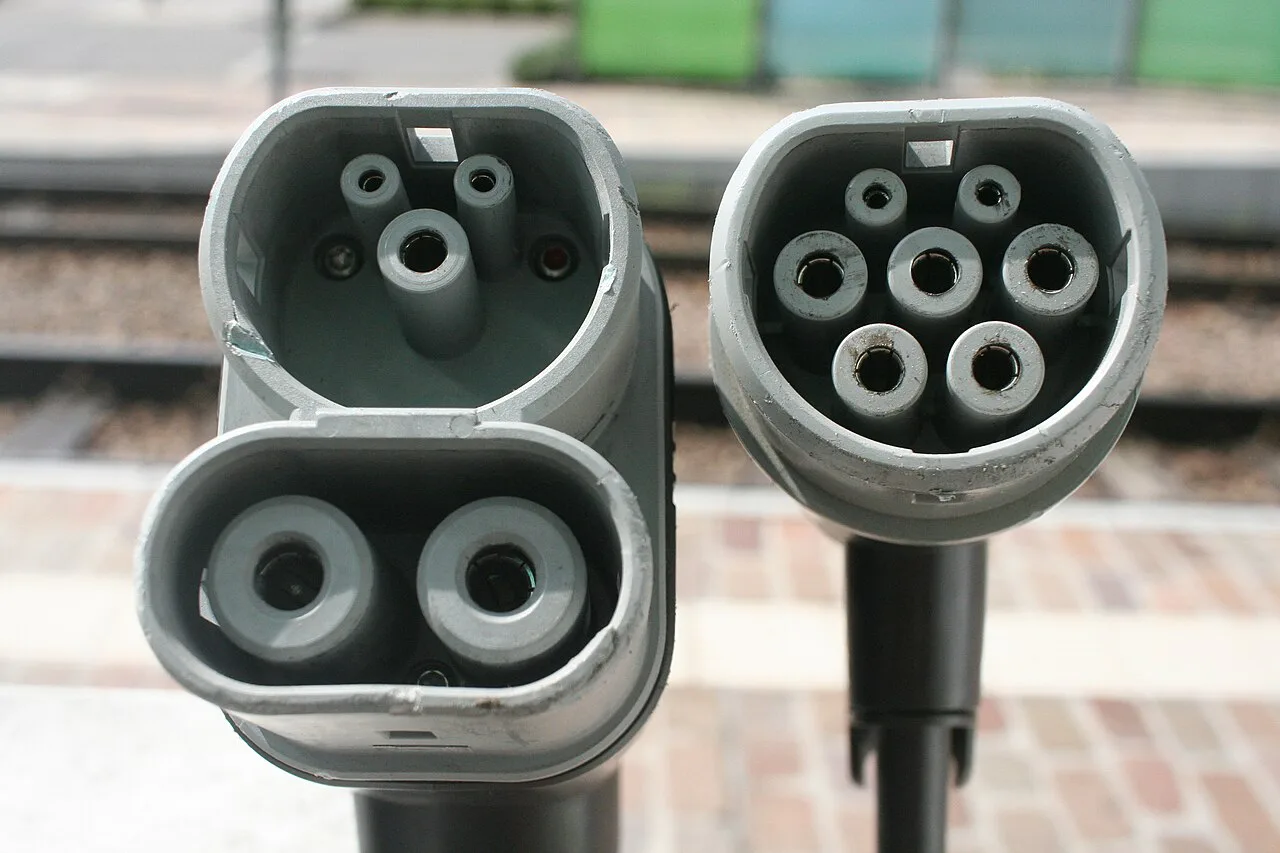
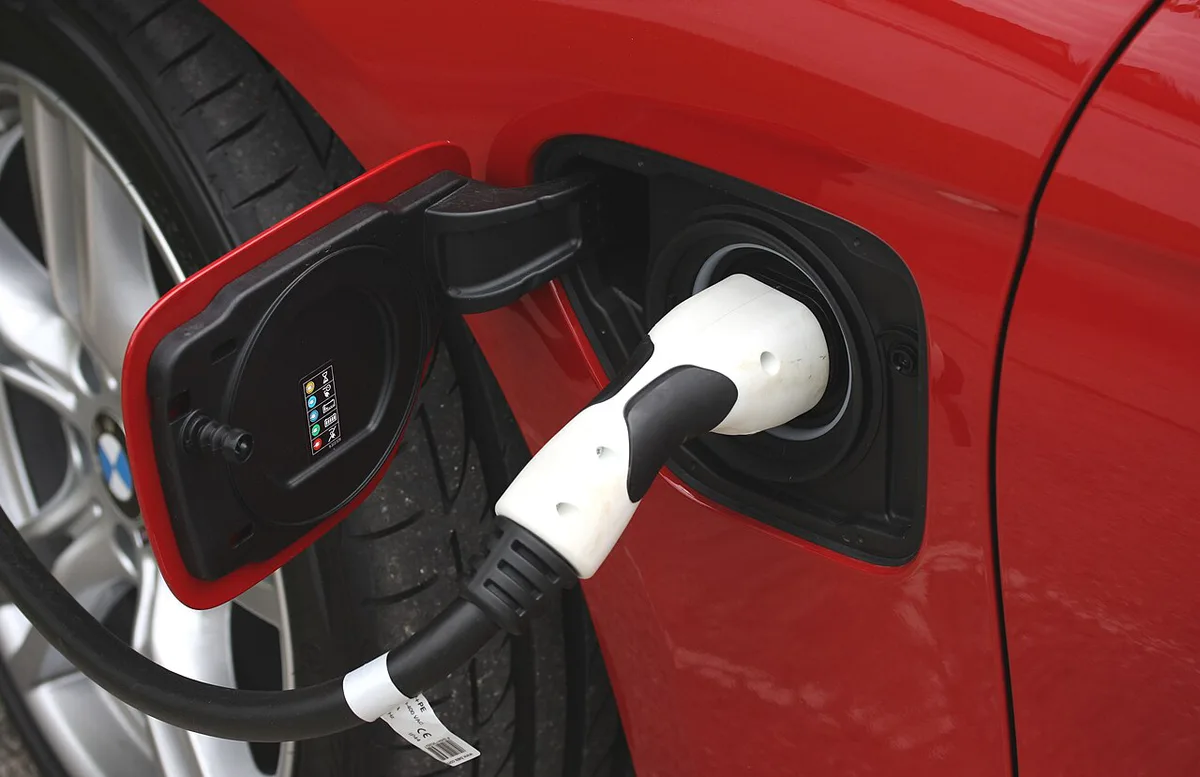
Featured image: Paul Sladen, CC0, via Wikimedia Commons.
Quick answer: what you need to charge across Europe
Work through five checks in order. First, confirm your car's AC and DC charging limits. Second, pick a payment method. Third, plan stops with a backup at each one. Fourth, check each border you will cross. Fifth, know your fallback if a session fails. EU law now sets a floor on the main roads. Under the Alternative Fuels Infrastructure Regulation (AFIR), the TEN-T core network must have a fast-charging pool in each direction at least every 60 km, offering 400 kW in total with at least one 150 kW point, from the end of 2025. Coverage away from those corridors is uneven, so the rest of this guide turns those five checks into decisions.
Type 2 vs CCS2: which plug does your car use?
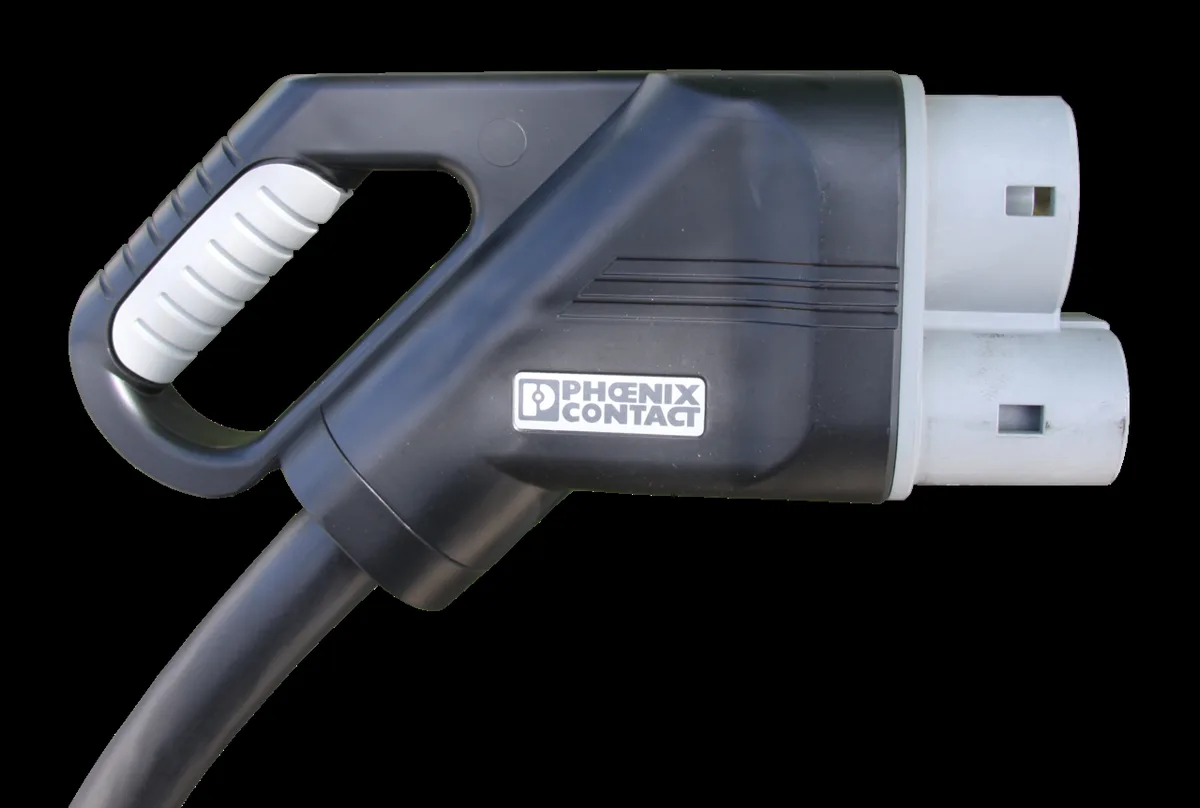
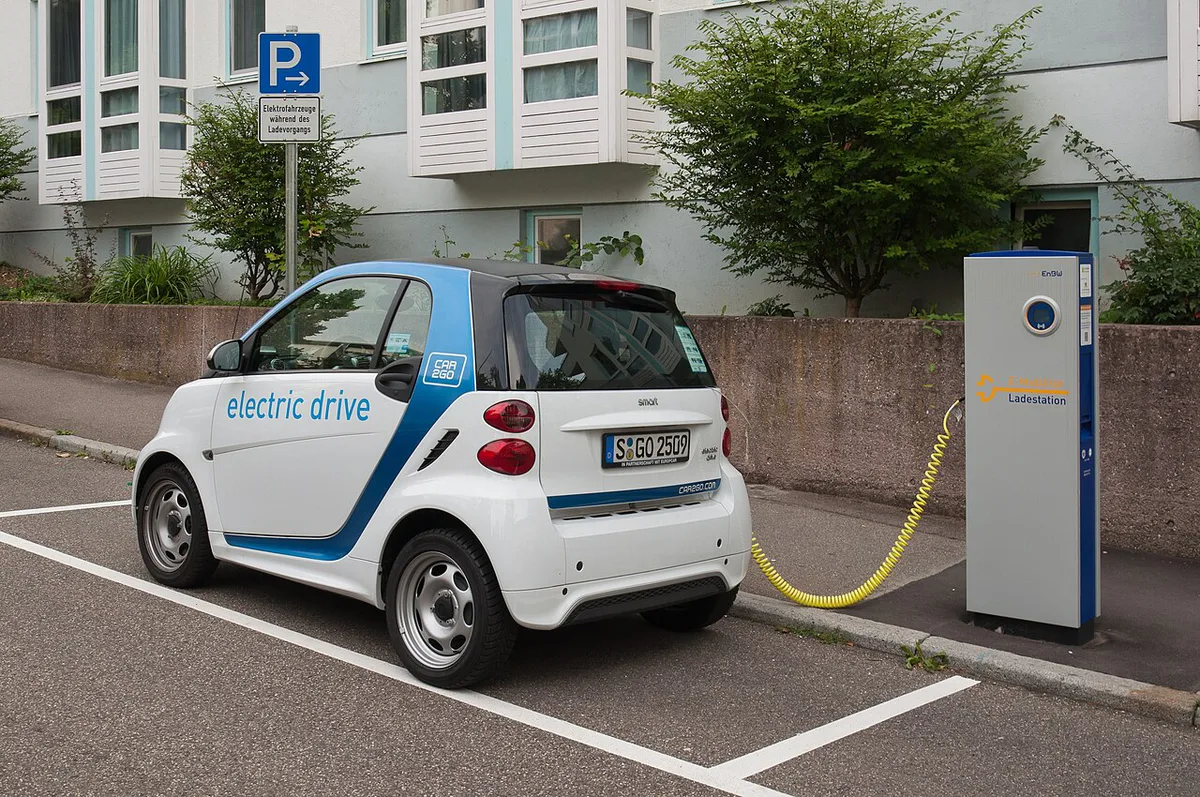
EU interoperability rules require Type 2 at covered public AC points and CCS Combo 2 (CCS2) at covered high-power DC points. Check your own car's inlet before you leave, because older hardware can differ. CHAdeMO is still found on some older chargers but is declining, and most new installations skip it. You can read the official overview of connector standards on the European Alternative Fuels Observatory.
| Connector | Typical use | What to check |
|---|---|---|
| Type 2 | AC charging at street, car park and destination points | Your car's AC port, your cable, and its onboard charger limit |
| CCS2 | DC fast charging on longer journeys | Your car's DC capability and its charging curve |
| CHAdeMO and legacy plugs | Older cars and older stations, in decline | Whether both your car and the station support the plug |
Why a 22 kW charger may not give your car 22 kW
A charger's rating is its ceiling, not a promise to your car. On AC, the onboard charger sets the limit. A car capped at 11 kW AC will draw 11 kW from a 22 kW post. On DC, power also depends on battery temperature, state of charge and the car's charging curve. Charging slows sharply above 80%, so most estimates quote 10–80%. As indicative figures for a 60 kWh battery, a 7 kW AC point takes about 8–9 hours. A 50 kW DC charger takes about 1 hour for 10–80%. A 150 kW charger takes about 25–30 minutes, if your car can accept that power.
How to find chargers and check they work
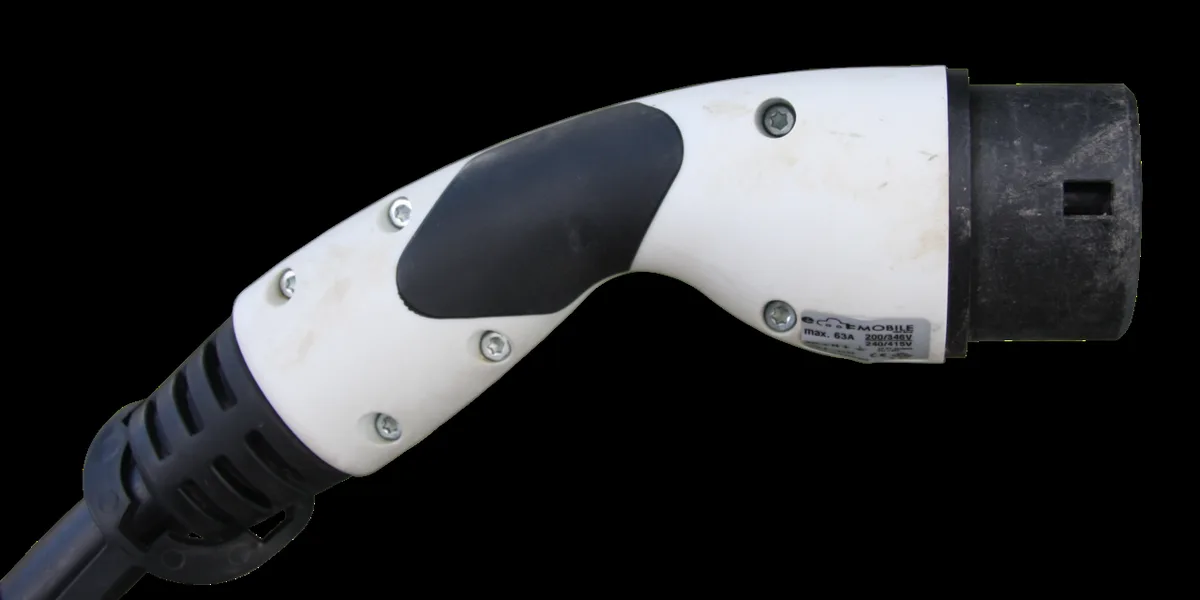
Start with the European Commission's EAFO and its linked TENtec map to see where infrastructure exists along main corridors. That map is built for infrastructure analysis, not live navigation. It will not tell you whether a charger is free right now. Use the operator's own app or website for status, connector count, access hours and price. Some points sit inside paid car parks or garages, so parking fees and gate hours can apply. Save at least one backup stop on the same stretch of road, especially before a border.
Can you charge without an app? What AFIR actually requires
The EU's Alternative Fuels Infrastructure Regulation, Regulation (EU) 2023/1804, sets payment rules for public points. Operators must offer ad hoc payment at points deployed from 13 April 2024. At points rated 50 kW or more, that means a card reader or contactless device. Below 50 kW, secure internet-based methods such as QR payment may be allowed. From 1 January 2027, every public point of 50 kW or more on the TEN-T road network must accept cards in the same way, including points built before April 2024. At 50 kW and above, the ad hoc price must be charged per kWh, with any per-minute occupancy fee shown at the station before you start. The full text is Regulation (EU) 2023/1804 on EUR-Lex, and the Commission's AFIR overview summarizes it. Older slower chargers and stations outside the EU can still require an app or RFID card. Carry one roaming option as a backup.
Points rated 50 kW or more need a card reader or contactless device, so a 22 kW post may allow QR payment instead.
How to compare the real price of charging
Prices and hours checked November 2026. Headline per-kWh rates mislead, so build the real price from these parts: energy rate, session fee, time or idle fee, parking fee, roaming markup, and currency and tax. As an illustration only, not a quoted tariff, 30 kWh at €0.55 per kWh costs €16.50 before extras. Home AC is generally cheapest, public AC sits in the middle, and DC fast charging usually costs most. Operator pricing changes often, so read the tariff shown for your chosen charger and payment method before you plug in.
A roaming card may add a markup on top of the €0.55 per kWh example, so the final bill can run higher.
- Energy rate per kWh
- Session or start fee
- Time-based or idle fee after charging ends
- Parking fee in a garage or car park
- Roaming markup when you pay through a third-party card or app
- Currency, tax and bank conversion charges
Major networks and roaming cards, side by side
No single network covers every country. Ionity runs high-power stations across 24 European countries. Fastned operates in nine: the Netherlands, France, Germany, the UK, Belgium, Denmark, Italy, Spain and Switzerland. Tesla has opened many of its European Superchargers to non-Tesla cars since a 2021 Dutch pilot. Rather than naming a cheapest network, compare tariffs on each operator's site on the day you travel. A roaming card or app widens access but may add a markup.
| Network | Typical role | Payment | Best fit |
|---|---|---|---|
| Ionity | High-power motorway corridors | App or card | Long multi-country drives |
| Fastned | Fast-charging stations in nine countries | App, card or contactless | Drivers who want simple payment |
| Tesla Supercharger | Large network, open to non-Tesla cars | Tesla app | Drivers with a CCS2 car who accept a separate account |
| Allego | Urban and motorway sites | App or RFID | Mixed city and highway trips |
| Shell Recharge | Wide roaming coverage | App or card | Travelers who want one account for many sites |
Planning a European EV road trip
Stop at 10–80% rather than charging to full, because the final 20% takes disproportionately long. Match each stop to a meal or rest break. Cold weather cuts range, so keep extra buffer in winter. Gaps remain in rural and mountain areas, and progress toward the 2025 corridor target differs from country to country, so plan the stretches away from main motorways with more care. In the Black Forest, plan ahead once you leave main roads. In Norway, the Bergen to Ålesund route has steep, cold climbs that raise consumption. A flat Dutch route like Rotterdam to Groningen is far gentler on range.
Cross-border checklist: EU vs the rest of Europe
EU rules do not apply identically across the whole continent. The UK, Switzerland, Norway and the Balkans can differ in networks, roaming and payment. Before you cross, run through this list. For vehicle paperwork, see our guides to Green Card Insurance for Driving in Europe: Do You Need One? and the UK sticker rule. Non-EU renters should also read about the International Driving Permit for Europe: Who Needs One.
- Confirm your connector is available on both sides of the border.
- Check that your roaming card or app works in the next country.
- Keep a payment fallback if your preferred app or contactless method fails.
- Look up city access rules in our low-emission zones guide.
- Save a second charger before your last convenient charging area.
If something goes wrong: breakdown cover and failed sessions
Check that your European breakdown cover names electric cars. Ask whether it covers a flat battery, flatbed recovery and towing to a working charger, and whether it caps the carrying distance. A portable Level 1 or Level 2 cable is a limited emergency option, not a plan. If a session fails, move to your saved backup stop rather than retrying a faulty point repeatedly. Avoid scanning an unfamiliar QR sticker placed over a charger's original payment details.
Mistakes to avoid
Most charging problems trace back to a short list of habits.
- Trusting a map pin as proof the charger works.
- Assuming a 22 kW post will deliver 22 kW.
- Leaving without a backup stop.
- Skipping the border check for connectors, roaming and payment.
- Charging past 80% at a DC stop on a road trip.
Road-rule changes worth knowing
Optional updates to our guides.
You might also like

Continue reading
More guides you'll find useful