Breakdown Cover Europe: What It Covers and How to Choose
What European breakdown cover includes, what it excludes, and how to compare policies. Plus what to do if you break down abroad.
On this page
Last updated November 2026. Your home breakdown cover usually stops at the border or drops to a limited "European" tier, so breakdown cover Europe drivers rely on is often a separate add-on or policy. Rental cars normally come with roadside assistance arranged by the rental company. Below you'll find who needs cover, what to compare and what to do at the roadside, as general information within our driving in Europe guide and not insurance advice.
Featured image: dlg_images, CC BY 2.0, via Flickr.
Do you need breakdown cover for Europe?
It depends on whose car you drive and how long you stay. Start by listing what you already hold. Car insurance add-ons, travel insurance breakdown modules and bank-account perks can overlap, and you want to avoid paying twice. Some new policies carry a waiting period before cover starts, so buy well before departure.

| Situation | What usually applies |
|---|---|
| Own car, UK or EU plate | Buy European cover or upgrade your home policy |
| Own car, US driver shipping or leasing a car | Separate European cover, tied to that vehicle |
| Rental car | Assistance comes through the rental contract |
| Campervan, motorhome, caravan or trailer | Size and weight limits matter; read them first |
| EV | Confirm the policy covers EV-specific faults |
| One-way or multi-country trip | Country list and repatriation terms matter most |
What European breakdown cover usually includes (and what it does not)
Most policies pay for a roadside repair attempt first. If the car cannot be fixed, they arrange recovery to a garage. Some policies add onward travel, a hire car or overnight accommodation. A common trigger for a replacement car or vehicle repatriation is a repair that cannot finish within a set number of hours or before your return date. Your policy wording sets the exact terms.
- Usually included: roadside repair attempt, recovery or towing, onward travel or hire car, overnight accommodation, vehicle repatriation.
- Usually excluded: repair labour and parts, which are a separate agreement with the garage.
- Often excluded: tolls and ferries abroad, mud or snow situations, and running out of fuel without a fault.
- Often limited: vehicle age, size and weight, plus one call-out per fault.
How to compare policies: 6 decision criteria
Two policies with the same headline can differ sharply in the details. Vehicle-specific cover follows one car whoever drives it. Personal cover follows you and sometimes your family, which suits people who switch cars. Some policies also help if the car fails shortly before departure, paying for a hire car or a rebooked sea crossing, while others exclude any fault found before the trip starts.
Cover for a car that fails just before a European trip depends on the policy, and a brand-new policy can carry a waiting period.
| Criterion | What to look for |
|---|---|
| Countries and islands | The named list, plus exclusions such as Morocco or Turkey |
| Vehicle versus personal cover | Which car or which person is protected |
| Hire car and onward travel | Daily limits and maximum duration |
| Repatriation | When the insurer decides, and how long it takes |
| Home-start cover | Help at your door before you leave |
| Size and age limits | Length, width, height and weight caps, which matter most for vans and motorhomes |
Rental cars: what is already covered
Major rental companies usually include basic assistance in the countries where you may drive the car. Separate cover is generally unnecessary. Read the agreement for three things: the assistance scope, the countries you may enter and the number to call. Lost keys, misfuelling and tyre damage often sit outside basic assistance, so ask at the desk. Some rental firms sell an extended assistance upgrade.
Cost and value trade-offs
Prices swing widely with vehicle age, the number of people covered, trip length and payment method, so compare full quotes for the same car and dates rather than headline prices. A single-trip policy suits one holiday. An annual policy pays off if you drive abroad several times a year.
Count how many trips abroad you make in a year before choosing between annual and single-trip cover.
If you break down abroad: step-by-step
The first 10 minutes matter most. Follow this order, then deal with the policy once everyone is safe. The EU-wide emergency number is 112, free from fixed and mobile phones in every EU country, as Your Europe's emergencies page explains. Legal equipment rules differ by country, so see our country-by-country driving rules.
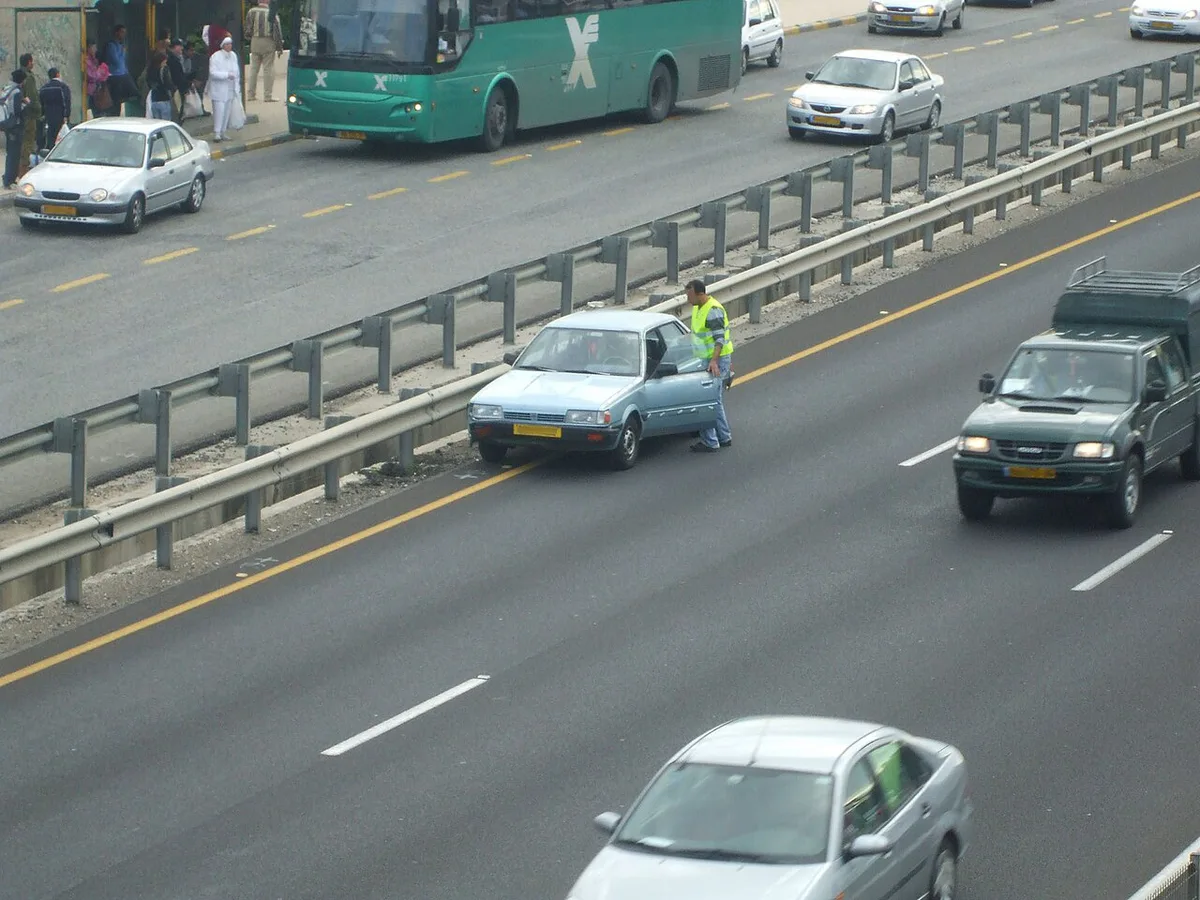
- Move the car off the carriageway if you can, and switch on the hazard lights.
- Put on a reflective vest before you leave the vehicle.
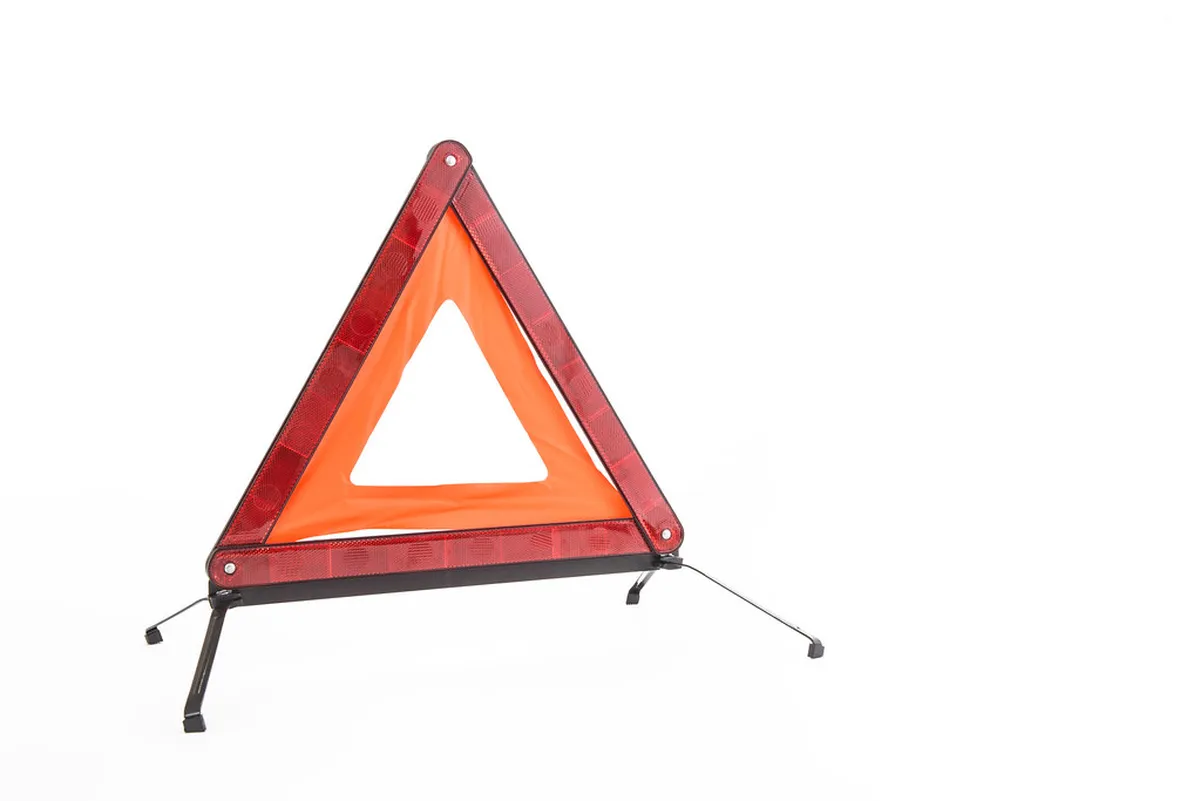
- Place the warning triangle behind the car, and keep passengers away from traffic.
- On a motorway or toll road, use the roadside emergency phones first. Some policies require local authorities to handle toll and private roads before you call the provider.
- Call the provider with your registration, exact location and a contact number.
- Keep every receipt, because some payments are pay-and-reclaim.
Documents to carry
Carry your driving licence and any extra permit. Our international driving permit guide explains when one is needed. US drivers can read driving in Europe with a US license. Bring the vehicle registration and proof of insurance. See Green Card Insurance for Driving in Europe: Do You Need One? for when that proof applies. Add the breakdown policy and its emergency number, and a UK Sticker for Driving in Europe: Do You Need One? if your car is UK-registered.
EV and special cases
Ask whether your policy covers EV-specific faults such as a flat battery. Plan charging stops with our EV charging in Europe guide. Low-emission zone fines are not breakdown costs, so read low-emission zones in Europe before entering a city. Headlights also need adjusting for the road side, which our Headlight Beam Deflectors for Driving in Europe: Do You Need Them? page covers. Campervans and caravans face size limits, so confirm yours fits the policy.
- Mistakes to avoid: buying after the breakdown, skipping the country list and assuming rental assistance is comprehensive.
- More mistakes: driving an over-age or oversize vehicle and leaving the policy number at home.
Pre-existing faults and pay-and-reclaim claims
Read the pre-existing-breakdown rule before you buy. A policy may refuse help when a warning light, starting problem or recurring fault appeared before cover began. This matters if you buy close to departure. New policies can have a waiting period, so a last-minute purchase may not protect the journey you expect.
Also check whether the provider arranges recovery directly or expects you to pay first and claim later. Pay-and-reclaim cover can be workable, but only if you can meet an unexpected garage, hotel or transport bill. Keep itemised receipts and get approval before arranging expensive recovery yourself.
Read the onward-travel deadline carefully. Some policies provide help when a car fails shortly before a European trip, while others use different eligibility rules. Ask the insurer how it handles a fault found before departure, a repair delay abroad and a second call-out for the same problem.
Frequently Asked Questions
Do you have to have breakdown cover in Europe?
Breakdown cover is a separate product from the motor insurance and documents you must carry. Required paperwork differs by country, so read GOV.UK's driving abroad guidance. Without cover, you pay recovery and repair costs yourself.
Road-rule changes worth knowing
Optional updates to our guides.
You might also like


Continue reading
More guides you'll find useful