Headlight Beam Deflectors for Driving in Europe: Do You Need Them?
Do you need headlight beam deflectors in Europe? See how to check your LED, xenon or halogen lights, fit deflectors safely and avoid glare.
On this page
Last updated November 2026: headlight beam deflectors are stick-on sheets, or a built-in setting, that reshape your dipped beam so it does not dazzle oncoming drivers on the continent. Whether you need them depends on your headlight type and on whether the lamps have a travel mode or automatic adjustment. Read your vehicle handbook first, then work through the table below before you book the ferry or tunnel.
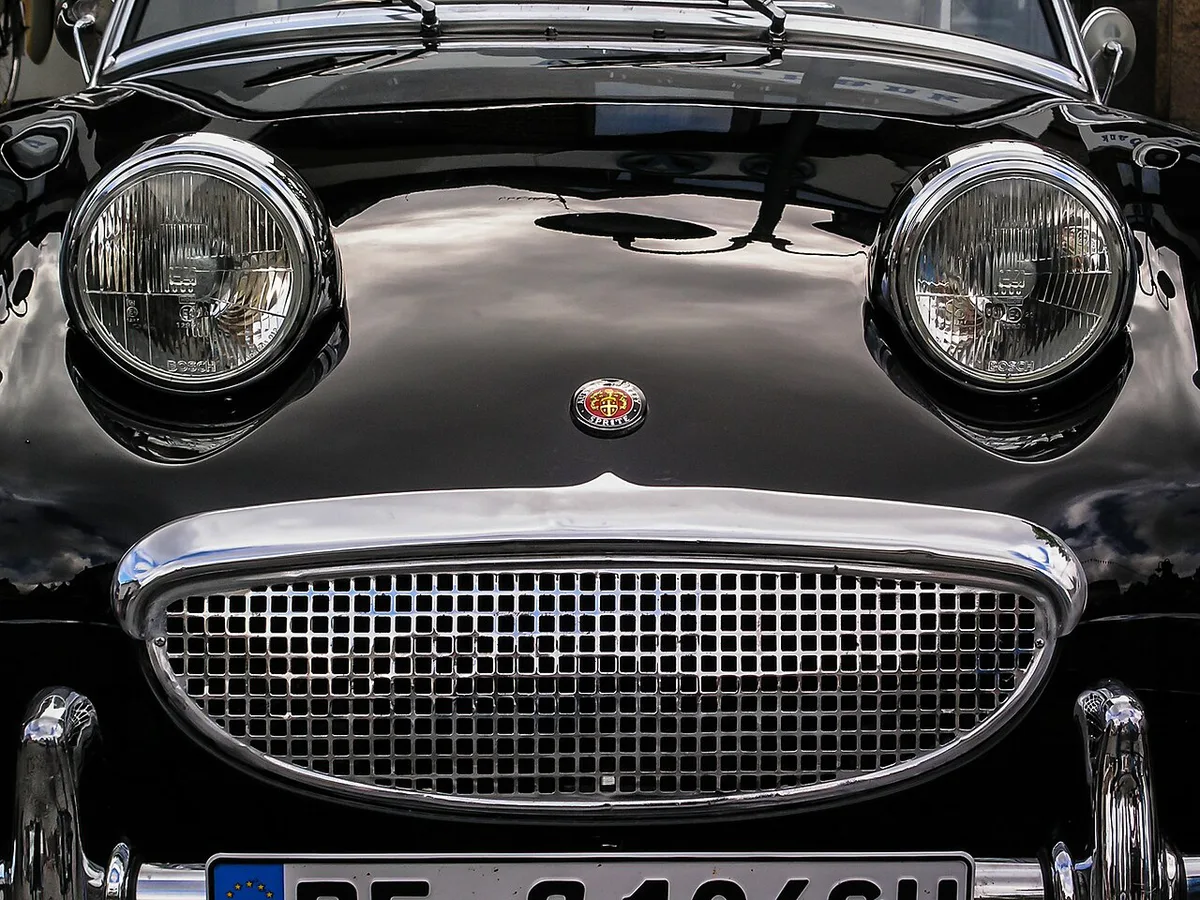
Featured image: Dietmar Rabich, CC BY-SA 4.0, via Wikimedia Commons.
Do you need headlight beam deflectors in Europe?
Short answer: it depends on the car. Many older UK and Irish cars with halogen reflector lamps need the beam changed for right-hand traffic. Newer cars may handle it with a menu setting or automatic adjustment. Your handbook or dealer gives the definitive answer for your exact model. Day trips and short hops are a different case, covered in the options section below.
What beam deflectors do and why dipped beams dazzle abroad
Dipped beams on UK and Irish cars are designed for left-hand traffic. They light the left verge and keep glare away from drivers approaching on the right. On the continent, traffic keeps right, so that same pattern sweeps across oncoming drivers' eyes. Beam deflectors, also called beam benders or headlamp converters, mask or bend part of the pattern. Cars sold for continental markets get the mirror-image pattern from the factory. Dazzle matters most on unlit motorways and rural roads at night.
Which headlights need adjusting: halogen, xenon, LED and adaptive
Headlight type decides your route. Use the table as a starting point. Many modern LED and projector units have a built-in or automatic dip pattern, and the handbook's section on driving abroad says whether yours does.
| Headlight type | What to check | Typical approach | Caveat |
|---|---|---|---|
| Halogen reflector | Handbook and lens markings | Stick-on deflector sheets made for your vehicle | Usually the clearest case for a deflector; the sheet must match your model |
| Halogen projector | Handbook; ask the dealer about a travel setting | Manufacturer advice first, then purpose-made sheets | Masking a projector lens may be inappropriate; ask the manufacturer |
| Xenon / HID | Handbook; dealer advice | Built-in adjustment or dealer setting where offered | Do not improvise with tape without manufacturer advice |
| LED | Handbook; menu for a driving-abroad mode | Many units have a built-in or automatic dip pattern | Not every LED unit adjusts itself; the handbook or dealer says which do |
| Matrix / adaptive | Vehicle menu for travel or abroad mode | Use the setting or dealer reprogramming | Software options are model-specific |
Your options: travel-mode setting, stick-on deflectors or masking
Rank your options from most to least preferred. Cost and time follow the same order in qualitative terms. Travel-mode settings are usually quick when the car supports them. Dealer settings mean a garage appointment. Stick-on sheets are a low outlay but need careful fitting time. Skipping the fix costs nothing up front, yet it risks dazzling other drivers.
- Built-in travel or driving-abroad setting, or dealer reprogramming: the cleanest fix, with no changes to the lens.
- Purpose-made stick-on deflector sheets matched to your vehicle: a common route for older halogen cars.
- Manual masking with black tape: a last resort. Badly placed tape can leave the beam too dim, and a poorly cut pattern can still glare.
- Short trips or day trips: if your car has an automatic or travel setting, you may not need to fit anything.
- Manufacturer says no: if the handbook or dealer advises against stickers or tape on your lamps, follow that advice.
How to fit and check the beam pattern before you go
Do this on a level surface, in the dark, a few days before departure. Fitting is only half the job, because checking proves the pattern works.
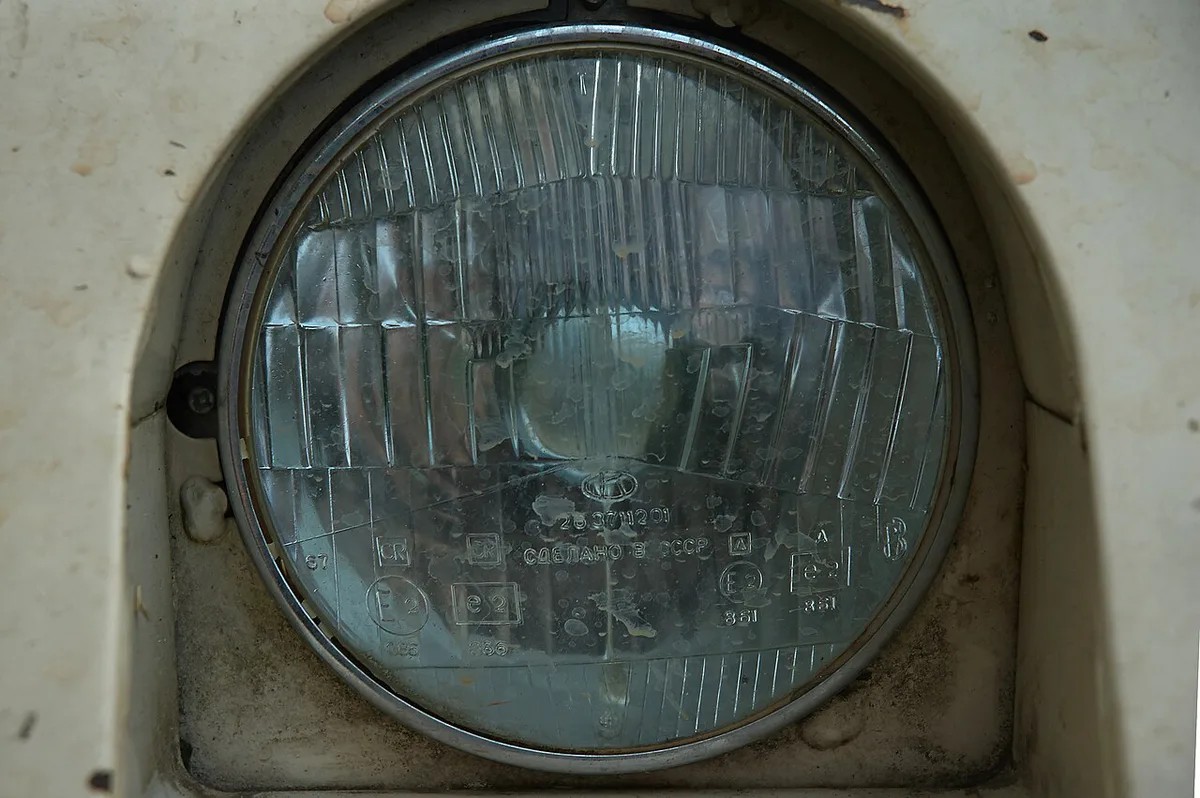
- Clean the lenses and confirm they are not cracked or fogged inside.
- Park on level ground facing a plain wall, and measure the distance so you can repeat it.
- Switch on dipped beam in dark conditions and note where the bright cut-off sits on the wall.
- Fit the sheets exactly as the maker's instructions show for your lamp type.
- Return to the same spot and compare the new pattern with the earlier one.
- Adjust only as the instructions allow, then recheck both headlamps against each other.
Rules to check for your route
Rules differ by country. GOV.UK's driving abroad guidance lists headlight converter stickers among the items UK drivers may need, depending on the country they visit. Your Europe covers vehicle rules for drivers abroad across the EU and links to each country's own rules. National law sets the detail, and fines vary by country, so no single figure applies. Motorhomes and caravans need the same check.
Mistakes to avoid
Most problems come from rushed fitting or wrong assumptions.
- Leaving deflectors on after you return home, which leaves you with the wrong pattern on UK roads.
- Using a sheet cut for the wrong side of the road.
- Sticking sheets over dirty or cracked lenses, which can leave glare and poor adhesion.
- Trusting one product's fitment claims. Review the specifications and fitment wording before ordering.
- Forgetting other lights. Fog or auxiliary lamps are worth a quick look too.
Driving the other way: LHD vehicles in the UK and Ireland
Left-hand-drive cars face the mirror-image problem in the UK and Ireland. Their dipped beams favor the right verge, so they can dazzle oncoming traffic on the left. Motorhome owners ask this often, and the same table and wall test apply. Read our guide to Driving on the Left in Europe: A Visitor's Guide for road-position basics. Look in the handbook for a travel setting, and fit converters or switch the setting before your first drive after dark.
Pre-departure checklist for driving abroad
Start with our complete guide to driving in Europe. Bring your license and, where required, an International Driving Permit for Europe: Who Needs One. US drivers can read about driving in Europe with a US license. Learn common European road signs. Brush up on roundabout etiquette as well. Give-way rules matter too, and priority at junctions on the right catches many visitors out.
- Identify your headlight type and read the handbook section on driving abroad.
- Choose a travel setting, dealer fix or matched deflectors, and complete the wall test.
- Plan to remove stick-on deflectors when you return home.
- UK-registered cars: review plate and sticker rules for UK cars.
- Paperwork: sort green card cover and breakdown cover for the continent.
Frequently Asked Questions
How to put beam deflectors on?
Clean the lens, then place vehicle-specific sheets exactly as the maker's instructions show for your lamp type. Test the pattern against a wall in the dark before you drive.
How to reduce headlight glare?
Keep lenses clean and uncracked, and make sure the beam is set for the side of the road you are driving on. Dip your lights for oncoming traffic.
Road-rule changes worth knowing
Optional updates to our guides.
You might also like


Continue reading
More guides you'll find useful