Roundabouts in Europe: Rules, Lanes and Signalling
How to drive roundabouts in Europe: who has priority, which lane to use, when to signal, and where rules differ by country.
On this page
Last updated November 2026: roundabouts in Europe follow a common pattern, and traffic already circling usually has priority over traffic entering. In right-hand-traffic countries you circulate counterclockwise and signal when you leave. Exceptions exist, and the UK, Ireland, Cyprus and Malta drive on the left, so read the rules below before your first rental pickup.
Featured image: Philip Jelley Philipjelley, CC BY-SA 3.0, via Wikimedia Commons.
Roundabouts in Europe: the quick answer
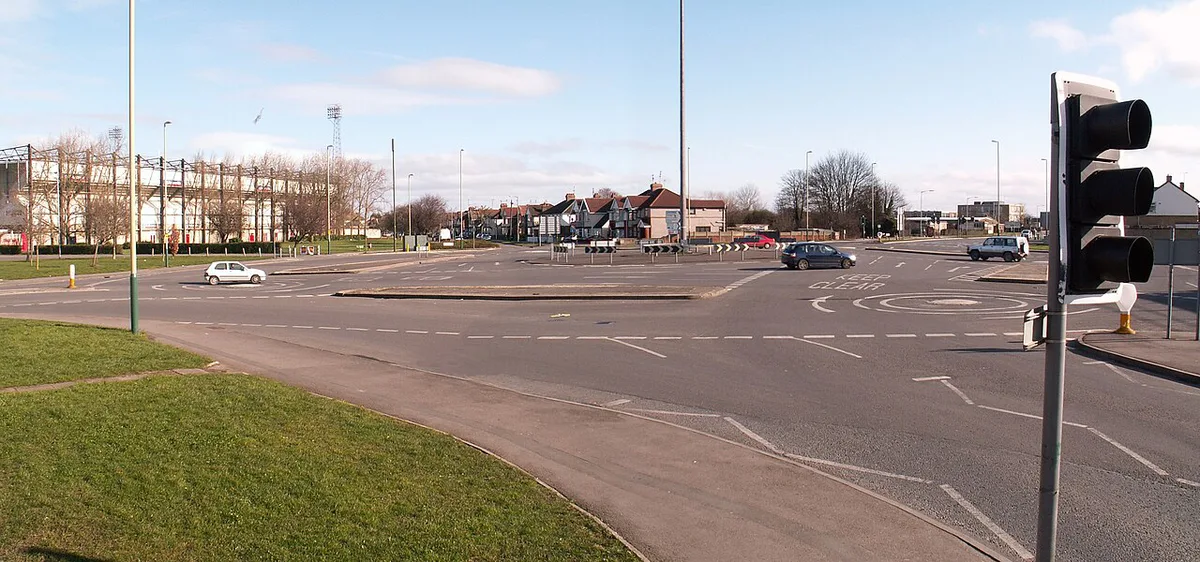
Most roundabouts follow one pattern. Traffic already circling has priority, and you give way at the entry line. Signs and markings at each entry set the rule, so read them before you commit. Our full Europe driving guide covers the wider trip.
- Give way to traffic already on the roundabout unless a sign says otherwise.
- In right-hand-traffic countries, enter and circulate counterclockwise.
- Choose your lane before the entry, not inside the circle.
- Signal when you leave, and go round again if you miss your exit.
Priority: who yields to whom
Yield signs and the round blue roundabout sign mark most entries where circulating traffic goes first. Both symbols appear in our yield and roundabout signs guide. Older or specially signed roundabouts can work differently. Where no yield sign is posted, the right-hand priority rule may apply. France's road-safety authority, Sécurité Routière, publishes the national rules for drivers. US drivers should note that a traffic circle can mean an older design with different priority. Modern European roundabouts usually reverse that, giving priority to circulating traffic.
Lane choice and signalling on multi-lane roundabouts
Pick your lane early. Overhead signs and road arrows show which lane serves each exit, and GPS lane guidance helps. Stay in that lane until you leave. Signalling habits vary by country. In most right-hand-traffic countries you signal right when you are about to exit, and Germany goes further by banning a signal on entry, as the rulebook section below explains. If you miss your exit, stay in the circle and go round again. Never stop, reverse or cut across lanes.
Left-driving and right-driving countries
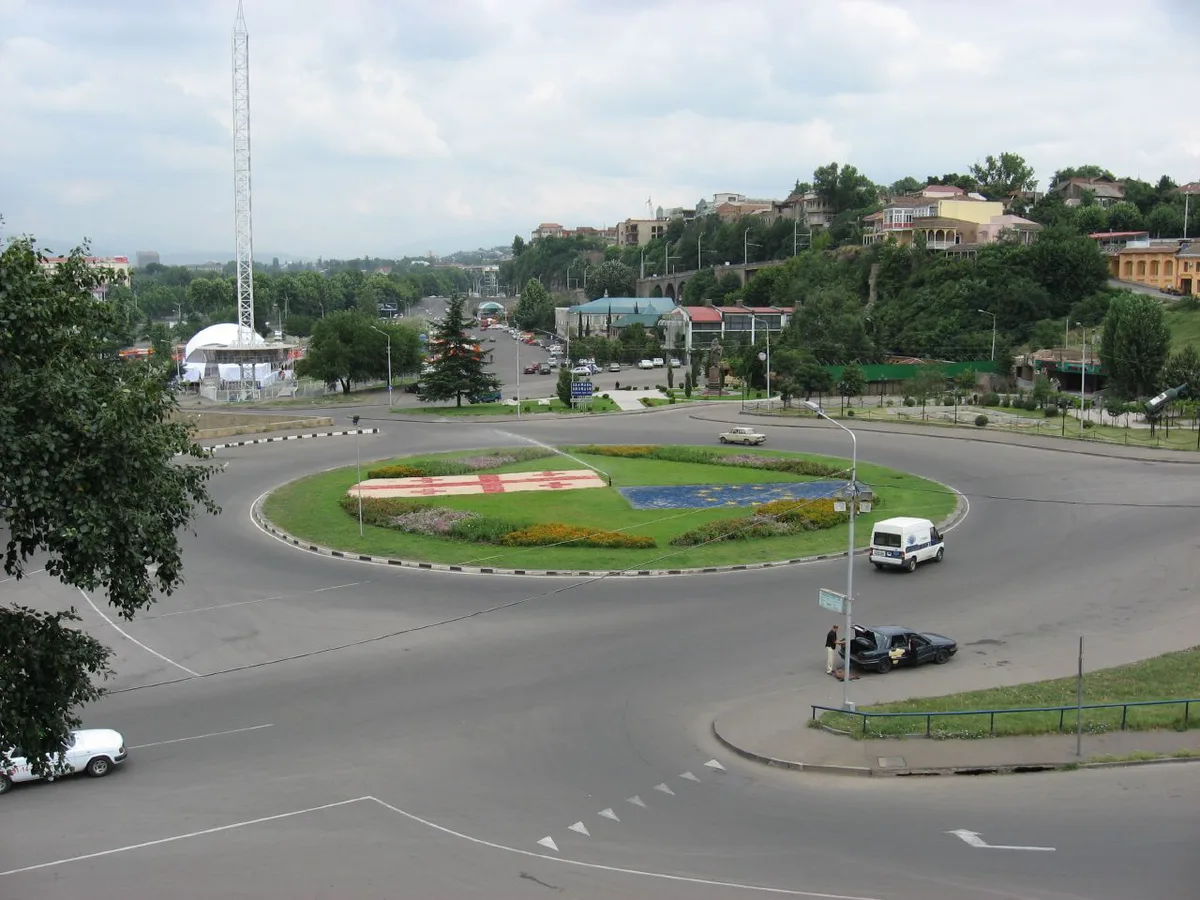
Right-hand-traffic countries circulate counterclockwise, so you look left for traffic already in the circle. The UK, Ireland, Cyprus and Malta drive on the left, so they circulate clockwise and traffic comes from your right. Mistakes cluster at rental pickup, on the first exit from an airport depot, and just after a border crossing. Read our left-hand traffic guide before collecting a car in the UK or Ireland. GOV.UK also publishes driving abroad advice for UK residents. Quiet roundabouts make good practice before you tackle a busy one.
Country-by-country differences
This table lists driving side and circulation direction, which are fixed by national law. Priority and signalling details can vary by roundabout and by country, so local signs always win.
| Country | Driving side | Circulation | What to watch |
|---|---|---|---|
| France | Right | Counterclockwise | Yield signs normally mark entries; read signs on older and very large circles |
| Germany | Right | Counterclockwise | Look for the roundabout sign paired with a yield sign at the entry |
| Italy | Right | Counterclockwise | Follow entry signs and lane arrows on multi-lane circles |
| Spain | Right | Counterclockwise | Choose your lane before the entry on multi-lane roundabouts |
| Netherlands | Right | Counterclockwise | Cycle paths often circle the outside; watch crossing markings |
| UK | Left | Clockwise | Give way to traffic coming from your right |
| Ireland | Left | Clockwise | Same direction and yield pattern as the UK |
Pedestrians, cyclists, trams and large vehicles
Crossings sit at entries and exits, so slow down before the line. Pedestrians at a marked crossing may have priority, depending on national rules. Cyclists often use a separate path around the outside or share the lane with you. Rijkswaterstaat, the Dutch national road authority, publishes Dutch road and roundabout information. Trams may cross or run through a roundabout, and tram drivers cannot swerve, so give them room. Trucks and buses swing wide and may use both lanes. Stay behind them rather than alongside.
Hard cases: turbo, signalised and very large roundabouts
Some roundabouts break the usual pattern. Paris's Place de l'Étoile, around the Arc de Triomphe, is a famous large circle with a complex lane layout. Avoid it on your first driving day and let signs and GPS guide you.
- Turbo roundabouts: spiral lane markings and physical dividers lock you into a lane, so choose correctly before entering.
- Signalised roundabouts: traffic lights control entries, so obey the lights over the usual circulating-priority rule.
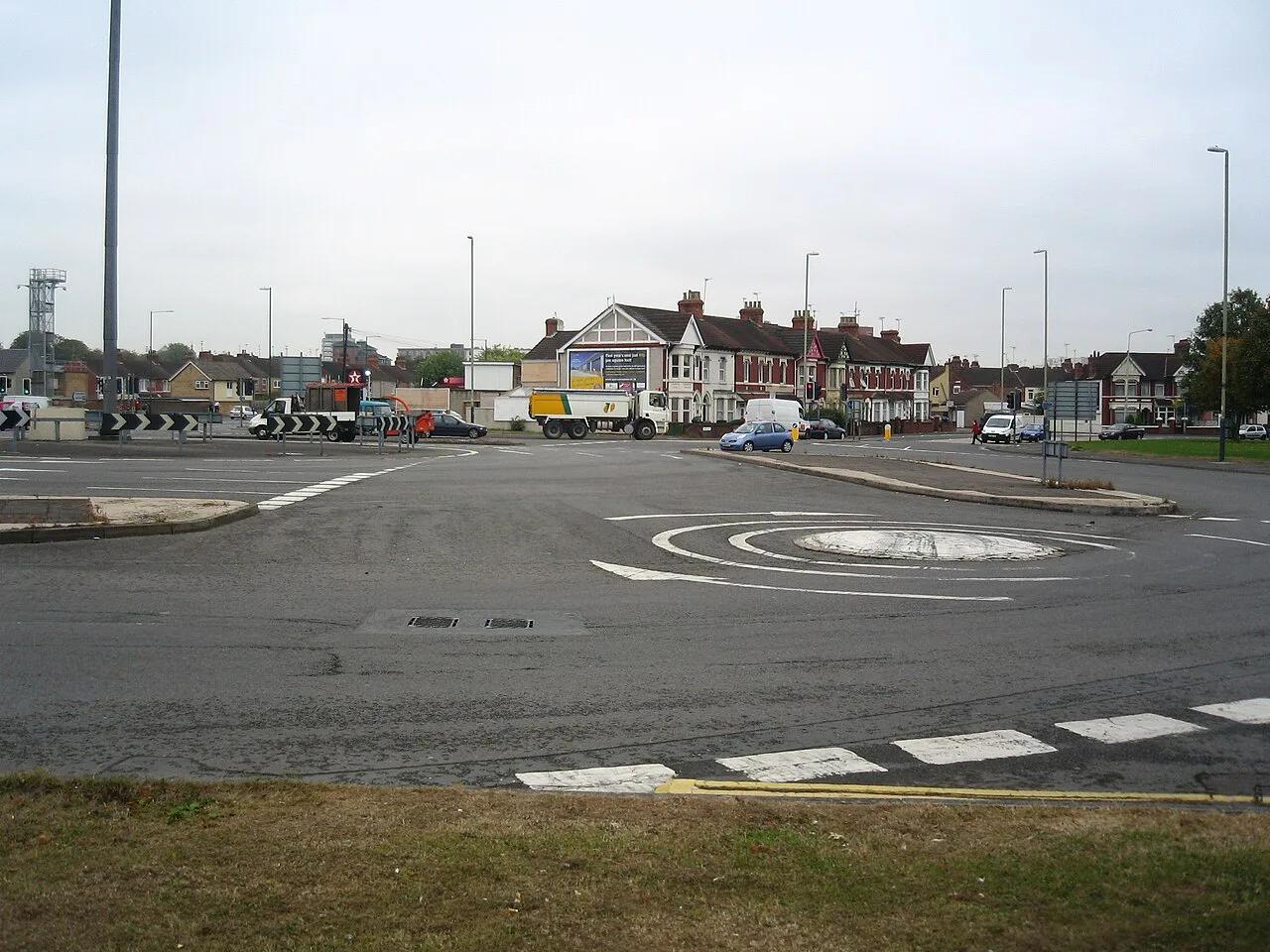
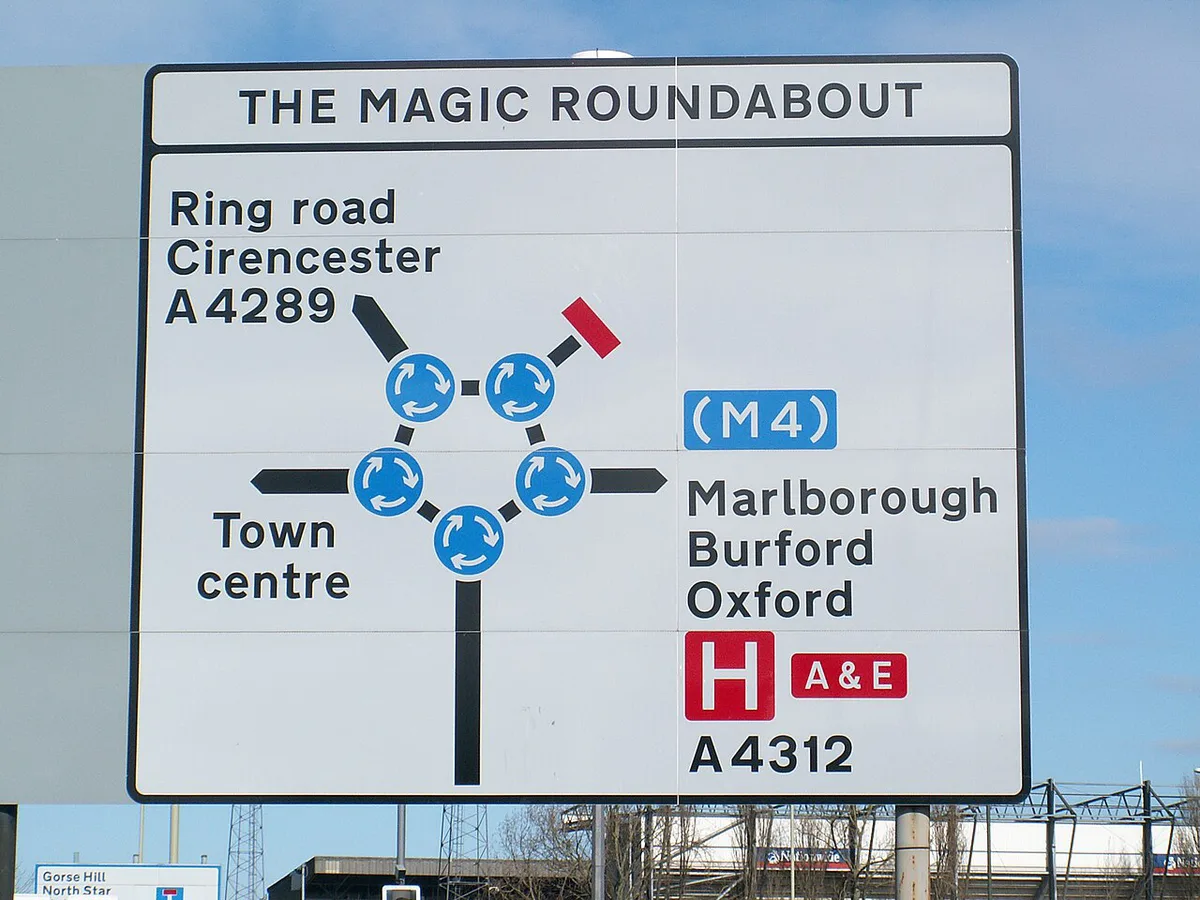
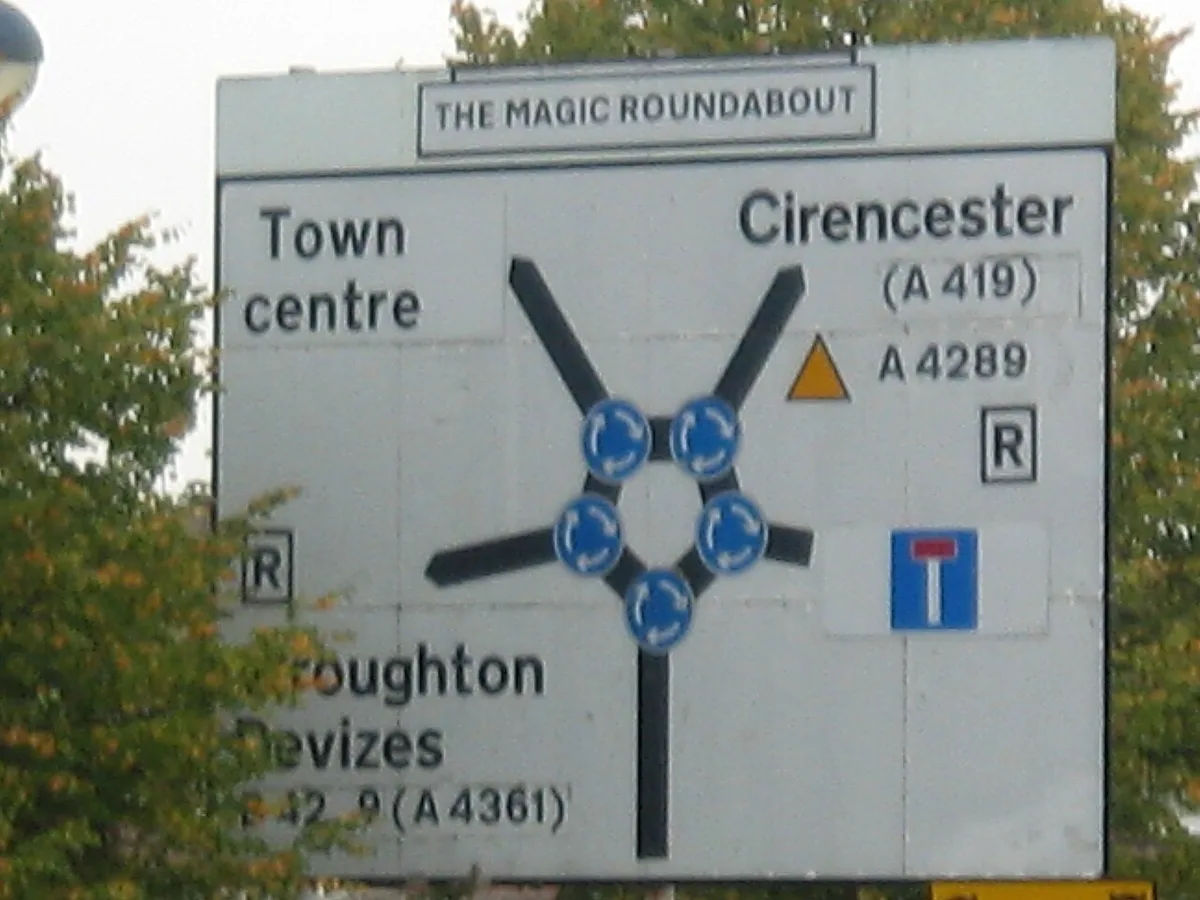
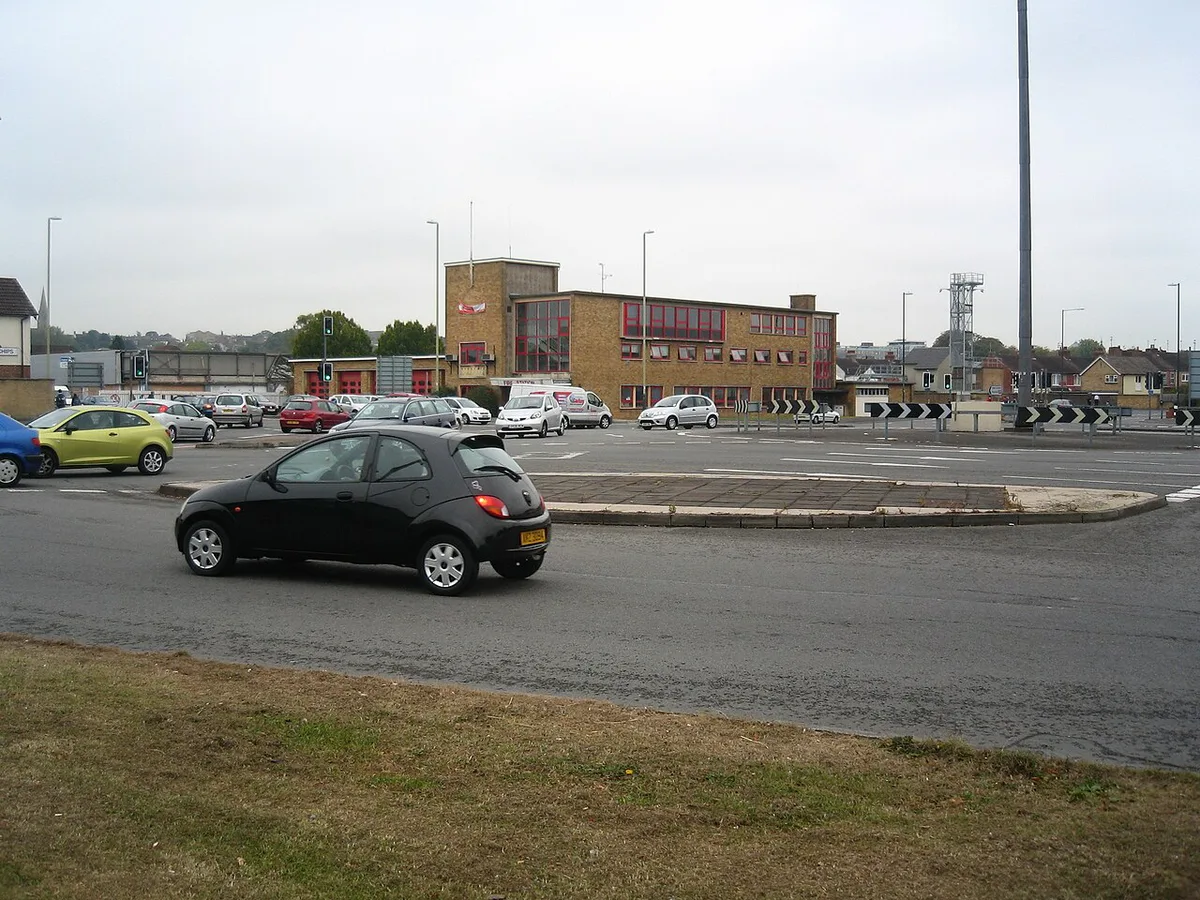
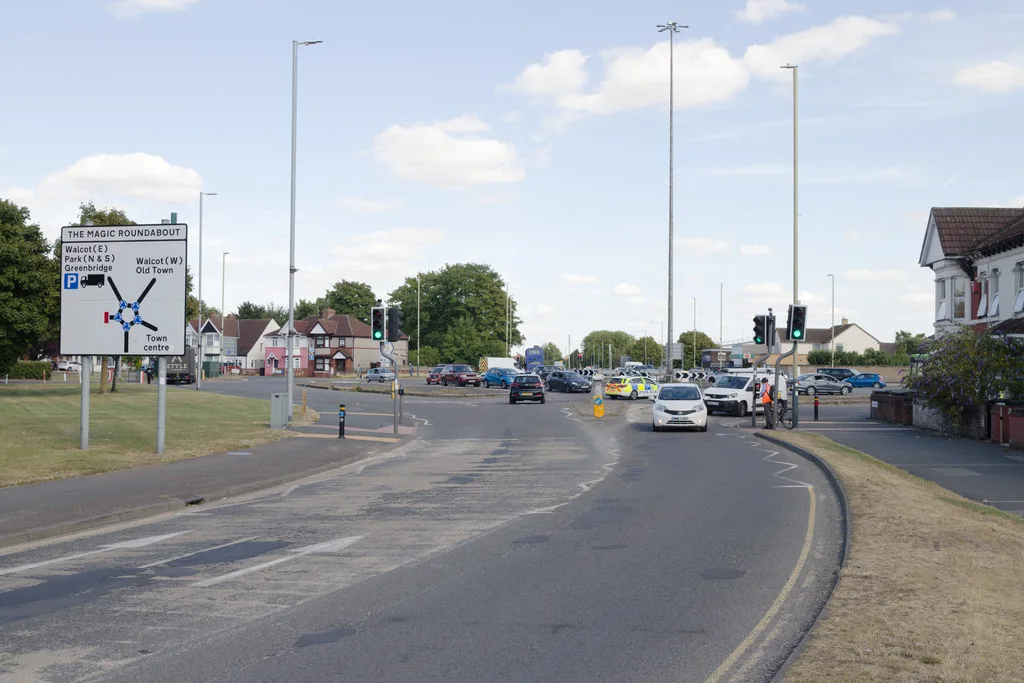
- Magic roundabouts: several small circles linked together, found in the UK, where you give way to the right at each one.
- Very large multi-lane circles: stay in your lane, follow overhead signs and take an extra lap rather than swerving.
Mistakes to avoid and a pre-trip checklist
Nervous drivers can route around busy roundabouts. That costs time and may mean slower roads. City-centre driving adds stress, and rail is an option, though it limits access to rural areas. Low-emission rules also affect cities, as our low-emission zone rules explain. Collisions at roundabouts are often minor but still need paperwork, so read about cross-border insurance cover and breakdown cover. Licence questions are covered in international driving permit rules and driving with a US licence.
- Mistake: entering without giving way to circulating traffic.
- Mistake: changing lanes inside a multi-lane circle.
- Mistake: circulating the wrong way after leaving a rental depot.
- Checklist: set GPS lane guidance before you start the engine.
- Checklist: ask the rental desk which side the car's controls are on.
- Checklist: practise on a quiet roundabout and avoid peak hours at first.
What the rulebooks say: Germany and the UK
Two national rulebooks show how far the details can differ between countries that share the same basic pattern. Germany's road traffic regulations, StVO section 8, say that where the roundabout sign stands under a give-way sign, traffic on the circular carriageway has priority. The same paragraph makes it an offense to use your indicator as you enter such a roundabout, so in Germany you signal only when you leave. Without those two signs, the general German junction rule applies, and that rule is priority to the right.
The UK Highway Code, rules 184 to 190, sets out the left-hand-traffic version step by step.
- Give priority to traffic approaching from your right, unless signs, road markings or traffic lights say otherwise.
- First exit: signal left, approach in the left-hand lane and keep signalling left to leave.
- Exit to the right or a full circle: signal right, approach in the right-hand lane, then signal left after you pass the exit before the one you want.
- Intermediate exit: choose the lane on approach, normally without a signal, and signal left after passing the exit before yours.
- Cyclists: give them plenty of room on the roundabout and do not overtake them within their lane.
- Mini-roundabouts: approach them like normal ones, and pass round the central marking.
Drivers who learned on UK roads should drop the habit of signalling on approach when they cross to Germany, and continental drivers in Britain should expect approach signals from the cars around them.
Frequently Asked Questions
What side of the road do people drive on in Europe?
Most of continental Europe drives on the right. The UK, Ireland, Cyprus and Malta drive on the left.
How do you use a European roundabout?
Slow at the entry and give way to circulating traffic. Choose your lane early, circulate in the local direction, and signal as you leave. Go round again if you miss your exit.
Do you signal when entering a roundabout in Germany?
No. Germany's StVO bans using the indicator as you enter a roundabout signed with the roundabout and give-way signs. Signal right only as you leave.
Road-rule changes worth knowing
Optional updates to our guides.
You might also like
Continue reading
More guides you'll find useful