Priority to the Right: How the Rule Works in Europe
What priority to the right means, when it applies in France and Europe, how signs cancel it, and the mistakes visitors make at junctions.
On this page
Last updated November 2026: priority to the right means that at a junction with no signs or markings giving priority, the driver coming from your right goes first. French drivers call it priorité à droite, and it is a default rule in France and several other continental countries, not a universal one. Signs such as the yellow diamond, yield and stop override it, and roundabouts follow their own rules.
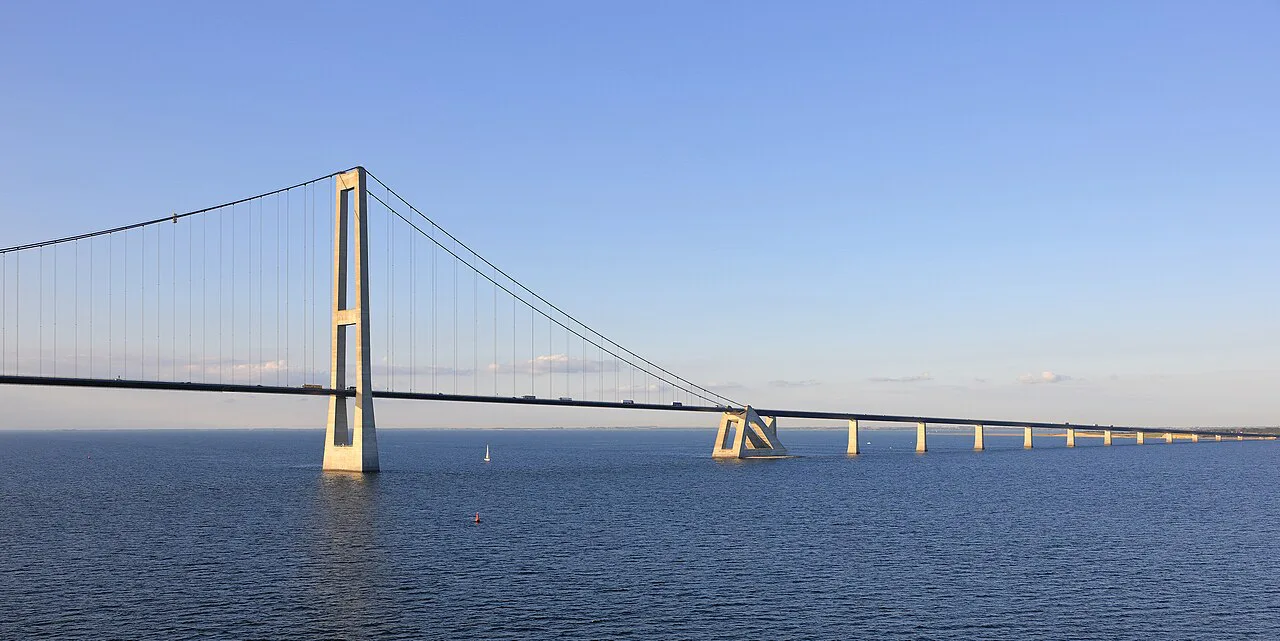
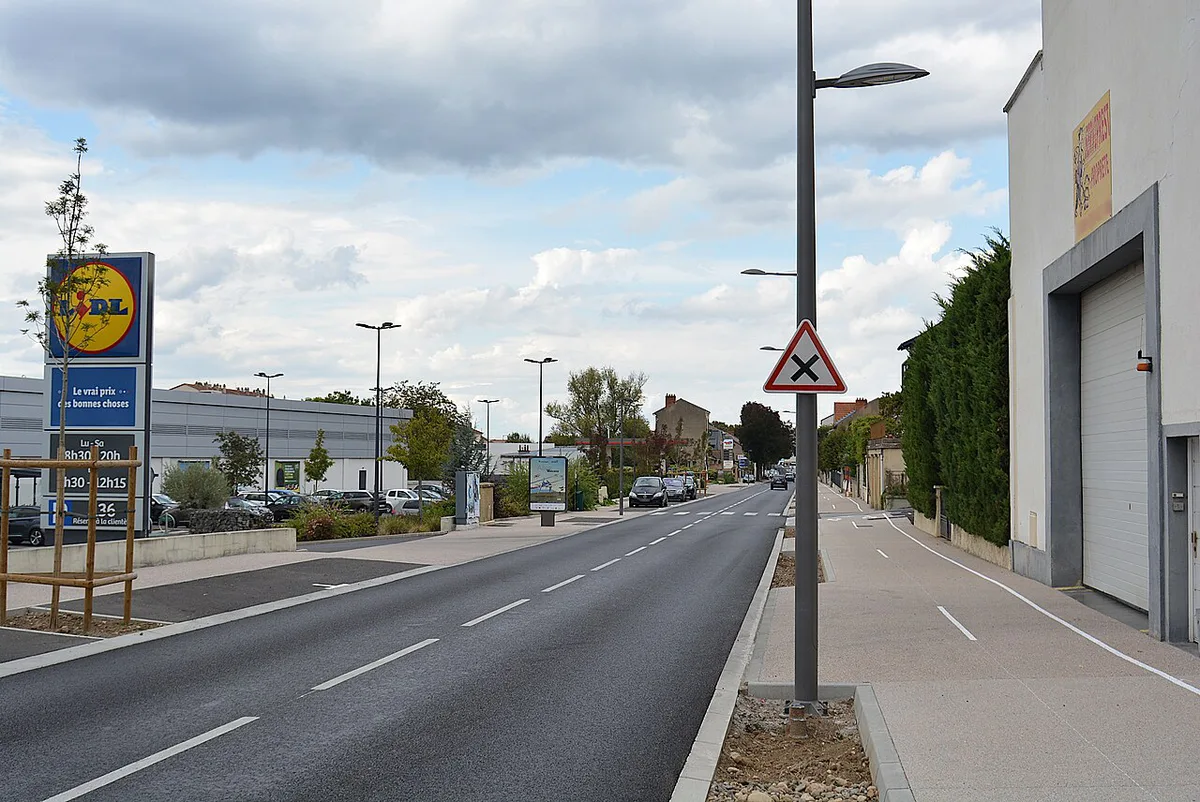
Featured image: JLPC, CC BY-SA 3.0, via Wikimedia Commons.
What priority to the right means
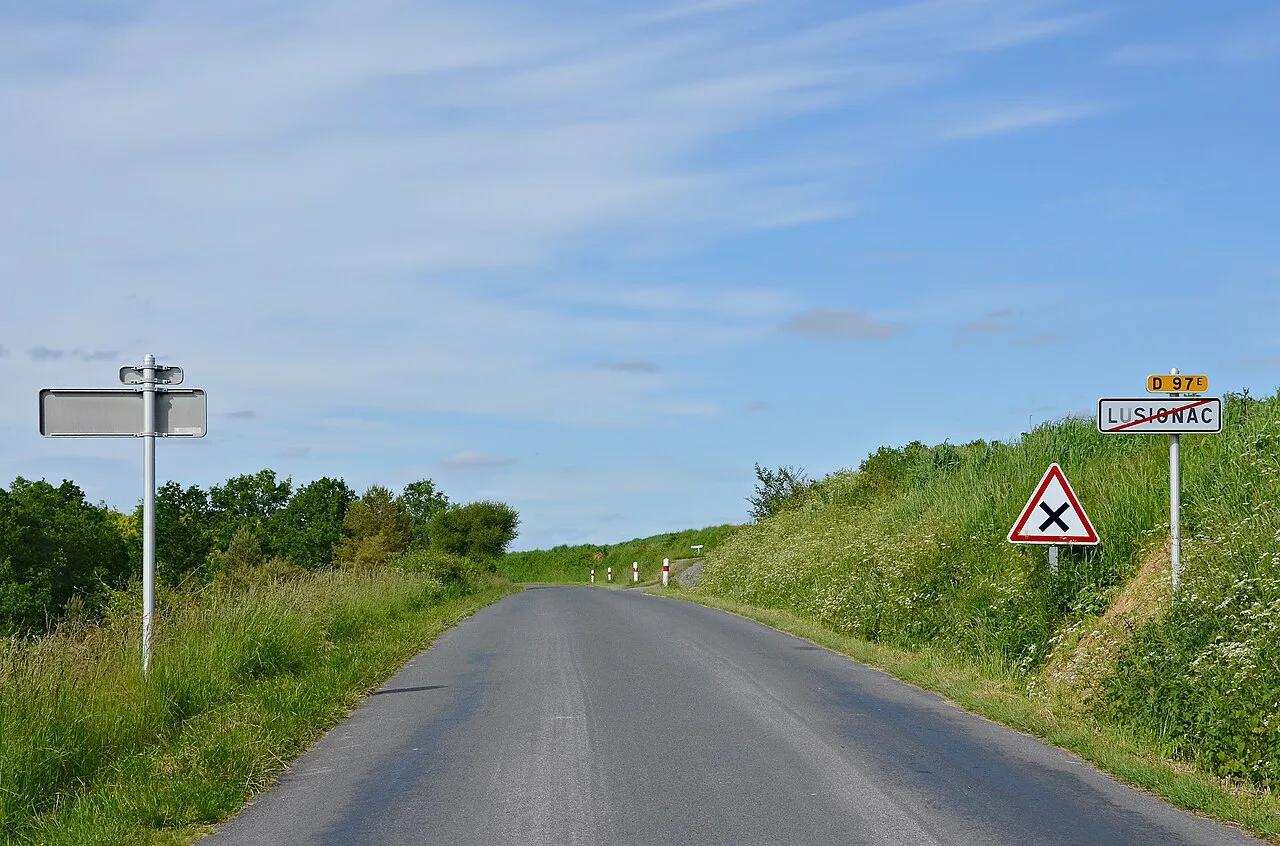
Picture a village street with no road markings and no signs. You reach a junction, and a car joins from a side street on your right. That car goes first, and you slow down or stop to let it pass. Nothing on the road tells you this, which is exactly why visitors miss it. The rule comes from Article 18 of the 1968 Vienna Convention on Road Traffic, which most European countries apply.
US four-way stops work differently. There, stop signs control the junction and arrival order decides who goes first. Priority to the right needs no sign at all, and arrival order does not matter. Drivers from the US can read more in our guide to driving in Europe with a US license.
When priority to the right applies and when it does not
Treat the rule as the fallback that applies only when nothing else gives priority. Work through this list in order each time you approach a junction.
- No signs and no markings at the junction: traffic from the right has priority. This is typical of minor residential roads.
- Yellow diamond sign: you are on a priority road and keep priority until a sign cancels it. Drivers on the side roads must give way to you.
- Yield or stop sign, or a give-way line on the road (in French, cédez le passage): these override the rule. The driver facing the sign waits.
- Roundabout: do not assume the rule works the way you expect. Many roundabouts are signed so that traffic already inside has priority. Read the entry sign, and see our guide to roundabout rules in Europe.
- Roads leaving private property, car parks and dirt tracks: national rules on these exits differ. Germany's road traffic regulations, for example, give no priority to vehicles coming out of a field or forest track. Look for signs and give way unless you are sure.
How to spot a priority-to-the-right junction
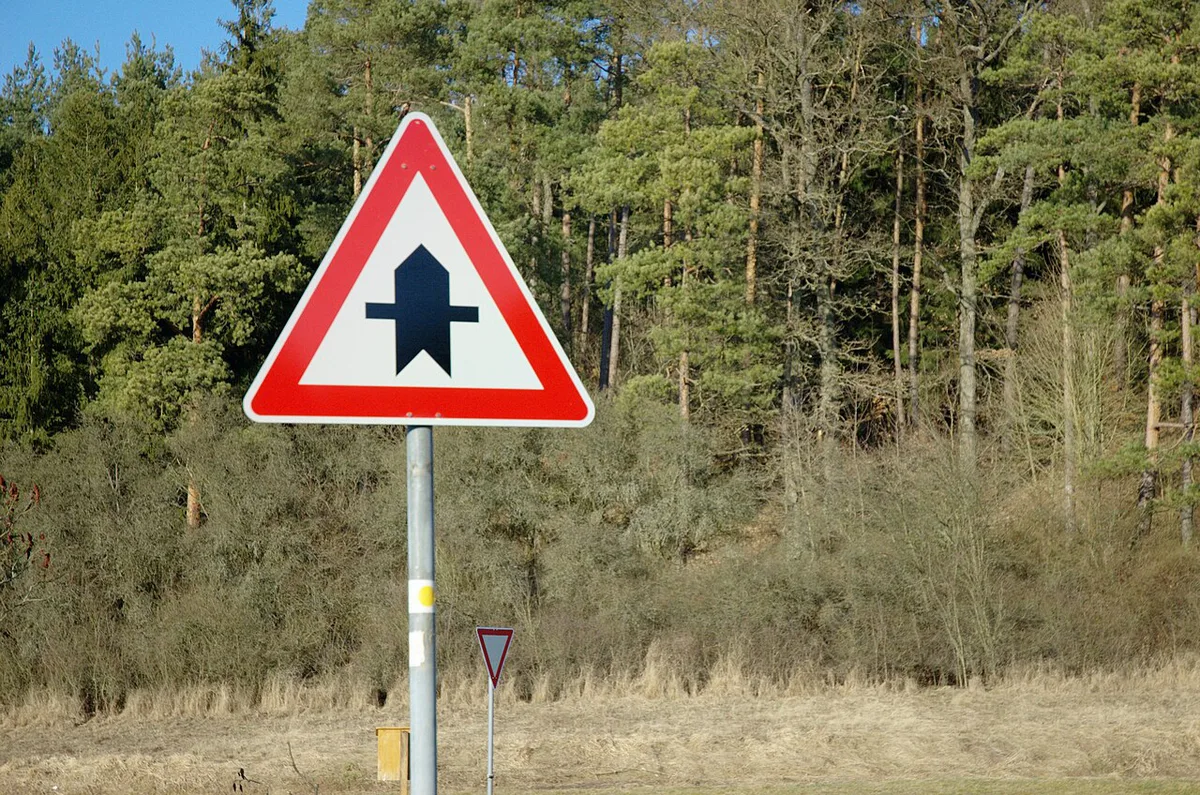
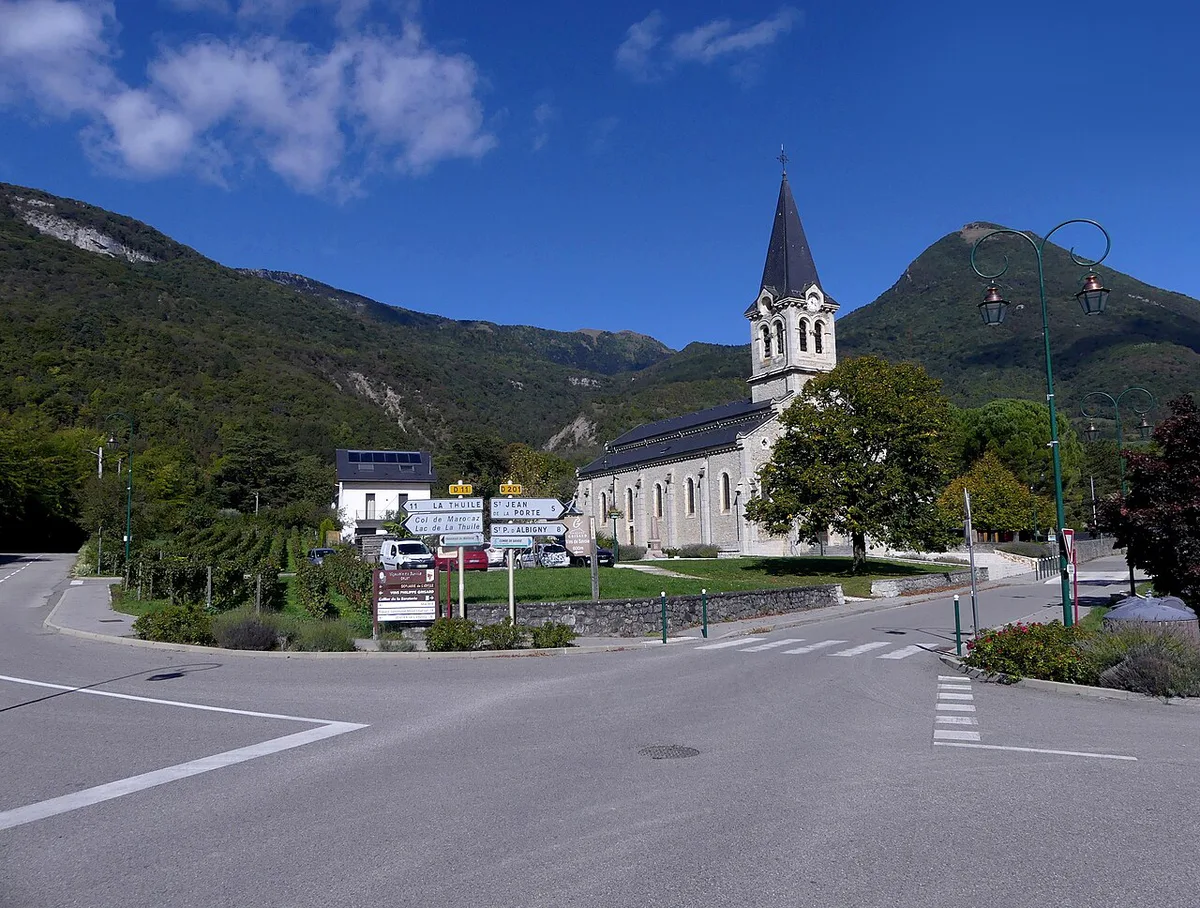
Absence is the main clue. You see no painted lines across the side road, no triangular or octagonal signs, and no diamond. Narrow side streets, village centres and older residential districts are where this layout is most common.
Signs decide everything else. A diamond on your road means you have priority, and a diamond with a black bar through it means that priority has ended. Our guide to European Road Signs Explained: Shapes, Colors and Key Signs shows the shapes and colours. Scan for signs before the junction, not at it.
Country differences to verify
The table covers the two countries where this guide could name an official source. Rules on exits from private property and on roundabouts vary by country. Read the national authority's page before you drive. Rules read November 2026.
| Country | Default rule | Notable exceptions | Official source |
|---|---|---|---|
| France | Traffic from the right has priority at unmarked junctions (priorité à droite) | Priority road signs, yield and stop signs; roundabouts are usually signed so that traffic inside has priority | Sécurité routière (securite-routiere.gouv.fr) |
| Germany | Traffic from the right has priority at junctions without signs (rechts vor links), including on residential streets | Priority road signs, yield and stop signs override it | Road Traffic Regulations (StVO section 8); ADAC (adac.de) |
Common mistakes visitors make
Most errors come from habits formed at home. Each one below has a simple counter.
- Assuming the wider or busier road has priority. Without a sign, width and traffic volume count for nothing.
- Applying US four-way-stop logic and waiting for the other car to go first. Arrival order does not apply here.
- Slowing only after you see a car on the right. Reduce speed before every unmarked junction.
- Reverting to home rules after a long day. UK and Irish drivers should read our guide to switching from left-side driving before the first junction.
Safe-driving habits and practicalities
Slow down early, cover the brake and look right first. Never count on another driver giving way, because many locals expect the rule to be honored without eye contact. Fault after a collision is decided under each country's law and insurance rules, so avoid any argument at the roadside.
If you are renting a car, know your cover before you leave. A green card for insurance abroad proves your policy applies in the country you drive in. Read our notes on breakdown cover in Europe too. For the full picture of the trip, start with our driving in Europe guide. France publishes its road rules through the Sécurité routière, and Germany's ADAC explains right-of-way rules in German.
If You Are Unsure at an Unmarked Junction
At an unmarked junction, treat uncertainty as a reason to slow down early. The rule does not depend on which road looks wider or carries more traffic. Check for a yellow diamond, a yield sign, a stop sign, or a give-way line before deciding that traffic from the right has priority.
Do not apply US 4-way-stop habits. At a priority-to-the-right junction, the order of arrival does not decide who proceeds. A vehicle approaching from your right may be entitled to move first even if you reached the junction earlier.
Keep the brake covered as you approach village centres and narrow residential side streets. If signs are obscured, missing, or hard to interpret, wait until the conflict is clear. France and Germany both use the right-hand priority rule at unsigned junctions, but local exceptions can apply around private exits, car parks, and roundabouts.
Beyond France and Germany, the same default applies in most countries that follow the Vienna Convention, so carry the habit across every border on a multi-country trip.
Frequently Asked Questions
What are some examples of priority signs?
A yellow diamond marks a priority road. A triangle pointing down is a yield (give way) sign, and an octagonal red sign means stop. Our guide to European Road Signs Explained: Shapes, Colors and Key Signs covers more shapes. Each overrides priority to the right.
Road-rule changes worth knowing
Optional updates to our guides.
You might also like

Continue reading
More guides you'll find useful