Driving From UK to France: Rules, Crossing & Checklist
Driving from the UK to France? Compare Eurotunnel and ferries, check required documents and car equipment, and plan your first day on French roads.
On this page
Last updated November 2026: driving from UK to France means crossing the Channel by Eurotunnel or ferry, carrying the right papers and kit, then driving on the right. Our France driving guide covers the rules in depth. This page covers the journey out of the UK: choosing a crossing, preparing the car and surviving day one.
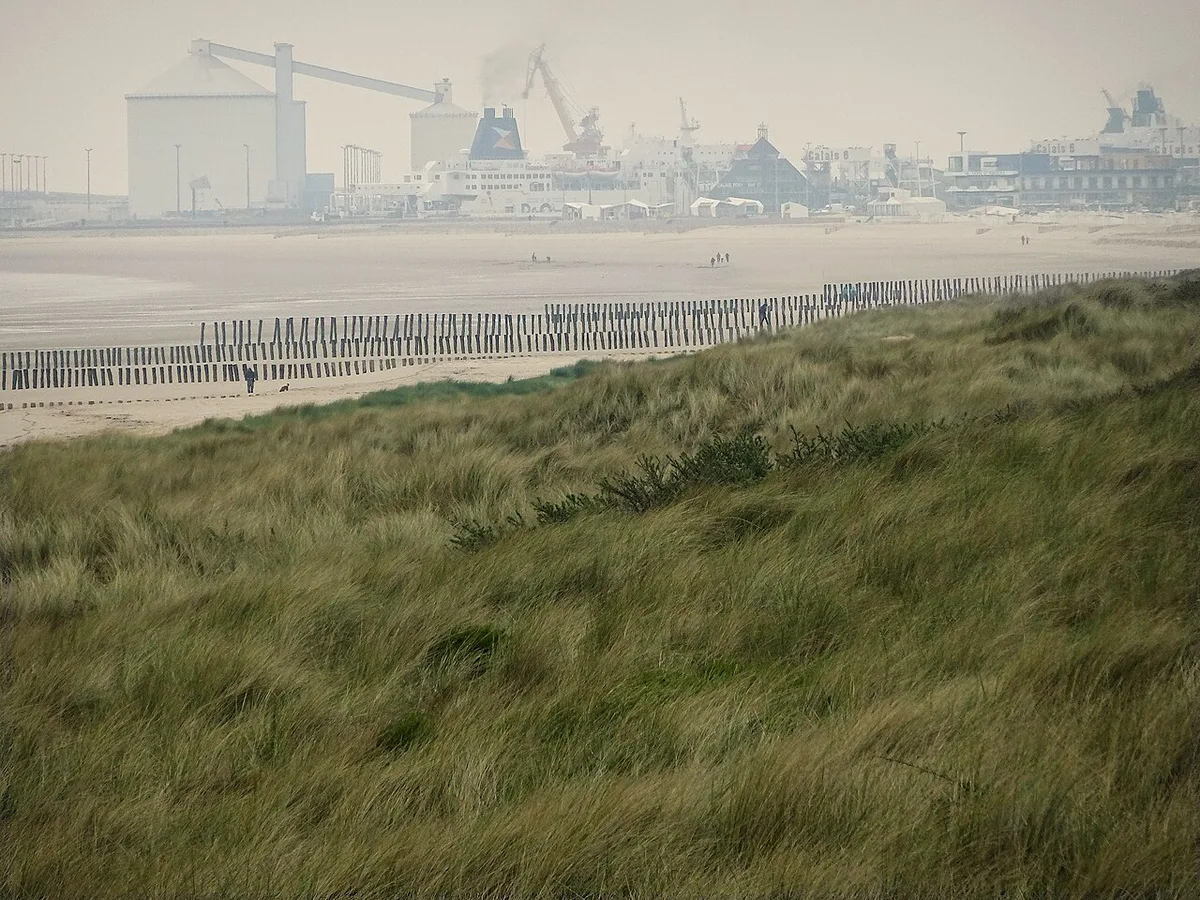
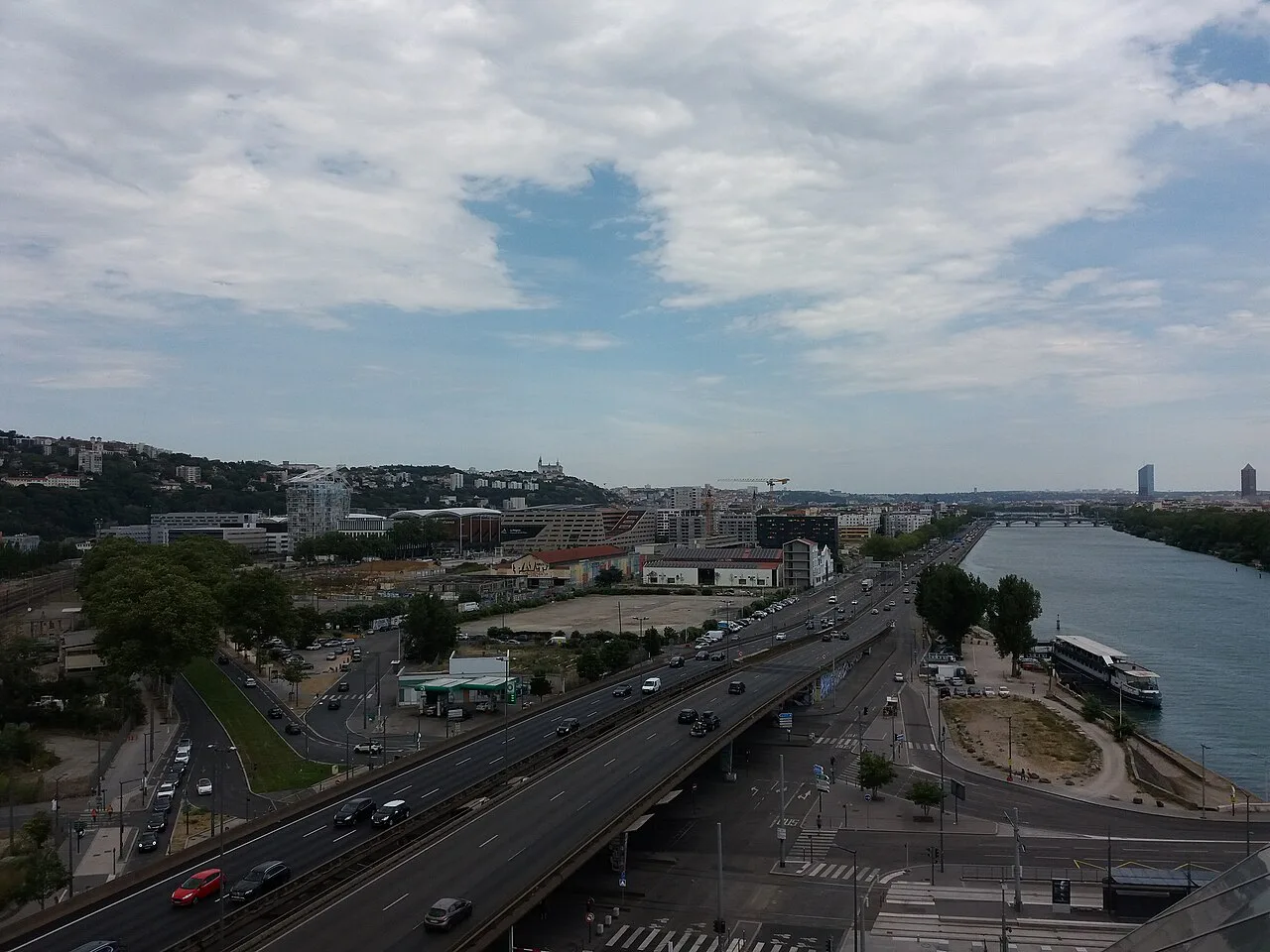
Featured image: Romainberth, CC BY-SA 3.0, via Wikimedia Commons.
Quick answer: what you need before you leave
Split your preparation into two piles. Some items must be in the car at all times. Others need arranging days or weeks beforehand. Sorting them early stops a last-minute scramble at the port.
- In the car: your UK driving licence, the V5C registration document (or hire paperwork), proof of insurance, a warning triangle, a hi-vis vest and a UK identifier.
- Also in the car: headlamp beam adjusters or an adjusted beam setting, since UK dipped beams dazzle oncoming traffic on the right.
- Arrange beforehand: your crossing booking, a Crit'Air certificate if you will enter a low-emission zone, and insurance confirmation for driving in the EU.
- Also arrange: breakdown cover that works in France, pet paperwork if an animal is travelling, and a toll payment method.
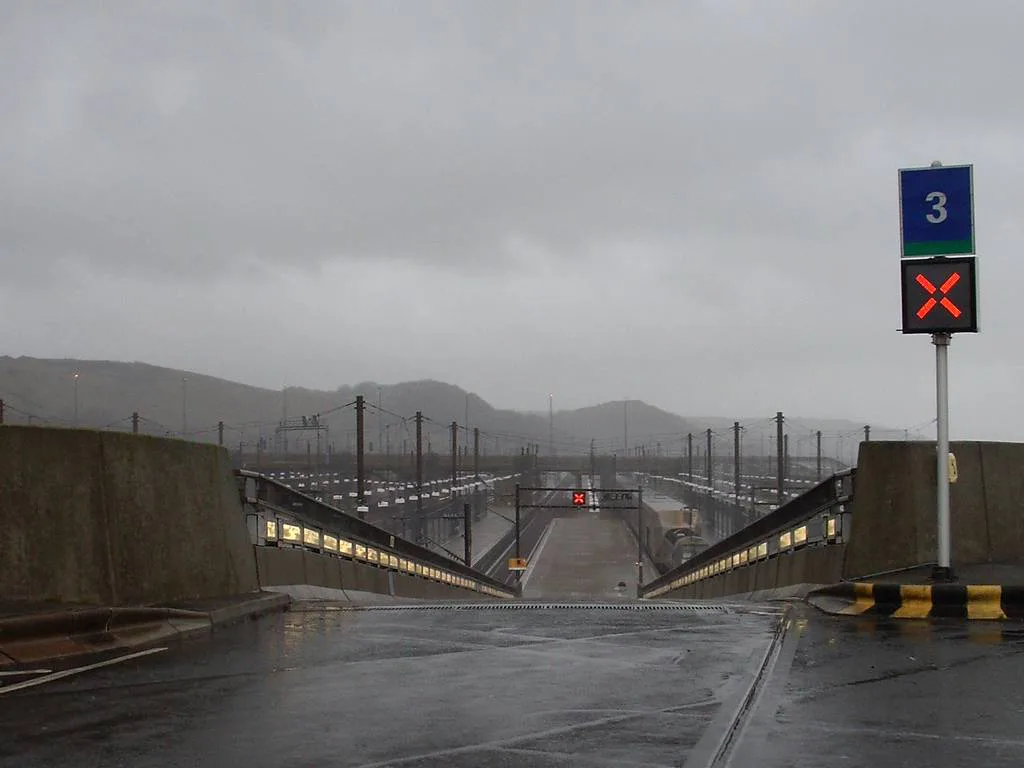
Driving from the UK to France: Eurotunnel or ferry?
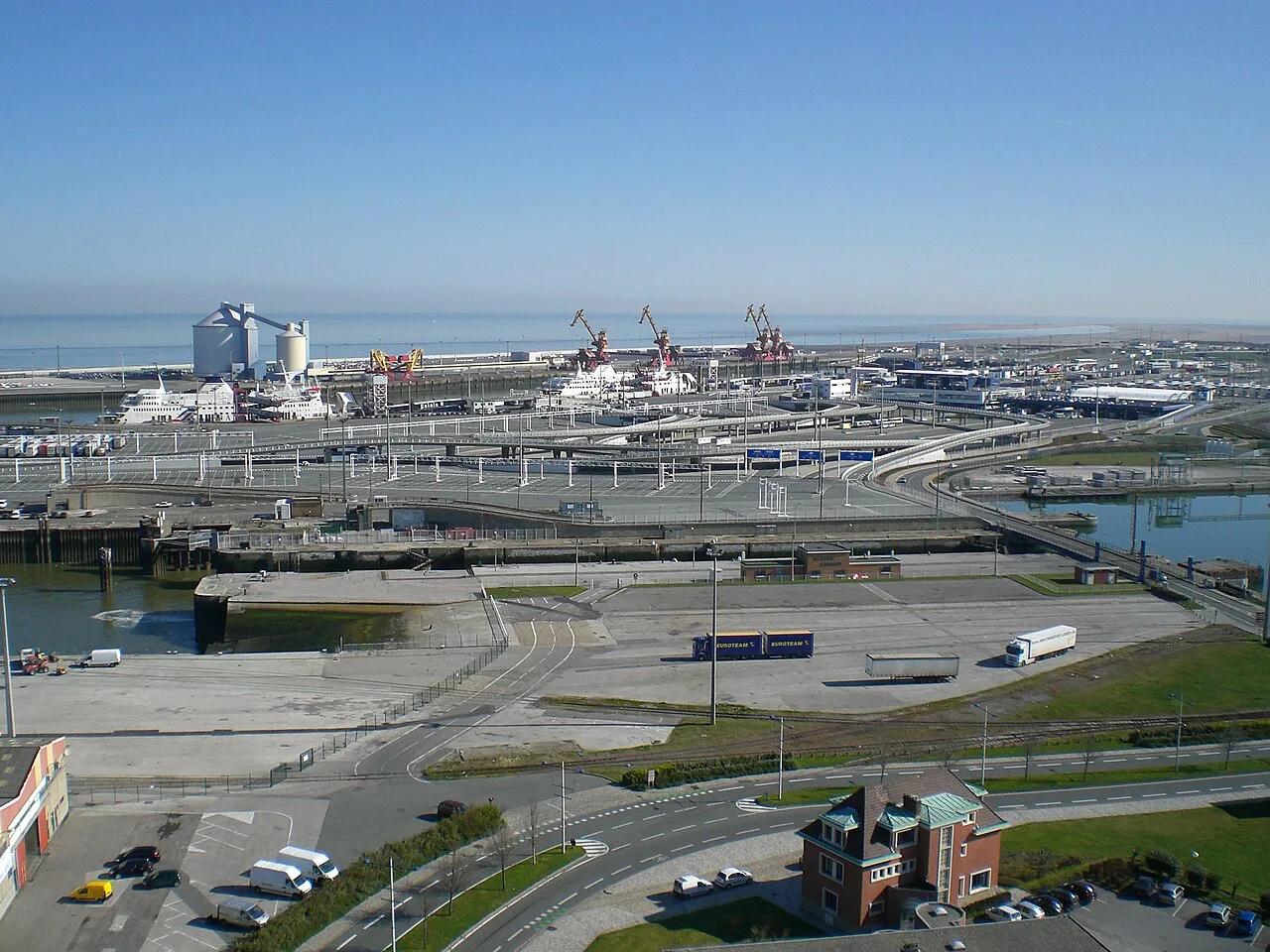
Both options carry your own car. Eurotunnel Le Shuttle runs from Folkestone to Calais, with a crossing of about 35 minutes. Ferries from Dover to Calais take about 90 minutes. Other ferry routes run from further along the English coast, and operators list roughly 11 car-carrying routes between England and France. Crossing times and check-in rules come from the operators, so read them when you book.
| Eurotunnel (Folkestone–Calais) | Dover–Calais ferry | Longer ferries (Newhaven, Portsmouth) | |
|---|---|---|---|
| Crossing time | About 35 minutes | About 90 minutes | Several hours; some routes sail overnight |
| Your car | You stay with it on the train | You normally leave it on the car deck | You leave it on the car deck |
| Pets | Stay with you in the car | Allowed on some operators; kennel or car options vary | Policy varies by operator and route |
| Best for | Fast, simple arrivals toward Paris, Lille and Champagne | Flexible sailings and a break from driving | Normandy, Brittany and the west |
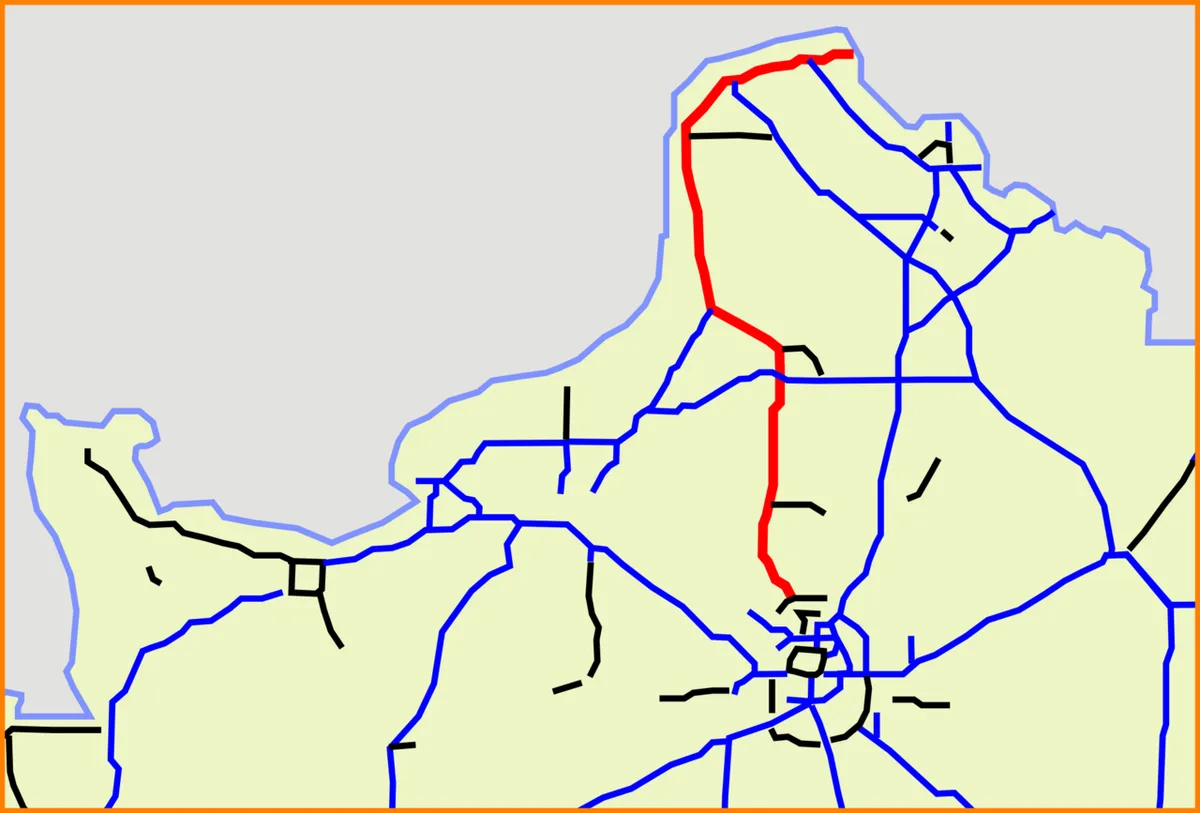
Eurotunnel and ferries compared
Eurotunnel suits drivers who want the shortest crossing and prefer to stay in the car. Our Eurotunnel Le Shuttle guide explains the check-in process step by step. Ferries add a sea break, which helps after a long drive to the English coast. Dover also has services to Dunkirk, and Newhaven links to Dieppe. Portsmouth sails to Caen, Cherbourg and Saint-Malo. Flexible tickets cost more on most operators, so compare terms before paying.
Pick the port that matches your destination
Choose the port nearest your destination, not simply the cheapest crossing. Calais and Dunkirk put you on the autoroute network toward Lille, Reims, Champagne and Paris. Dieppe suits Rouen and the Paris side of Normandy. Caen and Cherbourg suit Normandy, the Loire and the south-west. Saint-Malo suits Brittany. Check route availability and distances with the operator and a mapping tool, because services change between seasons.
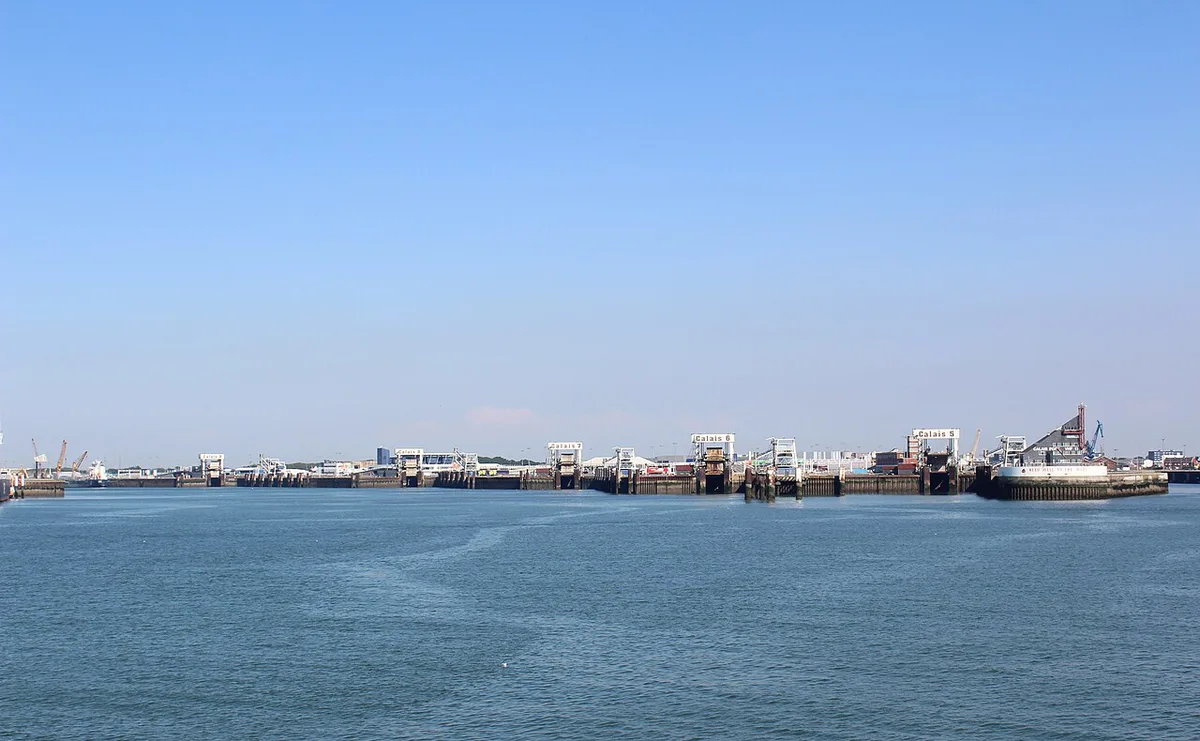
A Dover to Calais ferry takes about 90 minutes, so Calais suits a Paris, Lille or Champagne route.
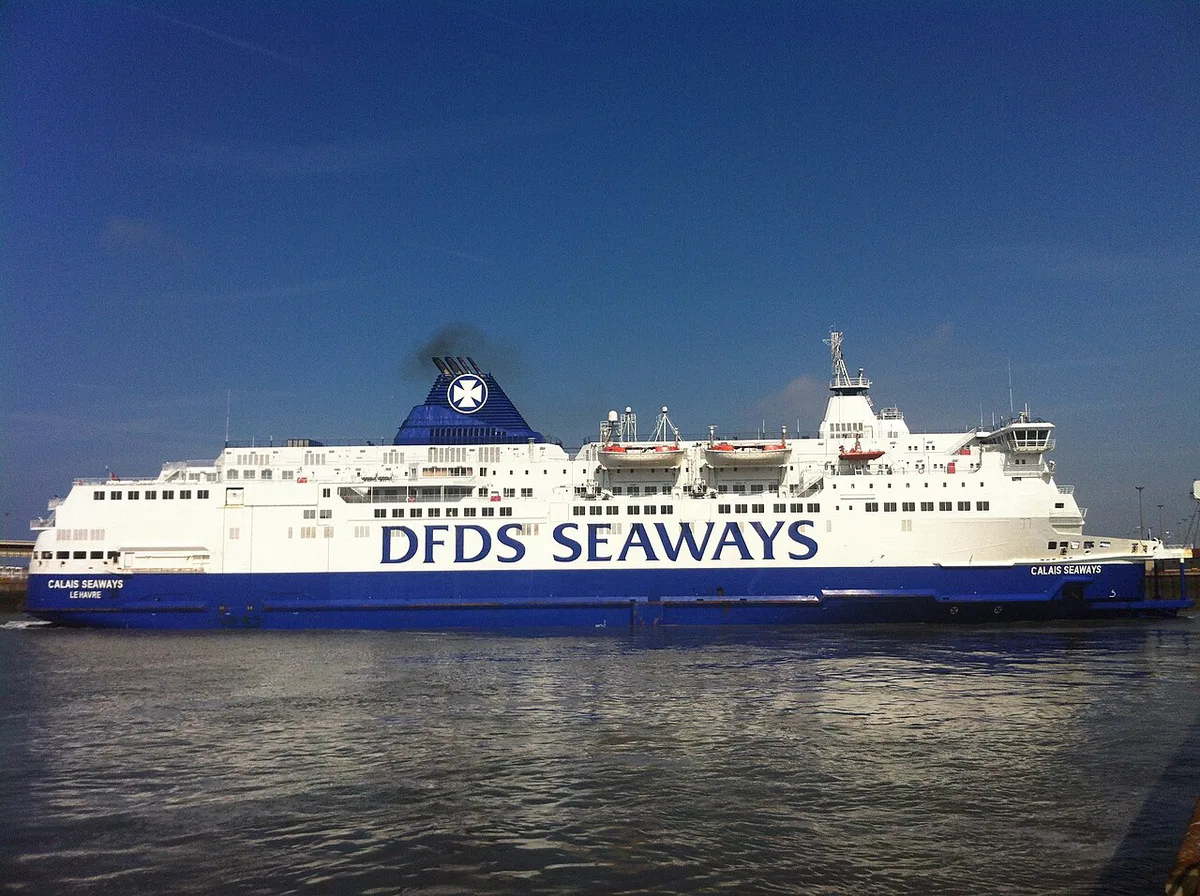
- Paris, Lille, Champagne: Calais or Dunkirk.
- Normandy and the D-Day coast: Caen or Cherbourg.
- Brittany: Saint-Malo.
- Southern France: any port works, but expect a full day of motorway driving plus tolls.
Documents and paperwork
Carry your full UK driving licence, the V5C or your hire company's letter of authority, and proof of insurance. Take your passport too, as border checks apply. Ask your insurer for written confirmation that your policy covers driving in France, and ask whether a Green Card is needed for your policy. GOV.UK's driving abroad guidance lists the current requirements. Hire cars need extra care. Confirm in writing that the rental company allows cross-Channel travel. Our France car rental guide covers hiring once you arrive. Holders of a non-UK licence should read driving in France with a US licence instead.
Car equipment and stickers
French rules require a warning triangle and a hi-vis vest kept inside the passenger compartment, not in the boot. Fines for missing kit exist, so buy both before you leave. Display a UK sticker on the rear unless your number plate already shows the UK identifier. Old GB stickers no longer count. Adjust or mask your headlamps so the beam does not dazzle oncoming drivers. Some modern cars adjust this from a menu, so read your handbook. Spare bulbs are optional but cheap. The official Sécurité routière site lists French equipment rules, including child seat requirements.
Crit'Air and low-emission zones
Several French cities restrict older and more polluting vehicles using a Crit'Air windscreen sticker. Paris is the best-known example. Order the sticker only through the official Crit'Air site, because resellers add fees. Allow several weeks for delivery to a UK address and do not leave it until the last day. Our Crit'Air sticker guide explains the categories. For the capital, read the Paris low-emission zone rules before you plan a route into the city.
Speed limits, cameras and drink-driving
Motorway limits reach 130 km/h in dry weather and fall in rain. Signs show kilometres per hour, so watch your speedometer units. Our speed limits in France guide lists limits by road type. Fixed and mobile cameras are common. Read about French Speed Cameras: Fines, Tolerance & Tourist Tips and radar-detector rules before you fit a dashcam or satnav alert. French drink-driving limits differ from some UK nations. See the France drink-driving limit page for details.
Tolls, fuel and breakdowns
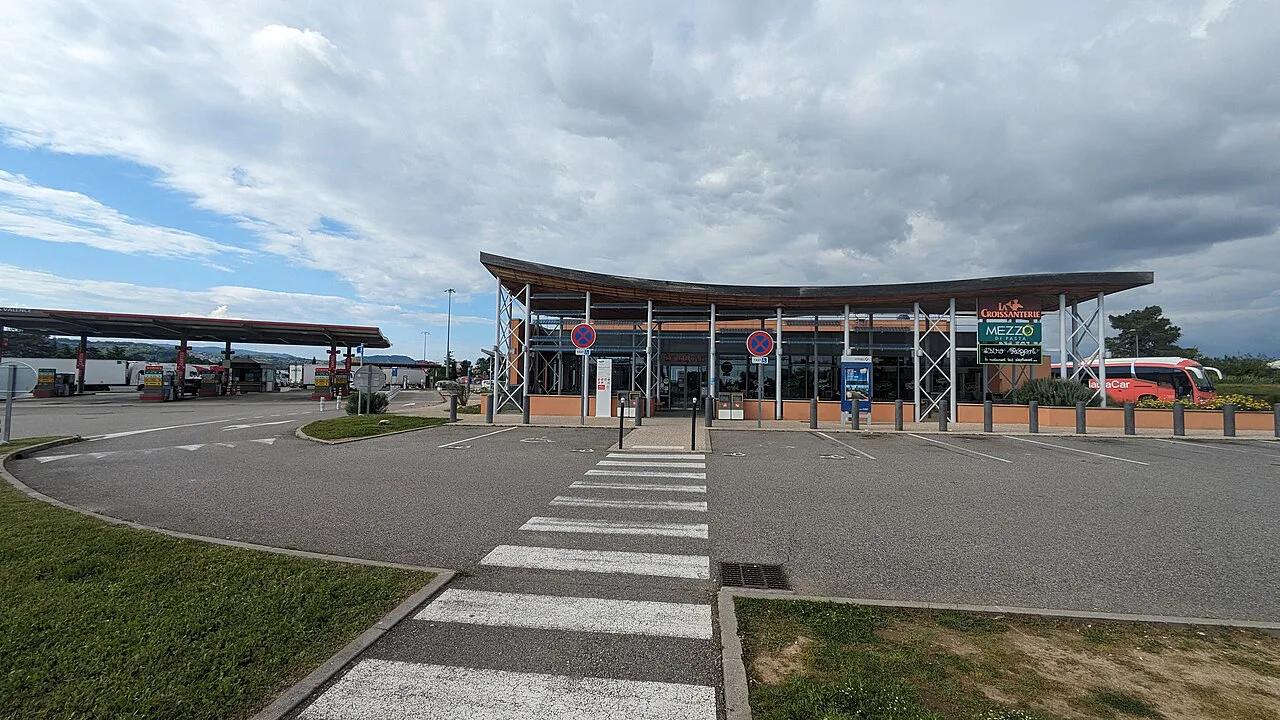
Autoroutes charge tolls, and most booths accept contactless bank cards. Read our France toll roads guide to plan routes and payment. Supermarket fuel stations usually cost less than motorway services, so fill up in towns when you can. Sans Plomb 95 and 98 are unleaded petrol. Gazole is diesel. Putting the wrong fuel in is an expensive mistake. Dial 112 for emergencies anywhere in Europe. Motorways also have roadside emergency phones. Buy breakdown cover that explicitly includes France before you leave.
Your first day on French roads
Expect to be tired after an early crossing, so keep the first leg short. Your first 100 miles are the hardest part, because you are adjusting to right-hand driving. Keep your passenger beside you for the first roundabouts, since traffic already on the roundabout generally has priority. Leave the port by the signed route and stop at the first service area for a break. Fill up at a supermarket station in the first large town. Aim to finish your first drive before dark, particularly after a ferry arrival. Use the autoroute and sort out navigation before you reach the port.
Crossing on Le Shuttle takes about 35 minutes, which leaves little time to rest before your first 100 miles of right-hand driving.
Driving on to your destination
Paris deserves its own plan. Read Driving in Paris: Rules, Zones, Parking and Alternatives first, then pick parking from our Paris parking guide. Many drivers park outside the centre and use public transport. For the south, a Nice car hire option can replace the long drive back. Corsica is a ferry hop from the mainland, and the Corsica car rental guide covers renting on the island instead of shipping your car. For parking everywhere else, see Parking in France: Rules, Zone Bleue, Apps & Fines. Return to the driving in France hub for the full rules.
Common mistakes to avoid
These errors catch UK drivers most often.
- Using an old GB sticker instead of a UK sticker or a UK-identifier number plate.
- Packing the triangle and hi-vis in the boot instead of within reach.
- Arriving outside your booked Eurotunnel check-in window.
- Leaving the Crit'Air order until the last day.
- Driving into Paris with no parking plan.
- Assuming your pet's old UK-issued EU passport still works for entry.
Taking a Pet from the UK to France
Pet paperwork needs attention before you book. A UK-issued EU pet passport is not valid for entry to the EU. Check GOV.UK’s pet-travel rules and arrange an Animal Health Certificate if required. Your pet must also meet the applicable microchip and rabies vaccination rules.
Plan the crossing around your animal’s needs. LeShuttle from Folkestone to Calais takes about 35 minutes, and pets remain with you in the car. Dover–Calais ferries take about 90 minutes, but kennel and vehicle-access rules vary by operator. Confirm the policy for your exact sailing before paying.
If you will return to the UK, check the current tapeworm-treatment rule early. Keep the certificate, vaccination records and microchip details together with your passport and vehicle papers. Border staff can ask to see them.
Frequently Asked Questions
Is it easy to drive from the UK to France?
Yes, for most drivers. The crossing is short, and French motorways are well signed. The hard parts are right-hand driving and the paperwork. Prepare both before you leave and keep the first day's drive short.
What is required to drive from the UK to France?
Carry your licence, V5C or hire paperwork and insurance proof. Add a warning triangle, hi-vis vest and UK identifier. Order Crit'Air if you will enter a low-emission zone. GOV.UK has the current list.
Do you stay in your car on the Eurotunnel?
Yes, on Le Shuttle you stay with your car during the crossing of about 35 minutes. Ferries differ because you normally leave the car on the car deck and go up to the passenger decks.
Road-rule changes worth knowing
Optional updates to our guides.
You might also like
Continue reading
More guides you'll find useful