
Paris Low Emission Zone (ZFE): Do You Need a Crit'Air Sticker?
Driving in Paris? See how the low emission zone works, which vehicles need a Crit'Air sticker, and how to avoid fines as a visitor.
On this page
Last updated November 2026. The Paris low emission zone (zone à faibles émissions, or ZFE) restricts vehicles by Crit'Air class across Greater Paris, inside the A86 ring road. A Crit'Air sticker is the practical entry ticket, and for many visitors the lowest-risk choice is not to drive into the centre at all. This guide covers who is affected, how to get a sticker, and when public transport is the better call.
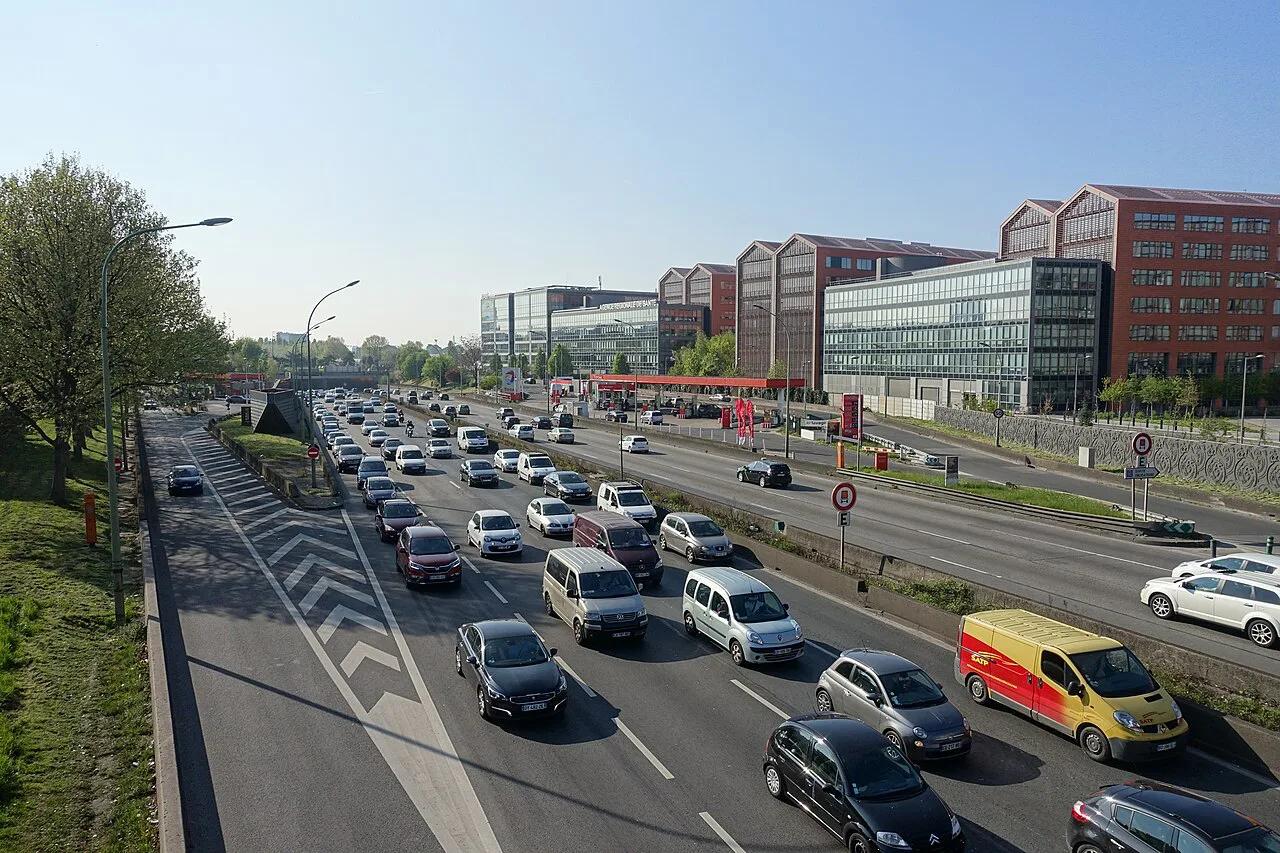
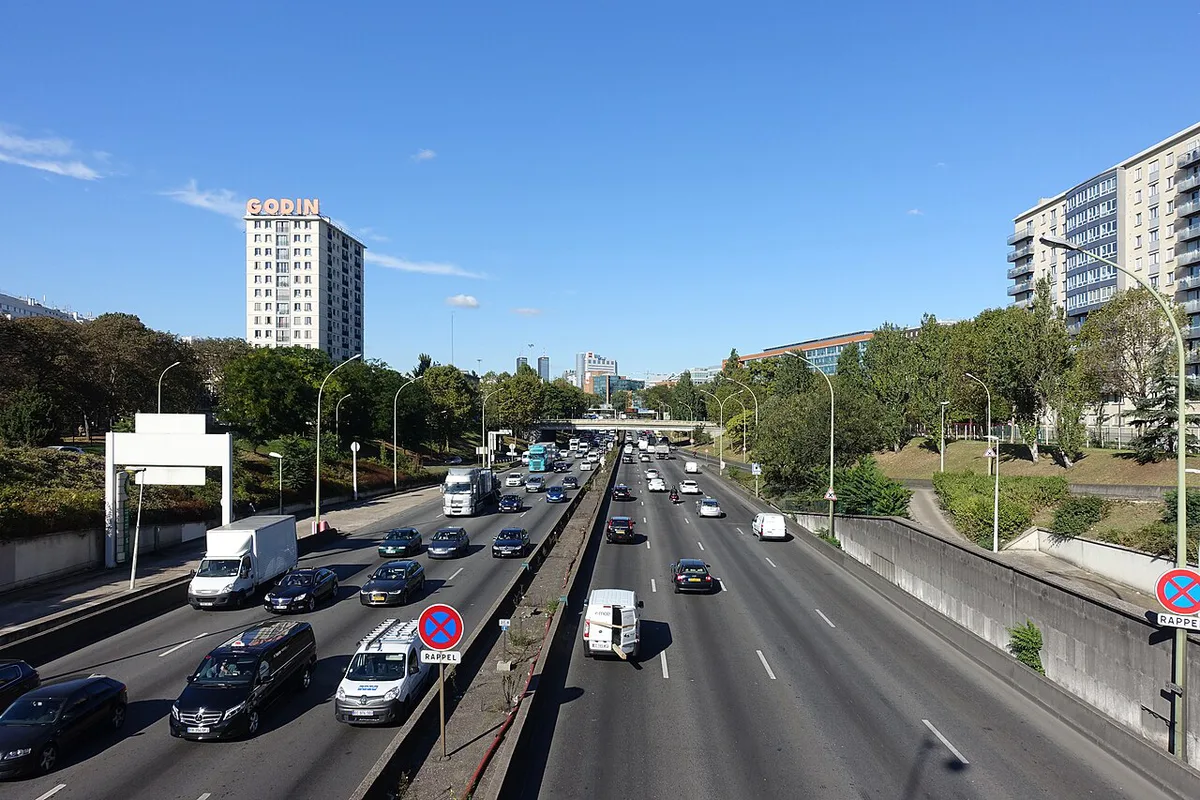
Featured image: Guilhem Vellut from Paris, France, CC BY 2.0, via Wikimedia Commons.
Quick answer: does the Paris low emission zone apply to you?
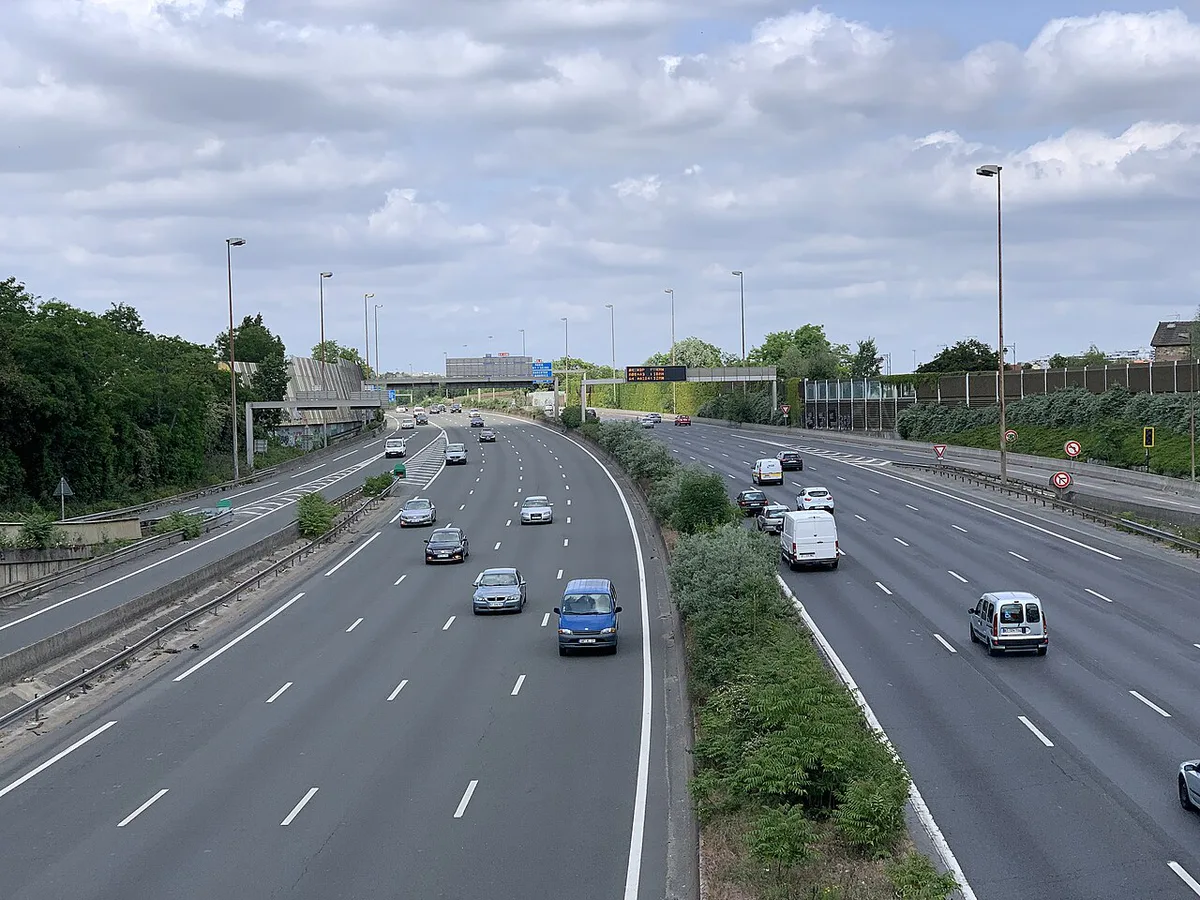
If you drive a car, van or motorbike inside the A86 ring road, assume the zone applies to you. Foreign plates are not a way around it, and a rental car counts exactly like a private one. Cars and vans that are unclassified or carry a Crit'Air 3, 4 or 5 sticker cannot be driven in the zone Monday to Friday, 8am to 8pm, except on public holidays. Throughout 2026 the Métropole runs an extended "teaching period" with no fines, according to the City of Paris ZFE page; the Métropole du Grand Paris site posts any change for 2027. The table below shows what to ask for each vehicle situation.
Driving inside the A86 ring road brings you into the zone even if you never enter Paris proper, so a Paris-only check misses it.
| Your situation | What to check first |
|---|---|
| Rental car from a French agency | Whether the car carries a Crit'Air sticker and which class it is |
| UK or EU private car | Your car's class, then an official sticker order before departure |
| US-licence driver in a rental | Sticker on the windscreen at pickup; licence rules are separate |
| Hire van or camper | Class of the vehicle; vans and heavier vehicles can face different limits |
| Motorbike | Two-wheelers also use Crit'Air classes, with the sticker on the fork and the same weekday hours as cars |
How the Paris ZFE works
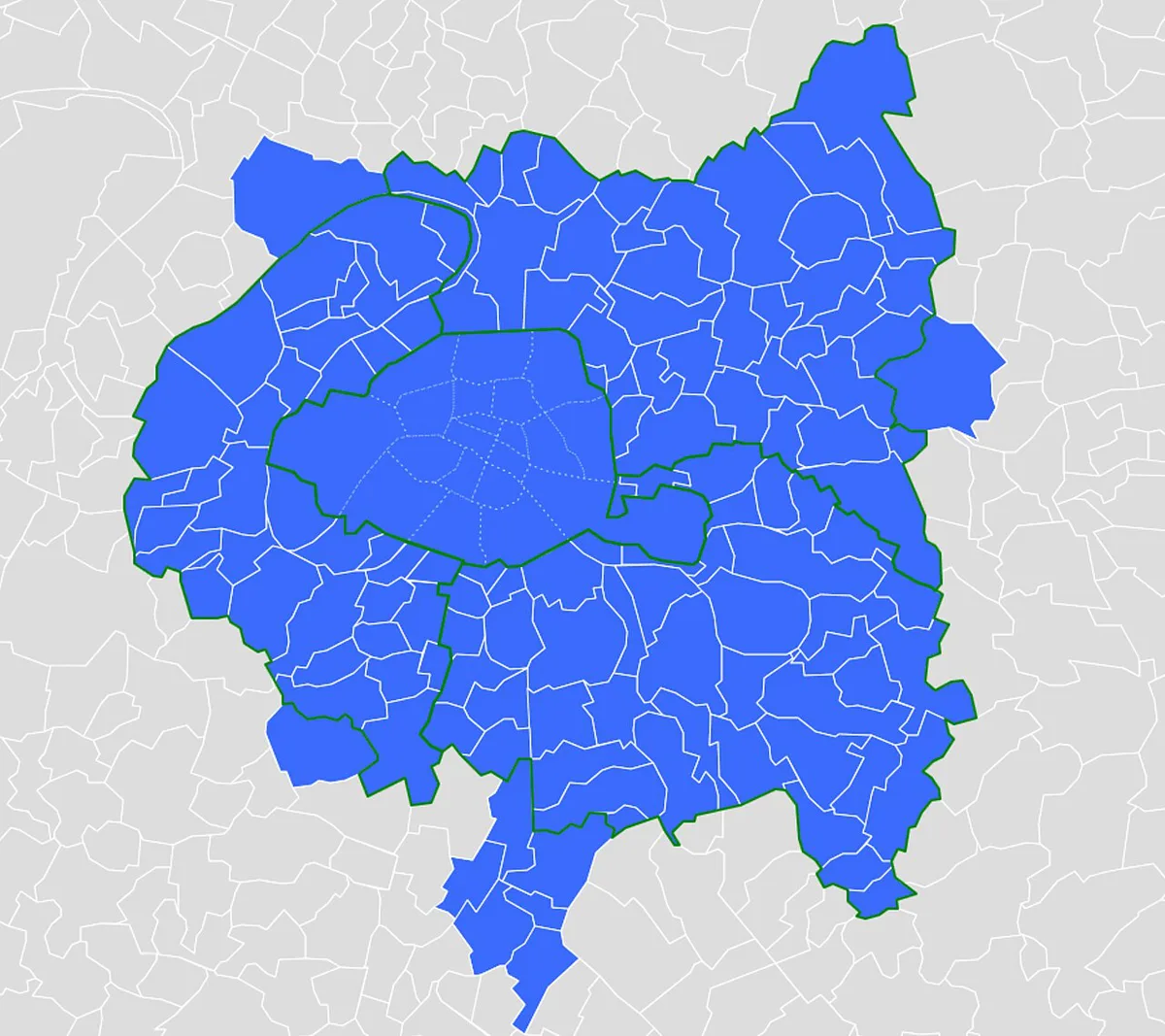
The rules have tightened in steps. The metropolitan zone has barred Crit'Air 4 and 5 vehicles since 1 June 2021 and Crit'Air 3 since 1 January 2025. It sits inside the A86 ring road, so it covers far more than the city proper, including the Bois de Boulogne and the Bois de Vincennes. Restrictions work by Crit'Air class, starting with the most polluting vehicles, so older diesel cars are affected first. Hours depend on the vehicle:
| Vehicle | Barred classes | When the ban applies |
|---|---|---|
| Cars, light vans, two-wheelers, tricycles, quadricycles | Crit'Air 3, 4, 5 and unclassified | Monday to Friday, 8am to 8pm, except public holidays |
| Buses, coaches and heavy goods vehicles | Crit'Air 3, 4, 5 and unclassified | Every day, 8am to 8pm |
Two points trip up visitors:
- The A86 itself is outside the zone, but the périphérique is inside it, so driving the inner ring road counts as entering.
- Crit'Air 3 cars can use a 24-hour pass on up to 24 days a year, on top of free weekends.
Crit'Air stickers explained
Crit'Air is France's national vehicle classification. Electric and hydrogen vehicles get the green E sticker. Petrol and diesel vehicles fall into classes 1 to 5 by fuel and registration date, with higher numbers meaning older and dirtier. Your class comes from your registration certificate, not from how the car feels to drive. The sticker does not exempt you from every restriction. It only tells enforcement which class you belong to. For the full class breakdown and sticker basics, see our Crit'Air sticker guide.
How to get a Crit'Air sticker as a visitor
Order only through the official Crit'Air certificate site. Foreign-registered vehicles apply online through the "registered abroad" option, with details from the registration document. The official fee is €5.11 for a foreign-registered vehicle and €3.85 for a French one, postage included, per Service-Public. The sticker is posted within about 10 working days to the address on the registration certificate, and international post adds transit time. Unofficial resellers charge extra for the same sticker, so ignore any site that is not the government one. Place the sticker on the windscreen as the instructions show, and keep the confirmation email until it arrives.
Posting takes about 10 working days before international transit, so a UK or EU driver bringing their own car should order a few weeks before departure.
Rental cars, UK and EU cars, and US-licence drivers
At the counter, ask two questions: does the car have a Crit'Air sticker, and which class is it? Rental policies differ between operators, so ask rather than assume. If the car has none, request another vehicle or decide not to enter the zone. Our guide to renting a car in France covers the pickup checks. US drivers should also read about driving in France with a US licence. UK and EU drivers bringing their own car should order a sticker before departure. Our UK-to-France driving guide covers the route. The Eurotunnel Le Shuttle guide covers the crossing.
Fines and enforcement
Driving a banned class, or driving with no sticker where one is required, usually brings a €68 fixed fine for a car, with a maximum of €450 and possible immobilisation, according to Service-Public. In Greater Paris, checks through 31 December 2026 are occasional and informative only, with no fines. For now those checks are made by police officers; L'argus reports that plate-reading camera cars are planned but not yet in use. Automated notices in France go through ANTAI, and foreign plates can still receive one after you go home. Automated enforcement elsewhere is covered in our French speed cameras guide, but it is a separate system from the ZFE.
Drive in or stay outside? A decision table by trip type
For most city-centre stays, leaving the car outside the zone and taking the RER or metro is simpler. Driving makes more sense for onward road trips. For specifics on routes and costs, read Driving in Paris: Rules, Zones, Parking and Alternatives. Then check Parking in Paris: Zones, Costs, Fines and Options before you commit to a hotel with a garage. Park-and-ride and edge-of-zone parking save you the sticker question but add a train leg.
| Trip type | Suggested choice | Trade-off |
|---|---|---|
| Airport transfer | Train or RER into the city | Slower with luggage, no sticker needed |
| Day trip to Versailles | Public transport or edge-of-zone parking | Less flexible, no zone risk |
| Hotel inside the zone | Leave the car outside and use transit | Parking inside the zone costs more and needs a compliant class |
| Onward road trip | Collect the car outside the zone on departure day | One more transfer, but no sticker risk |
Mistakes to avoid
Most visitor problems come from a short list of errors. Avoid these:
- Buying a sticker from an unofficial reseller.
- Assuming the sticker exempts the car from every restriction.
- Driving a car with no sticker into the zone.
- Checking only the Paris city rules and missing the wider metropolitan perimeter.
- Using the A86 or the périphérique without knowing which rules apply.
Beyond Paris: other French ZFEs on a longer road trip
Other French cities run their own zones, so one sticker may serve several of them. Do not assume every city has an active zone, and check each stop on your route. Our driving in France guide is the best starting point for the wider trip. Motorway planning is covered in Toll Roads in France: How to Pay, Costs and Tips. Limits you will meet outside Paris are listed in Speed Limits in France: Motorway, Rural, Town & Rain (2026).
Confirm Your Crit’Air Class Before You Order
Check your vehicle’s Crit’Air class before committing to a central Paris route. The classification comes from the registration certificate, not the vehicle’s badge or its emissions claim. Electric and hydrogen vehicles use the green E sticker. Petrol and diesel vehicles are assigned classes 1 to 5 according to fuel type and registration date.
Use the official Crit’Air certificate site to enter the details exactly as they appear on the document. A foreign-registered vehicle can be assessed too, so have its registration certificate ready when applying. The class comes down to fuel, Euro standard and first registration date: a petrol car registered since 2011 (Euro 5 or 6) is Crit'Air 1, while a diesel Euro 4 from 2006 to 2010 or a petrol car from 1997 to 2005 is Crit'Air 3, which the Paris zone bars on weekdays.
This step matters because the Greater Paris ZFE covers everything inside the A86 ring road. If your car comes out as Crit'Air 3 or worse, plan weekday Paris travel by public transport, or use one of the 24-hour passes Crit'Air 3 cars can request.
Frequently Asked Questions
What happens if I drive through a low emission zone?
A camera or police check can match your plate to your Crit'Air class. If your class is barred, or you have no sticker where one is needed, you can receive a fixed fine, usually €68 for a car. In Greater Paris no fines are issued until 31 December 2026.
Road-rule changes worth knowing
Optional updates to our guides.
You might also like


Continue reading
More guides you'll find useful