
French Speed Cameras: Fines, Tolerance & Tourist Tips
How French speed cameras work, the tolerance and fine bands, and what happens when a rental or foreign-plated car is flashed. Practical tips for visitors.
On this page
Last updated November 2026: French speed cameras cover motorways, national roads and village streets, and enforcement reaches rental and foreign-plated cars. A fine does not vanish when you fly home. Your best defence is to know the limits, read the warning signs and understand what your rental company does with your details, as part of our wider guide to driving in France.
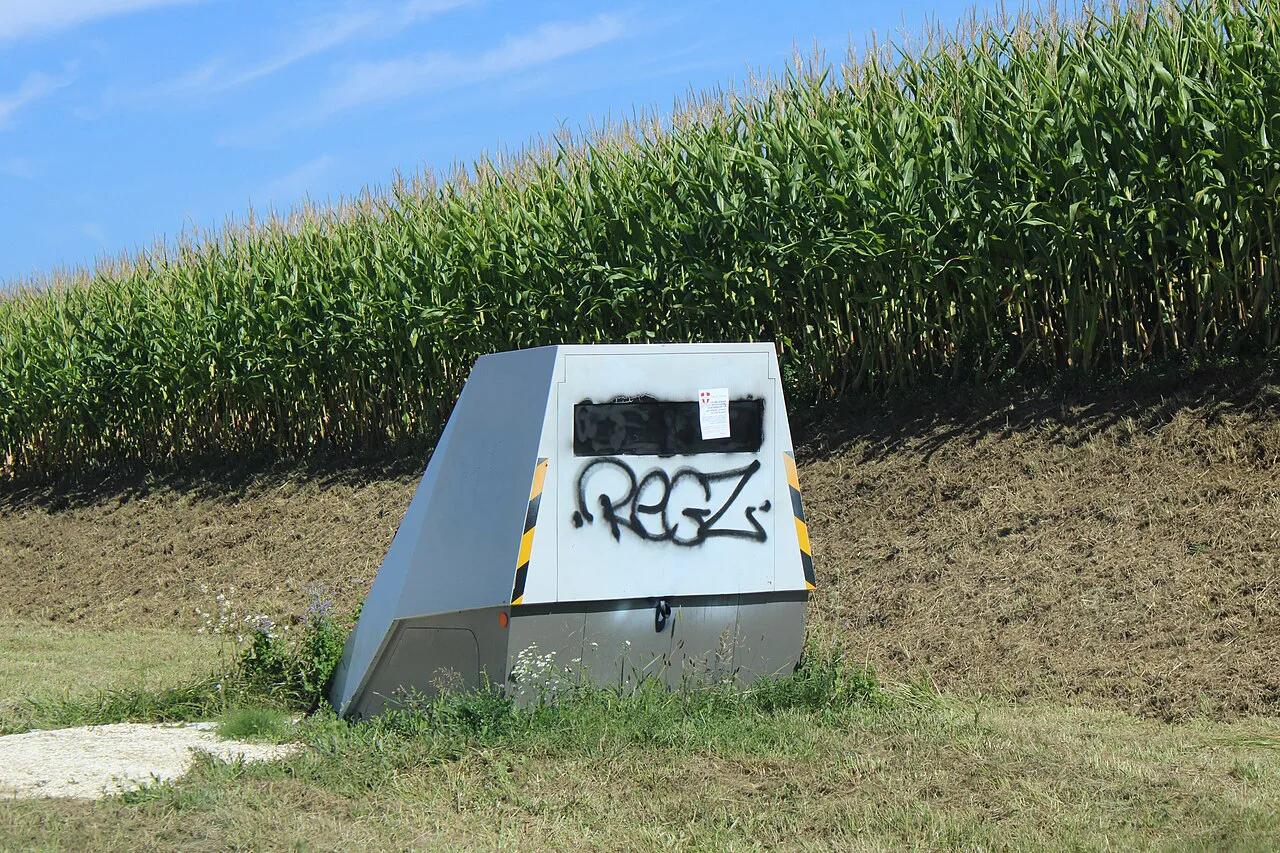
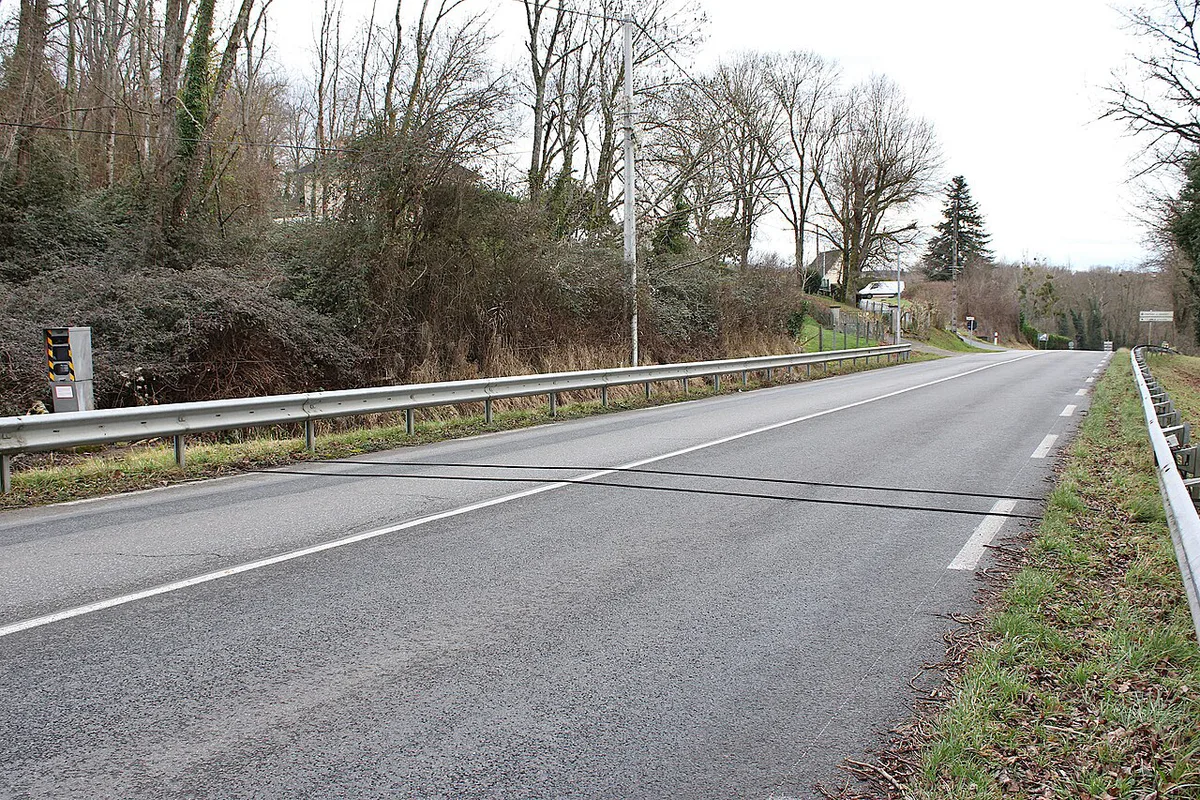
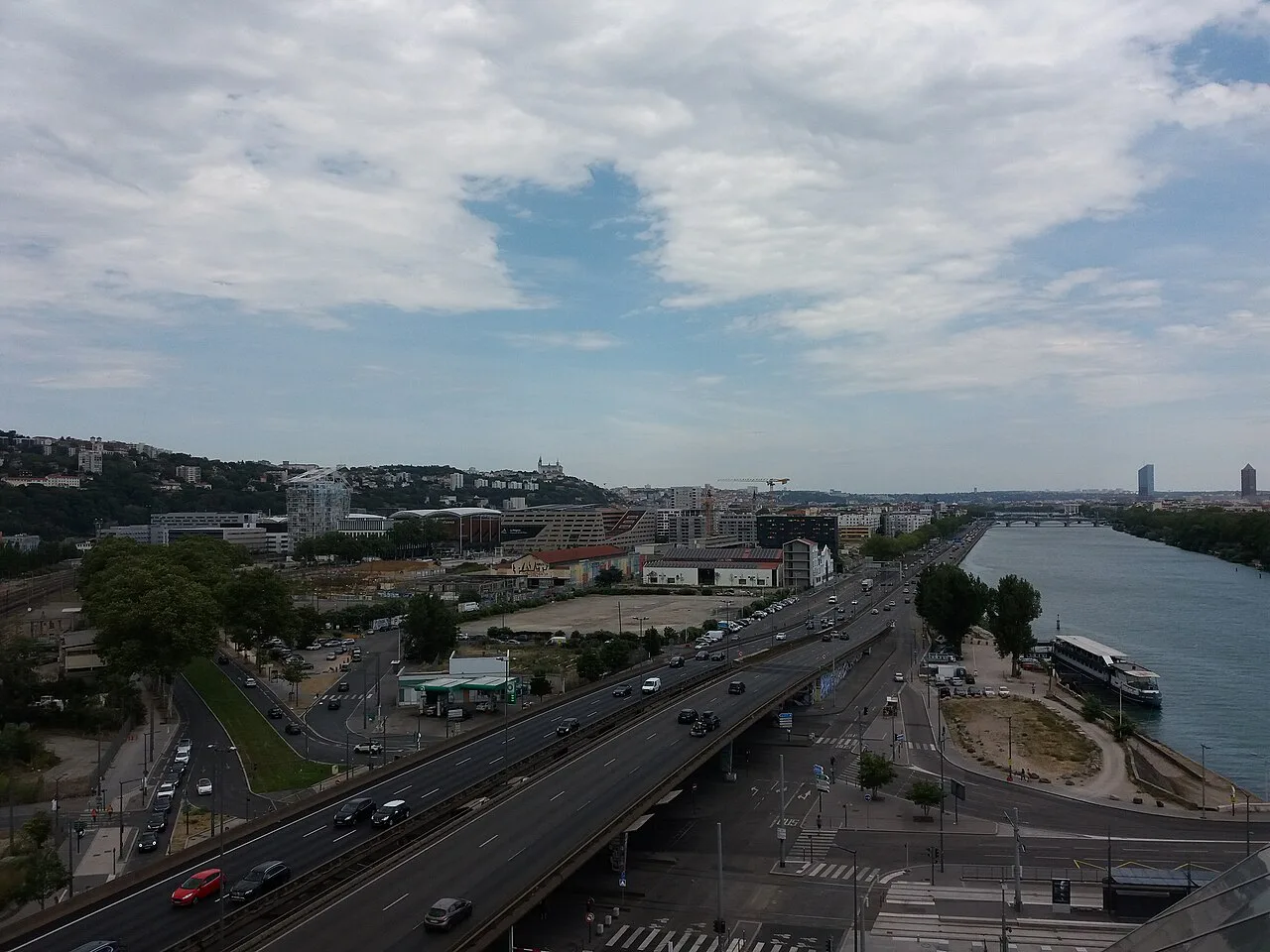
Featured image: Anthony Levrot, CC BY-SA 4.0, via Wikimedia Commons.
Are French Speed Cameras a Real Risk for Visitors?
Yes, because automated enforcement works without a police officer ever stopping you. A camera records the plate, and the notice follows the registered keeper. Visitors are exposed mainly because they drive unfamiliar roads where limits change often.
A 50 km/h town limit sits in the same band as limits of 50 km/h or less, so the €135 figure applies there too.
- Cameras are fixed, mobile or average-speed, and a car on the roadside is not always a police car.
- Rental and foreign plates are not exempt from automated fines.
- Speed limits drop sharply at village entrances, and the 50 km/h town limit is the one visitors miss most.
Types of Speed Camera in France
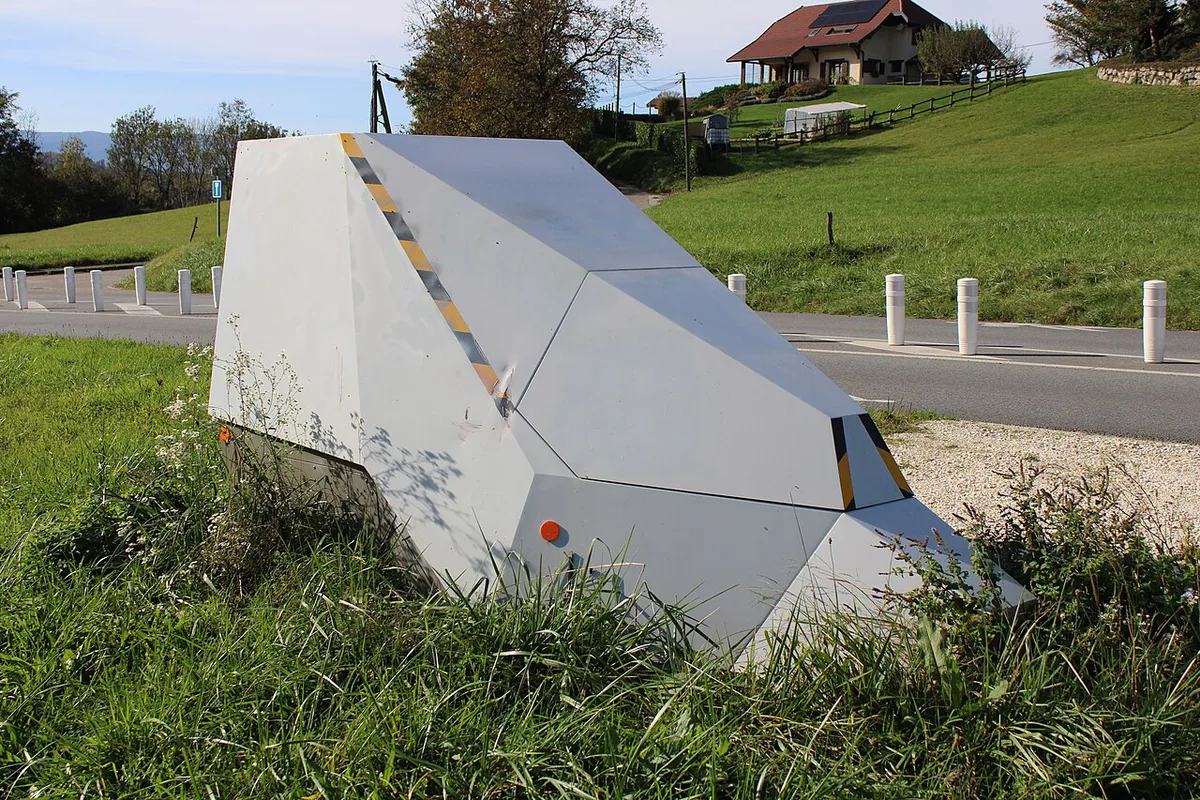
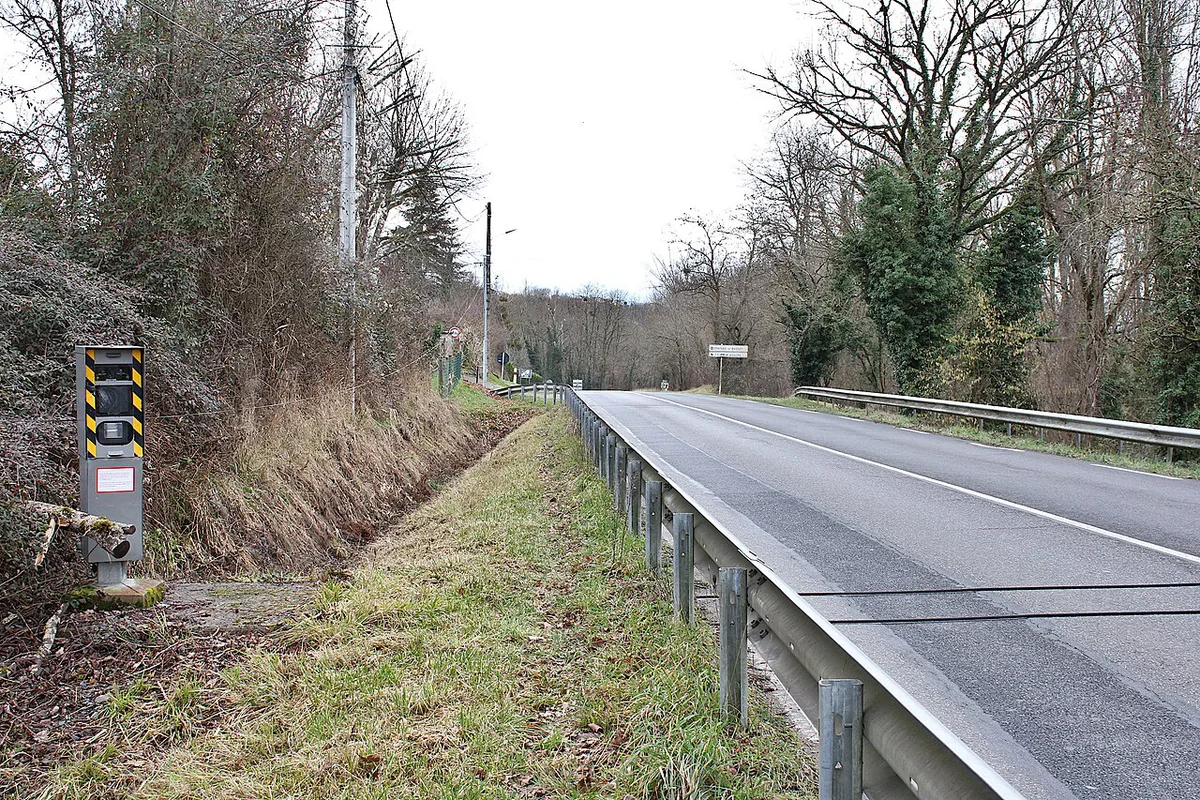
France uses several camera formats, and each works differently. Fixed units sit on a pole and photograph vehicles over the limit. Mobile units are operated from a parked or moving vehicle and can appear on roads with no earlier camera history. About 300 unmarked camera cars, driven by private contractors, patrol roads in 86 départements, and the 2026 plan counts about 4,880 fixed and mobile devices, according to L'argus. Prices and rules below were checked November 2026 against Service-Public.
| Type | What it detects | How to anticipate it |
|---|---|---|
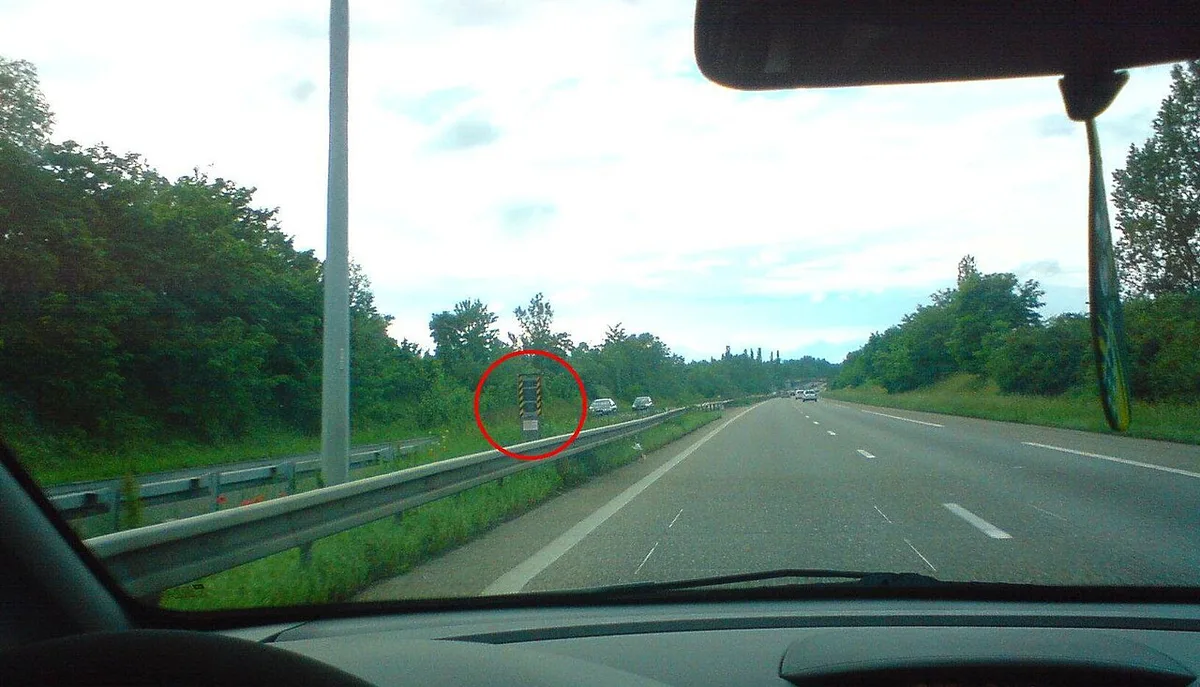
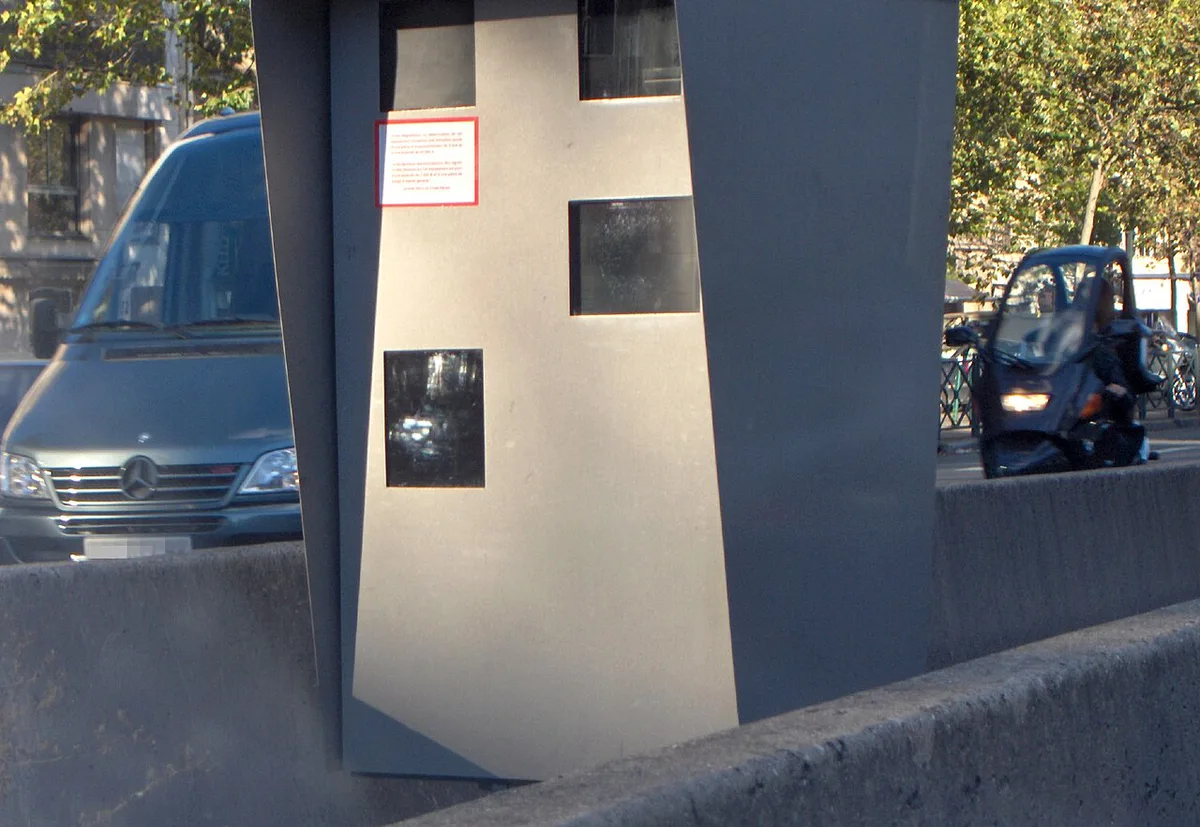
| Fixed radar | Speed at one point | Warning sign ahead; grey pole beside the road |
| Mobile radar | Speed at changing locations | No fixed warning; stay at the limit everywhere |
| Average-speed (section) camera | Average speed between two points | Signs announce the section; braking after the first camera does not help |
| Red-light camera | Crossing a red signal | Found at junctions in towns |
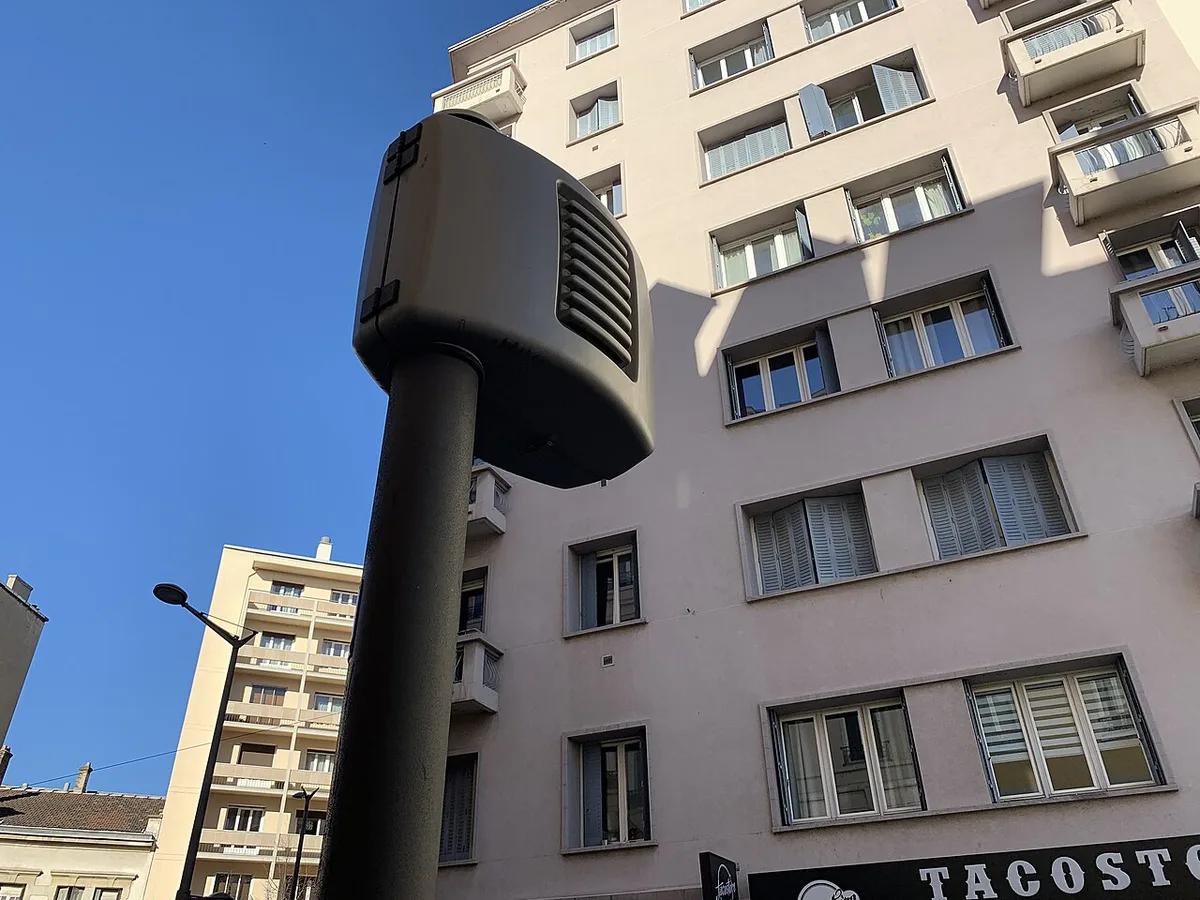
| Tower and urban mini-tower cameras | Speed; the urban units check speed and red lights together | Tall column at the roadside or a junction; phone and seat-belt checks are planned for later, not in use |
Tolerance and Fine Levels for French Speeding
France deducts a technical margin from every reading: 5 km/h below 100 km/h and 5% at or above it for fixed cameras, and double that (10 km/h or 10%) for cameras in moving vehicles, under a 2009 order explained by LegiPermis. Treat that margin as a safety buffer, not a target. For an excess of under 20 km/h on a road with a limit above 50 km/h, the fine is €68. Where the limit is 50 km/h or less, the same excess costs €135. Paying within 15 days cuts those to €45 and €90, and late payment raises them to €180 and €375. An excess under 5 km/h costs no licence point. Since 29 December 2025, 50 km/h or more over the limit is a criminal offence with a fine of up to €3,750, per Service-Public. Our guide to Speed Limits in France: Motorway, Rural, Town & Rain (2026) covers the limits that these fines apply to.
What Happens if You Are Caught in a Rental or Foreign Car
The camera records the plate, and the notice goes to the registered keeper. For a rental car, the keeper is the rental company. It identifies the driver from your contract and passes your details on. A notice then reaches you by post, often weeks after the trip. Some companies charge an administrative fee for handling the request, so read the terms in our guide to Renting a Car in France: Documents, Insurance & Costs before you sign.
- Compare the date, time, plate and vehicle on the notice with your rental period.
- Note who the notice names as the driver and what amount it demands.
- Pay through the route printed on the notice, or use the ANTAI official portal for the payment process.
- Pay quickly, because delay raises the amount.
UK, US and Non-EU Drivers
For UK-registered cars, the EU keeper-data exchange stopped applying after Brexit, and DVLA records show no keeper data released to France under it since January 2021. Fines still reach UK homes, though: France's road-safety observatory counted 62,780 notices sent to UK addresses in 2023, mostly for speeding, according to Connexion. Hire cars are the clearest route, because the French rental firm names you as the driver, and police can collect a fine at the roadside from any driver. US visitors should read driving in France with a US license, and UK drivers should see driving from the UK to France. Plan on the basis that an unpaid fine can still follow you, rather than relying on a gap in cross-border data.
How to Avoid Speeding Fines in France
Most visitor fines come from small, repeated overshoots rather than reckless driving. A few habits remove most of the risk.
Village entrances drop to 50 km/h, and the €135 fine band applies wherever the limit is 50 km/h or less.
- Trust GPS speed over the dashboard, because many dashboards read slightly high or low.
- Set the speed limiter or cruise control as soon as you join a road.
- Slow down at village entrances, where limits change to 50 km/h.
- Watch for roadworks signs, which cut the limit for long stretches.
- Leave any radar detector at home: Service-Public lists a fine of up to €1,500, 6 points and seizure of the device.
Cameras and Other French Road Costs
Speed fines are separate from other charges. Motorway tolls are paid at plazas, as covered in our Toll Roads in France: How to Pay, Costs and Tips guide. City driving may require a Crit'Air sticker, explained in our Crit'Air sticker guide. Paris has its own rules, covered in the Paris low-emission zone page. Drink-driving enforcement is also strict, so read the French drink-driving limit before dinner. Short-trip visitors collecting a car at Nice or in Corsica should read car hire in Nice and car rental in Corsica.
Mistakes to Avoid
These errors cause most surprise notices for visitors.
- Trusting the dashboard speed instead of GPS speed.
- Assuming foreign plates or rental cars are exempt.
- Braking hard at a camera and then speeding up inside an average-speed section.
- Relying on an app instead of reading road signs.
- Ignoring a notice that arrives after you return home.
Frequently Asked Questions
Do France speed cameras flash?
Some do, but many modern units do not give a visible flash. Do not assume you were not caught because nothing lit up.
How do I know if I was caught on camera?
A notice arrives by post, often weeks later, addressed to the registered keeper. For a rental car, the rental company names you as the driver first. Pay through the route on the notice or the official ANTAI portal.
Can you show speed cameras on Google Maps?
Navigation apps such as Waze and Coyote can still show speed-camera alerts in France. Since November 2021 the authorities can order them to hide alcohol and drug checkpoints for up to 2 hours, but speed checks are not covered. Radar detectors are banned outright.
Road-rule changes worth knowing
Optional updates to our guides.
You might also like

Continue reading
More guides you'll find useful