
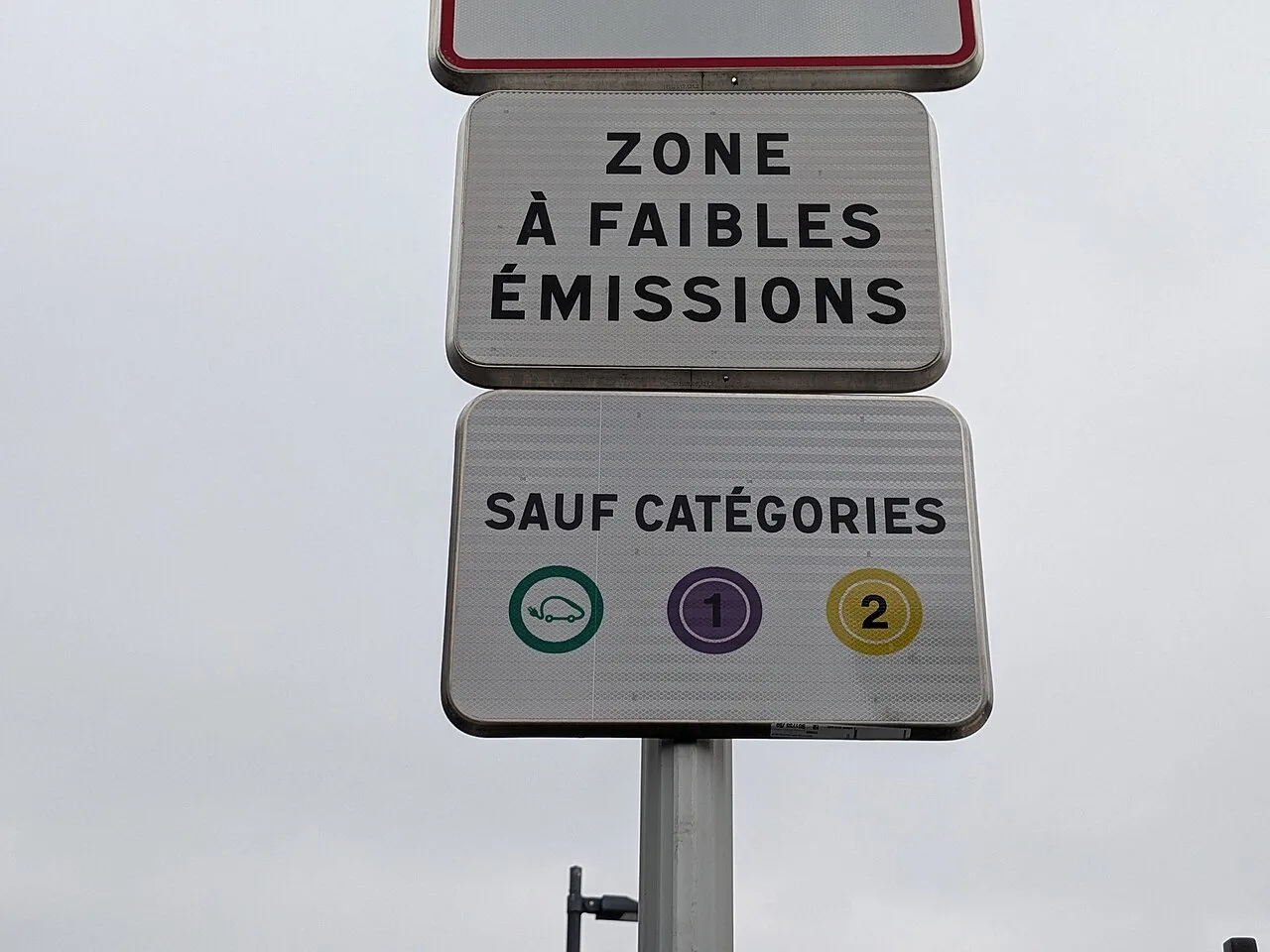
Crit Air Sticker for France: Who Needs One & How to Order
Which Crit'Air sticker you need, which French cities require it, the official price and delivery time, and how to avoid scam sites.
On this page
Last updated November 2026: a crit air sticker is a round windscreen certificate that grades your vehicle by its emissions. You need one to drive inside a French low-emission zone, and that includes foreign-registered cars. Order it only from the official Crit'Air certificate site, which is the one government issuer.
Featured image: Sebleouf, CC BY-SA 4.0, via Wikimedia Commons.
Quick answer: do you need a Crit'Air sticker?
Yes, if you drive into a low-emission zone (ZFE-m) such as Paris inside the A86 motorway, Lyon or Grenoble. Towns without a zone do not ask for one, so a rural road trip may never need it. Prefects can also impose pollution-peak restrictions that rely on the sticker. Parliament voted to abolish the zones as part of a 2026 simplification law, but on 21 May 2026 the Constitutional Council struck that article out, so the zones remain in force. For wider trip rules, start with our France driving guide.
Which Crit'Air category is your vehicle?
Your category depends on fuel type, vehicle age and the Euro emission standard printed on the registration certificate. There are six stickers, each with its own colour. The sticker covers cars, motorcycles, tricycles, quadricycles, light commercial vehicles, buses and coaches. Vehicles registered before 1997 (Euro 1 and older) are unclassified and get no sticker. The electric and hydrogen sticker is green and carries no number, so you will see it called both "Crit'Air 0" and "E". The car classes below follow Service-Public's Crit'Air page.
| Category | Colour | Typical vehicle |
|---|---|---|
| 0 / E | Green | Electric and hydrogen |
| 1 | Purple | Gas, plug-in hybrid, petrol Euro 5 and 6 (registered since 2011) |
| 2 | Yellow | Petrol Euro 4 (2006-2010), diesel Euro 5 and 6 (since 2011) |
| 3 | Orange | Petrol Euro 2 and 3 (1997-2005), diesel Euro 4 (2006-2010) |
| 4 | Burgundy | Diesel Euro 3 (2001-2005) |
| 5 | Grey | Diesel Euro 2 (1997-2000) |
Which French cities have low-emission zones?
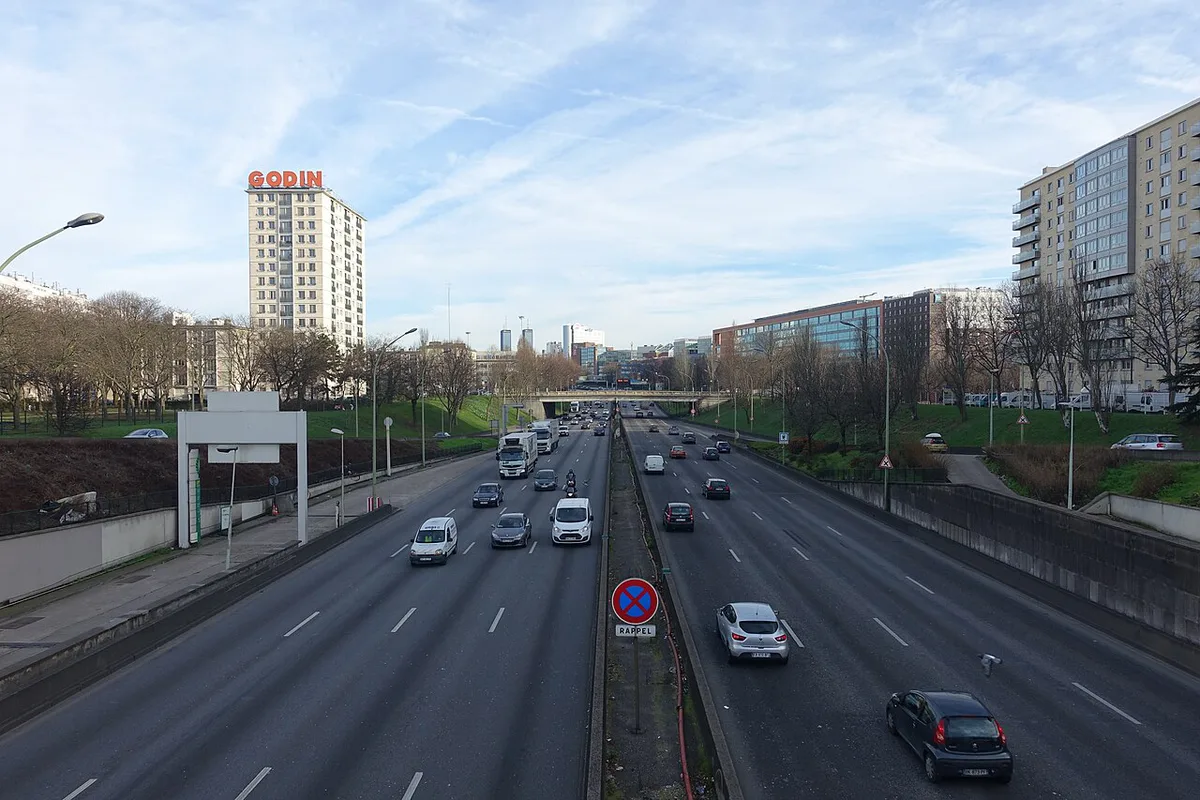
Each zone is set by its own metropole, so the barred classes, hours and enforcement differ from city to city. Paris, Lyon and Grenoble have barred Crit'Air 3 since 1 January 2025, according to L'argus. In Greater Paris the zone covers everything inside the A86 (the A86 itself is outside it, the périphérique is inside), and cars are restricted Monday to Friday, 8am to 8pm, except on public holidays. Our Paris low-emission zone guide covers that perimeter in more detail. The official France.fr Crit'Air guide lists the other agglomerations that use the sticker.
| City | Cars barred | Visitor pass | Fines in 2026 |
|---|---|---|---|
| Paris and Greater Paris | Crit'Air 3, 4, 5 and unclassified, inside the A86, Mon-Fri 8am-8pm | 24-hour pass for Crit'Air 3 cars, up to 24 days a year | None: warnings only until 31 Dec 2026 |
| Lyon | Crit'Air 3, 4, 5 and unclassified | Not covered here | Crit'Air 4 and older since 2024; Crit'Air 3 from 1 Jul 2026 |
| Grenoble | Crit'Air 3, 4, 5 and unclassified | Not covered here | Yes, including parked vehicles |
| Aix-Marseille, Toulouse, Nice, Montpellier, Strasbourg, Rouen, Reims, Saint-Étienne | Set by each metropole | Set by each metropole | Set by each metropole; Saint-Étienne does not restrict light vehicles |
Is the sticker mandatory, and what changed in 2025?
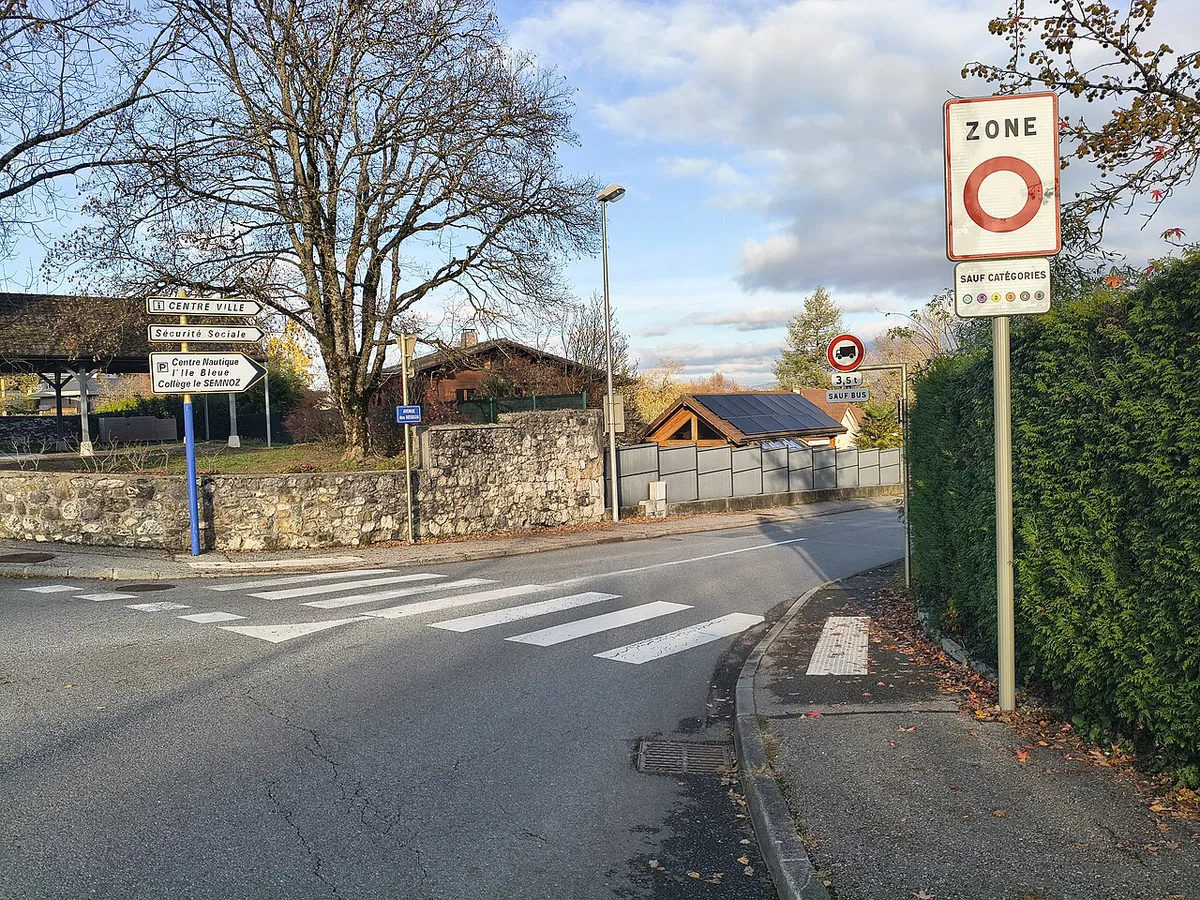
The sticker is mandatory only where a zone or a pollution-peak order applies. Where it is required, it must be stuck on the lower right of the windscreen, facing out, so it is visible from outside; on a motorcycle it goes on the fork. The 2025 and 2026 abolition votes never took effect: the Constitutional Council removed the abolition from the simplification law in May 2026 because it had too little link to the rest of the bill. The national framework therefore stands, and each metropole's local decree remains the deciding rule for any city you plan to enter.
How to order a Crit Air sticker step by step
Use only the official site, because look-alike sites charge far more. Service-Public describes the process for French-registered vehicles. Foreign plates use the separate vehicle registered abroad option on the same official site, which is online only. Either way, follow this sequence.
- Make sure the address on the registration certificate is current, because the sticker ships there.
- Choose "registered in France" or "registered abroad" on certificat-air.gouv.fr.
- Order online with the registration certificate, an email address and a bank card.
- For a French plate, expect a confirmation email within 4 hours and an emailed invoice with a facsimile of the sticker within about 24 hours.
- Expect the sticker by post within about 10 working days.
Crit'Air sticker cost and delivery time
Prices and delivery times checked November 2026 on Service-Public. The official fee is €3.85 for a French-registered vehicle and €5.11 for a vehicle registered abroad, postage included in both cases. The sticker is posted within about 10 working days, and international post adds its own transit time, so order a few weeks before departure. Private resellers are not the issuer: they buy the same sticker for you and add a handling fee on top.
| Option | Price | Timing |
|---|---|---|
| Official site, French-registered vehicle | €3.85, postage included | About 10 working days by post |
| Official site, foreign-registered vehicle | €5.11, postage included | About 10 working days, plus international post |
| Private reseller | Official fee plus a handling fee | Varies |
Fines and enforcement
Driving in a zone without a sticker, or with a class the zone bars, usually brings a €68 fixed fine for a car, light van or two-wheeler, and the maximum is €450, per Service-Public. Police can also immobilise or impound the vehicle. A sticker in a class the zone bars does not help, so match your category to the city's rule. Enforcement varies: Greater Paris is issuing no fines until 31 December 2026, while Grenoble fines moving and parked vehicles.
Against a €5.11 official sticker for a foreign-registered car, a €68 fine makes ordering in advance the cheaper choice.
Rental cars, camper vans, motorcycles and foreign plates
A French-registered rental car is usually covered by the rental firm, but ask before you leave the desk. Camper vans, motorcycles and light commercial vehicles all need their own sticker. Our France car rental guide covers pick-up basics. If you collect in Nice, see car hire in Nice. For the island, see car rental in Corsica. US drivers can read driving in France with a US license for licence rules.
- Ask whether a sticker is already fitted.
- Ask which category it is.
- Ask who pays a fine if a zone fee arrives.
- For a foreign-plate vehicle, use the foreign-vehicle option on the official site.
Driving from the UK: order before you travel
UK-registered vehicles use the foreign-plate route, and postal delivery adds time. Order well before your crossing. Our UK to France driving guide covers the trip itself. Book your crossing through Eurotunnel Le Shuttle: Driver's Guide to Crossing to France only after your sticker is on its way, so the dates line up.
The sticker is posted within about 10 working days, and a UK address adds international post on top, so leave a margin of a few weeks.

Skip the zone instead? Alternatives and common mistakes
If you only want one day in Paris, parking outside the A86 and taking transit avoids the sticker entirely. Compare costs in Driving in Paris: Rules, Zones, Parking and Alternatives. Then read Parking in Paris: Zones, Costs, Fines and Options for park-and-ride options. For Lyon, Marseille, Grenoble or Strasbourg, a €5.11 sticker for a foreign-registered car is usually cheaper than rerouting around the zone. Our guides to French toll roads and French speed limits cover related rules. For stops, see Parking in France: Rules, Zone Bleue, Apps & Fines.
- Ordering from a reseller by accident.
- Ordering too late for your trip.
- Assuming a rental car has one.
- Assuming the zones were abolished: the abolition was struck down in May 2026.
- Using the French-vehicle flow for a foreign plate.
What to carry while your Crit'Air sticker is in the post
Keep the order confirmation and the emailed invoice available after applying. For a French-registered vehicle, the confirmation email arrives within about 4 hours and the invoice, with a facsimile of the sticker, within about 24 hours. Save both on your phone and print them if possible.
The rule on the road is about the sticker itself: Service-Public says it must be fixed to the front of the vehicle and visible from outside. Neither Service-Public page says a printed invoice replaces it, so the safe plan is to have the real sticker on the windscreen before you enter a zone. The sticker is posted within about 10 working days, and delivery abroad adds international post.
If the sticker has not arrived, park outside the zone and use public transport for that leg. Do not use a reseller receipt as a substitute for the official application record.
Frequently Asked Questions
Do I really need a crit air sticker?
Only if you drive into a low-emission zone or a pollution-peak area. Paris inside the A86, Lyon and Grenoble are examples. A route through rural France and towns without zones does not need one.
Where do I get a crit air sticker from?
Order it from the official government site, certificat-air.gouv.fr. It costs €3.85 for a French-registered vehicle and €5.11 for a foreign-registered one, postage included. Look-alike sites add handling fees. The sticker is posted within about 10 working days.
Which cities in France do I need a crit air sticker?
Paris and Greater Paris, Lyon, Aix-Marseille, Toulouse, Nice, Montpellier, Strasbourg, Grenoble, Rouen, Reims and Saint-Étienne use it, among others. Each metropole sets its own classes, hours and enforcement.
Is Crit'Air being abolished?
No. Parliament voted to abolish the low-emission zones in a 2026 simplification law, but on 21 May 2026 the Constitutional Council struck that article out. The zones and the sticker remain in force.
Road-rule changes worth knowing
Optional updates to our guides.
You might also like



Continue reading
More guides you'll find useful