
Parking in Paris: Zones, Costs, Fines and Options
Parking in Paris explained: on-street zones, garages, hotel parking, fines and park-and-ride, plus when to skip the car.
On this page
Last updated November 2026: parking in Paris is expensive, and on-street bays in most central areas are paid. Visitors choose between metered street spaces, public underground car parks and leaving the car outside the centre. For most short city breaks, a garage or an edge-of-city park-and-ride is less stressful than hunting for a street bay. Our country-level parking guide covers the wider rules.
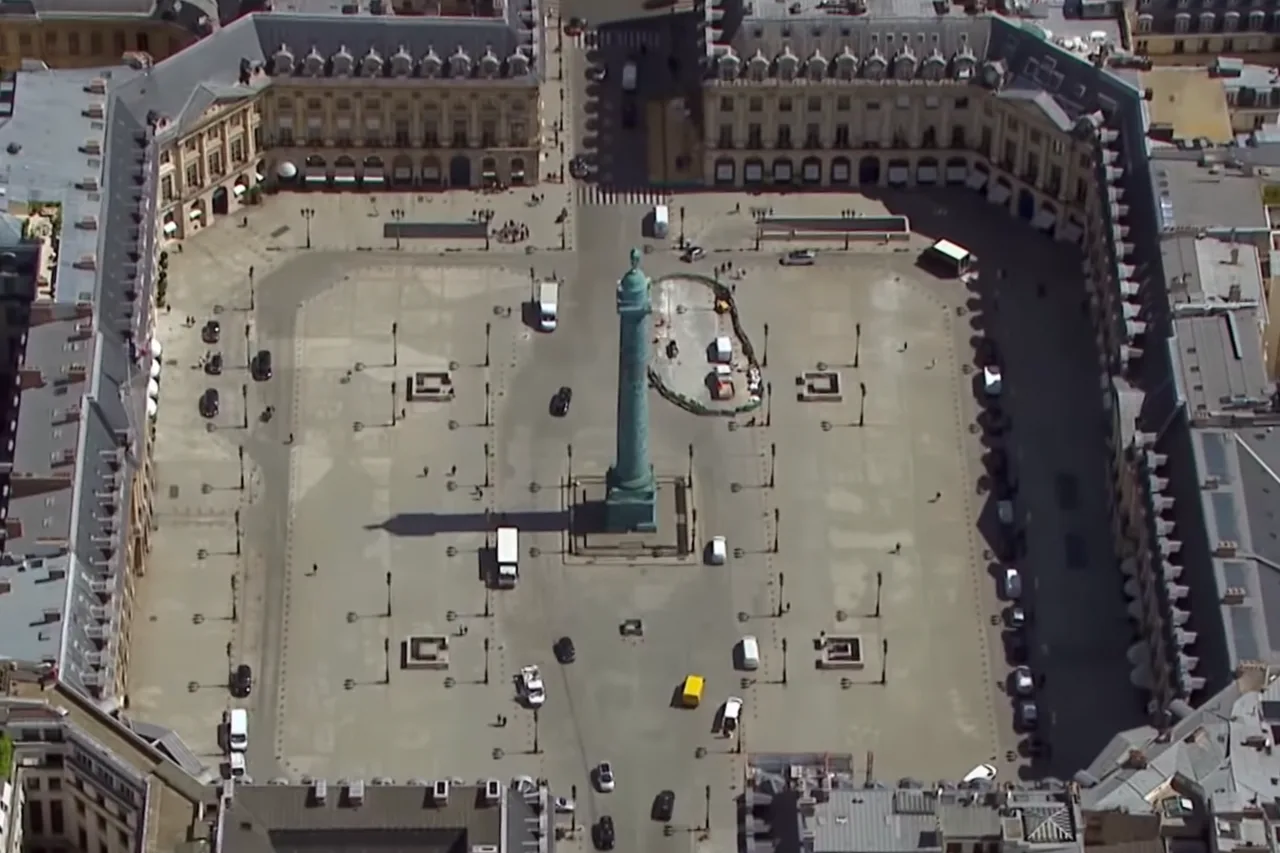
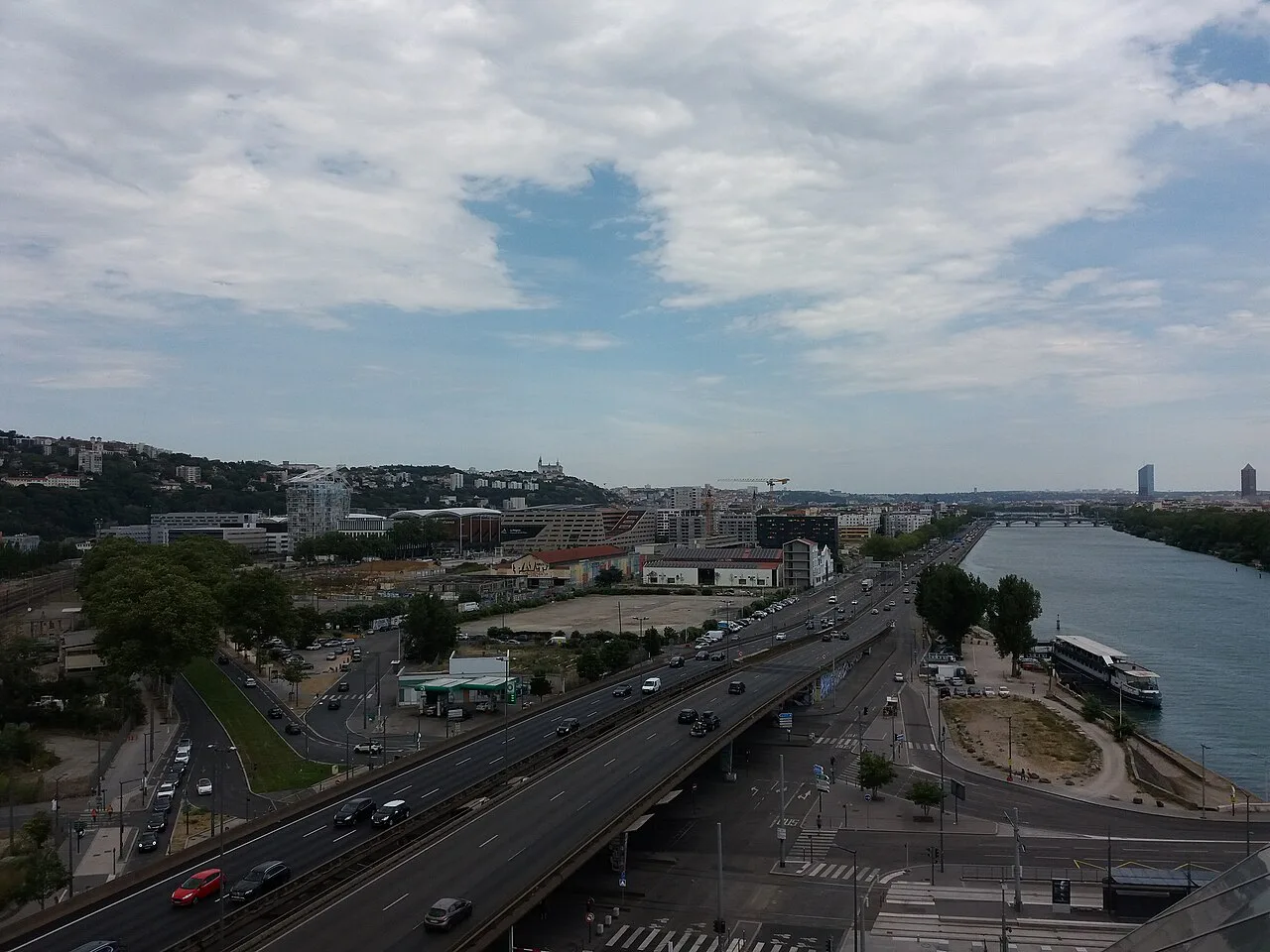
Featured image: Des Racines et des Ailes, CC BY 3.0, via Wikimedia Commons.
Should you drive into Paris at all?
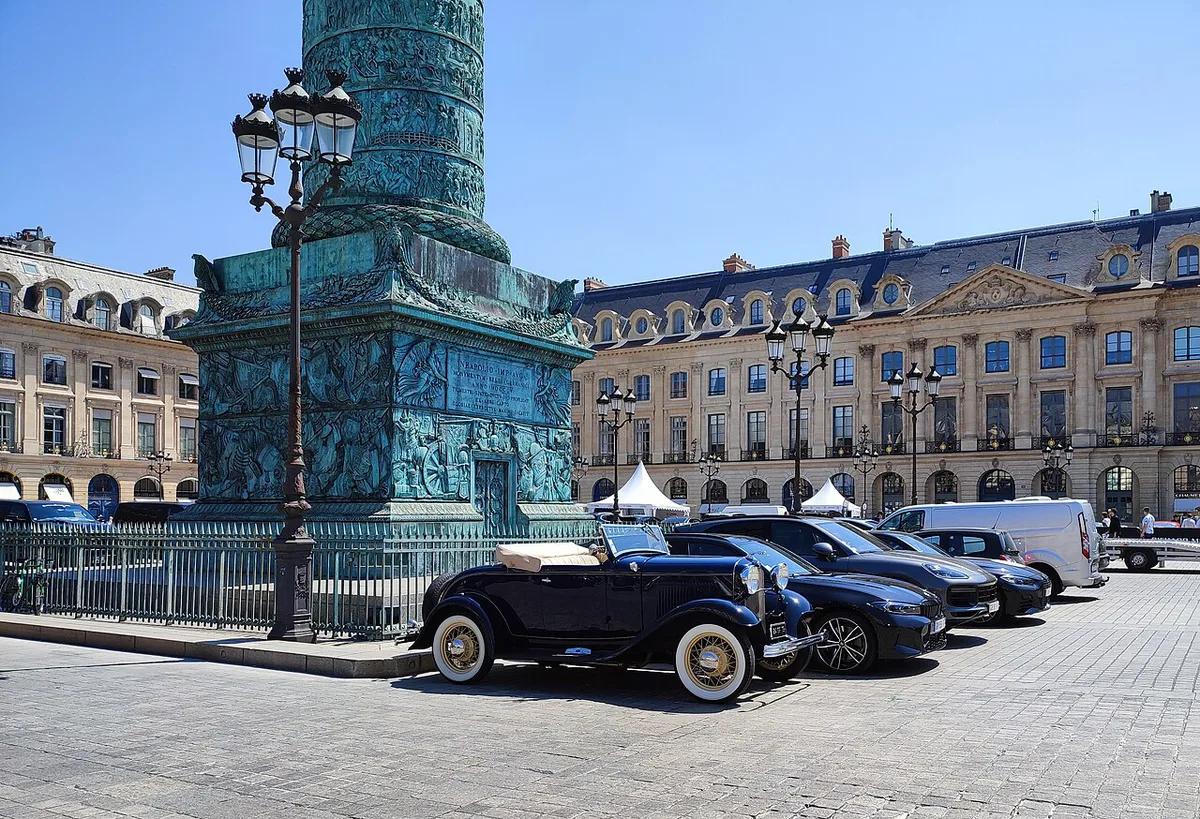
Many visitors are better off without a car in the centre. Métro, RER and tram lines reach most major sights, and a parked car mostly costs money while it sits still. The City of Paris payment page sets out the hours, rates and payment options summarized below, checked in November 2026. Our guide to driving in Paris covers traffic and road behaviour in more depth.
- Skip the car if your hotel is central, your stay is a few days, and you plan to visit only Paris.
- Skip the car if narrow streets and tight garage ramps make you uncomfortable.
- Bring the car if you have heavy luggage, passengers with limited mobility, or day trips outside the city.
- Bring the car if you are driving through Paris on a longer route across France.
On-street parking: zones, payment and time limits
On-street parking in Paris is paid Monday to Saturday, 9am to 8pm, and that includes August. Sundays and public holidays are free. The city has two price zones: Zone 1 covers arrondissements 1 to 11 and costs more per hour than Zone 2, which covers arrondissements 12 to 20. As a visitor you can stay up to 6 consecutive hours in the same space, paid in 15-minute steps, so street parking does not work for an all-day or overnight stay. Heavier cars pay a higher rate: petrol, diesel and hybrid vehicles over 1.6 t, and electric vehicles over 2 t. Pay at a street meter with a chip bank card, a prepaid card or the Paris Carte, or use one of the City's apps: PayByPhone, EasyPark or Indigo Neo. Flowbird stopped taking Paris payments on 4 July 2026.
| Zone type | Relative cost | Time limit | Best for |
|---|---|---|---|
| Zone 1: arrondissements 1 to 11 | Highest | 6 hours for visitors | Quick stops only |
| Zone 2: arrondissements 12 to 20 | Lower | 6 hours for visitors | Half-day visits near a transit stop |
| Bois de Boulogne and Bois de Vincennes | Treated as Zone 2 for the FPS | 6 hours for visitors | Park visits |
Underground car parks (public garages)
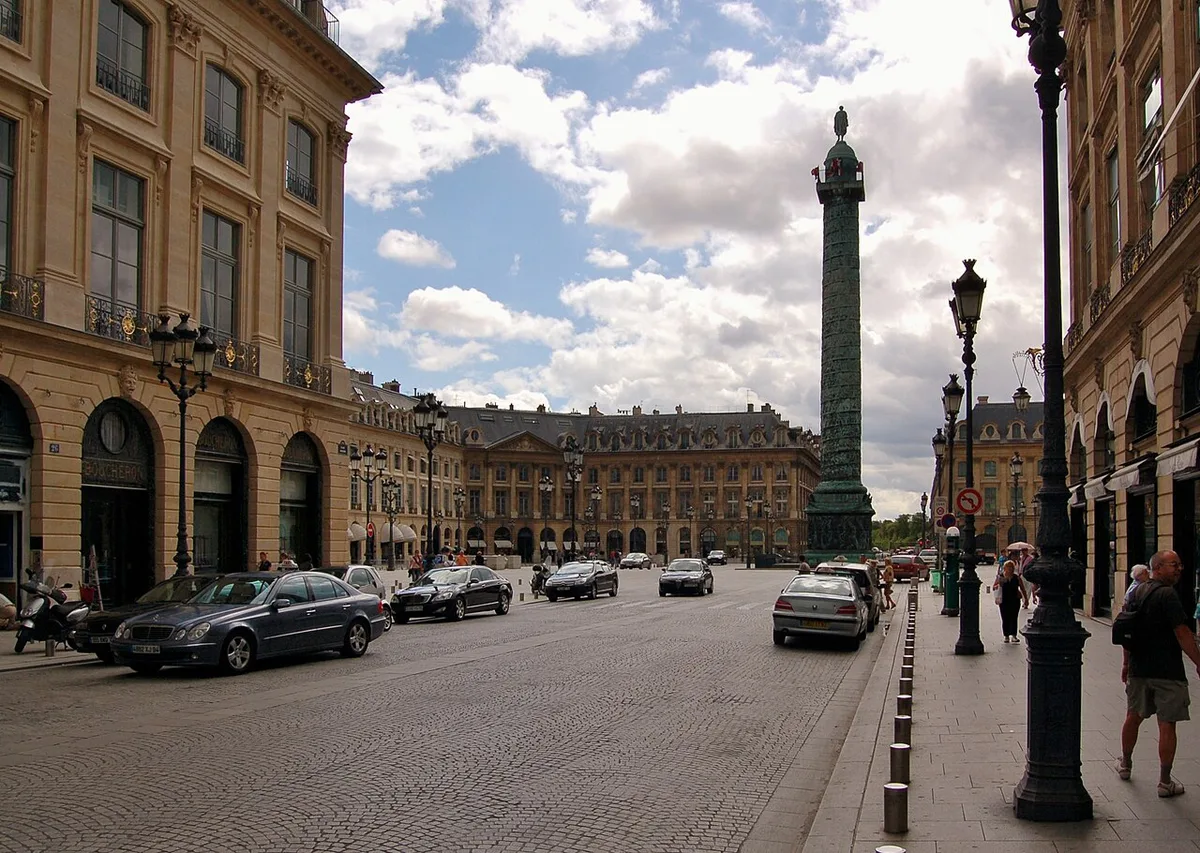
Public underground garages usually beat the street for anything longer than a quick stop. You pay by the hour, and many also offer longer-stay rates, so read the tariff board at the entrance. Operators such as Indigo Group publish locations and rules online. Read the clearance height posted at the entrance before you drive in, especially with a roof box, a van or a large SUV. Older garages in the historic centre have tight ramps and narrow bays. Look for electric charging bays if you drive an EV, and do not leave luggage visible inside the car.
Hotel parking and overnight stays
Ask your hotel about parking before you book. Many central hotels have no parking, and others charge a daily fee on top of the room rate. If the hotel has none, ask which nearby garage it recommends. Overnight street parking is possible in paid zones, but time limits and reserved bays make it a gamble. A garage is the safer choice for a loaded car. Plan your arrival so you can drop luggage at the hotel door first, then take the car to the garage.
Park-and-ride and edge-of-city options
The cheapest option usually costs more time. Park outside the centre, then ride the Métro, RER or tram in. Pick a car park beside a rail or tram station from the Île-de-France transit authority's or the operator's own list, not from a forum post, and note whether the tariff bundles in a transit ticket. This approach suits day visits and multi-day stays best. For a short stop, a garage is simpler. If you are driving in from the UK, our UK-to-France driving guide explains the route options.
Where should you park? A quick comparison
Cost, convenience and security pull in different directions. Use this table as a rule of thumb. Short stop: street or garage. Day visit: garage or park-and-ride. Overnight: garage or hotel parking. Several days: park-and-ride or hotel parking.
| Option | Cost level | Convenience | Security | Best for |
|---|---|---|---|---|
| On-street | Medium to high | High for quick stops | Lowest | Short stops |
| Public garage | High | High | Good | Day visits, overnight |
| Hotel parking | Varies, often extra | Highest | Good | Loaded cars, multi-day |
| Park-and-ride | Lowest | Lower, needs transit | Varies | Several days |
Fines, FPS and common mistakes
Paris replaced the old parking fine with a post-parking charge, called the FPS. It works as a charge for unpaid or overstayed parking rather than a penalty notice on the windscreen. ANTAI posts the notice for the City to the address on the registration certificate, which for a hire car means the rental company. A rental company can pass the charge on to you, often with an admin fee. Our car rental guide for France explains how that works.
- Overstaying the maximum time in a zone.
- Assuming August is free: Paris charges for street parking all year, Monday to Saturday.
- Parking at an unmarked zone edge or in a residents-only bay.
- Leaving luggage visible in the car.
- Assuming a UK or US licence changes any parking rule.
FPS amounts and deadlines
The City of Paris FPS page sets one charge per zone and vehicle type. It replaces the parking you did not pay, so it applies whether you never paid or overstayed.
| Vehicle | FPS in Zone 1 | FPS in Zone 2 and the Bois |
|---|---|---|
| Car or light van | €75 | €50 |
| Heavier car (over 1.6 t, or over 2 t if low-emission) | €225 | €150 |
| Motorcycle or scooter | €37.50 | €25 |
- Pay within 9 days of the notice being sent and the FPS drops by 30%, online at stationnement.gouv.fr/fps or by phone only.
- Otherwise you have 3 months from notification, which counts as the sending date plus 5 days.
- Left unpaid after 3 months, the FPS rises by €50.
- To dispute it, file the compulsory appeal (RAPO) within one month of notification; filing does not stop the payment clock.
Foreign-registered cars and the visitor rate
Paris sets its visitor rate by vehicle weight and emissions, and it reads both from the French registration database (SIV). A UK, EU or other foreign-plated car is not in that database, so the City's parking FAQ offers a postal registration instead. Send proof of registration and the certificate of conformity, and the City grants rights valid for 5 years, or until the car enters the SIV: free street parking for low-emission vehicles up to 2 t, and the lowest visitor rate for petrol or diesel cars up to 1.6 t. For a single weekend it is rarely worth the paperwork. For a long stay or repeat visits with your own car, it is.
Rules that affect where you can park
Paris has a low-emission zone, and your vehicle may need a Crit'Air sticker to enter it. Order it from the official Crit'Air site well before you travel. Our guides to the Crit'Air sticker and the Paris low-emission zone explain who needs one. Also avoid no-parking areas, delivery bays and disabled bays. Speed and enforcement cameras also operate in the city, as our French speed cameras guide explains.
Pre-arrival checklist
Run through these items before you drive in. Our driving in France overview covers the rest of the trip, and the toll roads guide covers motorway costs on the way.
- Hotel parking confirmed in writing.
- Crit'Air sticker obtained if your vehicle needs one.
- Card or official app ready for payment.
- Garage height and EV charging needs checked.
- Luggage out of sight before you leave the car.
Frequently Asked Questions
Is there free parking in France?
Free parking exists in many smaller towns and on some outer streets. Central Paris is mostly paid. Our France parking guide explains the differences.
How to pay for paid parking?
Pay at the street meter by chip card, or through one of the apps the City accepts: PayByPhone, EasyPark or Indigo Neo. Paid hours are Monday to Saturday, 9am to 8pm, including August, and visitors can stay up to 6 hours in one space.
Where is the cheapest place to park in the city?
Outer districts and park-and-ride car parks beside Métro, RER or tram stations usually cost less than the centre. The trade-off is extra travel time on public transport.
Road-rule changes worth knowing
Optional updates to our guides.
You might also like


Continue reading
More guides you'll find useful