Renting a Car in France: Documents, Insurance & Costs
What you need to rent a car in France: licence and age rules, insurance and deposit traps, pick-up tips and when to take the train instead.
On this page
Last updated November 2026. Renting a car in France takes a valid driving licence, a passport and a credit card in the main driver's name, and many companies set a minimum age of 21. A car pays off for rural routes, but trains usually win between big cities. Our France driving guide covers the road rules once you have the keys.
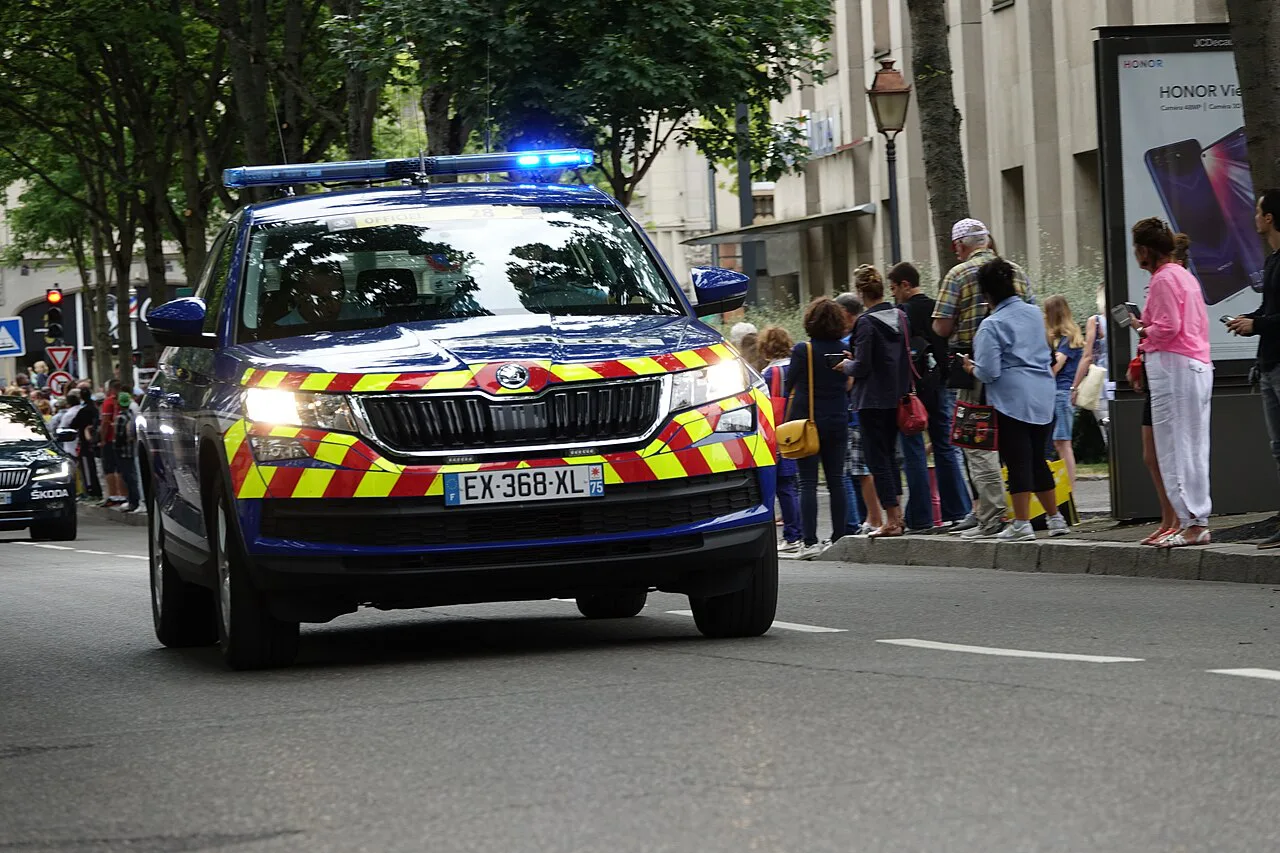
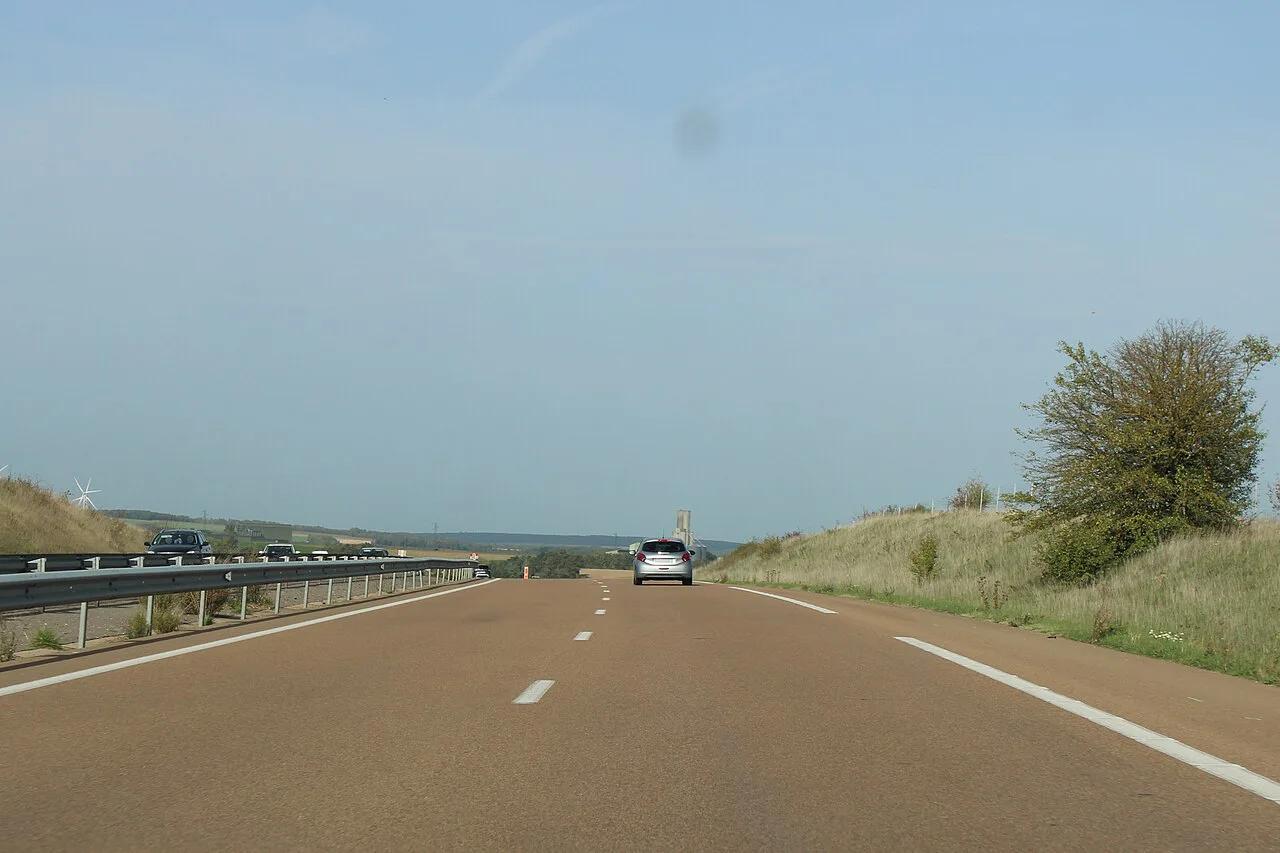
Featured image: Chabe01, CC BY-SA 4.0, via Wikimedia Commons.
Quick answer: renting a car in France
Most rentals come down to four checks before you pay. Each rental company sets its own age and licence-years rules, so read the terms for your exact car class. Many set the minimum at 21, and young-driver fees often apply on top.
- Licence: a full licence from your home country, held for the period the company requires.
- ID: your passport as well as the licence.
- Payment: a credit card in the main driver's name, used for the deposit.
- Cover: written proof of what your card or policy covers in France.
Do you need a car? Rental versus train
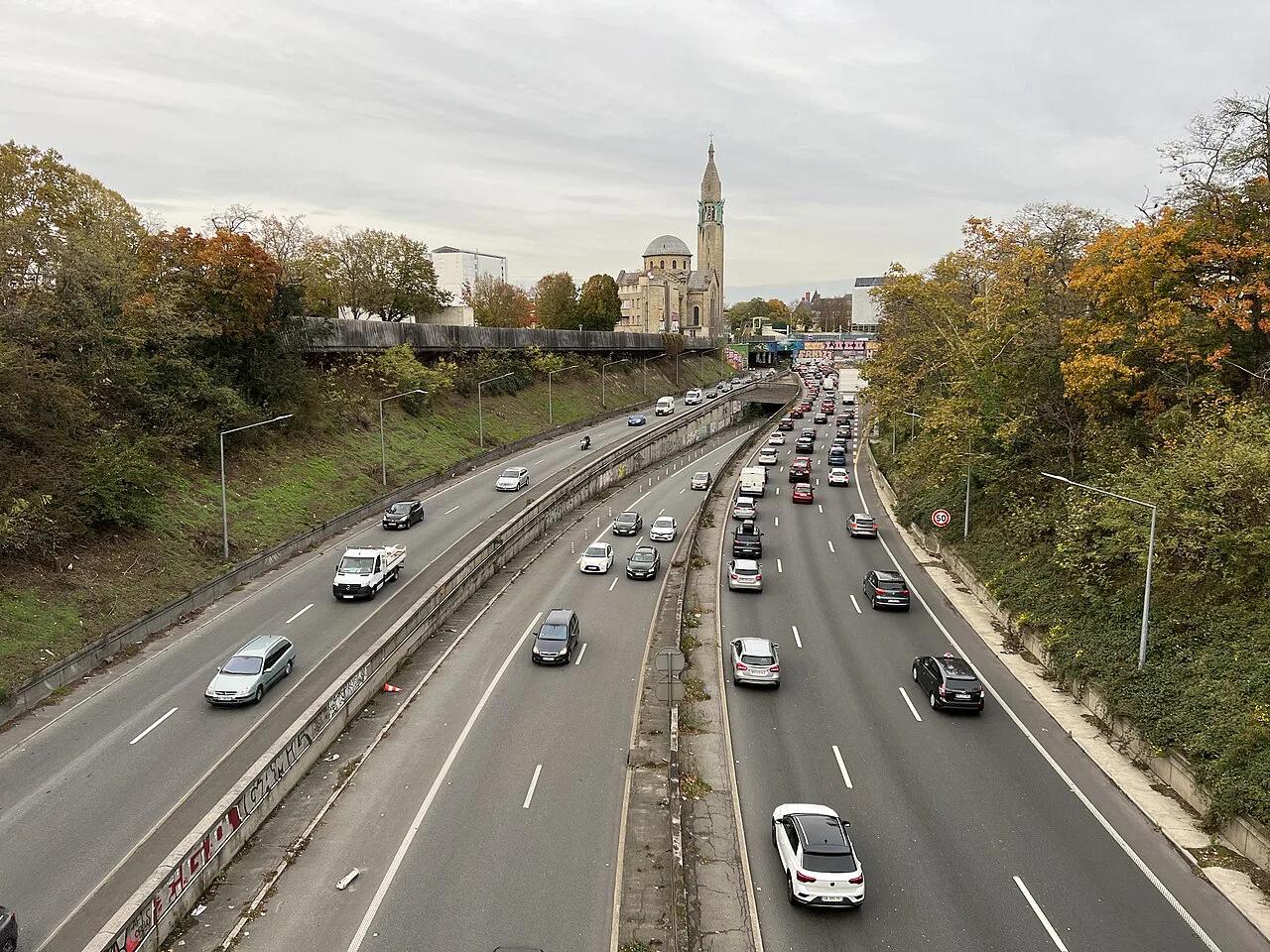
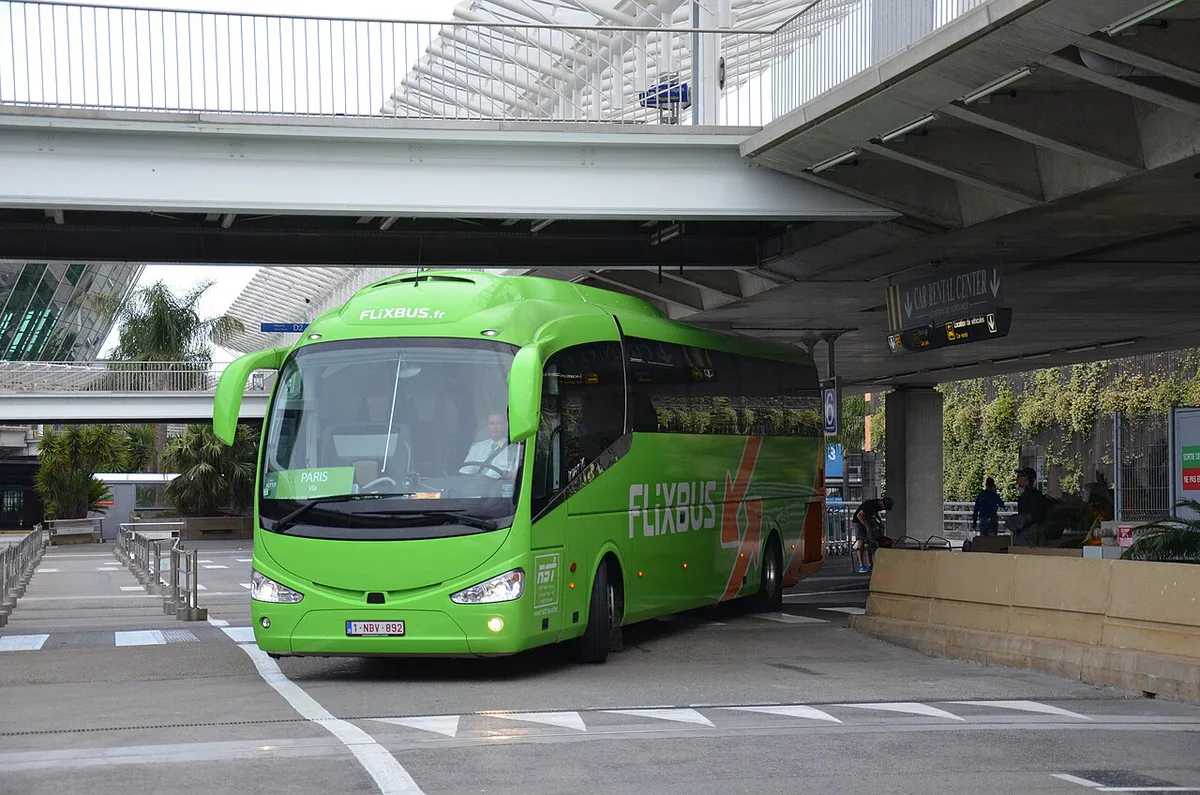
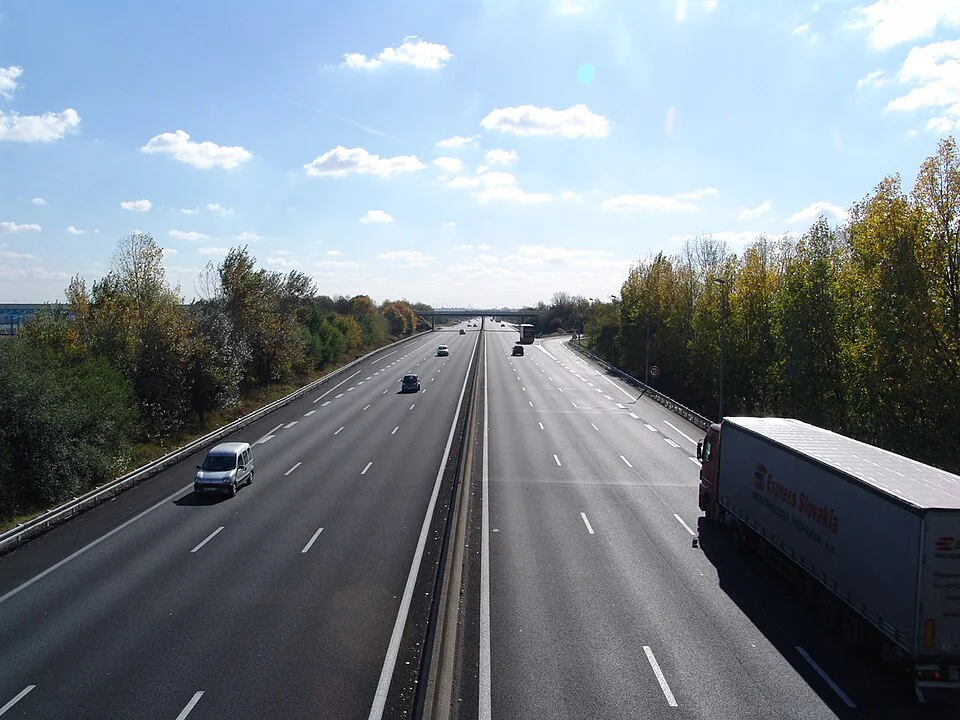
Rail beats driving between rail-served cities, and a car beats rail for villages, vineyards and coastal roads. A hybrid works well. Take the train between hubs, then rent for the rural leg only. Paris is the clearest case against renting, and our Paris driving guide explains why. If you still want a car there, read about Parking in Paris: Zones, Costs, Fines and Options first.
| Trip type | Better choice | Why |
|---|---|---|
| Paris only | Train and metro | Parking and traffic cost more than a car saves |
| Paris to Lyon or Marseille | Train | City centres are easy by rail |
| Loire, Dordogne, Provence villages | Rental car | Rural stops are hard without one |
| Normandy beaches and small towns | Train plus rental | Rent only for the countryside days |
| Riviera coast road | Depends on stops | Nice and nearby towns are rail-linked |
Who can rent: licence, age, ID and payment card
Bring a full licence, your passport and a credit card. Cheaper deals may refuse a debit card, so check the payment rules before you book. Many companies set the minimum age at 21, but age and licence-years rules vary by company and car class. Young-driver and senior-driver fees can apply. US renters should read our guide to US licences in France for International Driving Permit questions. The French government's Service-Public portal lists the rules for foreign licences. Some rental desks ask for an IDP even when the law does not, so ask your company in writing.
What renting a car in France really costs
The headline daily rate is only the start. Fees stack up at the desk, so compare the full price, not the advertised one. Cheap fares often come with an excess of at least €1,000, which is the amount you pay if the car is damaged. Treat that as a pattern, not a fixed figure, and read the terms for your booking. Prices and terms checked November 2026.
| Cost | Level | What to check |
|---|---|---|
| Base daily rate | Medium | Mileage limits and car class |
| Excess or CDW | High | Size of the excess you carry |
| Super cover at the desk | Medium to high | What it removes, and exclusions |
| Young-driver fee | Medium | Age band and daily cap |
| Additional driver | Low to medium | Fee per day or per rental |
| One-way fee | Medium to high | Drop-off city and country |
| Airport or station surcharge | Medium | Whether it is built into the quote |
| Tolls, fuel, parking | Varies | Your route and fuel type |
Insurance and deposits: card cover, desk cover, excess
You have three ways to cover the excess. Each has a trade-off in hold size, claim process and exclusions. Premium cards may include rental cover that reimburses the excess after a claim. You pay the damage first and claim back later. Rental-desk cover cuts or removes the excess, but it costs more per day. A separate third-party excess policy is cheaper, but you still pay the company first. Get written confirmation that your card covers France before you rely on it. Peer-to-peer rentals can void card cover, so check the card terms.
With an excess of at least €1,000 on the line, desk cover trades a higher daily cost for a smaller hold.
- Card cover: low cost, but you pay first and claim later.
- Desk cover: higher daily cost, with a smaller hold and simpler claims.
- Third-party policy: cheapest option, with the same upfront payment as card cover.
Manual, automatic, diesel or EV: choosing the car
Manual is the default on cheaper categories. Automatics are fewer and pricier, so book early, especially in summer. Misfuelling is a costly mistake. Look at the fuel cap label and the rental agreement, and ask the desk if either is unclear. Diesel is common in France, so do not assume petrol. For electric cars, ask about charging cards and cables at pick-up. Cross-border rules vary by company, so ask before driving into another country.
Where to pick up: airport, station or city
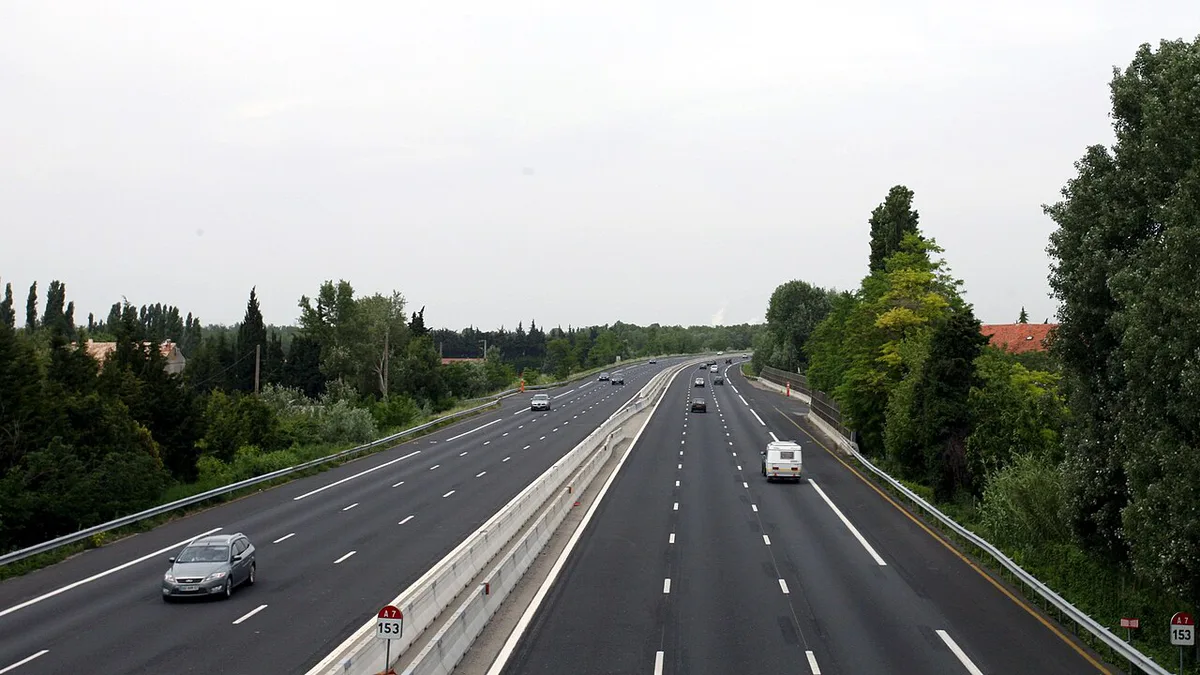
Airports and main stations have the longest desk hours and the biggest fleets. They also tend to add surcharges. City outlets can be cheaper but may close at lunch or on Sundays, so check each branch's opening hours. Expect a queue and a deposit hold at busy desks. Leaving a dense city centre on day one is stressful. Pick up at the airport or on the edge of town, then head out. For the coast, see our guide to car hire in Nice. Nice Côte d'Azur Airport lists its on-site services.
Pick-up and return checklist
Ten minutes at the desk can save you a dispute weeks later. Do these steps every time.
- Photograph or film every panel, wheel and the windscreen before leaving.
- Make sure existing damage is marked on the rental form.
- Confirm the fuel policy. Full-to-full is the simplest.
- Note the return window and the out-of-hours drop-off process.
- Return the car with a staff check and ask for a signed receipt.
- Keep your final invoice and watch for the deposit release.
Tolls, low-emission zones, fines and parking after you rent
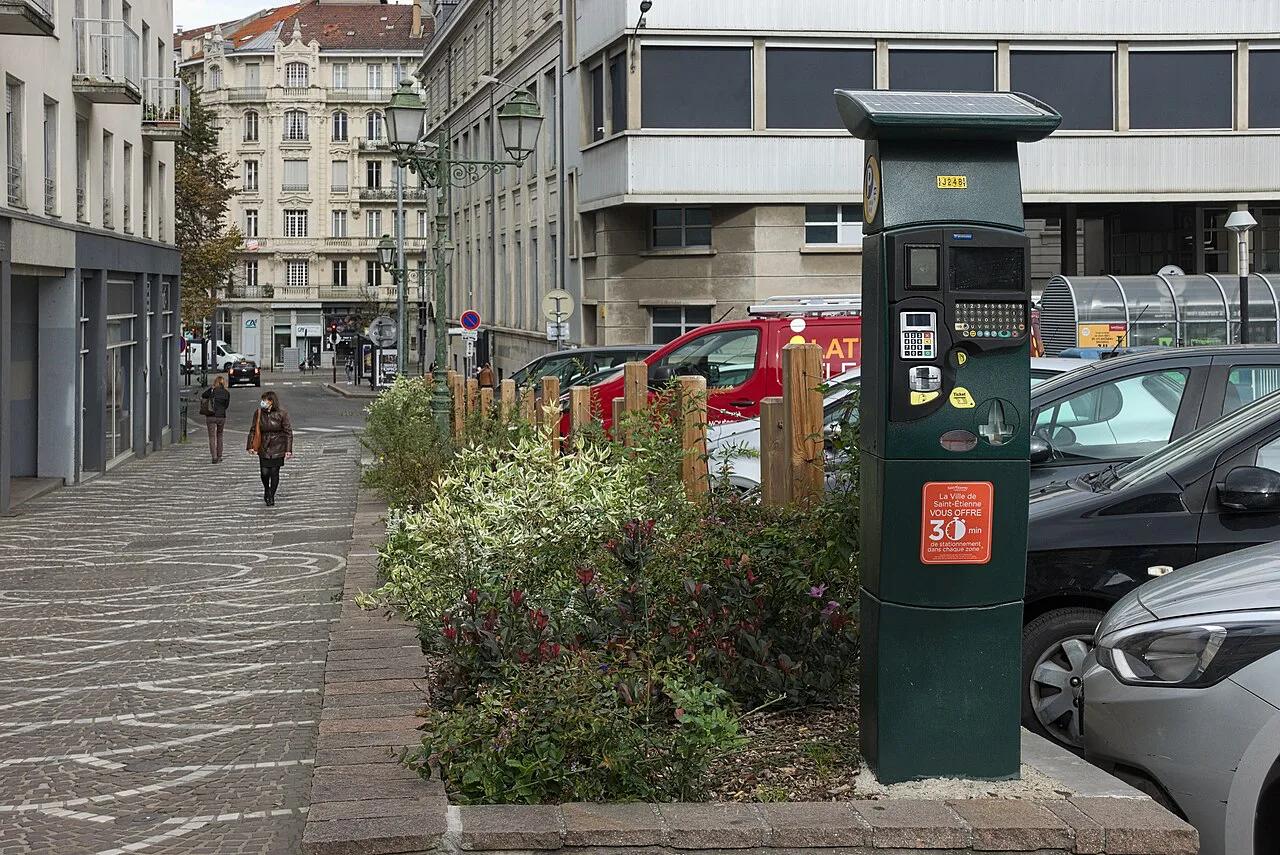
Motorway tolls add up on long drives, so read our toll roads guide before you plan routes. Some cities restrict older vehicles, and our Crit'Air sticker guide explains how it works. The official Crit'Air site covers the certificate itself. Greater Paris has its own rules, covered in our Paris low-emission zone guide. Check speed limits in our speed limit guide. Speed-camera fines go to the rental company, which passes them on with an admin fee. See how French speed cameras work. For car parks and street rules, read our parking guide. Drink-driving limits are in a separate guide.
Special cases: Nice, Corsica and arriving from the UK
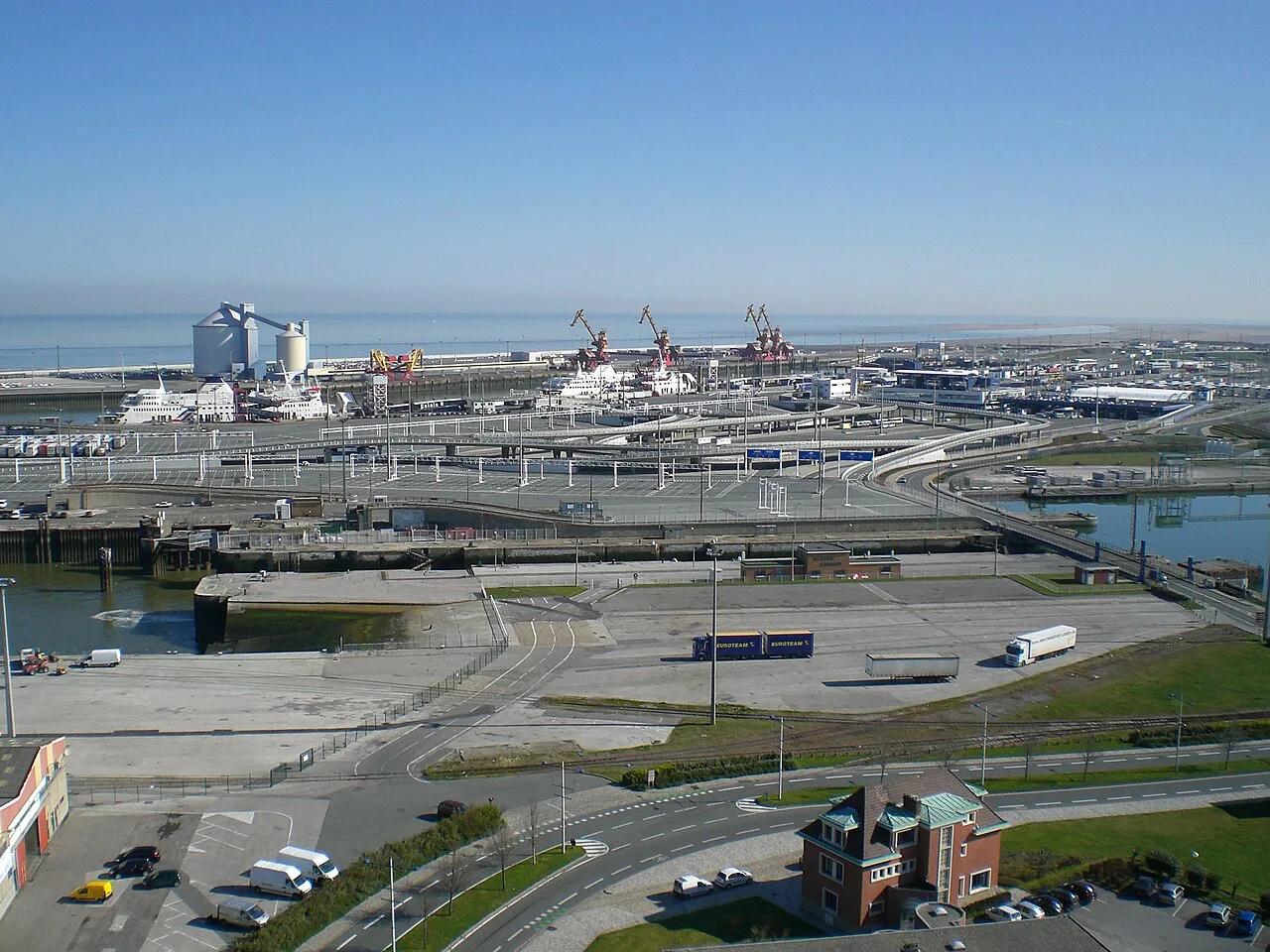
Corsica needs a ferry or flight first, and island rental terms differ, so see car rental in Corsica. UK drivers can bring their own car instead of renting. Read about driving from the UK to France to compare. The Channel Tunnel crossing is covered in our Eurotunnel Le Shuttle guide. Before taking a rental car across a border, get written permission from the company.
Frequently Asked Questions
Does my American car insurance cover me in Europe?
Many US personal auto policies do not extend to rental cars abroad. Ask your insurer in writing whether France is covered. Do the same with your credit card issuer before you decline desk cover.
Road-rule changes worth knowing
Optional updates to our guides.
You might also like
Continue reading
More guides you'll find useful