Toll Roads in France: How to Pay, Costs and Tips
Most French autoroutes are tolled, with no vignette. Learn how to pay by card or télépéage, estimate costs, avoid free-flow fines and choose toll-free routes.
On this page
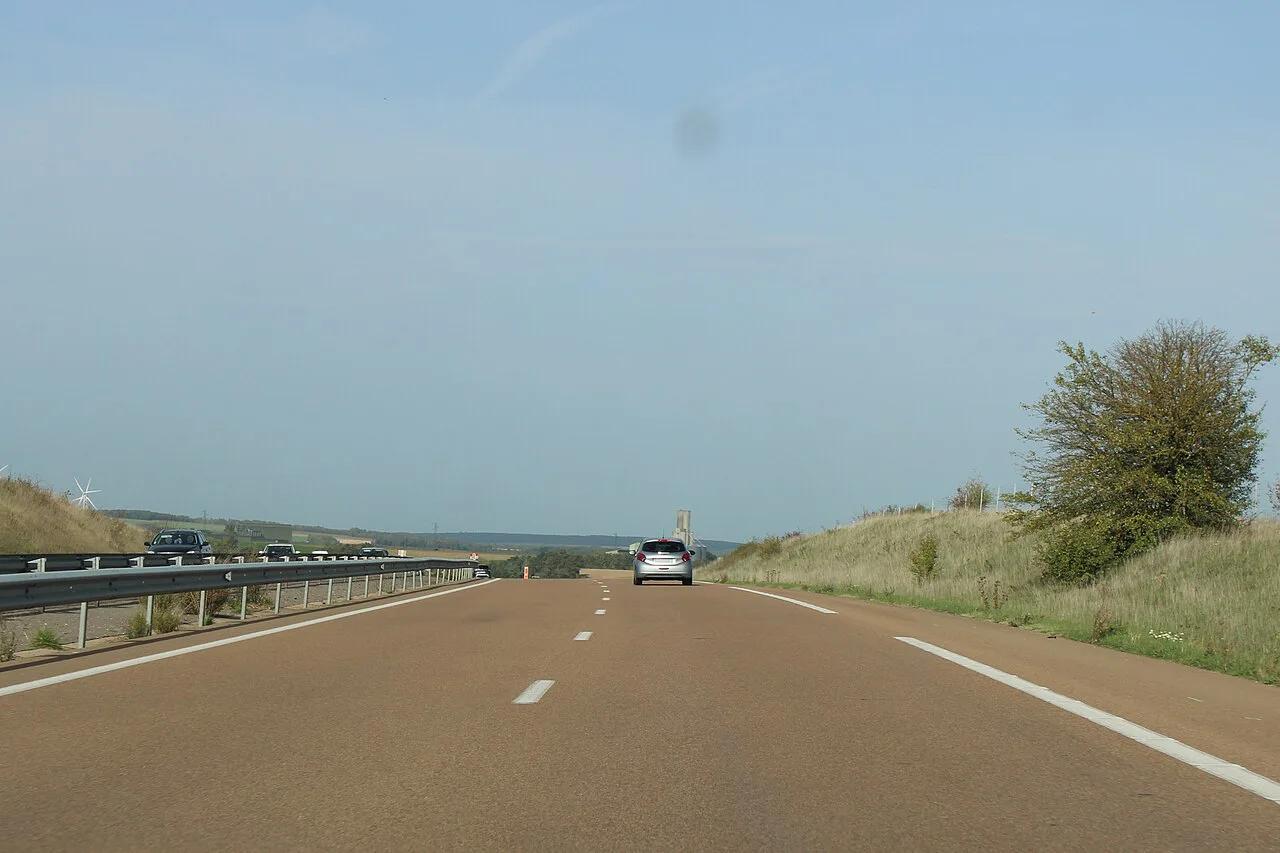
Last updated November 2026: toll roads in France are mostly the autoroutes (A-roads), and you pay per trip by distance and vehicle class. There is no vignette sticker to buy in advance. You pay by card, cash or télépéage badge at the barrier, or online afterwards on barrier-free sections. This guide covers lanes, payment, vehicle classes and when to take the free road instead, as part of our France driving guide.
Featured image: Tobi 87, CC BY-SA 3.0, via Wikimedia Commons.
How Toll Roads in France Work: The Short Answer
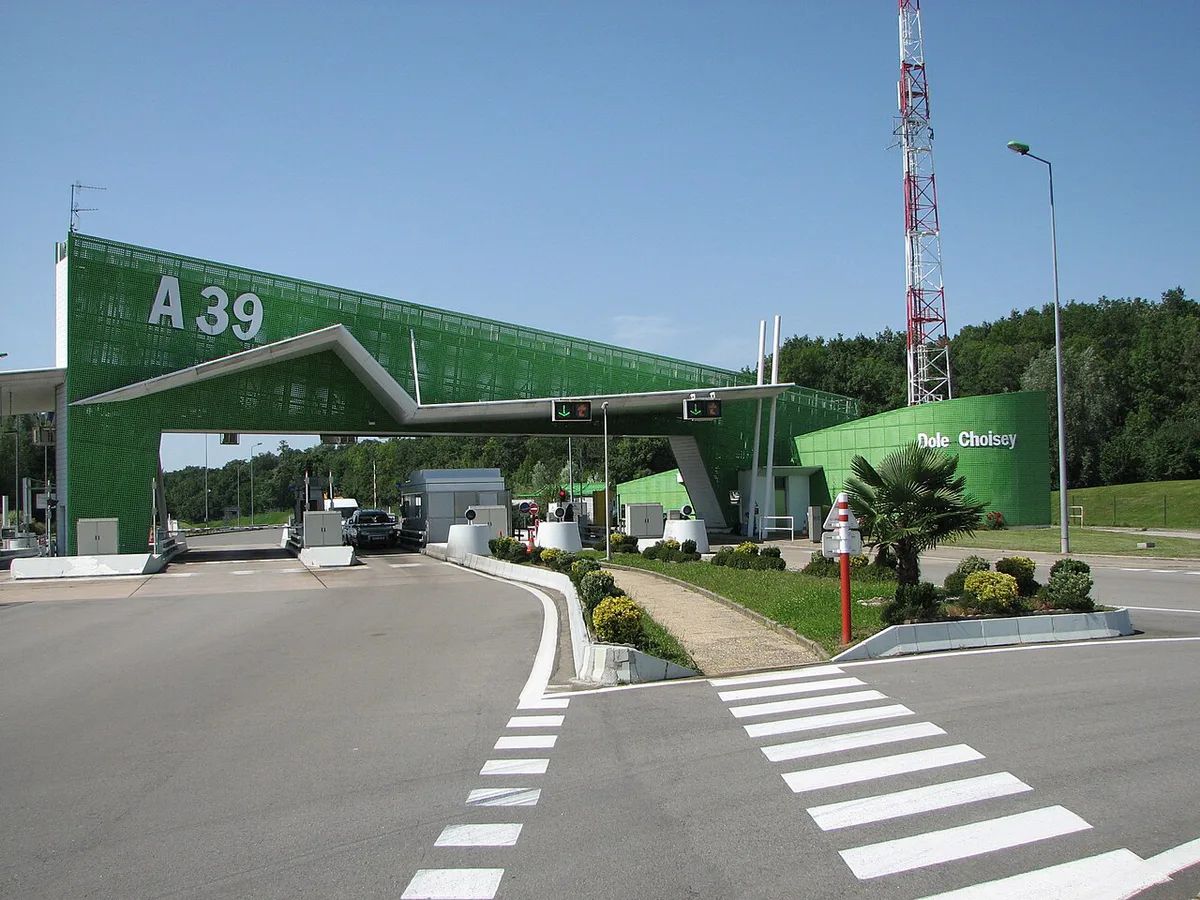
Private operators run the autoroutes under government concessions. They maintain the road and collect the toll from drivers. Tolls change every 1 February under formulas in the concession contracts. The 2026 rise averaged 0.86%, according to Ulysse, so a price quoted from 2025 is still close. On a closed system you take a ticket at entry and pay at exit based on distance. On an open system you pay a flat amount at a plaza mid-route.
- No vignette: France charges per trip, not per period.
- Autoroutes (A-roads) are tolled; routes nationales (N) and départementales (D) are generally free.
- Bridges and tunnels can carry their own toll on top of the autoroute charge.
- Lanes accept card, cash or télépéage, so read the overhead symbols before you commit.
Which Roads Are Tolled and Which Are Not
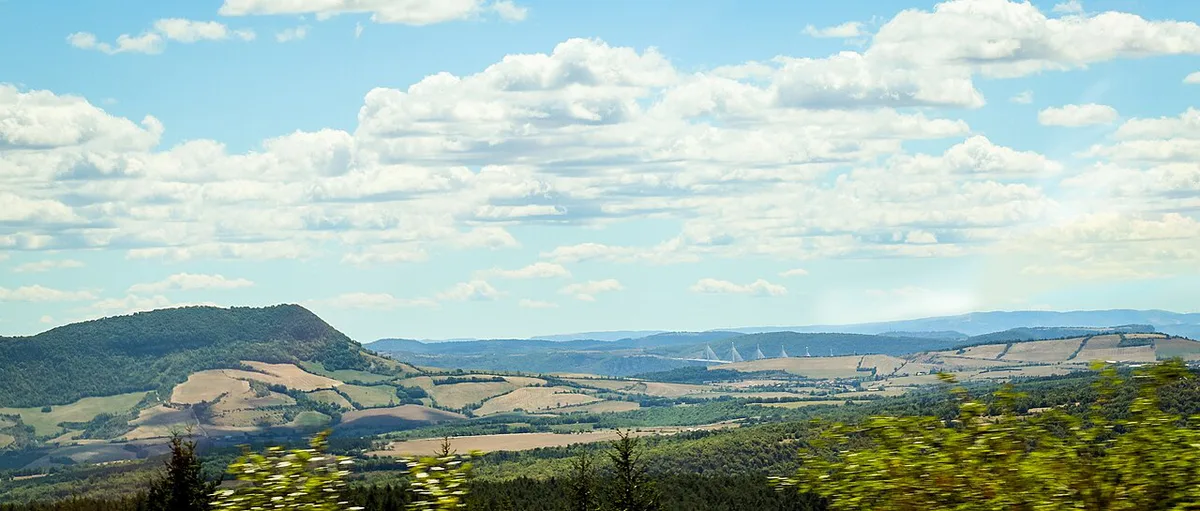
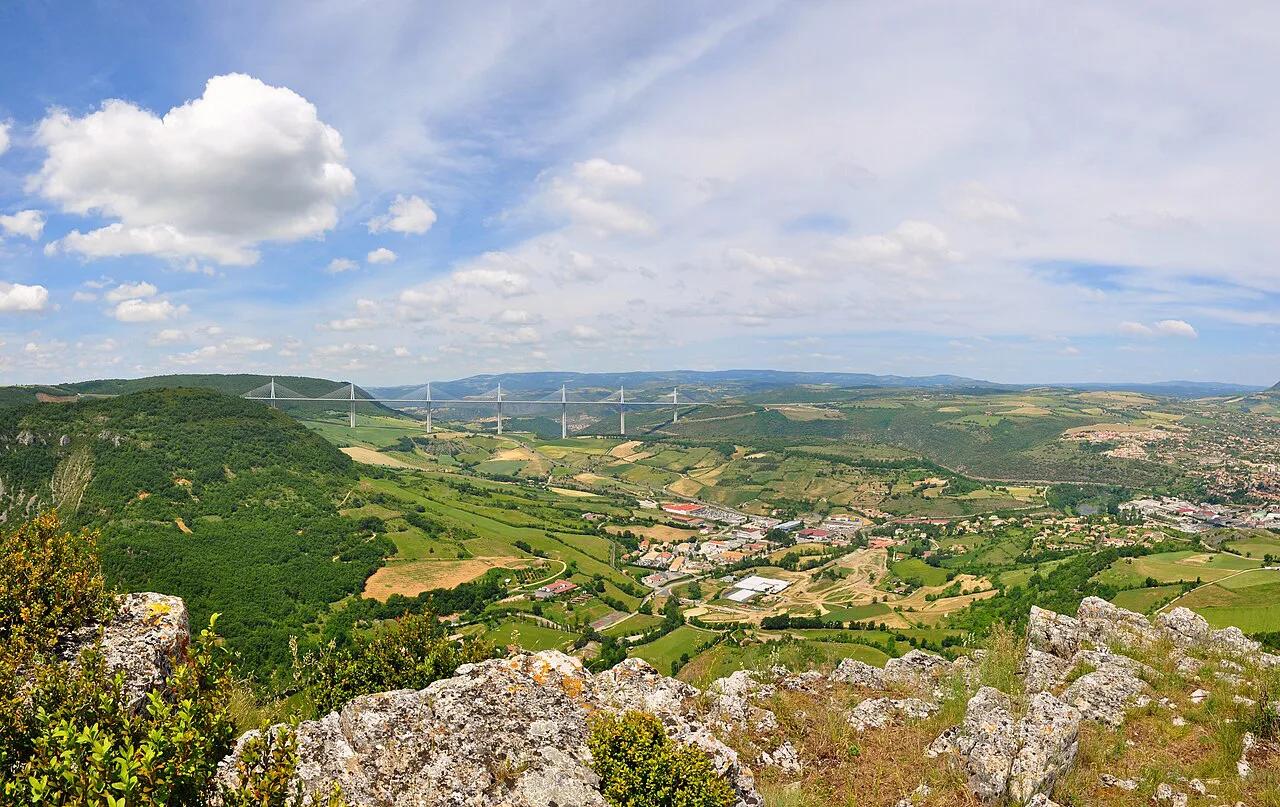
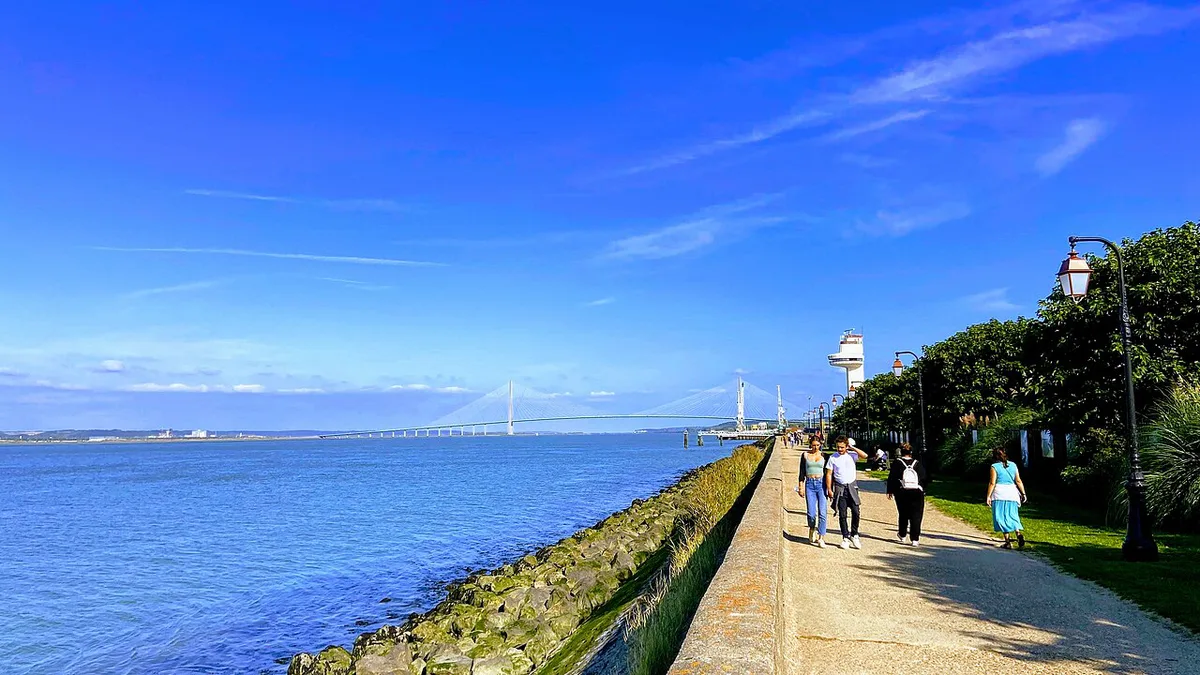
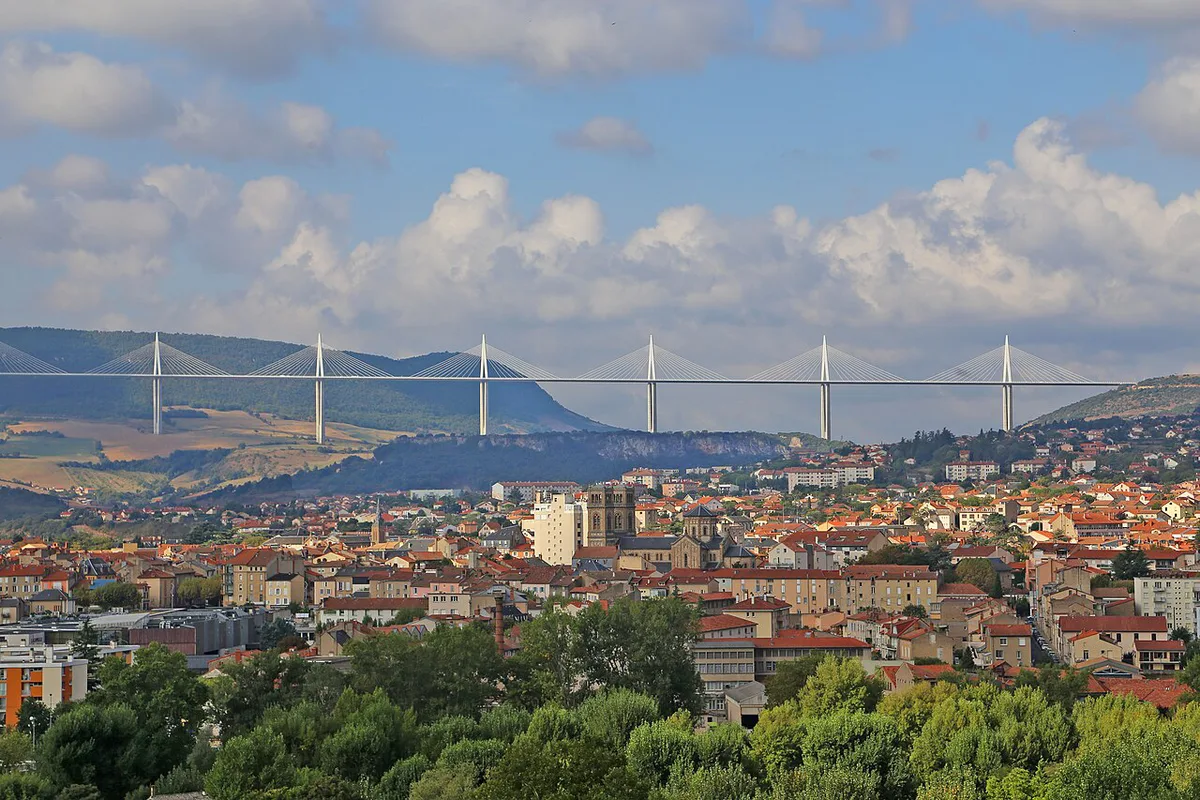
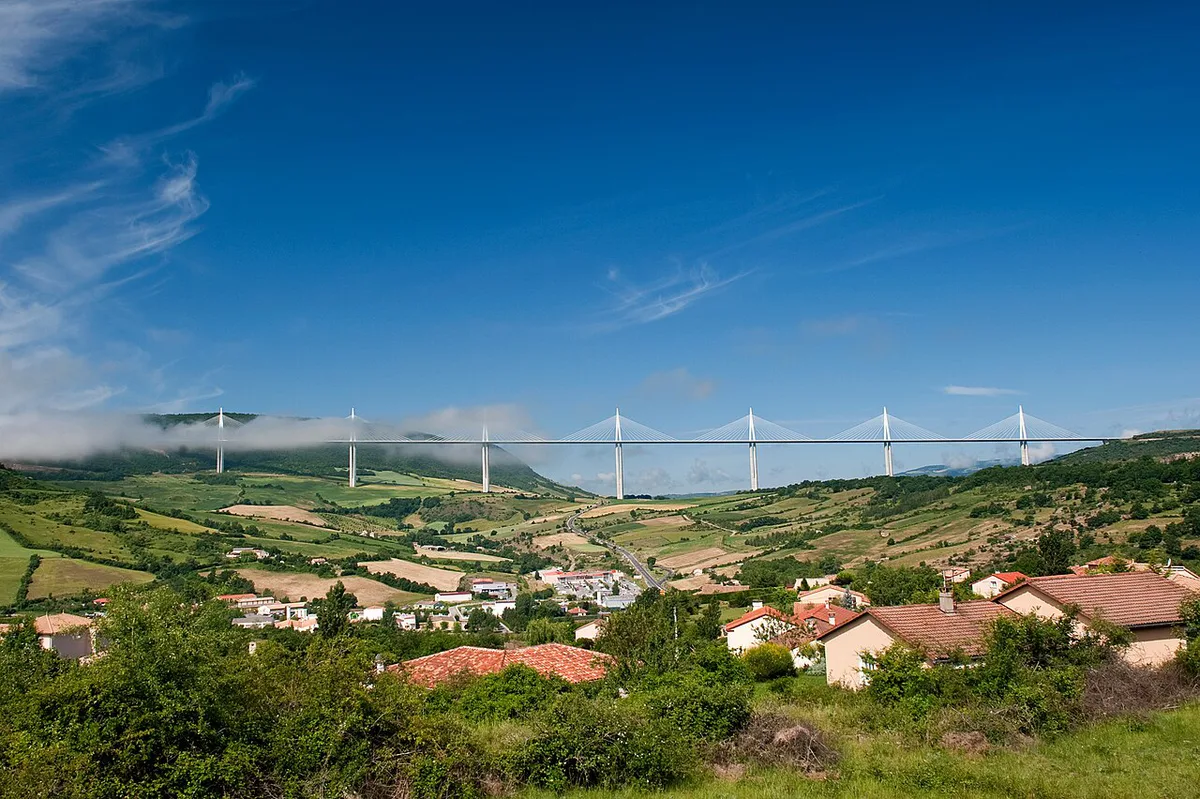
Autoroutes carry the A prefix and are the main toll roads. N and D roads run through towns and villages and cost nothing to use. Some bridges and tunnels add a separate charge, including the Millau Viaduct, the Normandy and Tancarville bridges, and the Fréjus and Mont Blanc tunnels. Each is priced separately by its operator, so add it to the autoroute total when you compare routes. Speed limits differ between autoroutes and other roads, so read our French speed limits guide before you set off.
How to Pay Tolls in France: Cash, Card or Télépéage
Most visitors pay by bank card at an automated lane, and a card symbol marks it. Télépéage lanes carry a "t" and need an electronic badge. Liber-t is the best-known badge family, and its lane requires you to slow to about 30 km/h (19 mph). If your card is declined, press the help button and staff will assist. Keep a few euros in coins as a backup, and make sure a non-French card is enabled for international payments.
Liber-t lanes need you to slow to about 30 km/h (19 mph). Without a badge, skip them and aim for a card-symbol lane instead.
| Method | Best for | Speed | Pitfalls |
|---|---|---|---|
| Bank card | One-off tourists, most rental drivers | Moderate | Foreign cards sometimes fail; carry a second card |
| Cash | Backup payment | Slowest | Staffed or cash lanes can be fewer; small coins help |
| Télépéage badge | Frequent visitors and residents | Fastest | Wrong in a "t"-only lane without a badge |
| Pay online afterwards | Barrier-free sections only | No stop | Easy to forget; payment is on you |
Barrier-Free Tolls and How Not to Get Fined
Barrier-free tolling, called flux libre, removes the booth entirely. Gantries read your plate or badge, and you pay afterwards. The French transport ministry's free-flow page lists four sections: the A79 in the Allier (operator ALIAE), the A13-A14 between Paris and Caen (Sanef), the A69 between Toulouse and Castres (Atosca) and the Boulay interchange on the A4 (Sanef). A télépéage badge pays automatically. Without one, pay within 72 hours on the operator's website by card with your plate number, or in cash or by card at a participating Nirio shop such as a tabac.
Miss the 72 hours and a payment notice follows with the toll plus a €90 flat indemnity, cut to €10 if you pay within 15 days of the notice. If it is still unpaid after two months, it becomes a €375 fixed fine. Pay the same day you drive and none of this applies.
Vehicle Classes and Estimating What You Will Pay
Price depends on class, and class depends on height and weight. Class 1 covers cars up to 2 m (6.6 ft) high and up to 3.5 t. Class 2 covers vehicles between 2 m and 3 m (9.8 ft) up to 3.5 t, such as large vans and most motorhomes. Anything 3 m or taller, or heavier than 3.5 t, moves to Class 3 or 4. Motorbikes, trikes and quadricycles fall in Class 5. A car towing a caravan or trailer stays in Class 1 if the trailer is no taller than 2 m, and moves to Class 2 if it stands between 2 and 3 m, according to VINCI Autoroutes' class guide. No single national rate exists. Use the operator's own route calculator to estimate your trip, then compare it against a toll-free route in your navigation app.
Standard rental cars usually fall in Class 1, which takes vehicles up to 2 m (6.6 ft) high. Ask about a badge at pickup.
- Enter your start and end points in the operator's toll calculator.
- Select your vehicle class, usually Class 1 for a standard car.
- Run the same route with tolls avoided and compare the extra minutes against the saving.
Toll Road vs Toll-Free Route: A Decision Framework
Long legs, such as Paris to the south coast, favor the autoroute because it saves hours and avoids town crossings. Short regional hops and scenic drives favor D-roads, where you also pass fewer fixed cameras on motorways but meet more local limits. Read our French speed cameras guide for what to expect on both. Tired drivers and night arrivals should lean toward the autoroute.
| Factor | Toll road (autoroute) | Toll-free (N or D road) |
|---|---|---|
| Time | Fastest on long legs | Slower, with town slowdowns |
| Cost | Toll plus fuel | Fuel only, often more of it on detours |
| Stress | Predictable, steady speed | Roundabouts, villages and tractors |
| Scenery | Limited | Best for short scenic drives |
Planning Tolls by Trip Type
Your route changes the toll decision more than the price does. Rental drivers should ask whether the car has a badge before leaving the lot. Rental terms vary, so read yours for toll programs and card deposit holds.
- Rental pickup: see our France car rental guide for badge and deposit questions.
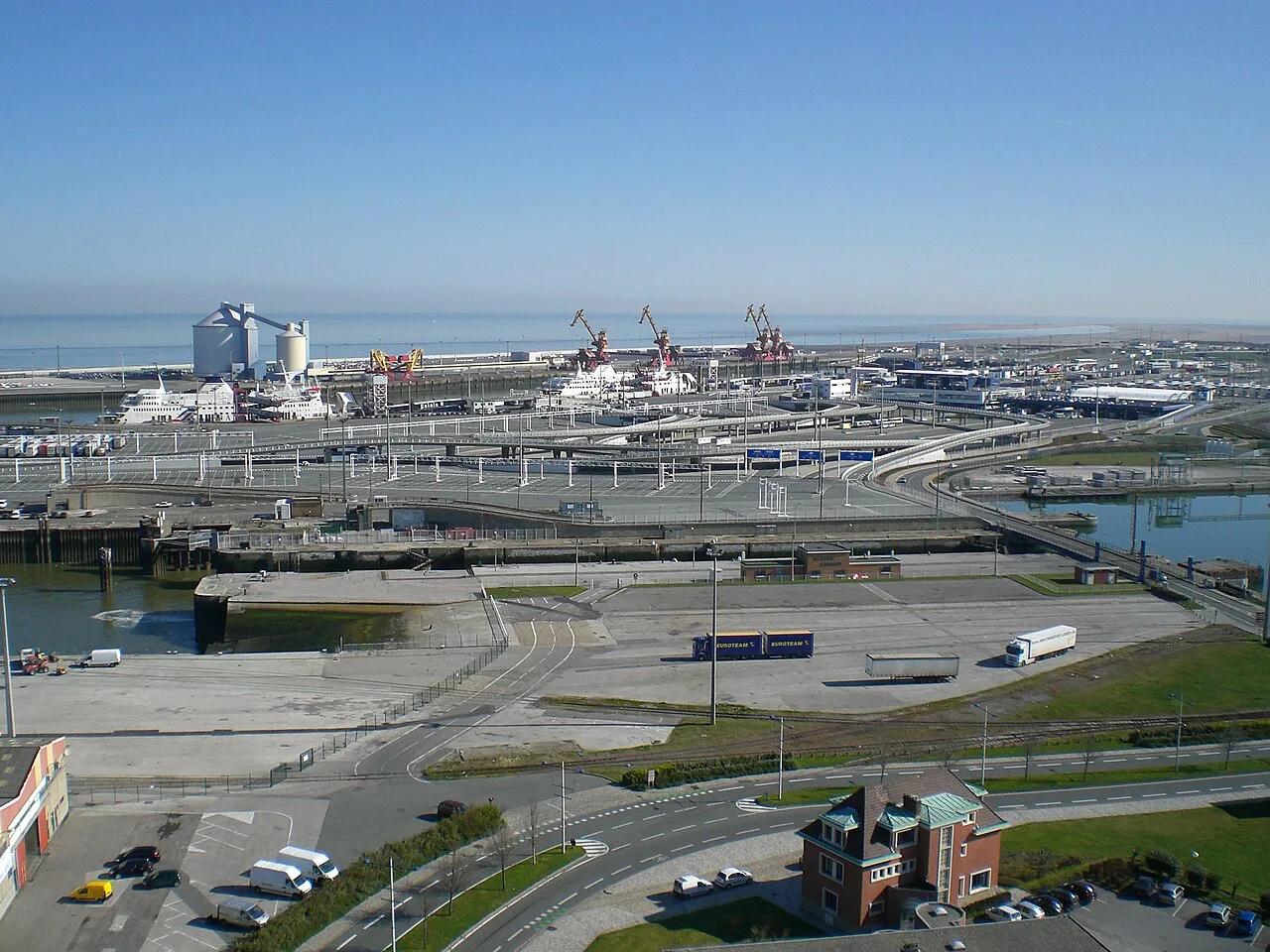
- UK arrivals: read driving from the UK to France, then allow extra time for border checks at Eurotunnel Le Shuttle: Driver's Guide to Crossing to France.
- Riviera: autoroutes link the coast, so see our Nice car hire guide for local picks.
- Corsica: it has no autoroute tolls comparable to the mainland, so read car rental in Corsica.
- US license holders: start with driving in France with a US license.
Rest Areas, Parking and City Arrivals
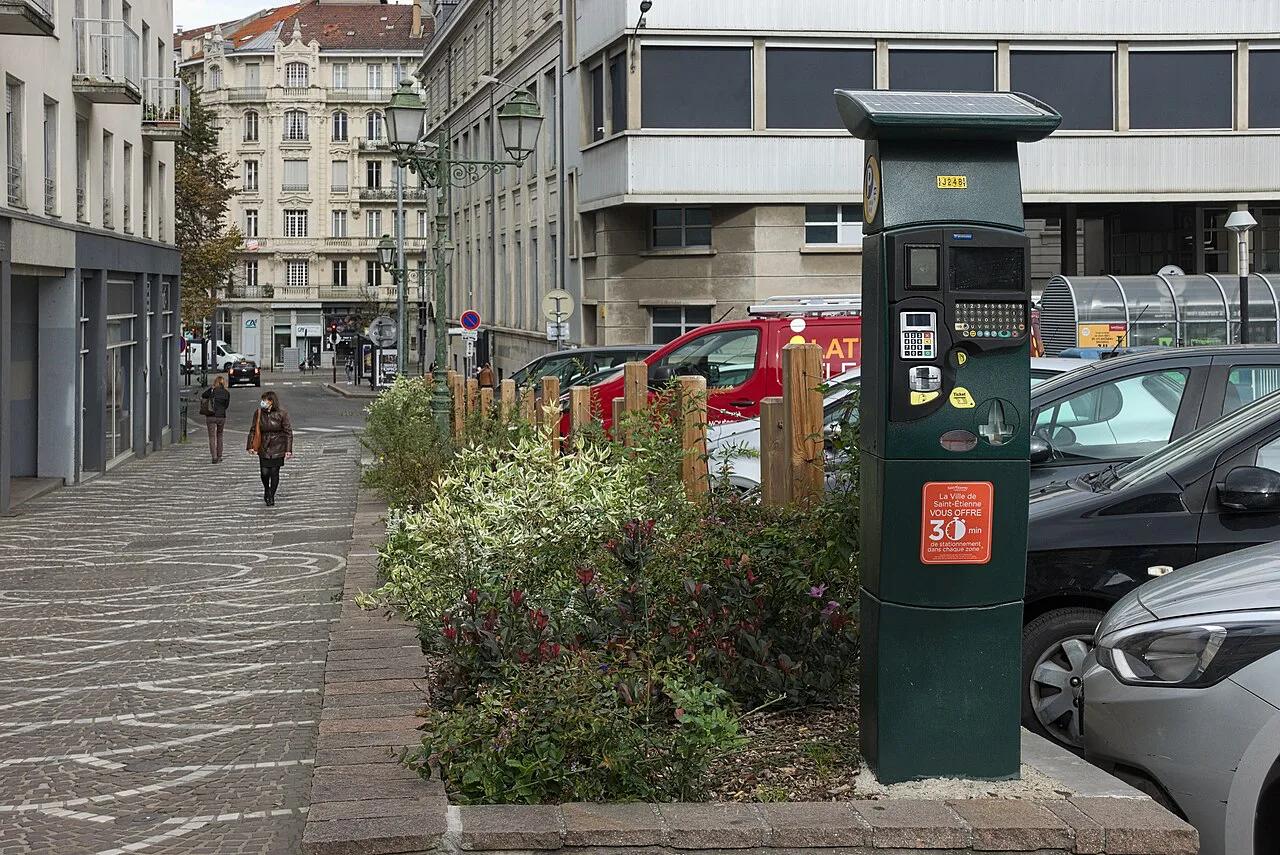
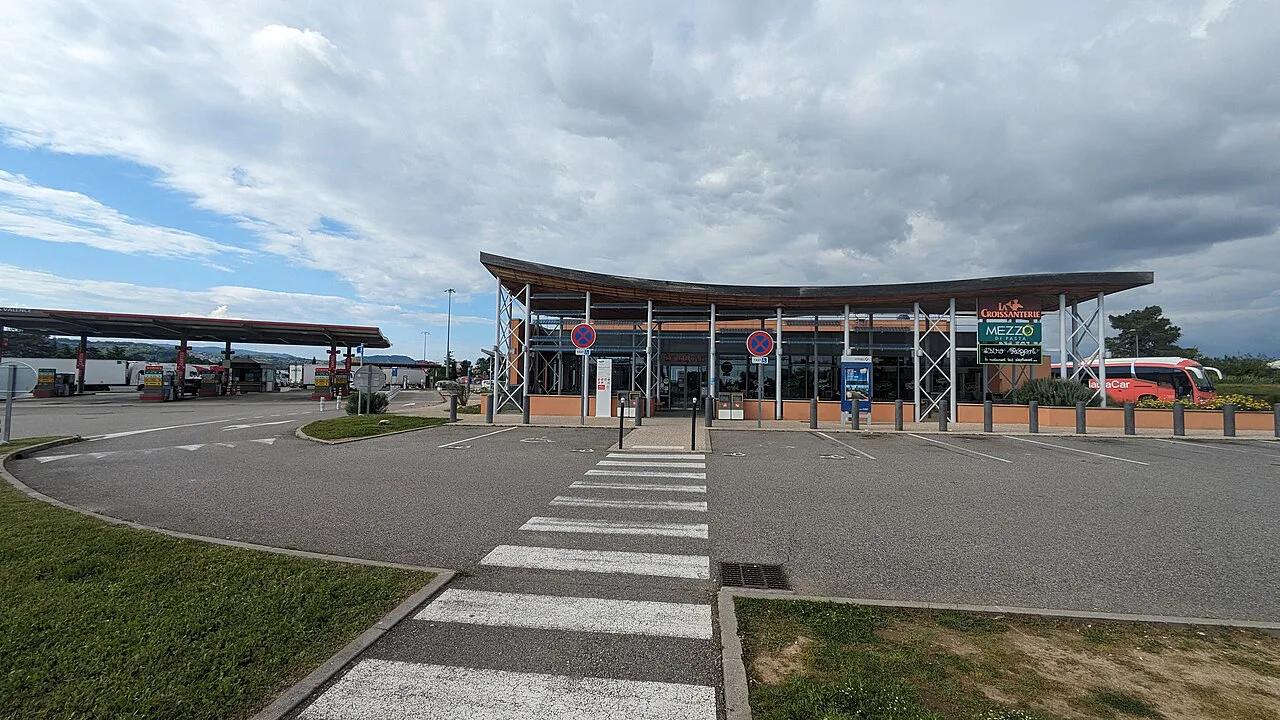
Autoroutes have free rest areas and fuel stations, though some facilities keep limited night hours. Fill up before a late drive. In cities, plan parking early with our France parking guide. For Paris, read Driving in Paris: Rules, Zones, Parking and Alternatives and then Paris parking options.
Common Toll Mistakes and the Crit'Air Confusion
Crit'Air is an emissions sticker, not a toll. It governs low-emission zones, and you can order it from the official Crit'Air portal. Learn more in our Crit'Air sticker guide and the Paris low-emission zone page. Road rules apply on autoroutes too, including the French drink-driving limit.
- Entering a "t"-only lane with no badge.
- Losing the entry ticket on a closed system.
- Relying on one foreign card with no cash backup.
- Forgetting to pay a barrier-free toll online.
- Driving into a low-emission zone without a Crit'Air sticker.
Frequently Asked Questions
What happens if I don't pay a toll in France?
On barrier-free sections you have 72 hours to pay. After that a notice adds a €90 indemnity to the toll, cut to €10 if you pay within 15 days, and an unpaid notice becomes a €375 fine after two months.
What is the cost of toll roads in France?
Cost depends on distance and vehicle class, so no single rate applies. Use the operator's route calculator for your exact trip. Compare the result with a toll-free option before you decide.
Road-rule changes worth knowing
Optional updates to our guides.
You might also like
Continue reading
More guides you'll find useful