Drink Driving Limit in France: Rules and Penalties
The French drink-drive limit, the lower limit for new drivers, what the penalties are and how to plan a night out without the car.
On this page
Last updated November 2026: the drink driving limit France applies to most drivers is 0.5 g/l of blood, which equals 0.25 mg/l of breath. Probationary (novice) drivers face a lower limit of 0.2 g/l. Safest rule: drink nothing before you drive, and read this alongside our complete guide to driving in France.
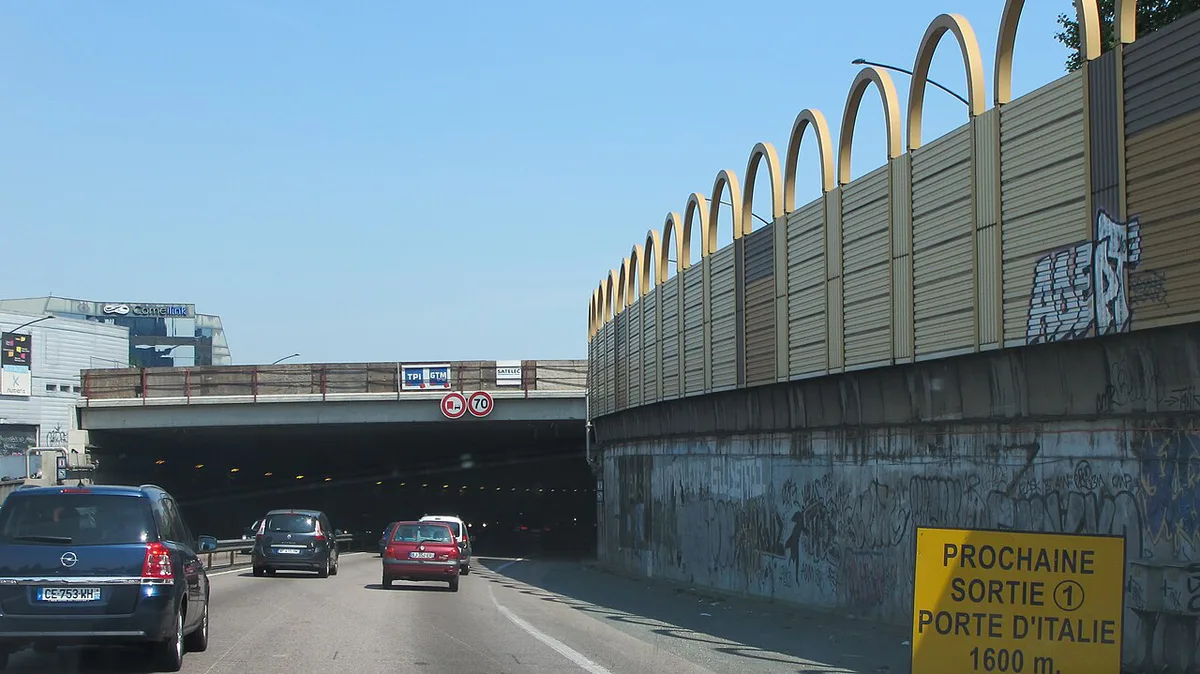
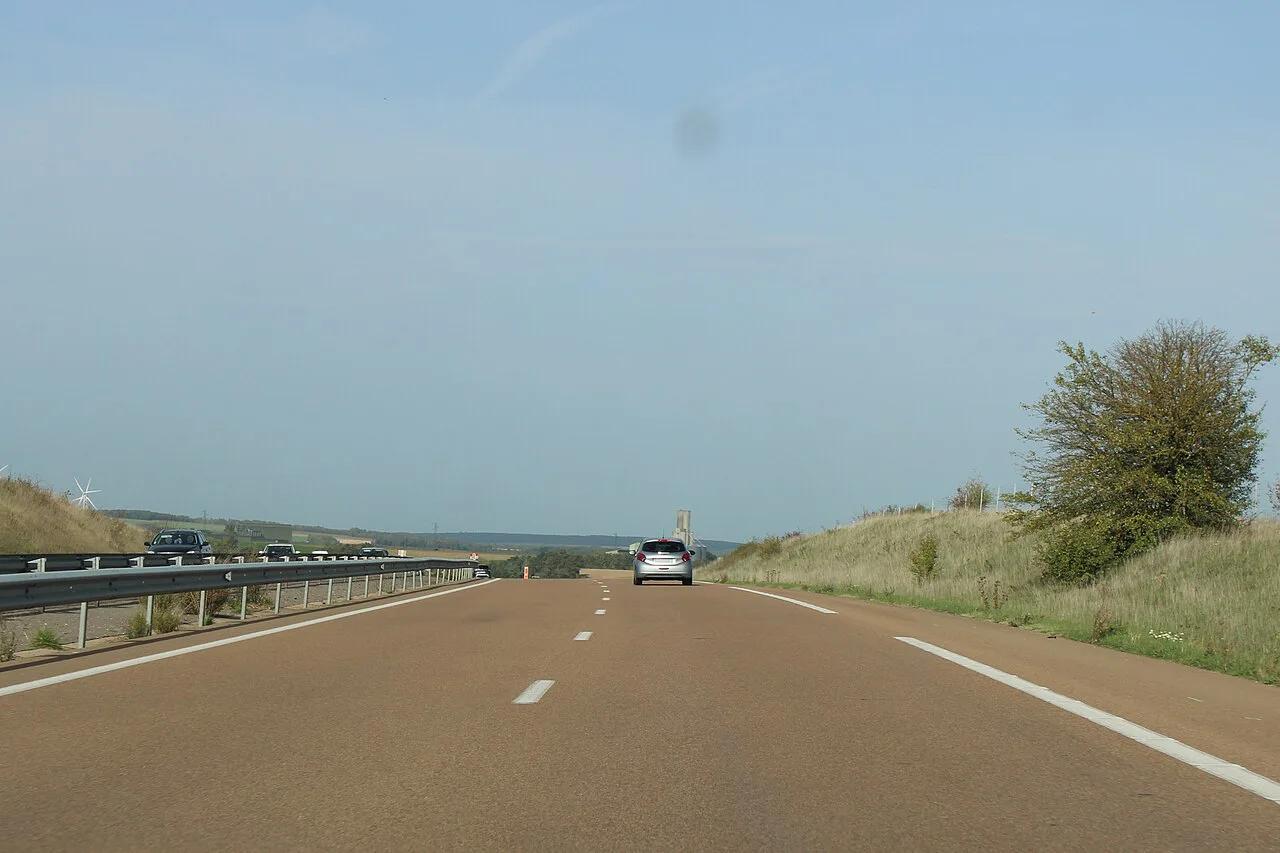
Featured image: Gzen92, CC BY-SA 4.0, via Wikimedia Commons.
The French drink driving limit at a glance
France measures alcohol in grams per litre (g/l) of blood or milligrams per litre (mg/l) of breath. Roadside breathalysers read breath, while a follow-up blood test uses g/l. Limits and penalties below were checked in November 2026 against Service-Public's drink-driving page, with background from Sécurité routière. This is general information, not legal advice.
- General limit: 0.5 g/l blood, or 0.25 mg/l breath. That is 0.05% in the UK and US way of writing it.
- Novice (probationary) licence holders: 0.2 g/l blood, or 0.10 mg/l breath. The probationary period covers a first licence for three years, or two after early accompanied driving.
- Learners in accompanied driving and drivers required to use an alcohol interlock: also 0.2 g/l blood.
- Criminal offence (délit) threshold: 0.8 g/l blood, or 0.40 mg/l breath.
How the limit works in practice
A limit of 0.5 g/l is lower than the 0.8 g/l used across most of the United States and in England. Visitors who base a decision on their home number can end up over the French one. Body weight, food, drink strength and time all change a reading. A "glass" of wine in a French restaurant is not a reliable unit. Pours vary, and a second glass can move you past 0.5 g/l. Coffee, water and fresh air do not lower your reading. For novice drivers at 0.2 g/l, even one drink can put you over.
Penalties and what happens at a roadside check
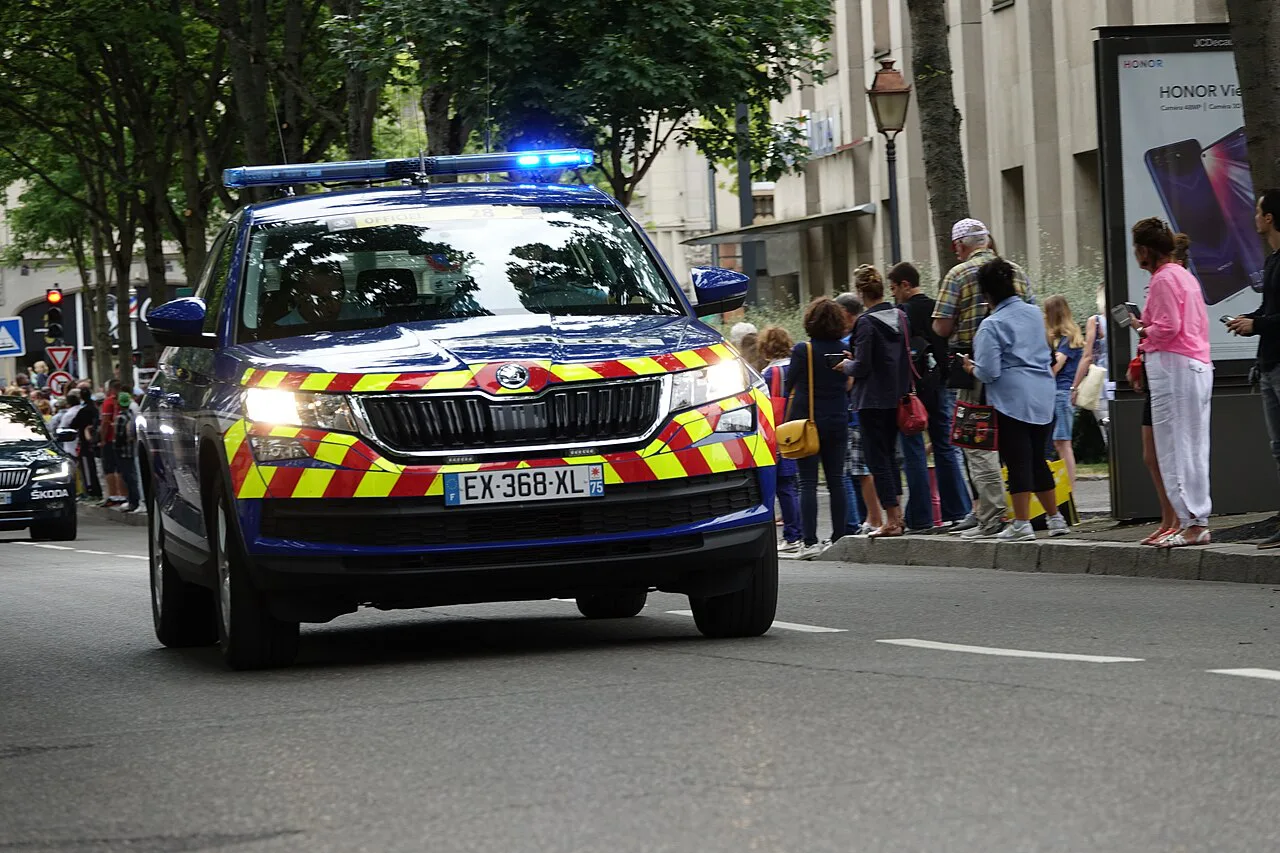
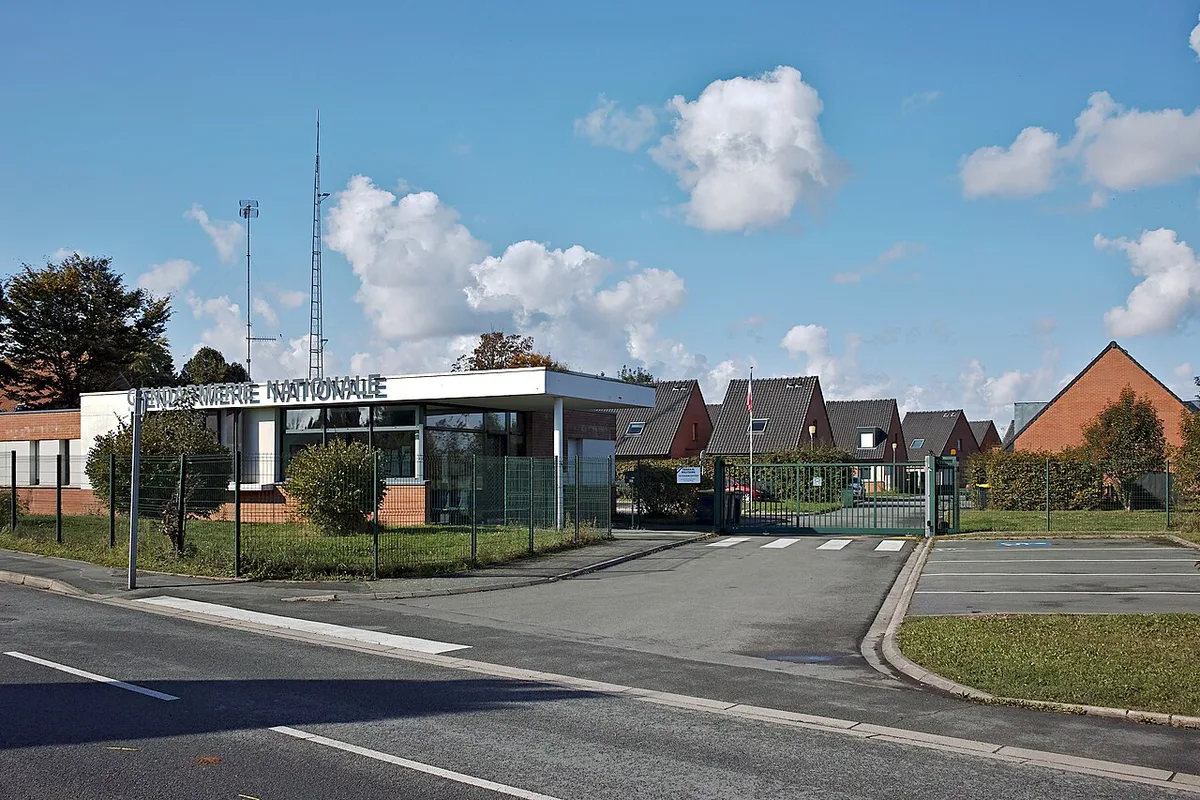
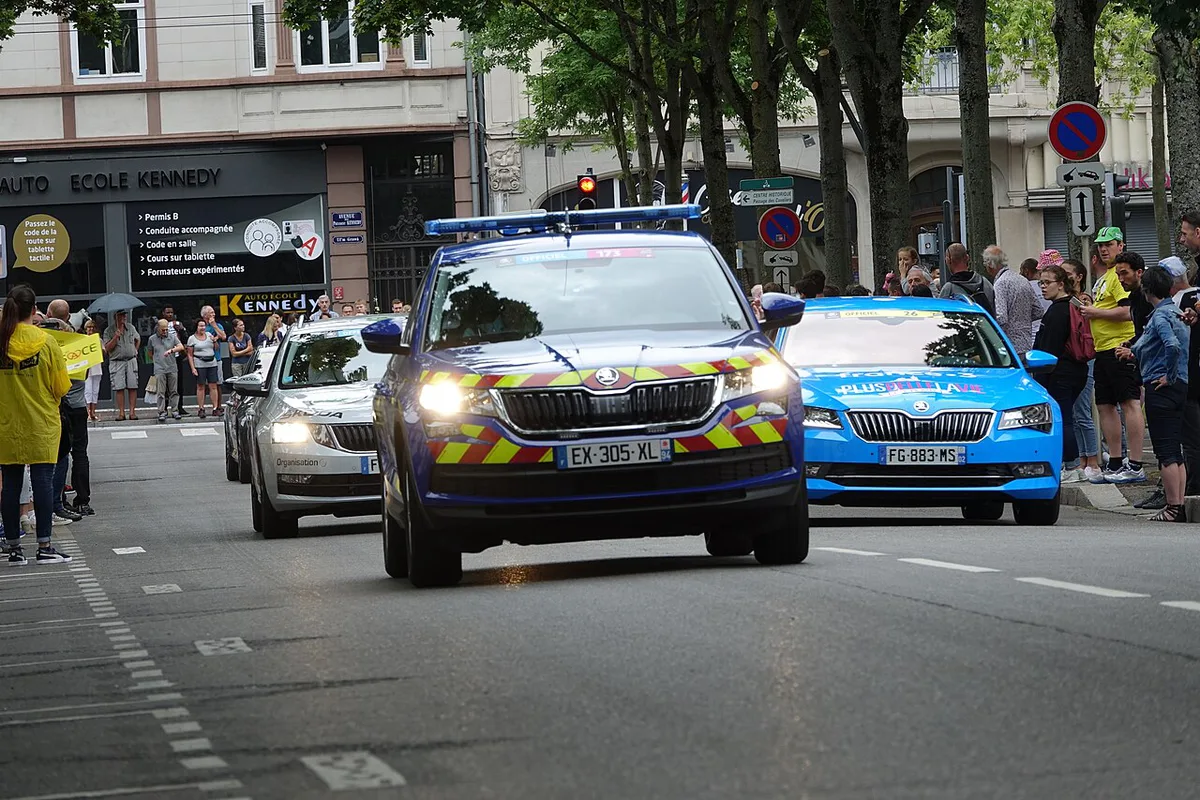
Police can stop any driver for a breath test, with or without an accident or offence. A positive result can lead to a breathalyser or blood test that measures the exact figure. Officers take your licence on the spot if a test shows 0.8 g/l or more, if you are visibly drunk, or if you refuse the test, and the car can be immobilised. Refusing the test is itself an offence, with up to 3 years in prison and a €9,000 fine. Penalties rise in tiers, and the figures below are the amounts listed by Service-Public.
Because France's 0.5 g/l line sits below the 0.8 g/l used in England, a reading that is fine at home can bring a €135 fine.
| Level | Offence type | Typical consequence |
|---|---|---|
| Under 0.5 g/l | No general offence | No penalty for most drivers. Novice drivers are over their own 0.2 g/l limit. |
| 0.5 to under 0.8 g/l (0.2 for novices) | Contravention | Usually a €135 fixed fine (up to €750), loss of 6 licence points, suspension of up to 3 years, possible vehicle immobilisation |
| 0.8 g/l and above | Délit (criminal offence) | Up to €9,000 fine, up to 3 years in prison, loss of 6 points, suspension of up to 5 years or cancellation with a ban of up to 5 years |
Rules that catch visitors out
Foreign licence holders and rental-car drivers face the same limits as residents. The 0.2 g/l novice limit is tied to the French probationary licence, and Service-Public does not address foreign licences, so a visitor who passed the test in the last three years is safest treating 0.2 g/l as their limit. Hirers also carry their own risk. Rental agreements and insurers can treat a drink-drive offence as a breach, so read your terms in our guide to renting a car in France. Americans can find licence rules in driving in France with a US licence. UK drivers arriving by road can read driving from the UK to France. Cyclists and e-scooter riders are also expected to stay sober, and Sécurité routière covers their rules. The old breathalyser-kit rule no longer applies: France required a kit in every car from July 2012, dropped the fine for not carrying one in 2013, and ended the obligation in May 2020, according to Wikipedia's éthylotest article. Fines for speed also add up fast, so see Speed Limits in France: Motorway, Rural, Town & Rain (2026) and French Speed Cameras: Fines, Tolerance & Tourist Tips.
Planning a night out without driving
Rural dinners and wine-region lunches are where most visitors get caught. Taxis and trains thin out after 21:00 outside cities, so book a driver or an overnight stay before you sit down to eat. On the Riviera, car hire in Nice pairs better with a late tram or taxi than with a drive home. In Paris, skip the car altogether after dinner, as Driving in Paris: Rules, Zones, Parking and Alternatives explains. Plan the driving before the meal, not after it.
Rural meals with a novice's 0.2 g/l limit are the hardest mix, since transport thins after 21:00.
| Option | Cost level | Late-night availability | Booking effort |
|---|---|---|---|
| Designated driver | Low | Same as your party | Agree before the meal |
| Taxi or ride-hail | Medium | Good in cities, scarce in rural areas | Pre-book in rural areas |
| Public transport | Low | Limited after dinner outside cities | Check last departures |
| Overnight stay | Medium to high | Always available | Book ahead in season |
Common mistakes
Most drink-drive problems for visitors come from five patterns.
- Long lunch with wine, then an afternoon drive on a motorway or mountain road.
- Driving the morning after a heavy night, when alcohol may still be in your blood.
- Assuming your home limit applies in France.
- Trusting coffee, water or internet "tricks" to lower a reading.
- Forgetting the 0.2 g/l limit for novice drivers.
Frequently Asked Questions
What are the drink driving regulations in France?
The general limit is 0.5 g/l of blood, or 0.25 mg/l of breath. Novice (probationary) drivers face 0.2 g/l. Police can test any driver at a roadside check.
Is 0.05 alcohol limit?
Yes, 0.05% is the same as 0.5 g/l, which is the French general limit. Novice drivers face a lower limit of 0.2 g/l, so even small amounts can put them over.
How long after drinking can I drive?
No timing rule makes driving safe, because alcohol clears at different rates for each person. A heavy night can leave alcohol in your blood the next morning. If you plan to drive early, drink nothing the night before.
Road-rule changes worth knowing
Optional updates to our guides.
You might also like
Continue reading
More guides you'll find useful