
Driving in Paris: Rules, Zones, Parking and Alternatives
Should you drive in Paris? Low-emission zone rules, parking, ring road tips and car-free alternatives to weigh before you rent a car.
On this page
Last updated November 2026: driving in Paris is rarely worth it for a short city break. Narrow streets, scarce parking and a low-emission zone make the Métro, RER and taxis easier for most visitors. This guide shows who should still take the wheel and which rules apply if you do.
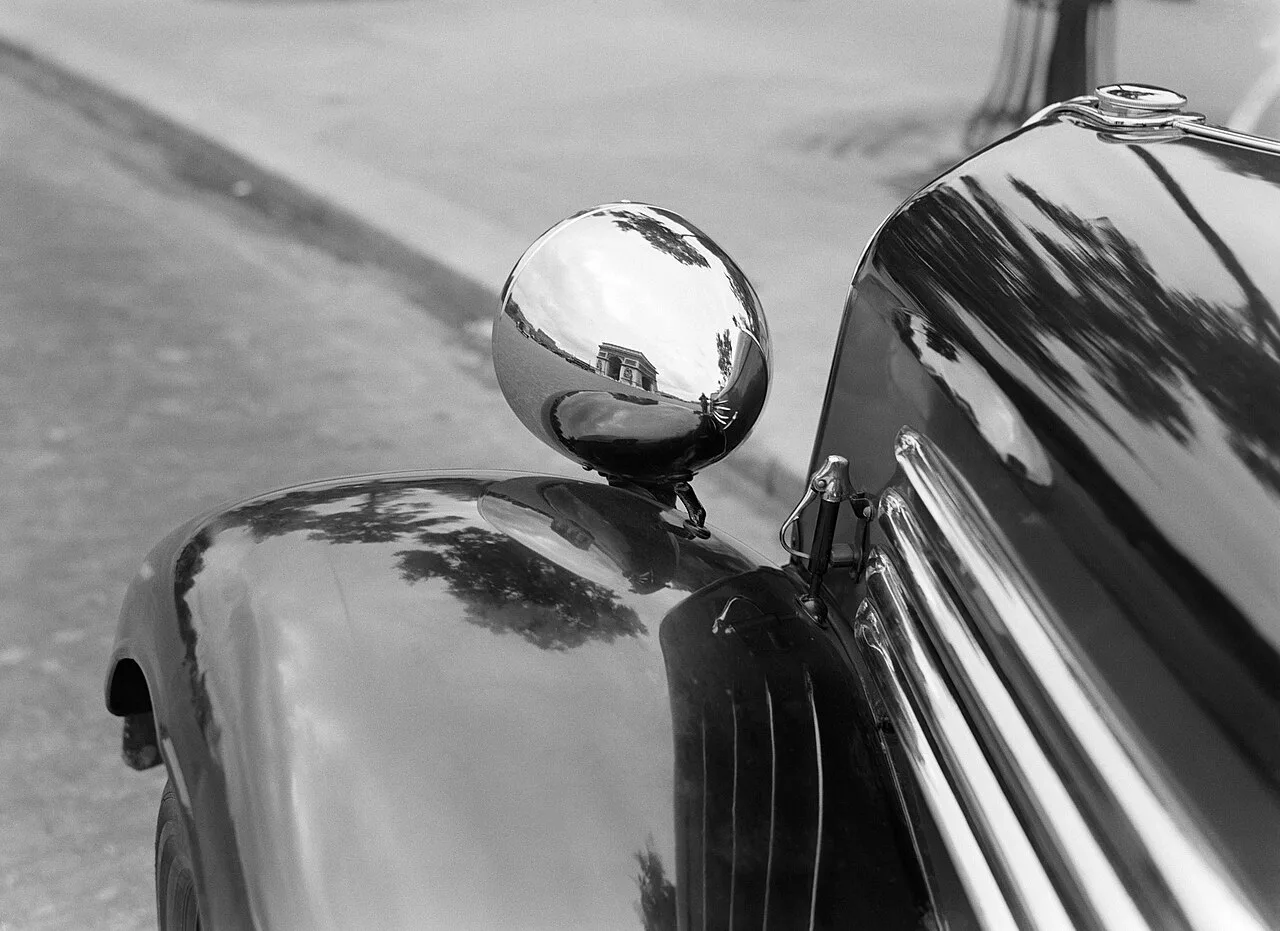
Featured image: Willem van de Poll, CC0, via Wikimedia Commons.
Should you drive in Paris? Short answer
If you are staying in central Paris, skip the car. Rail, Métro and taxis reach almost every sight, and a parked rental is an expense that sits idle. A car makes sense only when luggage, mobility needs or a wider road trip demand it. For the national rules behind every trip, start with our France driving guide.
- Drive if: you are starting or ending a road trip in Paris, travelling with heavy luggage or a child seat, or have reduced mobility.
- Drive if: your destination has no practical rail link and you need an early start.
- Skip if: you are a first-time visitor sticking to central Paris, Montmartre, the Marais or the Left Bank.
- Skip if: your day trip is on a Transilien or suburban rail line.
Rules that catch visitors out in Paris
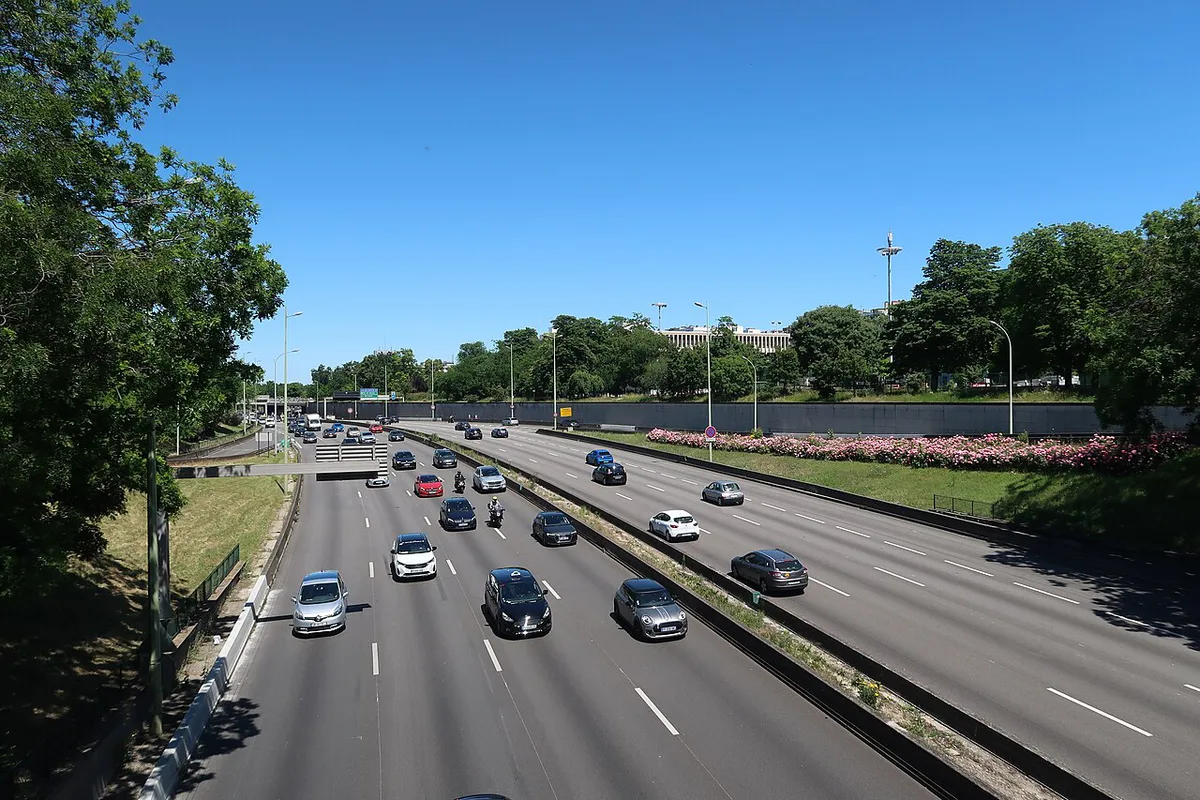
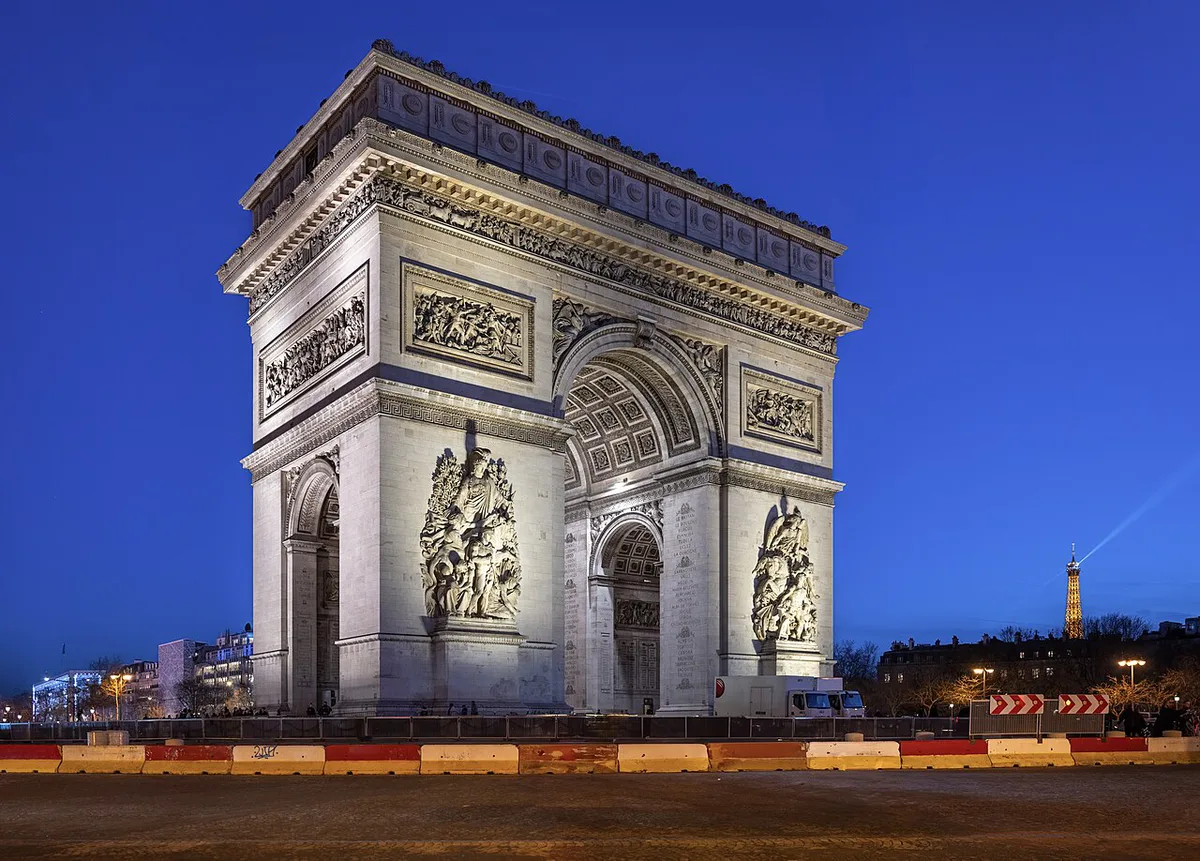
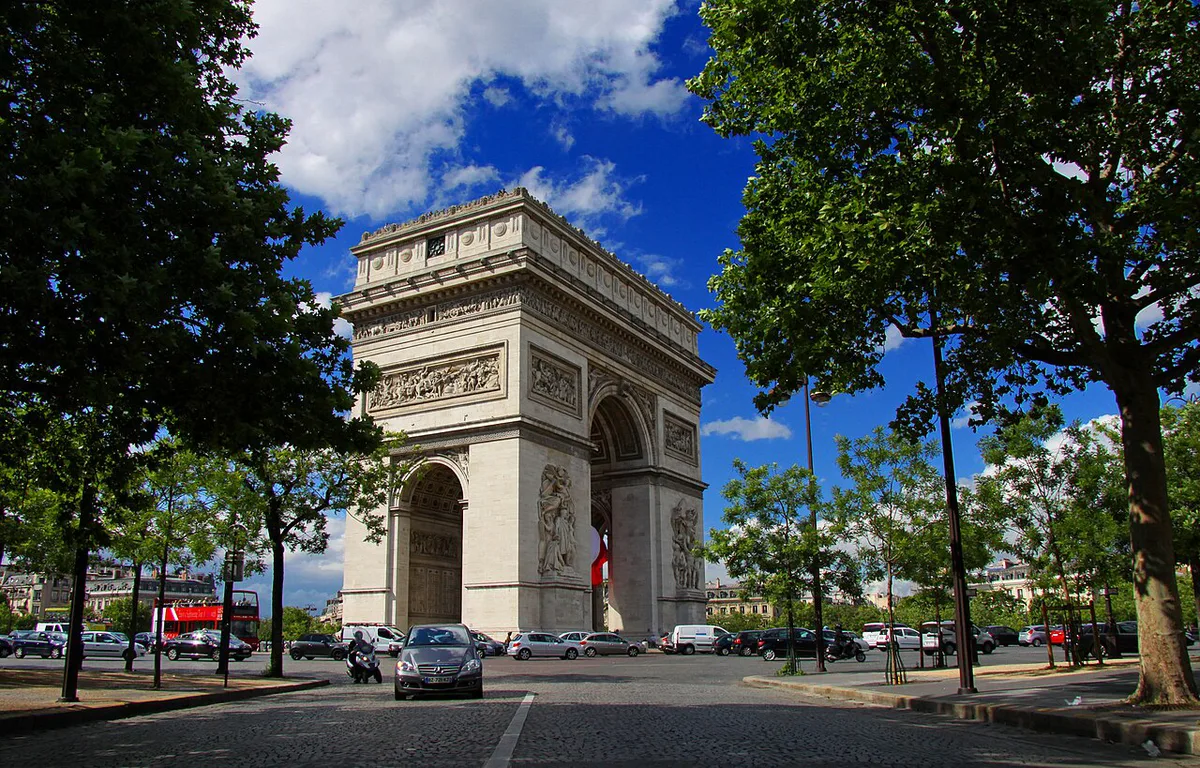
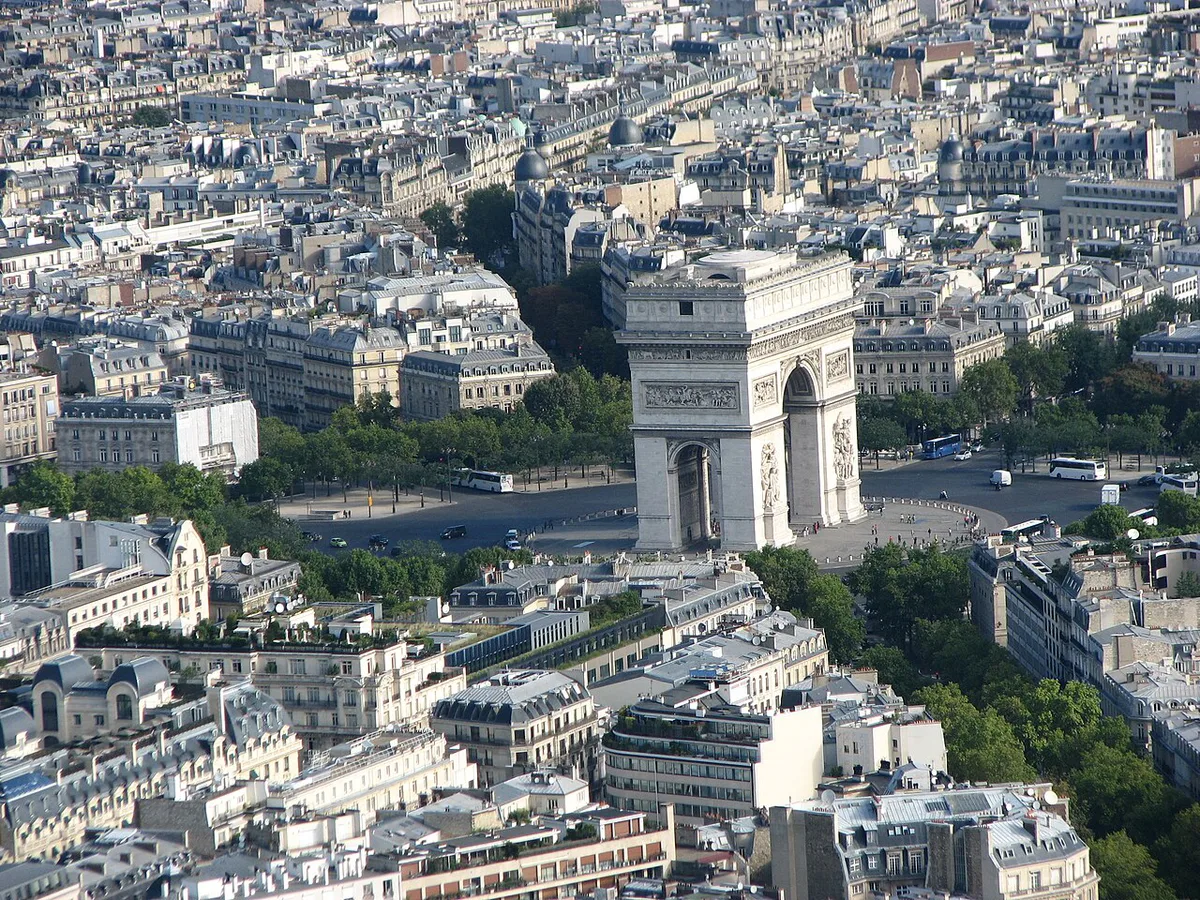
Drive on the right and give priority to traffic from your right at junctions without signs. Large roundabouts such as Place de l'Étoile around the Arc de Triomphe work on their own local logic, so watch the cars already circling and avoid it on a first visit. The Boulevard Périphérique ring road and the outer A86 ring both have fast merges and sudden exits. Read your exit name well before you reach it. Paris restricts older, more polluting vehicles inside its low-emission zone. Read the Paris low-emission zone rules before you book a car. Cars need a Crit'Air sticker, which you order through the official Crit'Air portal. Our Crit'Air sticker guide walks through the order process. The city also publishes traffic and mobility notices on the Ville de Paris site. Speed limits drop in town and cameras are common. See French speed limits and how speed cameras work. Bus and bike lanes are off limits to cars, and fines are posted to the registered keeper, which for a rental means the agency passes the charge to you. Alcohol limits are covered in our drink-driving limit guide. Visitors with a non-French licence should read driving in France with a US licence.
Paris driving vs. alternatives: cost, time and access
Cost levels below are qualitative. Fuel, parking and fines add up quickly in Paris, while a public transport ticket costs far less than any car day. Check current fares on the official operator sites before you travel.
| Option | Cost level | Door-to-door access | Best for |
|---|---|---|---|
| Own or rental car | High (rental, fuel, parking, possible fines) | Flexible, but slow in traffic | Road-trip start or end, luggage |
| Car-share | Medium to high | Pick-up near your hotel, still needs parking | Short errands outside the centre |
| Taxi or ride-hail | Medium | Direct and no parking worries | Late nights, airport transfers |
| Métro, RER, train | Low | Stations across the city and suburbs | Sightseeing and most day trips |
Parking in Paris
On-street spaces are scarce and many are reserved for residents. Underground car parks are the practical choice, and operators such as Indigo Group list their sites online. Our Paris parking guide covers the details. For rules beyond the capital, see Parking in France: Rules, Zone Bleue, Apps & Fines.
Car sharing and short-term rental options
Services such as Ubeeqo, Communauto, Zipcar, Renault Mobility and Free2Move have been listed as car-sharing options in Paris. Operators change, so check which are active in your area before relying on one. For longer trips, read how to rent a car in France. A useful tactic is to take the train to an airport or station on your side of town and collect the car there. That avoids central traffic, though one-way fees and availability vary by agency.
Day trips from Paris: train first or car first?
Most classic excursions work better by rail. Suburban and Transilien trains reach several destinations, and Charles de Gaulle Airport also has direct rail connections to many cities. Collect a car only where the destination spreads out, as the Loire Valley does. Confirm current rail routes on the official operator sites.
| Destination | Rail option | Car option | Verdict |
|---|---|---|---|
| Versailles | Suburban train | Possible, but parking is a task | Train |
| Giverny | Rail plus local transfer | Easier for a flexible start | Either |
| Fontainebleau | Train from Paris | Useful for forest areas | Train first |
| Chartres | Regional train | Simple drive, simple parking | Train |
| Loire Valley | Train to a hub, then rent | Best for castles spread out | Rent there |
| Disneyland Paris | Direct rail | Parking at the resort | Train |
Arriving by car: from the airport, the UK or elsewhere in France
Approaching Paris, expect motorway tolls and ring-road merges. Our French toll road guide explains payment. Coming from Britain, read driving from the UK to France. The Channel Tunnel crossing is covered in our Eurotunnel Le Shuttle guide. If your hotel offers parking, book it before arrival.
Mistakes to avoid
These are the errors that cost visitors the most time and money.
- Driving into the low-emission zone without the right Crit'Air sticker.
- Renting in central Paris when an airport or station pickup is easier.
- Leaving a rental on the street overnight.
- Relying on a satnav that warns of speed cameras, which French rules restrict.
- Entering Place de l'Étoile without a plan for your exit.
Frequently Asked Questions
What do I need to drive in Paris?
Carry a valid driving licence, your passport and the vehicle documents. Add a Crit'Air sticker for the low-emission zone. Check the current official equipment list on Service-Public.fr before you leave.
Can you show me a map of the Crit'Air zone in Paris?
Zone boundaries change, so use the official city and Crit'Air pages. Our low-emission zone guide explains how the restrictions work.
Road-rule changes worth knowing
Optional updates to our guides.
You might also like


Continue reading
More guides you'll find useful