Speed Limits in Germany: Autobahn, Town & Rural Roads Explained
What the speed limits in Germany are by road type, how the autobahn "no limit" works, how signs and cameras work, and how to avoid fines as a visitor.
On this page
Last updated November 2026: speed limits in Germany are 50 km/h (31 mph) in towns, 100 km/h (62 mph) on rural roads, and a 130 km/h (81 mph) advisory speed on the autobahn. Not every autobahn stretch is unrestricted, and many carry signed limits. This page covers all road types, while our Germany driving guide covers the wider rules.
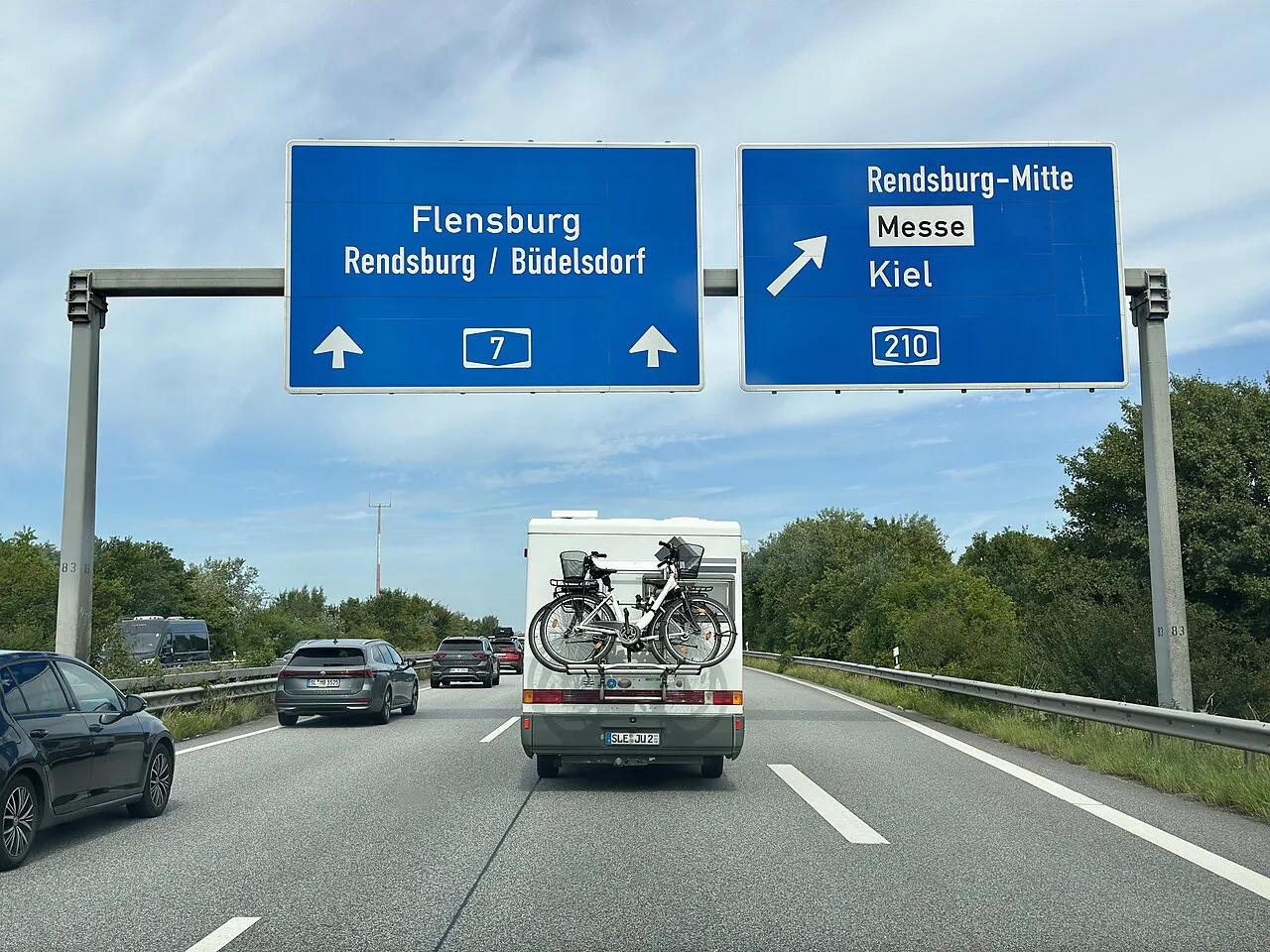
Featured image: Nortix08, CC BY-SA 4.0, via Wikimedia Commons.
Speed limits in Germany at a glance
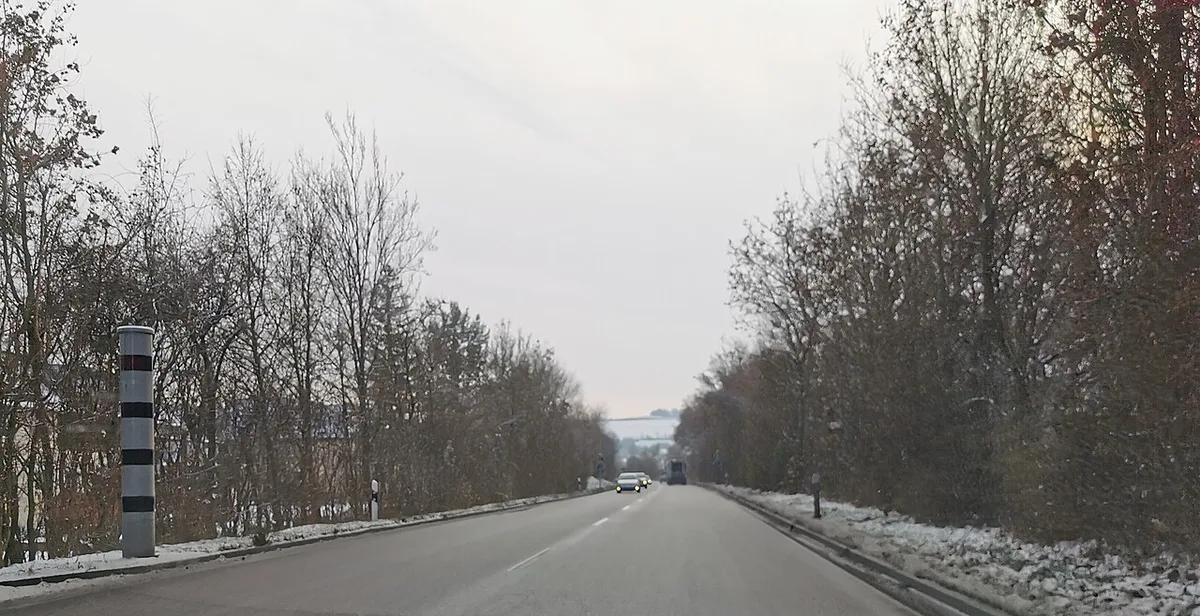
Germany's default limits depend on the type of road, not on a sign you can see. Towns are set at 50 km/h (31 mph), rural roads at 100 km/h (62 mph), and cars towing a trailer drop to 80 km/h (50 mph). Residential streets are often signed at 30 km/h (19 mph). On the autobahn, 130 km/h (81 mph) is advice rather than a legal cap where no sign says otherwise. Limits come from the federal road traffic rules (StVO), and the Federal Ministry for Digital and Transport publishes official transport information. Treat the table as the default, because a posted sign always overrides it.
| Road type | Default limit | Notes |
|---|---|---|
| Residential zones (Tempo-30-Zone) | 30 km/h (19 mph) | Signed at the zone entrance |
| Built-up areas (innerorts) | 50 km/h (31 mph) | Set by the yellow town-entry sign |
| Rural roads (Landstraße) | 100 km/h (62 mph) | Cars without a trailer |
| Cars with trailers or caravans | 80 km/h (50 mph) | Rural roads and autobahn; 100 km/h (62 mph) on the autobahn with a certified trailer |
| Autobahn, unsigned stretches | 130 km/h (81 mph) advised | Richtgeschwindigkeit, not a legal maximum |
| Autobahn, signed stretches | Posted figure | Binding until a sign cancels it |
How the autobahn limit really works
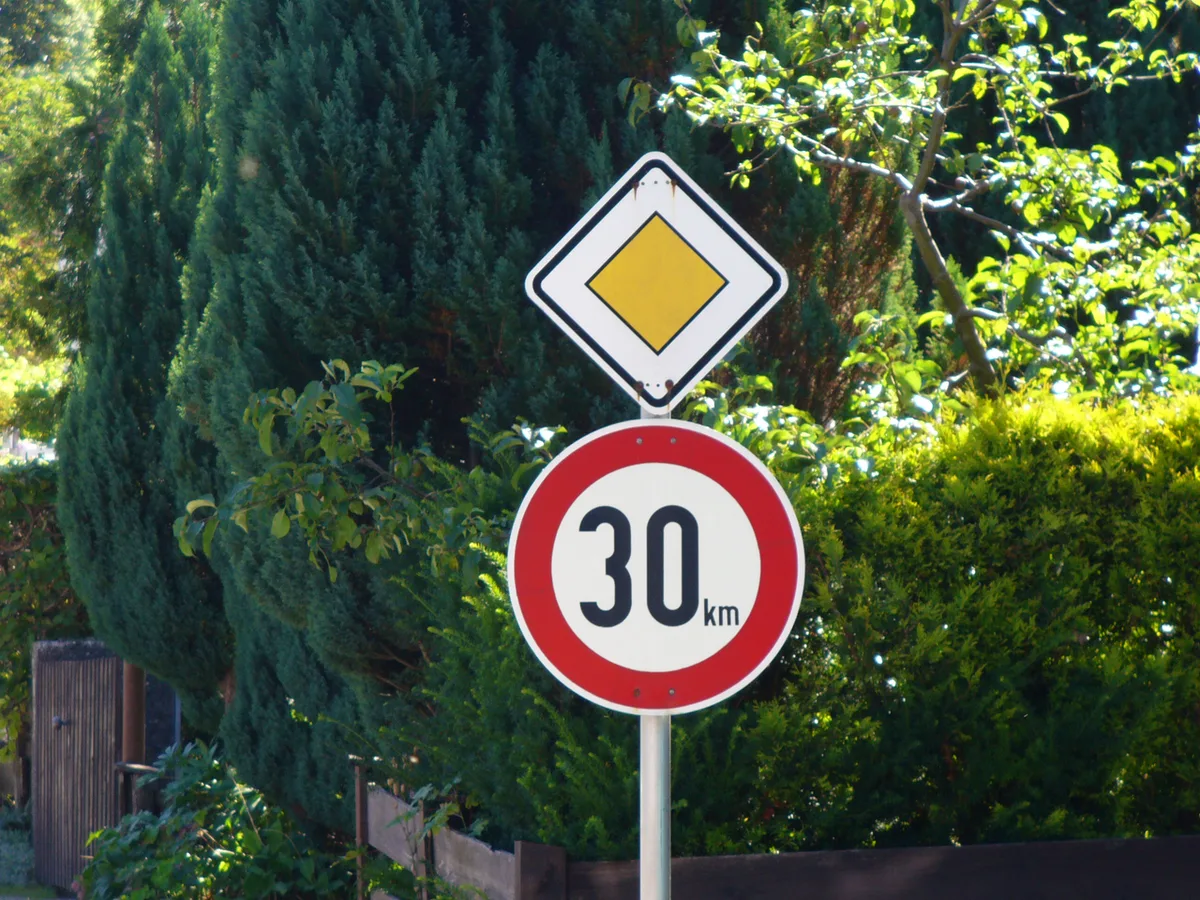
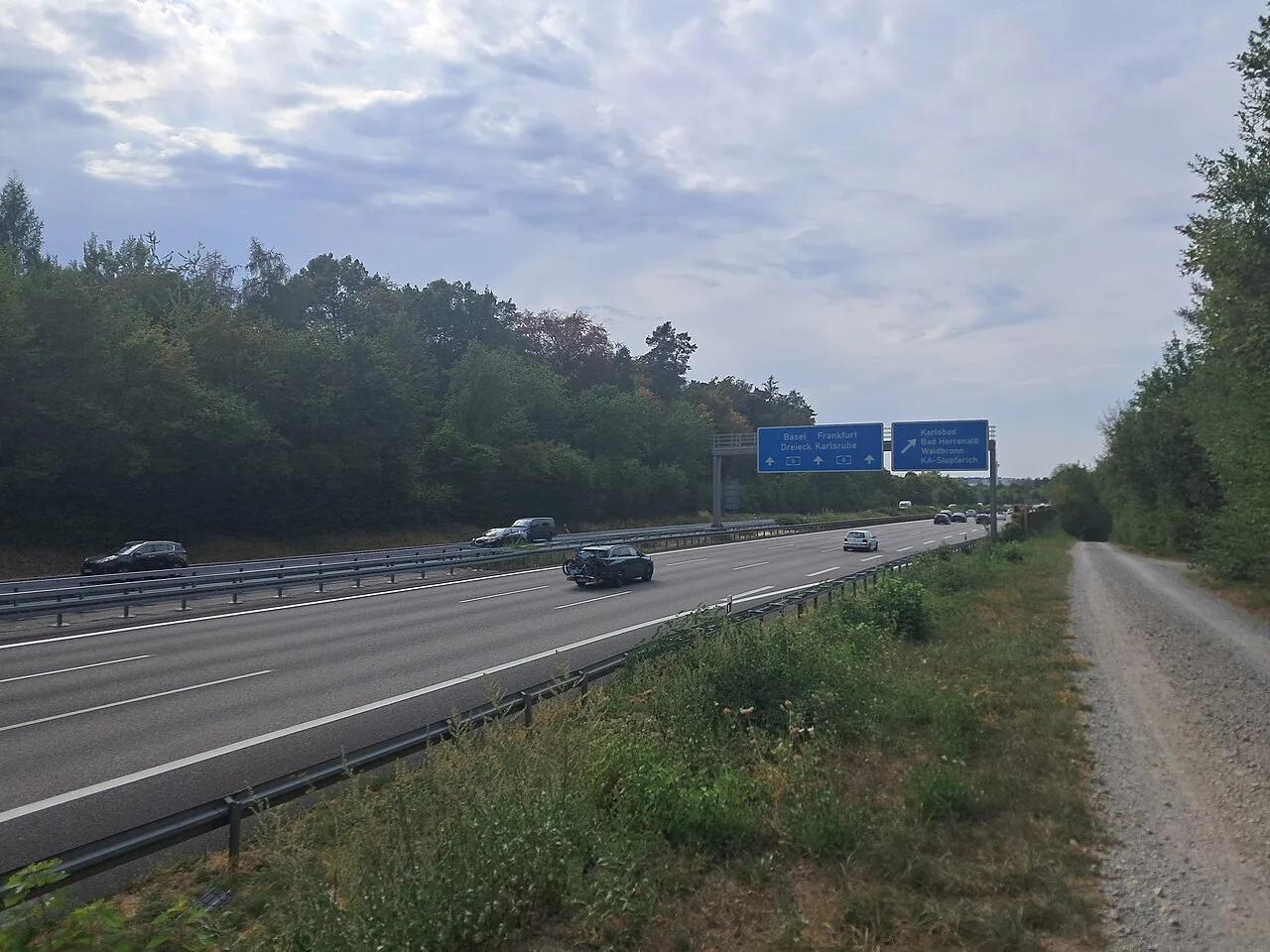
Germany has no blanket autobahn limit, but it does have a Richtgeschwindigkeit, an advisory speed of 130 km/h (81 mph). Many stretches carry a Tempolimit (a posted limit), often because of junctions, roadworks, noise or traffic density. Where no limit is posted, you may drive faster, but you stay responsible for driving safely at that speed. Unrestricted sections are only part of the network, so do not plan a trip around them. Our autobahn speed limit guide covers the details of each case. For lane etiquette and services, see the autobahn overview.
Limits in towns and on rural roads
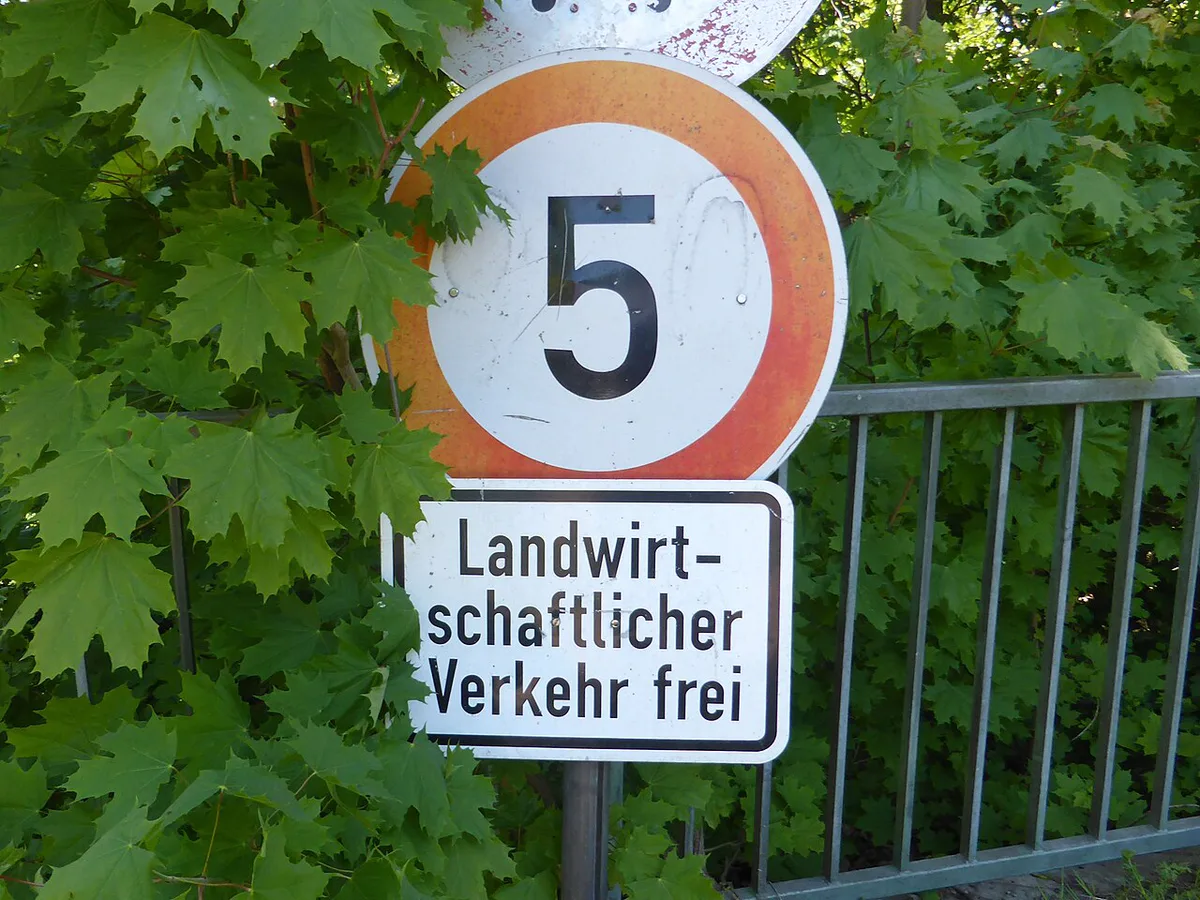
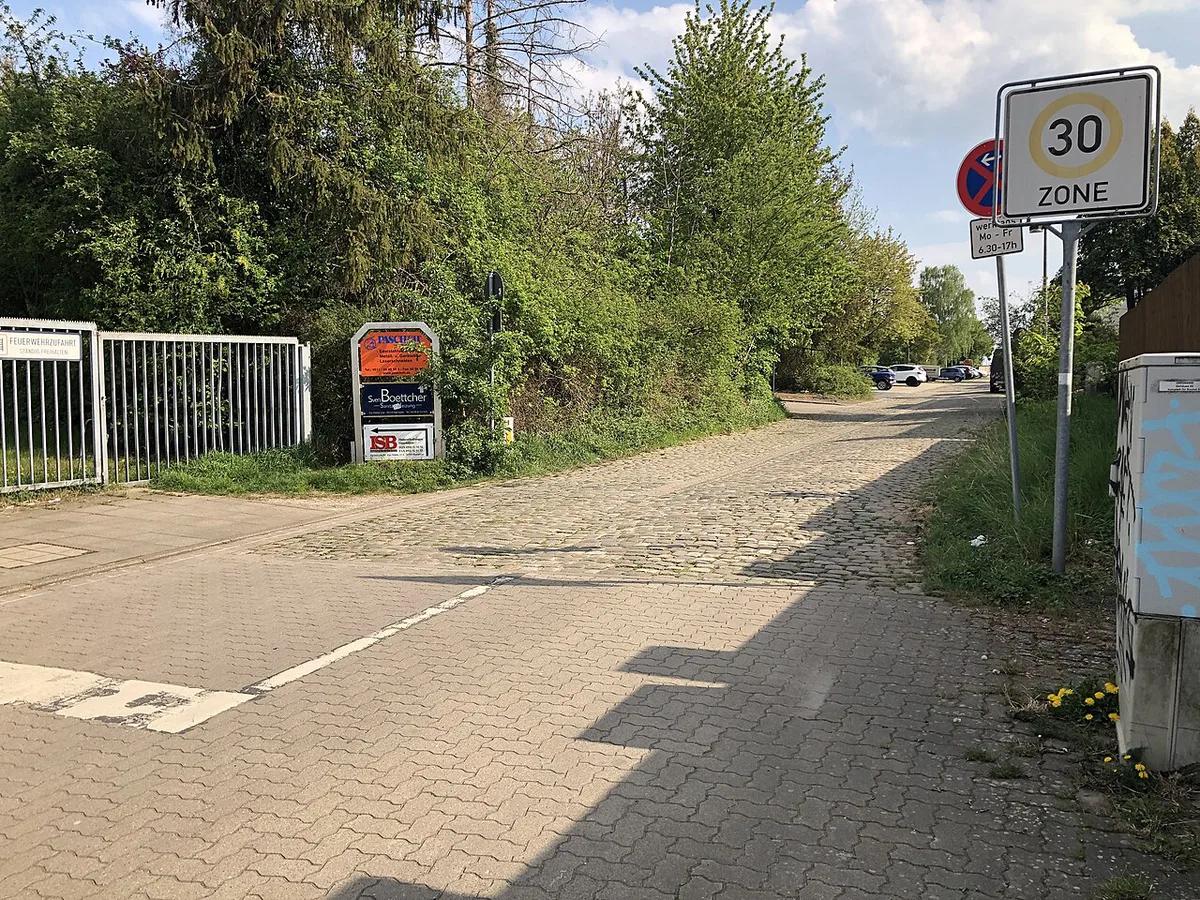
The yellow place-name sign at a town's edge sets the urban limit of 50 km/h (31 mph) by itself. No separate speed sign appears, so visitors often miss it. Residential areas often drop to 30 km/h (19 mph) inside signed zones. Outside towns, a rural Landstraße allows 100 km/h (62 mph) for cars. A car towing a trailer must stay at 80 km/h (50 mph). Villages on rural routes can appear within a few hundred meters of fast stretches. Slow down as soon as you see the yellow sign.
Leaving a 100 km/h rural stretch can drop you to 30 km/h (19 mph) inside signed zones, marked at each zone entrance.
How to read speed signs and variable limits
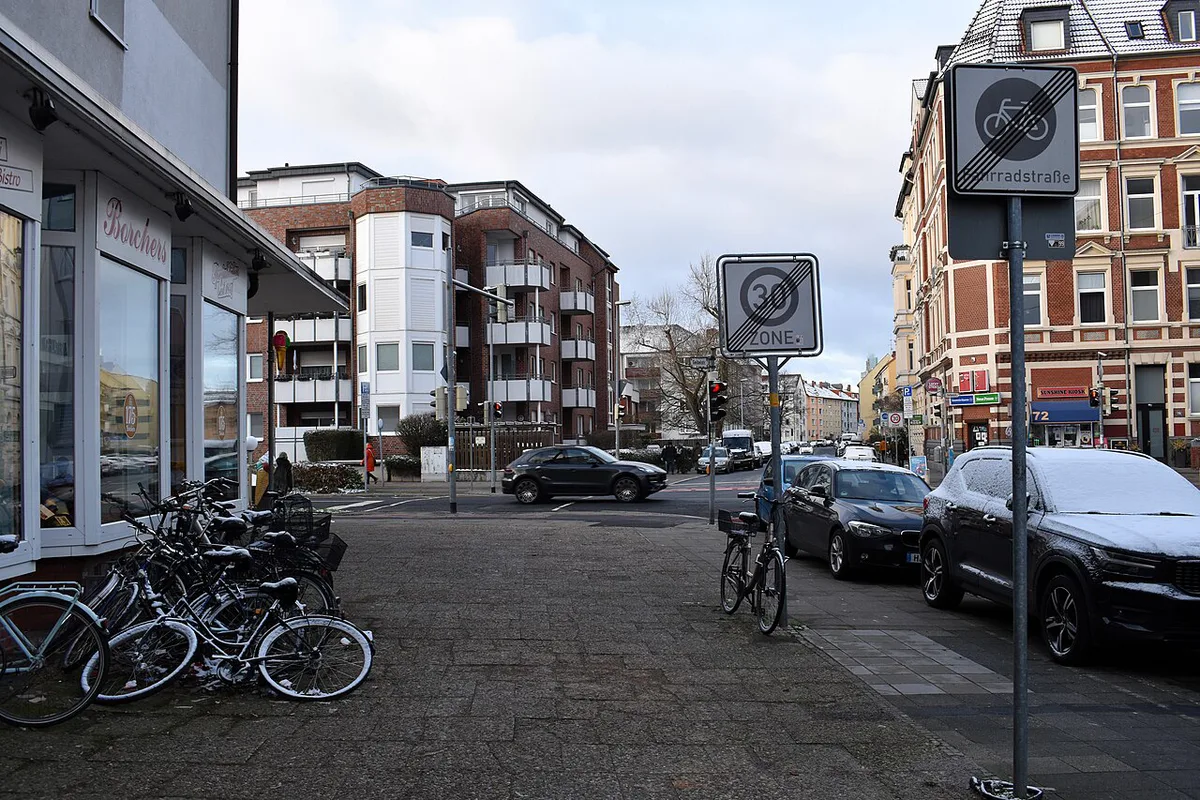
A round sign with a red border and a number gives a maximum speed in km/h. That limit applies until another sign cancels it or the road type changes, such as at a town entry. Overhead gantries on busy autobahns show variable limits that change with traffic, weather or incidents. Follow whatever the gantry shows, even if the road looks empty. Navigation apps can lag behind these changes, so trust the sign in front of you. Our German road signs guide shows the symbols you will meet.
Different limits for different vehicles
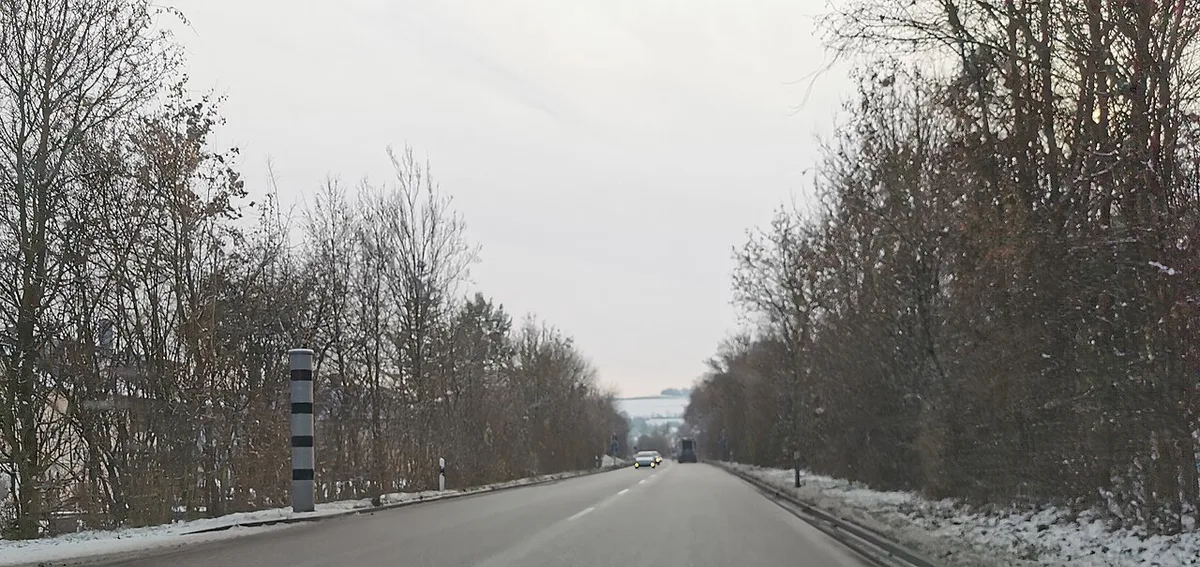
Limits depend on the vehicle as well as the road. A car with a trailer or caravan is held to 80 km/h (50 mph) on rural roads and on the autobahn, or 100 km/h (62 mph) on the autobahn if the trailer is certified and plated for that speed. The 130 km/h advisory covers only vehicles up to 3.5 t. Motorhomes, vans and larger rental vehicles may fall under different rules depending on weight, so read the rental agreement before you tow or load up. Foreign visitors get no special limits, and the same rules apply to every driver. Check the rental terms in our car rental guide. US drivers can find licence rules in our guide for US licence holders.
Weather, roadworks and zone-based limits
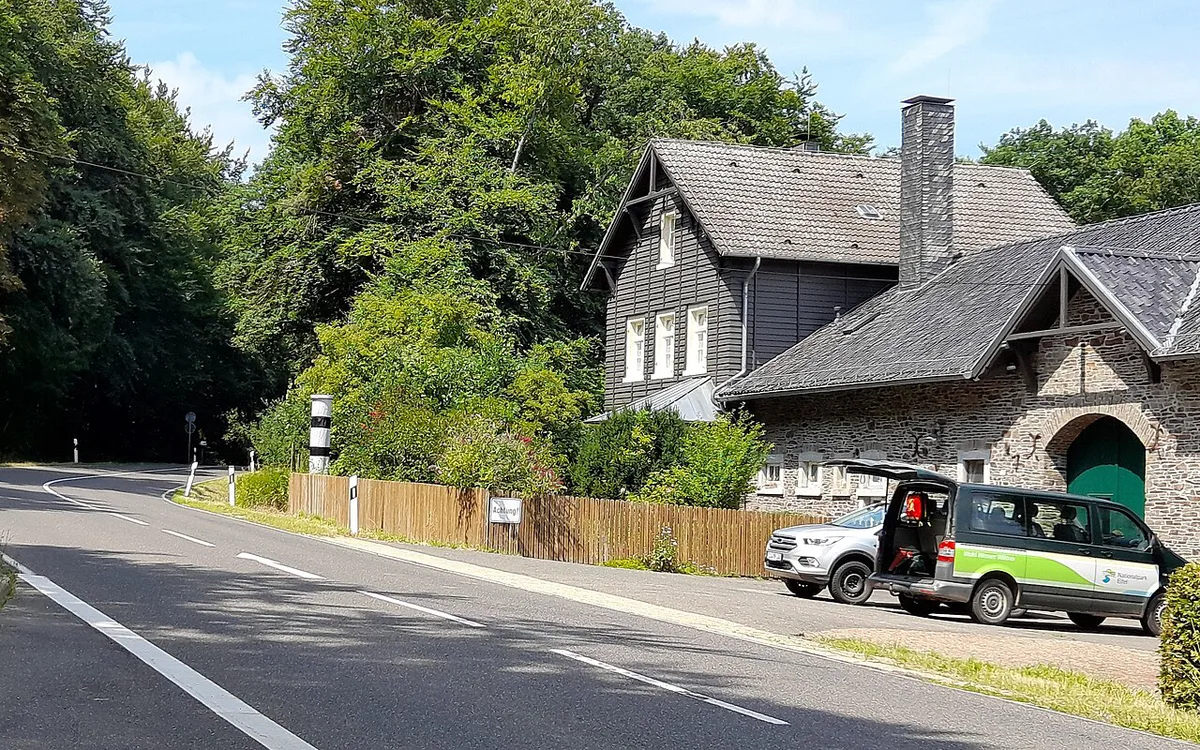
Posted limits can drop for rain, fog, ice and roadworks, and the gantry or temporary sign takes priority over the default. Even where no limit is posted, you must adjust your speed to visibility and road conditions. In winter, tyre rules and slower speeds go together. Our winter tyre guide explains the equipment you need. City low-emission zones add their own entry rules for some vehicles. The Umweltplakette sticker guide explains which badge you need.
Cameras, fines and what happens to visitors
Germany uses fixed cameras and mobile units, called Blitzer, on towns, rural roads, roadworks and autobahns. A camera flash usually means a notice by post rather than a stop at the roadside. Fines follow the national fine catalogue (Bußgeldkatalog), and serious or repeated offences can add points in the Flensburg register. Foreign plates do not escape enforcement. If you drive a rental, the company can pass your details to the authorities and may charge an administration fee. If you dispute such a fee, the European Consumer Centre Germany advises on cross-border consumer problems. According to the motoring club ADAC, 21 to 25 km/h over the limit costs €115 and 1 point in town, or €100 and 1 point outside towns. A driving ban starts at 31 km/h over in town and 41 km/h over outside towns, and a €28.50 processing fee is added to fines of €60 or more. Alcohol rules are separate, and our drink-driving limit guide covers them.
Is driving fast worth it? Time saved vs risk and fines
The saving from speed is smaller than most drivers expect. These figures are illustrative and assume steady speeds over a 200 km (124 mile) trip with no traffic. At 100 km/h the trip takes 120 minutes, and at 130 km/h it takes about 92 minutes. That saves roughly 28 minutes. Going from 130 to 160 km/h (99 mph) saves only about 17 more minutes. Against that, you risk higher fuel use, a longer braking distance and a fine if a limit changes unseen. Plan stops and fuel instead, and read our toll road guide and parking guide for costs that matter more than minutes. If you want to drive a famous circuit, the Nürburgring publishes Touristenfahrten session details, and our Nürburgring drive guide explains how it works.
Where no sign posts a limit, the 130 km/h advisory is the reference point, and going from 130 to 160 km/h saves about 17 more minutes.
| Average speed | Time for 200 km | Time saved vs 100 km/h |
|---|---|---|
| 100 km/h (62 mph) | 120 min | 0 min |
| 130 km/h (81 mph) | About 92 min | About 28 min |
| 160 km/h (99 mph) | 75 min | 45 min |
Common mistakes to avoid
Most visitor mistakes come from assuming that Germany is looser than it is. These are the habits that cause the most trouble.
- Assuming "no limit" applies on every autobahn, when many stretches are signed.
- Missing the yellow town-entry sign, which sets 50 km/h (31 mph) without a speed sign.
- Trusting your navigation app over a sign or overhead gantry.
- Forgetting that a trailer lowers your rural limit to 80 km/h (50 mph).
- Tailgating or lingering in the left lane, which German drivers treat as a serious fault.
- Ignoring rental-car paperwork, since fines can arrive weeks after you return home.
Frequently Asked Questions
Can you go 300 mph in Germany?
No. 300 mph is about 483 km/h, far beyond what any road car or public road supports. Even on unrestricted autobahn stretches, you must drive at a speed that suits the traffic and conditions.
Road-rule changes worth knowing
Optional updates to our guides.
You might also like
Continue reading
More guides you'll find useful