Winter Tyres in Germany: Rules, Fines & Alpine Symbol
Winter tyres in Germany are required in wintry conditions. See the Alpine symbol rule, fines, rental-car tips and when snow chains matter.
On this page
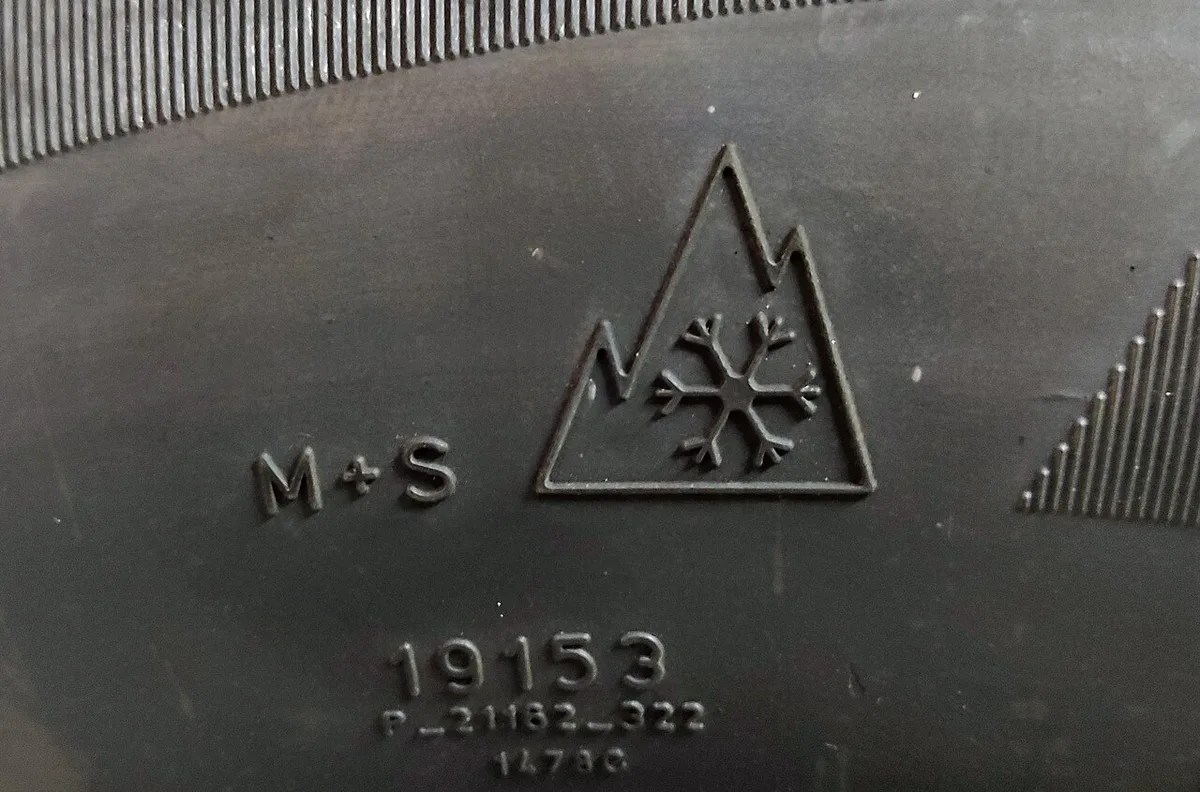
Last updated November 2026: winter tyres in Germany are required in wintry conditions, not on a fixed calendar date. Your tyres must carry the Alpine symbol, a three-peak mountain with a snowflake inside. Driving without them costs a €60 fine and 1 penalty point, and our guide to 7 Rules for Driving in Germany: License, Autobahn, Sticker covers the wider rules.
Featured image: HopsonRoad, CC BY-SA 4.0, via Wikimedia Commons.
What the winter tyre rule in Germany actually says
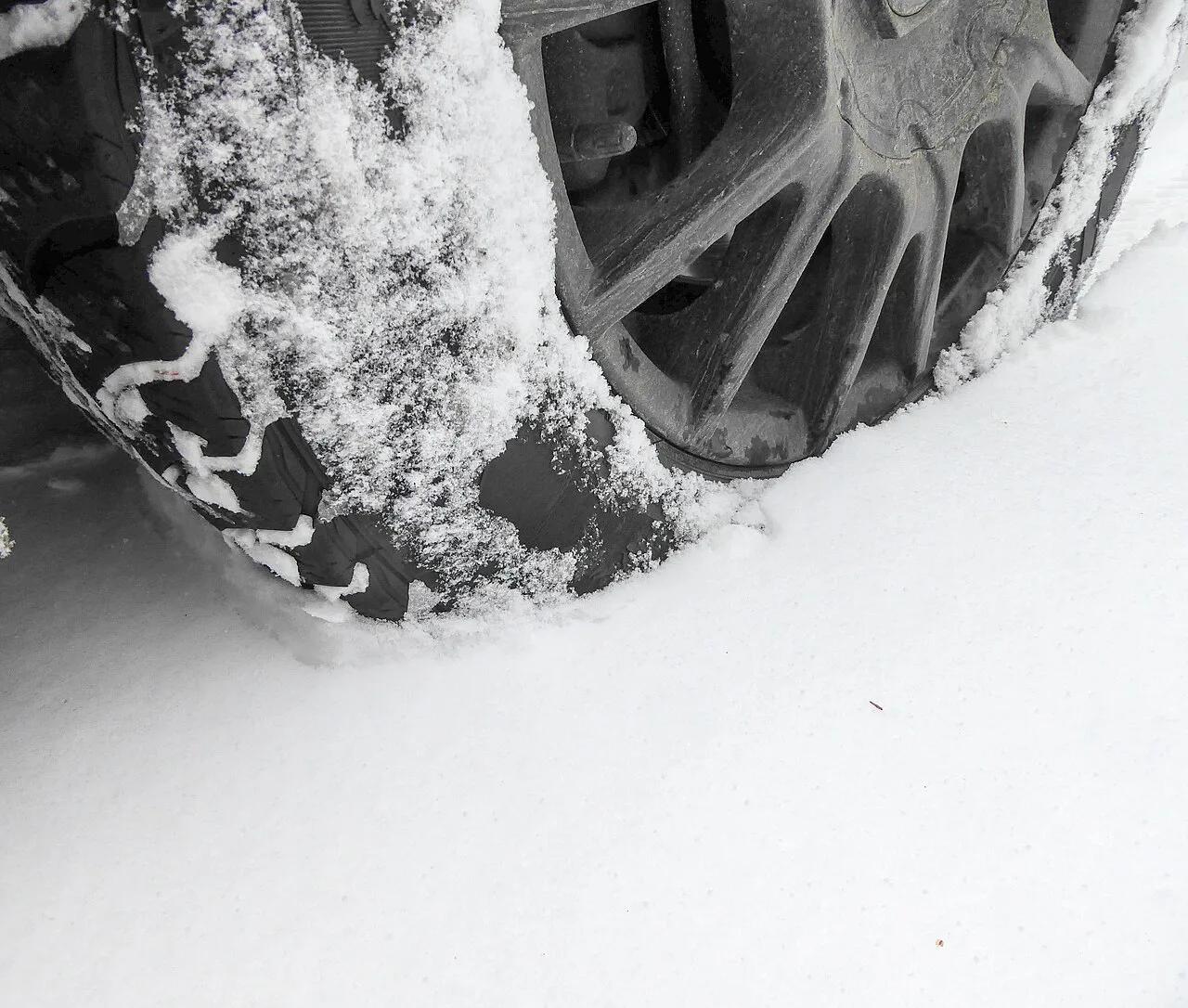
Germany uses a situational rule, called the Winterreifenpflicht. Winter or suitable all-season tyres are required when roads are icy, snowy, slushy or frosty. No calendar date switches the rule on or off. Many Germans follow "O bis O", meaning October to Easter, but that is a habit and not the law. In practice, a mountain road at 0°C (32°F) with ice patches counts as wintry, while a dry road in November may not. The rule has applied since 2010 and covers cars, vans, trucks and buses, with all four wheels on winter tyres. Motorcycles are exempt. It applies to the driver, and the vehicle's keeper can be fined as well, so a rental car or a foreign-plated car gets no exemption. Official background sits with the Federal Ministry for Digital and Transport, and the motoring club ADAC explains the rule in detail.
Alpine symbol vs M+S: how to read your tyres
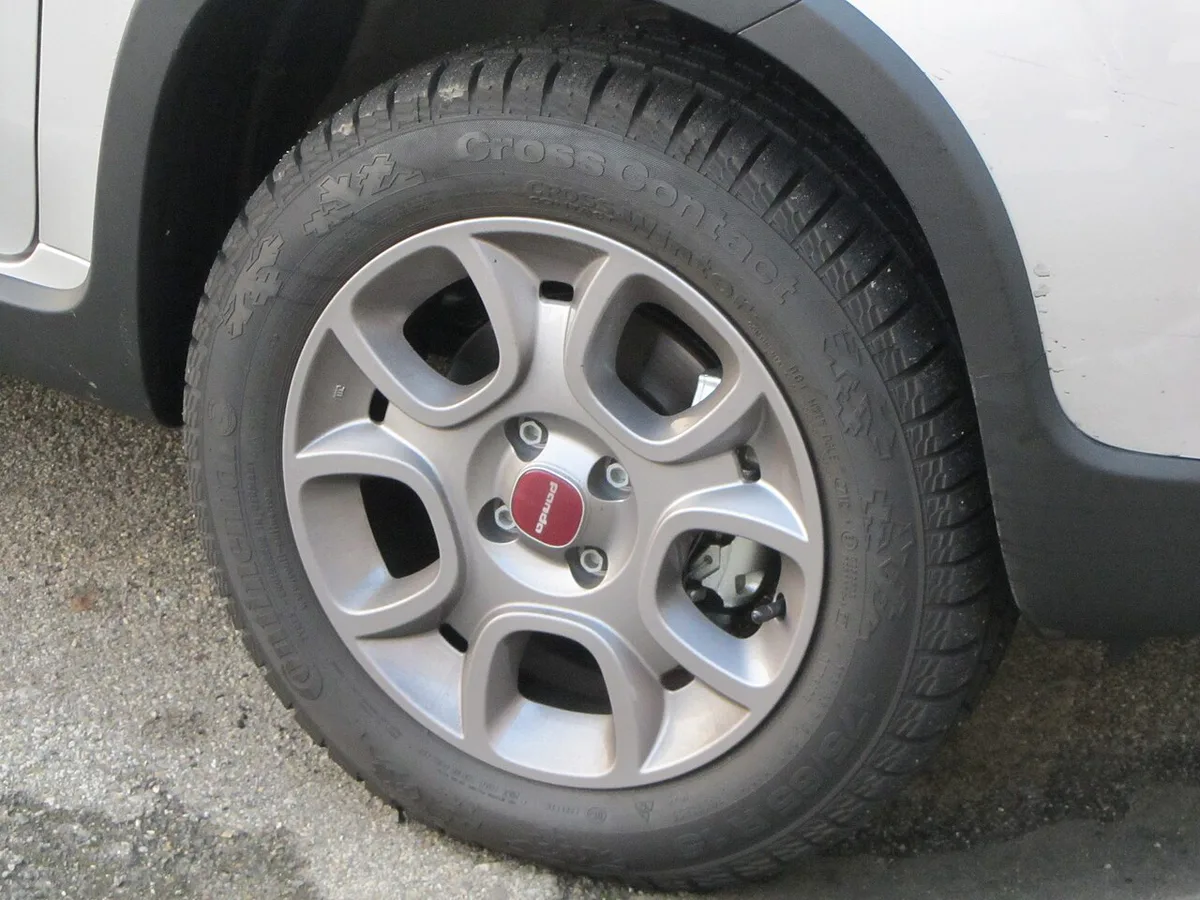
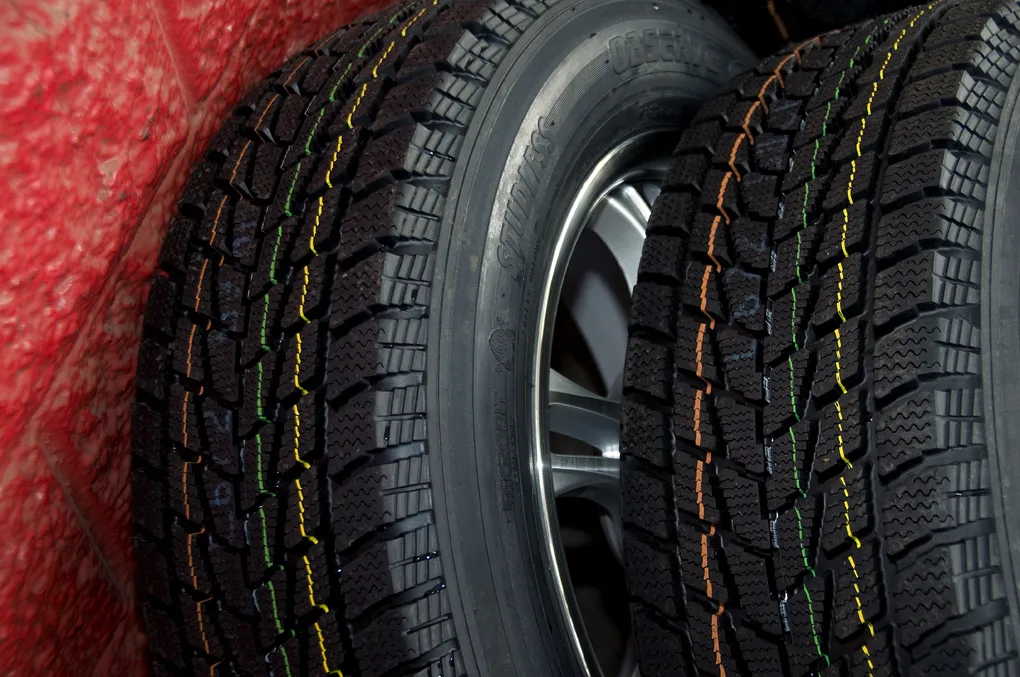
Look on the sidewall for the Alpine symbol, also called 3PMSF. It shows a three-peak mountain with a snowflake. Since 1 October 2024, tyres marked only M+S (mud and snow) no longer qualify as winter tyres. Older tyres made before 2018 with just an M+S mark are the usual problem cases. If you see both M+S and the mountain symbol, you are fine. American readers will know these as winter tires, and the same marking test applies to them. If you are planning a longer trip, see our notes on driving with a US license.
- Alpine symbol (three-peak mountain with snowflake): qualifies as a winter tyre.
- M+S only: does not qualify on its own since 1 October 2024.
- No winter marking at all: a summer tyre, not allowed in wintry conditions.
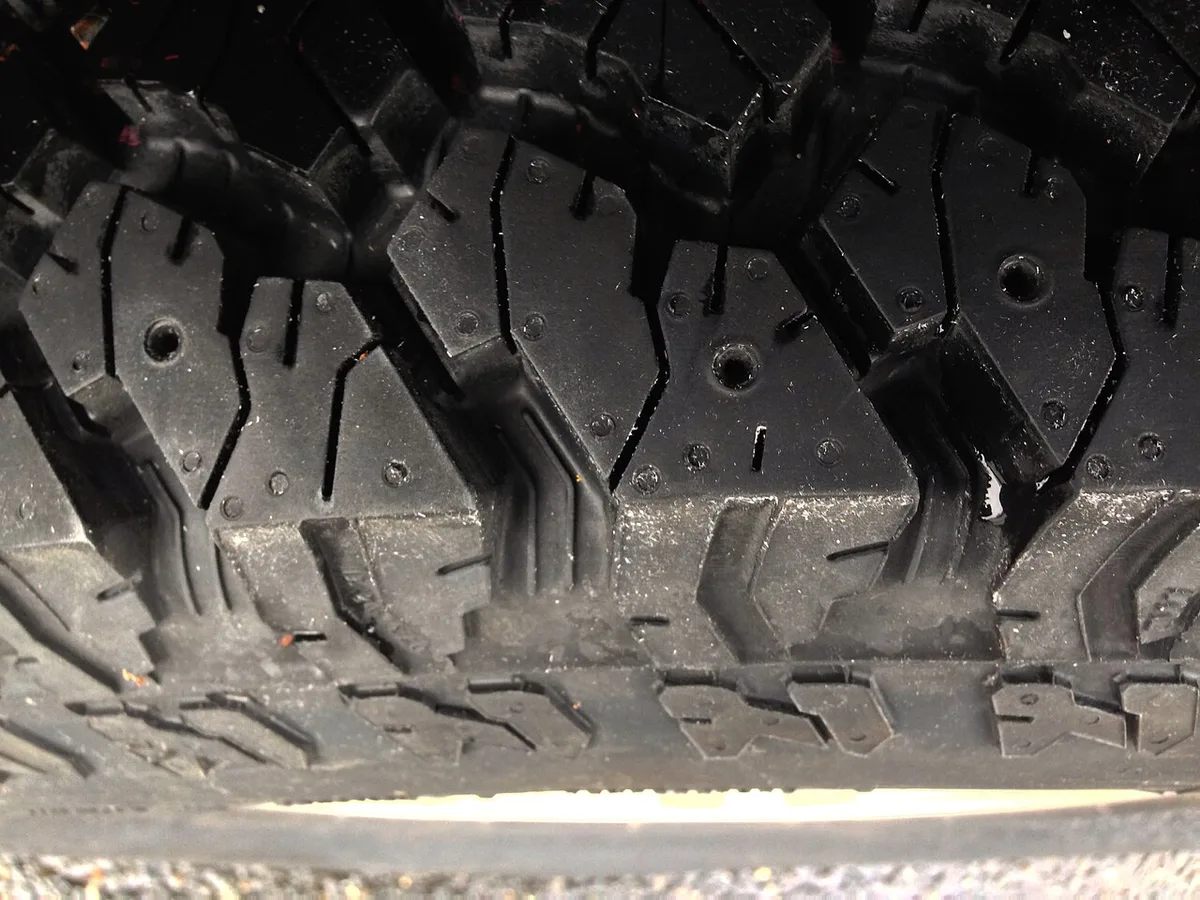
Winter vs all-season vs summer tyres: decision table
This table compares the three options for a typical winter trip. The suitability notes are our editorial assessment, not legal advice.
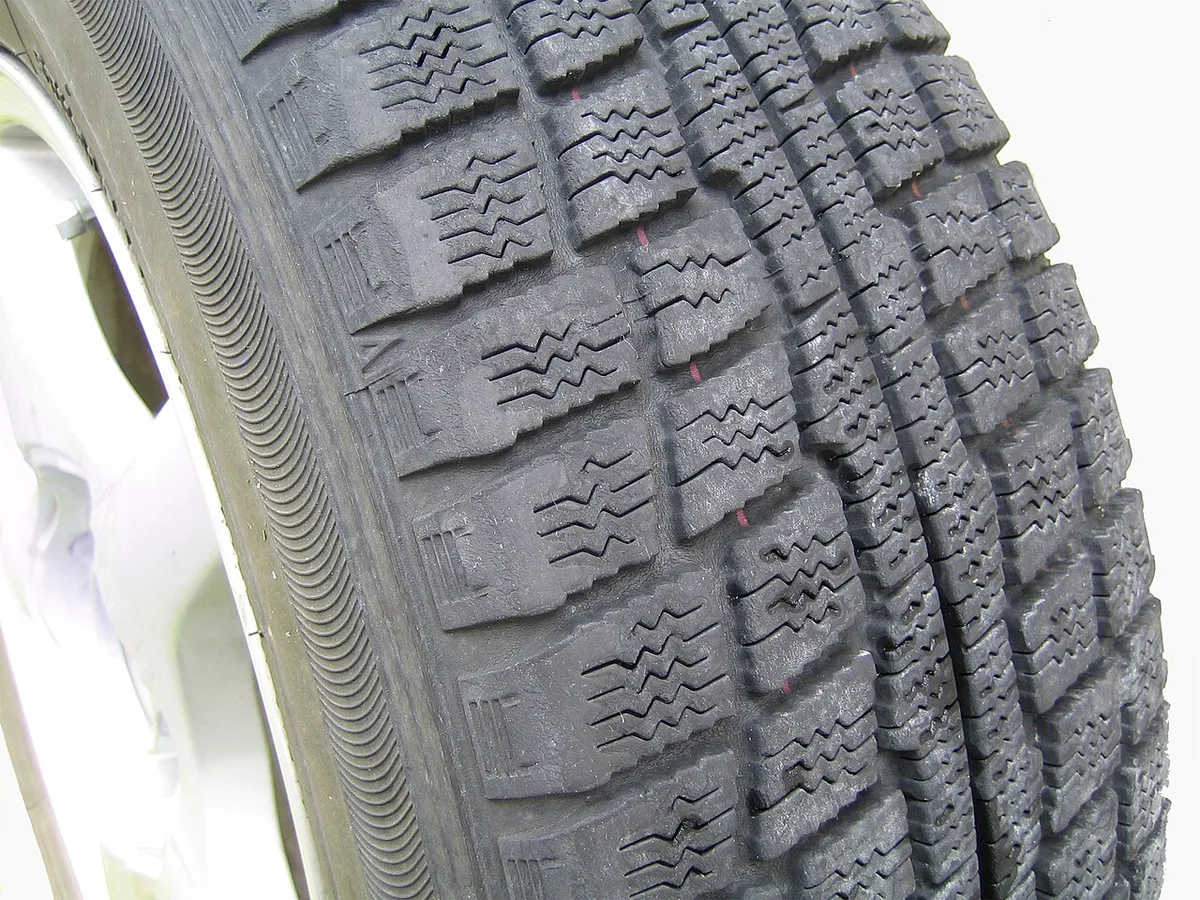
| Tyre type | Legal in wintry conditions? | Best suited to | Trade-off |
|---|---|---|---|
| Winter tyre (Alpine symbol) | Yes | Long stays, mountain routes, Black Forest and Alps | Needs a seasonal swap if you own the car |
| All-season tyre (Alpine symbol) | Yes, if the symbol is present | Rentals, short trips, mixed city driving | Compromise grip in deep snow, in our editorial assessment |
| All-season tyre (M+S only) | No, since 1 October 2024 | Dry-weather driving only | Not valid when conditions turn wintry |
| Summer tyre | No | Dry, warm months | Poor grip and risk of a fine and liability issues |
Renting or driving in from abroad
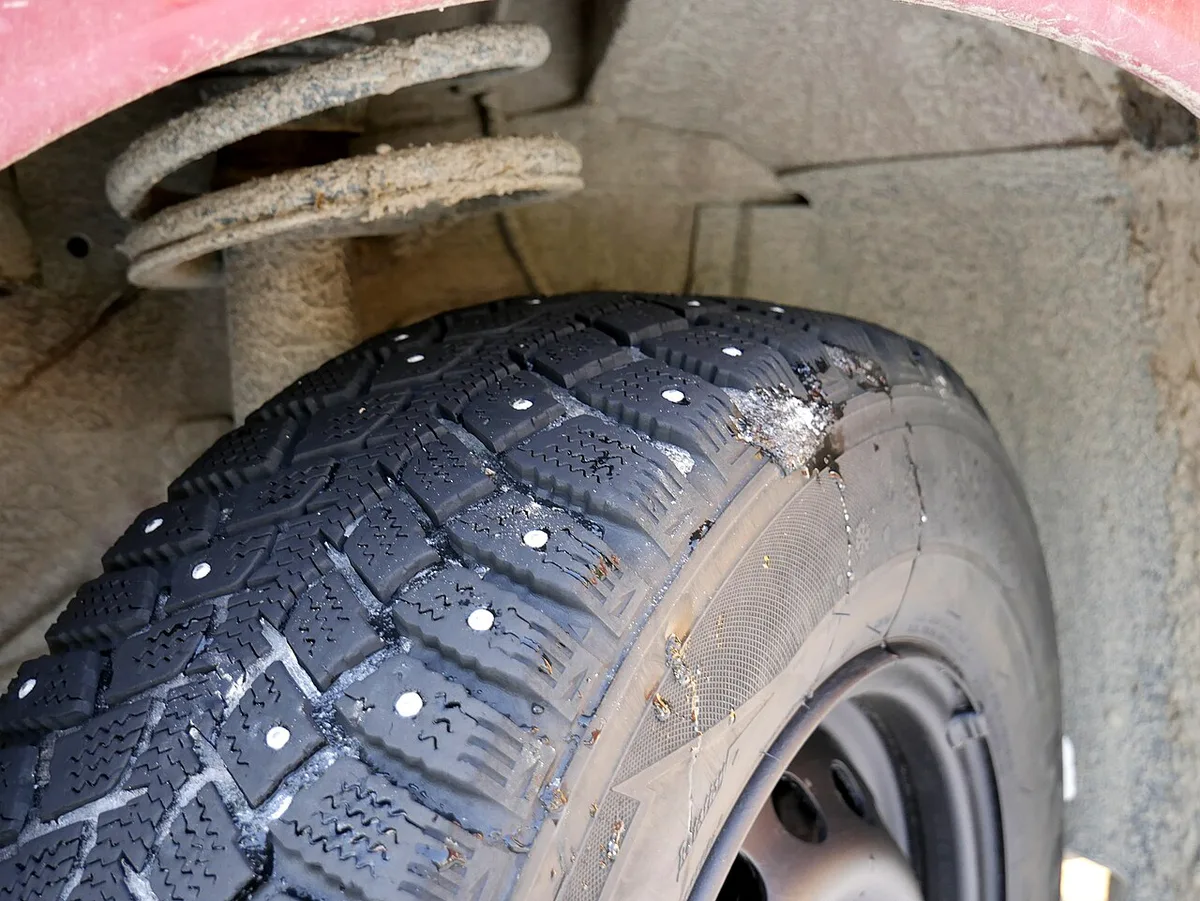
The rule applies to whoever is behind the wheel. Winter tyres may be included, optional or a surcharge, depending on the rental company, so ask before you book. Our guide to Renting a Car in Germany: Rules, Insurance, Costs covers the booking steps. At pickup, read the sidewall yourself rather than trusting the booking summary. If you drive in from another country, your tyres must still meet the Alpine-symbol test once conditions turn wintry.
- Ask whether the car has winter or Alpine-marked all-season tyres.
- Ask whether snow chains are available and what they cost.
- Ask whether taking the car across a border is allowed.
- Look for the three-peak mountain symbol on all four tyres.
- Photograph the sidewalls and tread before leaving the lot.
Fines, insurance and liability
The standard fine for driving without suitable tyres in wintry conditions is €60 and 1 point in Flensburg, rising to €80 if you obstruct other traffic. The vehicle's keeper, which for a rental is the rental company, can be fined €75 and 1 point. The fine is not the only cost. ADAC notes that comprehensive cover can be cut for gross negligence, and that after a crash you did not cause, the other driver's insurer can still deduct a share for contributory fault. Treat that as a reason to fit proper tyres, not as legal advice. For wider road-law context, see our guide to Speed Limits in Germany: Autobahn, Town & Rural Roads Explained.
A €60 fine and 1 point apply to renters too, because the rule covers whoever is behind the wheel, with no exemption for rentals.
Mountain driving and snow chains
In mountain regions such as the Alps and the Black Forest, signs or police may require snow chains (Schneeketten). Learn how to fit them before you need them. Do not exceed 50 km/h while chains are on. Our guide to German Road Signs Explained: Key Signs Drivers Should Know explains the blue chain sign and wintry-conditions plates. The Autobahn is usually cleared quickly, but side roads in the hills may not be. Plan your route and carry chains if you head uphill near 0°C (32°F).
Any car with chains fitted must stay at or under 50 km/h, so check chain availability at pickup before climbing a pass.
- Check the forecast for your highest pass the evening before.
- Carry chains if your rental allows them.
- Reduce speed to 50 km/h or less with chains fitted.
Tread depth and quick checks

The legal minimum tread depth is 1.6 mm. ADAC recommends at least 4 mm for winter driving and replacing winter tyres after about six years, because the rubber hardens and loses grip in the cold. Keep the legal minimum and the recommendation separate in your head. A tyre can be legal at 2 mm and still perform poorly on snow. A common rule of thumb is to fit winter tyres once temperatures stay below about 7°C (45°F), which is a guideline rather than law.
Mistakes to avoid
Most problems come from assumptions, not from complicated rules. These are the ones that catch visitors. Stickers are a separate matter, and our low-emission zone sticker guide explains them.
- Assuming the rule runs from October to Easter only.
- Trusting an M+S mark alone.
- Leaving tyre checks until pickup day is over.
- Ignoring chain signs in the hills.
- Treating the fine as the only risk.
Frequently Asked Questions
When to change to winter tires?
There is no fixed date, because the rule depends on conditions. Many drivers follow October to Easter. A common rule of thumb is to switch once temperatures stay below about 7°C (45°F).
Do you need winter tyres in Germany?
Yes, in wintry conditions such as ice, snow, slush or frost. The tyres must carry the Alpine symbol. Otherwise the driver faces a €60 fine and 1 point.
Road-rule changes worth knowing
Optional updates to our guides.
You might also like
Continue reading
More guides you'll find useful