Drink Driving Limit in Germany: BAC Rules & Penalties
Germany's blood alcohol limit, stricter rules for new and professional drivers, penalty tiers and what visitors in rental cars need to know.
On this page
Last updated November 2026: the drink driving limit Germany applies to most drivers is 0.05% blood alcohol, which German law writes as 0.5 per mille. Drivers under 21 and those in a probationary period face a stricter rule. Visitors in rental cars follow the same law as residents, and impairment can be punished even below the limit.
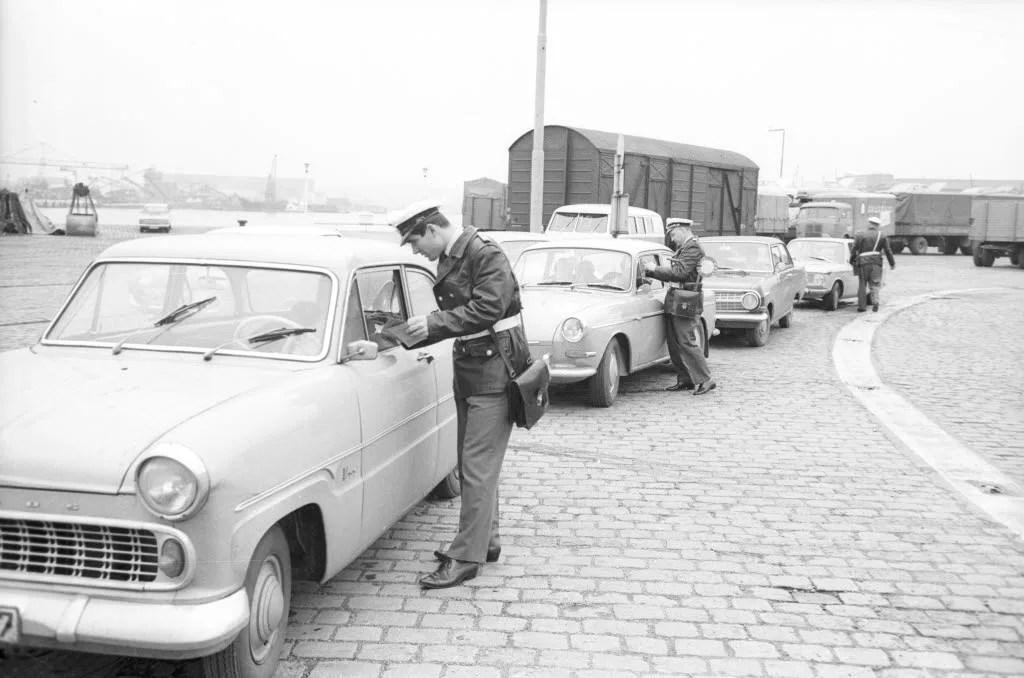
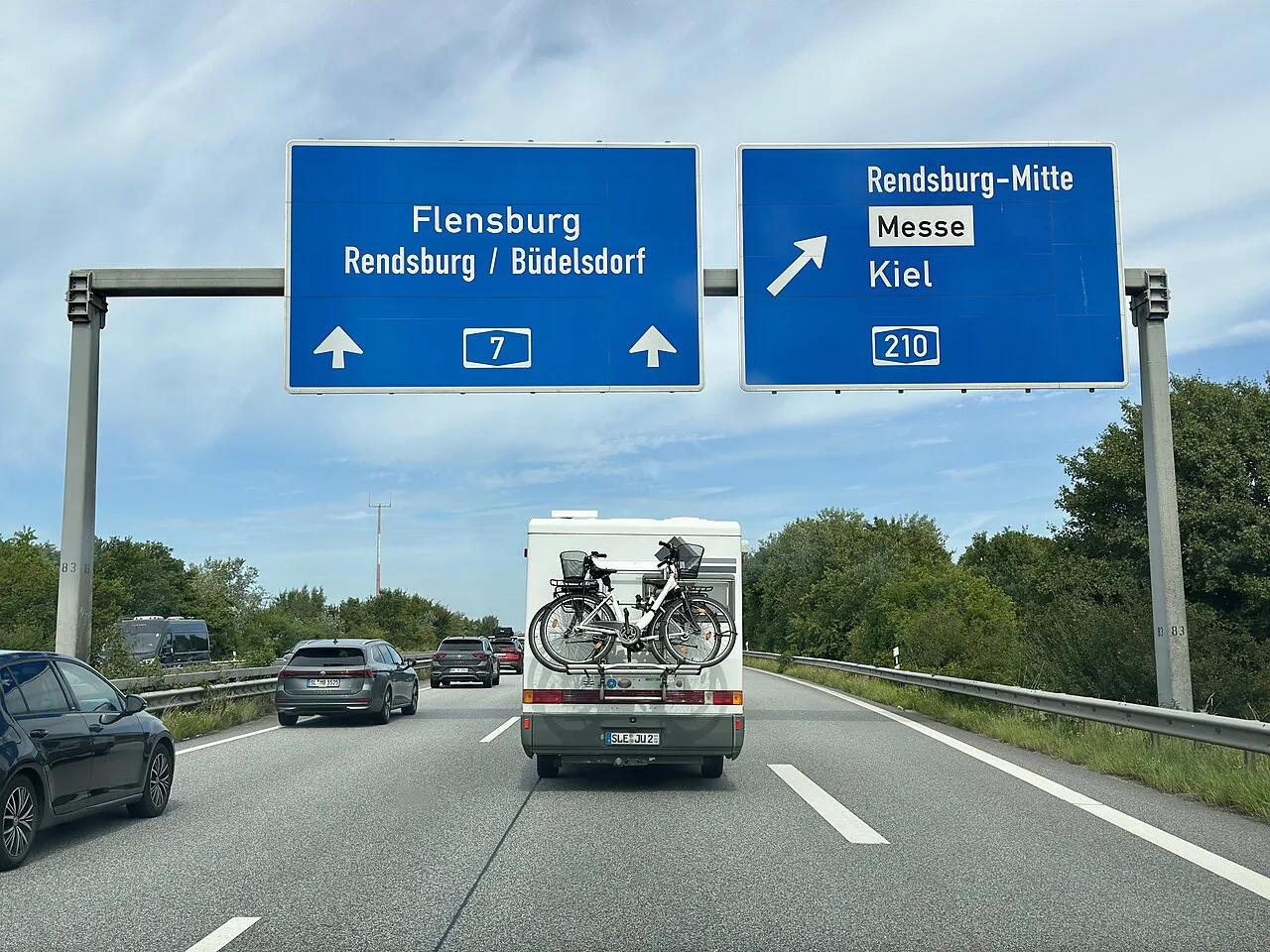
Featured image: Michael Gstettenbauer, CC BY-SA 4.0, via Wikimedia Commons.
Germany's drink-driving limit at a glance
The general limit is 0.05% blood alcohol concentration (BAC), or 0.5 per mille. Germans call it the Promillegrenze, meaning the per-mille limit. Driving above it is an offence. Driving below it is not automatically safe or lawful, because police can act on signs of impairment. Federal road rules are published by the Federal Ministry for Digital and Transport, and the penalty figures below follow the motoring club ADAC's summary of the alcohol rules. This guide is general information, not legal advice. Our pillar guide to 7 Rules for Driving in Germany: License, Autobahn, Sticker covers the wider rules of the road.
Who the drink-driving limit applies to
One number does not fit every driver. Age, licence experience and the kind of driving you do all change the rule.
Anyone under 21 should plan on zero alcohol, which makes a designated driver from the group the simplest plan.
- General drivers: 0.05% BAC (0.5 per mille).
- Drivers under 21 and drivers in a probationary period: a zero limit (0.0 per mille). A first offence by an under-21 driver costs €250 and 1 point, and probationary drivers must take a remedial course and have their probation extended to four years.
- Bus and taxi drivers carrying passengers: also held to zero alcohol, with fines of up to €10,000. Employers in goods transport often set a zero-alcohol policy too.
- Cyclists: riding is a criminal offence from 1.6 per mille, or from 0.3 per mille with signs of impairment or a crash.
Penalties by blood-alcohol tier
German law splits drink driving into administrative offences and criminal offences. The table shows the standard penalties, with repeat-offence figures for the 0.05% tier.
At 0.11% and above the offence turns criminal, yet rental agreements can make you liable for damage once you exceed the 0.05% limit.
| BAC level | Legal category | Typical penalty types | Licence impact |
|---|---|---|---|
| Below 0.05%, no signs of impairment | Generally no offence for standard drivers | None for standard drivers | None, but novice and under-21 drivers are treated differently |
| 0.03% to 0.109% with signs of impairment or a crash | Criminal offence | Criminal fine or imprisonment, plus penalty points | Licence withdrawal possible |
| 0.05% to 0.109% | Administrative offence (Ordnungswidrigkeit) | First offence €500 and 2 points; second €1,000; third €1,500 | Driving ban (Fahrverbot) of 1 month, or 3 months for a repeat |
| 0.11% and above | Criminal offence, whatever your driving | Criminal fine set in daily rates, or imprisonment, plus 3 points | Licence withdrawn, usually for at least 6 months; medical-psychological exam (MPU) mandatory from 0.16% |
| Any level with signs of impairment or a crash | Can be criminal | Criminal charges possible | Licence withdrawal possible |
When you can be penalised below the limit
Staying under 0.05% is no defence if you drive badly. Erratic driving, a crash or visible impairment can lead to criminal liability even at a low BAC. Officers judge your behaviour as well as the breath or blood result. A single beer can matter if it contributes to an accident. Treat the limit as a legal ceiling, not as a safe amount.
Drink-driving rules for tourists and rental-car drivers
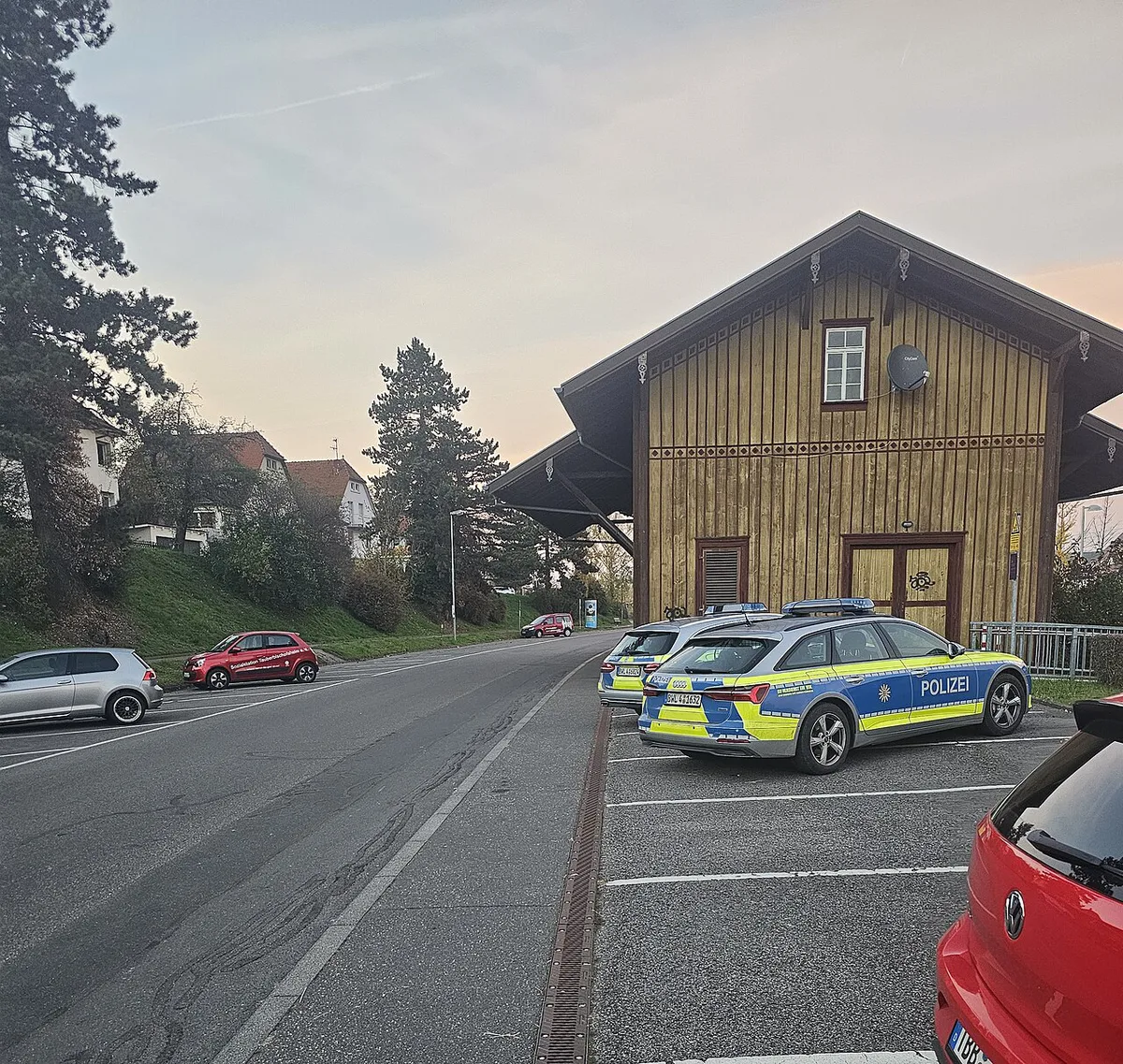
Foreign visitors face the same law as residents. A foreign licence does not exempt you from fines, and authorities can bar you from driving in Germany after a serious offence. Police can also stop you from driving on the spot until you are sober. Rental contracts add a second layer of risk. Many agreements make you liable for damage if you were over the limit, and insurance may refuse to cover it. Read the alcohol clause in your agreement before you collect the car. Our guide to Renting a Car in Germany: Rules, Insurance, Costs covers contracts and insurance. The European Consumer Centre Germany advises travellers on cross-border consumer disputes. US visitors should also read our guide to driving in Germany with a US licence.
Germany vs UK, US and other home limits
Germany's 0.05% is lower than the limit in England, Wales and Northern Ireland. Scotland has used the lower figure since 2014. Most US states use 0.08%, though a few, such as Utah, set a lower limit.
| Place | Limit (BAC per 100 ml blood) |
|---|---|
| Germany | 50 mg (0.05%) |
| England, Wales, Northern Ireland | 80 mg |
| Scotland (since 2014) | 50 mg |
| Most US states | 0.08% |
How to get home safely
Plan the ride home before the first drink. Beer gardens, wine festivals, Oktoberfest and Christmas markets all run late and serve strong drinks. Choose a designated driver, a taxi, a rideshare or public transport. Leave the car at the hotel if you will be drinking. Winter markets add icy roads to the risk, so read our guide to winter tyres in Germany if you drive in December. Fares and service hours vary by city, so check local timetables on the day.
Common mistakes and myths
Most drink-driving cases involve a wrong assumption, not a deliberate choice.
- "I'm under the UK limit, so I'm fine." Germany's 0.05% is lower than the 0.08% in England and Wales.
- "I felt fine." Impairment starts before you feel it, and police rely on measured BAC.
- "I only had one." BAC depends on your body, food, timing and drink strength, so no drink count is safe.
- "It was after dinner." Food slows absorption but does not remove the alcohol.
- "I slept it off." Alcohol can still be in your blood the next morning. Default to not driving.
A quick check before you drive
Use a simple decision rule: if you have been drinking, choose another way home. Germany’s general ceiling is 0.05% BAC, but that is a legal threshold rather than a target. A visitor used to England or Wales may assume that 0.08% is acceptable. It is not the German limit.
Do not drive if you are under 21 or still in your probationary period. The rule for those drivers is effectively zero alcohol. Do not rely on feeling normal after food, coffee or sleep. Alcohol can still be present the following morning.
- Leave the car parked before the first drink.
- Check a taxi, rideshare or local public-transport option before an event ends.
- If there is any doubt, do not drive or ride an e-scooter.
This approach also avoids problems with rental-car insurance and possible restrictions on driving in Germany after an offence.
Road-rule changes worth knowing
Optional updates to our guides.
You might also like
Continue reading
More guides you'll find useful