7 Rules for Driving in Germany: License, Autobahn, Sticker
What visitors need to drive in Germany: license rules, rental, Autobahn speeds, low-emission zones, parking, tolls and fines, in plain terms.
On this page
Last updated November 2026. Driving in Germany works well for visitors who hold a valid license, rent from a clear contract and learn seven rules before pickup. This guide covers the Autobahn, low-emission zones, parking, tolls, winter tires and drink-driving, then links to a full guide on each.
Featured image: Ideophagous, CC BY-SA 4.0, via Wikimedia Commons.
Quick answer: should you drive in Germany?
Driving in Germany suits some trips and wastes others. Three things decide it: your license or permit, the rental and its insurance, and the rules that catch visitors out. Most big-city itineraries run easier by train, because parking is scarce and many city centers need an emissions sticker. Countryside routes reward a car. Use the table to match your trip to a choice.
Garages charging €2.50 to €6 per two hours are one reason city-only trips suit trains.
| Trip type | Best choice | Main cost | Main hassle |
|---|---|---|---|
| City-only trip (Berlin, Munich, Hamburg) | Train and local transit | Rail tickets | Booking ahead for popular routes |
| Multi-city trip | Train, with a car for one leg | Rental fee plus one-way charges | Parking and sticker rules in each city |
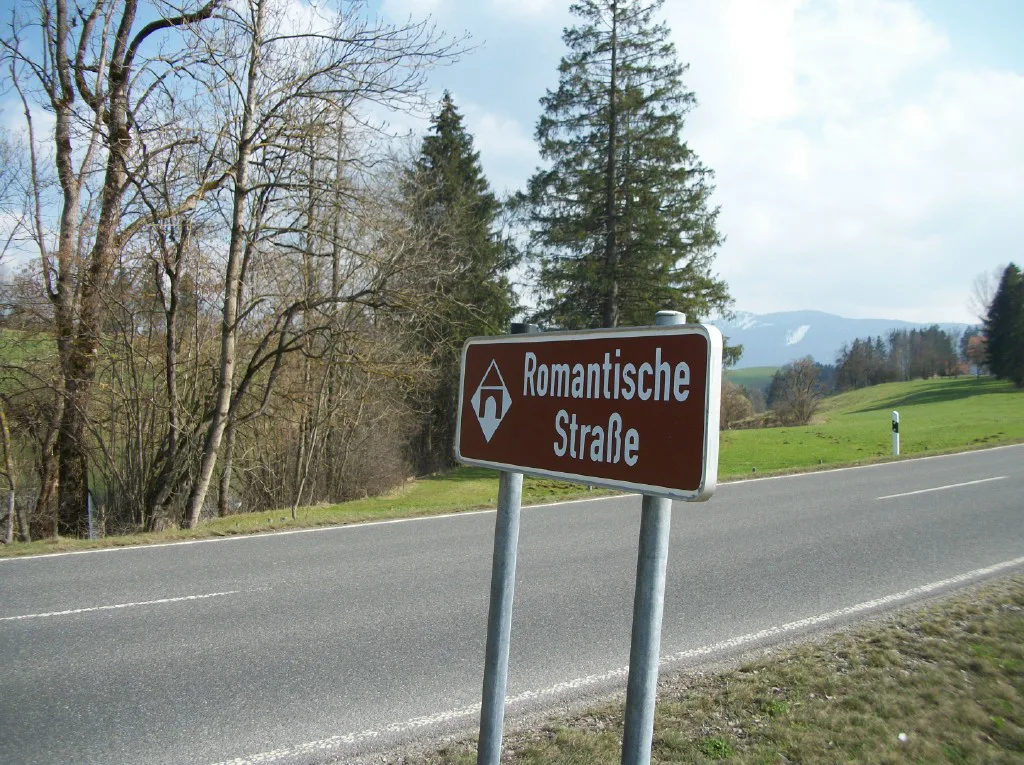
| Black Forest, Bavarian Alps, Romantic Road | Rental car | Rental fee and fuel | Narrow roads and village parking |
| Kids or heavy luggage | Car for the main legs | Rental fee, child seats | Pickup and drop-off logistics |
| Winter travel | Train, or a car with proper winter tires | Winter equipment on the rental | Snow and ice on rural roads |
7 Rules to Know Before Driving in Germany
Prices and hours checked November 2026. Road rules sit in the Road Traffic Regulations (StVO), and the Federal Ministry for Digital and Transport is the national authority behind them. Each item below gives the visitor version and points to a fuller guide.
1. Carry the right license and meet the age rule
The minimum driving age is 18, or 17 when a supervising driver is with you. Third-country licenses, including US ones, stay valid for six months after you take up residence, which covers any normal trip. Our guide to driving in Germany with a US license covers the paperwork in detail.
Whether you need an International Driving Permit depends on the rules of the country that issued your license, so ask your home licensing authority and the rental company. Carry the license every time you drive. Driving without a valid one is a criminal offense, not just a fine.
2. Know what the Autobahn limit really means
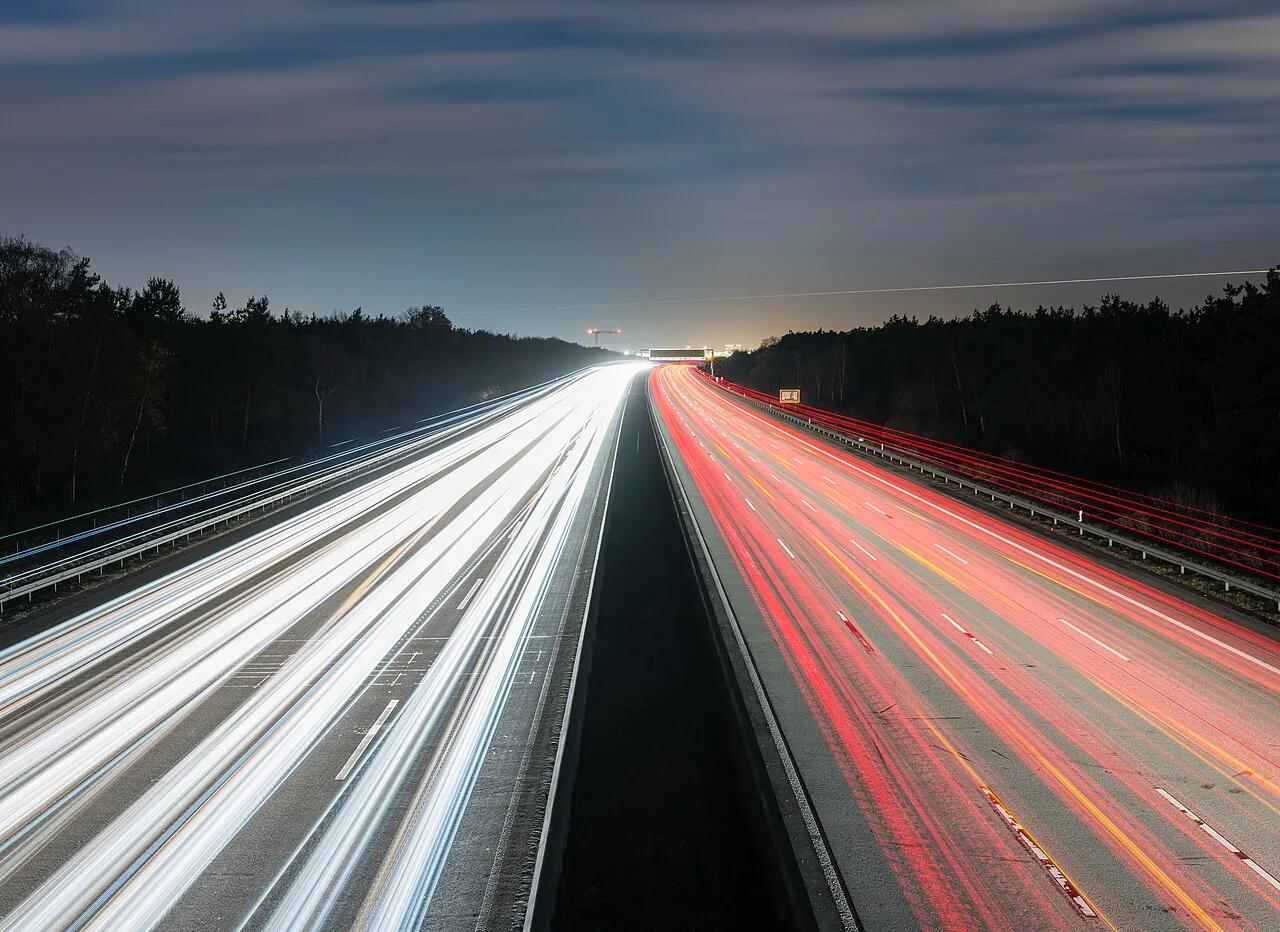
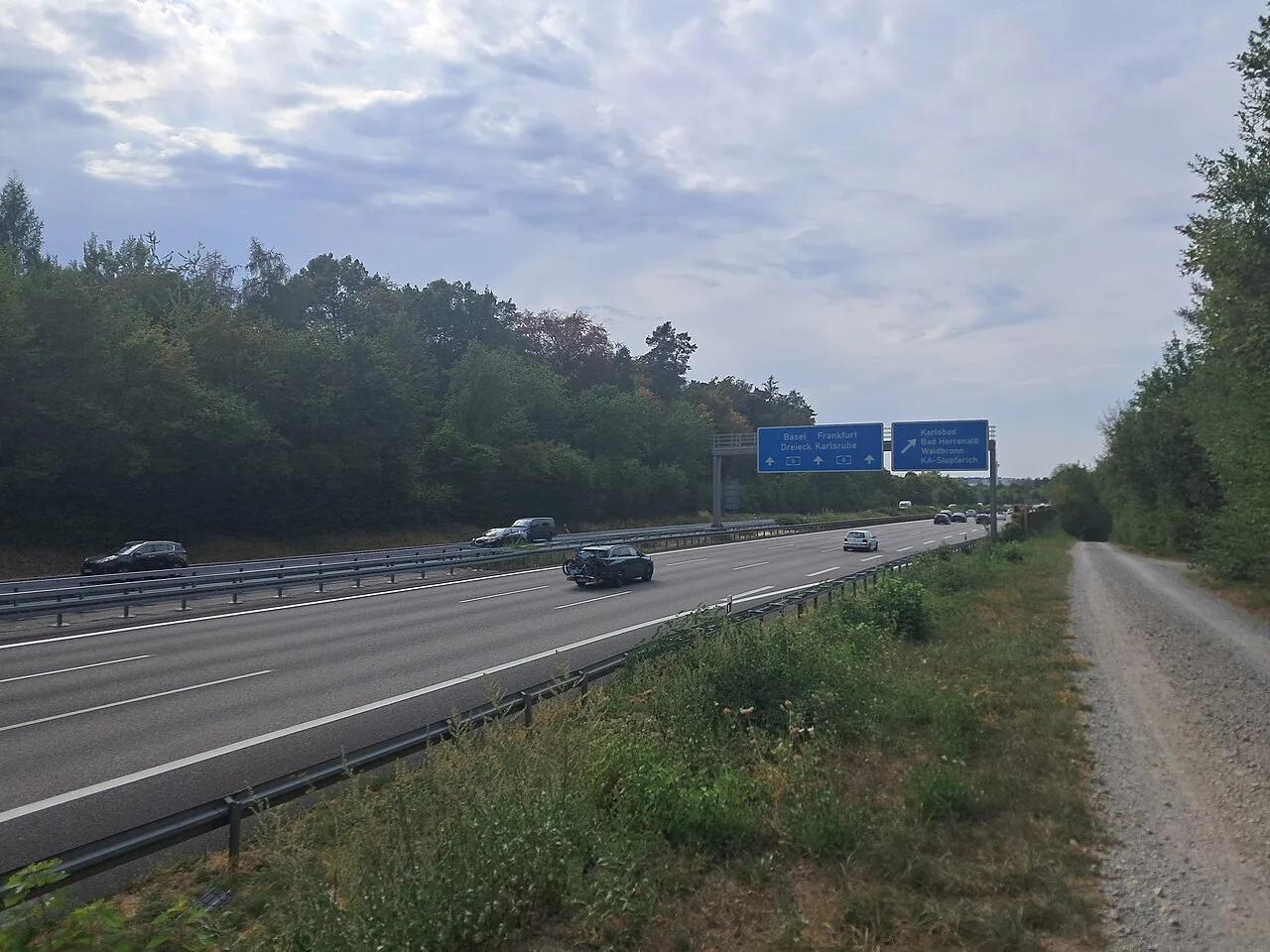
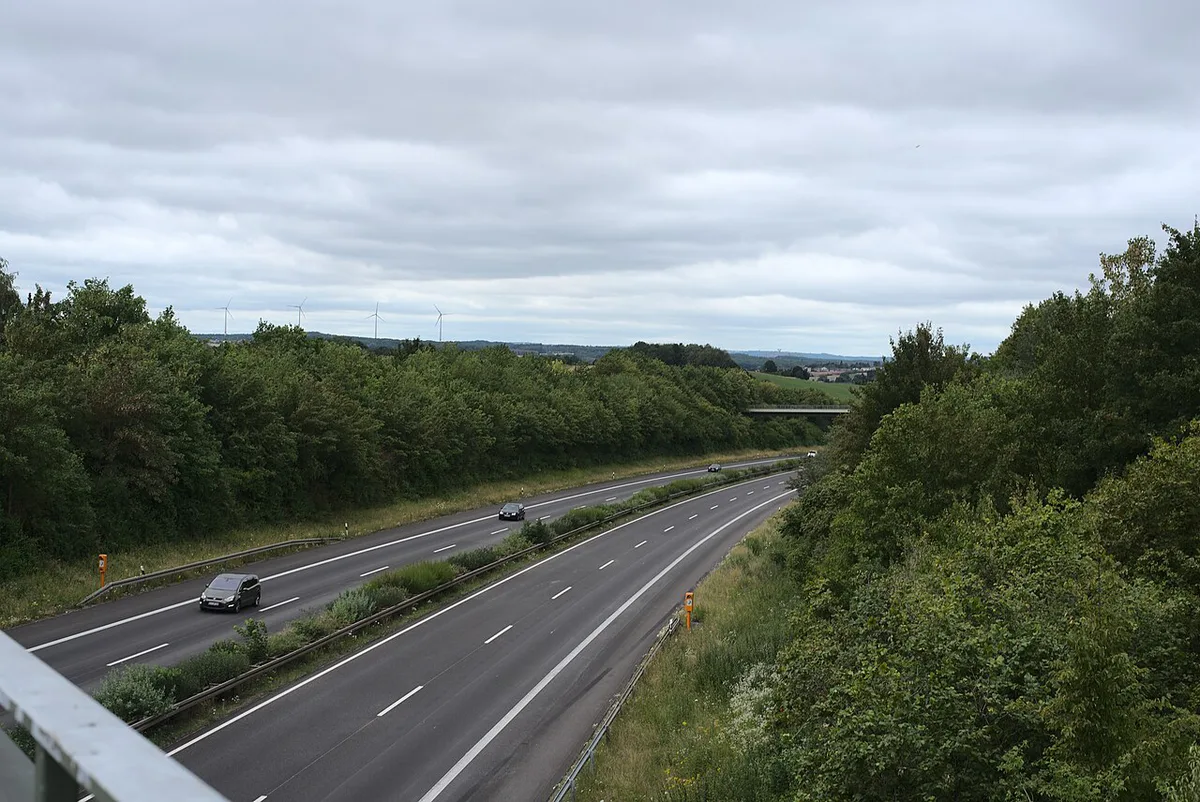
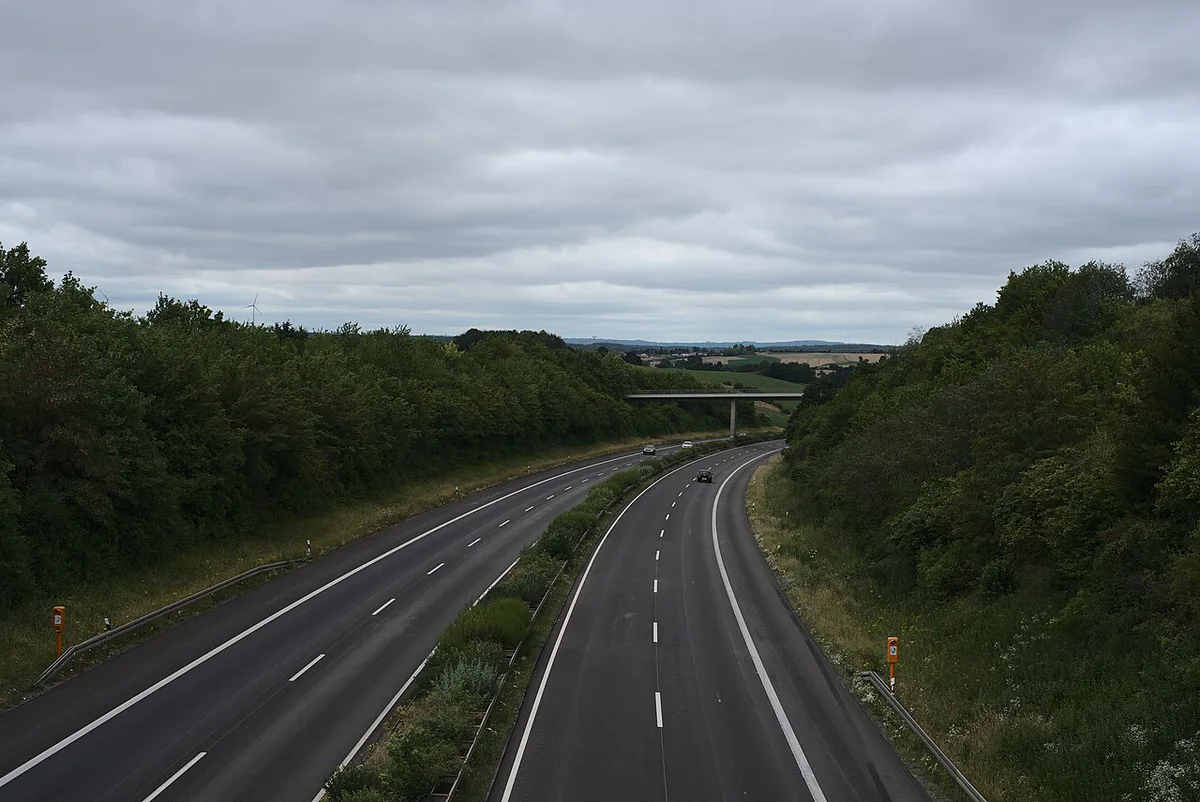
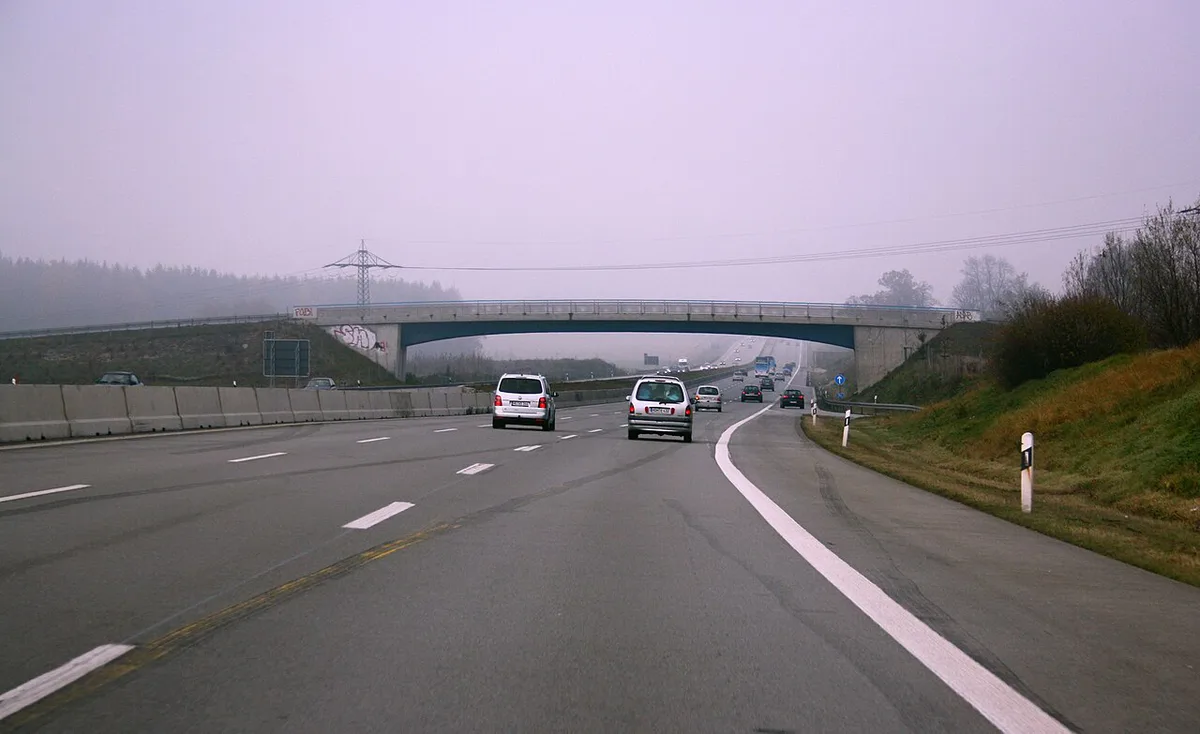
130 km/h (about 81 mph) is a recommended speed, the Richtgeschwindigkeit, on unrestricted Autobahn sections. It is not a legal cap there. Many stretches carry posted limits, and a posted sign always overrides the recommendation. Keep right and overtake only on the left. Fast traffic closes quickly in the left lane.
Our Autobahn driving guide covers lane discipline and service stops. Exact figures for each road type are in Autobahn speed limit rules. Town and country limits are in speed limits across Germany: 50 km/h (31 mph) in towns, 30 km/h (19 mph) in residential streets and 100 km/h (62 mph) on rural roads.
3. Get an Umweltplakette for low-emission zones
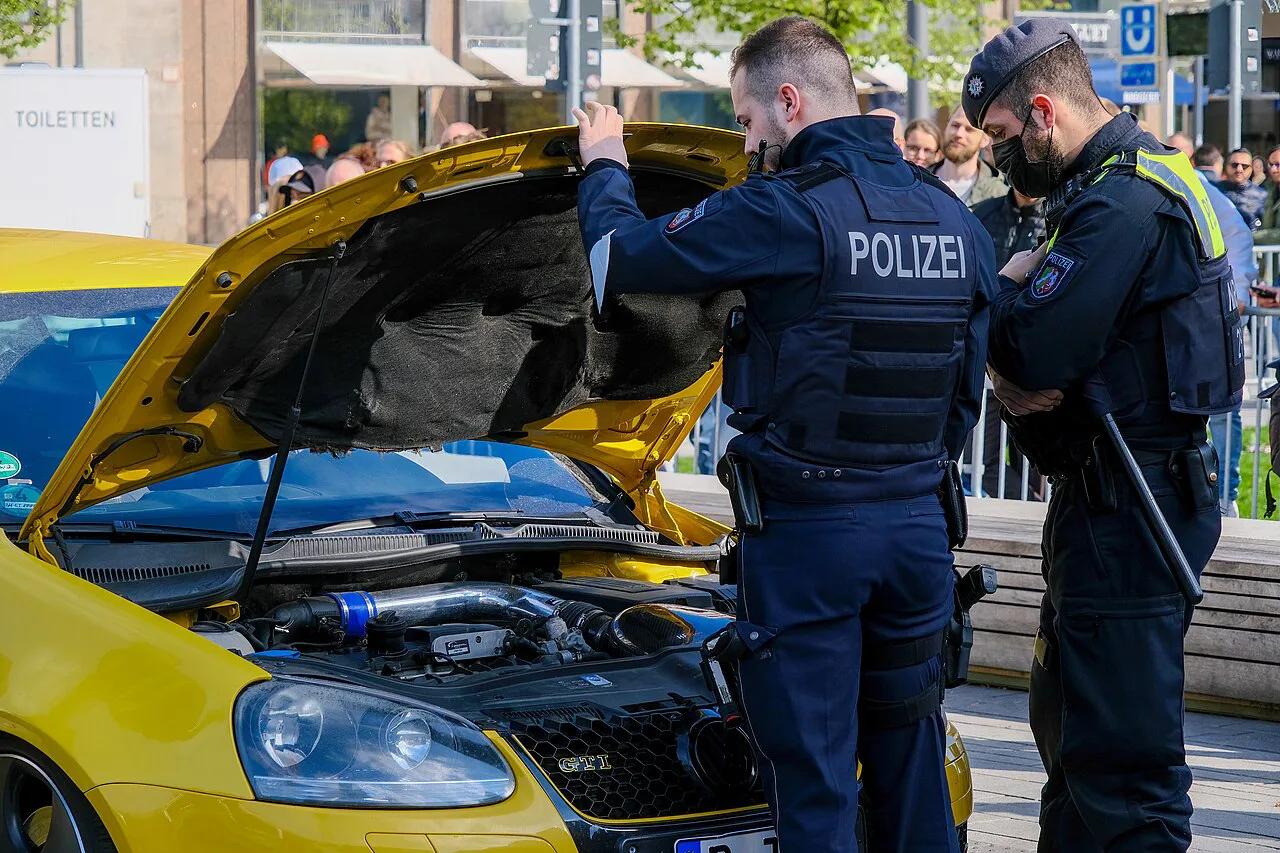
Many German cities restrict central districts to cars with a green sticker, the Umweltplakette. Driving into a zone without one risks a fine, and a foreign plate gives no exemption. Ask your rental desk whether the car already carries a sticker before you leave the lot.
If you drive your own foreign-registered car, order the sticker before arriving. The Federal Environment Agency's zone list shows where it is required. Our Umweltplakette guide lists how zones work in practice. Skip the central districts altogether if your itinerary is city-only.
4. Learn the parking system before you arrive
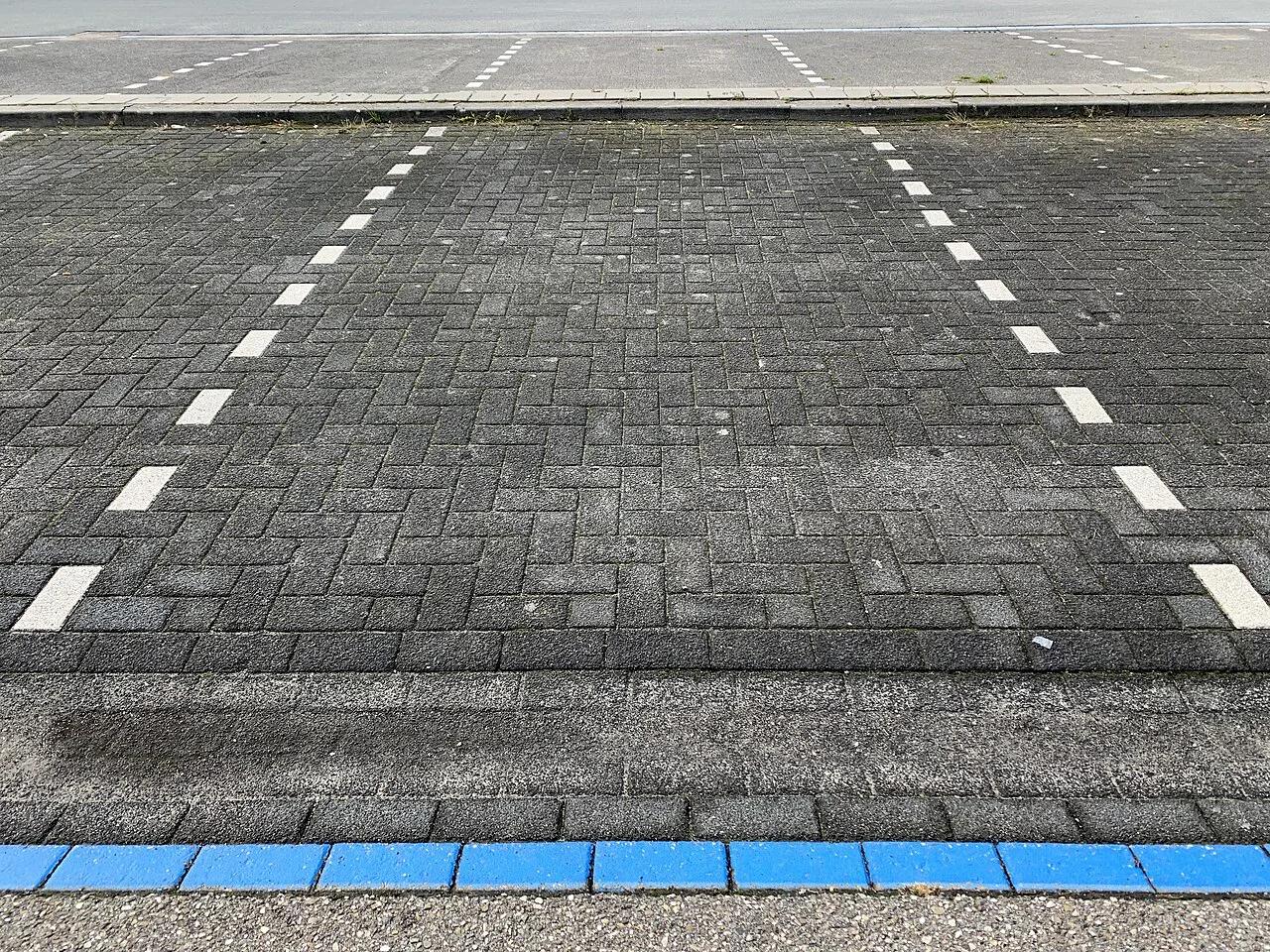
Most city parking is metered or reserved for residents. Signs tell you which applies. Where a sign asks for a Parkscheibe (parking disc), set your arrival time and place it on the dashboard. Gas stations, newsstands and tobacco shops sell them. Street meters typically charge €1 to €2 per hour, and garages typically run €2.50 to €6 per two hours.
Reserved bays exist for electric cars, taxis, families with young children and disabled permit holders, so read the sign before you pull in. Rules differ by city. Munich's city site is one example of local guidance, and our parking in Germany guide covers the common signs.
5. Never assume your rental has winter tires
The rule is winter or all-weather tires when conditions require them. Conditions, not the calendar, trigger it. A rental car may not carry them by default, especially on a short booking. Ask at booking, and get the answer in writing if you travel between late autumn and early spring.
Our winter tire rules explain what counts as a legal tire. Skip mountain routes in the Bavarian Alps during snow if the car has only summer tires.
6. Treat drink-driving as a firm no
The standard blood alcohol limit is 0.5. Drivers under 21 and novice drivers may have no alcohol at all. A first offense typically brings a €500 fine, 2 points and a one-month ban, though the outcome varies by case. Alcohol involved in an accident can lead to far heavier penalties.
Penalty tiers and limits are explained in our drink-driving limit guide. Plan a taxi or train for any evening with beer or wine.
7. Follow priority, seatbelt and safety-kit rules
At junctions without signs, traffic coming from the right has priority. Signs can change this, so read them. Everyone must wear a seatbelt, and a car cannot carry more passengers than it has belts. Children under 12 or under 150 cm need a child seat.
Carry a warning triangle and a first-aid kit. Running a red light costs at least €90, and serious offenses add Flensburg points. Our German road signs guide shows the shapes and colors you will meet most. Phone use while driving is banned unless hands-free.
Renting a car: what to check before you book
Read our guide to renting a car in Germany before you pay. Check the insurance terms, whether the car is manual or automatic, and whether it takes diesel or petrol. Ask about cross-border rules if you plan to enter Austria, Switzerland or France. Pickup at an airport is simpler on arrival, while a city-center pickup saves a day of rental if you spend your first days in town. One-way fees can be steep, so price them before you commit. Return the car with the fuel level in the contract.
| Pre-trip checklist item | What to verify |
|---|---|
| License | Valid license; ask your home authority about an International Driving Permit |
| Rental terms | Insurance, transmission, fuel type, cross-border permission |
| Emissions sticker | Already on the windshield, or ordered ahead |
| Safety kit | Warning triangle, first-aid kit and high-visibility vest in the car |
| Winter equipment | Winter or all-weather tires confirmed in writing |
| Phone | Mount or hands-free setup; handheld use is banned |
Tolls, fuel and running costs
Germany has no tolls for passenger cars on its roads, with two tunnel exceptions. These are the Herrentunnel and the Rostock Warnow Tunnel, which charge a small fee that is usually under €10. Fuel and EV charging are your real running costs, so compare prices at stations away from the Autobahn. Our toll roads in Germany guide covers the details. Last verified November 2026.
Breakdowns and accidents
Switch on your hazard lights and move the car to the side if you can. Place the warning triangle behind the car and put on the high-visibility vest before you leave it. Call 112 for an ambulance and 110 for the police. Stay at the scene until police arrive. Leaving only a note counts as hit-and-run, even after hitting a parked car. A motoring club such as ADAC runs breakdown services, and your rental contract names the number to call.
Scenic drives and the Nürburgring
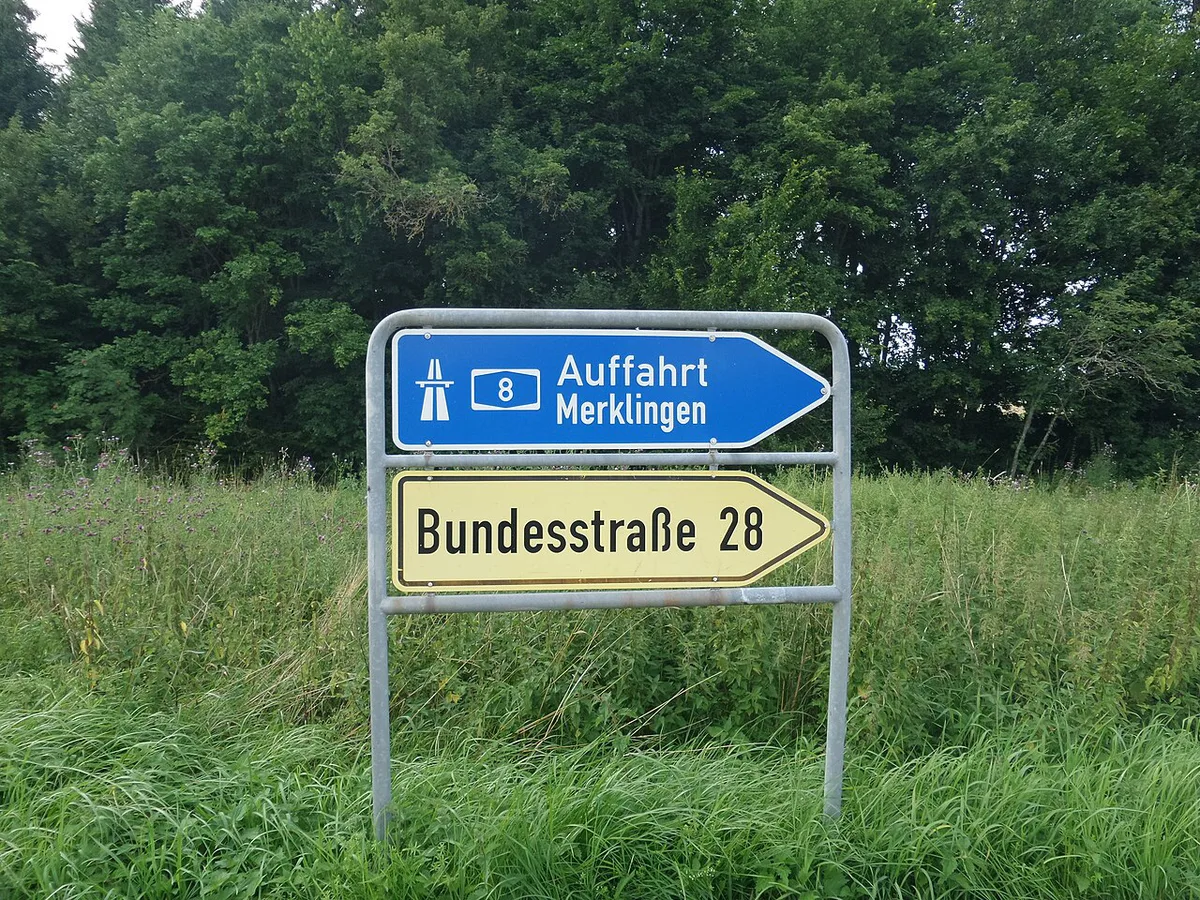
A car pays off on rural routes that trains skip. These four give a sense of the range. The Nürburgring runs public Touristenfahrten sessions, and the official Nürburgring site lists them. Our Nürburgring tourist drives guide explains what to expect.
Rural roads top out at 100 km/h (62 mph), so scenic routes like the Romantic Road are slower than Autobahn driving.
| Route | Region | Why drive it |
|---|---|---|
| Black Forest roads | Baden-Württemberg | Forest villages that rail lines miss |
| Bavarian Alps | Bavaria | Mountain scenery; check winter tire rules first |
| Romantic Road | Bavaria and Baden-Württemberg | Walled towns linked by minor roads |
| Nürburgring Touristenfahrten | Eifel | Public sessions on the famous circuit |
If you're staying longer
Third-country license holders must exchange their license for a German one after six months of residence. Every car must be registered at the local Zulassungsstelle. Cars need an inspection, by TÜV or DEKRA, every two years after the first one at three years. Liability insurance is required by law. Disabled drivers can apply for a Blue Badge, valid across the EU, or an orange permit, valid only in Germany.
Frequently Asked Questions
Does Germany drive on the left?
No. Germany drives on the right and overtakes on the left. At junctions without signs, traffic from the right has priority.
Can Americans drive on the Autobahn?
Yes, with a valid license and a legal rental. Stay right except to overtake. Remember that 130 km/h is a recommendation on unrestricted stretches, and posted limits apply elsewhere.
What are some strict laws in Germany?
Running a red light costs at least €90. Drink-driving brings heavy penalties, and drivers under 21 may have no alcohol. Handheld phone use at the wheel is also banned.
Explore More Guides
Keep planning your trip with these guides.
Guides
- Autobahn Guide
- Autobahn Speed Limit: What Applies and Where
- Speed Limits in Germany: Autobahn, Town & Rural Roads Explained
- Umweltplakette Germany
- German Road Signs Explained
- Renting a Car in Germany: Rules, Insurance, Costs
- Driving in Germany With a US License
- Parking in Germany: Rules, Signs, Discs & Fines (Visitor Guide)
- Toll Roads in Germany: Do Cars Pay? (Visitor Guide)
- Winter Tyres in Germany
- Drink Driving Limit in Germany
- Nürburgring Tourist Drives
Road-rule changes worth knowing
Optional updates to our guides.
You might also like
Continue reading
More guides you'll find useful