Driving in Greece: 8 Things to Know Before You Rent
Planning on driving in Greece? Get 8 essentials: licence and IDP checklist, speed limits, tolls, parking, ferry vs rental on islands, and when not to drive.
On this page
Last updated November 2026: driving in Greece is practical, and it is often the best way to see the mainland and the larger islands. You need the right paperwork, a car that fits the roads and a realistic plan for Athens. Use the tables and the eight points below to decide where to drive and where to skip it.
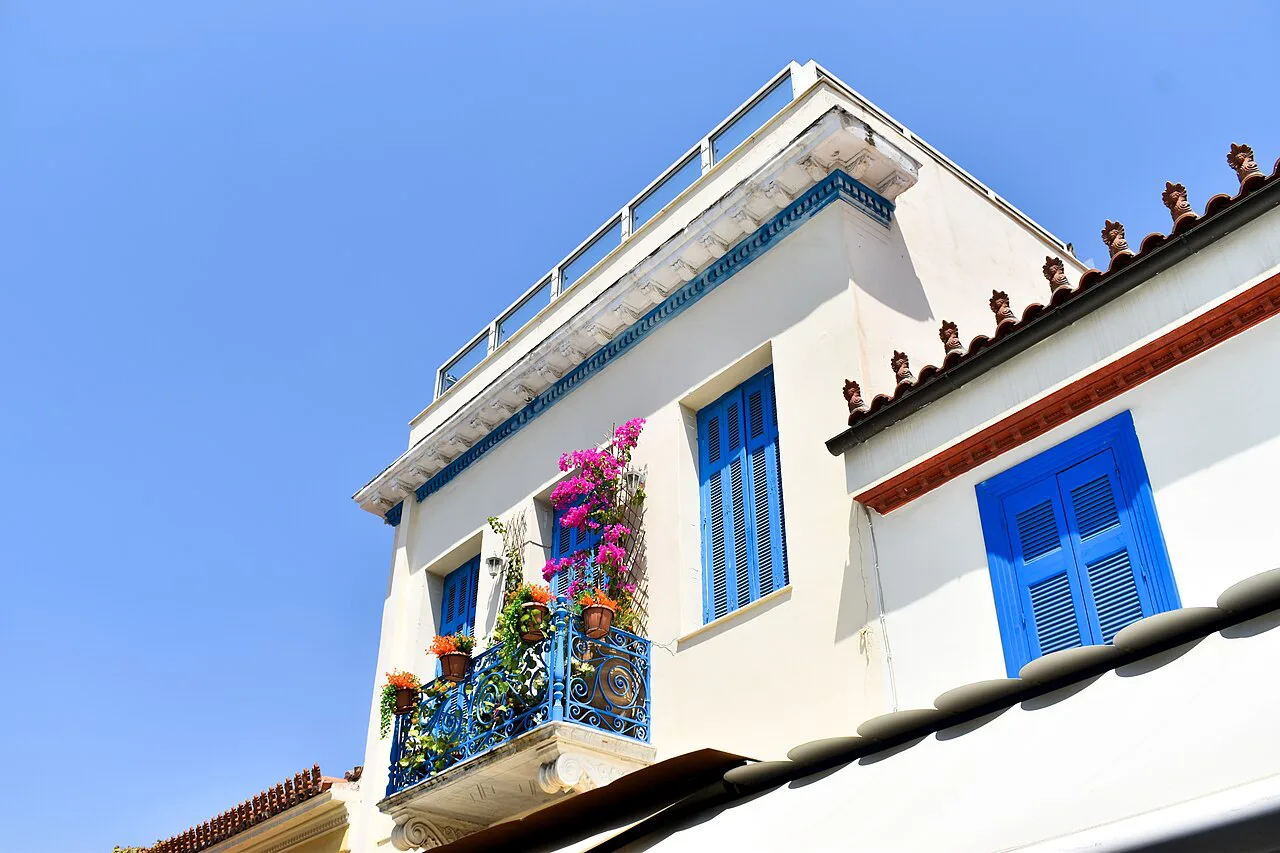
Featured image: GianniM, CC BY-SA 3.0, via Wikimedia Commons.
Quick answer: should you drive in Greece?
Yes, if you are leaving Athens for the Peloponnese, Crete or another large island. Rural roads, beaches and mountain villages are far easier with your own car than with buses. Skip the car for an Athens-only city break, where the metro and taxis beat the hunt for parking. Small-island visitors can often manage with local buses, taxis and a short rental. For wider trip planning, see the official Visit Greece tourism site.
| Trip type | Drive? | Why |
|---|---|---|
| Athens-only city break | Skip | Parking is scarce and public transport covers the main sights. |
| Mainland road trip (Peloponnese, northern Greece) | Drive | Villages, ruins and beaches sit far from train and bus lines. |
| Large island (Crete, Corfu, Rhodes) | Drive | Distances between towns and beaches are long, and buses thin out. |
| Small-island hopper | Mostly skip | Roads are narrow; a short local rental or taxi usually suffices. |
| Nervous driver or night arrival | Wait a day | Pick up the car after you leave Athens, in daylight. |
8 Things to Know Before Driving in Greece
Rules and figures below were checked in November 2026. Each point covers one decision you will face between the rental desk and the return lot.
1. Licence, IDP and paperwork
Bring a valid home licence, your passport and a credit card in the main driver's name. Drivers with non-EU licences, including US and UK holders, should check whether an International Driving Permit is required. The Hellenic Ministry of Transport is the authority for that rule. US licence holders can get a permit from AAA before leaving home.
Rental companies and insurers may add their own terms, and a missing permit can complicate an insurance claim after an accident. EU licence holders can generally use their national licence. Our guide to Renting a Car in Greece: Requirements, Costs & Tips covers deposits and excess in more detail.
2. Core rules and speed limits
Traffic drives on the right, and every occupant must wear a seat belt. Posted limits are the rule, but common defaults are 50 km/h (31 mph) in towns, 110 km/h (68 mph) outside built-up areas and 120 km/h (75 mph) on motorways. The legal alcohol limit is 0.05%, and police run breathalyser checkpoints. Skip alcohol entirely if you are driving.
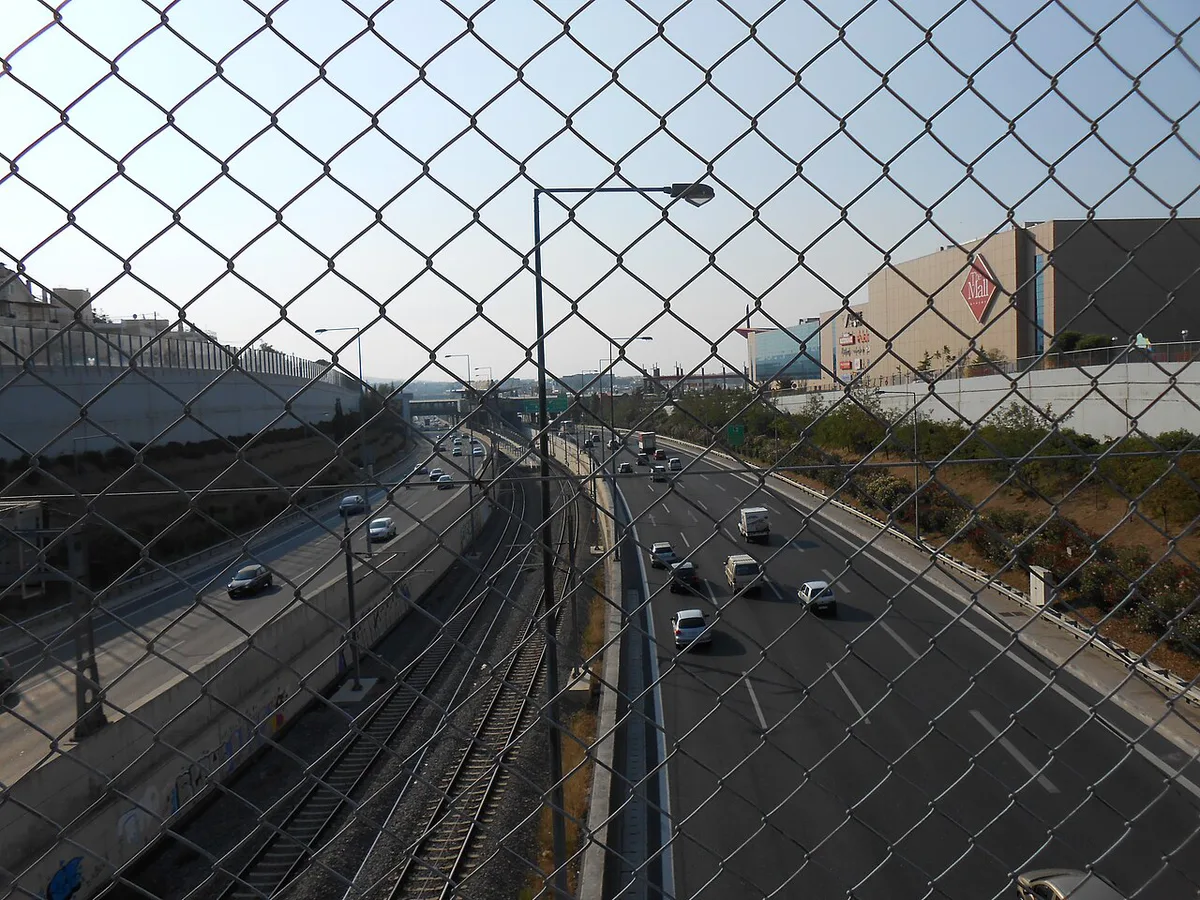
Handheld phone use is illegal, and children under 10 may not sit in the front seat. Traffic already inside a roundabout must give way to traffic entering it. That is the reverse of the UK habit, so approach slowly. Dipped headlights are for poor daytime visibility, and full beams are prohibited in towns.
3. Fines and what happens after a ticket
Police can issue fines but do not collect cash at the roadside. You pay at a Public Treasury office, or through the channel printed on the ticket. Early payment usually earns a discount. Read the ticket for the exact deadline and percentage. Illegal parking can lead to removal of the plates, which is an expensive and slow fix.
Fine amounts change, so read the current schedule from the Greek traffic police before you rely on any figure. Tell your rental company about any ticket straight away, because they receive the paperwork too.
4. Road types and a rule of thumb for each
Motorways and national roads are the easiest driving, and they link Athens with Thessaloniki and the Peloponnese. Many Crete highways are single carriageway with a shoulder. Local drivers often move onto the shoulder so faster traffic can pass, and a quick look at your mirrors helps. Mountain roads have blind curves and some unprotected edges. Use lower gears downhill instead of riding the brakes.
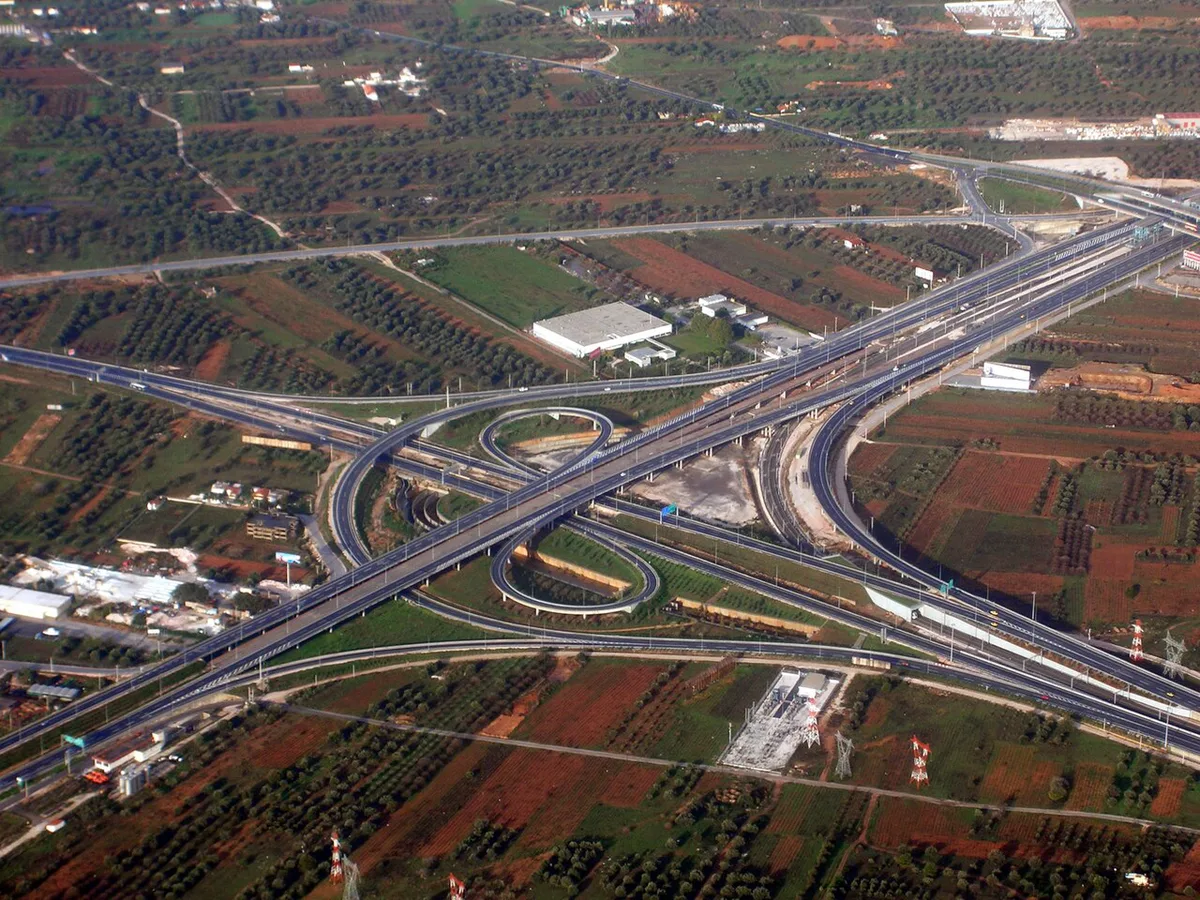
Coastal and island roads are narrow and winding, so allow more time than the map suggests. Village streets can be tight and one-way. Park on the edge of the village and walk in. Avoid unfamiliar mountain roads after dark, when lane discipline and animals on the road make them harder.
5. Tolls, fuel and parking
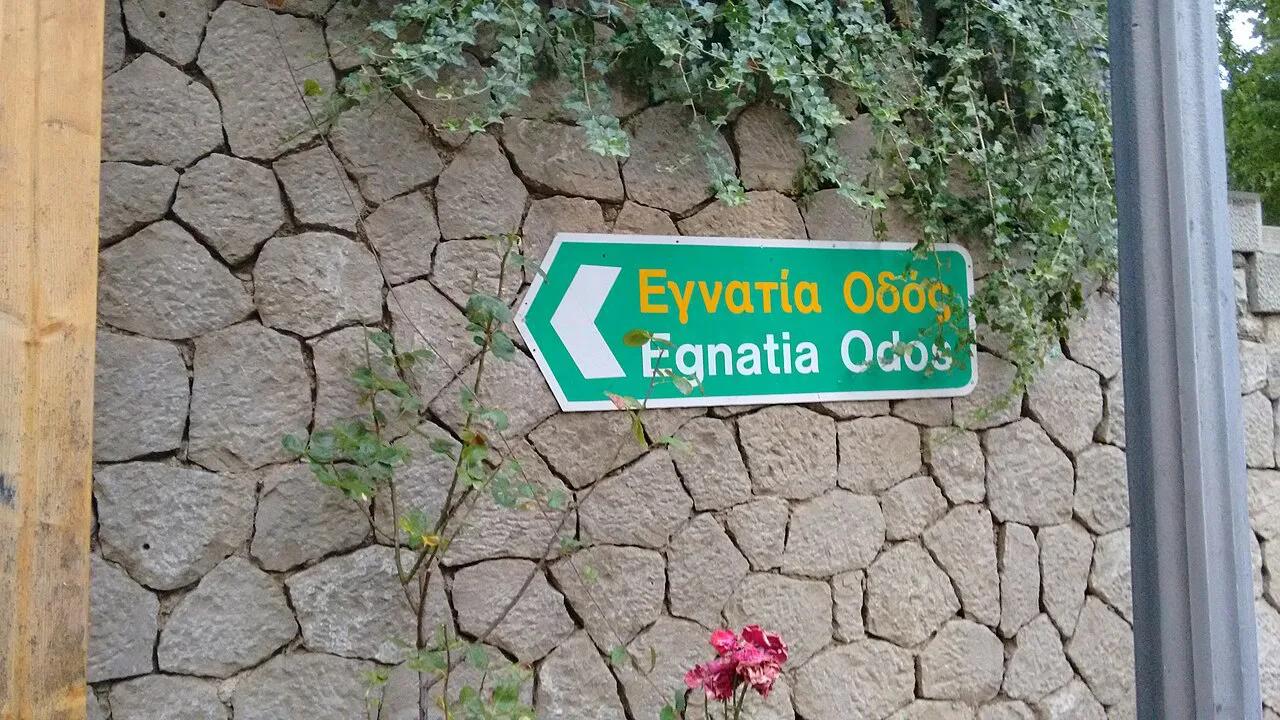
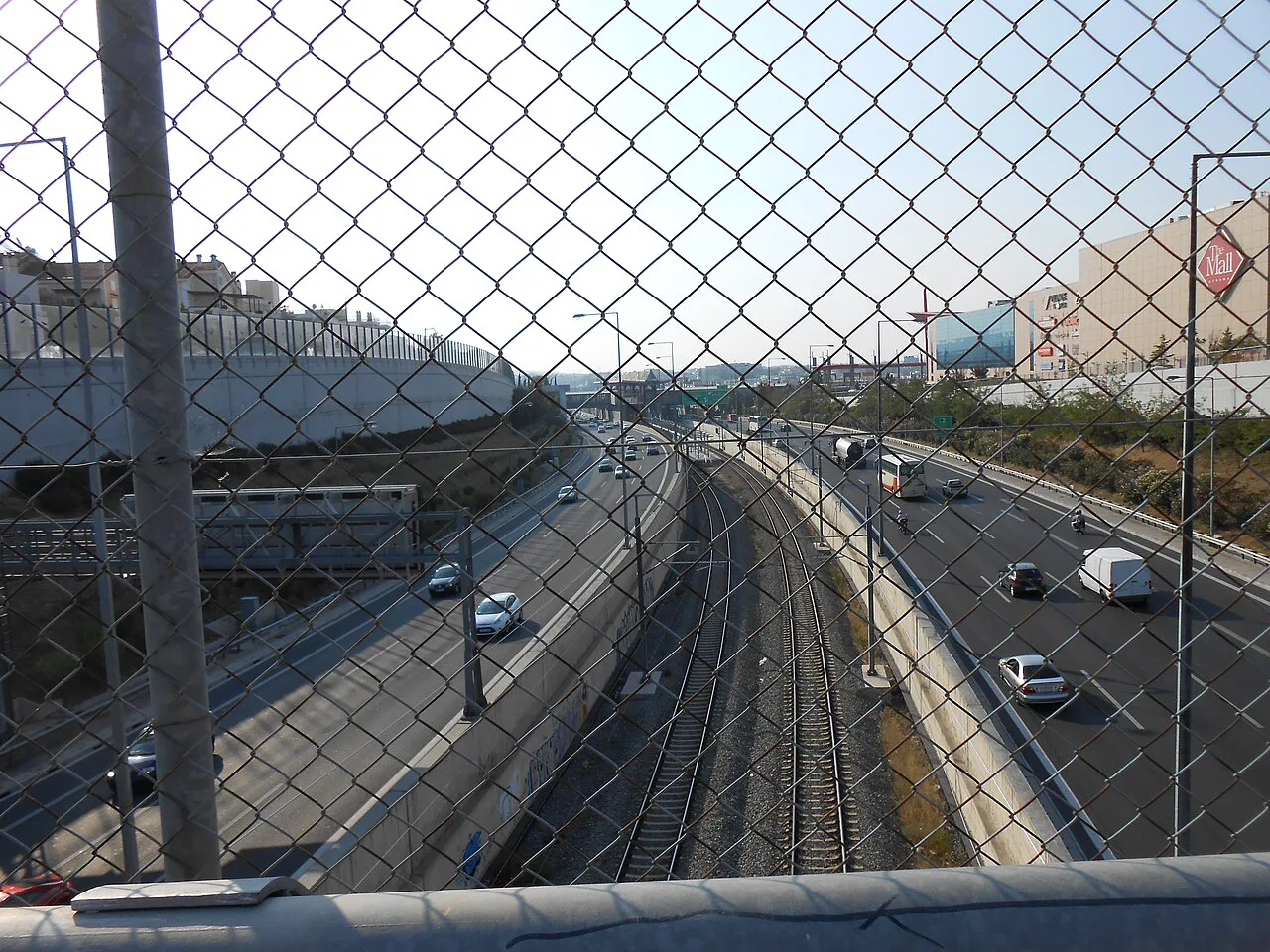
Motorway tolls cover the Athens–Peloponnese and Athens–Thessaloniki corridors, among others. Toll Roads in Greece: Costs, Payment & Transponders explains the network and payment options. Attiki Odos runs the Athens ring motorway, and Egnatia Odos runs the northern east–west route. Both operators publish payment details. Many fuel stations do not take cards, especially in villages. Carry some cash and fill up before long island stretches.
Parking is tight in city centres. Do not park within 3 m (10 ft) of a fire hydrant, 5 m (16 ft) of a junction or 15 m (50 ft) of a public transport stop. Use a car park in Athens instead of the street. Parking in Greece: Rules, Where to Park & What to Avoid sorts out options by place type.
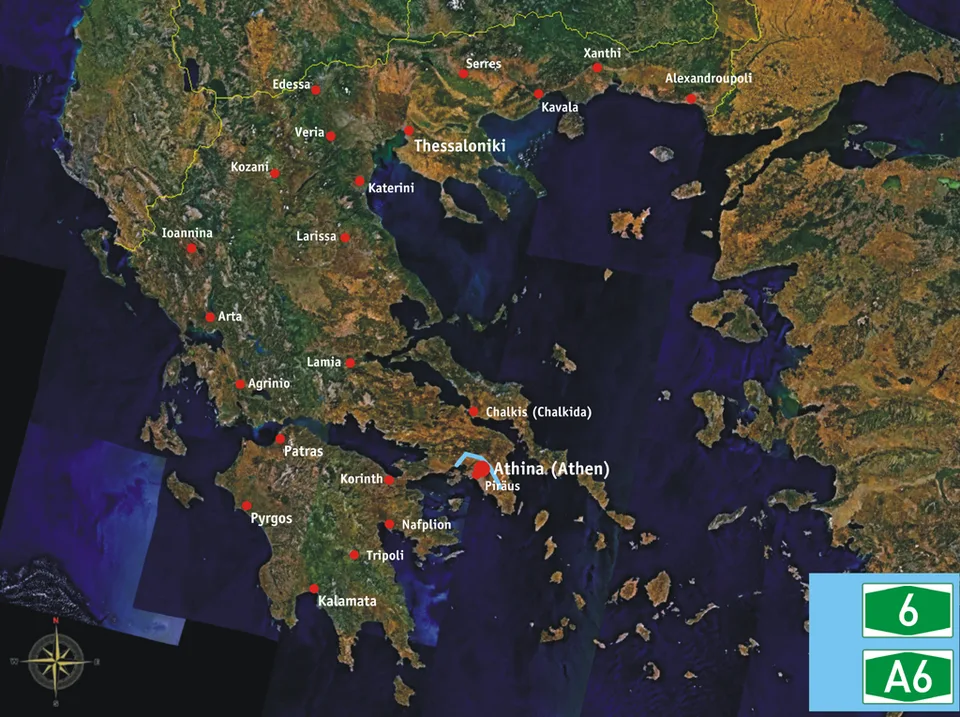
6. Driving in Athens versus the rest of Greece
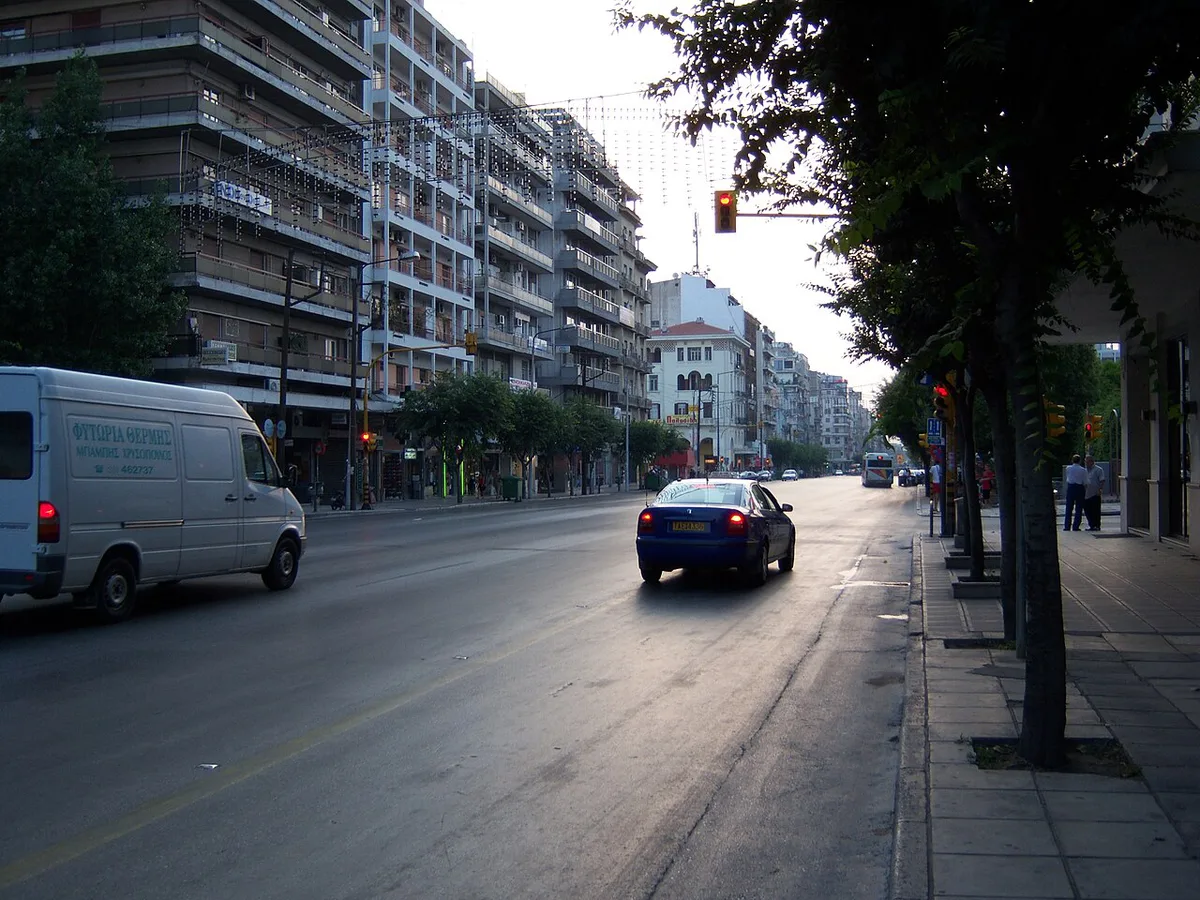
Athens has heavy peak traffic, scarce parking and demonstrations that can close streets, most often near Syntagma Square. Rent on the day you leave the city, not the day you arrive. Many agencies will hand over the car at your hotel or at a depot outside the centre. Leaving on the Friday before a holiday weekend is slow, especially around Easter and early August.
Outside Athens the rhythm slows. Mountain villages, the Peloponnese and the islands reward a relaxed pace. Choose a hotel with parking if you plan day trips by car.
7. Seasons, heat and animals
Summer brings heat, full car parks and traffic peaks on holiday weekends. Check that the air conditioning works before you leave the lot. Winter can bring snow and ice to mountain areas, usually between November and March. Snow chains may be used on snowy roads, with a 50 km/h cap while fitted.
Goats, sheep and dogs appear on rural roads without warning, so slow down on blind bends. Motorbikes and scooters add risk on the islands, where many riders are inexperienced. Leave extra space when passing them.
8. Breakdowns, accidents and emergencies
Dial 112 for police, ambulance, fire brigade or coast guard. The line gives information in English as well as Greek. ELPA provides roadside assistance and is commonly reached on 10400. Keep your rental company's 24-hour number saved as well. Carry the warning triangle and reflective vest that rental cars should include.
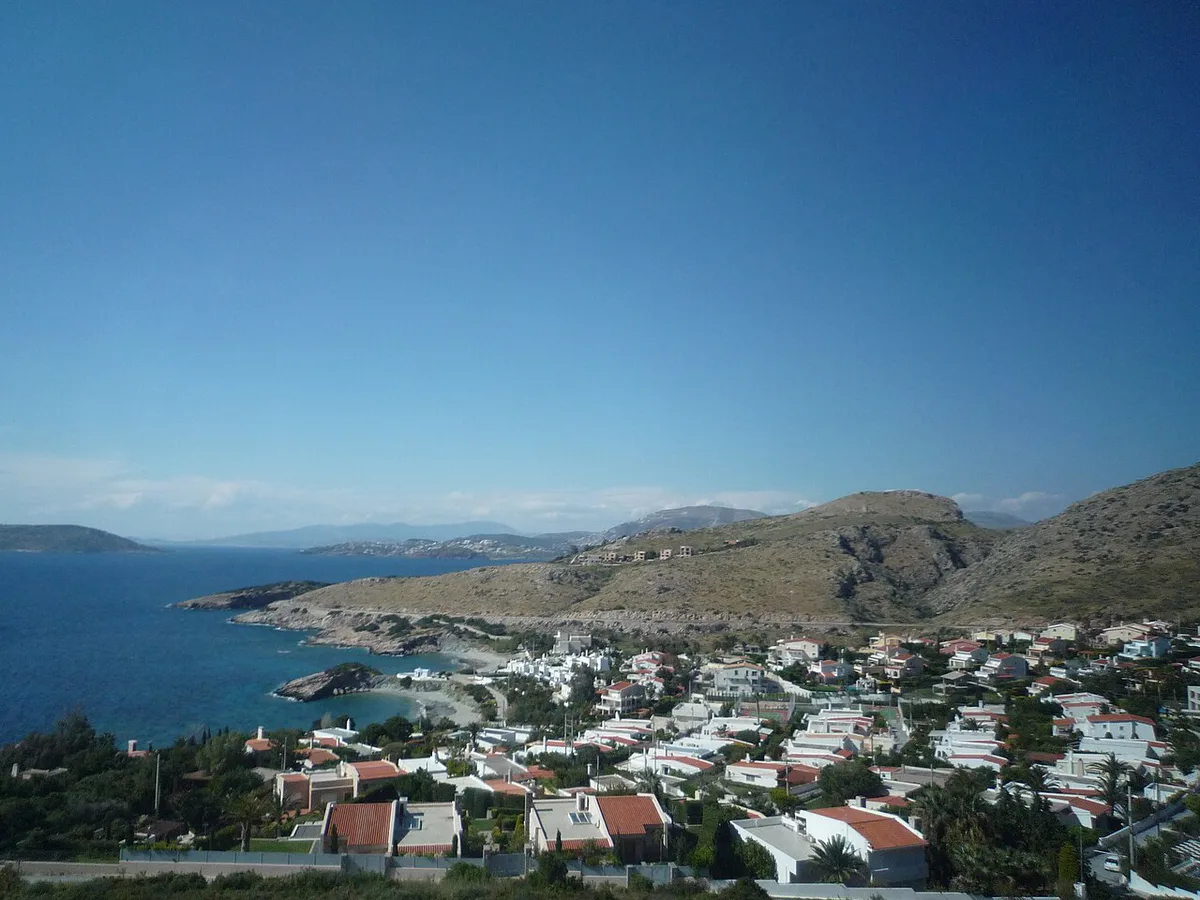
After an accident, photograph the scene, plates, damage and any road signs before the vehicles move, if it is safe. Exchange details and call your rental company before you agree to anything with another party.
Greek driving rules at a glance
Use this table as a quick reminder, and treat posted road signs as the final word. Rules can change, so check the Hellenic Ministry of Transport before a long trip.
| Topic | Typical rule |
|---|---|
| Side of the road | Right |
| Town speed limit | 50 km/h (31 mph) |
| Outside built-up areas | 110 km/h (68 mph) |
| Motorway | 120 km/h (75 mph) |
| Alcohol limit | 0.05% |
| Seat belts | Required for all occupants |
| Roundabouts | Traffic inside gives way to traffic entering |
| Overtaking | Not at bends, crossings, junctions or poor visibility |
Islands: ferry with your car, or rent on arrival?
Renting on each island is usually simpler than moving one car between several ferries. Boarding a ferry means reversing into tight spaces, and peak-season vehicle space can sell out. On Crete, start with Renting a Car in Crete: Insurance, Pickup & Tips and Driving in Crete: Rules, Roads and Tips for Visitors. The Region of Crete site has regional information. For other islands, see car rental in Santorini, car hire in Corfu and car hire in Rhodes.
| Factor | Take your car on the ferry | Rent on each island |
|---|---|---|
| Cost | Vehicle fares add up per leg | Rental days add up per island |
| Flexibility | Same car throughout | New booking and pick-up each time |
| Time | Queuing and loading | Collect at the port or airport |
| Risk | Peak-season space can run out | Peak-season cars can run out |
| Best for | Two or three nearby stops with a large family | Most multi-island trips |
Choosing a rental car by road type
Match the car to the road, not just the budget. Small cars suit narrow village lanes and small islands. A larger car adds comfort on mainland motorways and mountain climbs. Manual cars are the usual default, so book an automatic early if you need one, especially in summer. Photograph every panel at pick-up, test the air conditioning and ask about the excess before you sign.
A compact car makes village parking easier, since you must stay 5 m (16 ft) clear of a junction.
| Where you are driving | Better choice |
|---|---|
| Small islands and old villages | Compact car |
| Larger islands with long coastal roads | Compact or mid-size car |
| Mainland motorways and mountains | Mid-size car or small SUV |
| Family with luggage | Larger car with a boot you can use |
Road-trip ideas to plan next
Three routes show how driving in Greece plays out. Our Greece Road Trip: Routes, Costs & Driving Tips guide links the mainland highlights. Crete rewards a longer loop, covered in the Crete road trip. History fans can follow a Peloponnese route from Athens.
Mistakes to avoid
Most problems are preventable. Run through this list before you collect the keys.
Snow chains cap your speed at 50 km/h while fitted, so leave extra time on snowy mountain climbs.
| Mistake | Better move |
|---|---|
| Collecting a car in central Athens | Pick it up when you leave the city |
| Assuming every fuel station takes cards | Carry some cash |
| Skipping the permit question | Check your licence type and the rental terms |
| Skipping the pre-rental photos | Photograph every panel and test the air conditioning |
| Taking one car across many ferries | Rent per island |
| Driving mountain roads at night | Plan arrivals before dark |
Frequently Asked Questions
Is it difficult for Americans to drive in Greece?
Outside Athens it is manageable for most confident drivers. Narrow mountain and island roads, local overtaking habits and roundabout priority take some adjustment. Start with a small automatic or manual you are comfortable in, and leave extra time.
Is renting a car in Greece a good idea?
Yes, for the mainland and larger islands such as Crete, Corfu and Rhodes. It is less useful for an Athens-only stay. Read our guide to renting a car in Greece before you book.
Explore More Guides
Keep planning your trip with these guides.
Guides
- Renting a Car in Greece: Requirements, Costs & Tips
- Renting a Car in Crete: Insurance, Pickup & Tips
- Driving in Crete: Rules, Roads and Tips for Visitors
- Car Rental in Santorini
- Car Hire in Corfu
- Car Hire Rhodes: Pickup, Costs & Driving Tips
- Toll Roads in Greece: Costs, Payment & Transponders
- Parking in Greece: Rules, Where to Park & What to Avoid
- Greece Road Trip: Routes, Costs & Driving Tips
- Crete Road Trip: 3-, 5- and 7-Day Routes and Drive Times
- Peloponnese Road Trip: Routes, Days & Driving Tips
Road-rule changes worth knowing
Optional updates to our guides.
You might also like


Continue reading
More guides you'll find useful