
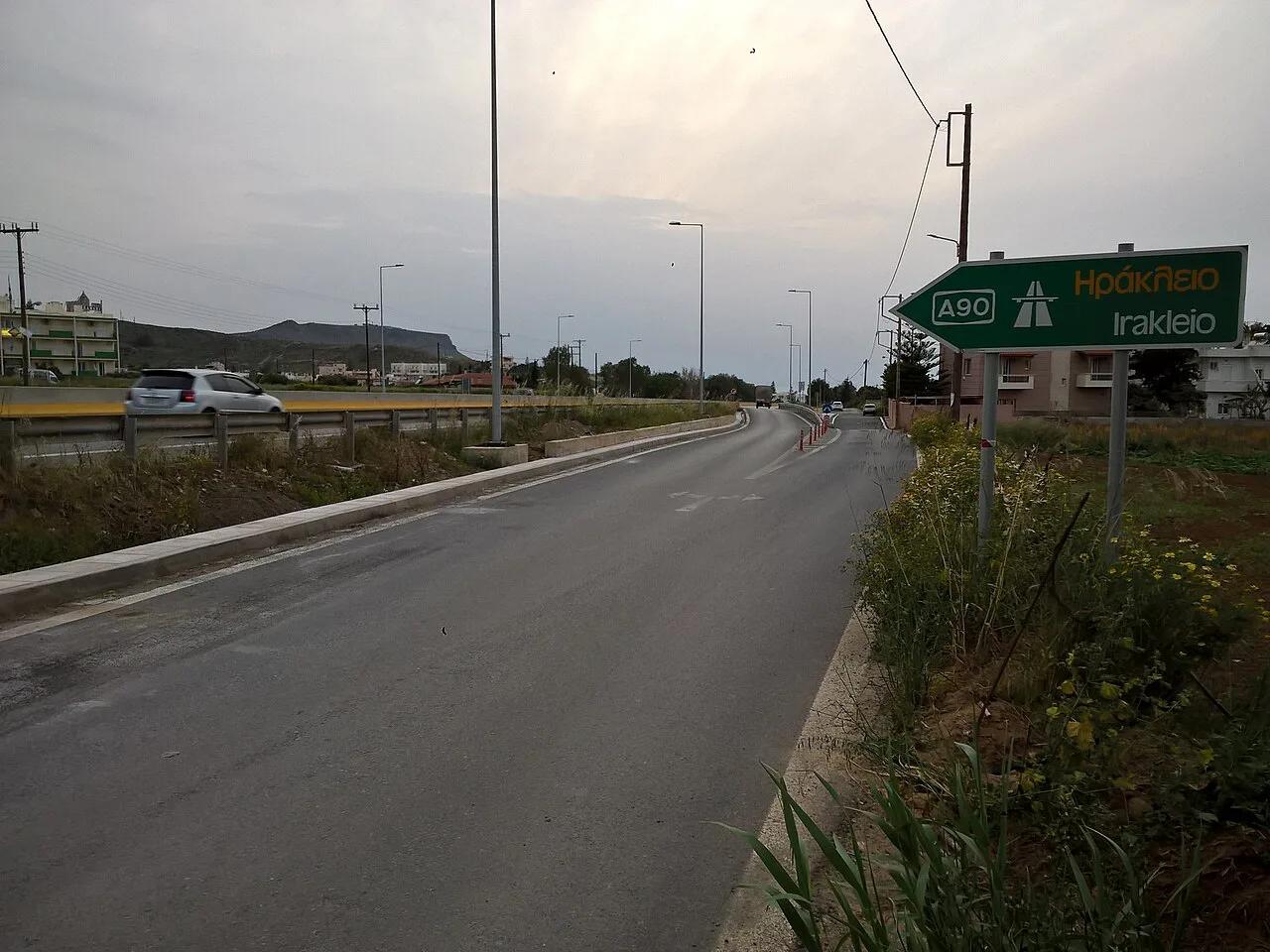
Driving in Crete: Rules, Roads and Tips for Visitors
Is driving in Crete worth it? Road types, rules, parking, seasonal conditions and when to skip the car, with practical tips for first-time visitors.
On this page
Last updated November 2026: driving in Crete is the most flexible way to see the island, but road type and season change the effort a lot. Highway stretches along the north coast are easy, while mountain, gorge and beach-track roads demand time and patience. Take the car if you plan to leave the main towns.
Featured image: Chatev, CC BY-SA 4.0, via Wikimedia Commons.
Driving in Crete: Is It Worth It?
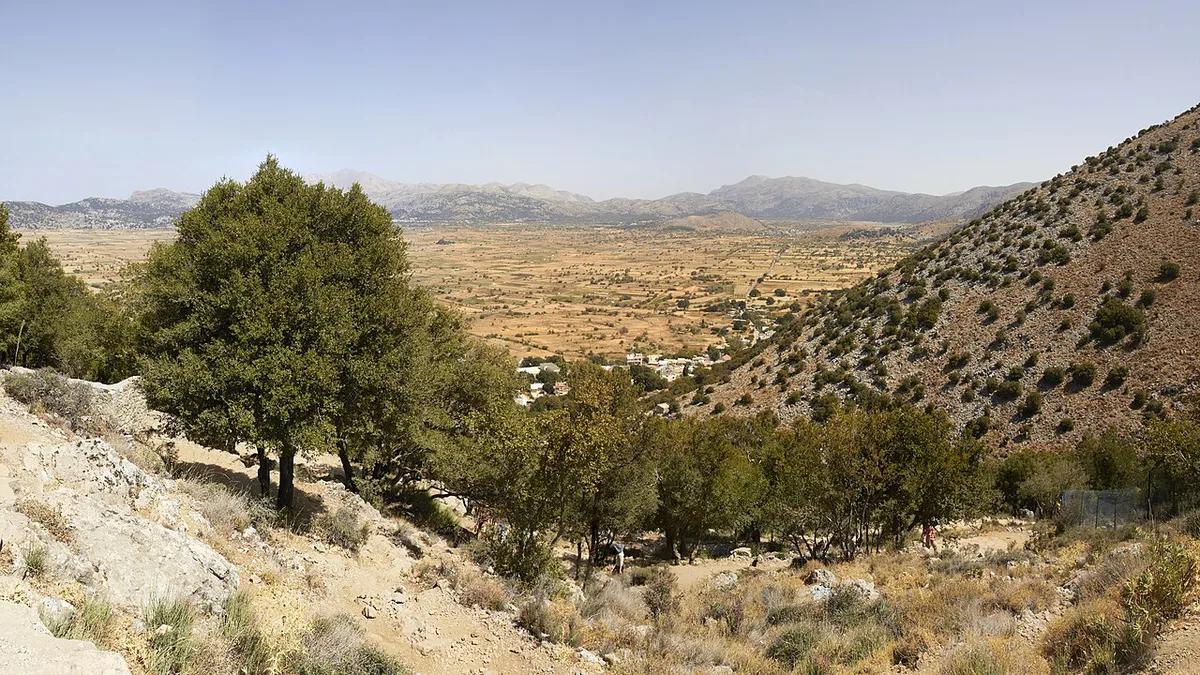
Yes, for most visitors who want more than one base. A car reaches south-coast beaches, mountain villages and gorge trailheads that buses serve poorly. Greece-wide rules sit in our guide to driving in Greece. Here we cover what is specific to the island. Hiring a car is a poor fit in a few situations, listed below.
- Drive if you want to sleep in more than one region, such as Chania one week and Lasithi the next.
- Drive if your plans include south-coast beaches, Elafonissi or inland villages.
- Skip the car if you are nervous on narrow mountain roads with sharp bends.
- Skip the car if you are staying only in Heraklion for a short city break.
- Skip the car if your whole trip is Heraklion plus Knossos, which a bus or taxi handles easily.
Road Types and What to Expect
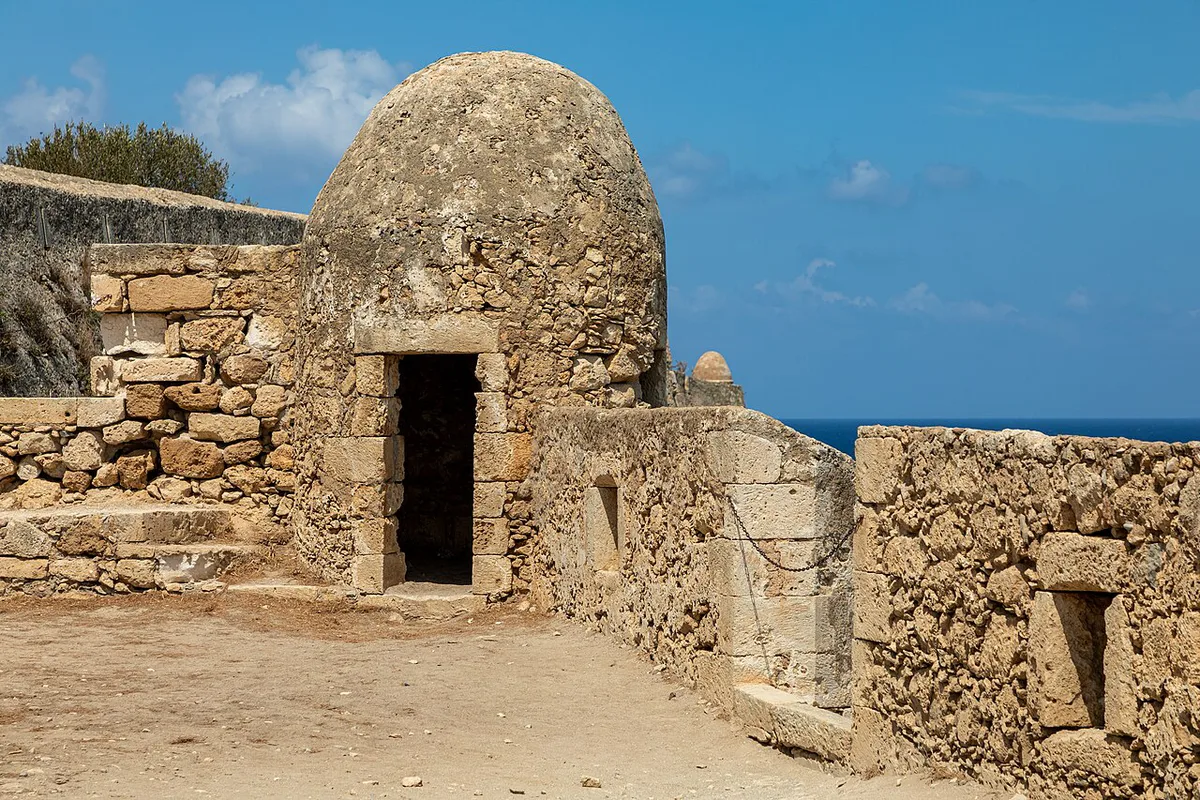
Crete's main corridor is the north-coast National Road. It links Chania, Rethymno, Heraklion and Agios Nikolaos, and most visitors use it for every long leg. Road standard varies by section, so expect fast dual-carriageway stretches in places and slower single-lane sections elsewhere. Mountain roads cross the island to the south coast. They are narrow, twisty and often lack barriers, so allow far more time than the map distance suggests. Gorge and coastal roads add sharp bends and blind corners. Unpaved tracks lead to many beaches, and rental agreements often limit or exclude them. Lasithi's inland roads are slower than the coast road. Plan accordingly.
| Leg | Road type | What to plan for |
|---|---|---|
| Heraklion to Chania | North-coast National Road | Easiest long leg; the main route between the two cities |
| Heraklion to Elounda | National Road toward Agios Nikolaos, then local roads | Final stretch is slower and narrower; add buffer |
| Chania to Elafonissi | Rural and mountain roads | Slow bends; much longer in practice than the map suggests |
| North coast to south coast | Cross-island mountain roads | Hairpins, livestock and few fuel stops |
| Gorge trailheads | Narrow access roads | Limited parking; arrive early |
Rules, Speed Limits and Documents
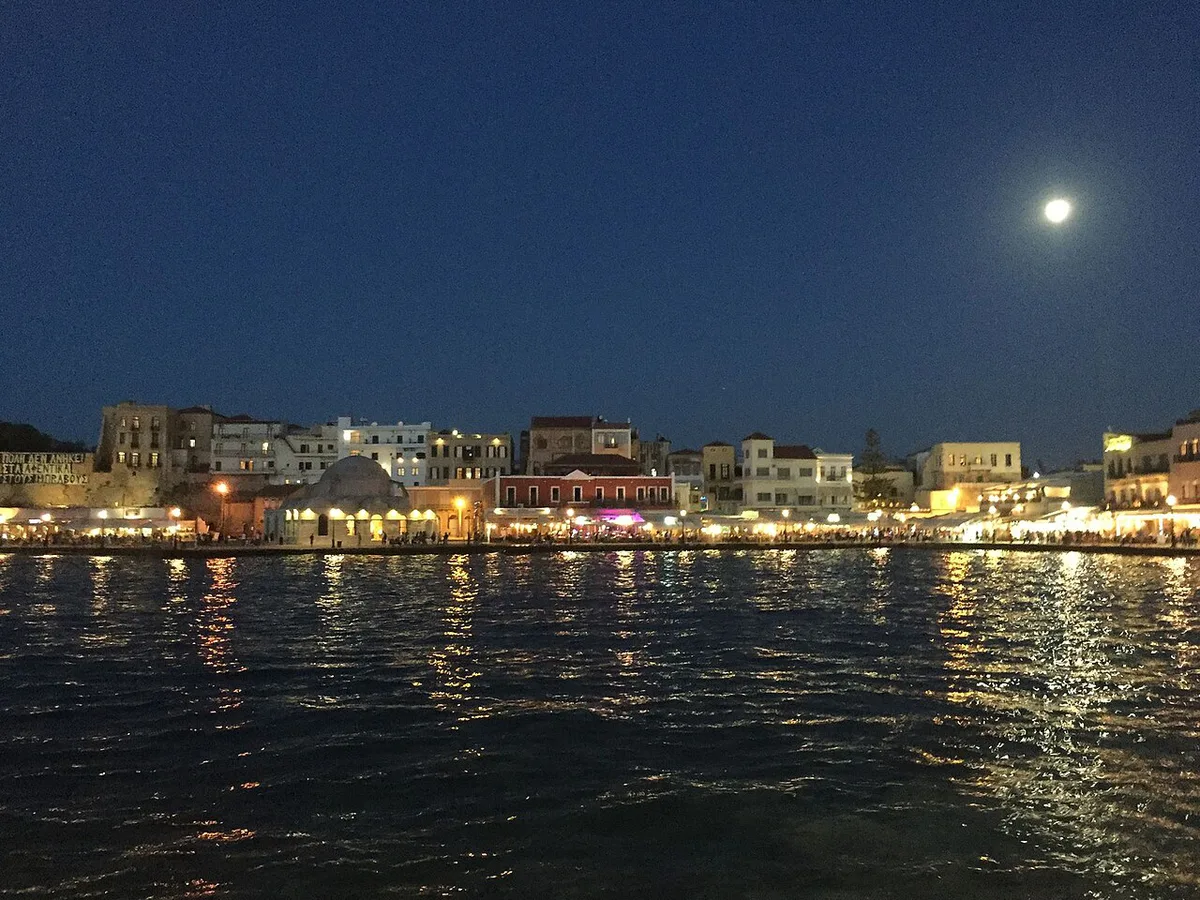
Traffic keeps to the right in Greece, and that includes Crete. Rules, limits and fines change, so read the current text on the Greek police and transport ministry sites before you travel. Check your licence country's government guidance for whether you need an International Driving Permit. Local habits differ from the written rules. Slower drivers often move onto the road shoulder to let faster traffic pass. That is a local custom, not a legal right, so do not rely on it. Overtake only where you can see clearly.
| Topic | What to know | Where to check |
|---|---|---|
| Speed limits | Vary by road type; signs override assumptions | Greek traffic police |
| Seat belts and phones | Belts are expected for all occupants; hand-held phone use is restricted | Greek traffic police |
| Alcohol limit | Strict; avoid driving after drinking | Greek traffic police |
| Roundabouts | Follow posted priority signs rather than assuming a rule | Road signs on approach |
| Licence and IDP | Depends on where your licence was issued | Your own government's travel guidance |
Parking, Fuel and Tolls
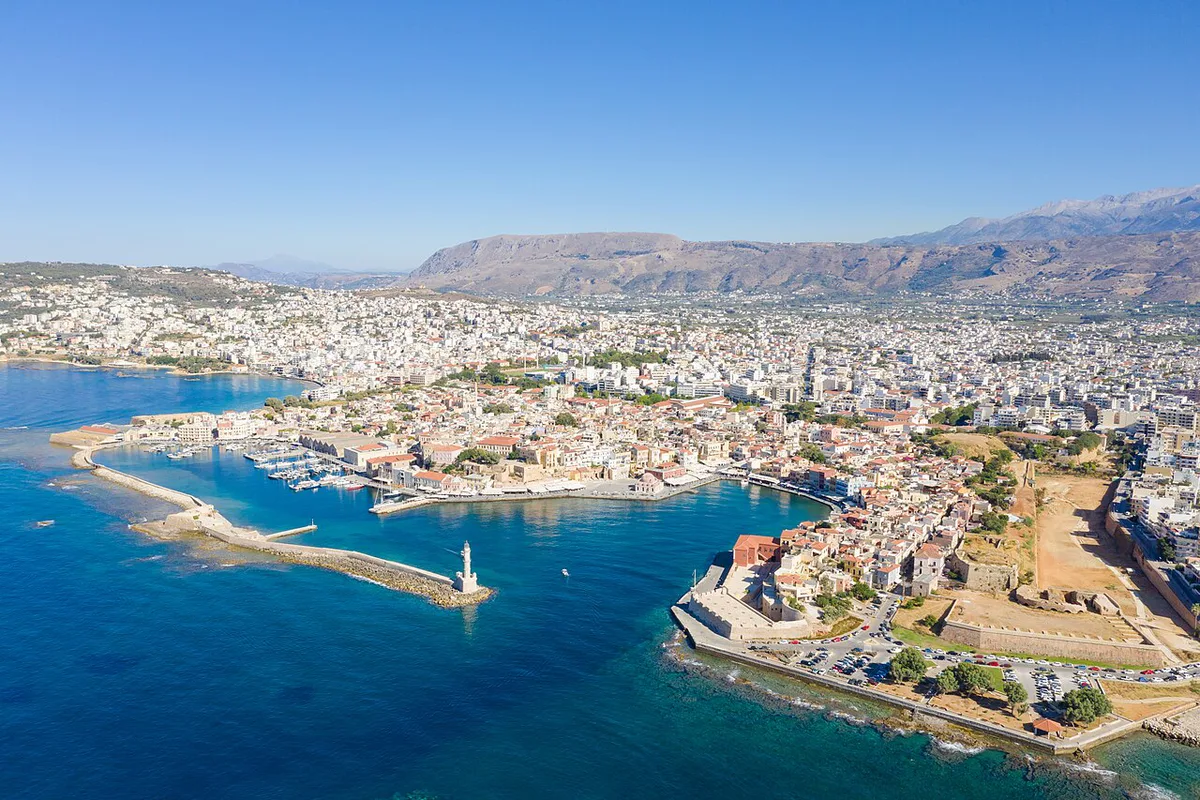
Town-centre parking pinches in Heraklion, Chania and Rethymno, especially around old harbours and walled centres. Use edge-of-centre car parks and walk in. Our parking guide for Greece covers markings and fines. Beach and gorge trailheads fill up on summer mornings, so arrive early. Fuel stations thin out on the south coast and in the mountains. Fill up before any remote stretch. Toll arrangements on the north-coast National Road change, so read Toll Roads in Greece: Costs, Payment & Transponders and check the current road operator before you go.
Driving vs Other Ways to Get Around
Cost and flexibility pull in opposite directions. Intercity KTEL buses link the main north-coast towns at lower cost but reach few beaches and villages. Taxis and transfers suit airport runs. Organised tours remove the driving but fix your schedule. Compare them by relative level below, and check current fares with each operator.
| Option | Cost | Flexibility | Best for |
|---|---|---|---|
| Rental car | Medium to high | High | Multi-region trips, south coast, villages |
| KTEL intercity bus | Low | Low to medium | North-coast city hopping |
| Taxi or transfer | High | Medium | Airport runs, short hops |
| Organised tour | Medium to high | Low | Gorges and big sights without driving |
- Example: a Heraklion base with Knossos and an Elounda day trip. Knossos works fine by bus or taxi.
- For Elounda, a car gives you freedom to stop along the coast. A bus is workable if you stay on the main route and accept its timetable.
Seasonal and Local Conditions
Summer brings heat and heavier traffic on the north-coast National Road and near popular beaches. Shoulder seasons are calmer, but winter weather can make mountain roads slower. Strong wind hits exposed coastal and high routes, so keep a firm grip on the wheel. Goats and sheep wander onto rural roads, often around blind bends. Slow down in the mountains and never assume the road ahead is clear. Allow extra daylight margin, since unlit mountain roads are tiring after dark.
- Underestimating mountain drive times: add generous buffer to any GPS estimate.
- Trusting GPS shortcuts that turn into unpaved tracks.
- Running low on fuel before a remote stretch.
- Parking on narrow village streets where buses and trucks must pass.
Renting and Insurance Basics
Compare full-coverage options and the excess you would owe after damage, since narrow roads cause scrapes. Our Crete car rental guide covers the booking detail. For general background, see Renting a Car in Greece: Requirements, Costs & Tips. Once you have a car, our Crete road trip routes turn this advice into a plan. General travel context is on the Visit Greece site, and regional information is at the Region of Crete site.
Frequently Asked Questions
What side of road do they drive on in Crete?
Traffic drives on the right in Crete, as in the rest of Greece. Overtake on the left only where visibility is clear.
Is it worth hiring a car in Chania?
Yes, if you want to reach beaches such as Elafonissi or villages in the mountains. Skip it if you are staying only in Chania's old town, where parking is tight and walking is easier.
Road-rule changes worth knowing
Optional updates to our guides.
You might also like

Continue reading
More guides you'll find useful