Parking in Greece: Rules, Where to Park & What to Avoid
Practical guide to parking in Greece: city vs island strategies, street and lot trade-offs, common mistakes, and when to skip the car.
On this page
Last updated November 2026: parking in Greece is easy across most of the countryside and at beaches, but hard in historic centres and peak-season island villages. Athens and Thessaloniki reward leaving the car at your hotel or in an edge-of-centre lot. Our Greece driving guide covers the wider rules of the road, while this page focuses on where to leave the car.
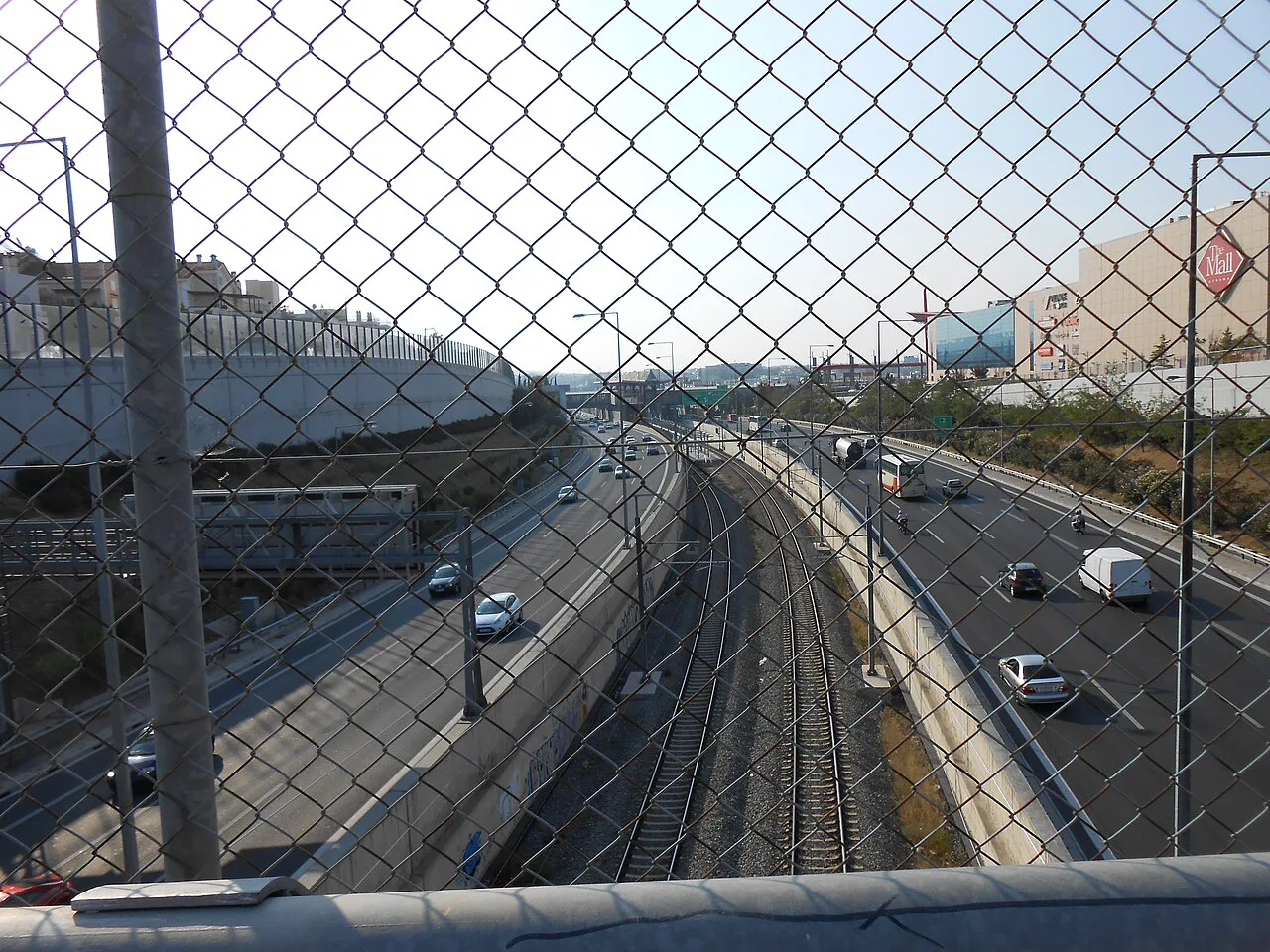
Featured image: Julian Lupyan, CC0, via Wikimedia Commons.
Parking in Greece by place type
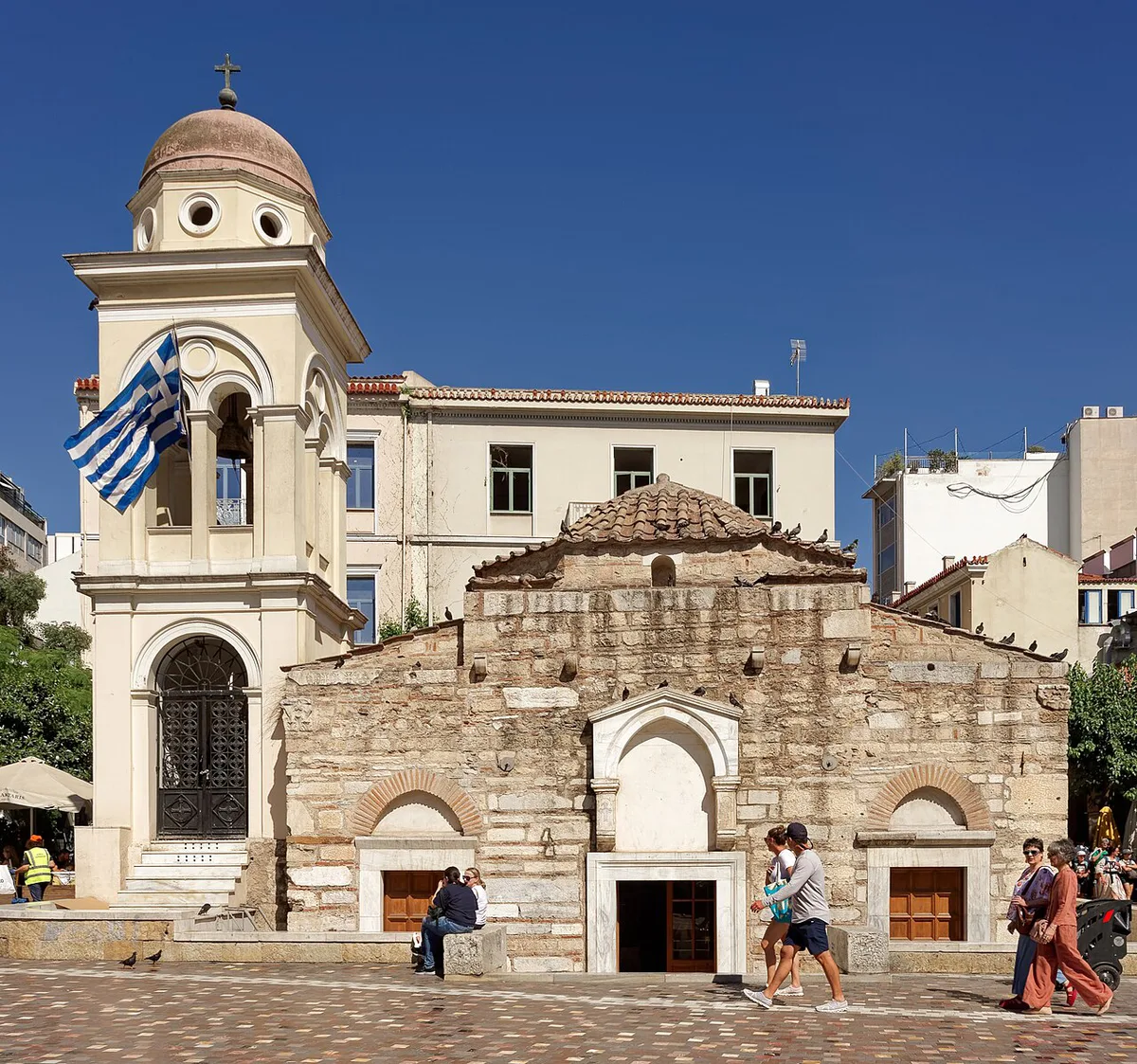
Difficulty depends on the kind of place you are visiting, not on the country as a whole. Big cities and old towns are the hard cases. Beaches, rural roads and most archaeological sites are far easier. Use the list below to set expectations before you pick up a rental car.
| Parking option | Best for | Main trade-off | Verify before you go |
|---|---|---|---|
| Hotel parking | Overnight stays, rental cars | Often limited or hotel-dependent | Whether a space is guaranteed and whether it is free or paid |
| Street parking | Short stops in towns | Paid in many city zones; fines if you misread signs | Local signs and municipal payment method |
| Municipal or edge-of-centre lot | Day trips into old towns and cities | Paid; some walking | Opening times and payment method |
| Beach or village car park | Beach days, hill villages | Fills early in peak season | Whether it is free or paid |
| No car for the day | Dense centres, busy island villages | Relies on taxis, buses or ferries | Local transport options |
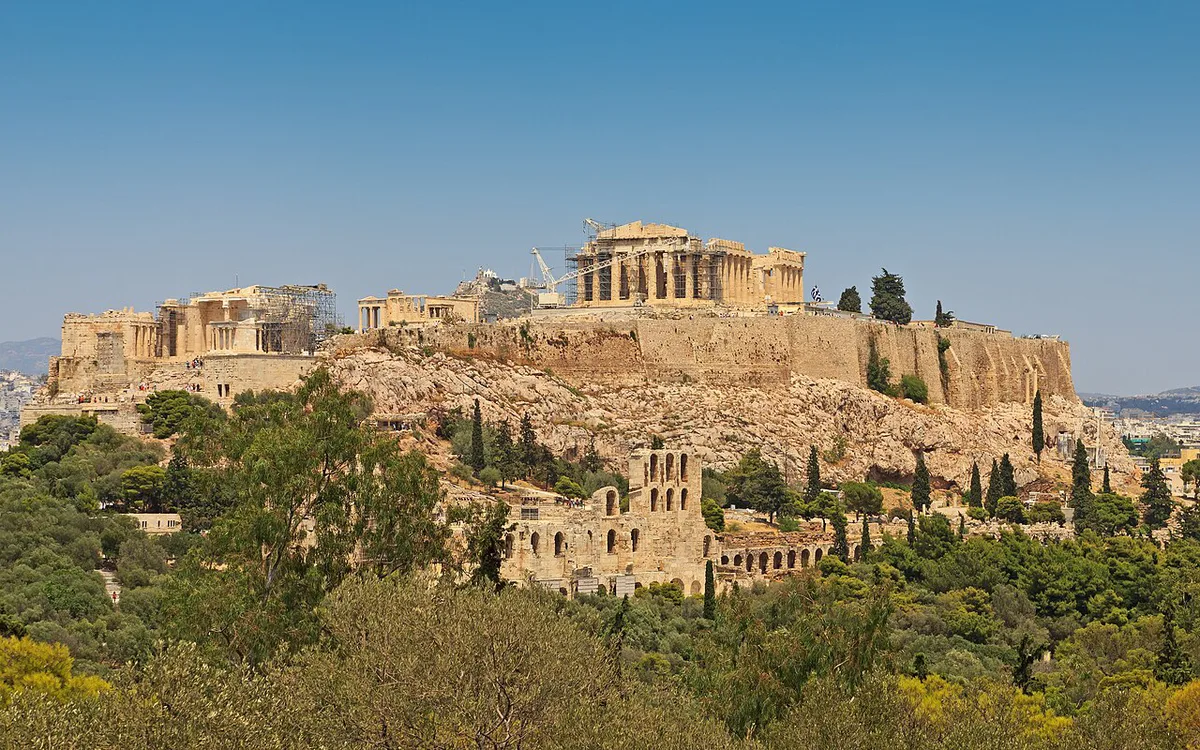
- Big cities (Athens, Thessaloniki): street spaces are scarce and paid. Park at your hotel or an edge-of-centre lot and use taxis or public transport inside the centre.
- Historic old towns: lanes are narrow and often too tight for a rental car. Park outside the old core and walk in.
- Island hill villages: visitors are typically steered to car parks on the edge of the village. Arrive early in peak season.
- Beach and resort areas: roadside and beach car parks are common. Avoid improvised spots on verges.
- Archaeological sites and ferry ports: expect dedicated lots, which can fill at busy times. Port-side parking rules differ by port authority.
Street, public lot or hotel: how to choose
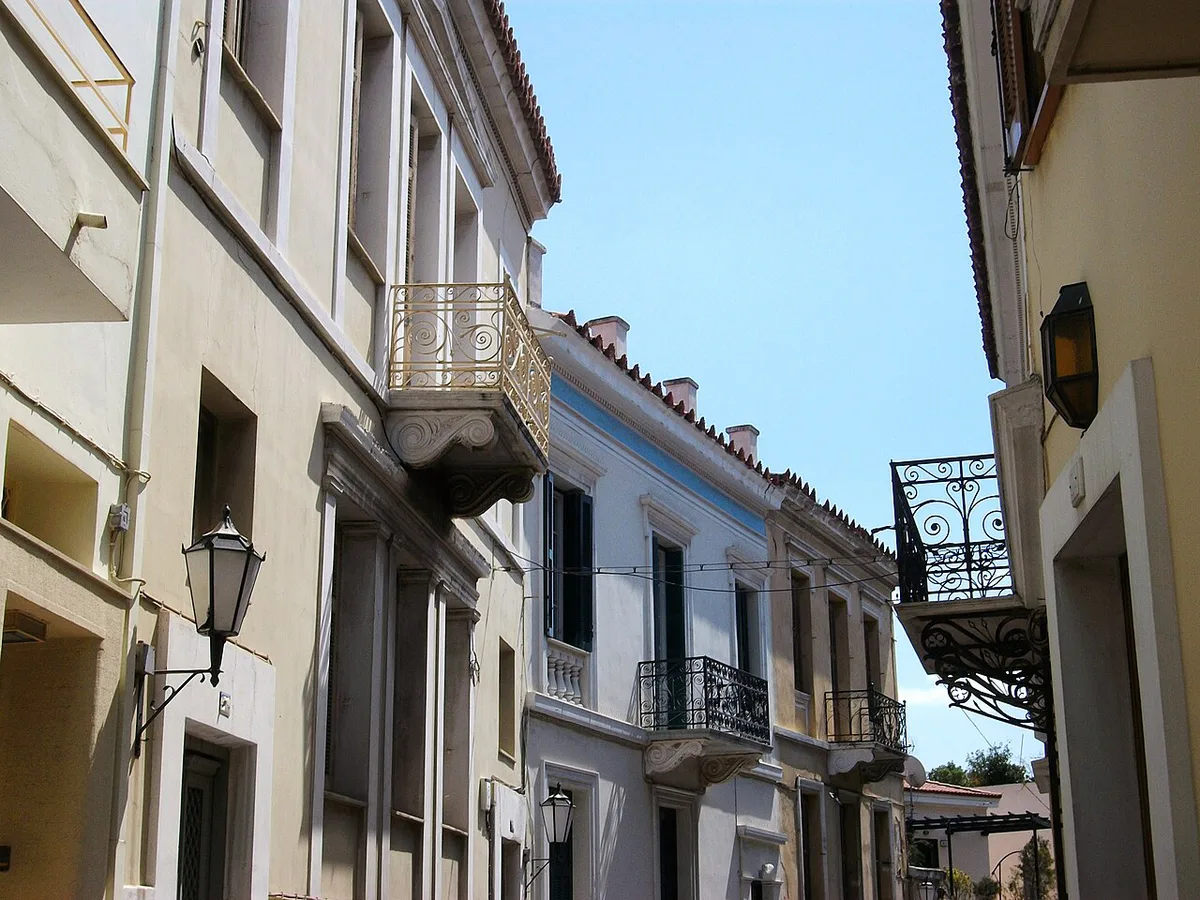
Compare options on four things: cost, time, walking distance and risk. Risk means fines, towing and scratches from tight spaces. Park outside, walk in is the safest default in any dense centre.
Parking on Greek islands: Crete, Santorini, Corfu and Rhodes
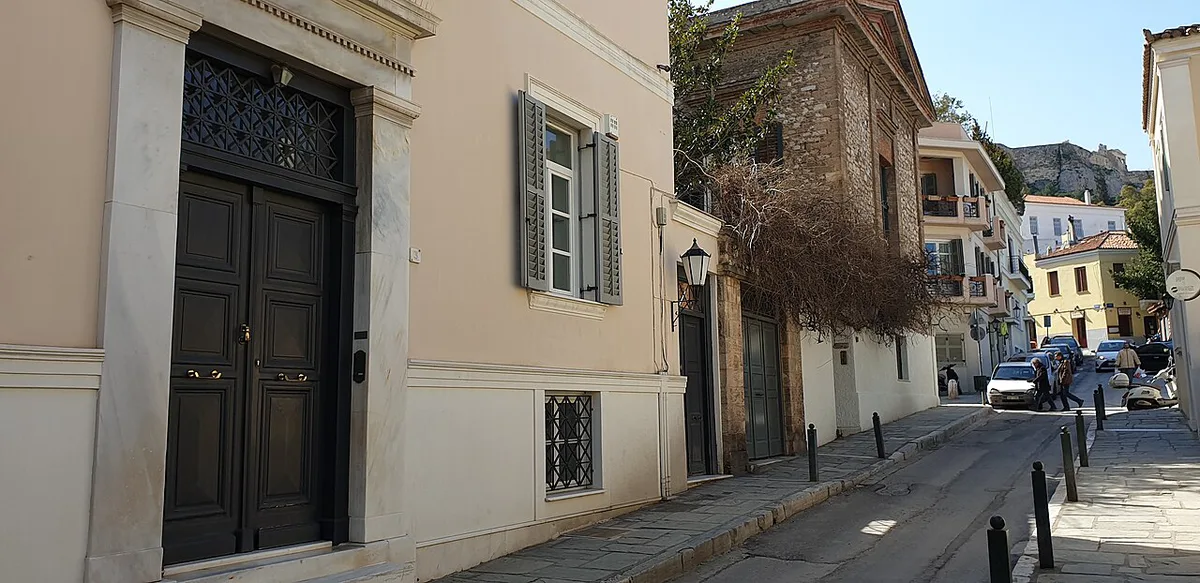
Island parking pressure comes from narrow village lanes, hillside roads and busy beach car parks. A small rental car helps everywhere. Our rental car guide for Greece explains how to choose a size that fits tight spaces. Read each island page below before you book.
- Crete: the island is large, so you will park at many different stops. See our Crete car rental advice for hire choices.
- Crete roads: our Crete driving notes cover what to expect behind the wheel. The Region of Crete publishes local information.
- Santorini: hillside villages push visitors to parking at the edge. Read our Santorini car hire page before booking.
- Corfu: old-town lanes are tight for rental cars. Our Corfu rental options page covers hire choices.
- Rhodes: match the car to your plans for the old town and beaches. See Rhodes rental options.
- Ferries: decide per island whether to take your car across or hire a new one on arrival. Port car park rules are set locally.
Rules, signs and fines to check locally
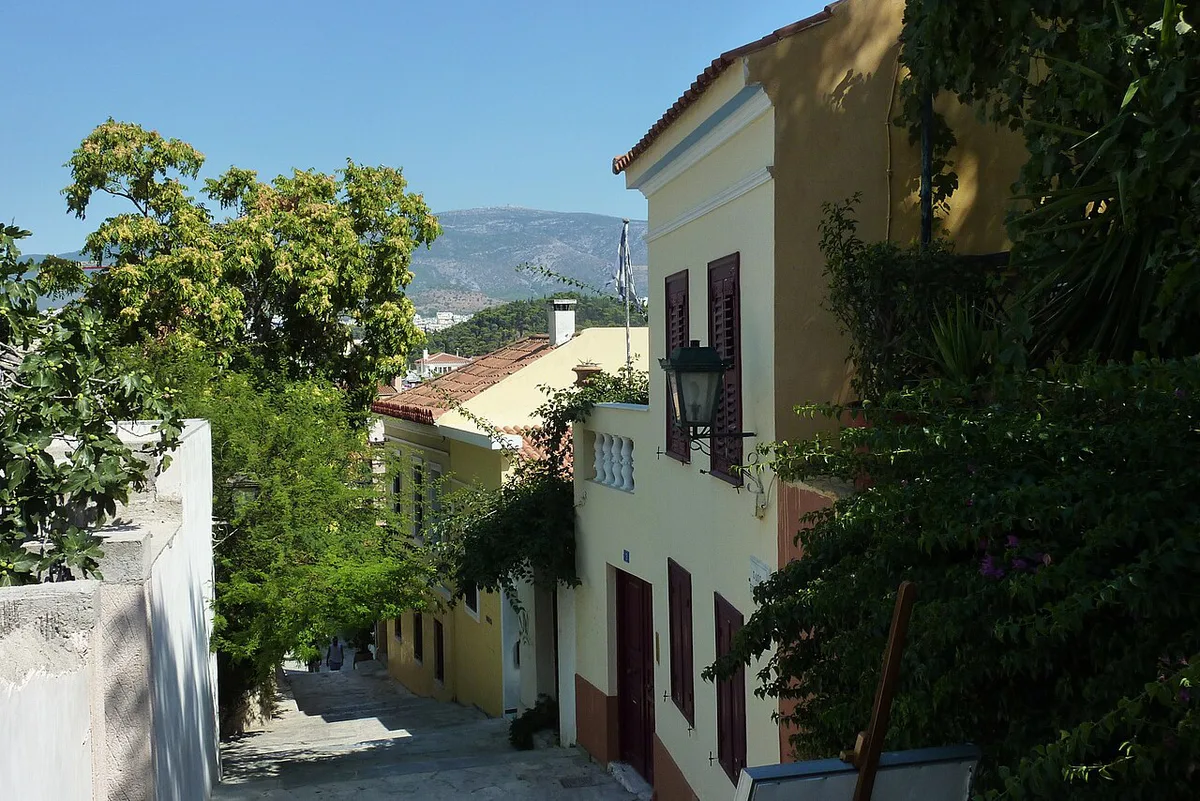
Kerb markings, paid-zone tickets and mobile-payment apps vary by municipality, and no single national rule covers them. Read each street's signs and use the local municipality's website for current zones, payment methods and fines.
- Tolls are a separate cost from parking. See our Greek toll roads guide.
- Athens-area motorway tolls are published by Attiki Odos.
- General visitor information is available from Visit Greece.
Parking mistakes to avoid
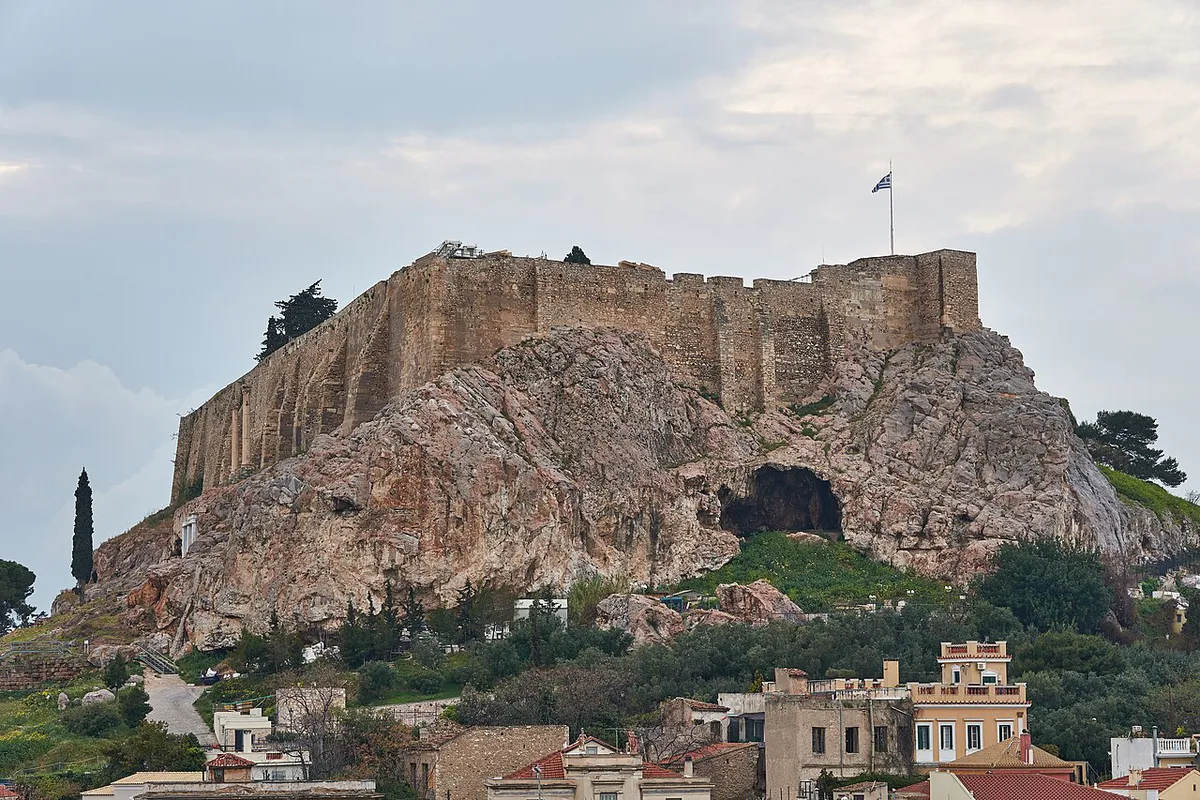
Most visitor problems come from the same few habits. Check each one locally before assuming it is allowed.
- Blocking a driveway, even briefly.
- Parking against the direction of traffic flow.
- Using informal spots near beaches and ports without checking signs.
- Ignoring local signage because a space looks empty.
- Leaving valuables in view in the car.
- Skipping photos of the car after you park in tight spaces, which leaves damage hard to document.
Should you skip the car?
For a short stay in Athens or Thessaloniki, the car is often a liability. Taxis and public transport cover most city sightseeing. Busy island villages in peak season are also easier on foot or by taxi from your base. If you do hire, our rental car guide for Greece helps you choose well. For a longer route, see our Greece road trip planning. A loop around Crete suits the countryside, where parking is easier. Our Peloponnese itinerary works the same way.
Frequently Asked Questions
Is street parking free in Greece?
Not reliably. Many city centres use paid zones, while quiet villages and some rural roads may be free. Read the signs on each street and check the municipality's website for current rules.
How do I pay for street parking in Athens?
Payment methods can change, so use the City of Athens website for the current system. On the street, follow the signs for the zone you are in. If you are unsure, use a lot or your hotel's parking.
How much does it cost to park in Athens?
Rates vary by zone and by lot, and operators change them often. Hotel parking and municipal lots usually give a clearer price than street spaces. Check the operator's current rates before you park.
Road-rule changes worth knowing
Optional updates to our guides.
You might also like


Continue reading
More guides you'll find useful