
8 Checks for Driving in Croatia: Rules, Tolls, Routes
Driving in Croatia explained in 8 checks: licence and IDP, tolls, speed limits, rentals, Neum border, parking and when a car is not worth it.
On this page
Last updated November 2026: driving in Croatia suits coastal itineraries and island hops by ferry. Check five things first: your licence, motorway tolls, speed limits, the alcohol limit and winter headlight rules. Our guide to booking a rental car covers the reservation side in more depth.
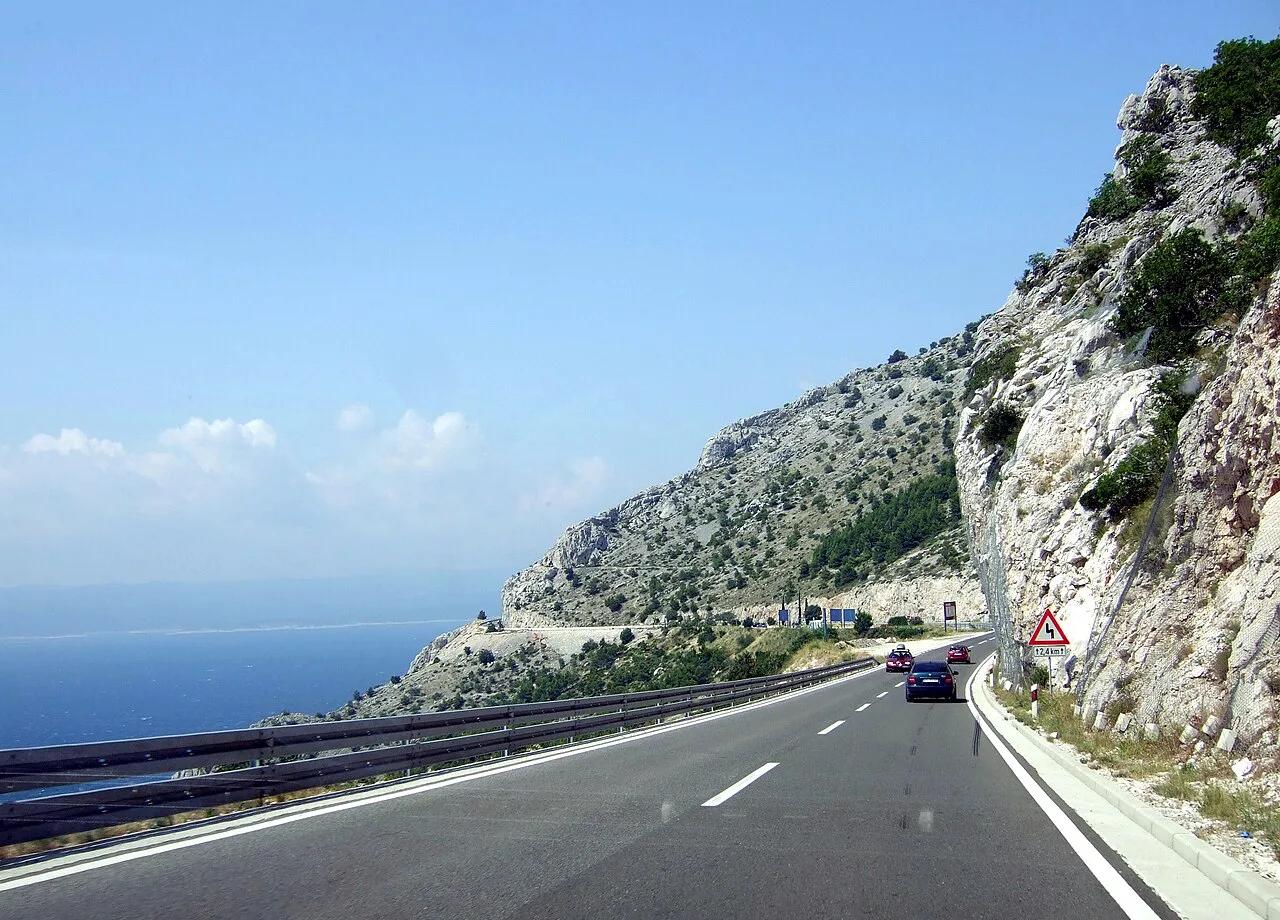
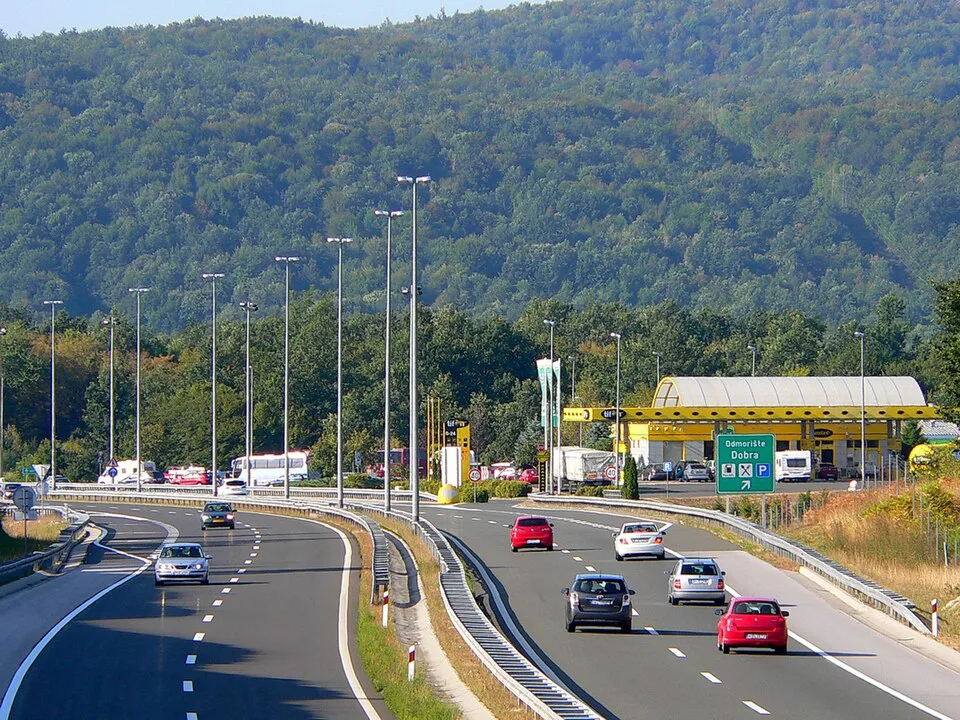
Featured image: Jos., CC BY 3.0, via Wikimedia Commons.
8 Checks Before Driving in Croatia
Prices and hours checked November 2026. Speed limits are 50 km/h in towns, 90 km/h outside built-up areas and 130 km/h on motorways. Each check below names who it matters most to, so you can skip what does not apply.
1. Licence and International Driving Permit
Croatia drives on the right, as in the US and most of Europe. UK and Australian drivers switch sides, so book an automatic if you doubt your clutch skills. EU licences are valid as they are. For other licences, online advice conflicts. An International Driving Permit is most clearly needed when your home licence is not in the Latin alphabet.
Rental counters can enforce their own policy, so ask your rental company which documents it wants at pickup. Carry your passport too, because police may ask for ID at a roadside check. Skip the IDP worry if you hold an EU licence. Carry one if your licence uses a non-Latin script or your rental desk is strict.
2. Motorway tolls on the HAC network
Croatia has no vignette. You pay per section, at the booth, with cash or card. Hrvatske autoceste runs the A1 from Zagreb to Split and Ploče. It publishes tariffs and a calculator on its official tolls site. Zagreb to Rijeka runs on the motorway operated by Autocesta Rijeka–Zagreb.
Typically quoted tolls are about €28 for Zagreb to Split, roughly 410 km. Zagreb to Rijeka, roughly 160 km, is quoted at about €10.50. That works out near €7–€9 per 100 km for a standard car. Vans and trailers pay more. Our toll roads guide covers payment in detail. Skip the motorway only if you have time to spare.
3. Speed limits and cameras
Limits are 50 km/h in built-up areas, 90 km/h outside them and 130 km/h on motorways. Fixed speed cameras sit on major motorways, at city entrances and where limits change often. Fines are mailed to the registered keeper. On a rental, the company passes the fine on to you, usually with an admin fee.
Do not rely on a 10 km/h or 10% buffer. It is not a legal allowance. Apps such as Waze flag camera locations, which helps on unfamiliar stretches. Skip any plan to drive fast on the A1. Fines hit hardest for drivers who have already flown home.
4. Alcohol, lights, seats and kit
The general alcohol limit is 0.05%. Novice and professional drivers face 0.00%. Some guides say any accident triggers zero tolerance, so the safest rule is not to drink and drive. Dipped headlights are required by day from 1 November to 31 March.
Children under 12, or under 150 cm, need an appropriate child seat. All passengers must wear seat belts. A reflective vest and warning triangle are mandatory. Ask your rental company whether they come with the car. Phones must be hands-free. Families with young children should book child seats early, since stock is limited in summer.
5. Rental fine print
Typical summer rates run €45–€90 a day for an economy car, against €20–€40 from October to May. Automatics cost more. Full cover with zero excess typically adds €10–€25 a day. One-way drops often add €50–€100 or more. Airport pickups, such as Split Airport, often cost more than city offices.
Compare pickups in Split car hire and Dubrovnik car hire before you commit. Ask about the fuel policy, the deposit and the excess. Ask separately about cross-border permission and ferry cover, because some contracts exclude both. Skip the cheapest quote if it hides these terms.
6. Split to Dubrovnik and the Neum corridor
The coast road between Split and Dubrovnik passes through Neum, a short stretch of Bosnia and Herzegovina. You cross a border twice. Carry your passport and have your rental paperwork ready. Check that your rental contract allows entry to Bosnia and Herzegovina, and ask about Green Card cover.
Border waits grow on summer weekends, so aim for a weekday departure. Our guide to the Split to Dubrovnik drive covers stops and timing. Skip the corridor only if your rental contract forbids it. Otherwise it is part of the normal route.
7. Summer traffic, ferries and parking
July and August bring the heaviest traffic. Saturdays are changeover days for holiday rentals, so avoid driving that day. Tuesday to Thursday is quieter. Roads thin out before 9 AM and after 8 PM. Towns use colour-coded parking zones: red for short and expensive stays, yellow for medium, green for cheaper and longer.
Pay at the meter or by SMS. Fines are quick and common. Park outside the old towns of Dubrovnik and Split and walk in. For islands, book car ferries ahead in summer with Jadrolinija or the operator. Check which islands allow visitor cars before you plan.
8. Fuel, breakdowns and emergencies
INA, Petrol and Crodux are the most common fuel brands. Most stations accept cards. Motorway stations are often reported to charge €0.10–€0.20 more per litre than town stations. Call 112 for emergencies. HAK, the Croatian Auto Club, runs roadside assistance, so confirm the current number there or in your rental contract.
After a crash or breakdown, switch on hazards, wear the vest and place the triangle. Then call 112 if anyone is hurt, and phone your rental company next. Photograph the scene and keep every document the rental firm gave you.
Motorway or Coast Road: Routes, Tolls and Costs
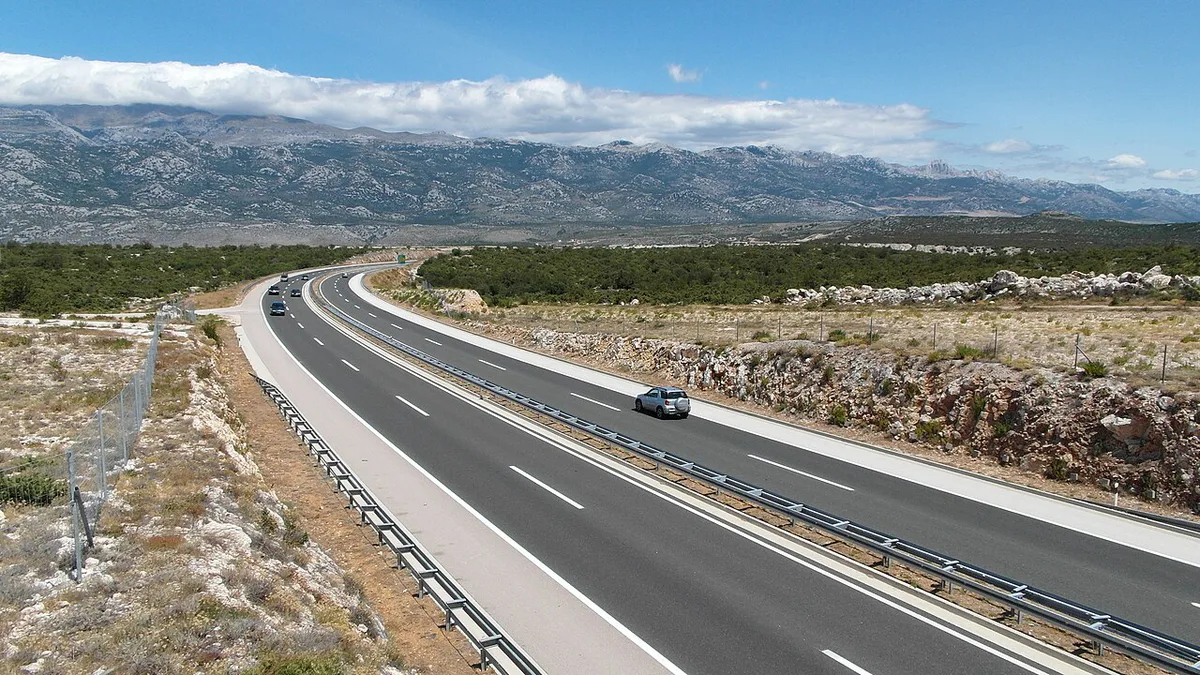
Motorway tolls are your biggest fixed driving cost. Zagreb to Split, roughly 410 km, is typically quoted at about €28. Zagreb to Rijeka, roughly 160 km, comes to about €10.50. Economy rentals typically run €45–€90 a day in summer. Full cover can add €10–€25 a day. Run your own route through the HAC tolls calculator before you set a budget.
Motorway stations often charge €0.10–€0.20 more per litre than town stations, which matters on a long A1 run from Zagreb to Split.
| Route | Road | Trade-off |
|---|---|---|
| Zagreb to Split (about 410 km) | A1 motorway | Fastest; about €28 in tolls |
| Zagreb to Rijeka (about 160 km) | Motorway to the coast | Short run; about €10.50 in tolls |
| Split to Dubrovnik | Adriatic coast road | Scenic; two Neum border crossings |
| Zagreb to Dubrovnik | A1, then coast road | Longest leg; split it with a stop in Split |
Mountain Roads, Weather and Winter Driving
Dipped headlights are required by day from 1 November to 31 March. Bora gusts can close exposed coastal and mountain roads. Check HAK road conditions before any winter drive. Inland mountain roads can see snow and are often unlit. Some are narrow enough for one car, so keep to your lane and slow for blind bends. Watch for wildlife at dusk in rural areas.
Should You Drive at All?
A car earns its cost on coast road trips and inland detours. In summer, an economy rental at €45–€90 a day plus parking rarely pays off for a stay based only in Dubrovnik or Split. Both old towns are walkable, and buses and ferries cover short hops.
| Itinerary | Drive? |
|---|---|
| Dubrovnik or Split city stay only | No. Walk and use buses |
| Split plus one island | Maybe. Leave the car in Split and take the ferry |
| Zagreb to Split to Dubrovnik road trip | Yes. Use the A1 and the coast road |
| Zagreb to Rijeka and the north coast | Yes. The motorway is quick |
Pre-Departure Checklist for Driving in Croatia
Before you leave, confirm your licence, your rental permissions for Bosnia and ferries, your tolls budget and your winter lights. Then start with our rental checklist. Next, compare pickups in your arrival city.
Typical economy rates fall to €20–€40 from October to May, so an off-season trip lowers the car budget you set before leaving.
Explore More Guides
Keep planning your trip with these guides.
Guides
Road-rule changes worth knowing
Optional updates to our guides.
You might also like

Continue reading
More guides you'll find useful