
Driving From Split to Dubrovnik: Route, Border & Tolls
Plan the Split to Dubrovnik drive: route options, the Neum border question, Pelješac Bridge, tolls, stops, and when not to drive.
On this page
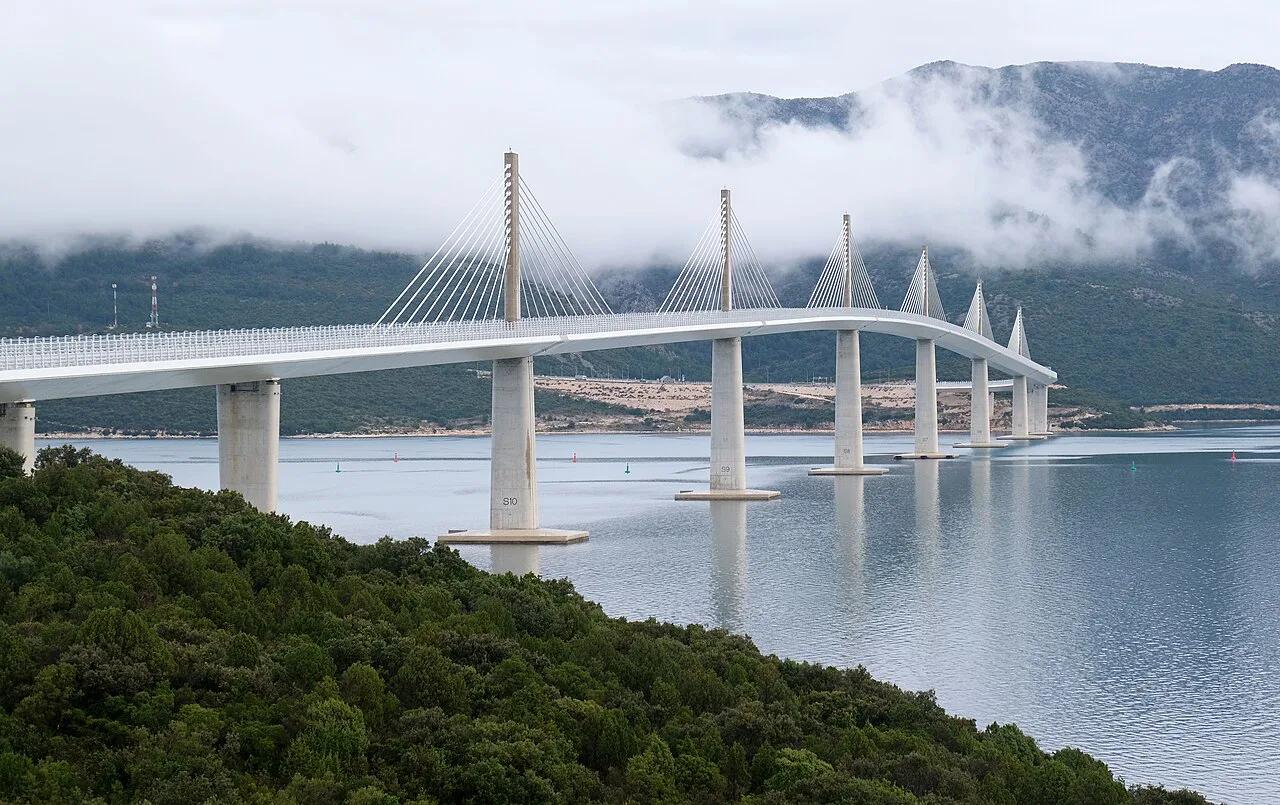
Last updated November 2026. Driving from Split to Dubrovnik is a one-day coastal run on the A1 motorway and the D8, and you choose between two routes. One route crosses about 9 km of Bosnia and Herzegovina at Neum. The other uses the Pelješac Bridge and stays inside Croatia. Pick the route before you pick up your car in Split car hire.
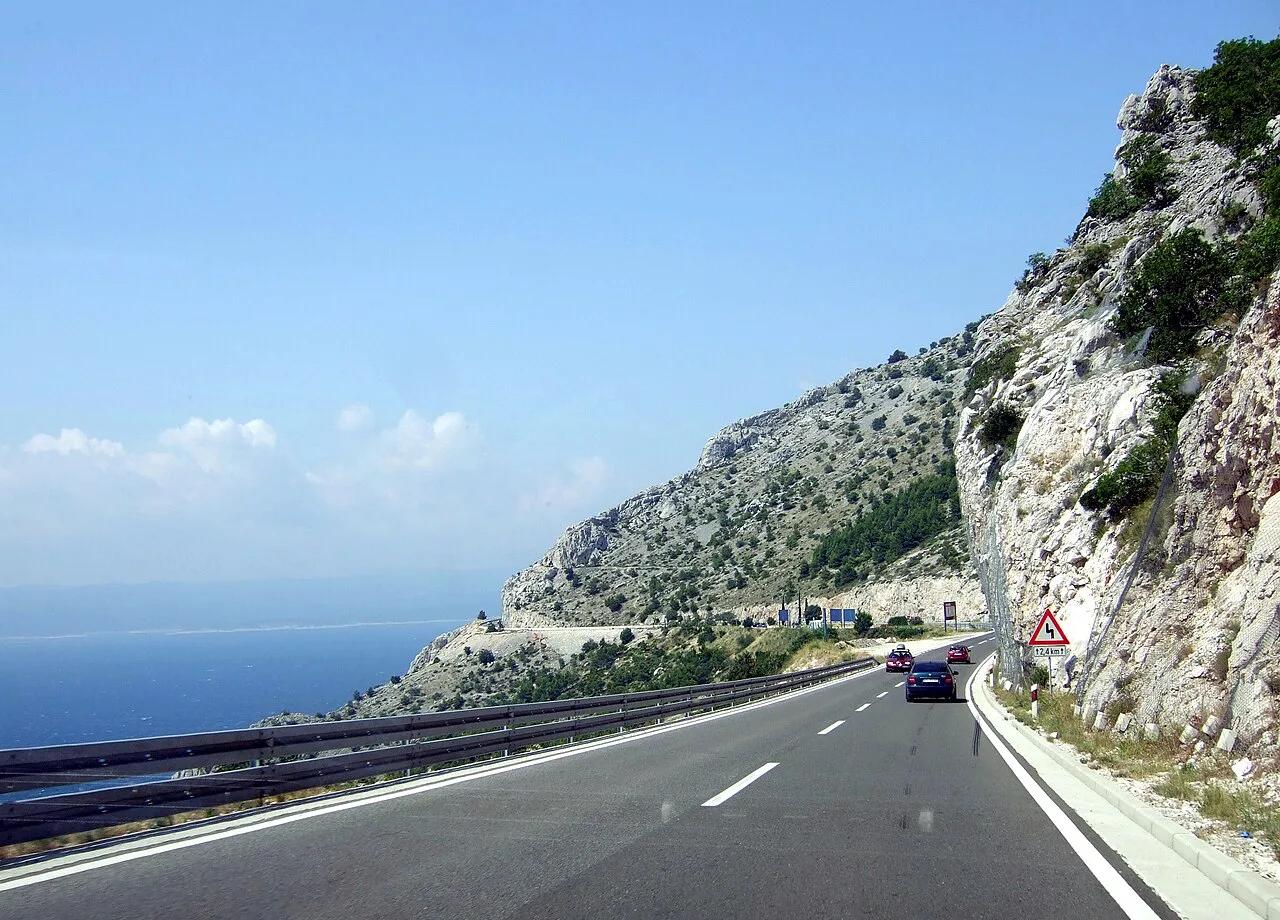
Featured image: kallerna, CC BY-SA 4.0, via Wikimedia Commons.
Quick Answer: Time, Route, and the Border
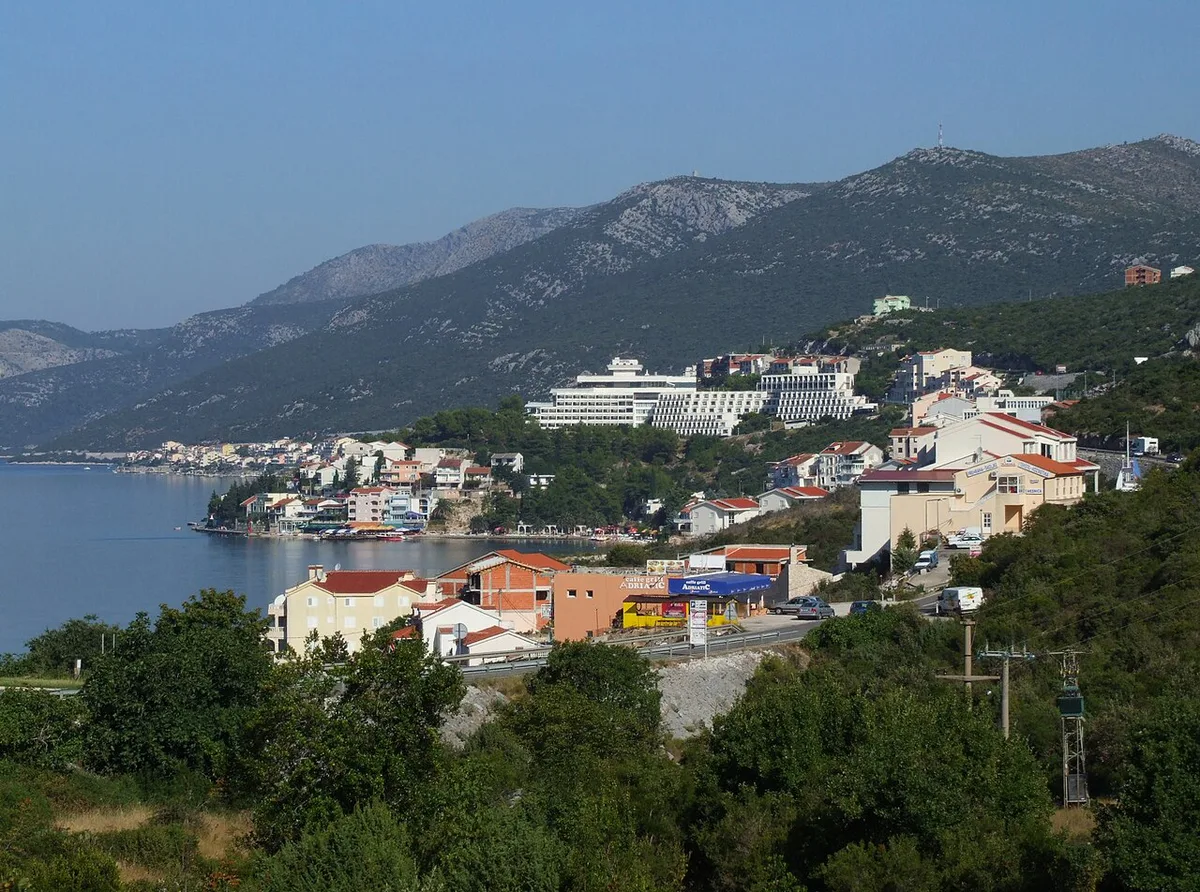
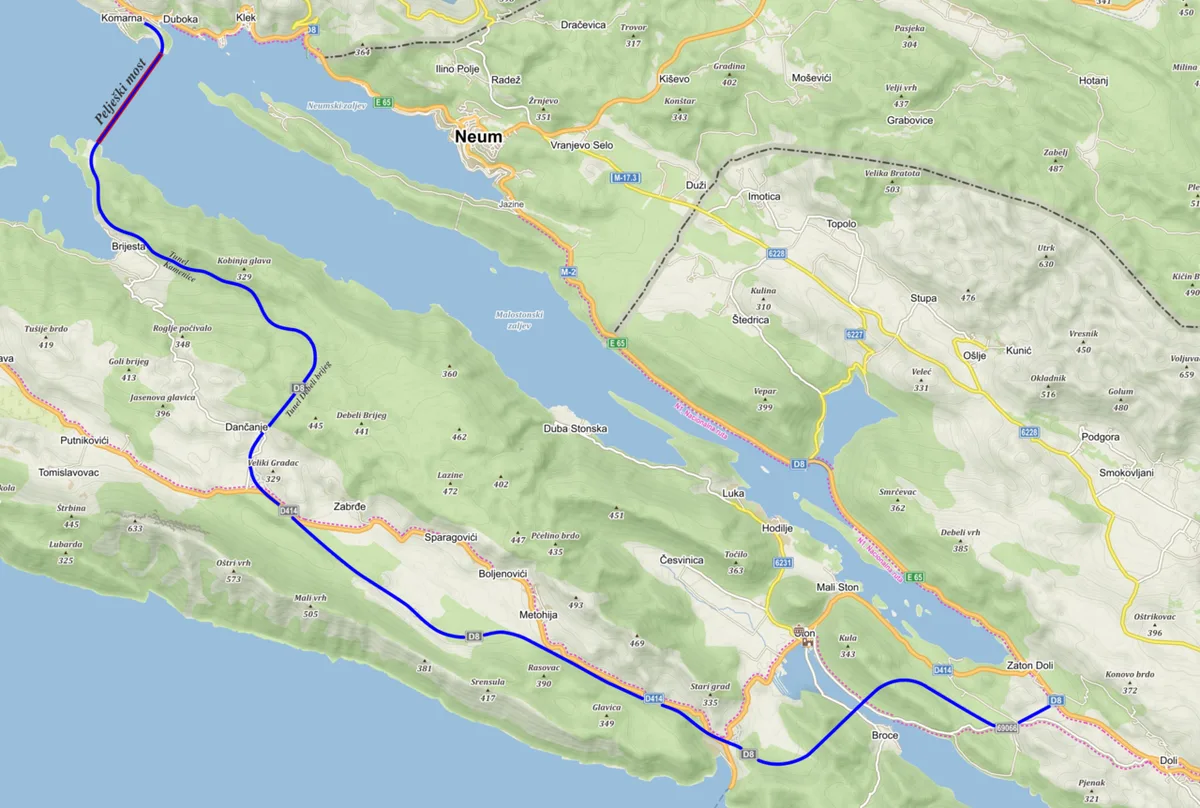
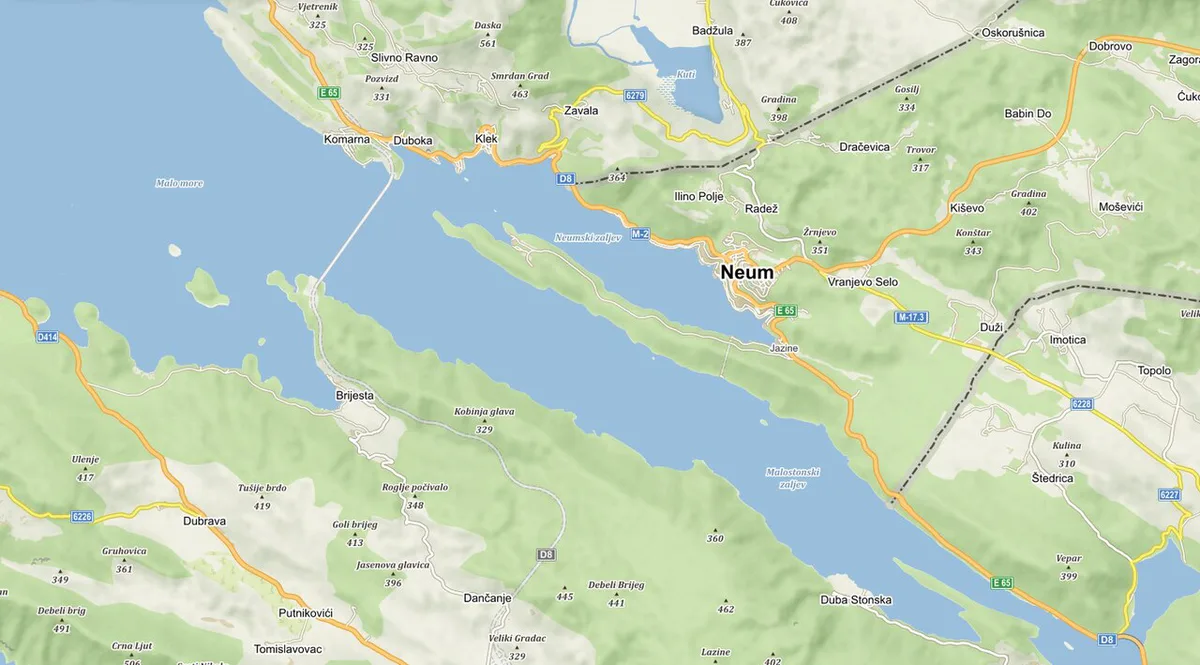
Most drivers take the A1 motorway south from Split, then continue on the coastal D8 toward Dubrovnik. Both routes share the motorway section. They split near Ploče, where you decide between the Neum corridor and the Pelješac Bridge. Neum is the surprise for first-timers, because the road passes through about 9 km of Bosnia and Herzegovina. Allow a full day if you want any stops. For general rules on speed limits, lights and road signs, read our Croatia driving guide. Distances and drive times change with roadworks and summer traffic, so check live conditions with the Croatian Auto Club on the morning you leave.
- Route one: A1 motorway, then the D8 coast road through the Neum corridor.
- Route two: A1 motorway to Ploče, then the Pelješac Bridge and Ston.
- Border: Neum means two Bosnia and Herzegovina checks; the bridge route has none.
- Bring passports for everyone, even on the bridge route, in case you change plan.
Which Route to Take: Neum Corridor vs Pelješac Bridge
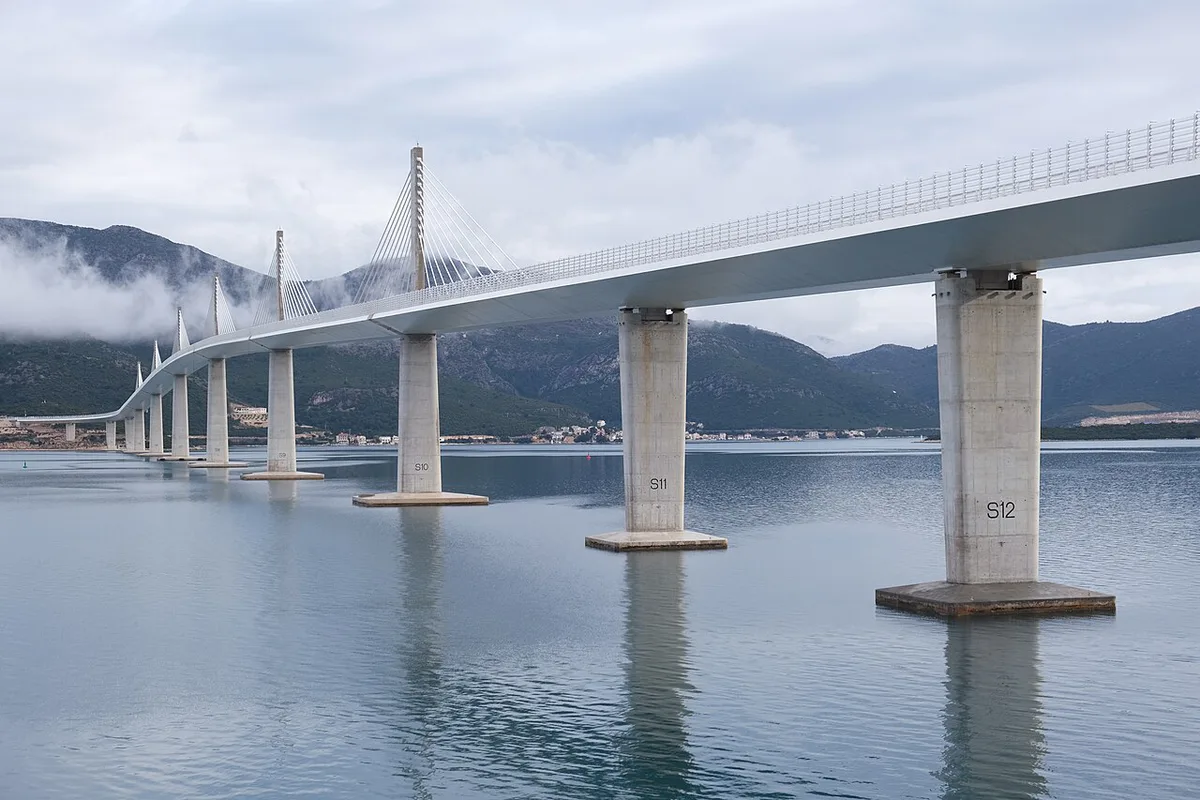
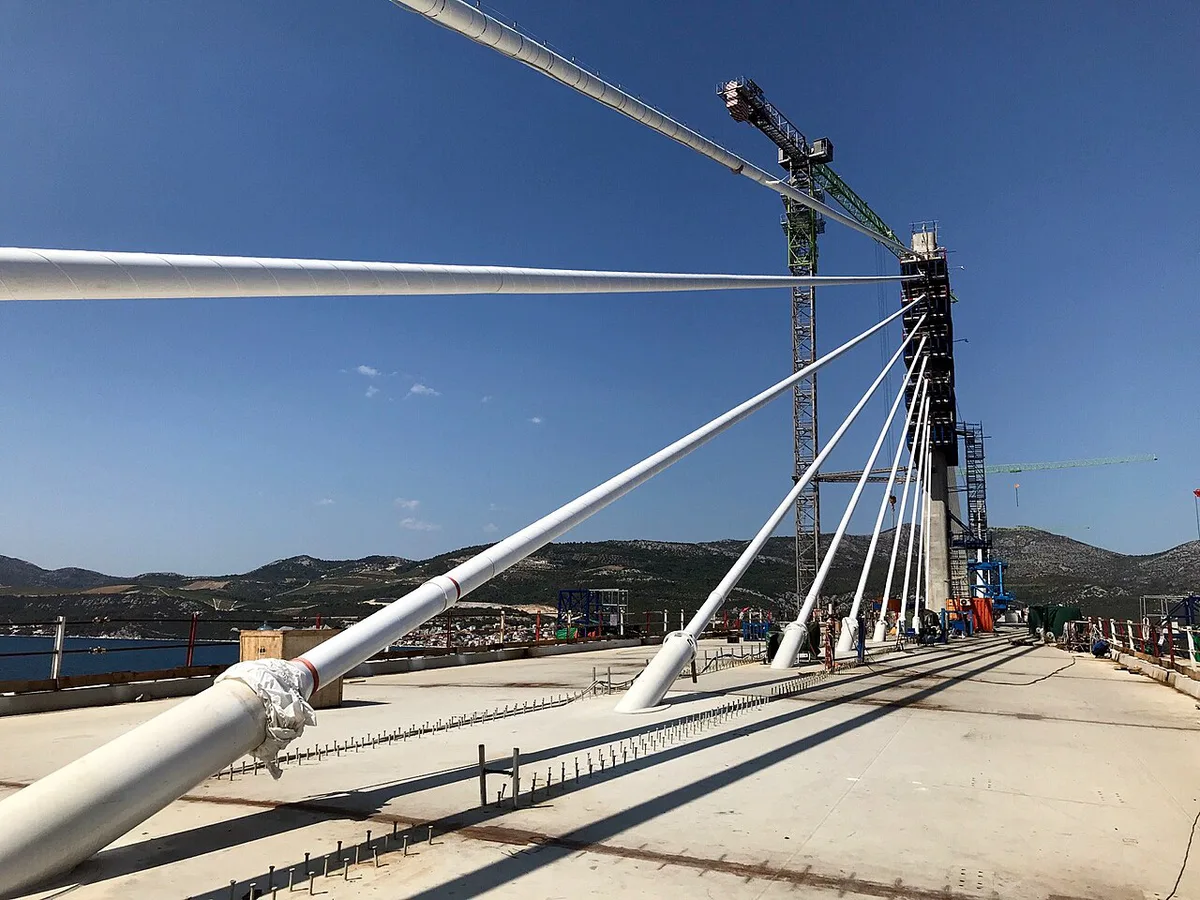
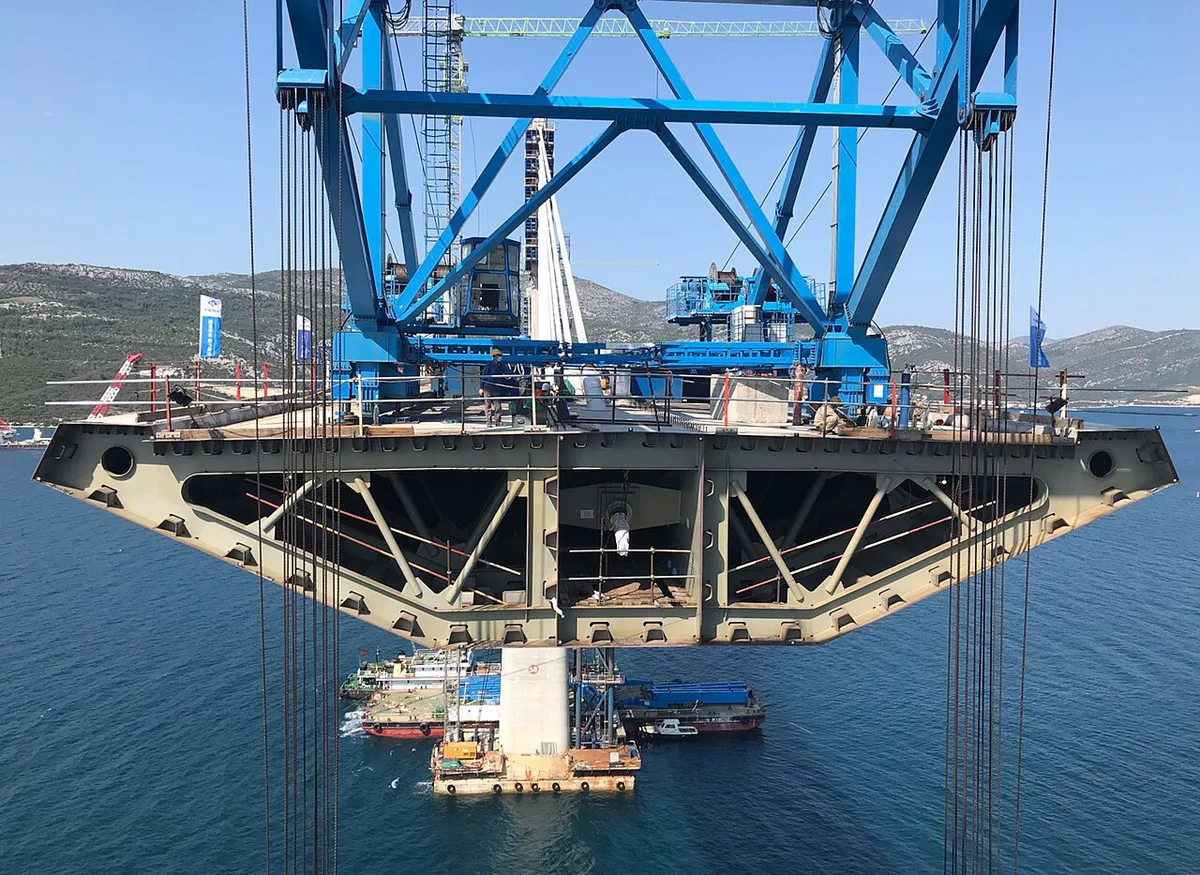
The Pelješac Bridge opened in 2022 and links the mainland with the Pelješac peninsula without touching Bosnia and Herzegovina. That removes the border queue, which is the main source of delay on the older road. The Neum route is shorter on the map and runs along the shoreline, so it still suits drivers who carry passports and have a rental permit. Check bridge toll status and any restrictions on the HAC motorway operator site before you set off. The table below compares the two on the criteria that matter.
| Criteria | Neum corridor | Pelješac Bridge |
|---|---|---|
| Border | Two crossings into and out of Bosnia and Herzegovina | None; stays in Croatia |
| Documents | Passports needed for all passengers | Passports advisable in case you change route |
| Rental car permission | Required from your rental company | Not needed |
| Queues | Can build in summer and at weekends | Traffic only, no border stops |
| Scenery | Sea views along the D8 through Gradac and Neum | Bridge views, then Ston and the Pelješac vineyards |
| Best for | Drivers with documents, permission and spare time | Rental drivers, families, anyone avoiding border waits |
Crossing the Bosnia and Herzegovina Border in a Rental Car
Neum is the only point where the coast road leaves Croatia. You pass a Bosnia and Herzegovina check on the way in and a second on the way out. Every passenger needs a valid passport or accepted ID, and non-EU visitors should look up current entry rules before travelling. Your rental company must also allow the crossing, and that usually means a cross-border permit and proof of insurance. Ask for it in writing when you book. Our guide to Renting a Car in Croatia: Requirements, Costs & Traps explains how the permit works. If your company refuses, take the Pelješac Bridge instead. Do not assume the permit is included in your rental.
Only about 9 km of Bosnia and Herzegovina sits on the route, but your rental permit decides whether you can drive it.
- Carry passports for every passenger, not only the driver.
- Keep the rental papers and insurance proof where you can reach them.
- Do not stop or take photos inside the corridor.
- Buy fuel before Neum if you are unsure about payment methods across the border.
What the Drive Really Costs
The cost has four parts: motorway tolls, fuel, any one-way drop-off fee, and parking in Dubrovnik. Toll amounts depend on the A1 section you drive and are published by the operator, so read the current tariff on Croatian toll road payments before you set off. Cards and electronic tags are accepted at the booths, but check the details for your vehicle class. One-way fees vary by company and season, and the fee is often the largest single line. Compare it with the cost of a bus ticket per person before you commit. A solo traveller may spend less on the bus, while a group of three or four often comes out ahead by car. Dubrovnik hotels and garages set their own parking rates, so ask your accommodation before you arrive.
Best Stops Between Split and Dubrovnik
Treat stops as detours and sort them by the time you can spare. Each one below has a skip-if line.
- Trogir: a short detour from Split for a walk around the old town. Skip if you leave Split late.
- Makarska Riviera: pull over at a coastal viewpoint for sea views. Skip if you take the bridge route in a hurry.
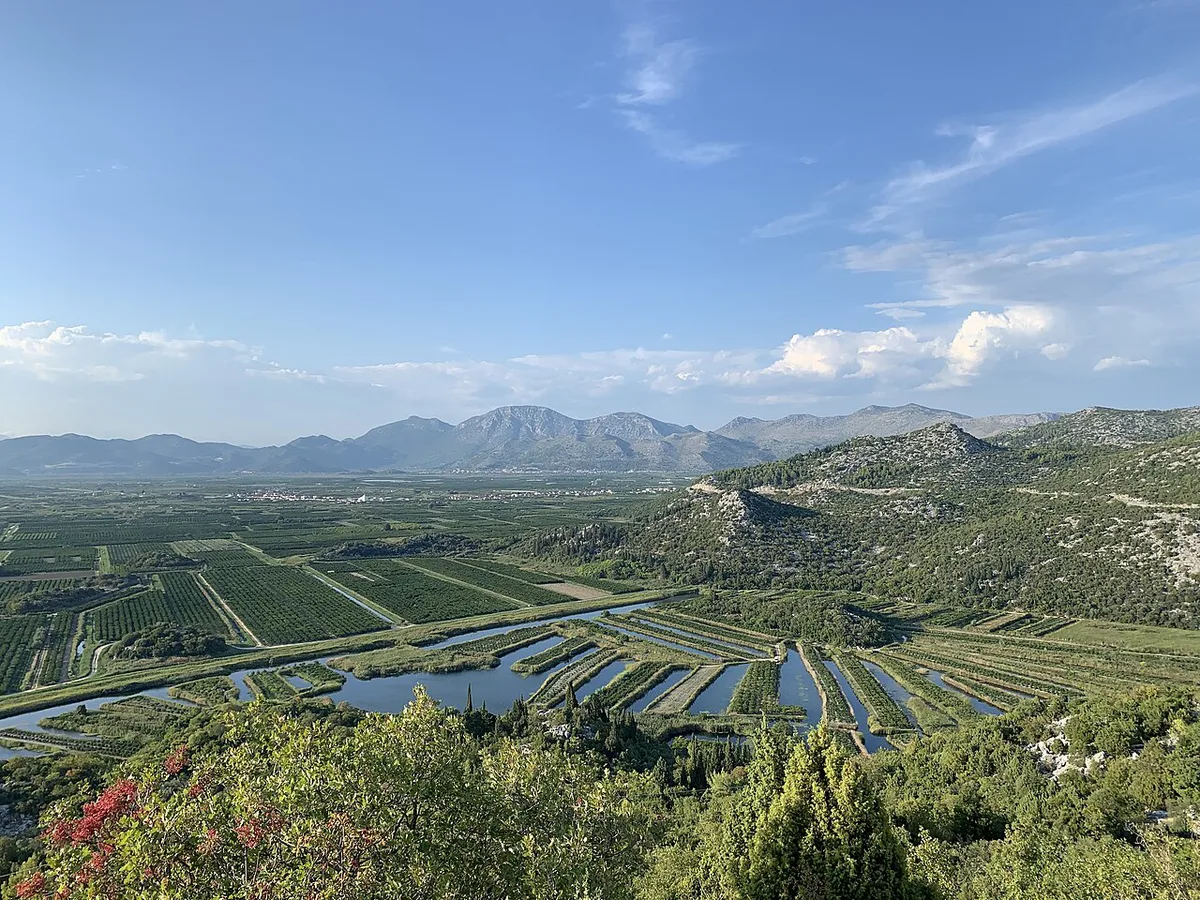
- Neretva delta: flat farmland and fruit stands near Ploče. Skip if you want the earliest Dubrovnik arrival.
- Ston: town walls and oysters on the Pelješac side. Skip if you take the Neum corridor.
- Pelješac wine stops: tasting rooms along the peninsula. Skip if you are the only driver.
Sample Plans: Direct, Half-Day, Full-Day
A direct drive means a morning start from Split, one fuel stop and an afternoon arrival in Dubrovnik. A half-day plan adds Ston or a Makarska viewpoint, with lunch at one of them. A full-day plan combines Trogir in the morning, the Neretva delta at midday and Ston in the afternoon. Hours for individual sights change by season, so look up opening times for each stop in advance. Whichever plan you choose, aim to reach Dubrovnik before dark, since the coast road is harder at night.
- Direct: leave Split early, one fuel stop, arrive in the afternoon.
- Half-day: add one stop, either Ston or a Makarska viewpoint.
- Full-day: Trogir, the Neretva delta and Ston, then Dubrovnik.
Should You Drive or Take the Bus?
Drive if you carry luggage, travel as a group, or want the Ston and Pelješac stops. Take the bus if you do not want a Dubrovnik parking bill or have no rental permit for Bosnia and Herzegovina. Nervous coastal-road drivers and groups with only one driver should also lean toward the bus. Dubrovnik is easy to explore on foot once you arrive, so a car adds little inside the city. Operators and journey times change each season, so check current timetables before you decide.
Driving Tips for the Coastal Road
The bora wind can close or restrict sections of the coastal road and the bridge, so look at HAK road conditions before departure. Summer weekends bring heavy traffic and the longest border waits. Fill the tank before you return the car, because an empty tank can add a refuelling charge. Plan fuel stops on the motorway, since stations are sparser on the Pelješac side. For drop-off, compare the city and airport options on Dubrovnik car rental. Dubrovnik's Old Town restricts vehicle access, so book a hotel or garage with parking before you arrive. For airport details, see Dubrovnik Airport.
Frequently Asked Questions
What is the distance between Dubrovnik and Split?
Distance depends on your route, because the Pelješac Bridge and the Neum corridor follow different roads. Enter both routes in a navigation app on the day you travel, and check live conditions with the Croatian Auto Club.
Can you get around Dubrovnik without a car?
Yes. The Old Town is on foot only for vehicles, and most visitors walk inside the walls. Leave the rental car at your accommodation or return it on arrival.
Road-rule changes worth knowing
Optional updates to our guides.
You might also like

Continue reading
More guides you'll find useful