
Renting a Car in Croatia: Requirements, Costs & Traps
Is renting a car in Croatia worth it? Requirements, insurance, one-way and ferry rules, and where a car is a burden, in one decision guide.
On this page
Last updated November 2026: renting a car in Croatia pays off on coastal, Istrian and inland routes, but it is a burden in Dubrovnik Old Town and Split's historic core. Bring a licence, a passport and a credit card in the main driver's name. Excess cover, one-way fees and ferry permission cause most of the surprises, so this guide covers them first.
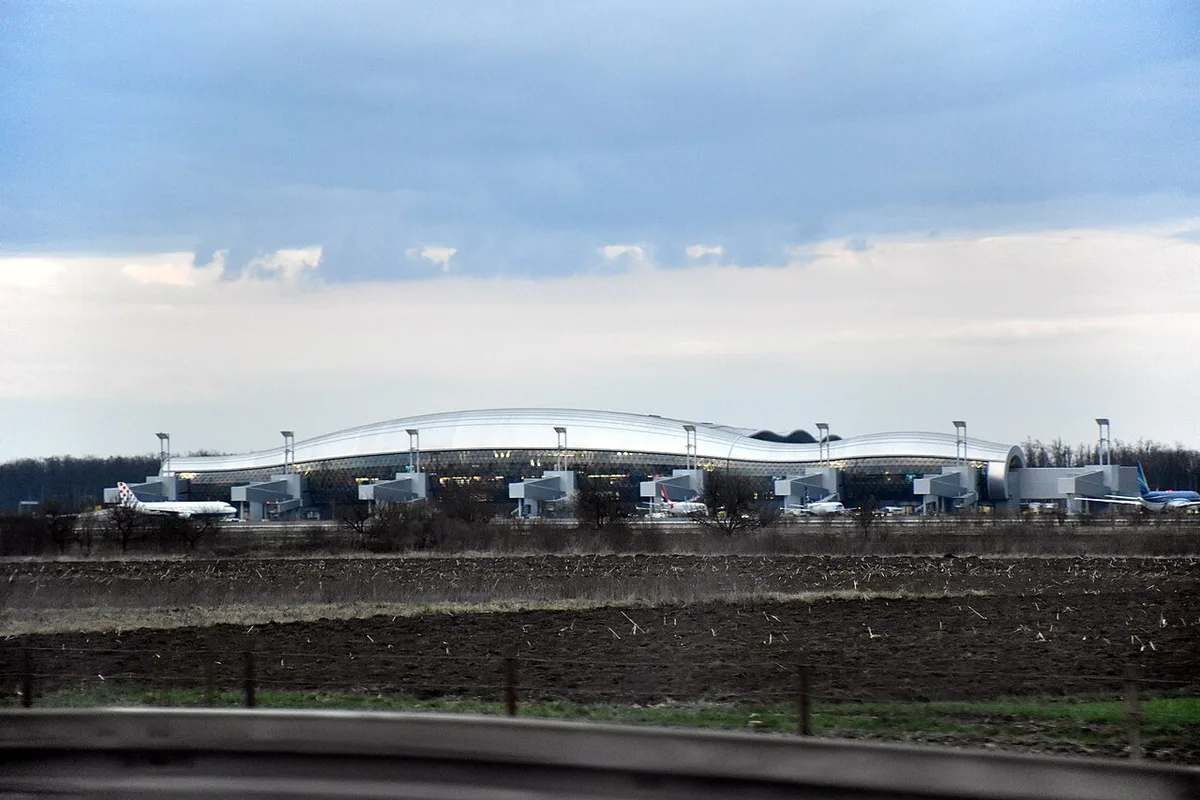
Featured image: Zblace, CC BY-SA 4.0, via Wikimedia Commons.
Is renting a car in Croatia worth it?
Yes, if your trip links several coastal towns, Istria or the national parks. No, if you stay in Zagreb, or base yourself in Split or Dubrovnik alone. Buses, ferries and trains handle the main city-to-city runs. A car earns its cost where public transport thins out, such as Plitvice, Istrian hill towns and small Dalmatian coves. Use the matrix below to match your itinerary.
| Itinerary | Car needed? | Best alternative | Main friction |
|---|---|---|---|
| Split and islands only | No | Ferry plus bus, local taxi or scooter | Car ferries and city parking |
| Dubrovnik only | No | Walking, local buses, taxis | Old Town access and parking |
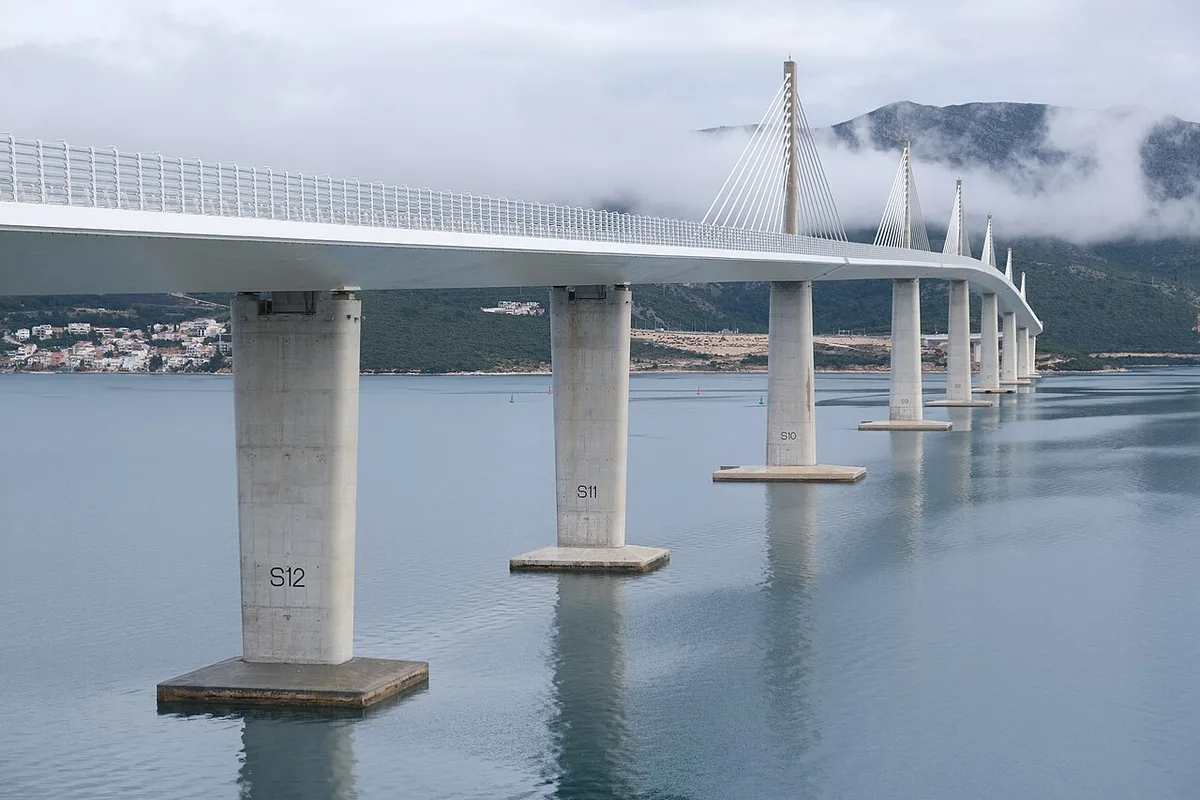
| Split to Dubrovnik coast | Yes | Coach along the coast | One-way fee, Bosnian corridor near Neum |
| Istria (Pula, Rovinj) | Yes | Limited bus links | Small town centres, parking |
| Plitvice and inland | Yes | Organised day tour | Hilly roads, unpaved-road exclusions |
| Zagreb only | No | Trams, taxis, trains | Paying for a car you park |
What you need to rent a car in Croatia
Most agencies set the minimum age at 21. Some ask for 22 or 23, and drivers under 25 may pay a young-driver surcharge. Expect to show 1–2 years of licence history, depending on the company. A national licence in the Latin alphabet is accepted. A licence in another script, such as Cyrillic or Arabic, needs an International Driving Permit alongside it. Bring your passport or national ID card as well.
- Age: usually 21 or older, with a surcharge under 25 at some companies.
- Licence: held for 1–2 years, in Latin script or with an IDP.
- ID: passport or national ID card.
- Payment: a credit card in the main driver's name for the deposit hold.
- Debit cards: most desks refuse them for the deposit.
How much does renting a car in Croatia cost?
Season moves the base rate more than anything else. Comparison-site averages put peak June–August rentals from roughly €63 per day. November–February rates start from around €39 per day. These are approximate "from" figures, so confirm the real price at booking. Prices checked November 2026. Book early for peak weeks, because rates rise closer to pickup. Your total is a stack of costs, not the base rate alone.
Drivers under 25 may pay a young-driver surcharge, so budget that on top of the base rate before comparing totals.
| Cost | What drives it | Planning note |
|---|---|---|
| Base rate | Season, car class, rental length | Highest June–August |
| Excess cover | Desk cover versus a separate policy | Compare both before pickup |
| One-way fee | Pickup and drop-off cities | Compare quotes for each route |
| Cross-border fee | Country and permission | Ask before booking |
| Tolls | Motorway distance | Pay by cash or card at booths |
| Fuel | Car size and distance | Choose full-to-full |
| Parking | City zone and garage | Highest in Split and Dubrovnik |
| Ferry fees | Island and operator | Needs rental permission |
Insurance and excess: what is included and what to add

Most rentals include basic cover, but with a steep excess. That is the amount you pay if the car is damaged or stolen. Third-party liability only covers damage to others. Read the policy for exclusions before you accept the keys. Motorway tolls are a separate cost, so read about Croatian motorway tolls when you build the budget.
- Usually included: third-party liability, theft protection and a collision damage waiver with a high excess.
- Optional: super CDW or full cover to reduce or remove the excess.
- Optional: cover for windows, tyres, undercarriage and roof, which standard CDW leaves out.
- Optional: personal accident insurance for medical costs.
Which car to rent
Match the car to the route. A compact or midsize car suits the coast, including Split to Dubrovnik. Go small for Zagreb, Zadar and Pula, where streets and parking spaces are tight. An SUV helps inland, around Plitvice Lakes or Gorski Kotar, where roads climb and clearance matters. Manual cars dominate the fleets. Automatics cost more and sell out first in peak season. Filter for automatic when you search and reserve well ahead. If the lot has only manuals on arrival, ask the desk for an alternative city or date rather than accepting a car you cannot drive.
Peak June–August rentals start from roughly €63 per day, and automatics cost more again, so book an automatic early.
Where to pick up: airports or city offices
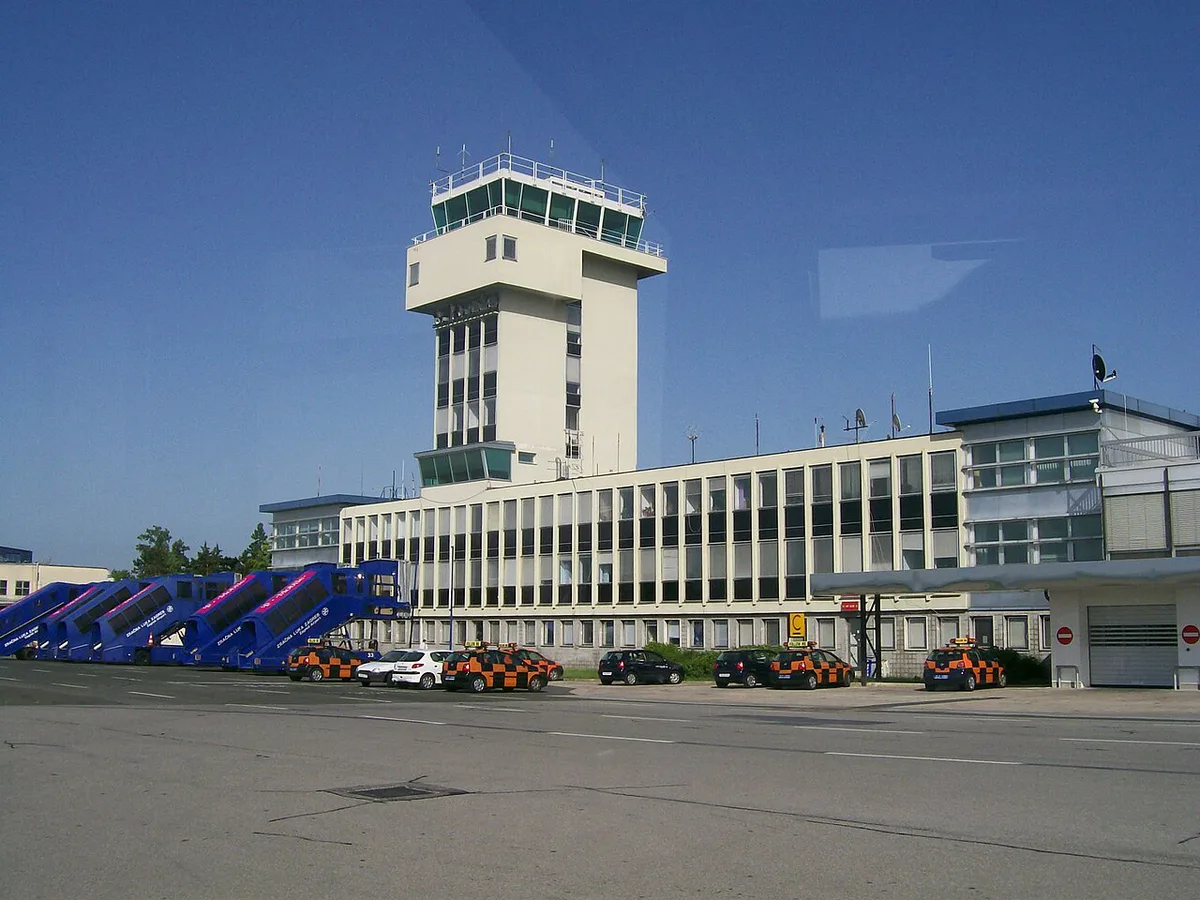
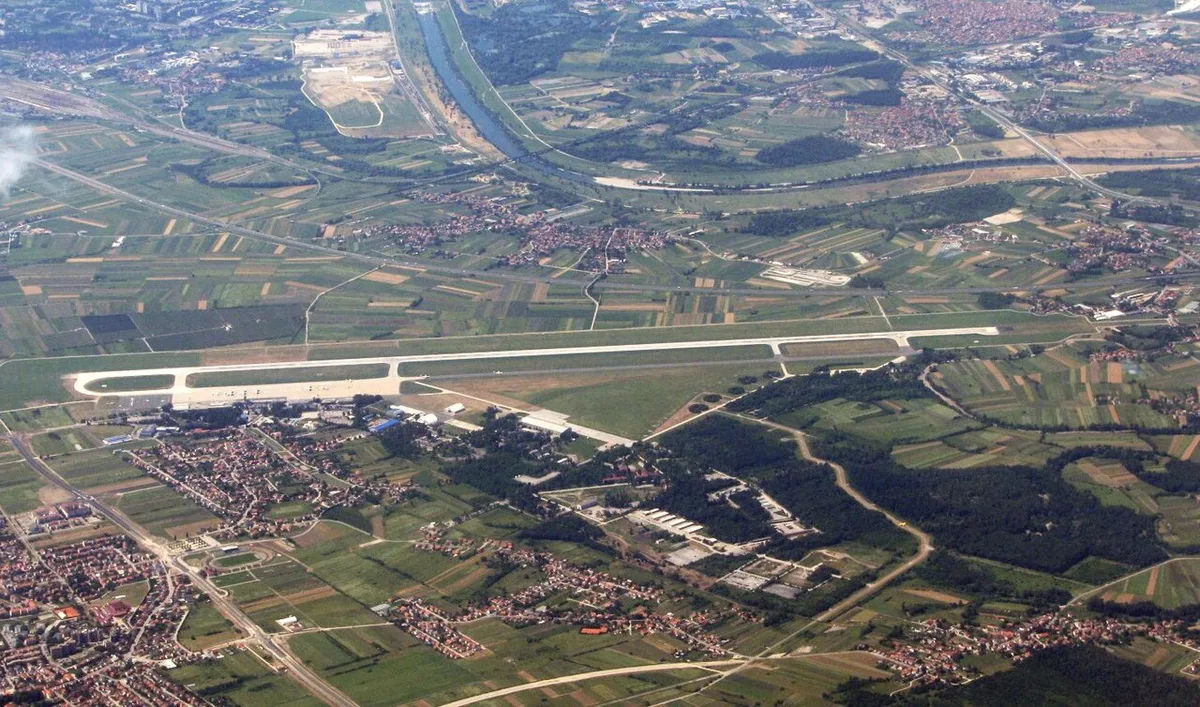
Airports give the longest desk hours and the quickest exit onto the motorway. Check your flight time against the desk opening hours, since a late arrival can cost a night's rental or a missed pickup. City offices suit travellers who only need a car for days away from town. Hotel delivery is worth asking about in Split. Start with the Split Airport site for terminal details. Dubrovnik works the same way, and the Dubrovnik Airport site lists its services. Our guide to Split pickup options covers parking and island day trips.

One-way rentals, border crossings and ferries
One-way hires, such as Zagreb to Split, Dubrovnik to Split or Split to Pula, usually carry a drop-off fee. The fee depends on the company and the route. Compare quotes for the same dates with different drop-off cities. Our Split–Dubrovnik coastal drive guide covers that route in detail. Most companies allow Slovenia, Bosnia or Montenegro with prior notice. Some add a fee or paperwork, such as a green card. The coastal road south of Split crosses a short Bosnian stretch near Neum, so tell the company before you book. Ferries need the same care. Some contracts allow car ferries, others forbid them or charge extra. For Hvar, Brač or Korčula, get permission in writing. A foot passenger ticket plus a local taxi or scooter is often simpler.
Parking and where not to take a car
Skip the car inside Dubrovnik Old Town and Split's historic core. Parking is limited and costly, and zones are closely monitored. Park at the city edge or drop the car at the airport. Better still, rent only for the days you leave town. Read our notes on Dubrovnik pickup and Old Town parking before you commit. Read every parking sign, because a ticket or a tow is a real risk.
Pickup-day checklist and common mistakes
Work through this list at the desk. Rules and speed limits belong to our guide on Croatian road rules, and HAK, the Croatian Auto Club, publishes road information.
- Photograph every panel, the wheels and the windscreen before you leave the lot.
- Get the fuel policy in writing, and prefer full-to-full.
- Ask about mileage caps, extra-driver fees and unpaved-road exclusions.
- Confirm in writing that ferries and border crossings are allowed.
- Keep your licence, passport and rental papers in the car.
- Mistake: showing up with a debit card instead of a credit card.
- Mistake: skipping the IDP when your licence is not in Latin script.
- Mistake: leaving damage unreported at drop-off.
Frequently Asked Questions
What happens if I cross the border with a rental car?
Without permission, your insurance may be void and you could face fees or penalties. Tell the rental company before you book, and ask whether a cross-border fee or green card applies. Most allow Slovenia, Bosnia or Montenegro with prior notice.
Road-rule changes worth knowing
Optional updates to our guides.
You might also like

Continue reading
More guides you'll find useful