7 Things to Know Before Driving in Austria
License rules, the vignette, tolls, speed limits and winter driving in Austria, plus when a car beats the train.
On this page
Last updated November 2026: driving in Austria is straightforward, with right-hand traffic, well-kept roads and clear signs. Before leaving the rental lot, sort out your license or IDP and a digital vignette for motorways. Seven checks below cover those must-dos, plus tolls, speed limits and winter rules, with links to deeper guides.
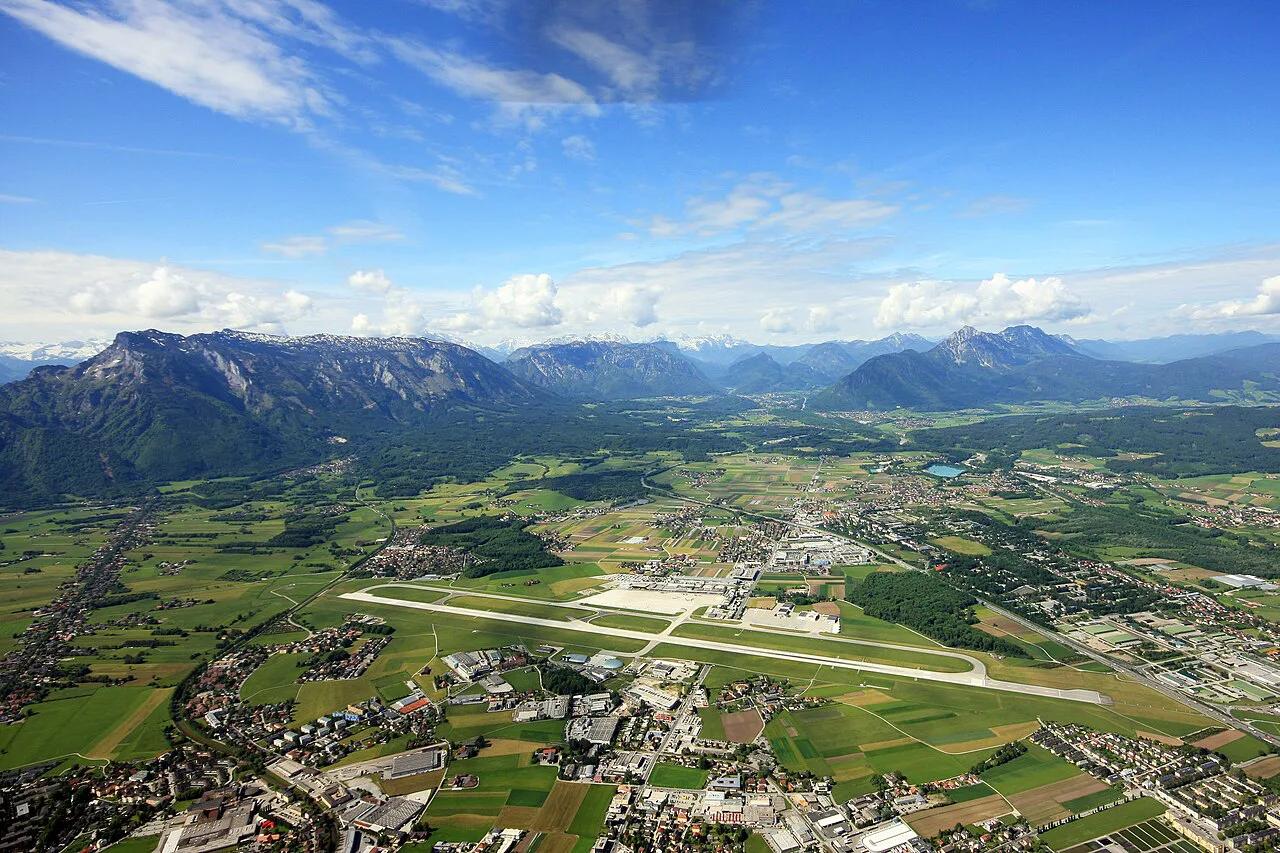
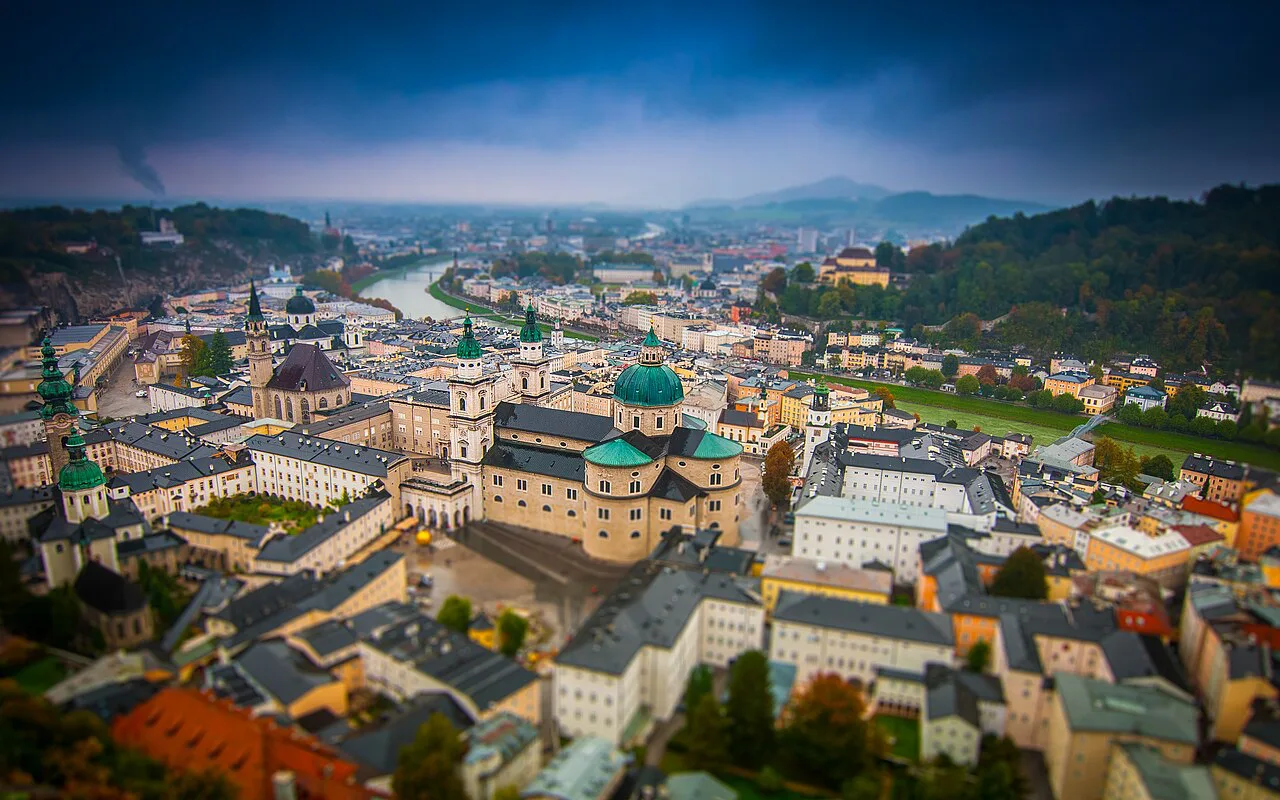
Featured image: Iswoar, CC BY-SA 4.0, via Wikimedia Commons.
7 Things to Know Before Driving in Austria
Prices and hours checked November 2026. Each item below is a decision or rule you meet before or soon after picking up the car.
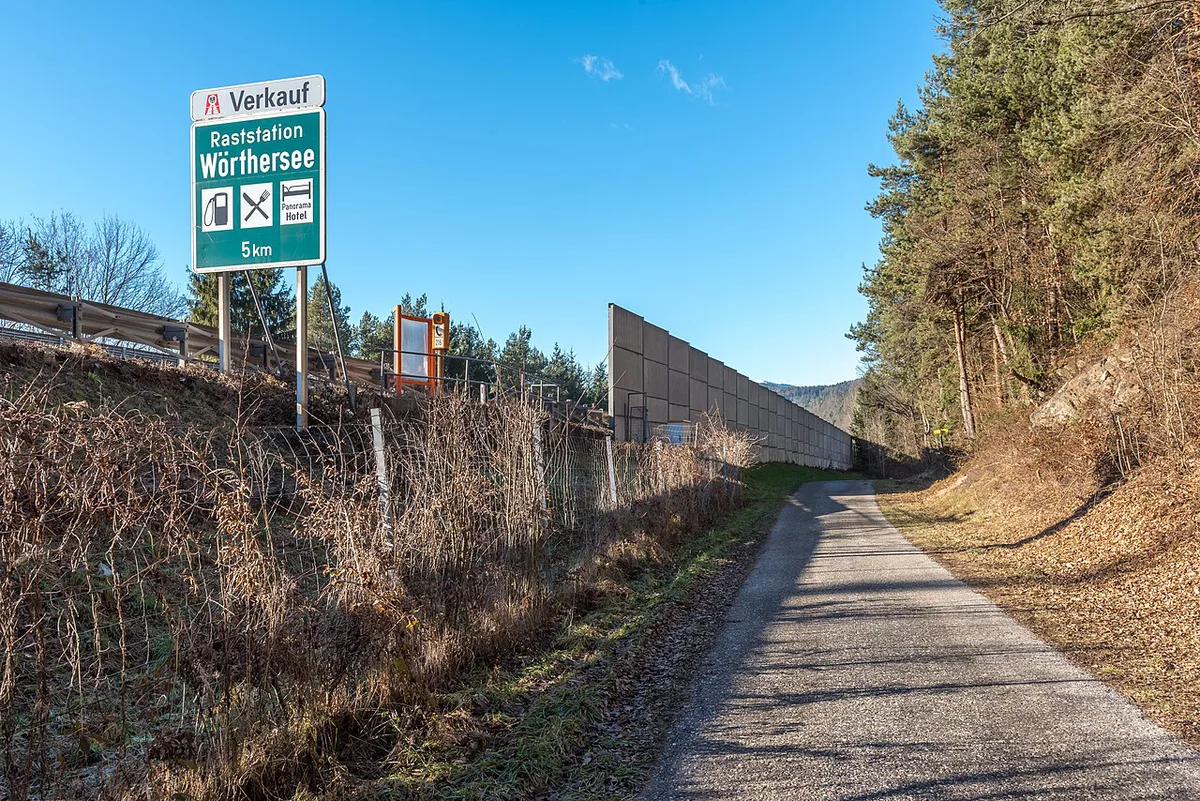
1. Carry the right license and an IDP
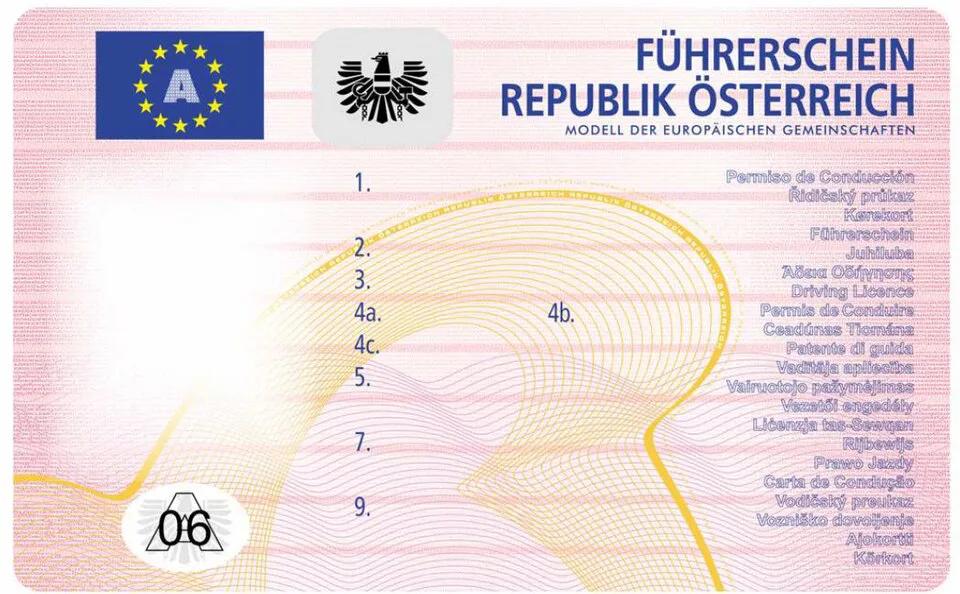
Austria drives on the right, and you must carry photo ID, a valid license and the vehicle papers in the car. Drivers holding an EU-issued license do not need an International Driving Permit. US license holders should carry an IDP alongside the home license, and you can get one before you leave the US.
An official translation from ÖAMTC or ARBÖ is the other route, but it suits long stays more than a short trip. Our guide to driving with a US license covers the steps in order. Skip the translation route if you are only in the country for a week or two.
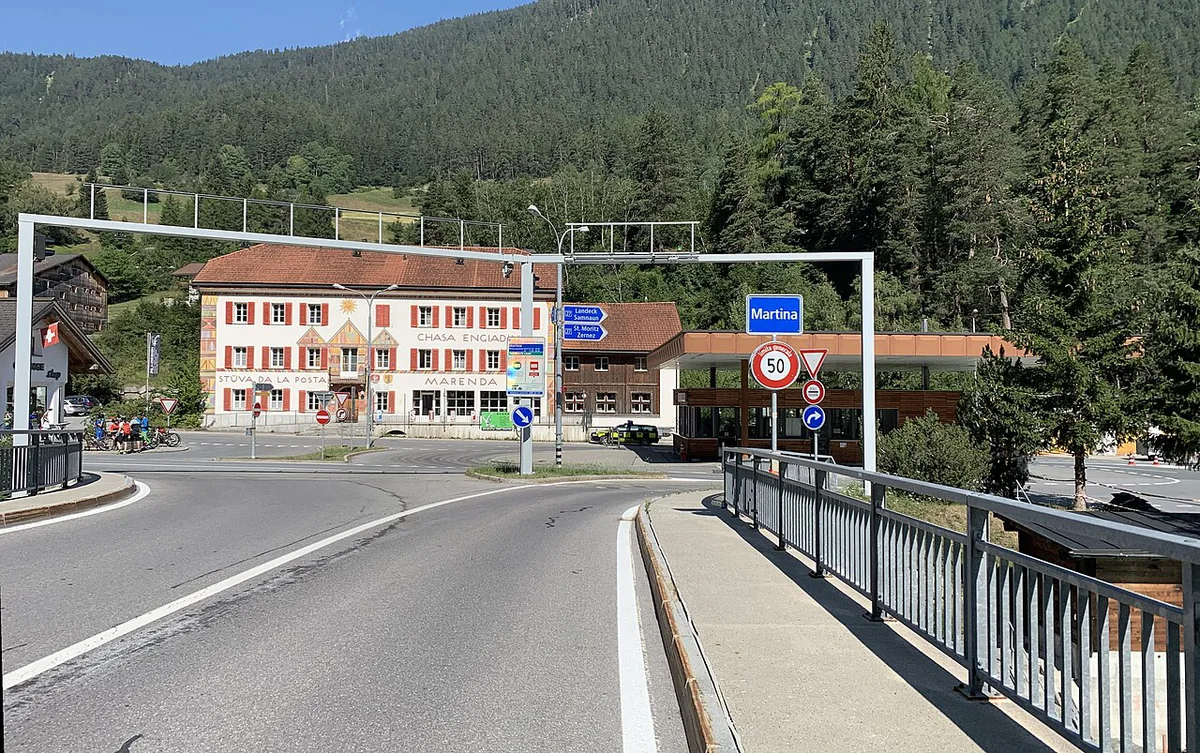
2. Buy the digital vignette for motorways
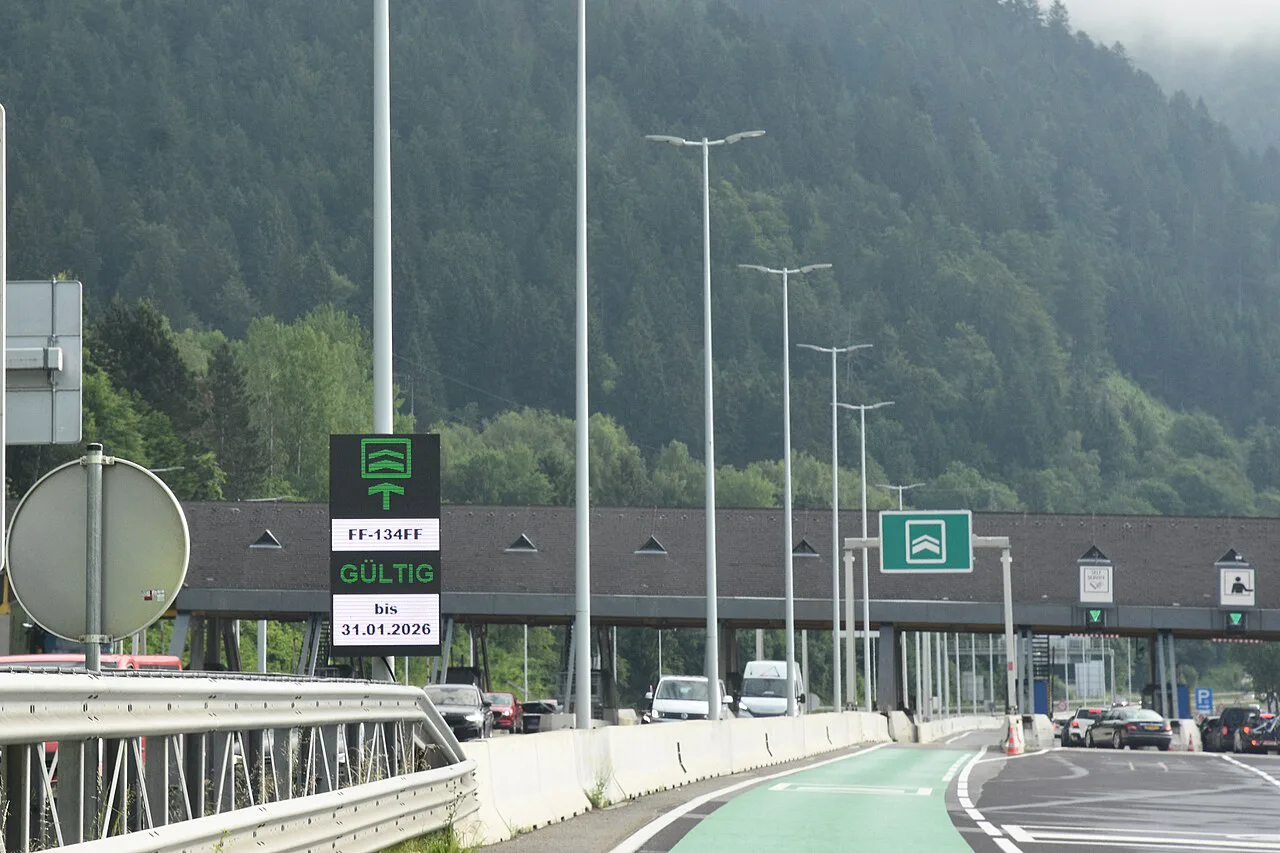
A vignette is required on Austrian motorways and expressways, and driving in from toll-free Germany catches many visitors out. It is digital, so cameras read your license plate and nobody checks a sticker on the windshield. Validity options run 1 day, 10 days, 2 months or a full year, so match the length to your trip. Buy only from an official sales channel and check the plate number before you pay, because a typo leaves you unregistered.
Rental cars from Austrian companies usually include one, so ask at the counter before buying a second. Read how the digital vignette works before you pay. You can skip it only if you stay entirely on local roads, which adds a lot of driving time.
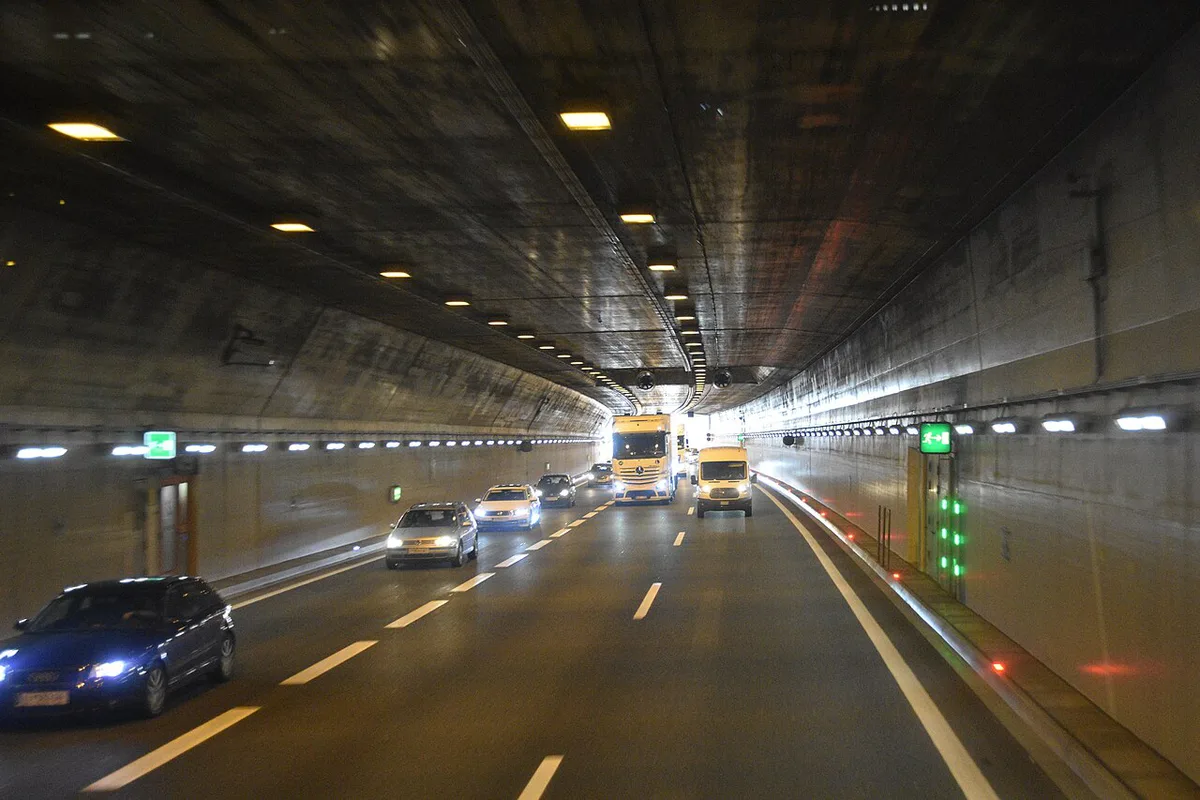
3. Budget for separate tunnel and mountain tolls
The vignette does not cover every road, and some tunnels and alpine routes charge at a barrier. Brenner, Felbertauern and Arlberg are the best-known cases for visitors crossing the Alps. Our Brenner Pass route notes explain the north-south crossing. The Felbertauern Tunnel guide covers the east-west link between Salzburg and Tyrol regions.
For tunnel beneath the mountain, see the Arlberg Tunnel details. Our overview of toll roads across the country lists the rest. Rates change each year, so read the operator's current tariff before you set off.
4. Respect the speed limits
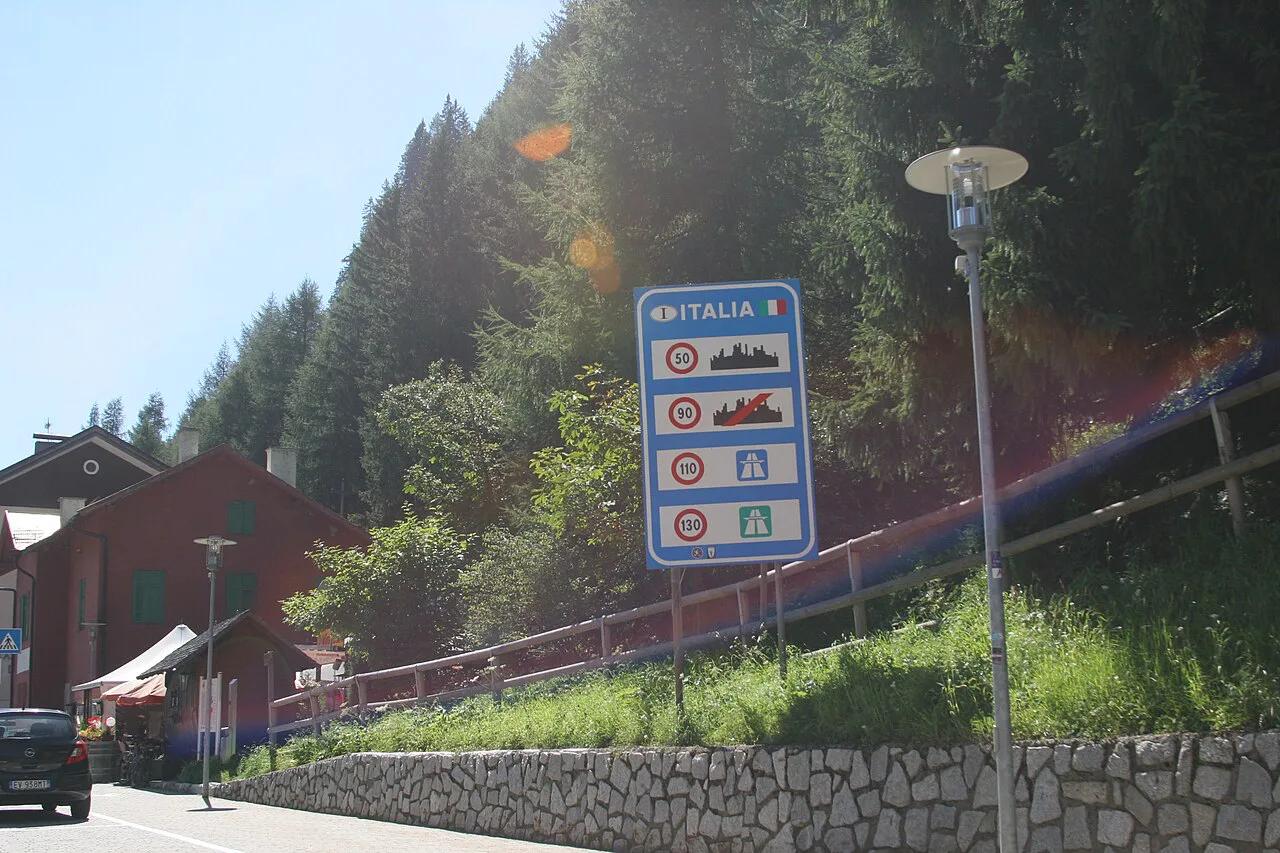
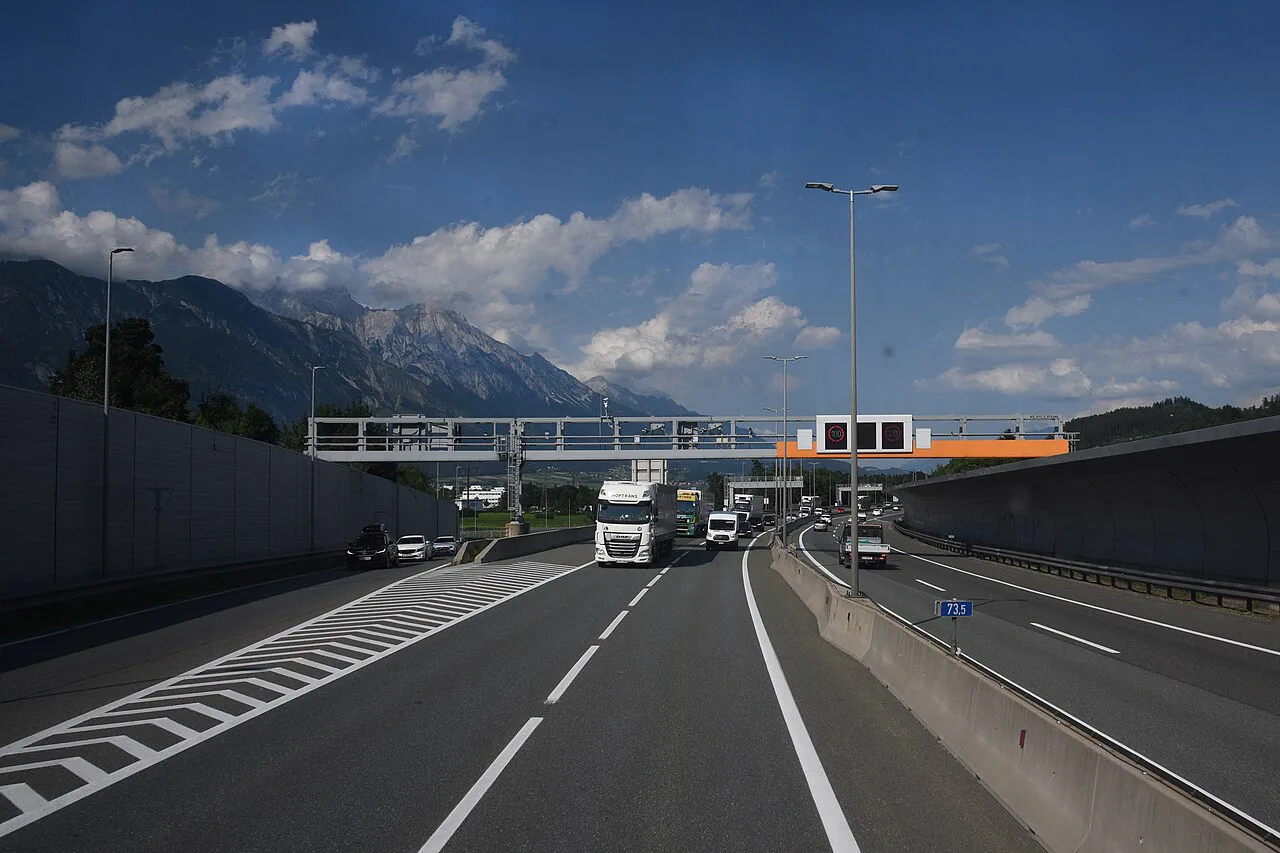
Austria sets limits by road type, and the usual figures are 130 km/h (about 80 mph) on motorways. Most roads outside towns carry 100 km/h (about 62 mph). Inside built-up areas the limit is 50 km/h (about 31 mph).
Vehicle type, trailers and signed local limits can change those numbers, so follow the posted sign over the rule of thumb. Our speed limits by vehicle and road page has the exceptions. Drivers coming from the UK or US should watch the speedometer unit, because every sign is in kilometers per hour.
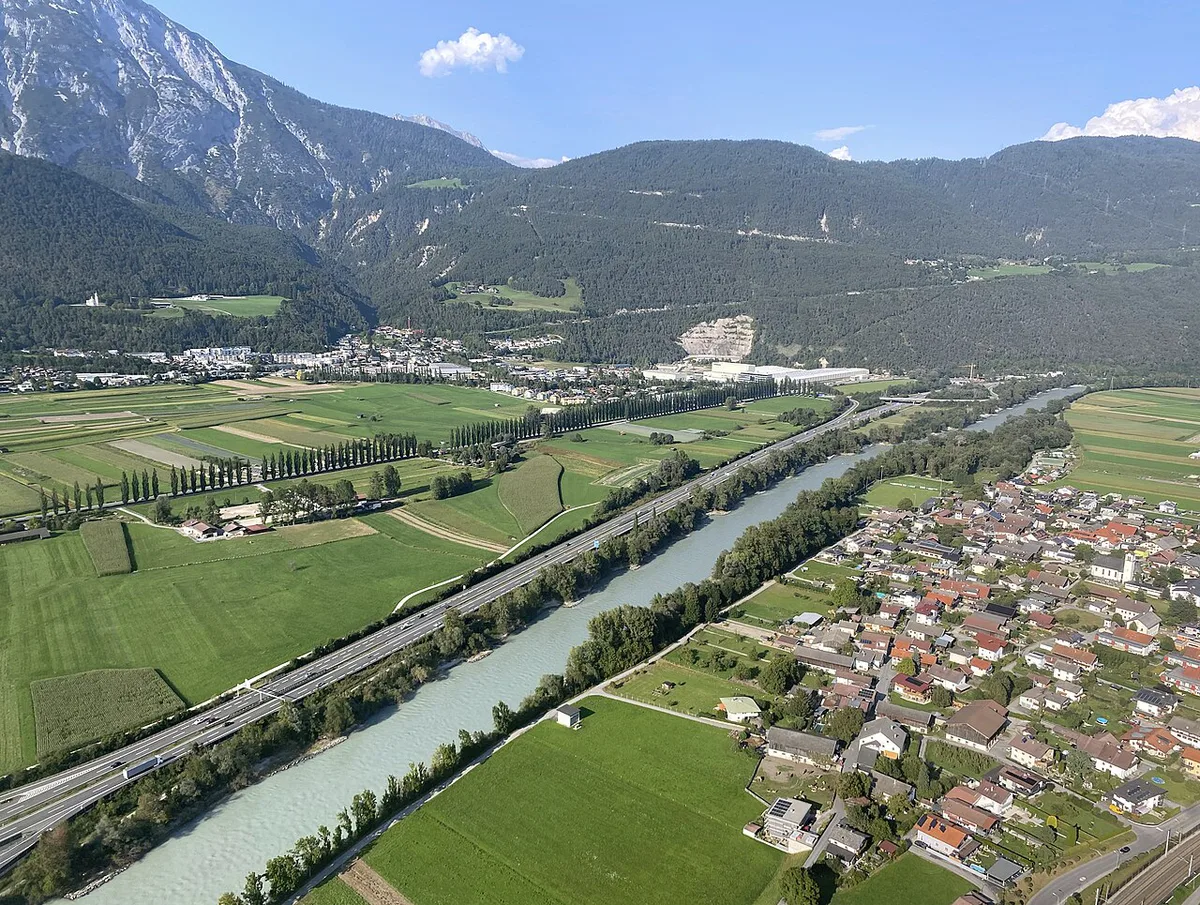
5. Learn the rules that catch visitors out
The blood-alcohol limit is 0.05, and fines start at around €300, with possible loss of the license. Seatbelts are compulsory for every passenger, and children need an approved child seat. In cities such as Vienna and Innsbruck, trams often have priority, so give way and never block the rails.
After a motorway jam forms, drivers must open an emergency corridor between lanes for ambulances and police. Skip the single glass of wine before driving, because the limit is low and the penalty is steep.
6. Prepare for winter driving from November to April
Winter tires are required from 1 November to 15 April, and rental cars are normally fitted with them. Chains are worth having if you plan to take small mountain roads. Black ice forms in the early morning near freezing, so drive slowly on shaded bends. High-alpine roads often close for the season, and open dates change from year to year.
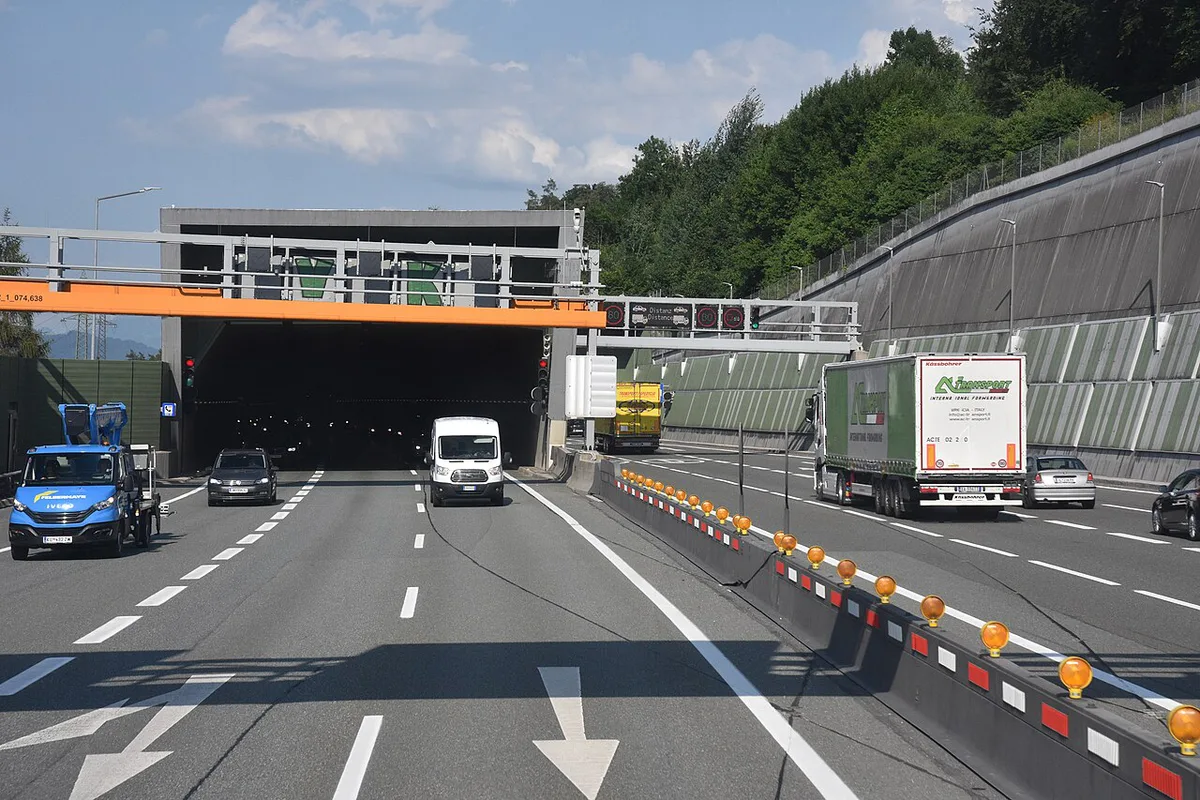
Our Arlberg Pass winter notes cover a route that stays reachable by the tunnel when the pass is difficult. The Gerlos Pass driving guide adds the toll and seasonal detail for that road. Main roads are cleared quickly, so December driving suits confident drivers but not first-time winter drivers.
7. Avoid the common rental-car pitfalls
The general minimum driving age is 18, and rental companies often add a young-driver fee below 23. Cross-border fees apply when you drive into Germany, Italy, Slovenia, Czechia or Switzerland, so tell the desk your route. Ask about the deposit, the excess and any one-way charge before you sign.
Confirm that the vignette and winter equipment are in the car when you collect it. Our car rental in Austria page walks through the counter checks. Skip an unneeded upgrade if you are only visiting Vienna or Salzburg, where a car adds little.
Should You Drive at All? Car vs Train by Trip Type
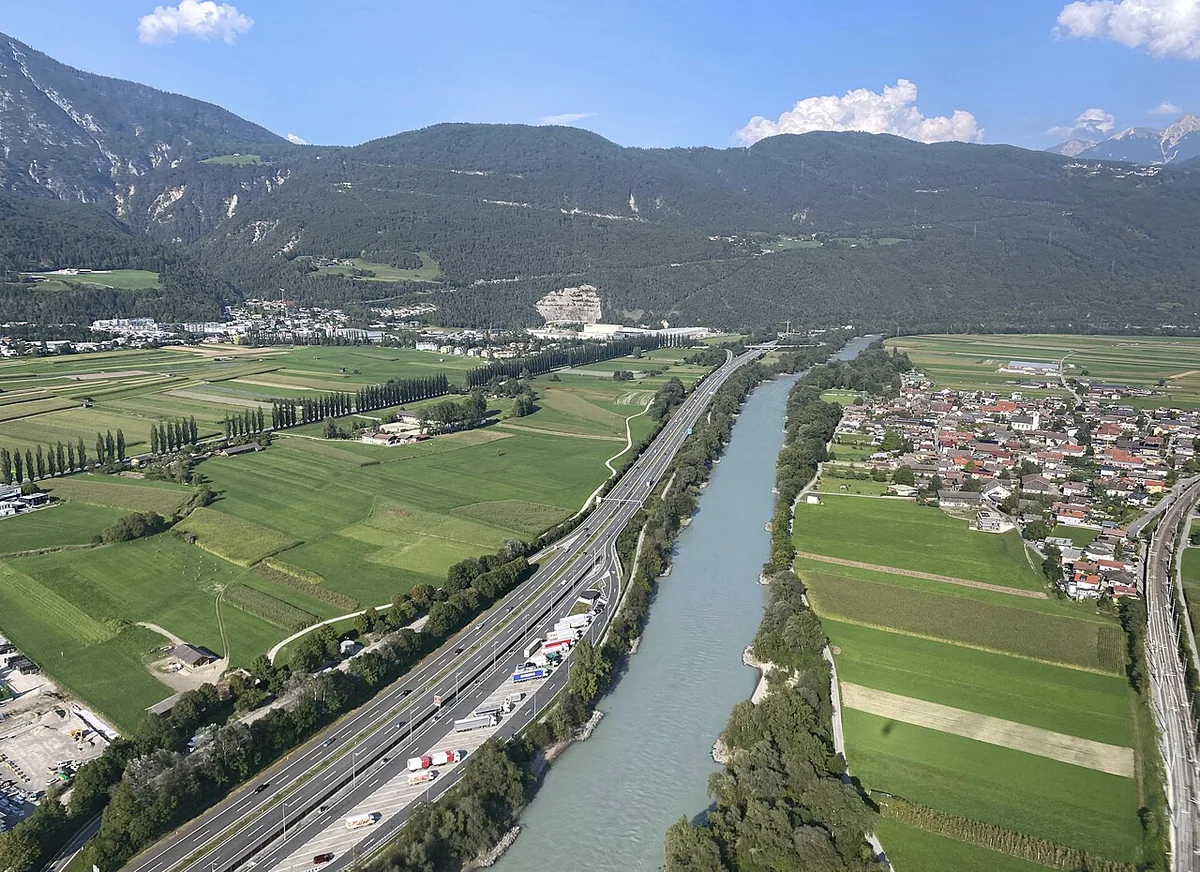
A car pays off in the Alps and valleys, where trains stop short of trailheads and passes. In Vienna, Salzburg and Innsbruck, public transport beats the stress of parking. Our rental checklist helps if you decide to book. A multi-country trip is easier to plan with our Austria road trip routes.
Pick from 1 day, 10 days, 2 months or a full year, then compare that cost with a train-only plan for city stays.
| Trip type | Access | Cost drivers | Time | Parking and stress | Best fit |
|---|---|---|---|---|---|
| Vienna, Salzburg or Innsbruck only | Trains and trams cover the centers | Parking and rental days for little use | Faster without a car | High in old towns | Train and city transit |
| Alps and valleys | Trains stop short of many trailheads | Rental, fuel and mountain tolls | Flexible stops | Moderate; resort lots fill up | Car |
| Hallstatt and Salzkammergut | Buses and trains serve main towns | Rental, parking at the lake villages | Car saves transfers | High in peak season | Car, or train plus bus if you start early |
| Multi-country road trip | Roads link neighbors directly | Vignette, border fees and one-way charges | Slow to rush | Varies by city | Car, booked with cross-border rules in mind |
Vignette or Toll? Which One You Need by Route
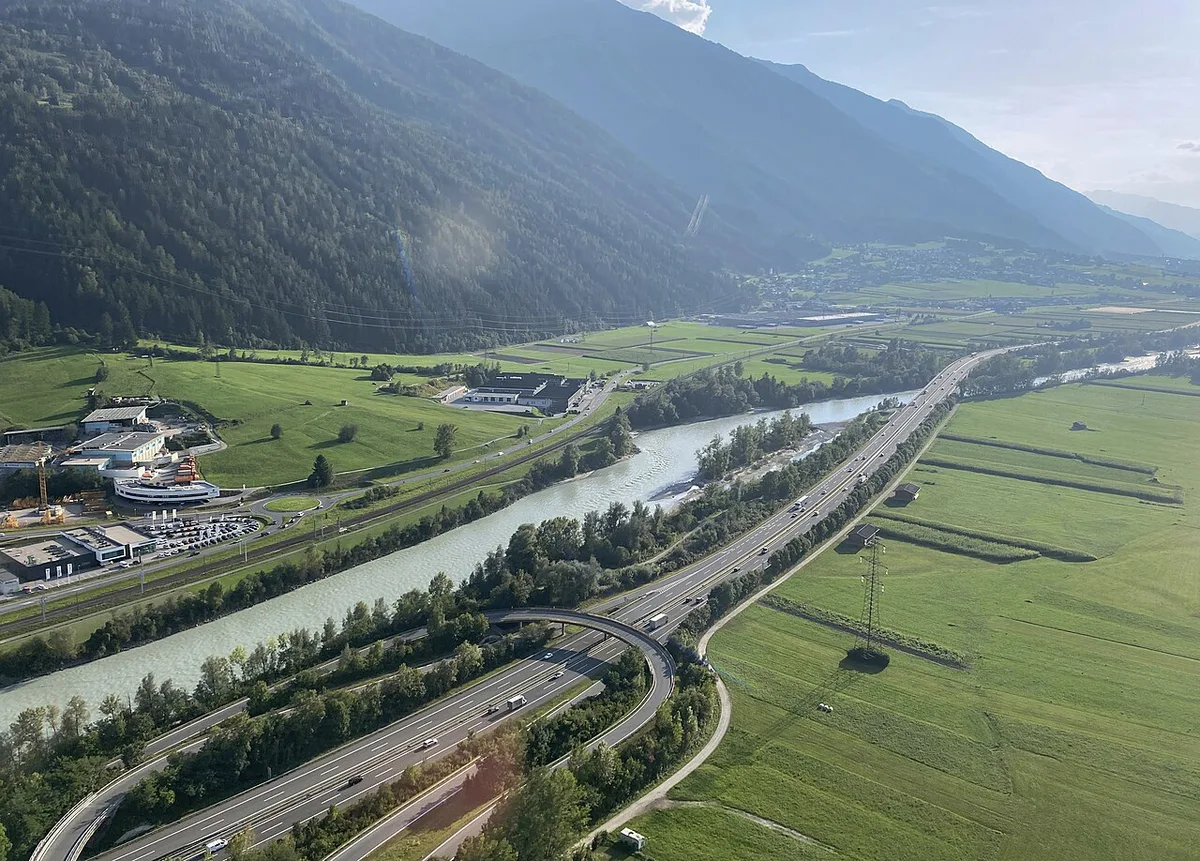
Austria charges in two layers. The vignette covers motorways and expressways for the period you bought, such as 1 day, 10 days or 2 months. Separate tolls cover specific tunnels and alpine roads, and you pay those at the barrier. Buy from official channels only, and check your plate details before you confirm.
| Route type | What you pay | Where to read more |
|---|---|---|
| Motorway or expressway | Vignette | Vignette guide |
| Brenner crossing | Separate toll on top of the vignette | Brenner route notes |
| Felbertauern link | Separate tunnel toll | Felbertauernstraße operator |
| Arlberg by tunnel | Separate tunnel toll | Arlberg Tunnel guide |
| Local roads only | No vignette, but slower | Toll roads overview |
Mountain Pass and Scenic Road Planner
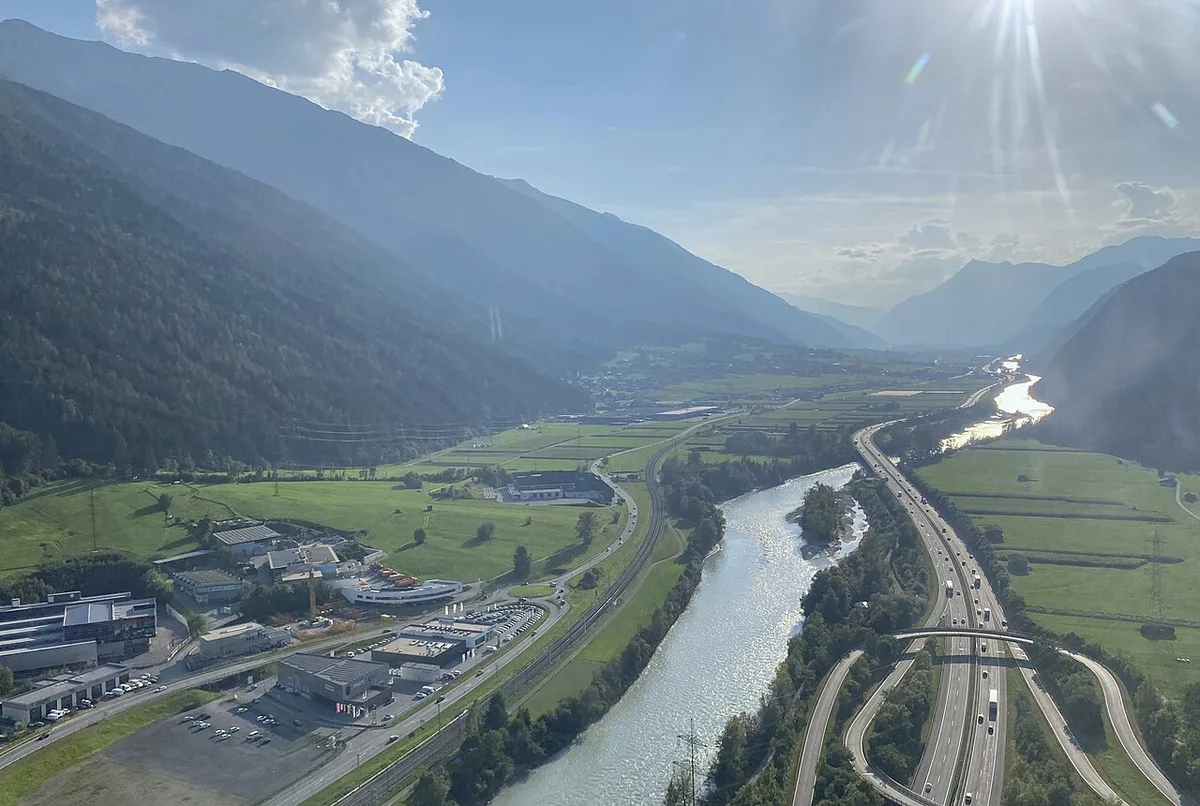
Five roads make the best alpine detours, and several charge tolls or close in winter. Separate the year-round routes from seasonal ones before you build a day around them. Operators publish current dates, so read the operator's site for the road you choose.
Winter tires are required from 1 November to 15 April, so a pass that closes in winter sets the timing for your detour.
| Road | Why drive it | Toll or seasonal | Who it suits |
|---|---|---|---|
| Silvretta High Alpine Road: Toll, Season & Driving Guide | Reaches the Bielerhöhe reservoir area | Toll and seasonal; see Silvretta Bielerhöhe | Confident drivers on summer days |
| Gerlos Pass Guide: Toll Road, Old Road and Winter Tips | Links Tyrol and Salzburg regions | Toll; see Gerlos Alpine Road | Drivers crossing between regions |
| Arlberg Pass: Drive It, Skip It, or Take the Tunnel? | Mountain alternative to the tunnel | Winter conditions can be harsh | Drivers who want the scenic route |
| Hahntennjoch | Narrow, steep road near Imst | Seasonal; see Imst Tourism | Experienced drivers only |
| Kaunertal Glacier Road: Toll, Season & Driving Guide | Climbs toward the glacier | Toll and seasonal; see Kaunertal | Glacier and reservoir visitors |
Frequently Asked Questions
Can you drive in Europe with a US license?
Rules differ by country. In Austria, US license holders should carry an IDP alongside the home license. Our US license guide for Austria covers the steps.
Can a 17 year old drive in Austria?
Not as a visitor. The general minimum driving age is 18, though Austrian residents can get early permission at 17. Rental companies often add a young-driver fee below 23.
Explore More Guides
Keep planning your trip with these guides.
Guides
- Austria Vignette 2026–2027
- Renting a Car in Austria: Requirements & Pick-Up Tips
- Speed Limits in Austria: km/h and mph by Road Type
- Toll Roads in Austria: Vignette vs Extra Tolls Explained
- Driving in Austria With a US License
- Brenner Pass: Route, Tolls and Border Crossing Guide
- Felbertauern Tunnel: Toll, Route and Winter Driving Guide
- Arlberg Tunnel: Toll, Rules and Arlberg Pass Alternative
- Austria Road Trip: Routes, Passes & Driving Tips
- Silvretta High Alpine Road: Toll, Season & Driving Guide
- Gerlos Pass Guide
- Arlberg Pass: Drive It, Skip It, or Take the Tunnel?
- Hahntennjoch Pass Guide
- Kaunertal Glacier Road: Toll, Season & Driving Guide
Road-rule changes worth knowing
Optional updates to our guides.
You might also like
Continue reading
More guides you'll find useful