
Brenner Pass: Route, Tolls and Border Crossing Guide
How to cross the Brenner Pass between Austria and Italy: motorway vs old road, tolls and vignette, border checks, winter conditions and rental-car rules.
On this page
Last updated November 2026. The Brenner Pass is an Alpine pass in Tyrol that links Austria with Italy, and it is the route most drivers mean when they search for the Brenner. You can cross it on the Brenner Autobahn (A13 in Austria, A22 in Italy) or on the older, toll-free road. This guide helps you pick a route, budget for tolls and avoid the usual mistakes.
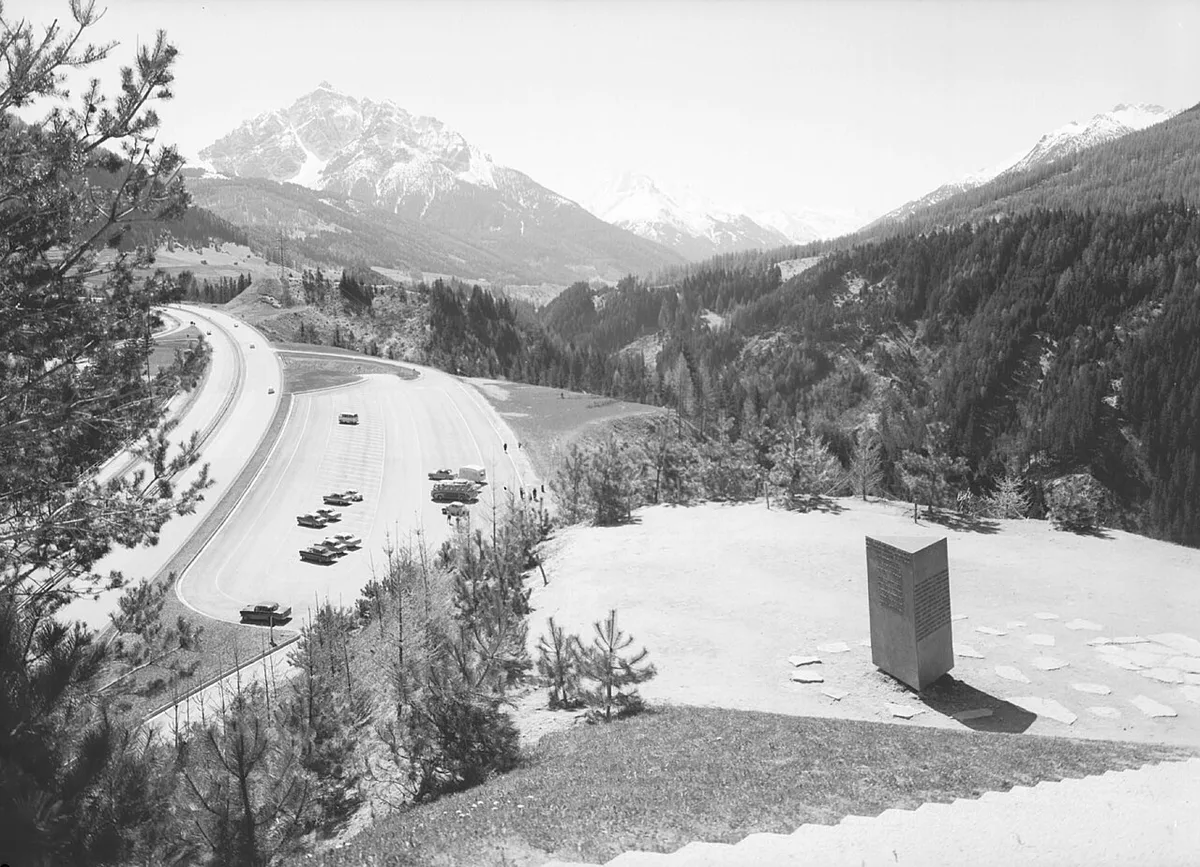
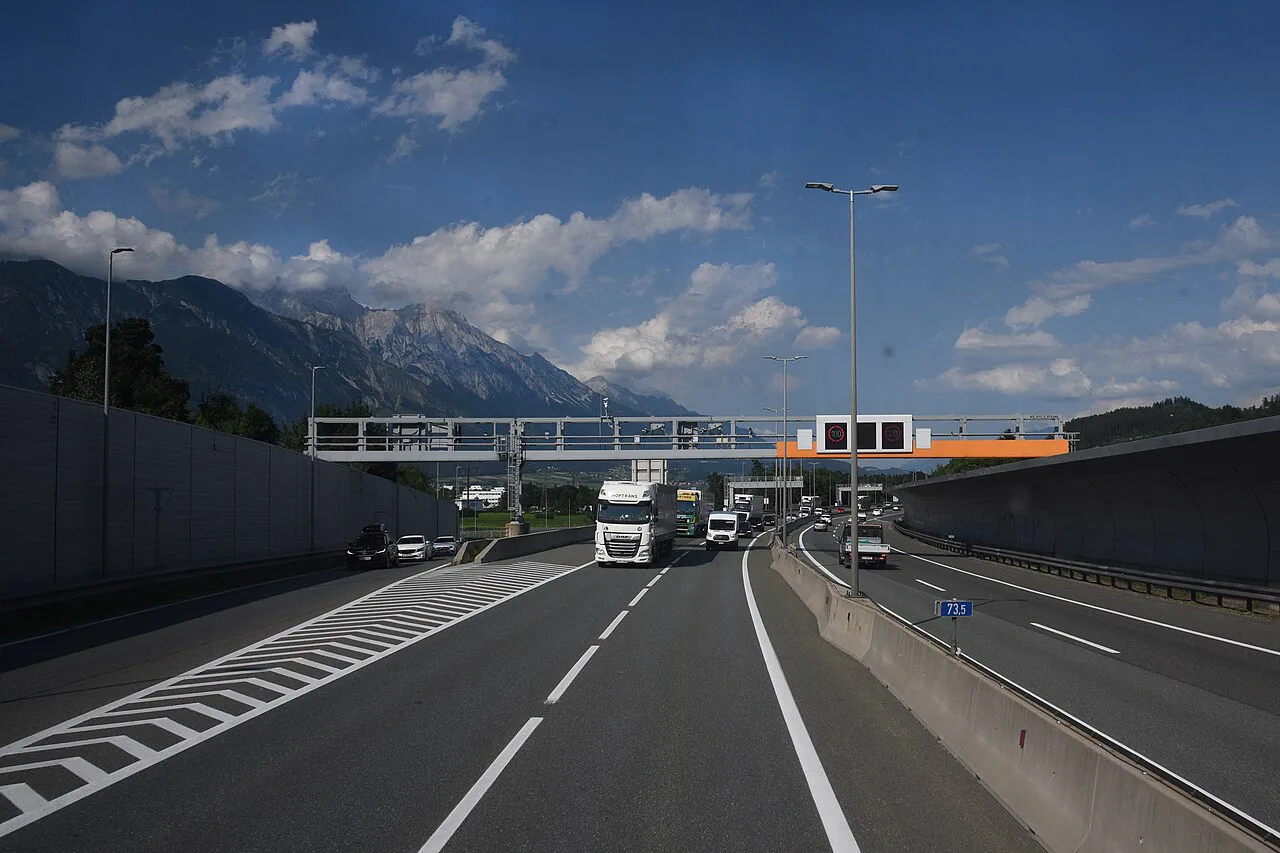
Featured image: Piergiuliano Chesi, CC BY-SA 3.0, via Wikimedia Commons.
Brenner Pass at a glance
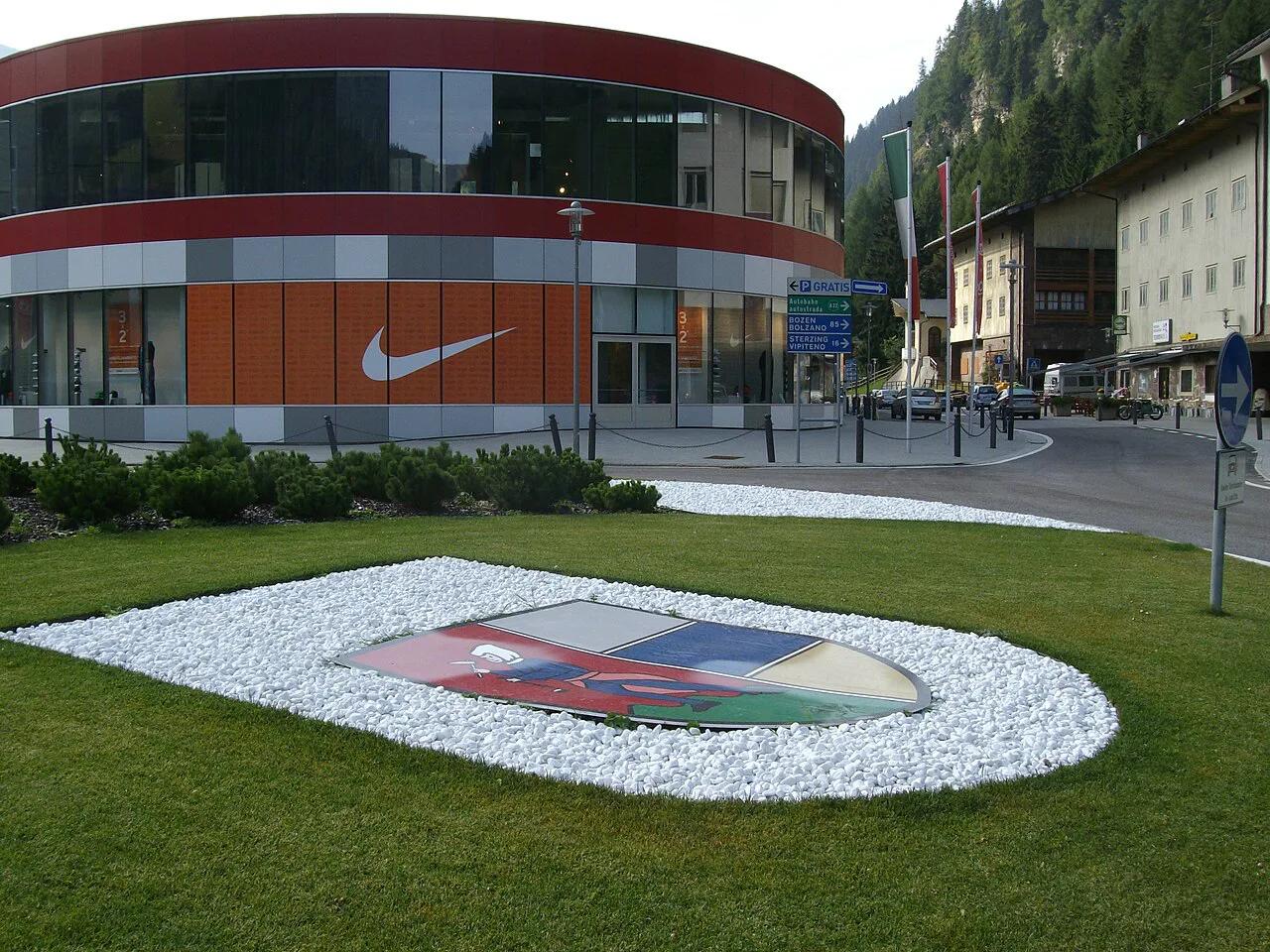
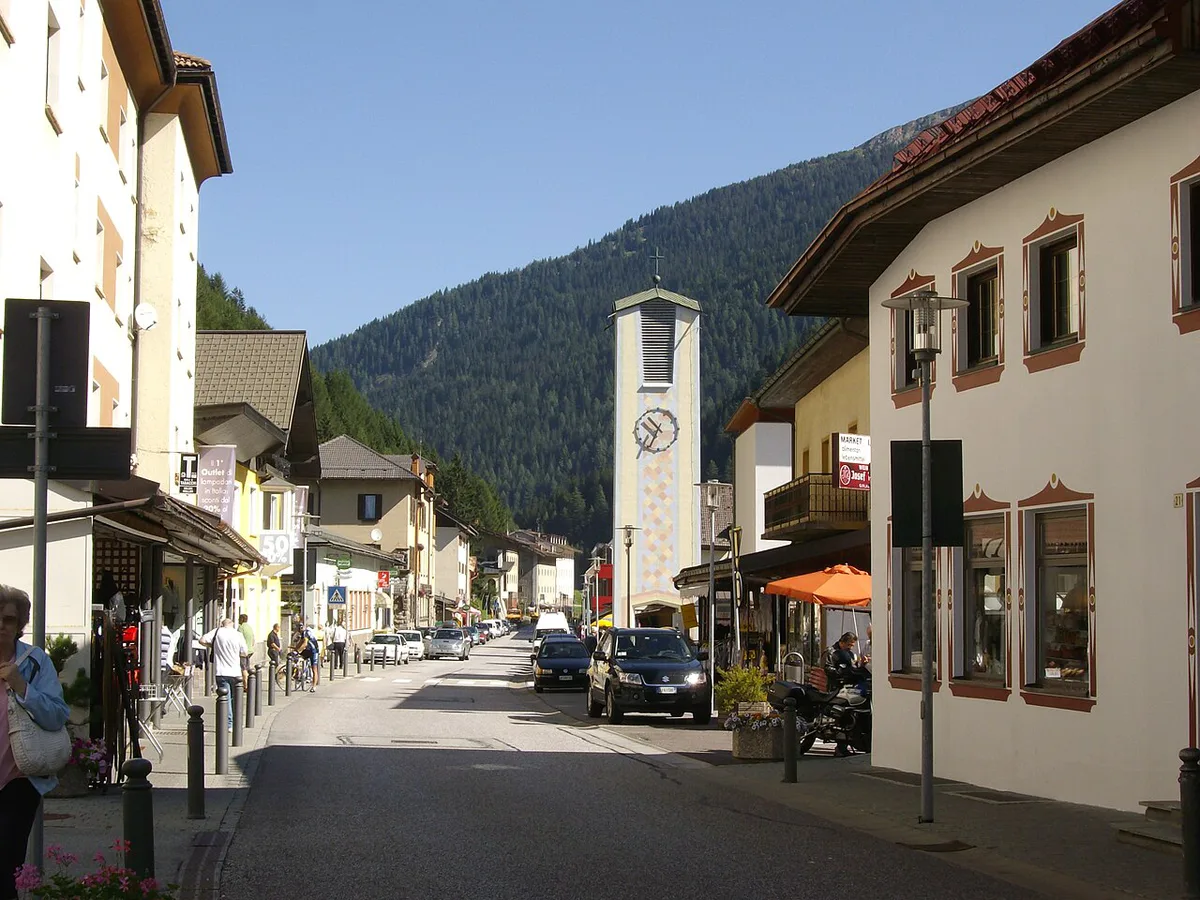
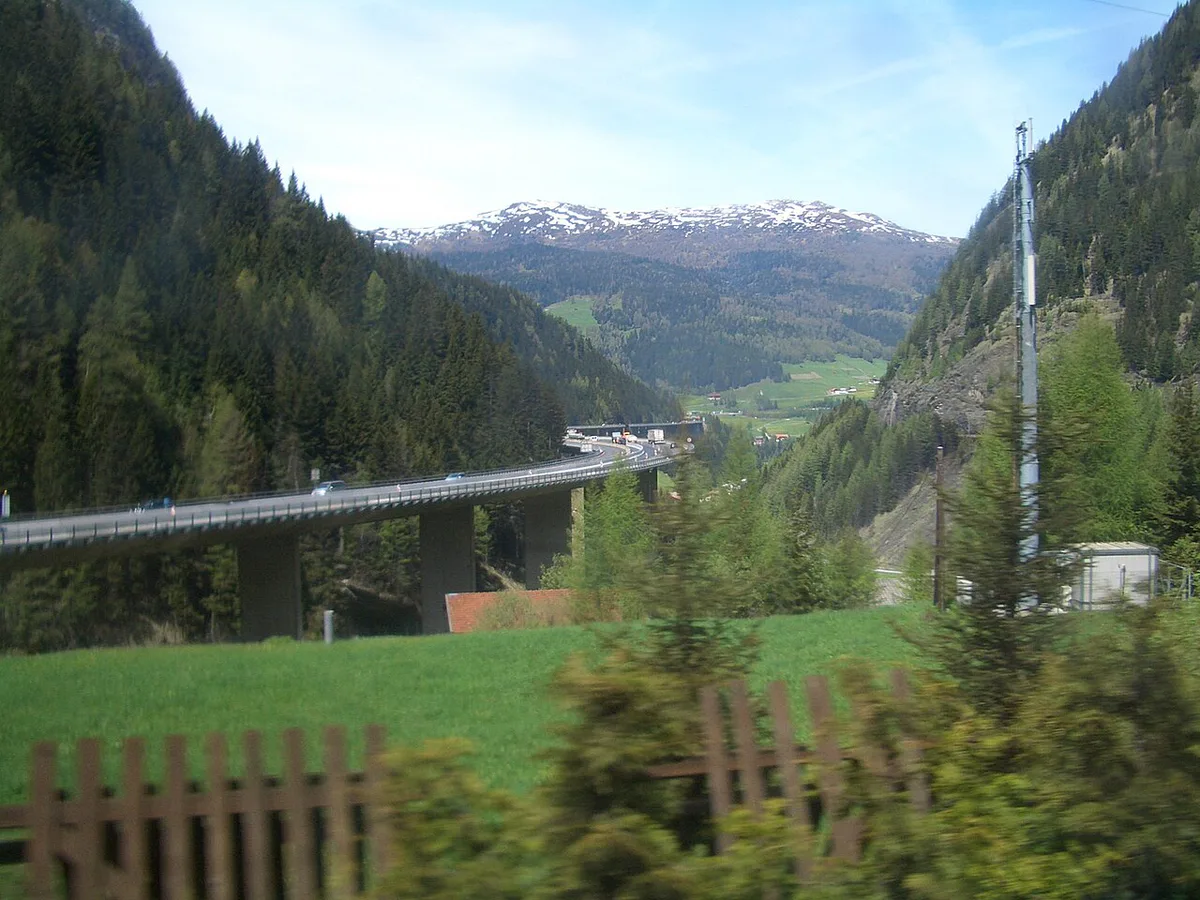
Brenner (Brennero in Italian, Brennerpass in German) sits on the Austria–Italy border at 1,370 m, or about 4,495 ft, which makes it one of the lowest main crossings of the Alps. The Stubai Alps and the Zillertal Alps frame the route. On the Austrian side you pass Gries am Brenner, then the Brenner railway station at the border. The Europabrücke bridge near Patsch carries the motorway on the northern approach. Reschenpass is the next pass to the west. If you are planning the wider Austrian leg, start with our Austria driving guide.
- Motorway: A13 Brenner Autobahn in Austria, A22 in Italy, on European route 45.
- Old road: Brennerstraße through Gries am Brenner, known as SS 12 on the Italian side.
- Rail: the Brenner railway crosses the same pass.
- Bike: the Brennerradweg (Ciclabile Brennero) follows the route.
Which way to cross the Brenner Pass
Your choice comes down to time, cost and how much you want to see. Pick the motorway for speed and the old road for views. Rail suits travelers without a car. Cyclists have a dedicated trail. Use the table to compare the four options.
| Option | Cost type | Time feel | Scenery | Best for | Skip if |
|---|---|---|---|---|---|
| Motorway (A13 / A22) | A13 section toll (€12.50 for a car in 2026), Italian A22 toll, vignette on the approach | Fastest | Viaducts, including the Europabrücke | Tight schedules, luggage-heavy trips | You want to see Gries am Brenner or the valley |
| Old road (Brennerstraße / SS 12) | No motorway toll | Slower, passes through villages | Closest views of the valley | Drivers with spare time | You tow a trailer or caravan, or run late |
| Rail (Brenner railway) | Ticket fare | Predictable, no traffic | Window views from the carriage | Travelers without a car | You need your own vehicle on the other side |
| Bike (Brennerradweg) | Free | Slowest | Gradual climb with valley panoramas | Fit, unhurried riders | You carry heavy luggage |
Tolls and the Austrian vignette on the Brenner
Motorway use is where the cost sits, and Austrian and Italian rules differ. The Austrian A13 is a special-toll section (Streckenmaut): a car pays €12.50 for a single trip from Innsbruck to the Brenner in 2026, and no vignette is required on the A13 itself. You do need a vignette on the motorways that lead to it, such as the A12 from Kufstein. Read our Austria vignette guide first. Then see which Austrian roads charge extra tolls. Across the border, the Italian A22 charges its own toll, collected separately by the Italian operator.
Pay the A13 toll at the Brenner toll station in cash or by card, or register your plate for ASFINAG's free Digitale Streckenmaut FLEX and drive through without stopping. The Brenner toll station is the one ASFINAG station where cars may also use the right-hand lane.
Border checks, traffic and timing
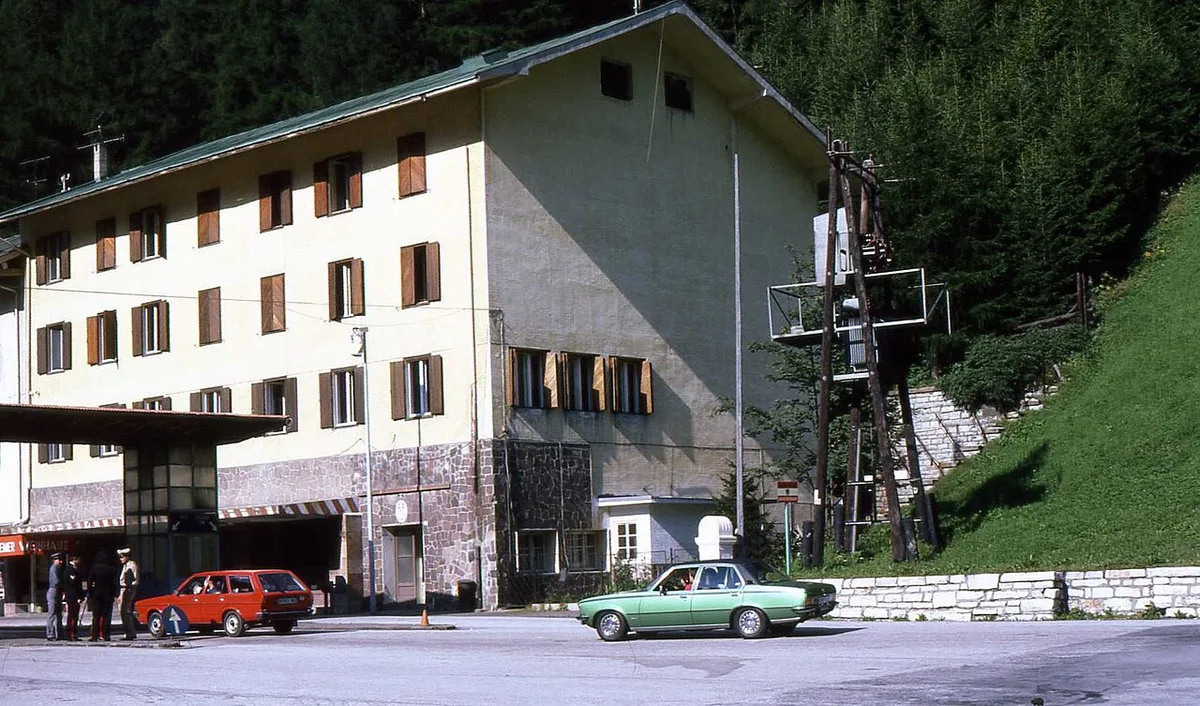
Austria reintroduced border checks at the Brenner in 2015, and temporary checks and lorry restrictions have shaped this crossing since. Carry your passport. Land Tirol publishes its driving bans for lorries and for diversion traffic, including Whitsun, summer and winter bans on leaving the motorway to dodge queues, along with a 2026 ban calendar.
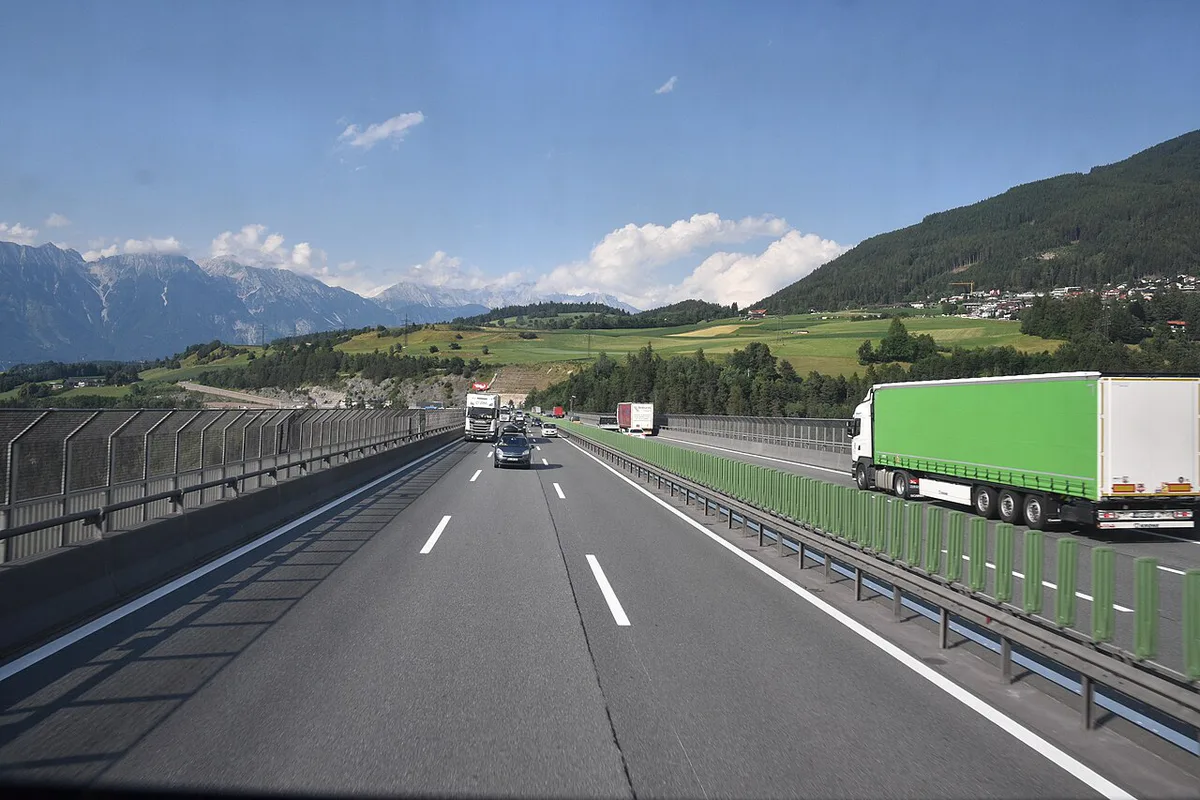
Build slack into your timing on the A13 Brenner Autobahn in Austria, A22 in Italy, where lorries queue at both approaches.
- Heavy lorry traffic can queue on both approaches.
- Holiday weekends tend to bring the longest delays.
- Early mornings and midweek crossings are usually easier.
- Fill the tank before the border and rest at a proper stop, not on the shoulder.
Winter driving on the Brenner Pass
Snow and ice can slow traffic at the summit, and winter tyre rules apply in both countries. In Austria you need winter tyres, or chains, in wintry conditions from 1 November to 15 April. Look at live road conditions with ÖAMTC before you start. Pack chains and keep them reachable. Speed limits vary by section, so see Austrian speed limits for the basics.
Snow and ice slow traffic at the summit, which sits on the Austria–Italy border at 1,370 m.
Renting a car to cross into Italy
Many rental contracts restrict cross-border driving, so ask your company in writing before booking. Start with Renting a Car in Austria: Requirements & Pick-Up Tips. US drivers should also read about driving with a US license.
- Skipping the vignette check for a rental car.
- Not asking the rental firm about Italy.
- Leaving chains and live road checks until you reach the pass.
- Assuming there are no border checks.
- Taking the old road in a hurry or with a trailer.
Other Alpine routes in Austria
If the pass whets your appetite, our Austria Road Trip: Routes, Passes & Driving Tips covers more ground. For another mountain crossing, try the Gerlos Pass Guide: Toll Road, Old Road and Winter Tips. These routes are separate drives and do not connect to the Brenner.
Crossing the Brenner without a car
The Brenner railway is the simplest alternative when you do not need a vehicle after crossing the border. It follows the same Austria–Italy corridor as the A13 and A22, but removes motorway toll, vignette and traffic concerns. Brenner railway station sits at the border, near the pass summit of 1,370 m. The Brenner Base Tunnel, a rail tunnel under the pass, is not expected to open before 2032, so trains still climb over the top.
For cycling, use the Brennerradweg, also called Ciclabile Brennero. The route includes a south ramp into Italy and is better suited to riders with time than to travelers carrying heavy luggage. Gries am Brenner is a useful Austrian-side reference point before the border.
Rail and bike are not substitutes for every itinerary. Choose rail if you want predictable travel without driving. Choose the cycle route only if your fitness, weather and luggage allow a slow mountain crossing. Drivers needing flexibility beyond Brennero should keep the car and choose between the motorway and old road instead.
A13 tolls by section and the Luegbrücke works
The A13 toll is charged by section, so a short hop costs less than the full run to the border. ADAC lists these 2026 single-trip fares for a car:
| A13 section | Car, single trip (2026) |
|---|---|
| Innsbruck to Brenner Pass (full route) | €12.50 |
| Matrei to Brenner Pass | €6.00 |
| Innsbruck to Stubaital | €4.00 |
| Innsbruck to Nösslach | €3.50 |
| Innsbruck to Brennersee | €1.00 |
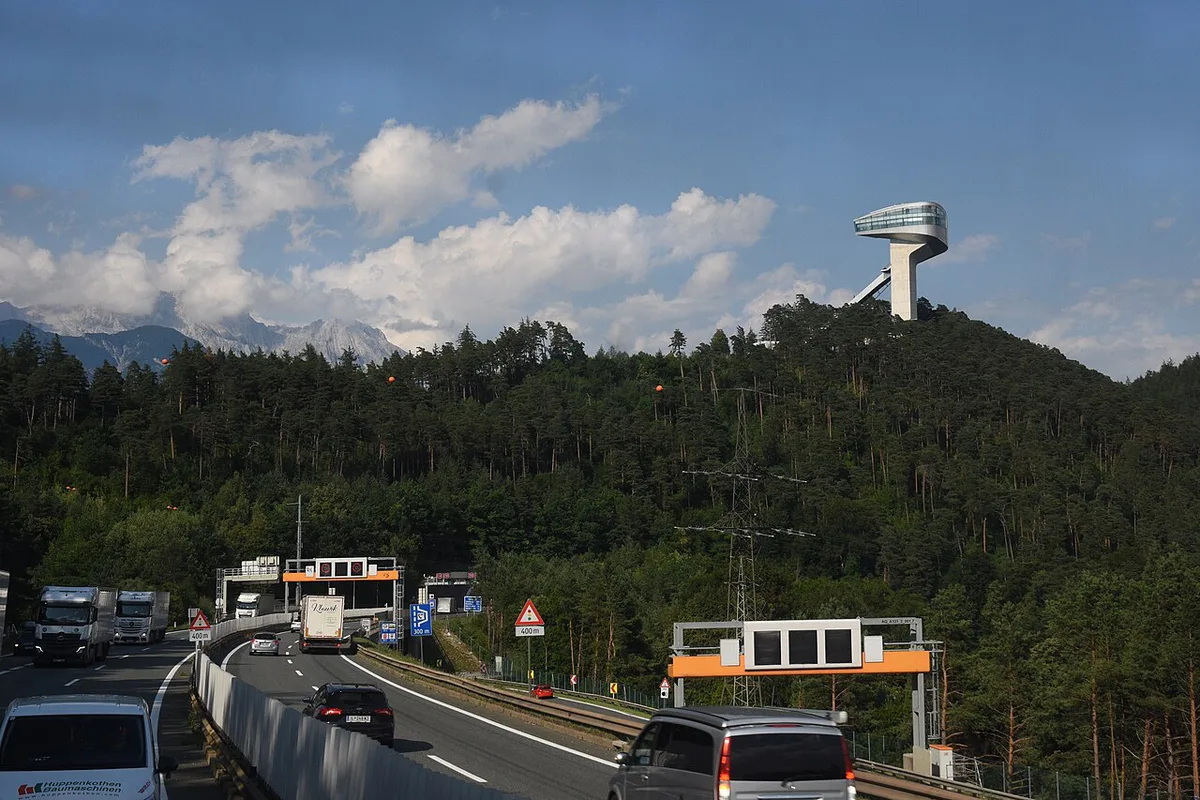
The biggest factor on the A13 right now is the Luegbrücke, a 1,804 m motorway bridge near Gries am Brenner. A replacement bridge has been under construction since March 2025. Since 1 January 2025, traffic over the old bridge has generally been cut to one lane in each direction. On days with heavy traffic, two lanes open per direction, with lorries kept in the left lane. Expect queues on summer and holiday weekends while the works last, and leave earlier than you would on an open motorway.
Further north, near Patsch, the A13 crosses the Sill valley on the Europabrücke. Opened in 1963, the bridge is 820 m long and stands about 180 m above the valley floor, and it gives drivers the best view on the motorway route. There is no stopping on the bridge, so enjoy the view from the moving car.
Frequently Asked Questions
Is the Brenner Pass scenic?
Yes, especially on the old road through Gries am Brenner, where you see the Stubai Alps and Zillertal Alps. The motorway is faster but shows less. The Europabrücke gives a high view of the valley.
Does Italy share a border with Austria?
Yes. The Brenner Pass is one of the main crossings between the two countries, in Tyrol. Carry your passport, because temporary border checks have been used here.
How much does Brenner Pass cost?
Crossing on the old road carries no motorway toll. On the Austrian A13 motorway, a car pays €12.50 for a single trip from Innsbruck to the border in 2026; no vignette is needed on the A13 itself, but you need one on the motorways that lead to it. The Italian A22 charges its own toll.
Road-rule changes worth knowing
Optional updates to our guides.
You might also like

Continue reading
More guides you'll find useful