
Arlberg Tunnel: Toll, Rules and Arlberg Pass Alternative
What drivers need to know about the Arlberg Road Tunnel: separate toll, vignette, winter driving, closures, and when to take the Arlberg Pass instead.
On this page
Last updated November 2026: the Arlberg tunnel is the S16 road tunnel, 13.97 km long, linking Tyrol and Vorarlberg between St. Anton and Langen am Arlberg. Your main decision is whether to drive through it or take the Arlberg Pass over the mountain. The tunnel has its own toll, €13 for a car single trip in 2026, and no vignette is needed on the tolled section.
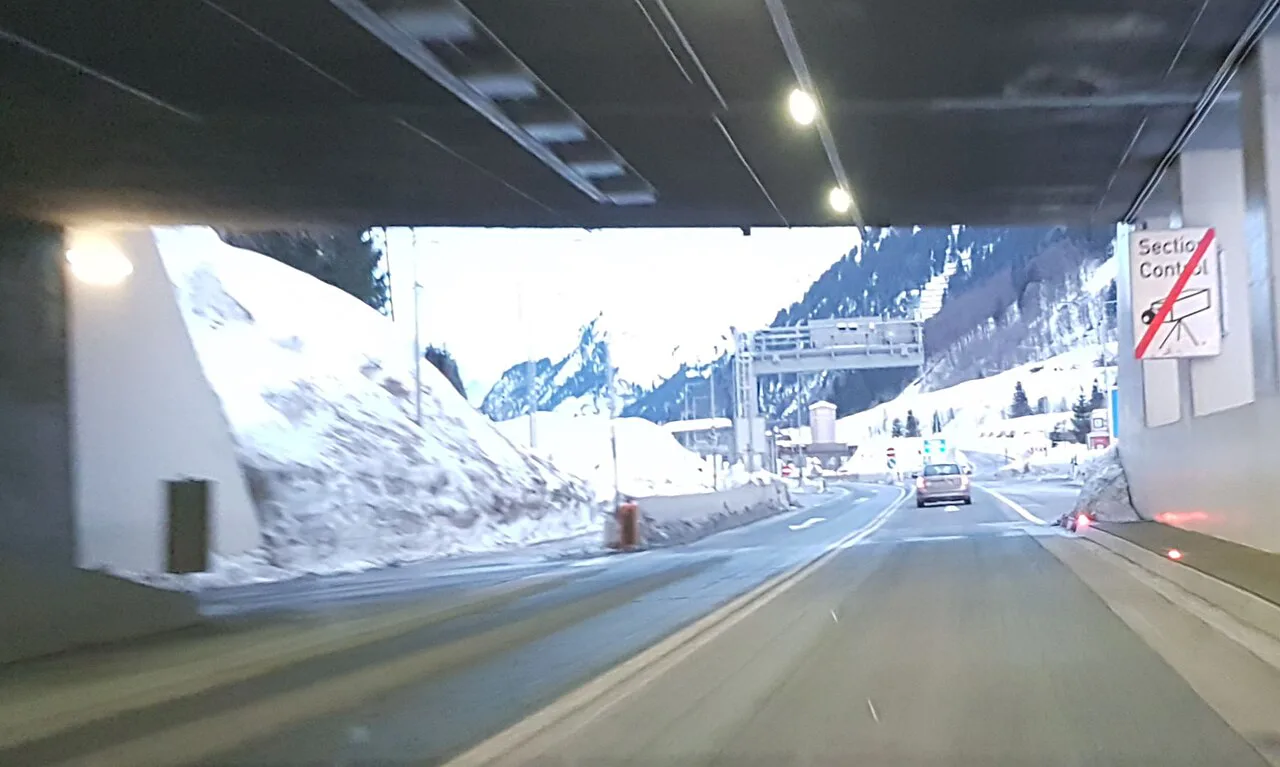
Featured image: Asurnipal, CC BY-SA 4.0, via Wikimedia Commons.
Arlberg Tunnel at a Glance
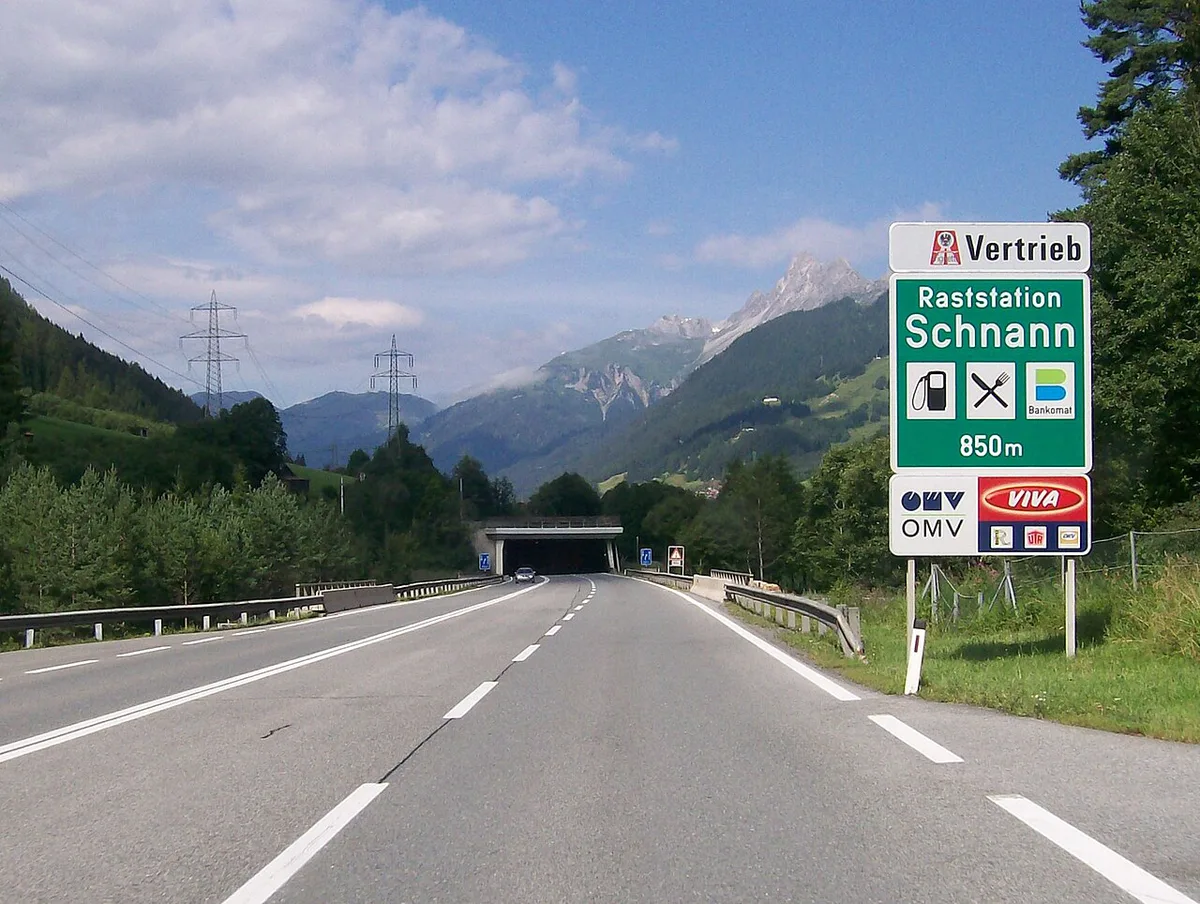
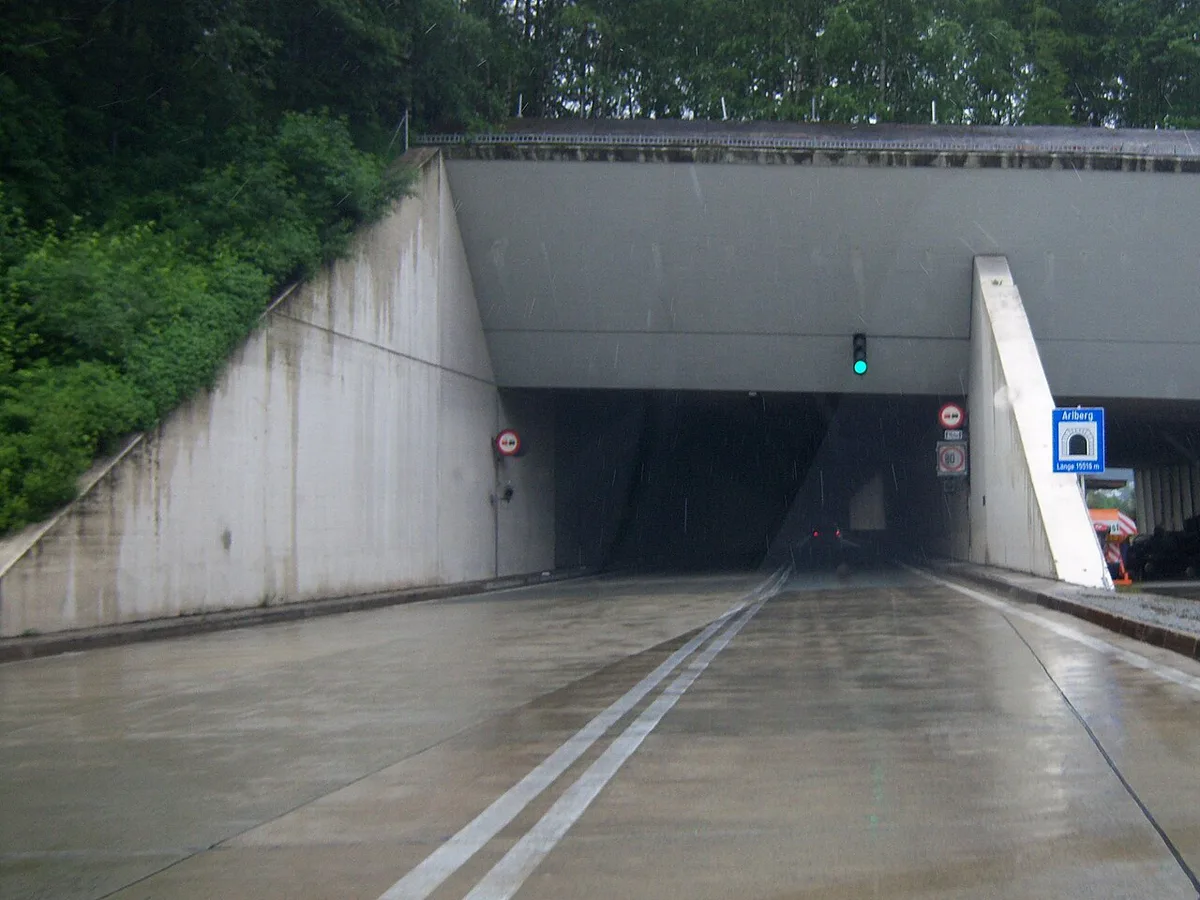
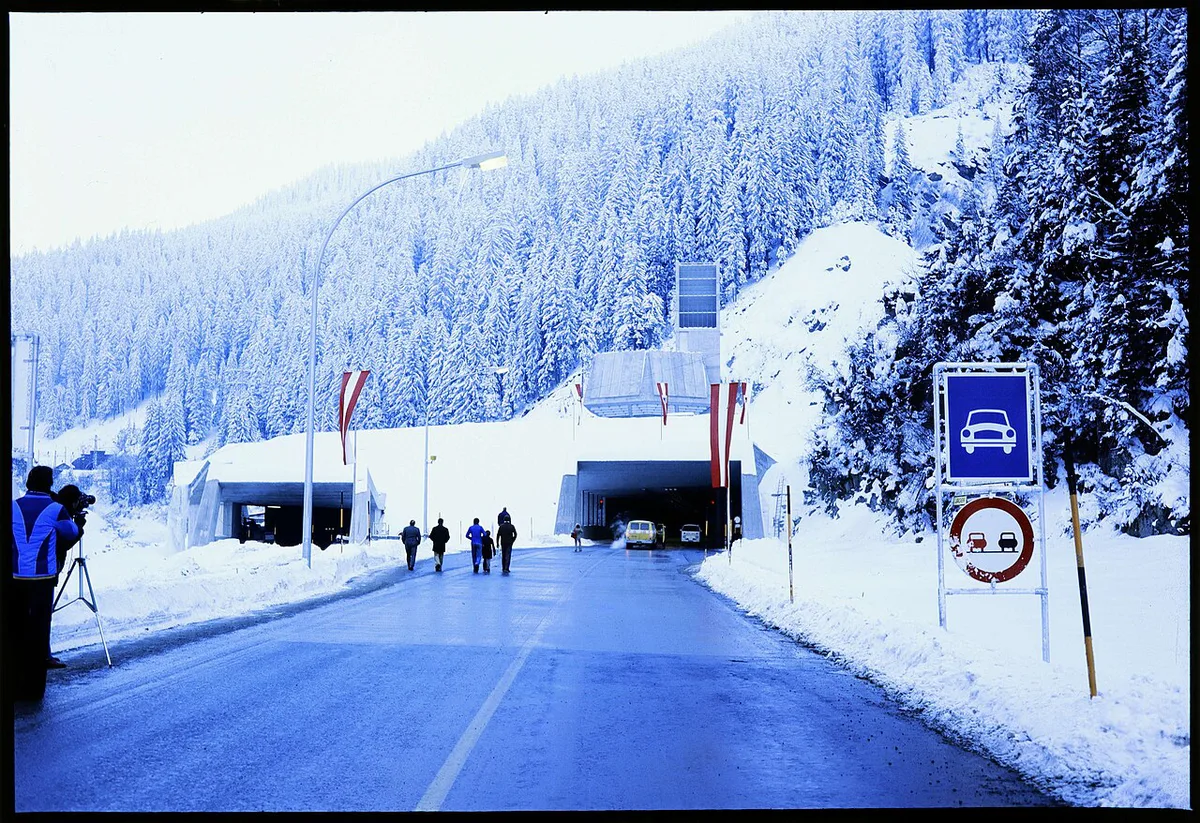
The Arlberg Road Tunnel carries the S16 under the Arlberg massif. Opened on 1 December 1978, it is Austria's longest road tunnel: 13,972 m, or 15,537 m including the avalanche galleries. The Tyrol portal is near St. Jakob by St. Anton am Arlberg, at 1,223 m, and the Vorarlberg portal is at Langen am Arlberg, at 1,188 m. It is a single tube with one lane in each direction, and once inside you cannot turn around or change your mind. Fill your tank and plan any rest stop in St. Anton before you enter, because you will not find services inside.
- Road: S16, linking Tyrol and Vorarlberg
- Length: 13,972 m (15,537 m with galleries)
- Opened: 1 December 1978
- Tyrol side: St. Jakob near St. Anton am Arlberg, toll station in front of the east portal
- Vorarlberg side: Langen am Arlberg
- Toll: €13 per car single trip (2026); no vignette needed on the S16 section
- Alternative: the Arlberg Pass road over the mountain
Tunnel or Arlberg Pass? How to Choose
Both routes link the same two valleys, so the choice comes down to weather, vehicle and mood. The tunnel is the dependable option when snow is falling or visibility is poor. Our guide to the Arlberg Pass road covers the mountain route in detail. In clear summer conditions, the pass gives you views and places to stop that the tunnel cannot.
| Factor | Arlberg Tunnel (S16) | Arlberg Pass |
|---|---|---|
| Toll | €13 per car single trip (2026) | No toll |
| Winter reliability | Usual choice in snowy weather | Snow and avalanche risk can close it |
| Scenery | Little to see inside | Mountain views and pull-offs |
| Stress level | Steady, tunnel driving | Bends and gradients |
| Vehicle suitability | Vehicles over 3.5 t pass a thermal scanner at each portal | Steep, with tight bends; read the signs before towing |
Toll and Vignette: What You Actually Pay
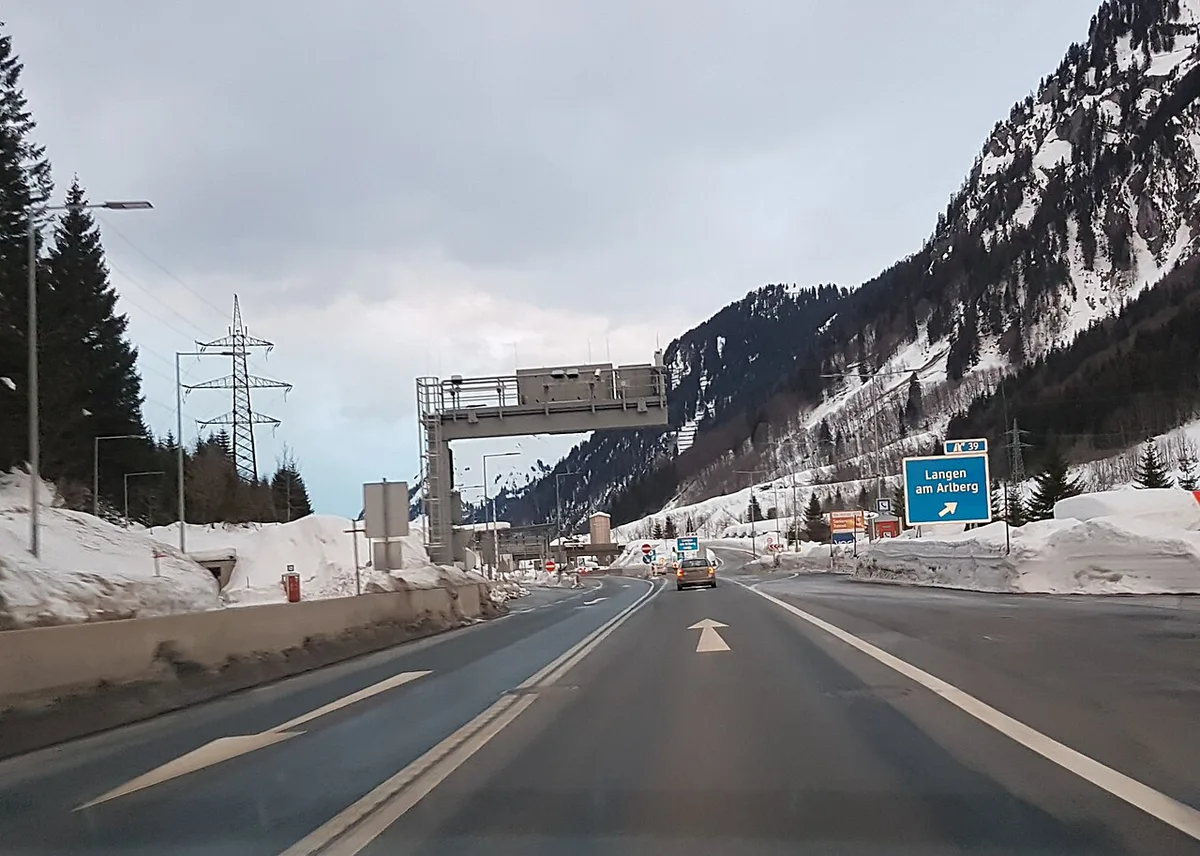
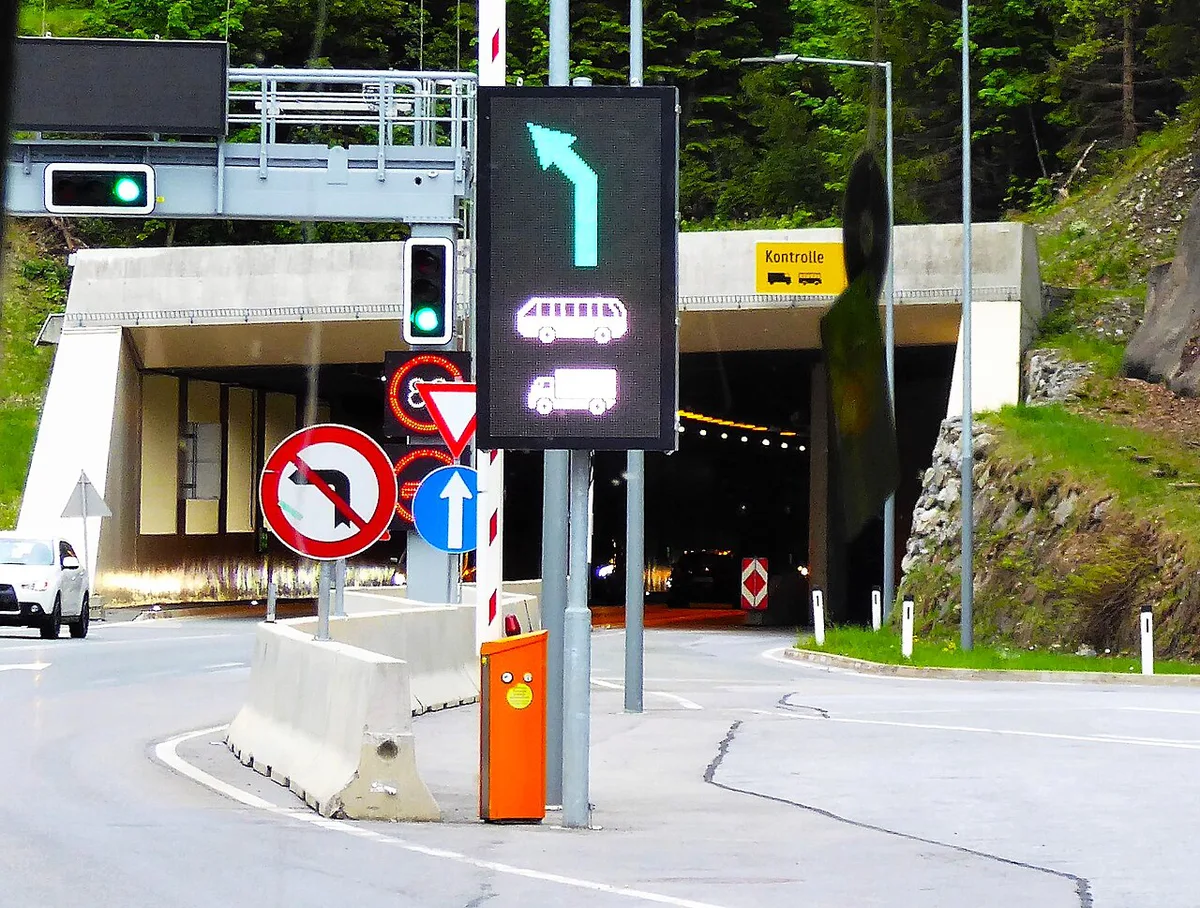
The Arlberg tunnel is a special-toll section (Streckenmaut). Since 1 January 2026 a car single trip costs €13, paid at the toll station on the Tyrol side near St. Jakob, which serves both directions. A vignette does not cover the tunnel, which is the most common surprise for visitors, but none is required on the tolled section itself: you need it only on the motorways leading there. You can pay at the booth in cash or by card, or register your plate for ASFINAG's free Digitale Streckenmaut FLEX and drive through without stopping. A multi-trip card valid for 365 days suits frequent crossers. Our guide to the Austrian vignette explains what that sticker does cover. For other charges on the network, see Toll Roads in Austria: Vignette vs Extra Tolls Explained. The pass road costs no toll, which matters if you are counting euros.
Driving Rules Inside the Tunnel
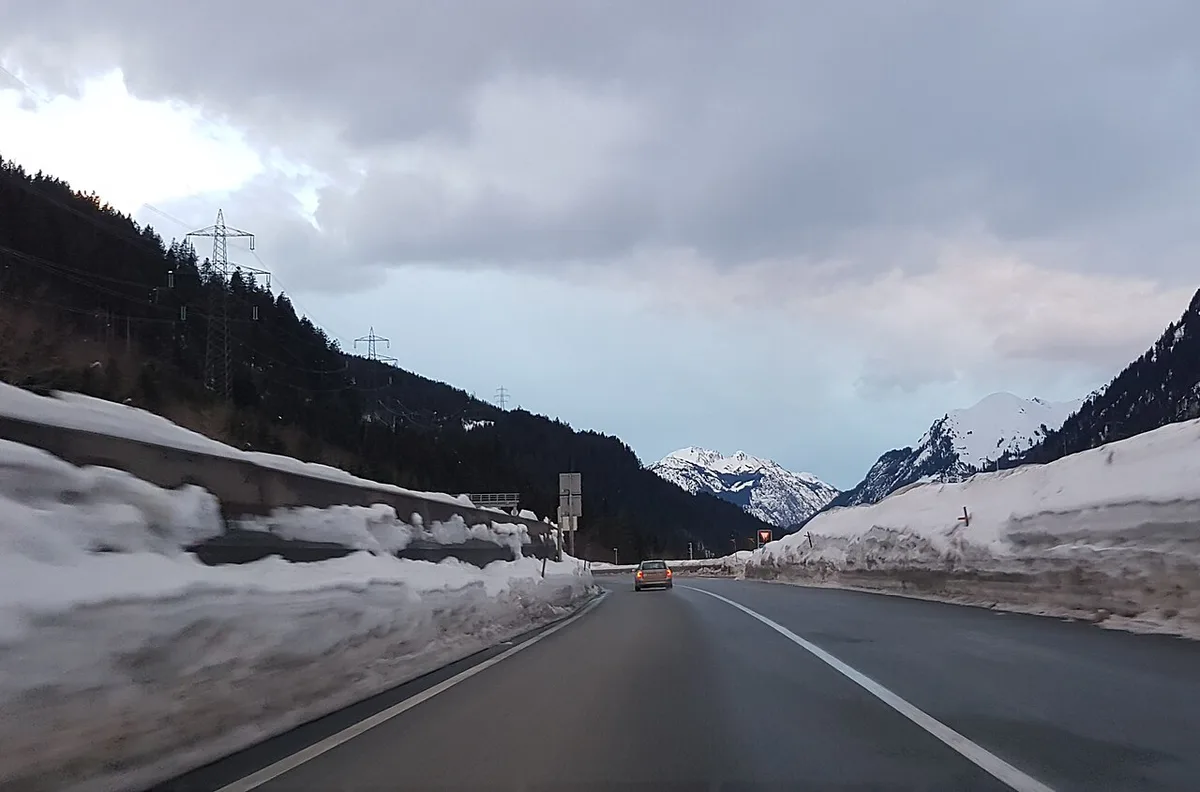
Tunnel driving in Austria follows stricter habits than open road. Switch on your headlights, keep your lane, and leave a generous gap to the vehicle ahead. Do not stop except in an emergency, and follow the signs and emergency instructions posted at the portals. Posted limits apply inside, so see our guide to Austrian speed limits before you set off. Renters should read about Renting a Car in Austria: Requirements & Pick-Up Tips. Drivers on a foreign licence can check driving with a US license.
The tunnel has 16 breakdown bays and escape routes into the parallel railway tunnel; use them only in an emergency.
Winter, Closures and Live Status
Winter is when the tunnel earns its place. When snow affects the Arlberg Pass, the tunnel is the practical way across. Carry winter equipment as Austrian winter rules require, and read the ÖAMTC winter guidance for equipment details. The state road authority publishes closure notices at Land Tirol. Long maintenance closures do happen: the tunnel was shut in 2015 and 2017, from 24 April to 6 October 2023, and from 15 April to 22 November 2024 for rebuilding, with traffic sent over the pass. Look at ASFINAG's live traffic information on the morning you travel. Route apps such as Waze show live traffic, but treat them as a convenience, not an official status source.
On a snowy morning, budget the €13 toll for the S16 tunnel; your vignette does not cover it.
- Vignette valid for the approach, and €13 ready for the tunnel
- Winter tyres or chains in the car if it is snowing
- Fuel tank topped up in St. Anton
- Live status checked with ASFINAG or Land Tirol
- Pass or tunnel decided before the portal
Who Should Skip the Tunnel
Some drivers should plan around the S16. Vehicles carrying hazardous goods and oversize loads face restrictions in Austrian tunnels, and every vehicle over 3.5 t is diverted to a thermal scanner before the portal, so read the ASFINAG rules for your vehicle first. If you travel in summer and want views, take the pass instead. Drivers who dislike long tunnels may also prefer the open road in good weather.
- Hazardous-goods carriers
- Oversize or over-height vehicles
- Summer drivers who want scenery
Where It Fits on an Austria Road Trip
The tunnel is the quickest link from Tyrol to Vorarlberg, and a natural stage on a westbound trip. Our Austria Road Trip: Routes, Passes & Driving Tips route shows how the crossing fits a longer loop. For wider context on rules and costs, start with 7 Things to Know Before Driving in Austria. Other Alpine crossings behave differently, so compare the Felbertauern Tunnel: Toll, Route and Winter Driving Guide if you are heading to East Tyrol. The Brenner Pass: Route, Tolls and Border Crossing Guide serves the Italian border instead. Ask Austria Tourism about regional access if you plan to stay around St. Anton.
Frequently Asked Questions
Where is Arlberg located?
Arlberg is an Alpine massif on the border of Tyrol and Vorarlberg in western Austria. St. Anton am Arlberg lies on the Tyrol side. Langen am Arlberg lies on the Vorarlberg side.
Road-rule changes worth knowing
Optional updates to our guides.
You might also like

Continue reading
More guides you'll find useful