Renting a Car in Austria: Requirements & Pick-Up Tips
Need a rental car in Austria? Licence and age rules, the digital vignette, winter tyre law and where to pick up, for city and Alpine trips.
On this page
Last updated November 2026: renting a car in Austria pays off for Alpine villages and lake districts, and rarely for Vienna alone. You need a valid licence, a credit card in the main driver's name and, with most major firms, to be 21 or older. Austria's two big traps are the digital motorway vignette and the winter tyre rules, and both are covered below.
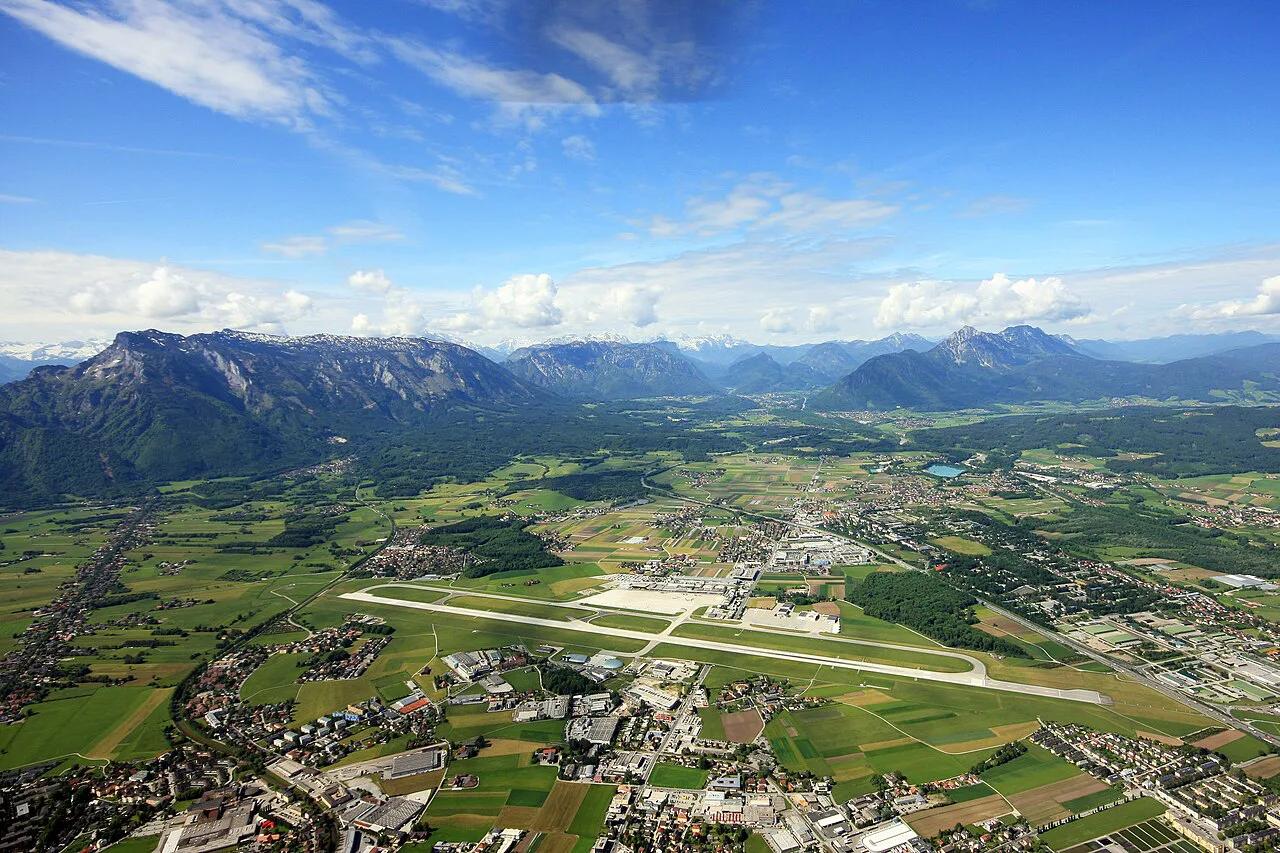
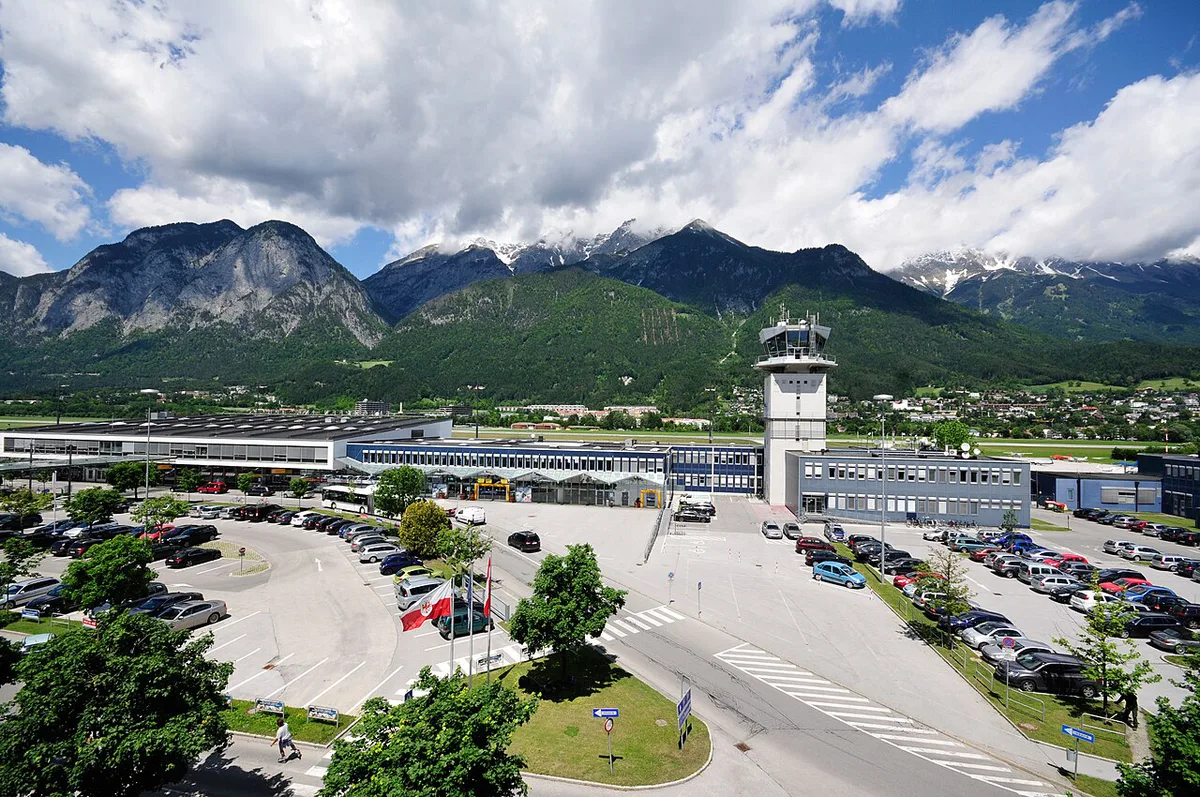
Featured image: SZGwebmaster, CC BY-SA 3.0, via Wikimedia Commons.
Do you need a rental car in Austria?
Vienna has a dense transit network, expensive parking and a largely pedestrianised centre, so a rental there is often counterproductive. Salzburg and the Salzkammergut lake district reward a car, because rail and bus services reach the smaller villages infrequently. Tyrol and Vorarlberg are the clearest case for renting, especially if you want valley roads and passes. Multi-city trips by rail usually need no car at all.
| Trip type | Rent a car? | Why |
|---|---|---|
| Vienna only | Skip it | Transit is dense and parking is expensive |
| Salzburg and Salzkammergut | Useful | Lake villages have infrequent bus and rail |
| Tyrol and Vorarlberg villages and passes | Useful | Mountain valleys and passes are easiest by car |
| Vienna, Salzburg and Innsbruck by rail | Usually skip | Trains link the cities; a car adds parking cost |
- Mistake to avoid: collecting a car at the Vienna airport desk for a three-day city stay, then paying for parking you do not need.
- Mistake to avoid: assuming the vignette is already registered to your rental's plate.
What you need to rent a car in Austria
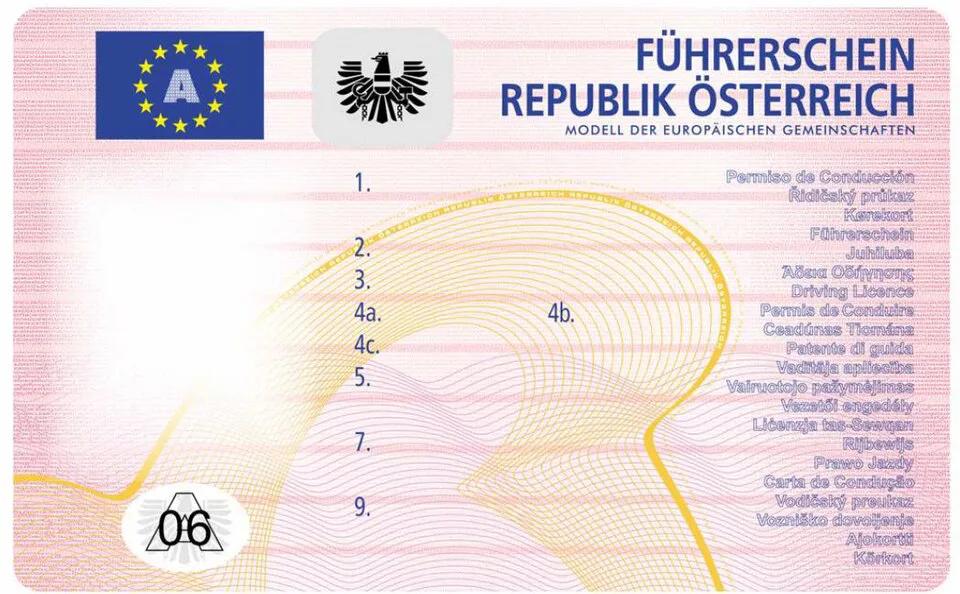
EU and EEA licences are valid in Austria with no International Driving Permit. Licences in a non-Latin script, such as Arabic, Chinese, Japanese or Cyrillic, need an IDP or a certified German translation. Latin-script non-EU licences are generally accepted for short stays of up to 6 months. US drivers should read our US licence rules before booking.
Austrian law sets the minimum driving age at 18. Rental firms set their own limits. Some rent at 18 or 20, most major international companies ask for 21, and premium, SUV or automatic classes may need 25. Drivers under 25 often pay a daily young-driver surcharge.
Rental desks almost always want a credit card in the main driver's name. That card carries a hold for the damage excess, which can run from several hundred euros to over €1,000 depending on vehicle class and cover. Most major companies decline debit cards, so check accepted payment methods with your provider before you travel. For the wider rulebook, start with our Austrian driving rules hub.
Where to pick up: airport or city
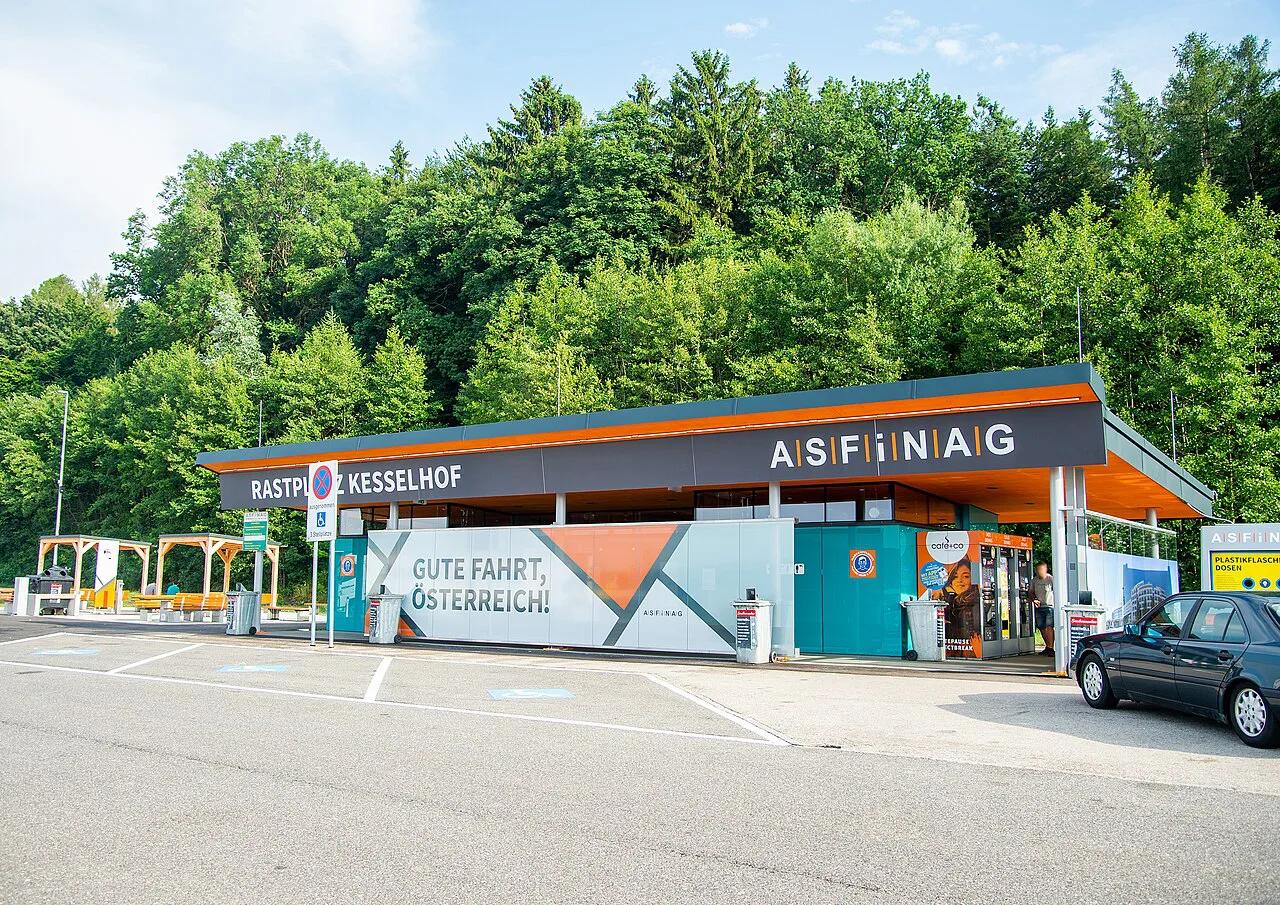
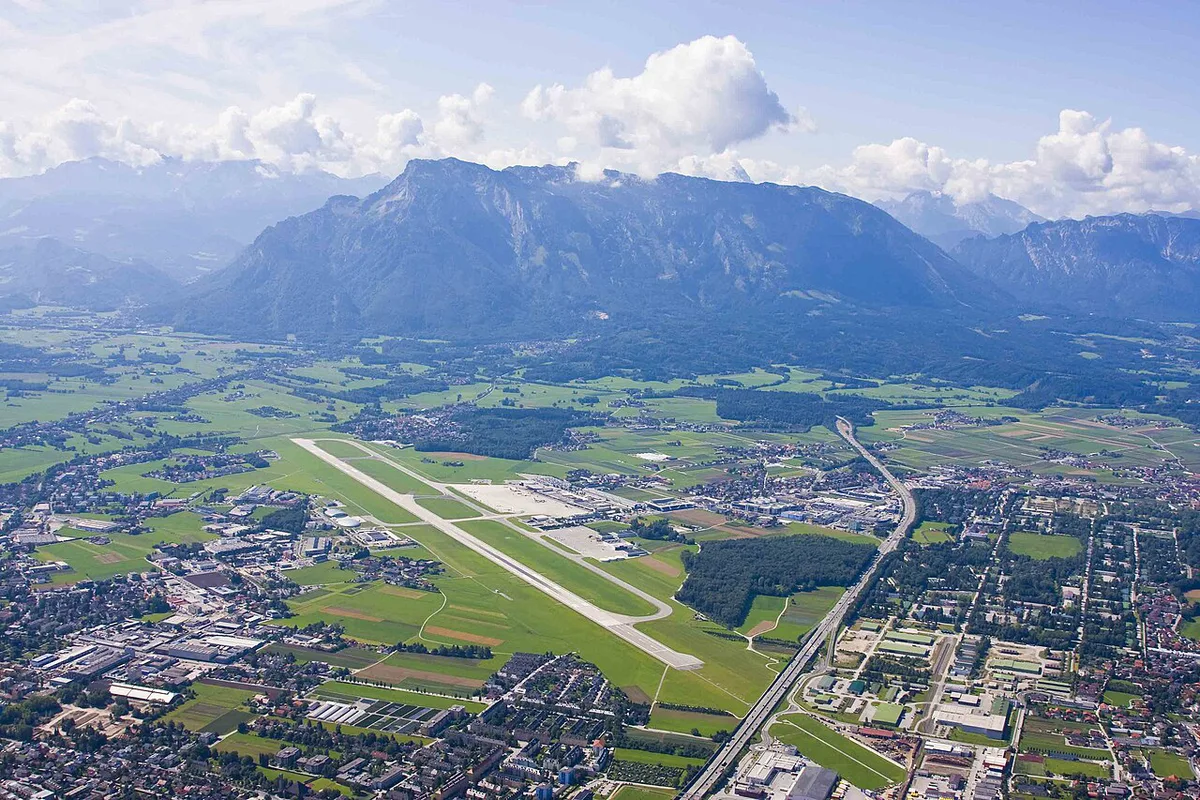
Vienna International Airport (VIE) and Salzburg airport both have rental desks. Airport location surcharges are standard at most companies. If you land in Vienna and plan to see the city first, ride the City Airport Train (CAT) into town. Collect the car at a city-centre branch only when you are ready to leave the urban core. Then compare the surcharge against the train fare and your time.
| Pick-up point | Best when | Trade-off |
|---|---|---|
| Vienna airport (VIE) | You drive straight out of the city | Airport surcharge |
| Vienna city branch | You sightsee first, then head to the Alps | Train or transfer to reach it |
| Salzburg airport | You start in Salzburg or the lakes | Airport surcharge |
Insurance, excess and deposit
Austrian law requires third-party liability cover (Haftpflichtversicherung), so every rental includes it. Collision damage waiver (CDW) and theft protection are optional but strongly advisable. Without them you are personally liable for damage up to the car's full value. CDW normally carries an excess, which you can reduce with extra cover from the rental company, a travel policy with car-hire cover, or a card that includes it. Get the excess amount in writing at the desk.
Deposit holds can run to over €1,000, so check whether a card or travel policy covers the excess before you reach the desk.
| Cover route | What it does | Watch for |
|---|---|---|
| Rental-desk cover | Cuts or removes the excess at the counter | Highest cost; simple claims |
| Third-party excess cover | Reimburses the excess after a claim | You pay the excess first, then reclaim |
| Card or travel-policy cover | Secondary collision cover | Exclusions; confirm it applies to Austria |
Vignette, tolls and rental cars
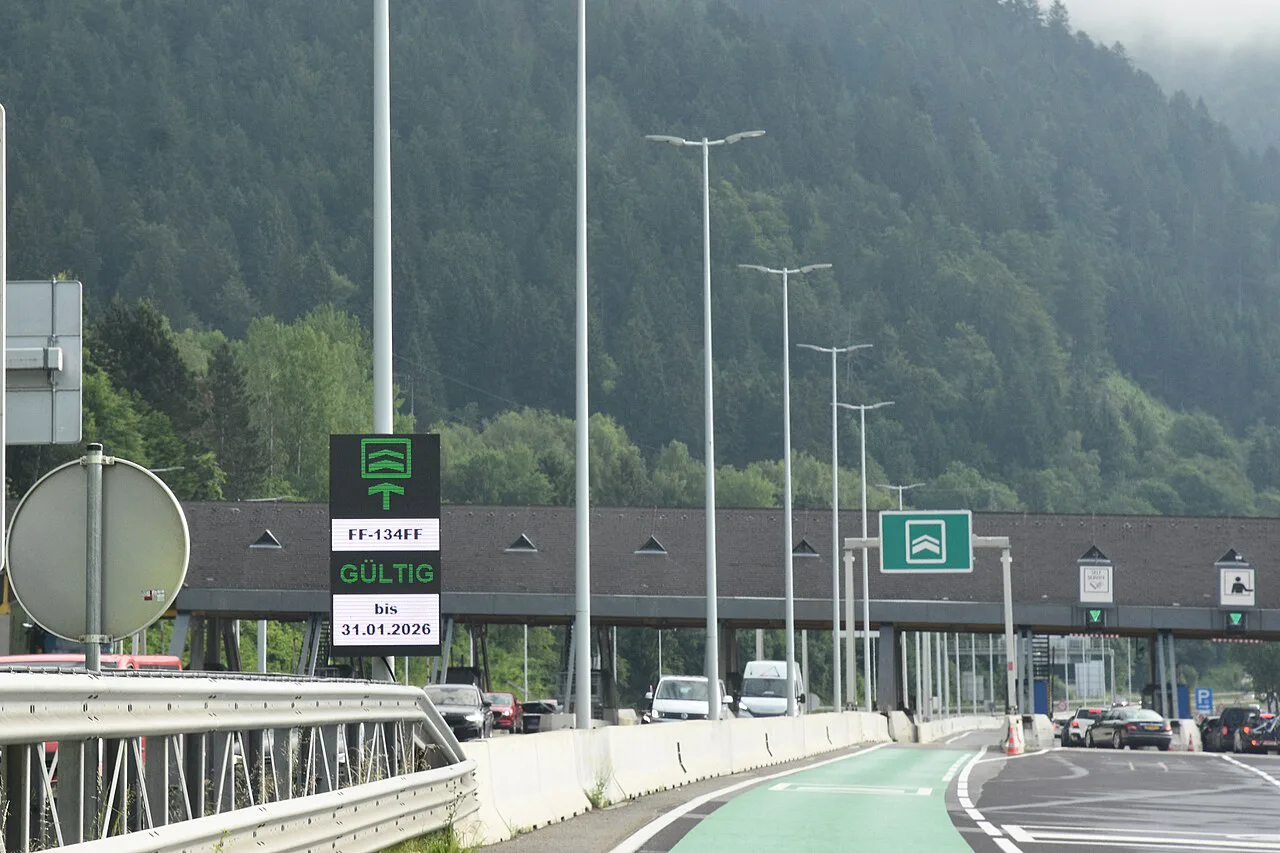
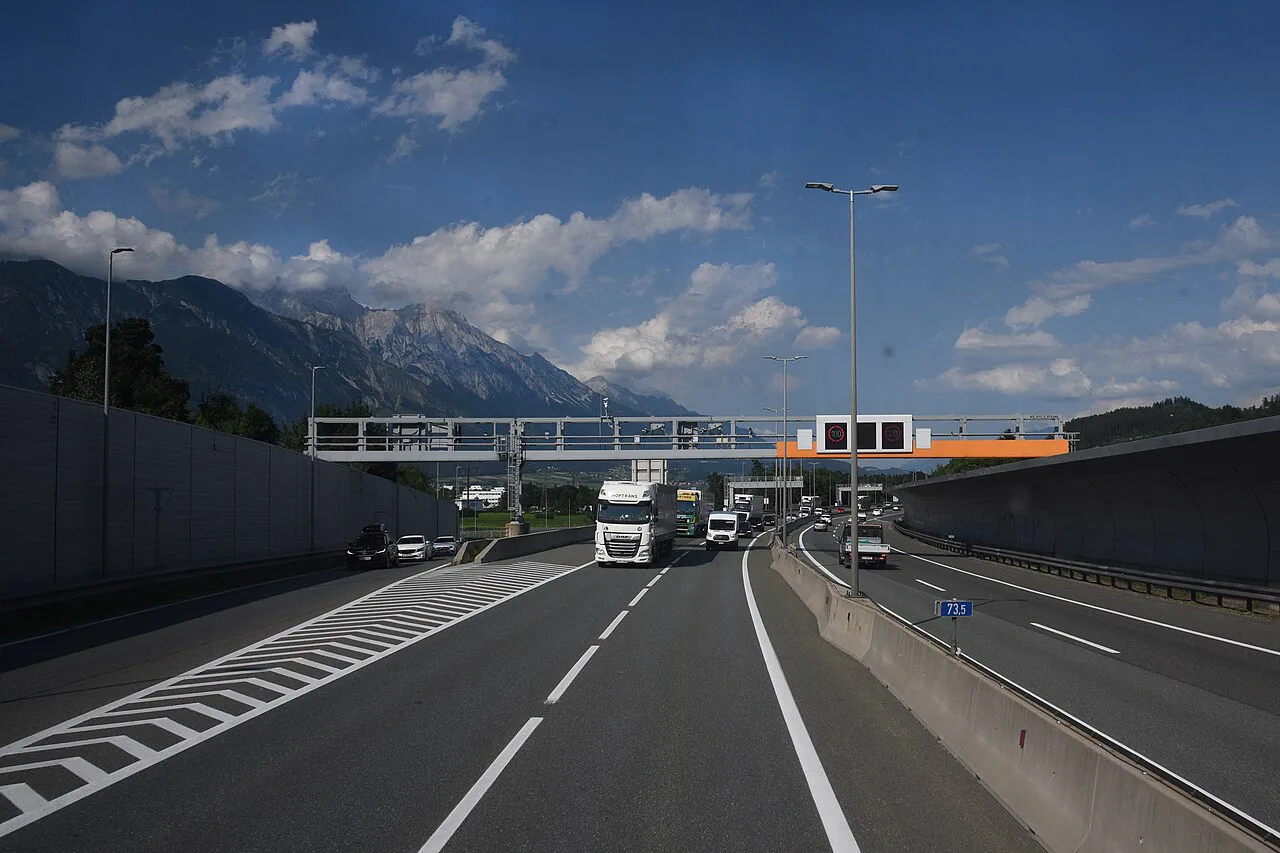
Motorways and expressways need a digital vignette registered to the licence plate. Since 2023 there are no physical stickers, so a paper sticker bought and never registered does nothing. Rental cars sometimes come with one included. Ask whether it is bought and registered for your exact dates. On-the-spot fines for driving without one run into the hundreds of euros. Prices and purchase steps sit in our digital vignette rules guide.
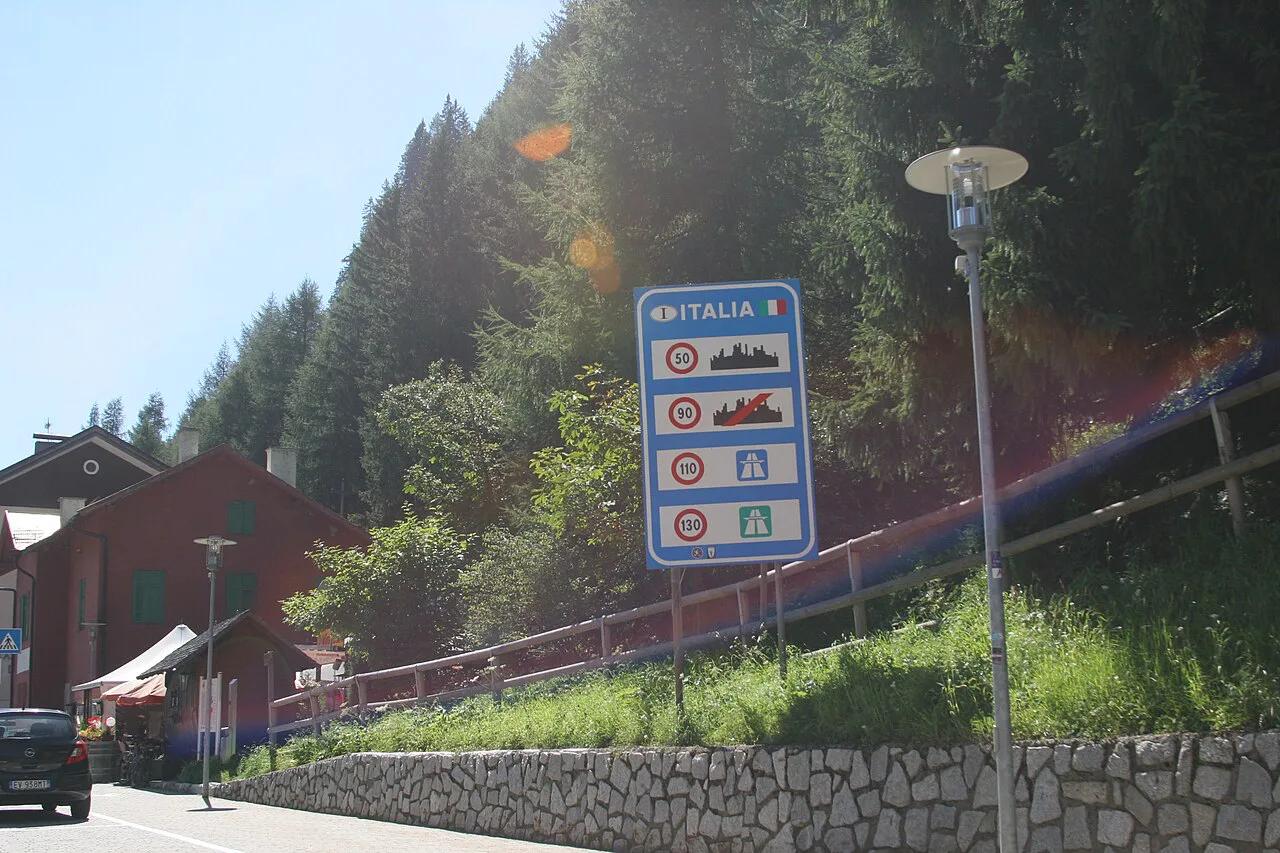
Separate tolls apply on some tunnels and mountain roads. Our toll road costs page lists them. Check the Felbertauern road operator for its toll and opening details. Drivers heading for Italy can read about the Brenner route. The Felbertauern toll tunnel and the Arlberg road tunnel each have their own pages.
Winter tyres, snow chains and seasonal closures
Winter or M+S-rated tyres are legally required between 1 November and 15 April whenever roads are icy, snowy or slushy. Current guidance is published by ÖAMTC. Because the rule is conditional, high-altitude routes such as the A13 Brenner Autobahn and A10 Tauern Autobahn can demand winter equipment in late spring. Non-compliance is fineable and may void your rental insurance. Snow chains are advisable on higher Alpine roads.
Winter tyre rules run between 1 November and 15 April, so an autumn pick-up on a Tyrol route still needs the tyre question settled at the desk.
For winter rentals, ask in writing whether tyres and chains are included. Alpine passes also close seasonally. Plan around the Silvretta Alpine route only after checking its opening dates. The Gerlos Alpine Road and the Arlberg crossing get the same treatment. Steeper tests such as the Hahntennjoch route and the Kaunertal glacier route suit confident drivers in dry conditions.
Pick-up checklist
Ten minutes at the desk saves arguments at drop-off. Manual gearboxes are the common default, so reserve an automatic early.
- Photograph every existing scratch and dent on all panels.
- Fuel: full-to-full is the usual policy, and prepaid fuel is rarely good value.
- Mileage: confirm whether the offer has a daily limit.
- Vignette: ask for proof it is registered to the plate.
- Transmission: manual is common; automatics need early booking.
- Child seats: reserve them in advance.
- Offline maps: download Austria in Google Maps or Maps.me, because Alpine valleys can have patchy signal.
- Parking disc (Parkscheibe): free at any tobacconist (Trafik) or petrol station, and needed in short-stay zones (Kurzparkzonen).
Road rules that catch renters out
Traffic drives on the right, and overtaking is on the left. A few rules surprise visitors most. For limits by road type, see our speed limit details. Broader etiquette is in the driving hub.
- Rechts vor Links: at unmarked intersections, traffic from the right has priority, even on larger roads.
- Section control (Streckenradar): average-speed cameras operate on stretches of the A1, A2 and A10, so braking at the sign does not help.
- Emergency lane (Rettungsgasse): when motorway traffic stops, left-lane vehicles move left and all others move right.
- Red lights: turning right is prohibited unless a specific arrow signal permits it.
Cost and booking tips
Rental prices change by date and class, so compare the total rather than the headline rate. Cost drivers include the age surcharge, airport fee, one-way fee, excess cover, extras, fuel, parking and tolls. Book early for automatics and for summer or ski weekends. The A10 and A13 regularly see multi-hour queues on summer Saturdays and peak ski weekends. Neutral next step: compare two or three offers using the same dates, driver age and cover level. Once the car is booked, our road trip itinerary planning guide helps you build the route.
Cross-border and one-way rental rules
Ask for written permission before taking a rental car across Austria’s borders. A route south on the A13 Brenner Autobahn can continue into Italy, while the A10 Tauern Autobahn is a common approach toward Slovenia. Your booking terms must specifically allow the countries you plan to enter.
Cross-border travel may need a green-card document, added insurance, or a vehicle-class restriction. This is especially important for premium cars, vans and winter bookings. Tell the desk about every country on your route before collecting the keys.
One-way rentals can be useful when you arrive in Vienna and leave from Salzburg or Innsbruck. They may carry a drop-off fee, and cross-border returns are often more restricted than domestic ones. Compare the total quote against returning the car to its original branch. Confirm the permitted countries, return location and any fees in writing before you book.
Road-rule changes worth knowing
Optional updates to our guides.
You might also like

Continue reading
More guides you'll find useful