
Felbertauern Tunnel: Toll, Route and Winter Driving Guide
Driving the Felbertauern Tunnel in Austria: what it connects, how the toll works, winter planning and when to take another Alpine route.
On this page
Last updated November 2026: the Felbertauern tunnel is a toll tunnel on the B108 that links Mittersill in Salzburg with Matrei in East Tyrol. It passes beneath the Hohe Tauern main divide, so it shortens the trip between Salzburg state and Lienz country. This guide covers the toll, winter conditions, driving rules and the alternatives, so you can decide before you commit.
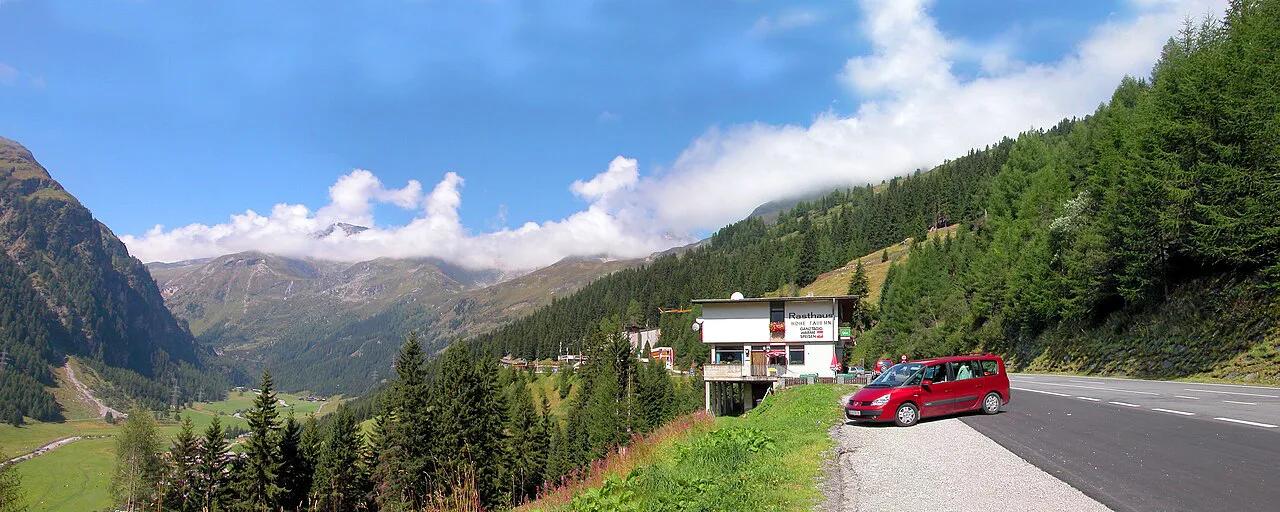
Featured image: Jörg Blobelt, CC BY-SA 4.0, via Wikimedia Commons.
Felbertauern Tunnel at a glance
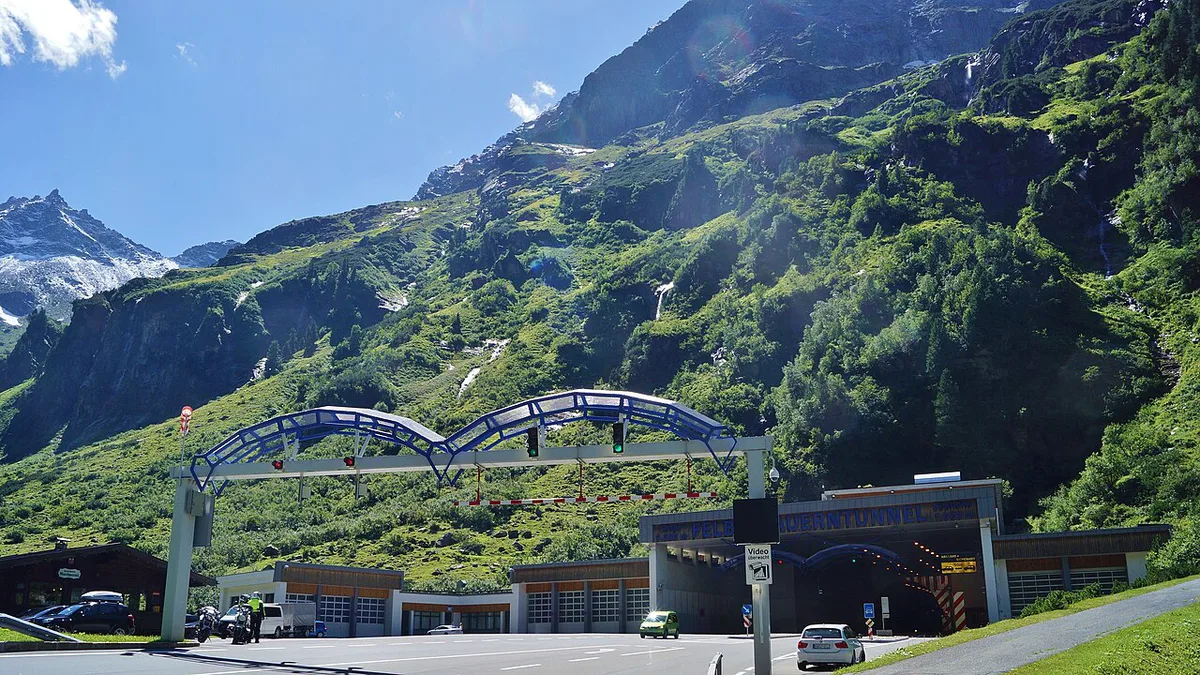
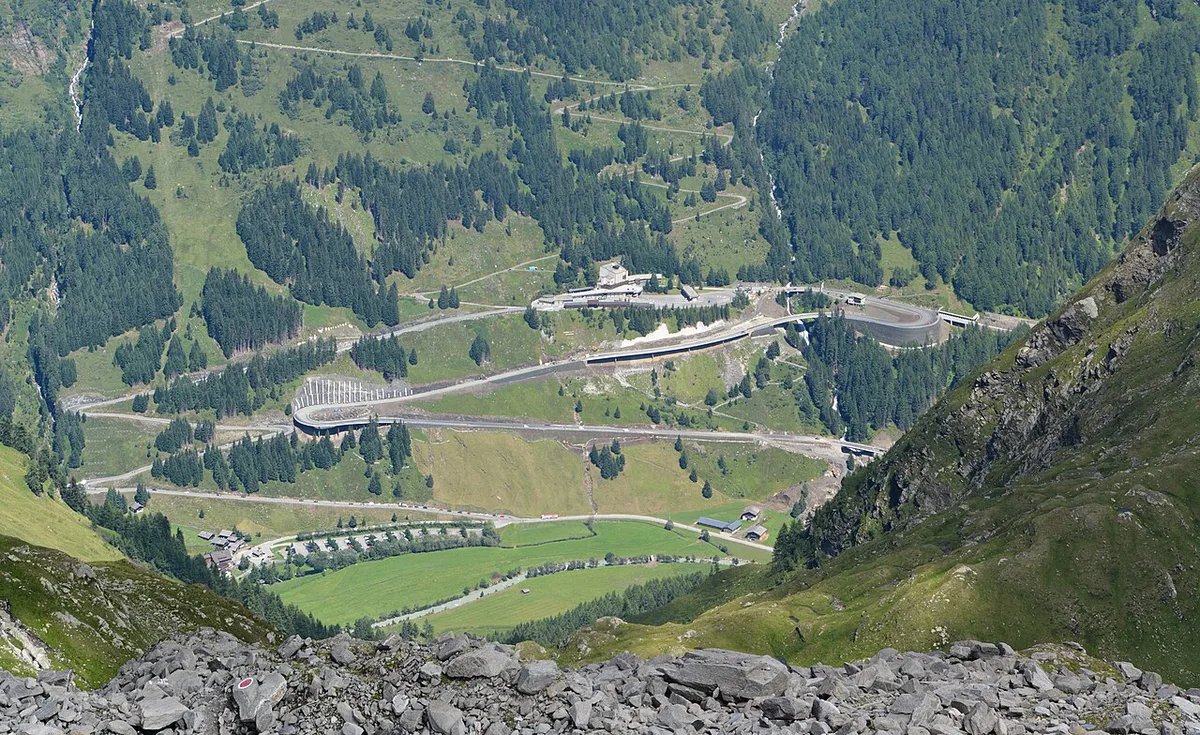
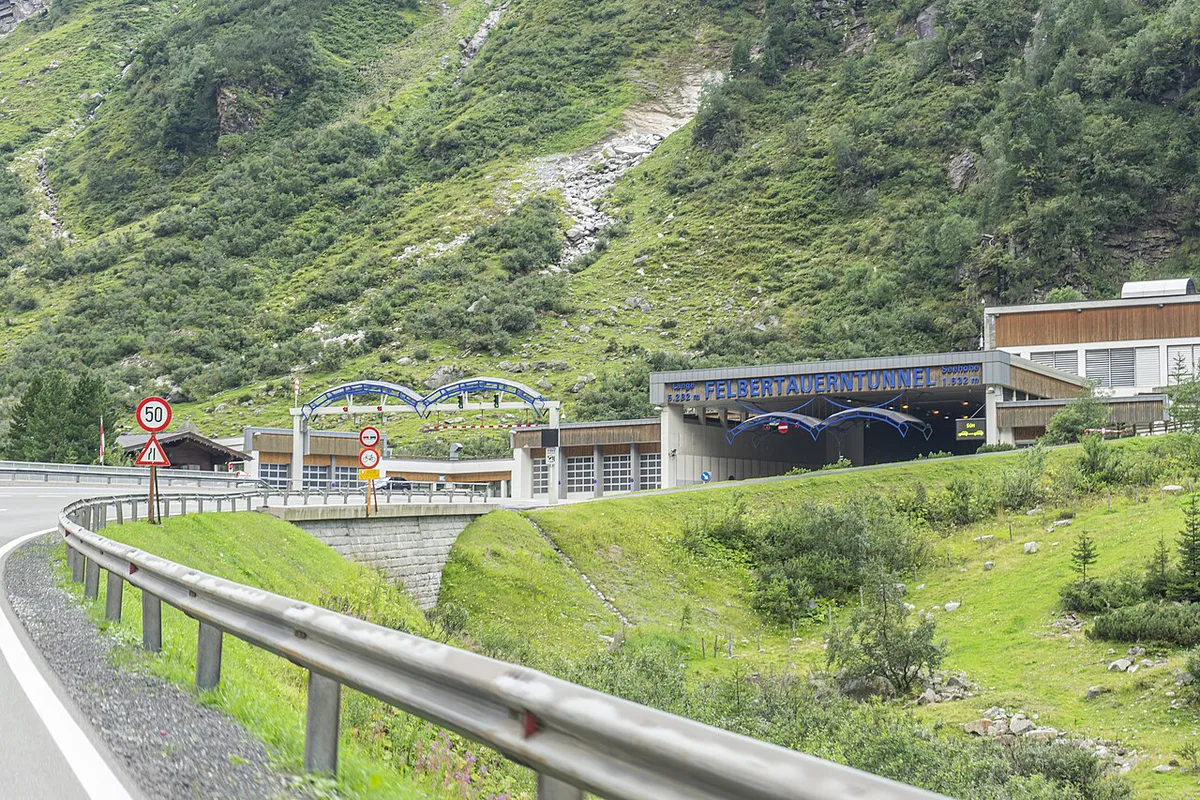
Felbertauern is both a road and a tunnel. The B108 climbs through Hohe Tauern valleys on each side and crosses the divide in a tunnel. The tunnel is 5,282 m long. Its north portal sits at 1,607 m and its south portal at 1,632 m, and the high point inside is about 1,650 m. It opened on 5 June 1967 and is run by Felbertauernstraße AG, not by the motorway company ASFINAG. The road is open all year, around the clock, and the operator runs a live information service on its official site.
- Road: B108, the Felbertauern road
- North side: Mittersill, Salzburg
- South side: Matrei in Osttirol, East Tyrol
- Type: toll tunnel through the Hohe Tauern divide, 5,282 m long, opened 1967
- Toll: €13.50 one way for a car
- Best for: Salzburg to Lienz and East Tyrol journeys
Felbertauern toll and how to pay
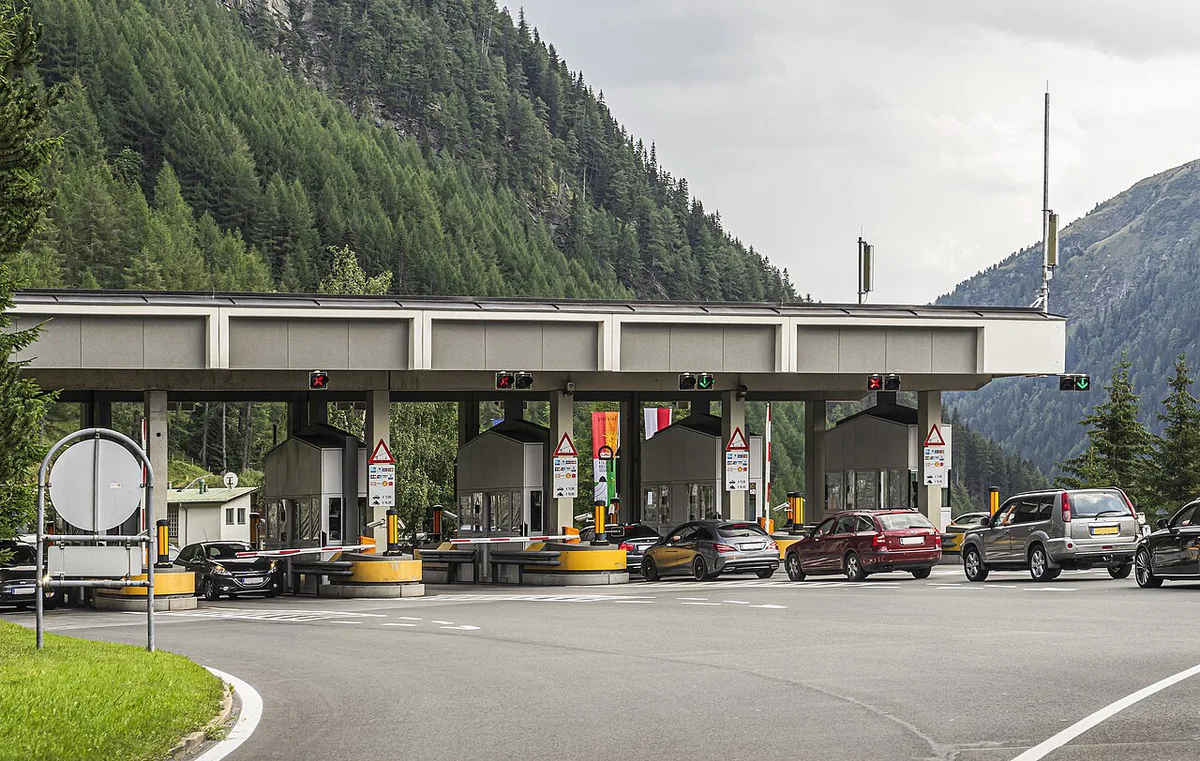
You pay a separate toll at the tunnel, and the vignette does not cover it. You also need no vignette on the Felbertauern road itself, because the B108 is not a motorway. Our guide to the Austrian motorway vignette explains what that sticker does and does not cover. For wider context, see Austria's special toll roads. The operator sets the tariff, and its official Felbertauernstraße site lists the current one. Prices were last checked in November 2026.
| Ticket | Price | Notes |
|---|---|---|
| Car, single trip | €13.50 | Camper vans are charged as cars |
| Motorcycle, single trip | €12.00 | |
| Car, round trip via ADAC presale | €24.00 | Bought in advance through ADAC |
| Annual card | €145 | For regular crossers |
At the booth you can pay in cash or by card, including fuel cards. Tickets are also sold in the operator's web shop before the trip, and an autoPASS lane lets registered drivers pass without stopping.
Is the Felbertauern Tunnel open in winter?
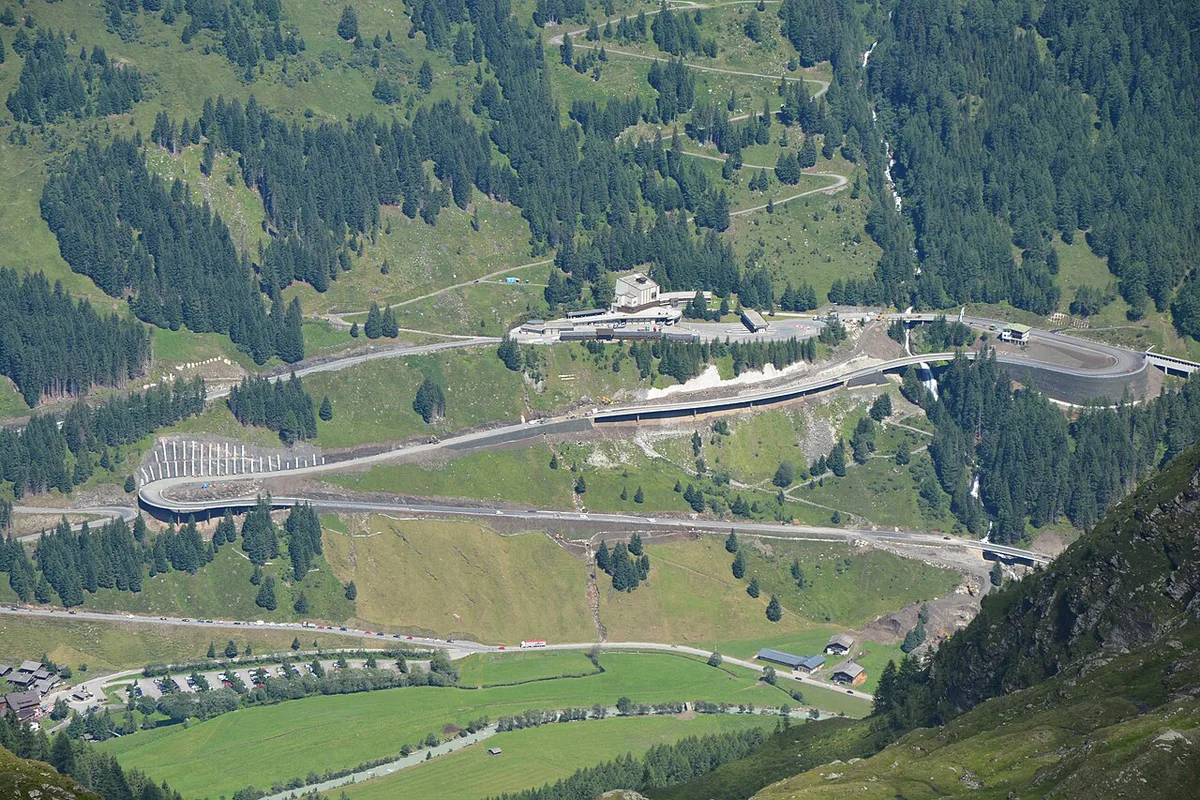
Yes. The Felbertauern road is open all year, 24 hours a day, which makes it the main winter link between Salzburg state and East Tyrol. The route crosses the main Alpine divide, though, and snow can reach the approaches, which climb to the portals at about 1,600 m. Look at live status on the operator's site on the day you travel. The Austrian motoring club publishes winter equipment guidance at ÖAMTC. Austrian law requires winter tyres, or chains, in wintry conditions from 1 November to 15 April. Rental cars can differ on this point, so read your contract first.
The tunnel itself is only 5.3 km, but both portals sit above 1,600 m, so winter tyres and chains still matter in November.
- Look up live road and weather status the morning you leave
- Fit winter tyres and keep chains in the boot
- Start with a full tank before the climb
- Keep your toll payment method ready at the booth
Driving rules inside the tunnel
Normal tunnel discipline applies. Keep your headlights on, hold a steady distance behind the vehicle ahead, and do not stop for photos inside. Scenic stopping areas exist outside the tunnel, so use those instead. Posted signs set the exact speed limit and any vehicle restrictions, including those for trucks and hazardous goods. Read them as you approach. Our Austrian speed limit guide covers general limits on other roads. If your car breaks down, switch on the hazard lights and follow the emergency instructions posted in the tunnel.
Felbertauern vs other Alpine crossings
Pick the crossing by season, cost type and what you want from the drive. The table compares the Felbertauern tunnel with the Grossglockner High Alpine Road and the Brenner corridor. Grossglockner closes in winter and has its own toll, €46.50 for a car day ticket in 2026 according to ADAC. Brenner is a major north-south corridor, covered in our Brenner Pass guide. For a tunnel comparison in western Austria, see the Arlberg tunnel guide.
| Route | Cost type | Season | Best for | Drawback |
|---|---|---|---|---|
| Felbertauern tunnel (B108) | €13.50 car single trip | Open all year, 24 hours | Salzburg to East Tyrol shortcut | Little scenery inside the tunnel |
| Grossglockner High Alpine Road | €46.50 car day ticket | Closed in winter | Scenic high-mountain drive | Closed when snow arrives |
| Brenner corridor (A13) | €12.50 car single trip, plus vignette on approach | Main year-round corridor | Crossing toward Italy | Heavy traffic at peak times |
The drive: what to expect on each side
Mittersill on the Salzburg side and Matrei in Osttirol on the East Tyrol side are the two named gateways. Steep slopes and mountain valleys frame both approaches, and the road climbs steadily toward the tunnel. Fill the tank in the valley before you start. Plan food stops in Mittersill or Matrei rather than on the climb. Use the permitted stopping areas outside the tunnel for viewpoints and keep your attention on the road. If you are building a longer route, the Austria road trip planner shows where this crossing fits.
Who should use the tunnel and who should skip it
The tunnel suits drivers who want a direct Salzburg to East Tyrol link and are happy to pay a toll for it. It works for first-time Alpine drivers, because the route is a standard road rather than a pass of hairpins. Travellers on a scenic day trip may prefer a seasonal pass instead.
- Take it: Salzburg to Lienz or East Tyrol, in any season when the road is open
- Take it: first-time Alpine drivers who want a direct road
- Check first: rental drivers, since contracts differ on tolls and winter tyres; see the Austria car rental guide
- Check first: US licence holders; see driving in Austria with a US license
- Skip it: anyone wanting a scenic high pass in clear summer weather
- Take it: camper vans, which pay the car rate, and motorcyclists, at €12 a trip
Mistakes to avoid
Most problems come from four assumptions. Each is easy to avoid with a few minutes of planning.
- Assuming the vignette covers the tunnel toll
- Ignoring winter tyre and chain advice in November
- Expecting scenic stops inside the tunnel
- Starting the climb with a low tank
Planning the rest of the route
Our Driving in Austria guide gives the wider rules for tolls, documents and mountain roads. If you want another scenic option in the west, see the Silvretta High Alpine Road: Toll, Season & Driving Guide. Look at live conditions before every Alpine crossing in winter.
Road-rule changes worth knowing
Optional updates to our guides.
You might also like

Continue reading
More guides you'll find useful